Categories
Conference

Injectable nanotech device continuously monitors glucose

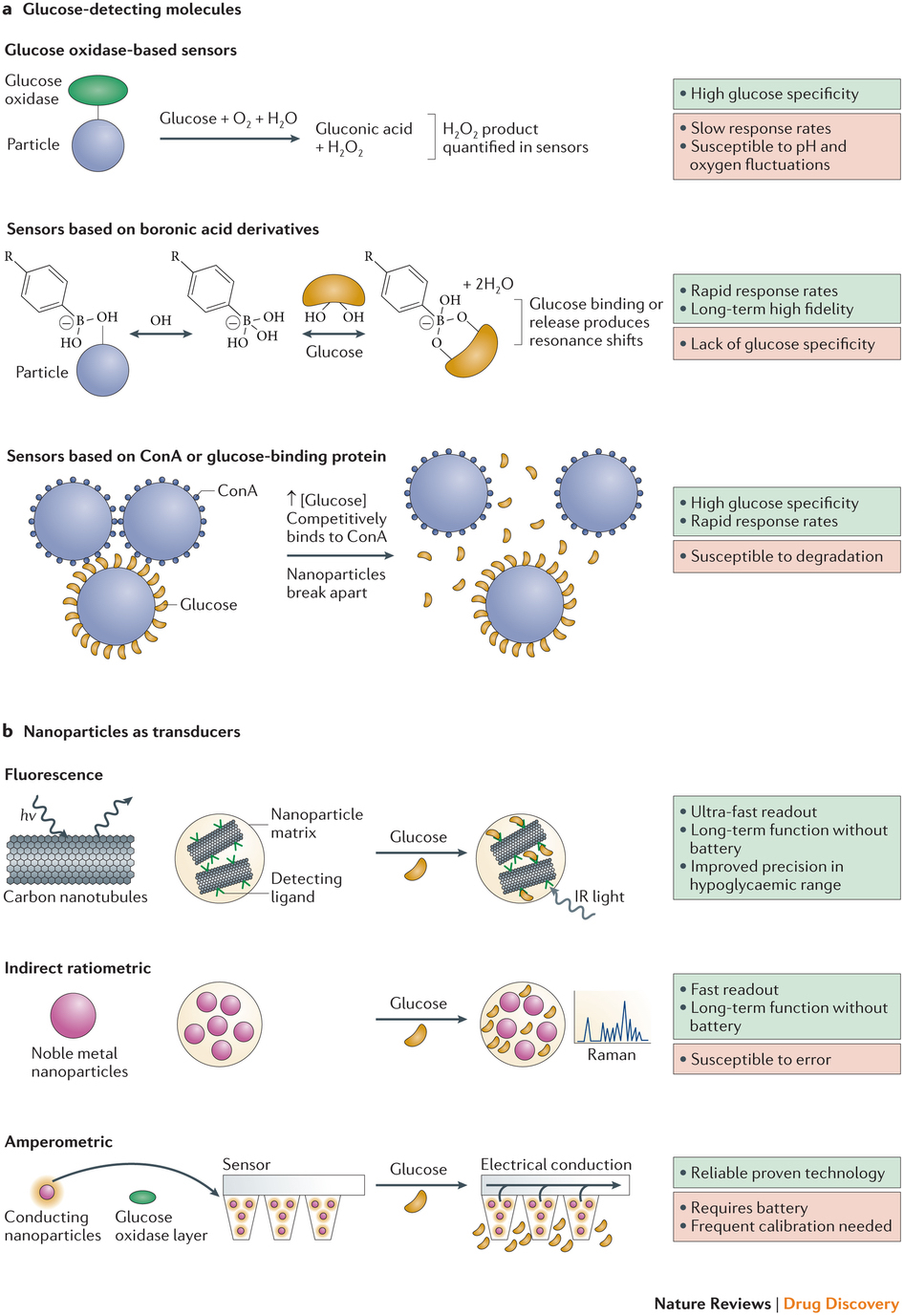
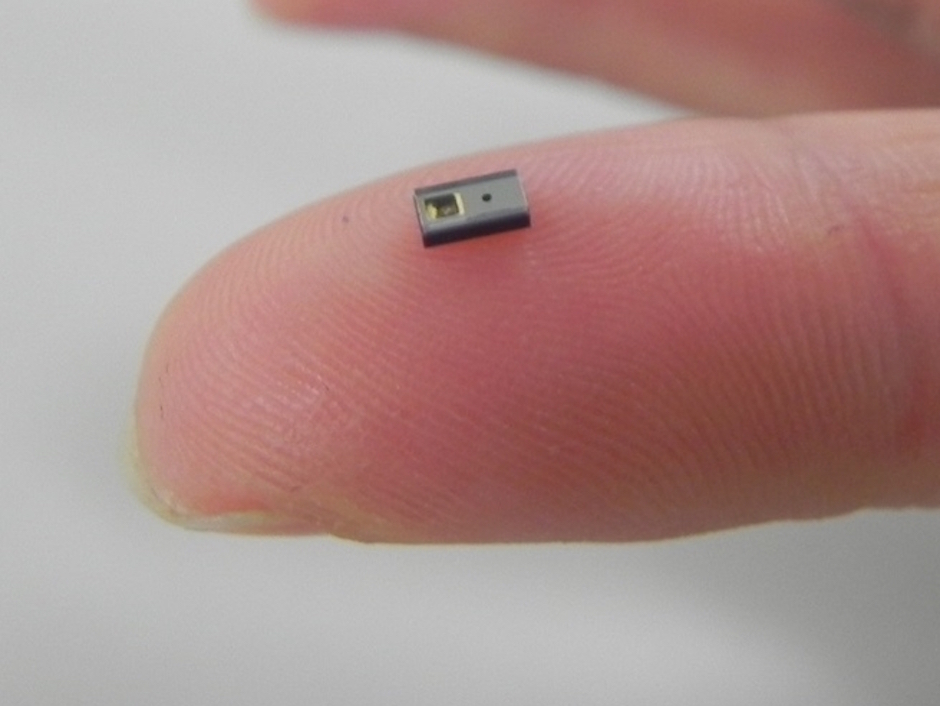
Kyungsuk Yum at the University of Texas is developing an internal, nanoscale device to continuously analyze blood sugar.   A near infrared optical biosensor nanotube is injected, and an optical scanner accesses data for constant monitoring .

Current continuous monitoring technology for diabetes requires a tube inserted through the abdomen.  This reads glucose levels in tissue, which is not as accurate as blood reading.  It must be calibrated several times per day, and changed every week.

The traditional glucometer system requires blood-drawing finger pricks throughout  the day.

WEARABLE TECH + DIGITAL HEALTH SAN FRANCISCO – APRIL 5, 2106 @ THE MISSION BAY CONFERENCE CENTER

NEUROTECH SAN FRANCISCO – APRIL 6, 2016 @ THE MISSION BAY CONFERENCE CENTER

WEARABLE TECH + DIGITAL HEALTH NYC – JUNE 7, 2016 @ THE NEW YORK ACADEMY OF SCIENCES

NEUROTECH NYC – JUNE 8, 2016 @ THE NEW YORK ACADEMY OF SCIENCES

Categories
Conference Wearables

Smart airline uniforms improve passenger safety

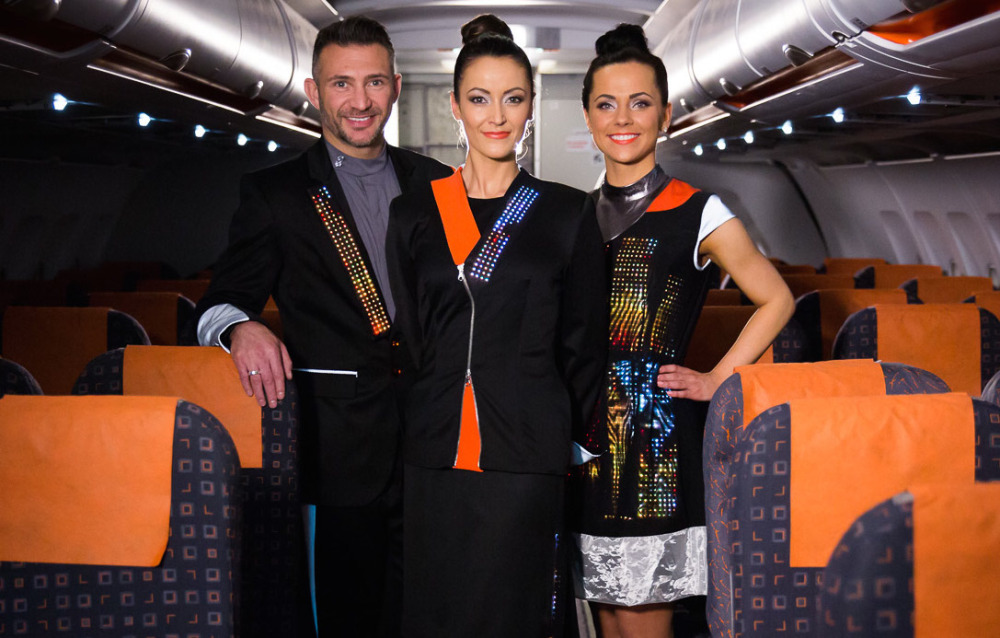
easyJet has partnered with CuteCircuit to create sensor embedded crew uniforms to improve passenger safety.

Cabin crew uniforms have shoulder LEDs and illuminated hems to provide lighting. Lapel LEDs display fight numbers, and microphones  in the fabric enable immediate communication.

Engineers’ uniforms have LEDs in  jacket hoods to illuminate work areas, and built in cameras to share photos for assistance.  Integrated air quality sensors and barometers notify workers of environmental issues, and create a city-by-city air quality map for passengers.

WEARABLE TECH + DIGITAL HEALTH SAN FRANCISCO – APRIL 5, 2016 @ THE MISSION BAY CONFERENCE CENTER

NEUROTECH SAN FRANCISCO – APRIL 6, 2016 @ THE MISSION BAY CONFERENCE CENTER

Categories
Conference

Norwest’s Robert Mittendorff on digital health investing

Norwest Venture Partners’ Robert Mittendorff participated in ApplySci’s recent Wearable Tech + Digital Health NYC conference.  Here is his interview with StartUp Health’s Steven Krein on digital health investing.

UPCOMING APPLYSCI CONFERENCES:

Wearable Tech + Digital Health San Francisco – April 5, 2016 – Early registration discount ends October 10th

NeuroTech San Francisco – April 6, 2016 – Early registration discount ends October 10th.

Categories
Conference MRI

Ultra-low-field, portable MRI

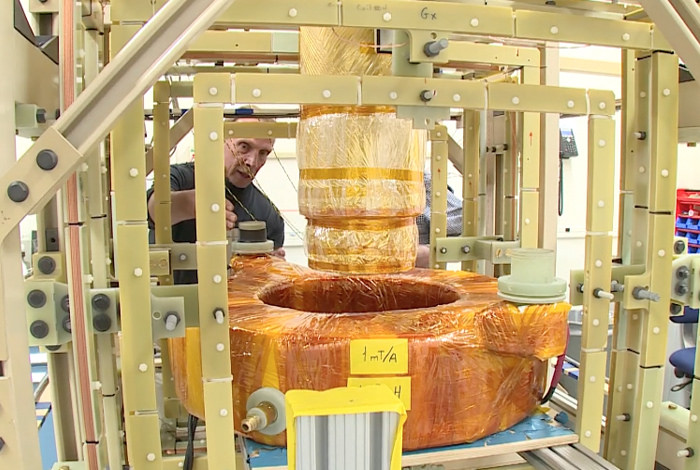
Los Alamos National Laboratory‘s Michelle Espy is developing an ultra-low-field, lightweight MRI system for use on the battlefield and in poor countries.  The device will be simple to transport, set up, and use in non-traditional settings.

Conventional MRI machines use large magnetic fields that align protons in water molecules. Magnetic resonance signals are detected and turned into images. Highly detailed images are created, but the process is complicated and expensive. Espy uses Superconducting Quantum Interference Devices (SQUID) to create quality images with ultra-low-magnetic fields.

The  first generation (battlefield) “b”MRI was built in a large metal housing to shield it from interference.  The team is now surrounding the system with lightweight wire coils in the open environment to compensate the Earth’s magnetic field.  A field compensation system will soon eradicate invading magnetic field signals.

WEARABLE TECH + DIGITAL HEALTH NYC 2015 – JUNE 30 @ NEW YORK ACADEMY OF SCIENCES. REGISTER HERE.

Categories
Conference

Cheap, remote, smartphone molecular cancer diagnosis

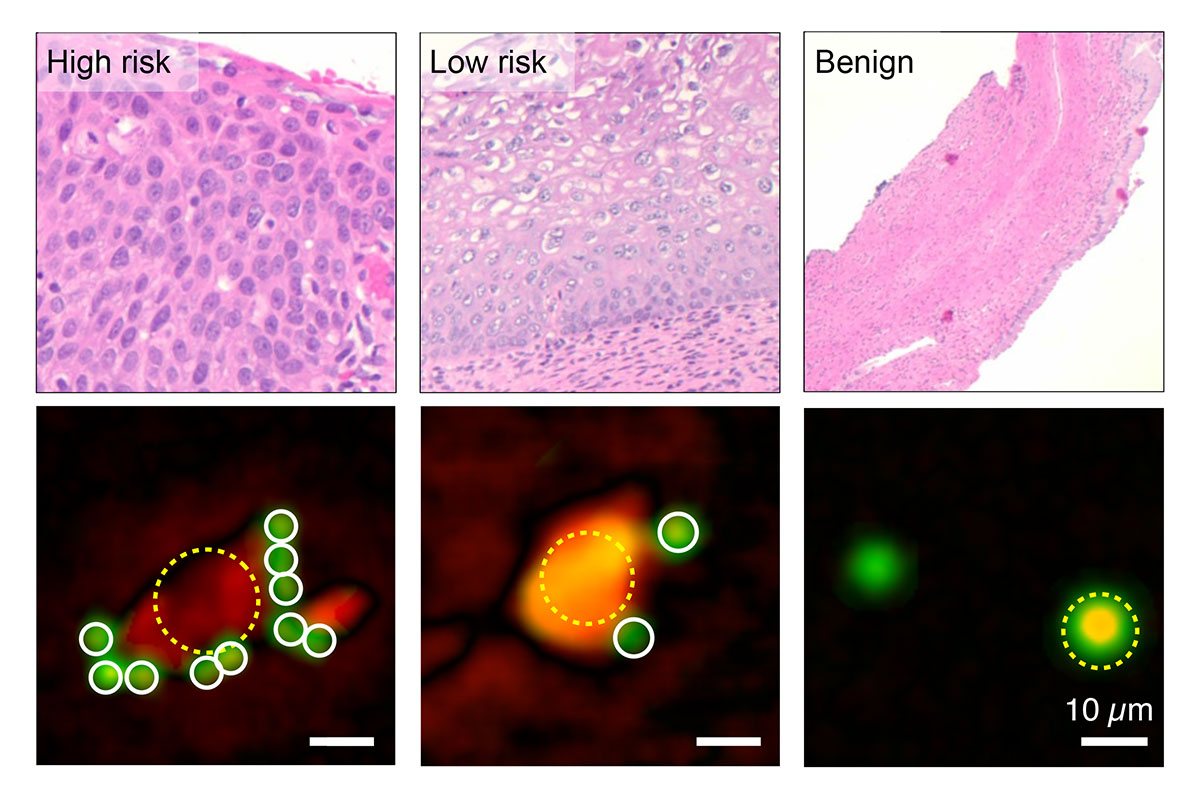
A Harvard and Mass General developed device may bring rapid, accurate molecular diagnosis of cancer and other diseases to remote locations.  The smartphone-based device creates holograms to collect detailed microscopic images for digital analysis of the molecular composition of cells and tissues.

The study’s authors believe that “because the system is compact, easy to operate, and readily integrated with a smartphone, this approach could enable medical diagnostics in geographically and/or socioeconomically limited settings with pathology bottlenecks.”

The D3 (digital diffraction diagnosis) system features an imaging module with a battery-powered LED light clipped onto a standard smartphone. It records high-resolution imaging data with its camera.

With a much greater field of view than traditional microscopy, the system can record data on 100,000 cells from a blood or tissue sample in a single image. The data is transmitted for analysis to a remote server via the cloud. Results are returned to the point of care.

For molecular analysis of tumors, a sample of blood or tissue is labeled with microbeads that bind to known cancer-related molecules. The sample is loaded into the D3 imaging module. After the image is recorded and data transmitted, the presence of specific molecules is detected by analyzing diffraction patterns generated by the microbeads.

Wearable Tech + Digital Health NYC 2015 – June 30 @ The New York Academy of Sciences

Categories
Conference Data Wearables

Big Data, AI and personalized healthcare

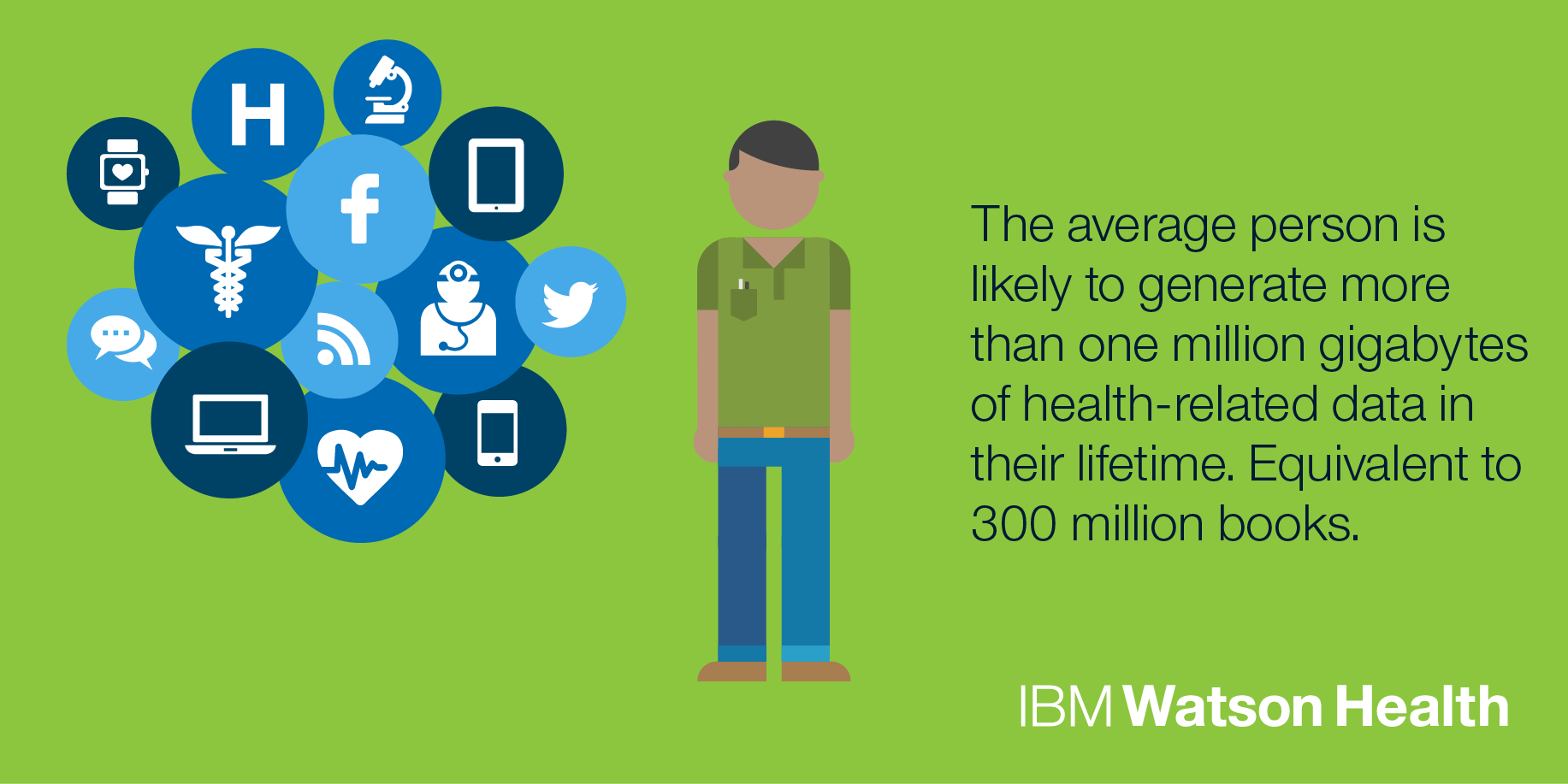
With the goal of personalizing healthcare, improving outcomes and cutting costs, IBM’s Watson Health will aggregate massive amounts of disparate patient data.  The company has struck deals with Apple, Johnson & Johnson and Medtronic to collect and use more information from devices.

To address privacy concerns, IBM is offering ways to strip personal information from wearables and plug that information into Watson to look for aggregate trends. Its health cloud will  be able to de-anonymize information when needed for doctors to see how to apply a patient’s specific health information to their care.

Wearable Tech + Digital Health NYC 2015 – June 30 @ The New York Academy of Sciences


Categories
Conference Infectious Disease mHealth Nanoparticles

Paper test detects Ebola in 10 minutes

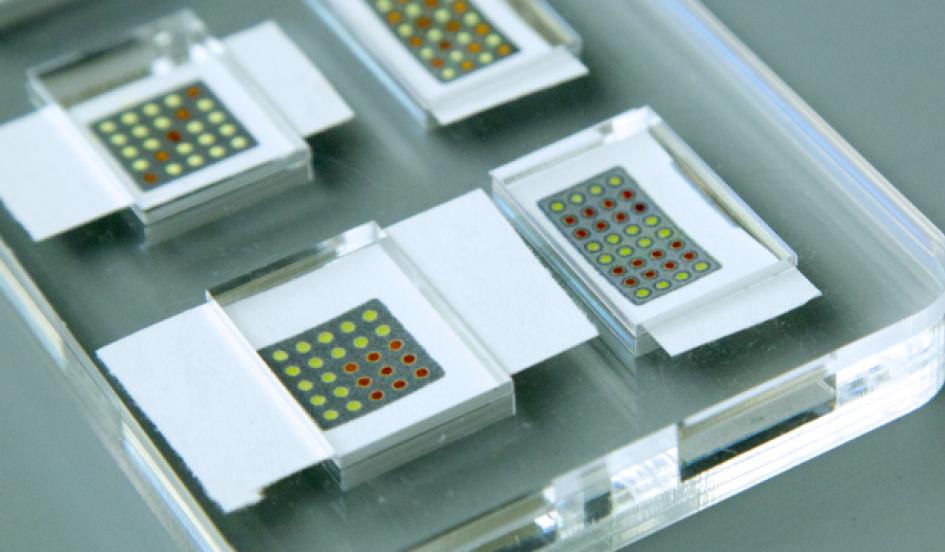
MIT‘s Hamad-Schifferli Group and Lee Gehrke have developed a paper strip test that can detect Ebola, Yellow Fever, and Dengue Fever in 10  minutes.  The strips are color coded, using triangular silver nanoparticles, to distinguish among diseases.

The test relies on lateral flow technology,  used in pregnancy tests and for diagnosing strep throat and bacterial infections.  As blood serum flows along the strip, viral proteins that match the antibodies painted on the strips will get caught, becoming visible.  This can be seen by the naked eye or with a mobile phone’s camera.

This is the first time that a multiplexing approach, using multicolored nanoparticles to screen for multiple pathogens, has been done.

Wearable Tech + Digital Health NYC 2015 – June 30 @ New York Academy of Sciences

Categories
BCI Brain Conference

Implant could direct images to visual cortex, restore sight

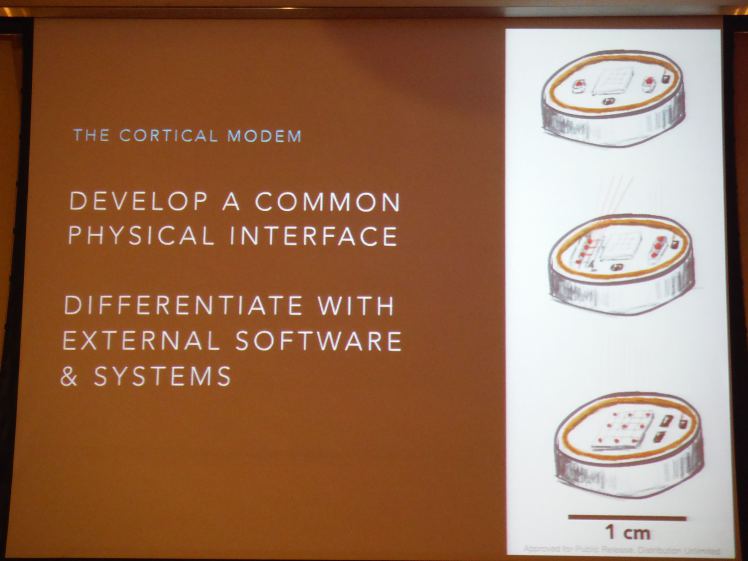
DARPA is in the early stages of developing a “cortical modem” which would enable a simple visual display via a direct interface to the visual cortex.  Its projected cost is 10 US Dollars.

The project lead is Dr Phillip Alvelda.  It was built on Karl Deisseroth‘s optogenetics research — studying and controlling specified cells within living tissue by shining light on them.

While exciting, the realization of the technology is far off, having only been tested on animals.

Wearable Tech + Digital Health NYC 2015 – June 30 @ New York Academy of Sciences

Categories
Cancer Conference Sensors

DNA sensor detects cervical, bladder, kidney cancer

University of Twente MESA+ professor Wilfred van der Wiel is developing an electrode to detect cervical, bladder and kidney cancer in DNA.

NanoGap is a 100 nanometer wide gap in a metal electrode with receptors that provide notifications when urine DNA is degraded.  Hypermethylated DNA is bound to the receptors.  By covering the DNA with metal particles, a live wire on a nanoscale is created, resulting in a short circuit and detectable signal.

According to van der Wiel, “In the current situation we only detect cancer at an advanced stage, when the patient already has symptoms, for example associated with a tumor.  In this study we look for DNA where something has changed, i.e. DNA that is covered by the body with methyl groups. In many cancers excessive methylation of the DNA occurs; this is referred to as hypermethylation. Although medical science does not yet know whether hypermethylation always signifies cancer and in what form, a clear link has been shown.”

Wearable Tech + Digital Health NYC 2015 – June 30 @ New York Academy of Sciences

Categories
Conference fitness Sensors

Google Fit platform aggregates health data

Using a single set of APIs, Google Fit collects and aggregates data from fitness apps and sensors to manage a user’s fitness stream.

The platform will work with wearables and other peripherals.  To protect privacy, permission is required and data can be deleted.  Initally, Adidas,  Nike , Intel, LG and Motorola will participate.  Nike will add its Fuel number to the Fit stream for other apps to utilize.

Apple announced a similar fitness data aggregation platform, Healthkit,  earlier this month. (See ApplySci, June 5 2014.)  Both platforms are expected to go live this fall.

Categories
Babies Conference Sensors Sleep

Baby onesie tracks breathing, sleep, movement, temperature

http://mimobaby.com/

Sensor based baby monitoring is receiving a lot of exposure at CES.  One such monitor, by Mimo baby, includes three parts: the Kimono, the Turtle and the Lilypad station. The Kimono is a cotton onesie, with machine washable sensors, worn by a baby when sleeping. It houses the Turtle, which tracks a baby’s respiration, skin temperature, body position and activity levels. The Turtle conveys the information via Bluetooth to the base station, called Lilypad, in the baby’s sleep room. The Lilypad is connected to the home Wi-Fi network.  It processes the information and transmits it to a smartphone app.

Categories
Conference

Digital Health. Wearable Tech. Quantified Self. Curated.

Logo22

Wearable tech.  Digital health.  Quantified self.  mHealth.  Connected home.  Internet of things.  However described, the phenomenon of using sensor technology to monitor, adapt, diagnose, gamify, and improve our health is in full swing at the Consumer Electronics Show.  As sensors become better and cheaper, signal processing becomes more sophisticated, and mobile technology becomes ubiquitous, the revolution in health and fitness will continue.  With this revolution comes the need for knowledge.  The knowledge to understand which technology can save one’s life; which gadgets are fun to have; and what is purely hype.  In the next days we will hear a lot about what’s happening in Las Vegas.  About brainwave headbands , heartbeat detecting watches, sleep monitoring gadgets, measuring babies’ vital signs, helping seniors age in place, and even ways to correct our posture, mood, and eating habits, through technology.  This intersection of science + technology + digital health is ApplySci’s raison d’etre. Our scientific committee leads our focus on the brain and neuro-technology, assistive technologies, and advances in monitoring the lungs, heart, diabetes, sleep, seniors, babies, and, of course, fitness – the key to wellness.   It is our pleasure, through our blog, conferences, and our soon to emerge from beta crowdfunding platform, to curate this movement.  To  apply science to change our world.

Lisa Weiner Intrator, January 2014.