Categories
Blood Pressure Sensors

Continuous, cuffless blood pressure monitoring via graphene tattoo

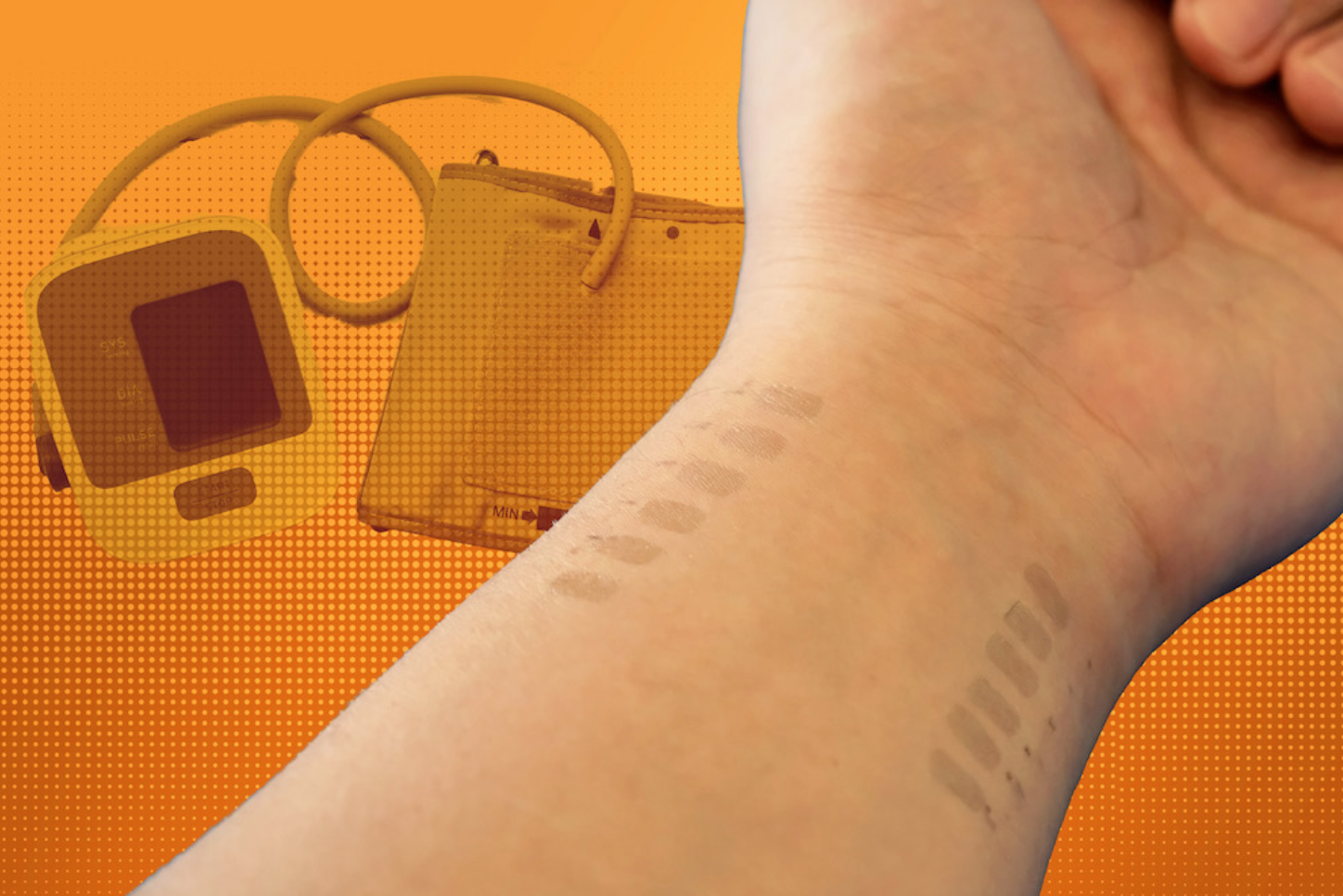
Deji Akinwande, Roozbeh Jafari, and UT Austin colleagues have developed an electronic wrist tattoo that can be worn for hours and deliver highly accurate, continuous blood pressure measurements.

This can provide a much clearer picture of a person’s health than occasional, cuff based measurements at a physicians office, or at home.

Smart watches are not able to successfully measure blood pressure, as they move, are far from arteries, and light-based measurements are often not accurate in people with dark skin or large wrists.

As Akiwande said, “blood pressure is the most important vital sign you can measure” and as Jafari said, “taking infrequent blood pressure measurements has many limitations, and it does not provide insight into exactly how our body is functioning.”

A constant, passive measure, through a tattoo, during normal activity, stress, sleep, or exercise can deliver thousands of measurements more than any existing device.


JOIN APPLYSCI at MIT on SEPTEMBER 30th for Deep Tech Health + Neurotech

Giovanni TraversoMIT | Kerri DuganDARPA | Emery BrownHarvard | Bakul Patel Google | Nathan IntratorNeurosteer | Ramita TandonWalgreens | Ellen RocheMIT | Shaun PatelREACT Neuro | Connie LehmanHarvard | Tom OxleySynchron | Elizabeth AnkudowichNIH | Cris De LucaSanofi Ventures | Mary Lou JepsenOpenwater | Bob LangerMIT

Categories
Blood Pressure Heart Sensors

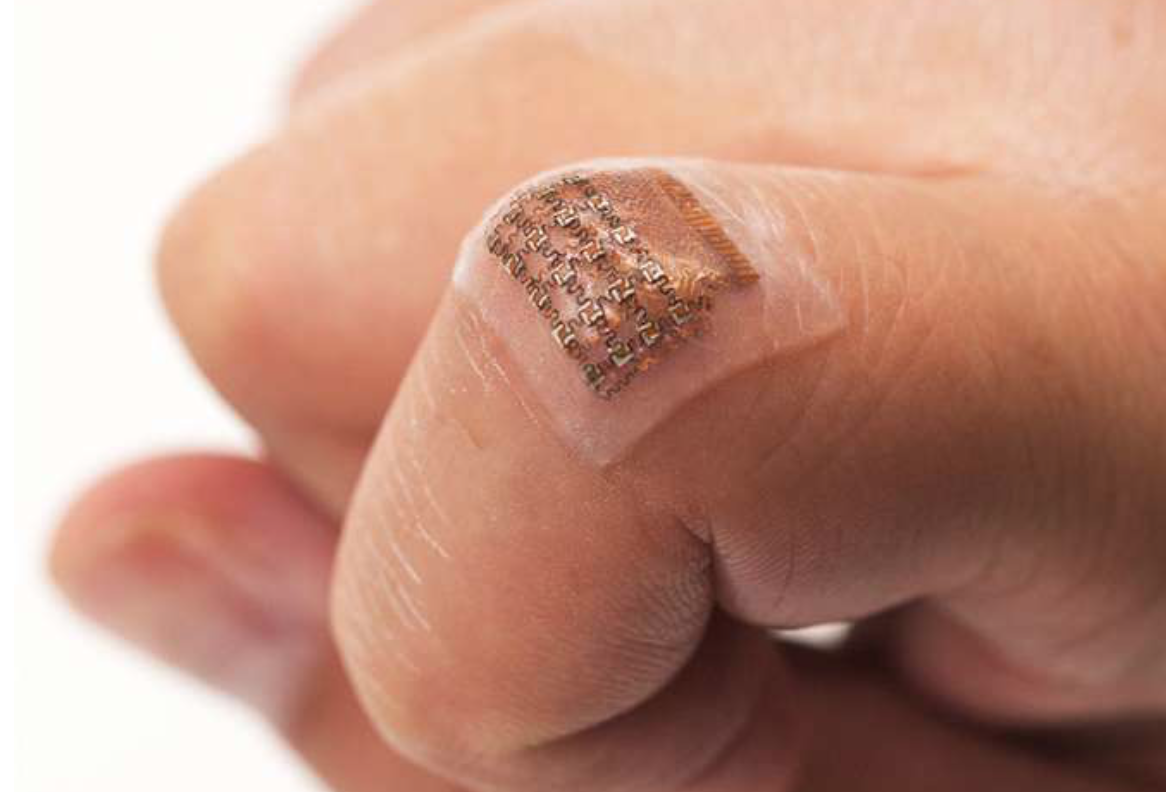
Small ultrasound patch detects heart disease early

Sheng Xu, Brady Huang, and UCSD colleagues have developed a small, wearable ultrasound patch that  monitors blood pressure in arteries up to 4 centimeters under the skin.  It is meant to detect cardiovascular problems earlier, with greater accuracy

Applications include continuous blood pressure monitoring in heart and lung disease, the critically ill, and those undergoing surgery.  It could be used to measure other vital signs, but this was not studied.

The wearable measures central blood pressure, considered more accurate and better at predicting disease than peripheral blood pressure. Central blood pressure is not routinely measured, and involves a catheter inserted into a blood vessel in the arm, groin or neck, and guiding to the heart. A non-invasive method exists, but it does not produce consistently accurate readings.


Join ApplySci at the 9th Wearable Tech + Digital Health + Neurotech Boston conference on September 24, 2018 at the MIT Media Lab.  Speakers include:  Rudy Tanzi – Mary Lou Jepsen – George ChurchRoz PicardNathan IntratorKeith JohnsonJohn MattisonRoozbeh GhaffariPoppy Crum – Phillip Alvelda Marom Bikson – Ed Simcox – Sean Lane

Categories
Blood Pressure

Continuous blood pressure monitoring glasses

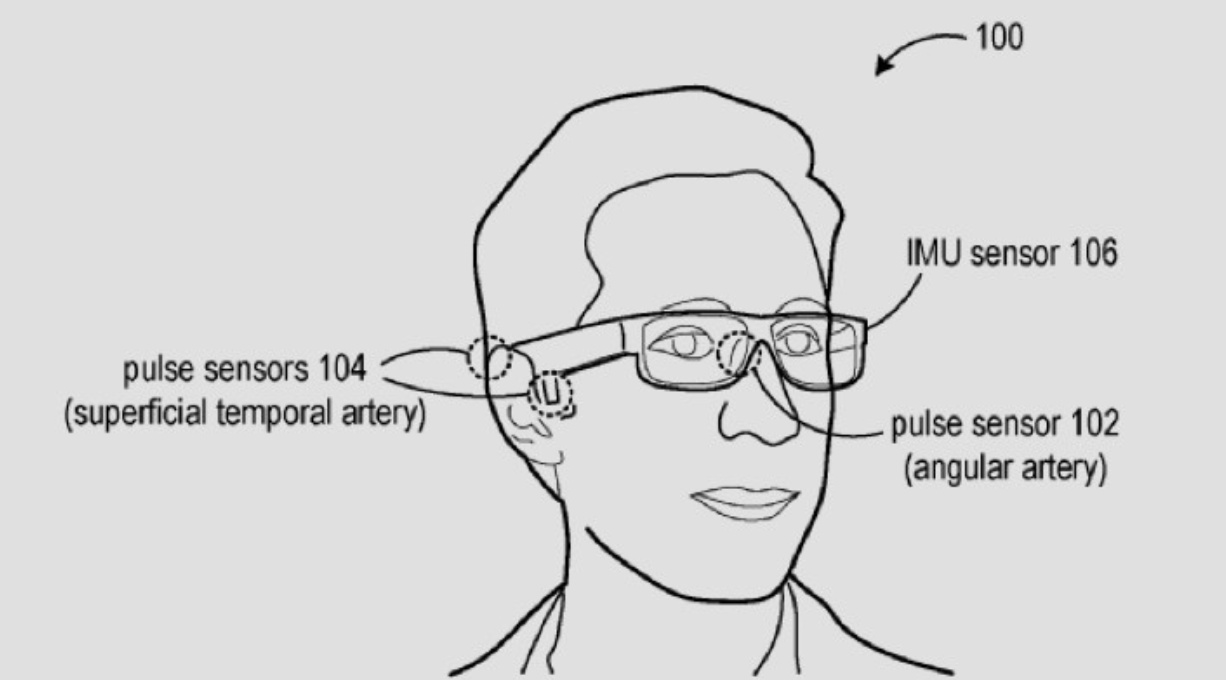
Microsoft’s Glabella glasses, developed by Christian Holz and Edward Wang, will have integrated optical sensors that take pulse wave readings from three areas around the face, according to their recently granted patent.

Blood pressure is calculated by measuring the time between when blood is ejected from the heart and reaches the face. The researchers believe that the device can unobtrusively and continuously measure blood pressure.


Join ApplySci at the 9th Wearable Tech + Digital Health + Neurotech Boston conference on September 24, 2018 at the MIT Media Lab.  Speakers include:  Rudy Tanzi – Mary Lou Jepsen – George ChurchRoz PicardNathan IntratorKeith JohnsonJuan EnriquezJohn MattisonRoozbeh GhaffariPoppy Crum – Phillip Alvelda Marom Bikson – Ed Simcox – Sean Lane