Categories
Blood Pressure Heart Sensors

Small ultrasound patch detects heart disease early

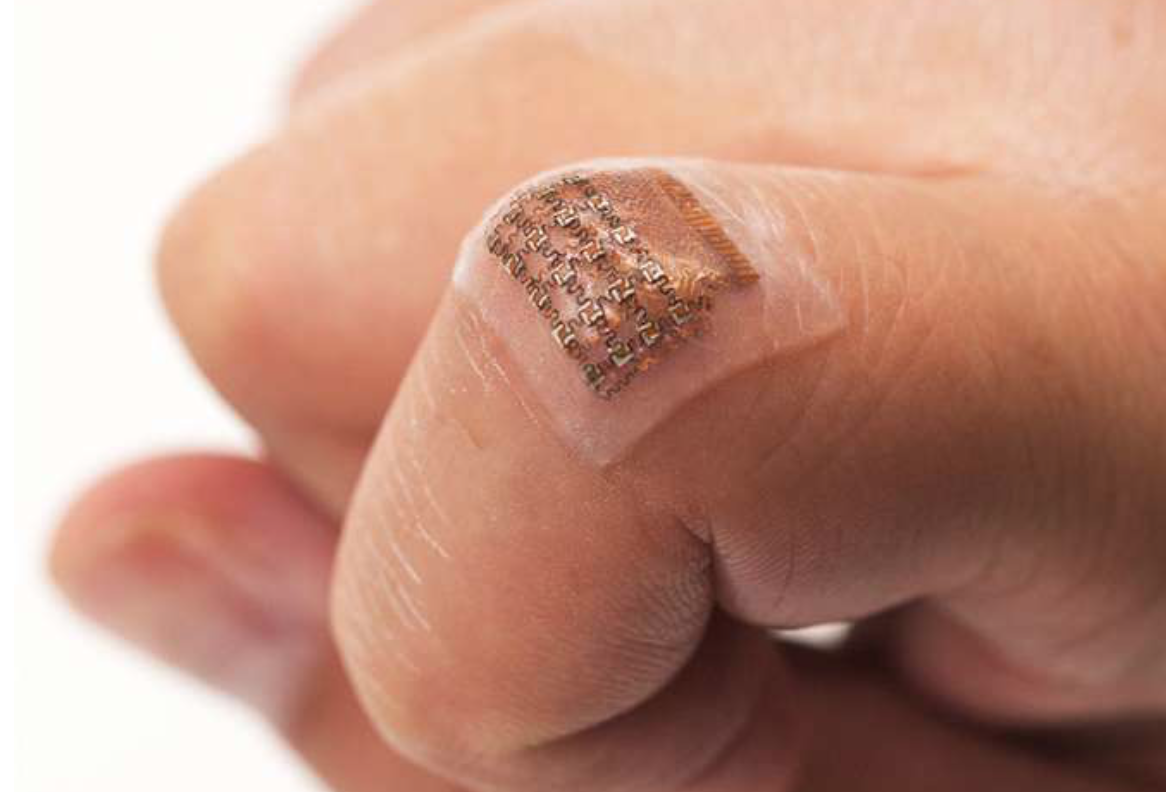
Sheng Xu, Brady Huang, and UCSD colleagues have developed a small, wearable ultrasound patch that  monitors blood pressure in arteries up to 4 centimeters under the skin.  It is meant to detect cardiovascular problems earlier, with greater accuracy

Applications include continuous blood pressure monitoring in heart and lung disease, the critically ill, and those undergoing surgery.  It could be used to measure other vital signs, but this was not studied.

The wearable measures central blood pressure, considered more accurate and better at predicting disease than peripheral blood pressure. Central blood pressure is not routinely measured, and involves a catheter inserted into a blood vessel in the arm, groin or neck, and guiding to the heart. A non-invasive method exists, but it does not produce consistently accurate readings.


Join ApplySci at the 9th Wearable Tech + Digital Health + Neurotech Boston conference on September 24, 2018 at the MIT Media Lab.  Speakers include:  Rudy Tanzi – Mary Lou Jepsen – George ChurchRoz PicardNathan IntratorKeith JohnsonJohn MattisonRoozbeh GhaffariPoppy Crum – Phillip Alvelda Marom Bikson – Ed Simcox – Sean Lane

Categories
Cancer Sensors

Wireless system could track tumors, dispense medicine

Dina Katabi and MIT CSAIL colleagues have developed ReMix, which uses lo power wireless signals to pinponit the location of implants in the body.  The tiny implants could be used as tracking devices on shifting tumors to monitor  movements, and in the future to deliver drugs to specific regions.

The technology showed centimeter-level accuracy in animal tests.

Markers in the body reflect the signal transmitted by the wireless device outside the body, therefore a battery or external power source are not required.


Join ApplySci at the 9th Wearable Tech + Digital Health + Neurotech Boston conference on September 24, 2018 at the MIT Media Lab.  Speakers include:  Rudy Tanzi – Mary Lou Jepsen – George ChurchRoz PicardNathan IntratorKeith JohnsonJuan EnriquezJohn MattisonRoozbeh GhaffariPoppy Crum – Phillip Alvelda Marom Bikson – Ed Simcox – Sean Lane
Categories
Sensors

Wrist wearable measures blood counts, bacteria, air particles

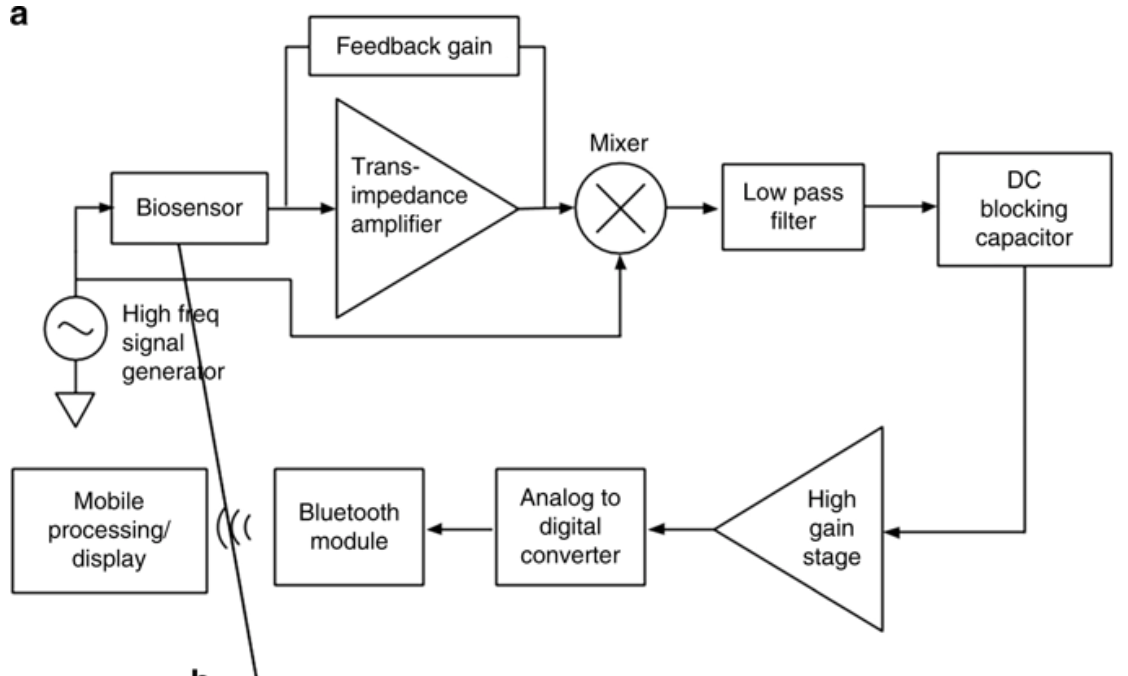
Rutgers scientists Mehdi Javanmard and Abbas Furniturewalla have developed a wrist wearable that can count particles, including blood cells, bacteria, and organic or inorganic air particles. Red blood cell counts can indicate internal bleeding. High or low white blood cell counts can indicate cancers, such as leukemia, or other illnesses.

The plastic wristband includes a flexible circuit board and a thin biosensor with a channel, or pipe, with embedded gold electrodes. A circuit processes electrical signals, and a micro-controller digitizes data, which is transmitted via bluetooth. Blood samples are obtained through pinpricks, and fed through the channel, where the cells counted.

The goal is rapid blood test results with out  lab-based equipment.


Join ApplySci at the 9th Wearable Tech + Digital Health + Neurotech Boston conference on September 24, 2018 at the MIT Media Lab.  Speakers include:  Rudy Tanzi – Mary Lou Jepsen – George ChurchRoz PicardNathan IntratorKeith JohnsonJuan EnriquezJohn MattisonRoozbeh GhaffariPoppy Crum – Phillip Alvelda Marom Bikson – Ed Simcox – Sean Lane

Categories
Blood Pressure

Continuous blood pressure monitoring glasses

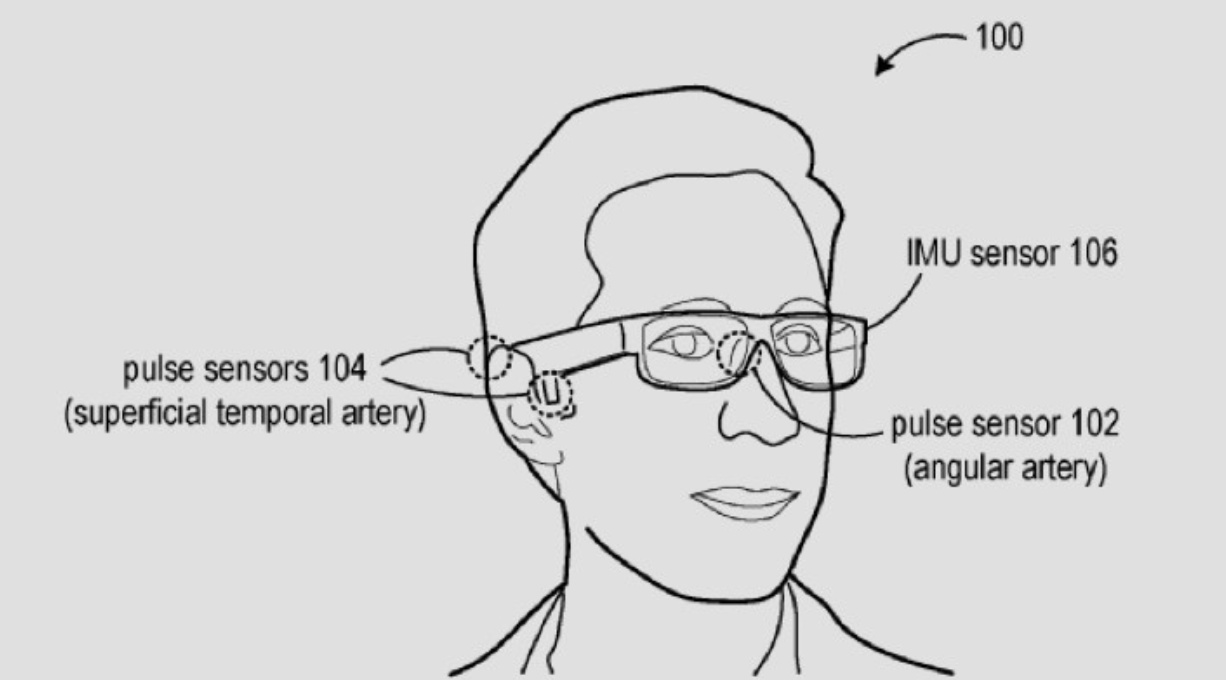
Microsoft’s Glabella glasses, developed by Christian Holz and Edward Wang, will have integrated optical sensors that take pulse wave readings from three areas around the face, according to their recently granted patent.

Blood pressure is calculated by measuring the time between when blood is ejected from the heart and reaches the face. The researchers believe that the device can unobtrusively and continuously measure blood pressure.


Join ApplySci at the 9th Wearable Tech + Digital Health + Neurotech Boston conference on September 24, 2018 at the MIT Media Lab.  Speakers include:  Rudy Tanzi – Mary Lou Jepsen – George ChurchRoz PicardNathan IntratorKeith JohnsonJuan EnriquezJohn MattisonRoozbeh GhaffariPoppy Crum – Phillip Alvelda Marom Bikson – Ed Simcox – Sean Lane

Categories
Sensors

Jason Heikenfeld on sweat-based biometric monitoring | ApplySci @ Stanford

University of Cincinnati and Eccrine Systems‘ Jason Heikenfeld discussed sweat-based biometric monitoring at ApplySci’s recent Wearable Tech + Digital Health + Neurotech conference at Stanford:


Join ApplySci at the 9th Wearable Tech + Digital Health + Neurotech Boston conference on September 24, 2018 at the MIT Media Lab.  Speakers include:  Rudy Tanzi – Mary Lou Jepsen – George ChurchRoz PicardNathan IntratorKeith JohnsonJuan EnriquezJohn MattisonRoozbeh GhaffariPoppy Crum – Phillip Alvelda Marom Bikson – Sean Lane

Just announced:  Ed Simcox, CTO of the US Department of Health and Human Services, will be the closing speaker at ApplySci’s Digital Health + Neurotech Boston conference on September 24, 2018

Categories
mHealth

15 health devices launched at CES 2013

http://mobihealthnews.com/19784/slideshow-health-devices-that-launched-at-ces-2013/

Self-tracking, self-monitoring, and using smartphone peripherals to encourage health habits emerged as big themes at this year’s CES.