Categories
Heart Ultrasound Wearables

Wearable cardiac ultrasound continuously monitors heart structure, function for 24 hours

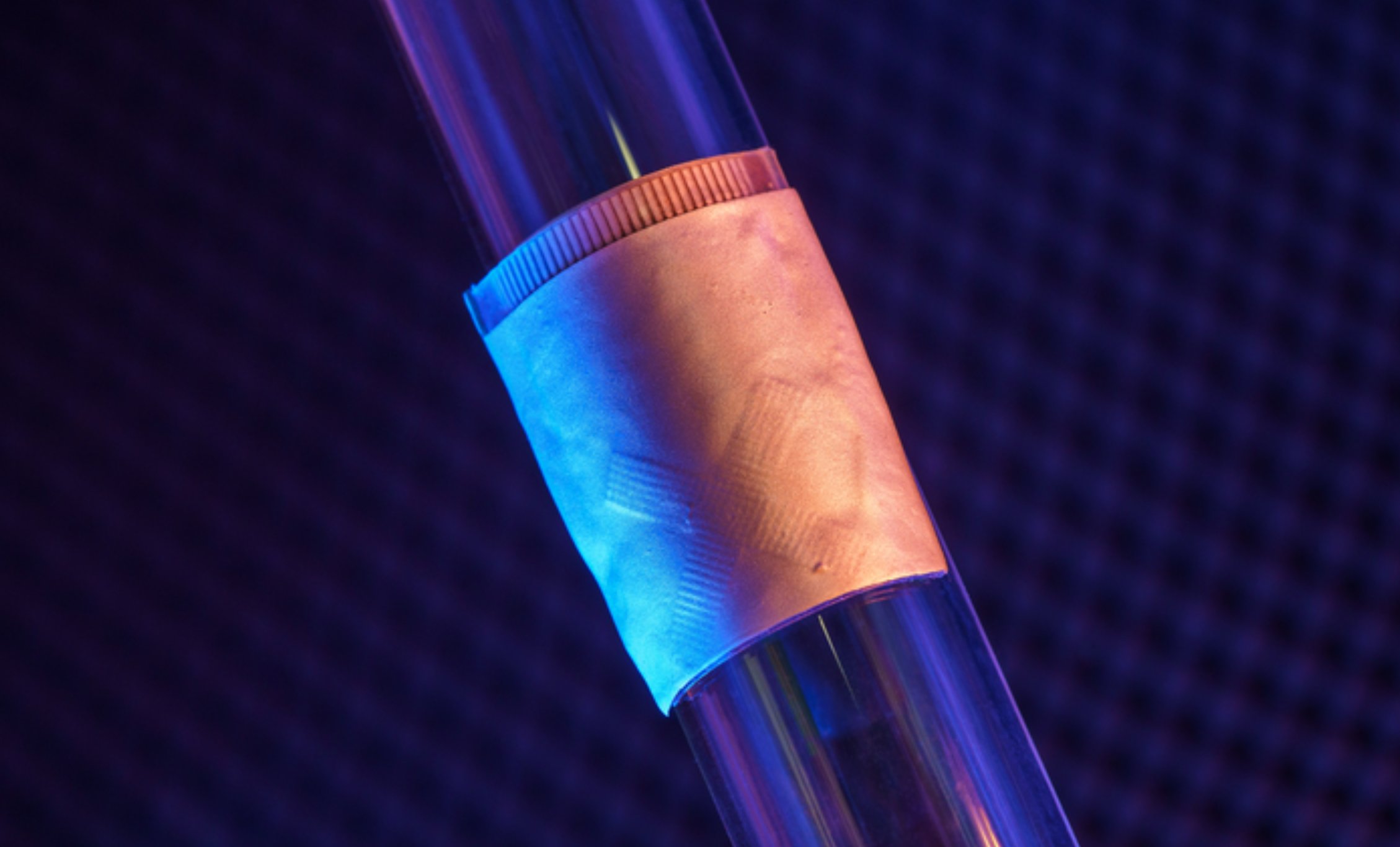
UCSD professor Sheng Xu has developed a wearable ultrasound device that can continuously monitor and assess the structure and function of the human heart for 24 hours, during normal daily activity. This could eliminate the need for highly trained technicians and bulky devices. 

Signs of cardiac diseases are transient and unpredictable, and imaging can detect issues before they become problems. The new system gathers information through a small, soft, wearable patch, worn on the chest and designed for optimal adherence. It sends and receives ultrasound waves which are used to generate a constant stream of images of the structure of the heart in real time — with out radiation. As heart function issues often manifest only when the body is in motion, the wearable aspect of the device is particularly important.

Images of the four chambers of the heart are captured in different angles, and a clinically relevant subset of the images is analyzed. The model automatically segments the shape of the left ventricle from the image recording, extracting its volume frame-by-frame and yielding waveforms to measure stroke volume, cardiac output and ejection fraction. Curves of these three indices are generated continuously and noninvasively.

Xu plans to commercialize this technology through Softsonics, a company spun off from UC San Diego.


Sheng Xu was a featured speaker at the 2020 ApplySci Deep Tech Health conference on Sand Hill Road.

Categories
Respiratory Sensors Wearables

Small sticker-sensor continuously analyzes breath for broad health monitoring

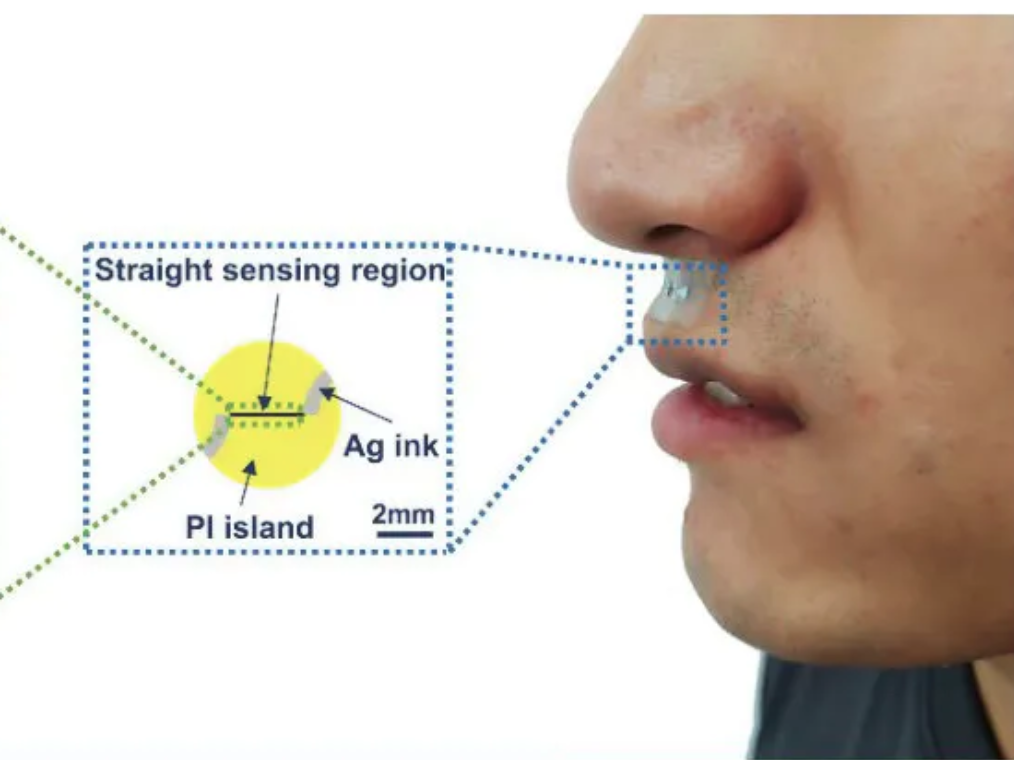
Heibei University, Tianjin Hospital, Beihang University, and Penn State researchers have developed an under nose-worn, stretchable, skin-friendly, waterproof sensor to analyze breath for health monitoring. It could be use for multiple-condition screening, asthma and COPD management, or environmental hazard sensing, among other applications.

The functional gas sensor, in a moisture-resistant membrane, can operate in humid environments, such as below the nose, to monitor breath. It is skin-friendly, stretching, twisting, and conforming to the skin.


Join ApplySci at MIT on September 30th for Deep Tech Health + Neurotech Boston

Categories
Covid-19 Sensors Wearables

Presymptomatic COVID detection with wearables

Stanford’s Michael Snyder and colleagues have used smartwatch data to detect early, presymptomatic COVID-19 in 31 individuals out of a cohort of 5,000.

They demonstrated that COVID-19 infections are associated with alterations in heart rate, steps and sleep in 80% of cases. Physiological alterations were detected prior to, or at, symptom onset in 85% of the positive cases, in some cases nine or more days before symptoms.

A method to detect onset of COVID-19 infection in real-time was developed, which detected 67% of infection cases at or before symptom onset.

The study intends to provide a roadmap to a rapid and universal diagnostic method for the large-scale detection of respiratory viral infections in advance of symptoms.

—————————————————————————-

Click to view Professor Snyder’s talk at the 2019 ApplySci conference at Stanford.

Categories
Pharmaceuticals Sensors

Sweat sensor monitors drug levels, informs dosage

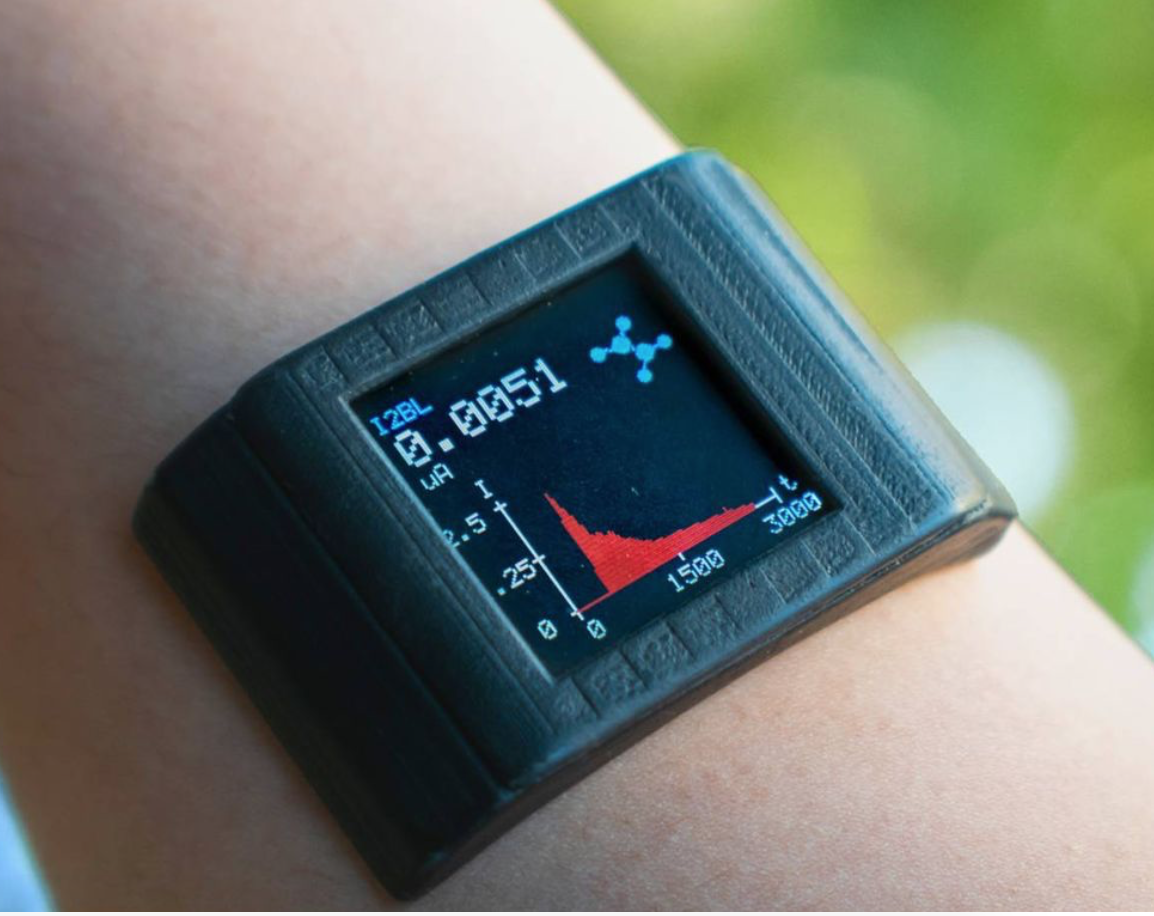
Sam Emaminejad, Shuyu Lin, Carlos Milla, Ronald Davis and UCLA and Stanford colleagues have developed a watch which monitors drug levels inside the body by analyzing a wearer’s sweat. The goal is individually tailored drug dosages.

Dosages are currently prescribed based on statistical effectiveness averages driven by weight and age. However, constantly changing body chemistry and an ones genetic makeup affect how fast drugs are absorbed, take effect and are eliminated from the body.

Current efforts to personalize the drug dosage rely heavily on repeated blood draws at the hospital. The samples are then sent out to be analyzed in central labs. These solutions are inconvenient, time-consuming, invasive and expensive. That is why they are only performed on a small subset of patients and on rare occasions.

Emaminjegad wanted to “create a wearable technology that can track the profile of medication inside the body continuously and non-invasively” and he seems to have succeeded, using tiny droplets of sweat.

In a recent study, he tracked the effect of acetaminophen, over a period of hours, by stimulating sweat glands with an electric current, and accurately detecting the drug’s unique electrochemical signal, against the backdrop of signals from many other molecules that may be circulating in the body and in higher concentrations than the drug.

The technology can personalize pharmacotherapy approaches, and, according to Emaminejad also be used to monitor medication adherence and drug abuse.

Categories
Covid-19 Sensors

First nutrition monitoring wearable tracks vitamin C; could be useful in COVID treatment

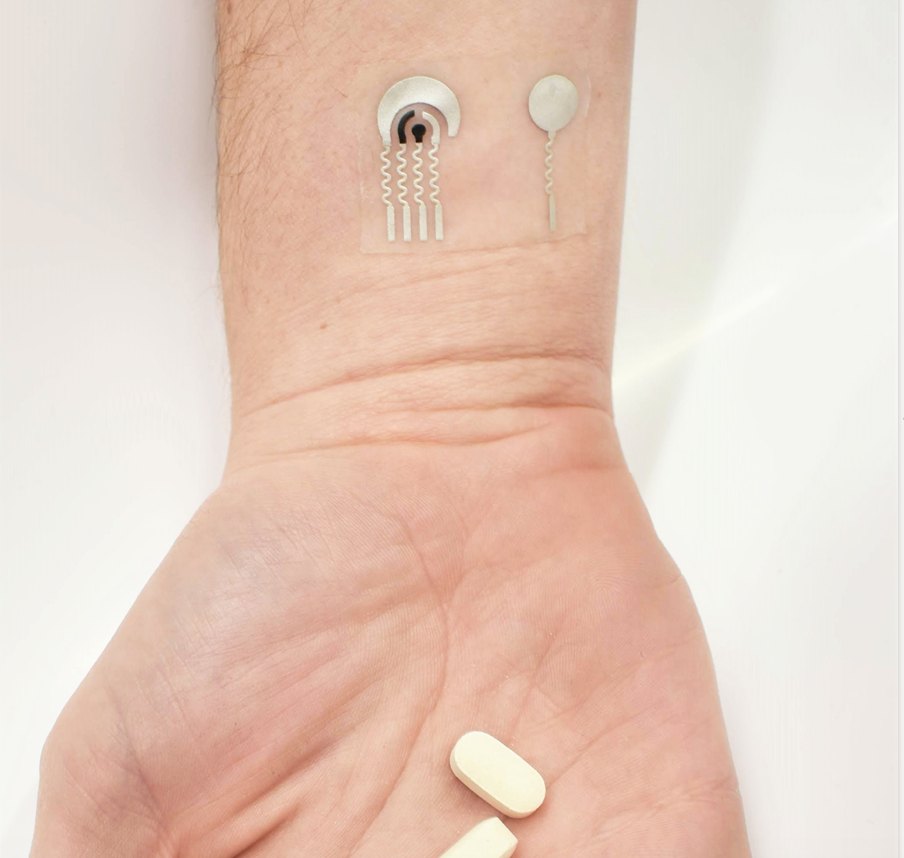
UCSD’s Joe Wang has again disrupted chemical sensing, by creating a wearable vitamin C sensor, which is a departure from now common vital sign and activity sensing wearables. This is the first time a wearable has been used to track nutritional intake, a key component of general health and disease prevention.

Vitamin C cannot be synthesized by the human body and must be obtained through food or supplements. It supports immune health, collagen production, wound healing and may be useful in treating cancer, heart disease, and COVID-19. High doses have been linked to reduced mortality in COVID patients with Sepsis and/or ARDS in studies.

The adhesive patch, applied to skin, stimulates sweating, and quickly detects vitamin c levels using flexible electrodes containing the enzyme ascorbate oxidase. When vitamin C is present, the enzyme converts it to dehydroascrobic acid. The resulting consumption of oxygen generates a current that is measured by the device. 

Click to view Prof Wang’s (brilliant) talk at the recent ApplySci conference at Harvard Medical School.

Categories
Heart

Atrial fibrillation-detecting ring

Eue-Keun Choi and Seoul National University colleages have developed an atrial fibrillation detecting ring, with similar functionality to AliveCor and other watch-based monitors. The researchers claim that the performance is comparable to medical grade pulse oximeters.

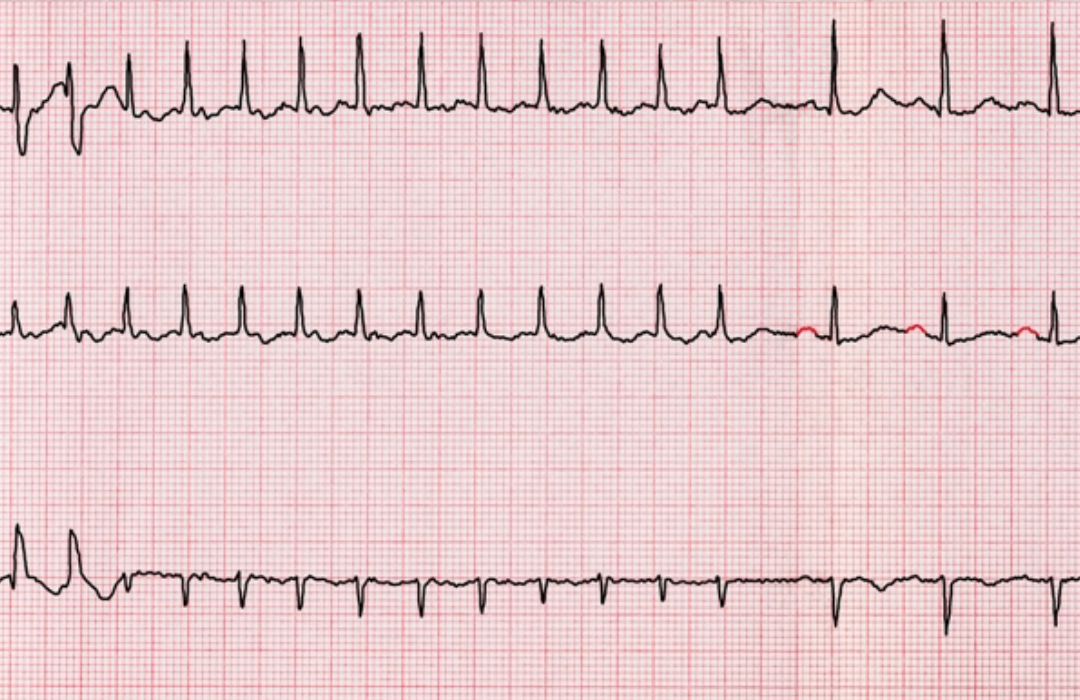
In a study, Soonil Kwon and colleagues analyzed data from 119 patients with AF who underwent simultaneous ECG and photoplethysmography before and after direct-current cardioversion. 27,569 photoplethysmography samples were analyzed by an algorithm developed with a convolutional neural network. Rhythms were then interpreted with the wearable ring.

The accuracy of the convolutional neural network was 99.3% to diagnose AF and 95.9% to diagnose sinus rhythm.  The accuracy of the wearable device was 98.3% for sinus rhythm and 100% for AF after filtering low-quality samples.

Choi believes that: “Deep learning or [artificial intelligence] can overcome formerly important problems of [photoplethysmography]-based arrhythmia diagnosis. It not only improves diagnostic accuracy in great degrees, but also suggests a metric how this diagnosis will be likely true without ECG validation. Combined with wearable technology, this will considerably boost the effectiveness of AF detection.”.


Join ApplySci at the 12th Wearable Tech + Digital Health + Neurotech Boston conference on November 14, 2019 at Harvard Medical School and the 13th Wearable Tech + Neurotech + Digital Health Silicon Valley conference on February 11-12, 2020 at Stanford University

Categories
Wearables

Fingertip wearable measures disease-associated grip strength

IBM researchers are studying grip strength, which is associated with the effectiveness of Parkinson’s drugs, cognitive function in schizophrenics, cardiovascular health, and elderly mortality.

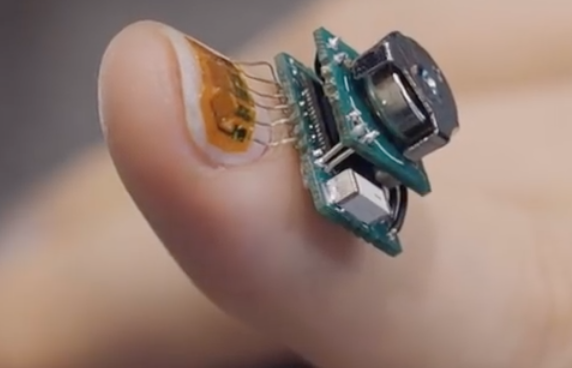
To better understand these markers, Steve Heisig, Gaddi Blumrosen and colleagues have developed a prototype wearable that continuously measures how a fingernail bends and moves.

The project began as an attempt to capture the medication state Parkinson’s patients, but was soon expanded to measure the tactile sensing of pressure, temperature, surface textures and other indicators of various diseases. Nail bending was measured throughout the day, and AI was used to analyze the data for disease association.

The system consists of strain gauges attached to the fingernail and a small computer that samples strain values, collects accelerometer data and communicates with a smart watch. The watch runs machine learning models to rate bradykinesia, tremor, and dyskinesia.

The work is also being used in the development of a fingertip-structure modeled device that could  help quadriplegics communicate.

Click to view IBM video


Join ApplySci at the 10th Wearable Tech + Digital Health + Neurotech Silicon Valley conference on February 21-22 at Stanford University — Featuring:  Zhenan BaoChristof KochVinod KhoslaWalter Greenleaf – Nathan IntratorJohn MattisonDavid EaglemanUnity Stoakes Shahin Farshchi Emmanuel Mignot Michael Snyder Joe Wang – Josh Duyan – Aviad Hai Anne Andrews Tan Le – Anima Anandkumar – Hugo Mercier – Shea Balish – Kareem Ayyad – Mehran Talebinejad – Liam Kaufman – Scott Barclay

Categories
Blood Pressure

Continuous blood pressure monitoring glasses

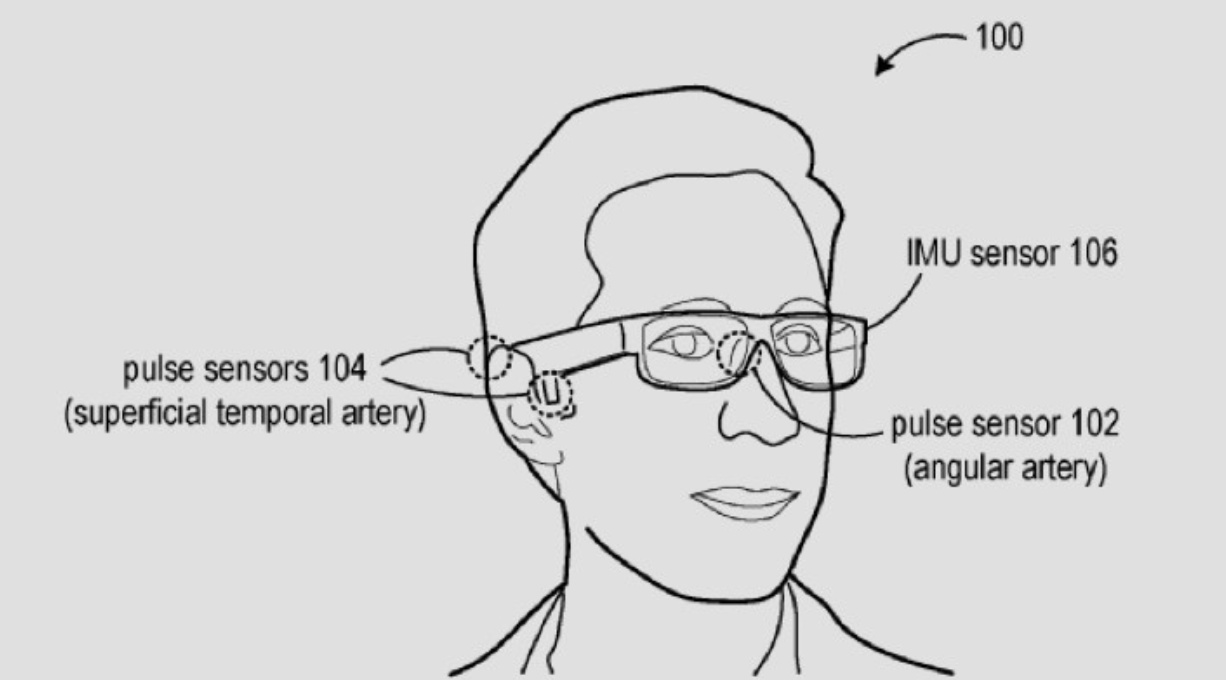
Microsoft’s Glabella glasses, developed by Christian Holz and Edward Wang, will have integrated optical sensors that take pulse wave readings from three areas around the face, according to their recently granted patent.

Blood pressure is calculated by measuring the time between when blood is ejected from the heart and reaches the face. The researchers believe that the device can unobtrusively and continuously measure blood pressure.


Join ApplySci at the 9th Wearable Tech + Digital Health + Neurotech Boston conference on September 24, 2018 at the MIT Media Lab.  Speakers include:  Rudy Tanzi – Mary Lou Jepsen – George ChurchRoz PicardNathan IntratorKeith JohnsonJuan EnriquezJohn MattisonRoozbeh GhaffariPoppy Crum – Phillip Alvelda Marom Bikson – Ed Simcox – Sean Lane