Categories
Assistive Technologies

Paralyzed patients move legs with non-surgical stimulation

UCLA and Pavlov Institute‘s transcutaneous stimulation technique helped paralyzed patients regain voluntary movement without surgery.

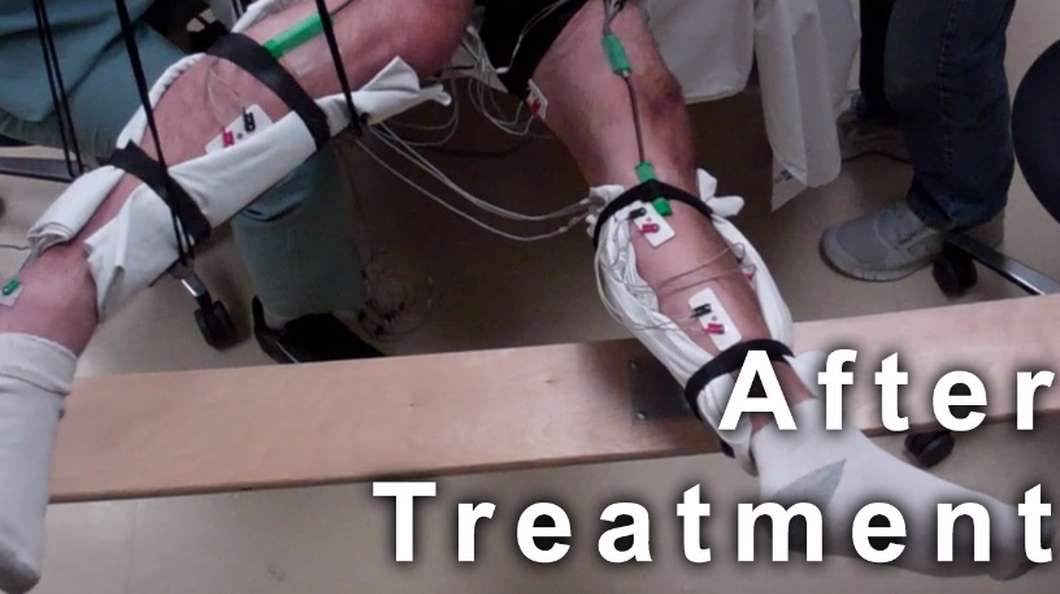
In a recent study, 5 men, who had been paralyzed for 2-6 years, moved their own legs (with out stimulation) after several weeks of electrical stimulation, physical therapy, and an experimental drug.

Transcutaneous stimulation delivers electrical current to the spinal cord, via electrodes placed on the lower back. This is the first time the stimulation was delivered non-invasively. Previously, an electrical stimulation device had to be surgically implanted on the spinal cord.
Categories
Assistive Technologies BCI Brain

Thought controlled telepresence robot

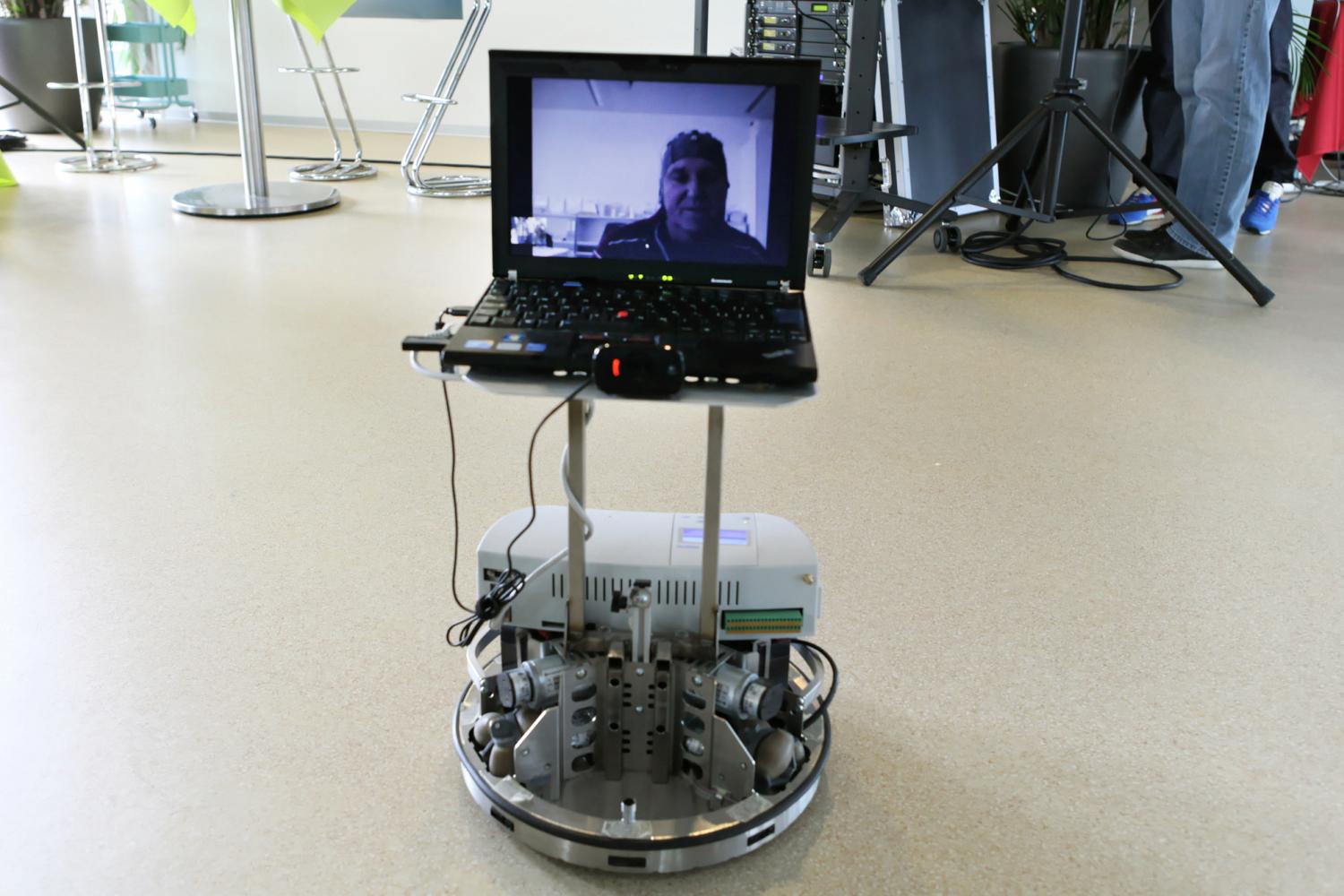
EPFL‘s José del R. Millán is developing a brain-computer interface that allows those with paralysis or limited mobility to control telepresence robots.   The goal is for the robot  to assist the disabled with daily tasks, helping restore a feeling of independence.

9 disabled people, and 10 people without disabilities, from 3 countries, wore hats with electrodes that analyze brain signals. Their thoughts were communicated to the robot in real time from their country. Because of its video camera, screen and wheels, the robot was able to film as it moved, while displaying the face of the remote pilot via Skype. The person at the controls, as if moving in place of the robot, was able to interact with whomever the robot encountered.  The robot is able to avoid obstacles by itself, even when told not to.

Quadriplegic users were able to perform complex tasks, remotely, using only their thoughts. The study revealed no difference in piloting ability between mobile and disabled subjects.

Categories
Assistive Technologies Brain

Eye controlled communication device for locked-in patients

A communication device for locked-in patients was unveiled at the BrainTech Israel conference today.

Shay Rishoni is the CEO of Prize4Life, the Israel based ALS research group.  He has suffered from ALS for 5 years, and is now unable to communicate.

Today, on the conference stage, Shay used Hello World‘s EyeControl,  a blink driven, inexpensive, automatically calibrated,  mobile communication tool.

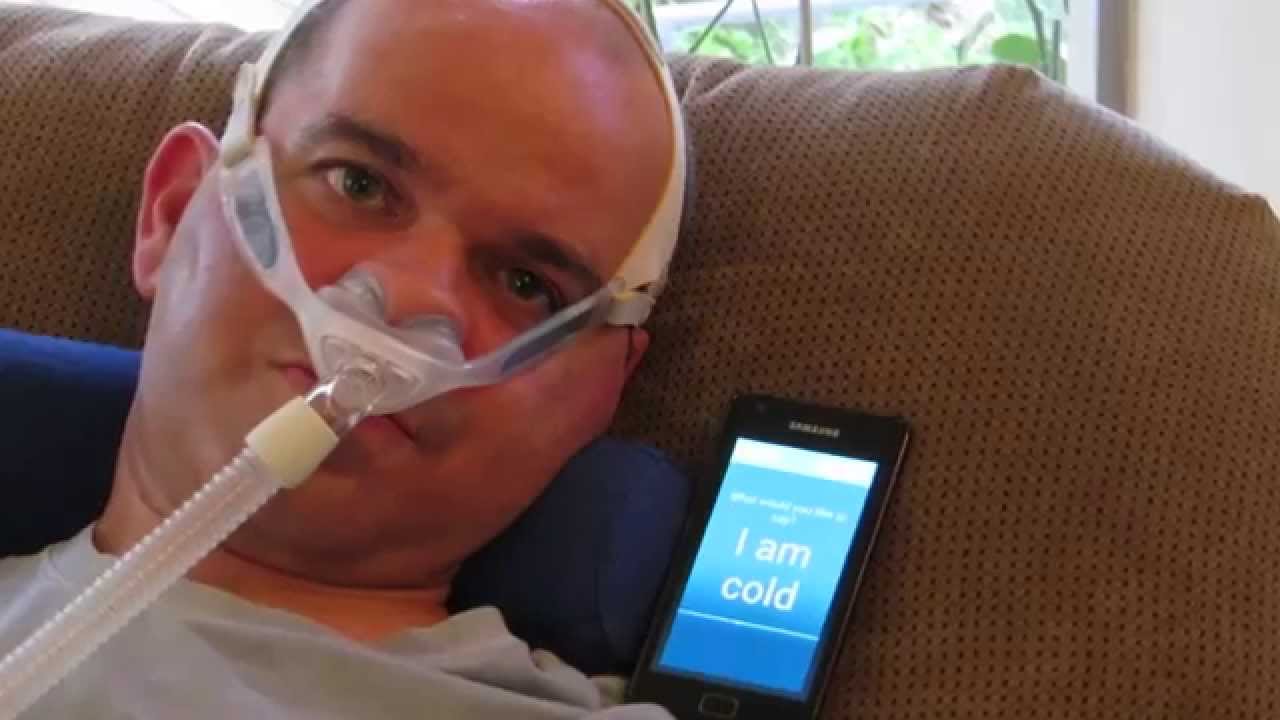
An infrared camera connects to glasses that identify blinks and pupil movement.  The camera communicates with a small Odroid-like computer. Eye movement is translated into commands that output sound to earphones and a speaker, and transmit it to a smartphone via bluetooth.  An app enables the patient to communicate. An algorithm automatically calibrates the device so that the patient will not require assistance.

EyeControl can provide an alert to call for assistance; choose from predefined sentences; or compose sentences using alphabet boards.

Wearable Tech + Digital Health NYC 2015 – June 30 @ New York Academy of Sciences.  Early registration rate until March 27.

Categories
Assistive Technologies Computer Vision

Gesture controlled smartphone for the disabled

Sesame is a touch-free smartphone that is controlled by very small head movements.  It is being crowdfunded on IndieGogo.

Head movements are tracked with a  front-facing camera, and combined with computer vision algorithms to create a cursor that appears on the phone’s screen.   The cursor is controlled by the position and movements of the head, enabling users to touch and swipe as if they were using a finger.  They can make calls, send texts, browse the internet, watch videos, use social media, and play games.  Integrated voice control allows the phone to be turned on when one says “Open Sesame.”

Categories
Assistive Technologies Prosthetics Sensors

Artificial skin detects pressure, moisture, heat, cold

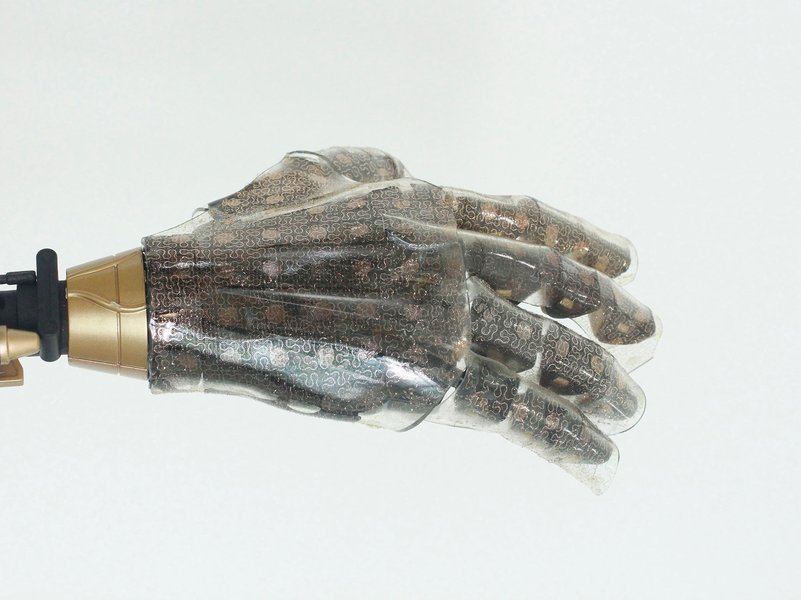
MC10‘s Roozbeh Ghaffari and a team of researchers from the US and Korea have developed artificial skin for prosthetics that mimics the sensitivity of real skin.  Its silicon and gold sensors detect pressure, moisture, heat and cold.   It is elastic enough for users to stretch and move a bionic hand’s fingers as they would real fingers.  According to Ghaffari, “If you have these sensors at high resolution across the finger, you can give the same tactile touch that the normal hand would convey to the brain.”  A paper detailing the research was published in Nature earlier this month.

Categories
Assistive Technologies Prosthetics

Virtual reality movement training for amputees

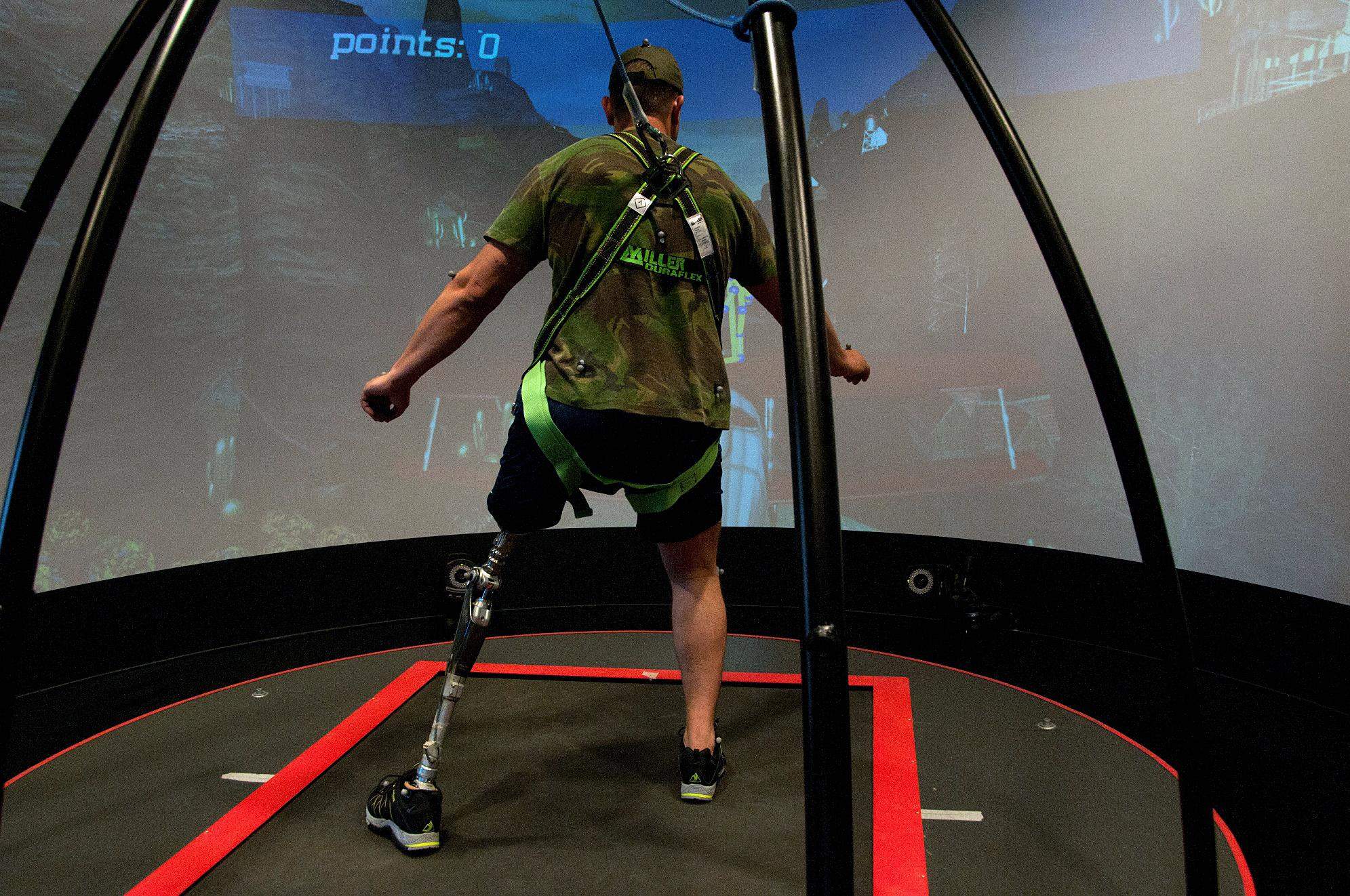
CAREN, developed at the University of South Florida, helps those with limb loss and prosthetics improve basic function, symmetry and walking efficiency.  It is also a tool for researchers to study ways to improve mobility and balance.

Wearing a safety harness and walking on a  treadmill in the room-sized system, participants of a recent study engaged in audio-visual balance games, explored virtual environments, and used an avatar to simulate activities fro on a surround screen.

CAREN’s interactive games allow for physical rehabilitation, combined with cognitive tasks, such as requiring someone to dig for objects in a virtual world while still walking on a treadmill. Distraction gait training could help  balance, mobility and coordination in PTSD, traumatic brain injury or stroke patients.

Boat driving, walking in a combat environment or mountain hiking  can be simulated. Visual tracking technology allows researchers to evaluate a patient’s gait or performance in real time, and immediately adjust the system to customize the rehab/training process.

Categories
Assistive Technologies Robotics Sensors Wearables

Robotic fingers enhance grip

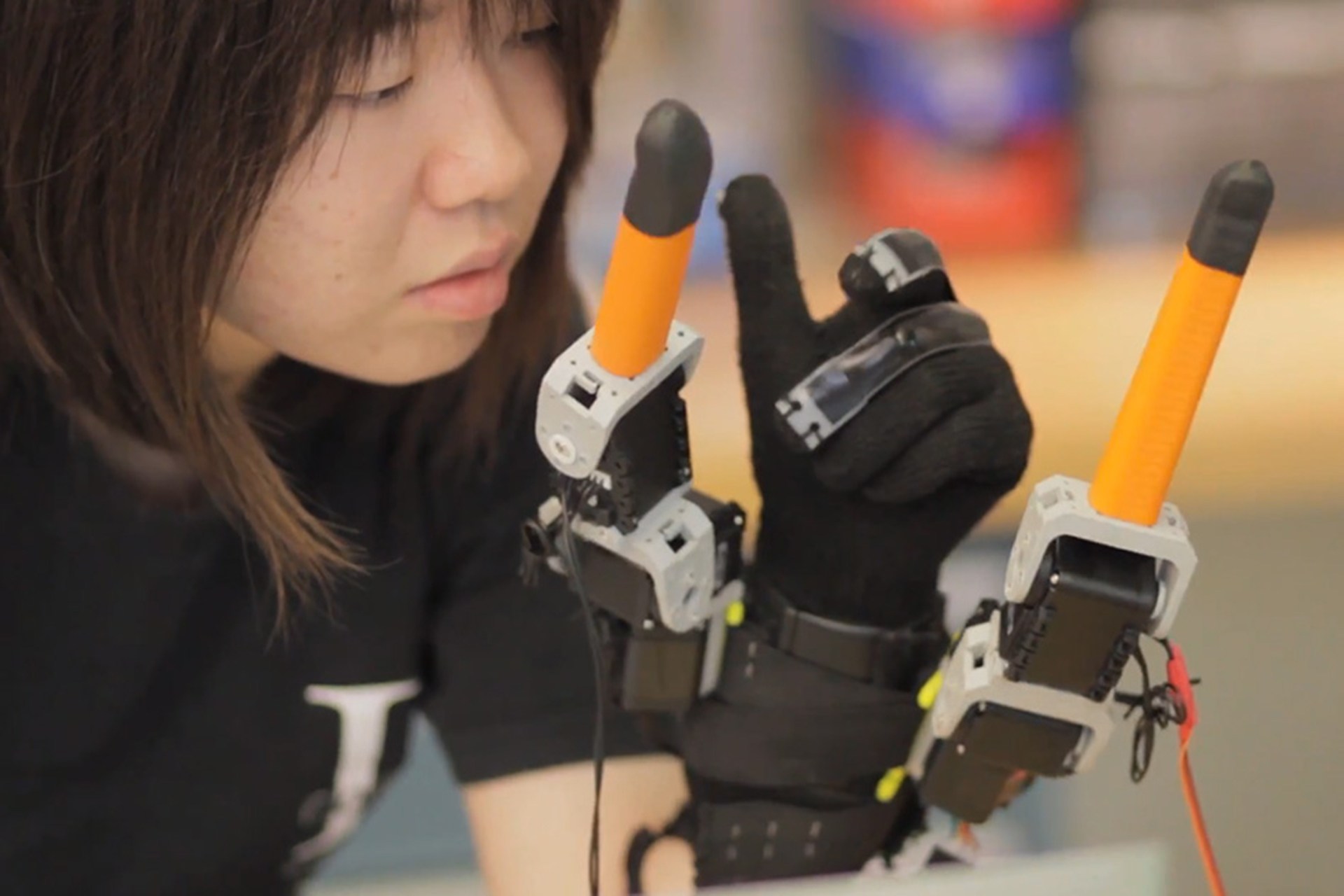
MIT researchers, led by Professor H. Harry Asada,  have developed a robot that enhances the grasping motion of the human hand. Worn around one’s wrist, the device works like two extra fingers adjacent to the pinky and thumb. It consists of actuators linked together to exert forces as strong as those of human fingers during a grasping motion. A control algorithm enables it to move in sync with the wearer’s fingers to grasp objects of various shapes and sizes. 

According to professor Asada, “This is a prototype, but we can shrink it down to one-third its size, and make it foldable. We could make this into a watch or a bracelet where the fingers pop up, and when the job is done, they come back into the watch. Wearable robots are a way to bring the robot closer to our daily life.”

Categories
AI Assistive Technologies

Eye tracking virtual keyboard

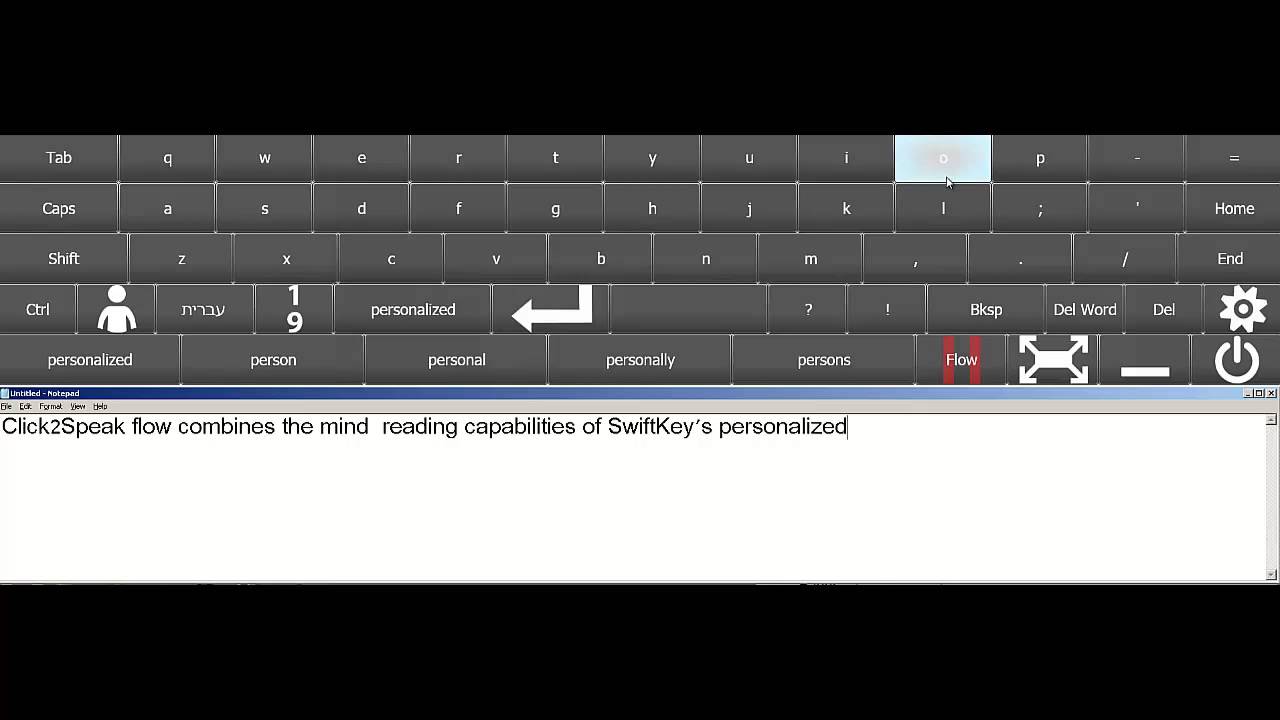
Click2Speak is SwiftKey based software that allows users to type on a virtual keyboard using eye movements.   AI technology predicts words from texts, facebook, and twitter.  A camera tracks eye movement, and one can click with a foot mouse or by looking at a button for a few seconds.

Founder Gal Sont, who has ALS, created Click2Speak because “Your communication is the basis of everything.  To tell someone you love them, to ask for something to drink, it is the basic need of every one of us: to communicate with my family and friends and tell them all that I need, in words. So communicating is very important, and if I can do it faster and more efficiently,  I’ve won the world.”

Categories
Assistive Technologies BCI

Israeli Make-a-thon empowers the disabled

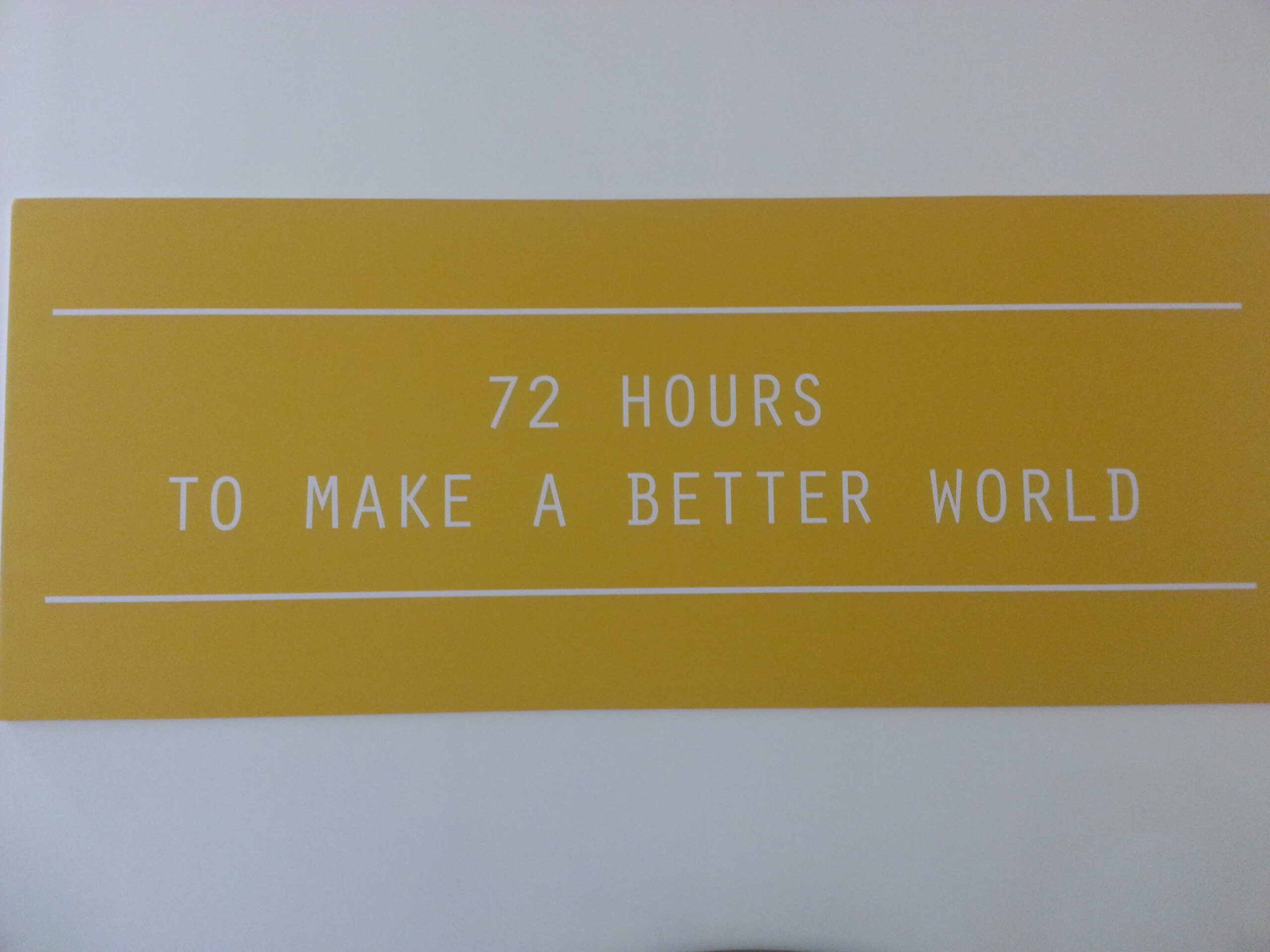
TOM – Tikkun Olam Make-a-thon, is underway in Nazareth, Israel.  In this Arab city, the hometown of Jesus, in an industrial complex built by Israeli Stef Wertheimer, makers, brain researchers, designers and physical therapists are empowering the disabled. Participants have 72 hours to build open source, affordable, working prototypes of devices and apparatus to improve their lives.  “Tikkun Olam,” or “Repairing the World”, is a Jewish principle, and the guiding theme of TOM.

Projects include:

  •  A 3D printed hand that enables a child born with out one to hold a ball
  •  “Eye writer” glasses that control a computer
  •  Crutches that convert to a walker
  •  A pressure relieving method for wheelchairs
  •  A device that cleans wheelchairs when entering a house
  •  A headpiece with sensory abilities for the blind
  •  A printed shoe for an injured veteran
  •  A brain controlled a prosthetic arm

Participants include Sefi Udi, maker, engineer, designer, and quadriplegic, and Professor Nathan Intrator, whose non-invasive brain computer interface will allow Sefi to control a prosthetic arm with his mind.

Categories
Assistive Technologies BCI Brain

Quadriplegic moves hand with thoughts

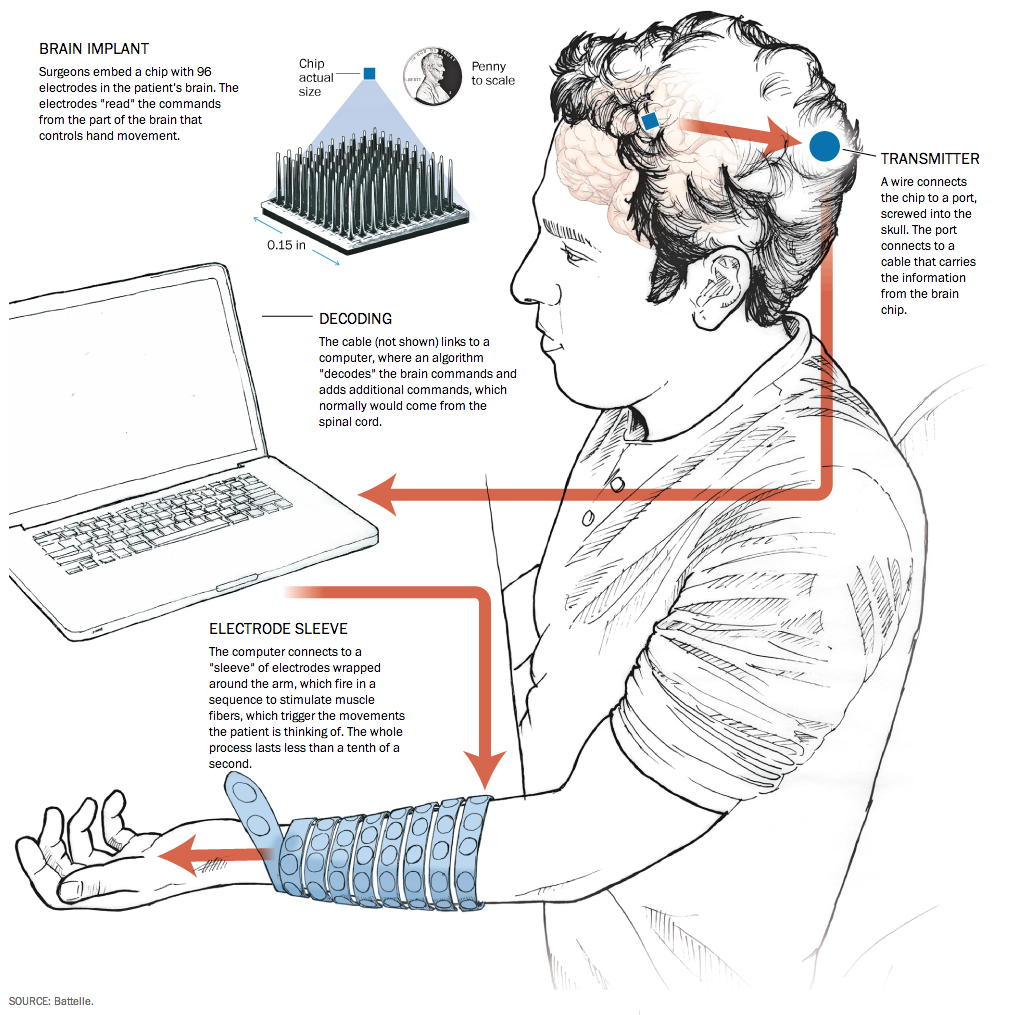
Neurobridge, developed by Ohio State University and Battelle, enabled a paralyzed man to move his hand and fingers with his thoughts.

The  device is an electronic neural bypass for spinal cord injuries that reconnects the brain directly to muscles, allowing voluntary and functional control of a paralyzed limb.

The experiment used a chip, implanted in the patient’s brain, that created algorithms to map the signals sent when he concentrated on moving his hand.

When the chip was connected to a computer, the signals were translated into messages sent to a sleeve loaded with electrodes placed around his arm. This stimulated his muscles, allowing him to move his hand by focusing on it.

Categories
Assistive Technologies Sensors

Sensor enabled prosthetic grip improvements

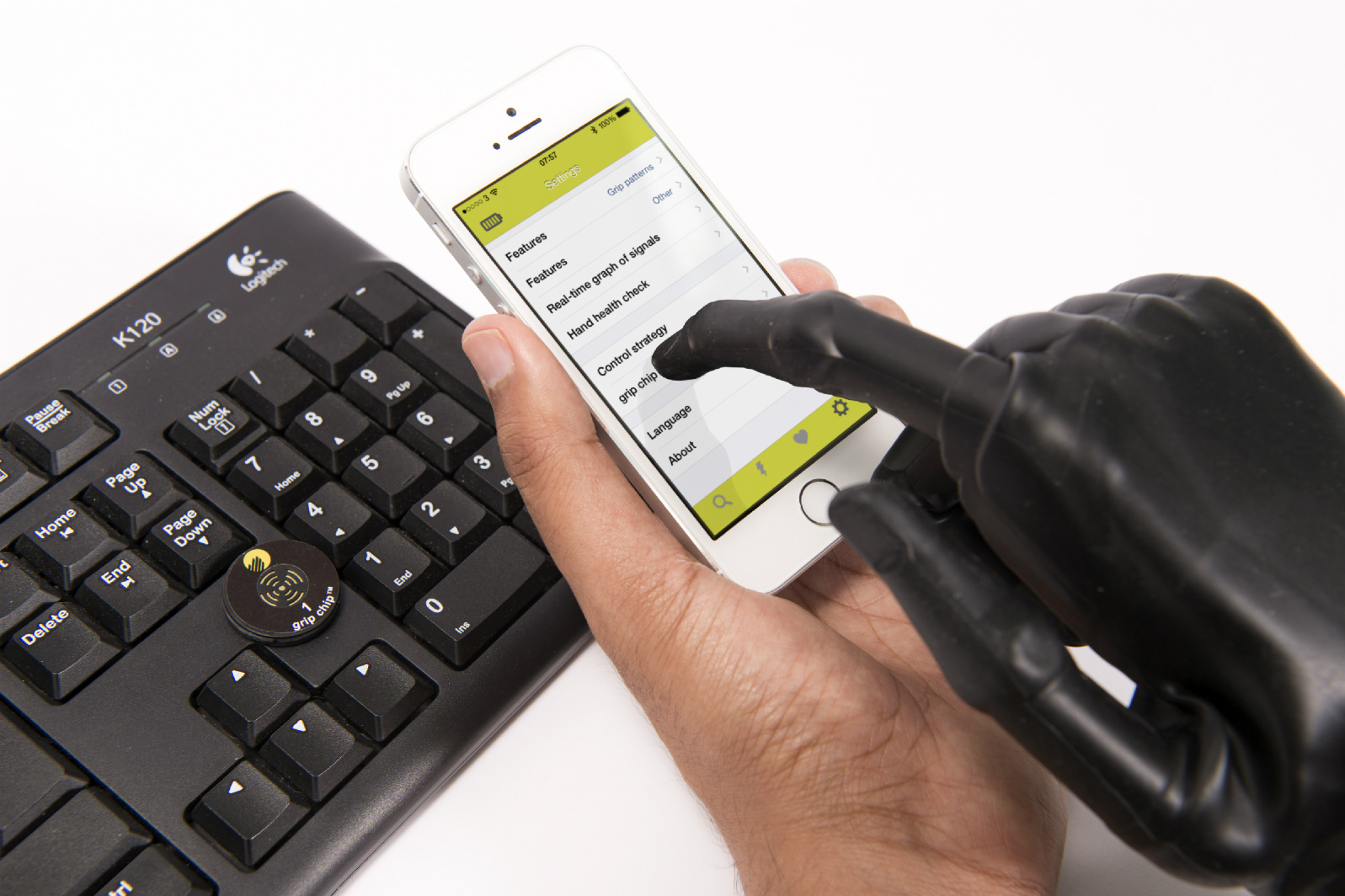
Touch Bionics has introduced “Grip Chips,” bluetooth enabled devices that can be attached to objects to trigger a pre-programmed grip configuration when detected by motion sensors.  They are useful for triggering specific grip patterns that are used regularly, but perhaps not enough to warrant programming to the prosthetic itself for triggering via muscle movement.  For example, a Grip Chip might be stuck to a keyboard to initiate a grip pattern best suited to typing.

Biosim and my i-limb mobile apps, for iPhone and Android,  have been updated to provide users with 36 customizable grip options. Like Grip Chips, the apps allow users to save infrequently-used grip options for quick access when required.

Categories
Assistive Technologies Wearables

Wearable computer creates muscle memory

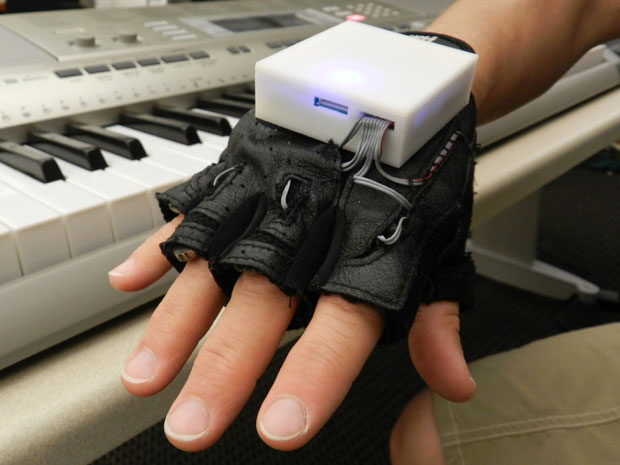
Georgia Tech Professor (and Google Glass technical lead) Thad Starner has invented a wearable computer that could provide muscle memory to enable someone to play music or learn dance steps.  It is based on haptic feedback, and might one day help the visually or hearing impaired learn Braille or Sign Language.

In a piano-playing experiment, the device was attached to a glove, with a flat vibration monitor sewn inside each finger opening.  The five vibrators were wired to a microcontroller on the back of the subject’s hand.  It was programmed to fire the motors in the same sequence that the fingers would strike keys on a piano.

Starner believes that repeated buzzing from the glove creates muscle memory that enables a wearer to learn to play a song with far less practice than it would take without haptic stimulation. He has also studied the glove’s effect on people with spinal cord injuries and found that it can help them regain some sensation and dexterity in their hands. The team is now studying whether haptic gloves can teach braille typing and stenography.