Categories
Data Wearables

Continuously generated “small data” analysis to improve health

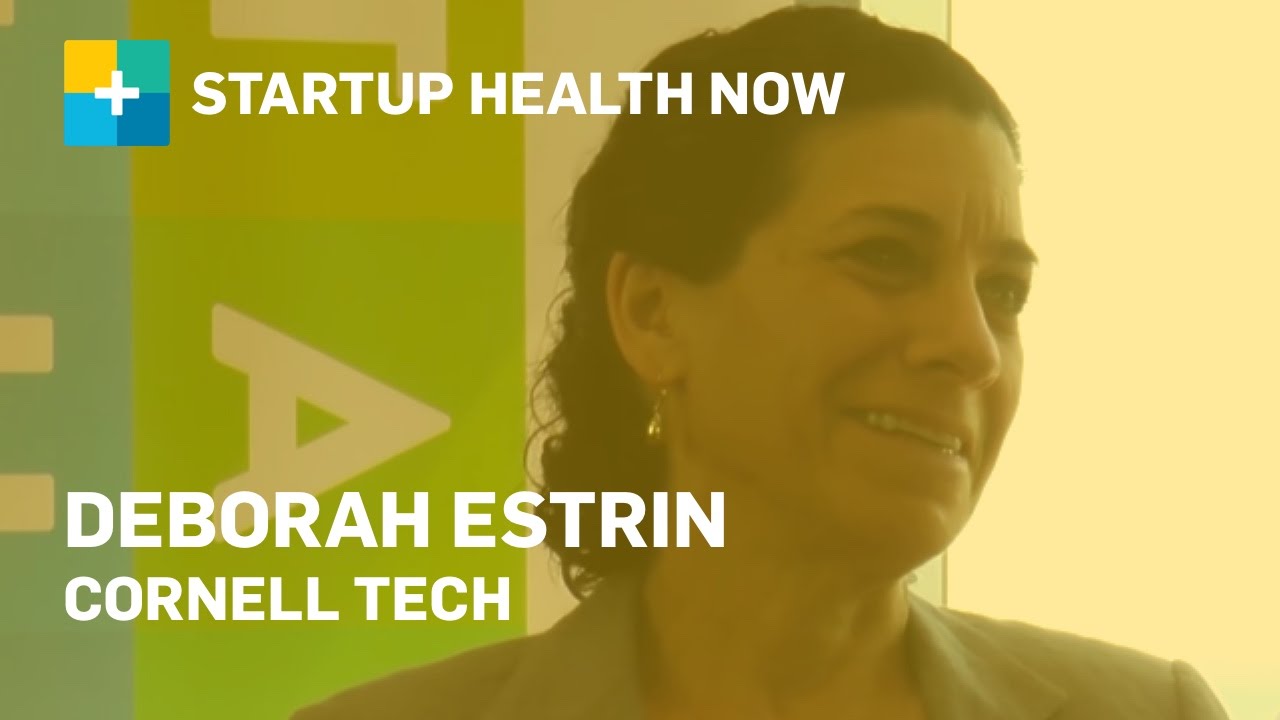
The discussion of “big data” analysis in healthcare continues, unabated.  At ApplySci’s recent Wearable Tech + Digital Health + NeuroTech NYC conference, Cornell professor Deborah Estrin, who is also a founder of Open mHealth, described how “small data” — our digital patterns and interactions — can help physicians by creating a more meaningful representation of our personal health.

Click to view Professor Estrin’s interview with StartUp Health’s Unity Stoakes, filmed at the conference.


ApplySci’s 6th   Wearable Tech + Digital Health + NeuroTech Silicon Valley  –  February 7-8 2017 @ Stanford   |   Featuring:   Vinod Khosla – Tom Insel – Zhenan Bao – Phillip Alvelda – Nathan Intrator – John Rogers – Mary Lou Jepsen – Vivek Wadhwa – Miguel Nicolelis – Roozbeh Ghaffari – Unity Stoakes – Mounir Zok
Categories
Brain Data Machine Learning Sensors Wearables

Wearable + cloud analysis track Huntington’s disease progression

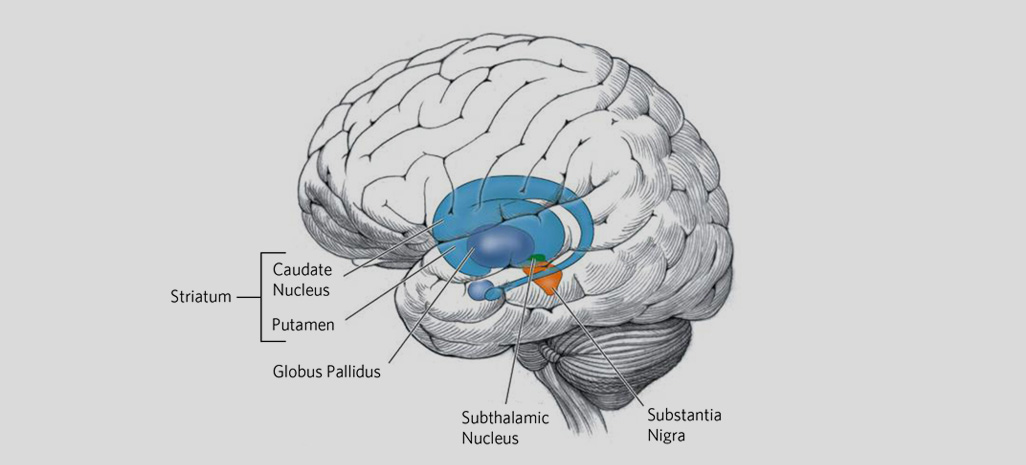
In the latest pharma/tech partnership, Teva and Intel are developing a wearable platform to track the progression of Huntington’s disease.  There is no cure for the disease, which causes a breakdown of nerve cells in the brain, resulting in a  decline in motor control, cognition and mental stability.

The technology can be used to assess the effectiveness of drugs that treat symptoms, and in developing new drugs.  (Teva will use it in a  mid-stage study.)

Wearable sensors (in this case a watch, but the concept could progress to patches)  continuously measure patient functioning.  Data is wirelessly transmitted to the cloud, and algorithms score motor symptom severity.

In recent months, ApplySci has described similar pharma/device/big data/machine learning alliances, including:

  •  Sanofi and Verily’s Onduo platiform to treat diabetes
  • GlaxoSmithKline and Verily targeting electrical signals in the body
  • A Verily and Novartis smart contact lense glucose monitor
  • A Biogen /Alphabet MS study

ApplySci looks forward to the use of brain-monitoring wearables to enable users to see and address neurodegenerative changes before symptoms appear.


ApplySci’s 6th   Wearable Tech + Digital Health + NeuroTech Silicon Valley  –  February 7-8 2017 @ Stanford   |   Featuring:   Vinod Khosla – Tom Insel – Zhenan Bao – Phillip Alvelda – Nathan Intrator – John Rogers – Mary Lou Jepsen – Vivek Wadhwa – Miguel Nicolelis – Roozbeh Ghaffari – Unity Stoakes – Mounir Zok
Categories
Data Diabetes Pharmaceuticals Wearables

Sanofi/Verily joint venture to fight diabetes

Big pharma + big tech/data partnerships continue to proliferate.

Onduo is a Sanofi/Verily joint venture that will use each company’s expertise to help manage diabetes  — Sanofi’s drugs  plus Verily’s software, data analysis, and devices. CEO Josh Riff and has not announced a project pipeline, as they are taking “a thoughtful approach to finding lasting solutions.”

Sutter Health and Allegheny Health Network will  be the first systems to test Onduo solutions.


ApplySci’s 6th   Wearable Tech + Digital Health + NeuroTech Silicon Valley  –  February 7-8 2017 @ Stanford   |   Featuring:   Vinod Khosla – Tom Insel – Zhenan Bao – Phillip Alvelda – Nathan Intrator – John Rogers – Mary Lou Jepsen – Vivek Wadhwa – Miguel Nicolelis – Roozbeh Ghaffari – Unity Stoakes

Categories
Apps Data fitness Wearables

“Data, not drugs” for elite sport performance

With equal parts modesty, enthusiasm, and wearable tech expertise, Olympic cyclist Sky Christopherson came to ApplySci’s recent Wearable Tech + Digital Health + NeuroTech NYC conference to “thank this community for helping the US Olympic team before the last Olympics with a lot of the same technology to help athletes prepare, using data and not drugs.”

Sky launched OAthlete at the 2012 London Olympics, to develop technology that will allow elite athletes — and the rest of us — to “fine tune” training to “understand how each athlete is responding as a unique individual.”

His mission is to put forth the use of data — not drugs — to enhance performance — healthfully, and sustainably.  Click to view his interview with StartUp Health’s Unity Stoakes at the conference.


ApplySci’s 6th Wearable Tech + Digital Health + NeuroTech Silicon Valley – February 7-8 2017 @ Stanford  | Featuring:   Vinod Khosla – Tom Insel – Zhenan Bao – Phillip Alvelda – Nathan Intrator – John Rogers – Mary Lou Jepsen – Vivek Wadhwa – Miguel Nicolelis 

Categories
Data

Andreas Weigend on Data for the People

Of all the data we create and share, perhaps none is more important — or more sensitive —  than data about our health.  The wearable tech revolution has given us, as patients and individuals, control – but we also must think about what we, and others, do with the data that we collect.

Andreas Weigend, author of Data for the People, Professor at Stanford and Berkeley, Director of the Social Data Lab, and former Chief Scientist at Amazon,  keynoted the recent NeuroTech San Francisco conference.   Following is a link to his interview with Unity Stoakes of StartUp Health, where he discusses the reality of social data, including his 5 rules:

  • The right to access (one’s data)
  • The right to amend
  • The right to blur
  • The right to play
  • The right to port

Click to view Dr. Andreas Weigend’s interview on StartUp Health NOW, recorded on April 6th, 2016 at Wearable Tech + Digital Health + NeuroTech San Francisco


Join ApplySci at the 6th Wearable Tech + Digital Tech + NeuroTech Silicon Valley conference – February 7-8, 2017 @ Stanford University

Categories
Data Sensors

Wireless hub syncs health data at home, in clinic

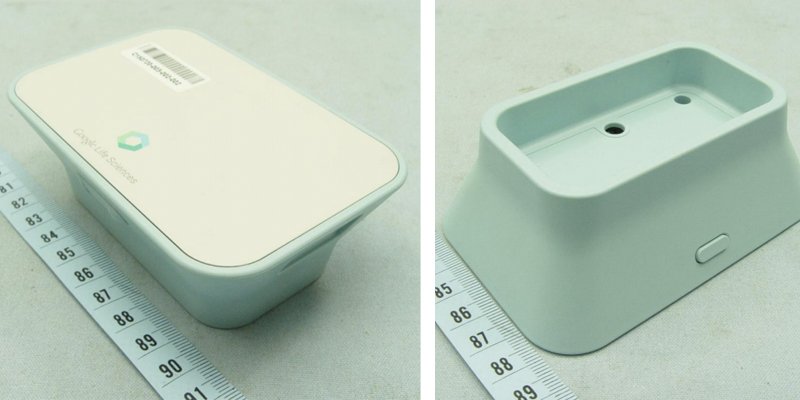
Google’s “Connectivity Bridge” appears to be a wireless hub meant to  collect and sync medical data in clinical studies, according to an FCC filing reported by Business Insider.  (No company announcement has been made.)

The hub can be installed in facilities or homes, and sensor data can be quickly uploaded to the cloud for analysis. It uses open source software and lets users charge and sync Study Kit devices.


Wearable Tech + Digital Health San Francisco – April 5, 2016 @ the Mission Bay Conference Center

NeuroTech San Francisco – April 6, 2016 @ the Mission Bay Conference Center

Wearable Tech + Digital Health NYC – June 7, 2016 @ the New York Academy of Sciences

NeuroTech NYC – June 8, 2016 @ the New York Academy of Sciences


Categories
AI Data Machine Learning Stroke

Machine learning for faster stroke diagnosis

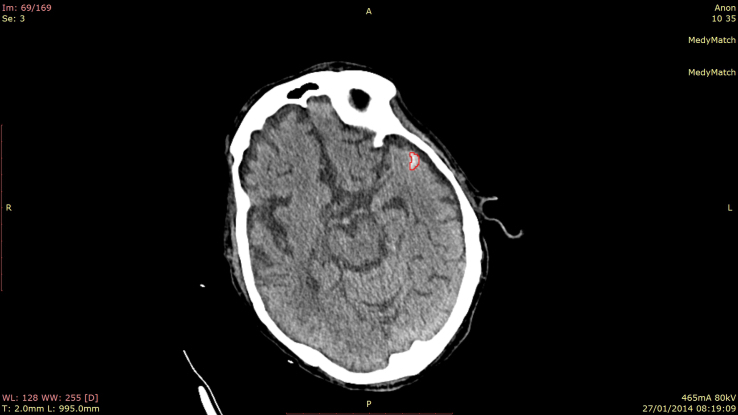
MedyMatch uses big data and artificial intelligence to improve stroke diagnosis, with the goal of faster treatment.

Patient CT photos are scanned  and immediately compared with hundreds of thousands of other patient results.  Almost any deviation from a normal CT is quickly detected.

With current methods, medical imaging errors can occur when emergency room radiologists miss subtle aspects of brain scans, leading to delayed treatment. Fast detection of stroke can prevent paralysis and death.

The company claims that it can detect irregularities more accurately than a human can. Findings are presented as 3D brain images, enabling a doctor to make better informed decisions. The cloud-based system allows scans to be uploaded from any location.


Wearable Tech + Digital Health San Francisco – April 5, 2016 @ the Mission Bay Conference Center

NeuroTech San Francisco – April 6, 2016 @ the Mission Bay Conference Center

Wearable Tech + Digital Health NYC – June 7, 2016 @ the New York Academy of Sciences

NeuroTech NYC – June 8, 2016 @ the New York Academy of Sciences


Categories
Apps Data Sleep Wearables

Sleep app uses wearable sensors, cloud analytics

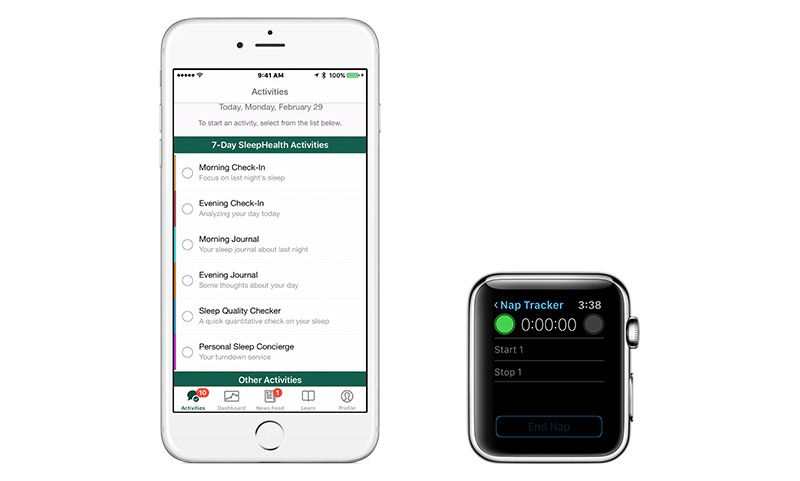
The American Sleep Apnea Association,  Apple and IBM have begun a study about the impact of sleep quality on daily activity level, alertness, productivity,  health and medical conditions. iPhone and Apple Watch sensors and the ResearchKit framework collect data from healthy and unhealthy sleepers, which is sent to the Watson Health Cloud.

The SleepHealth app uses the watch’s  heart rate monitor to detect sleep, and gathers movement data with its accelerometer and gyroscope. The app includes a  “personal sleep concierge” and nap tracker, meant to help users develop better sleeping habits.

Data is stored and analyzed on the Watson Health Cloud, allowing researchers to see common patterns .  The long term goal is to develop  effective interventions.


Wearable Tech + Digital Health San Francisco – April 5, 2016 @ the Mission Bay Conference Center

NeuroTech San Francisco – April 6, 2016 @ the Mission Bay Conference Center

Wearable Tech + Digital Health NYC – June 7, 2016 @ the New York Academy of Sciences

NeuroTech NYC – June 8,2016 @ the New York Academy of Sciences


Categories
Apps Data Sensors Virtual Reality Wearables

Virtual clinic uses apps, VR, data, wearables in remote care

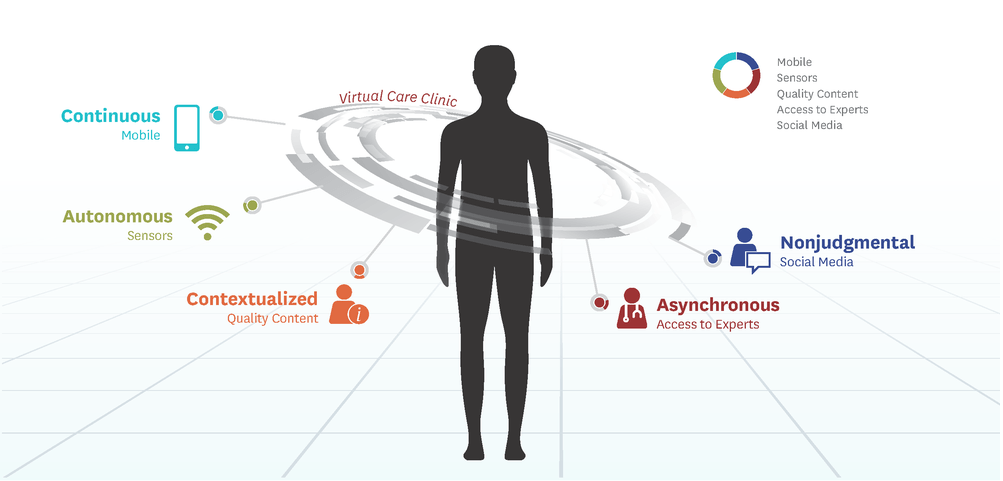
USC’s Center for Body Computing, led by Professor Leslie Saxon, has created the Virtual Care Clinic, featuring vetted, best of class partners providing integrated remote healthcare solutions.  The eight initial partners are Doctor Evidence, IMS Health, Karten Design, Medable, Planet Grande, Proteus Digital Health and VSP Global.

Mobile apps, virtual doctors, data collection and analysis systems,  and diagnostic and monitoring wearables  will provide on-demand access to care.


Wearable Tech + Digital Health San Francisco – April 5, 2016 @ the Mission Bay Conference Center

NeuroTech San Francisco – April 6, 2016 @ the Mission Bay Conference Center

Wearable Tech + Digital Health NYC – June 7, 2016 @ the New York Academy of Sciences

NeuroTech NYC – June 8, 2016 @ the New York Academy of Sciences


Categories
Cancer Data Machine Learning

Machine learning based cancer diagnostics

Search engine giant Yandex is using its advanced machine learning capabilities to detect cancer predisposition.

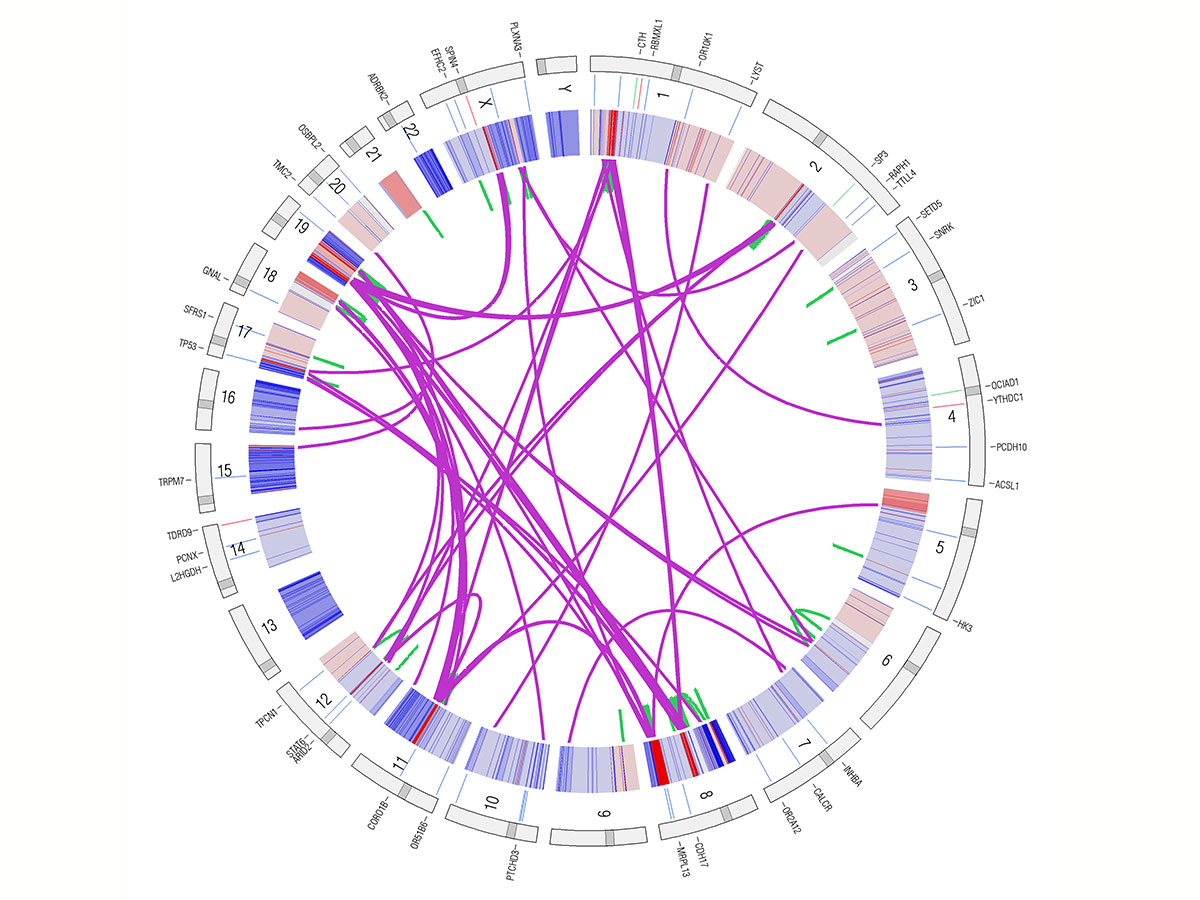
Yandex Data Factory has partnered with AstraZeneca to develop the RAY platform, which analyzes DNA testing results, generates a report about patient genome mutations, and provides treatment recommendations and side effect information. Testing will begin next month.

The two companies have signed a cooperation agreement  to launch big data projects in epidemiology, pathologic physiology, diagnostics and treatment of diseases (focused on contagious diseases, cancer, endocrinology, cardiology, pulmonology, and psychiatry).

WEARABLE TECH + DIGITAL HEALTH SAN FRANCISCO – APRIL 5, 2016 @ THE MISSION BAY CONFERENCE CENTER

NEUROTECH SAN FRANCISCO – APRIL 6, 2016 @ THE MISSION BAY CONFERENCE CENTER

Categories
Data Pharmaceuticals

Big data / pharma partnership to model diseases, treatments

IBM and Israeli generic drug giant Teva will partner to develop treatments for chronic conditions using the  Watson Health Cloud.

Their stated goal is “to put the best information and insights in the hands of physicians, care teams and patients, to empower treatment optimization for individuals and populations across the spectrum of acute and chronic conditions.”   Asthma, pain, migraine and neurodegenerative diseases are early targets.

The big data / pharma partnership could reduce drug misuse or increase adherence.  A joint research team will develop platforms to model diseases and potential therapeutic treatments.

Categories
Asthma Data Sensors

Inhaler sensors track asthma severity across cities

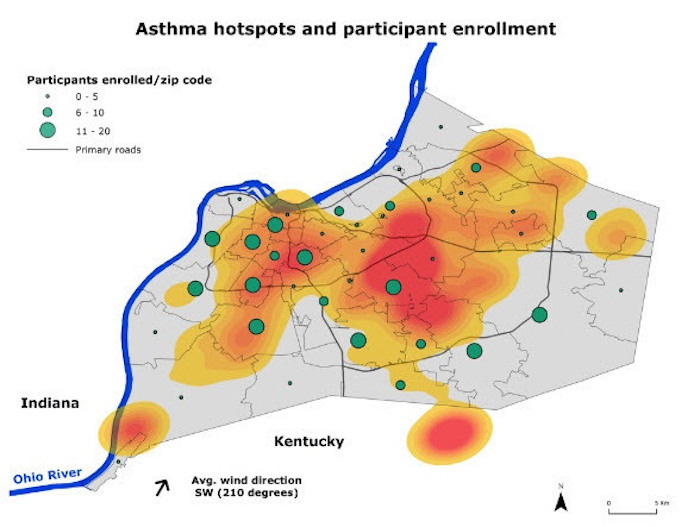
Propeller Health and the Robert Wood Johnson Foundation, through their Air Louisville program, are using sensors on asthma inhalers to track when, where and how often inhalers are used. This helps patients manage symptoms, and city officials warn of increased chances of asthma severity in certain areas.

Sensors attach to inhaled medication, and a smartphone app and physician-facing website analyze the data. Patients are given the inhalers for free.  The use of “rescue medication” (short-acting bronchodilators) and daily maintenance medication are monitored.

Air sampling monitors are overlayed onto the EPA monitor backbone to  determine connections between air quality, environmental factors, and asthma severity.

Propeller Health plans to expand its asthma monitoring program to five U.S. cities.

WEARABLE TECH + DIGITAL HEALTH NYC 2015 – JUNE 30 @ NEW YORK ACADEMY OF SCIENCES.  EARLY REGISTRATION RATE ENDS FRIDAY, 5/15