Categories
Nanoparticles Sensors

“Bubble-pen” writes with nanoparticles

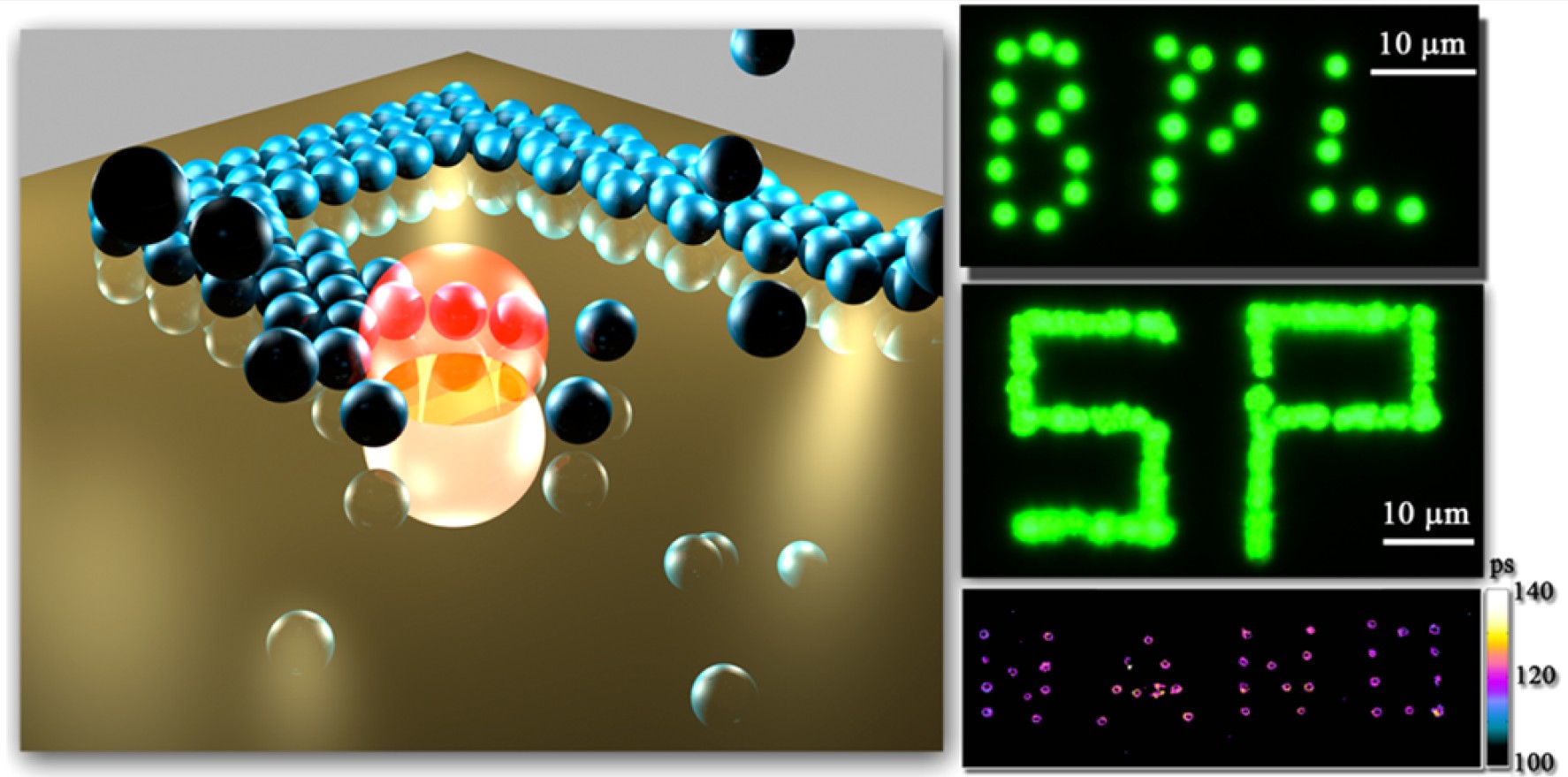
Yuebing Zheng and University of Texas colleagues have developed a “bubble pen lithography” device and technique to quickly, gently and precisely handle nanoparticles.  This can support the creation of accurate and highly sensitive biomedical sensors for drug delivery or imaging, among other applications.

The method relies on micro bubbles to  inscribe nanoparticles onto a surface.  A laser is focused underneath a sheet of gold nanoislands to generate a hotspot that creates a microbubble out of vaporized water. The bubble attracts and captures a nanoparticle through gas pressure, thermal and surface tension, surface adhesion and convection. The laser steers the microbubble to move the nanoparticle on a site on the surface. When the laser is turned off, the microbubble disappears, leaving the particle on the surface.

Existing methods, used to etch materials on a substrate, cannot precisely apply nanoparticles to a specific location.  Bubble-pen lithography can also use a 3D printer-like program, depositing nanoparticles in a pre-programmed pattern in real-time.


Wearable Tech + Digital Health San Francisco – April 5, 2016 @ the Mission Bay Conference Center

NeuroTech San Francisco – April 6, 2016 @ the Mission Bay Conference Center

Wearable Tech + Digital Health NYC – June 7, 2016 @ the New York Academy of Sciences

NeuroTech NYC – June 8, 2016 @ the New York Academy of Sciences
 

Categories
Brain Cancer Nanoparticles

Nanoparticle treatment targets brain tumors

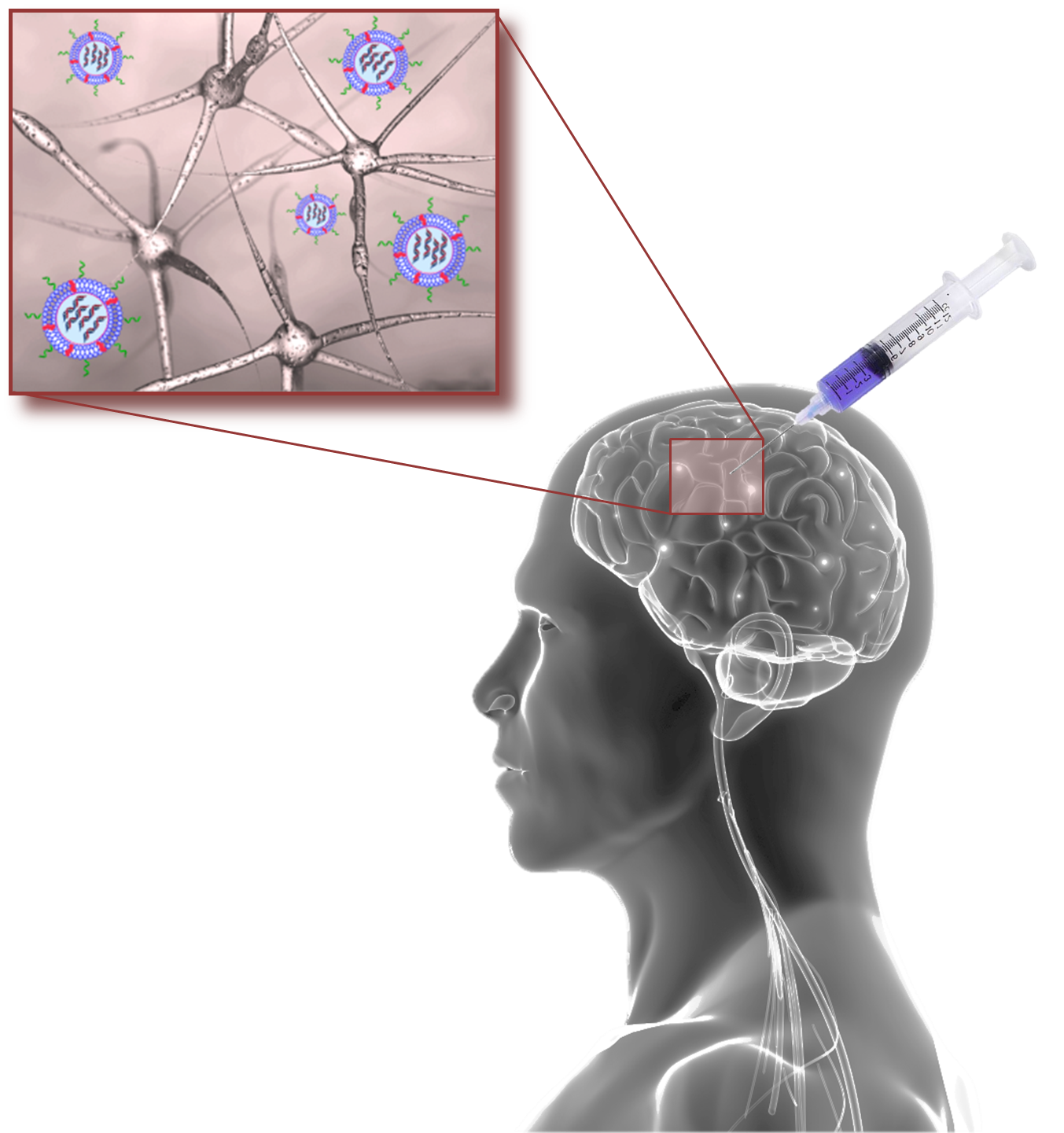
Tel Aviv University Professor Dan Peer is developing a nanoparticle-based process to target glioblastoma cells, previously considered untreatable.

Nanoparticles were injected into tumors, acting as the drug delivery system. Nucleic acid, with interference RNAs, attached to receptors  expressed specifically on glioma cells, and stopped the activity of a key protein that regulates the rapid reproduction of the cancer cells.

The therapy was tested in mouse models affected with gliomas and control groups treated with standard chemotherapy. The results were, according to the researchers, “astonishing.”

Wearable Tech + Digital Health NYC 2015 – June 30 @ New York Academy of Sciences

Categories
Conference Infectious Disease mHealth Nanoparticles

Paper test detects Ebola in 10 minutes

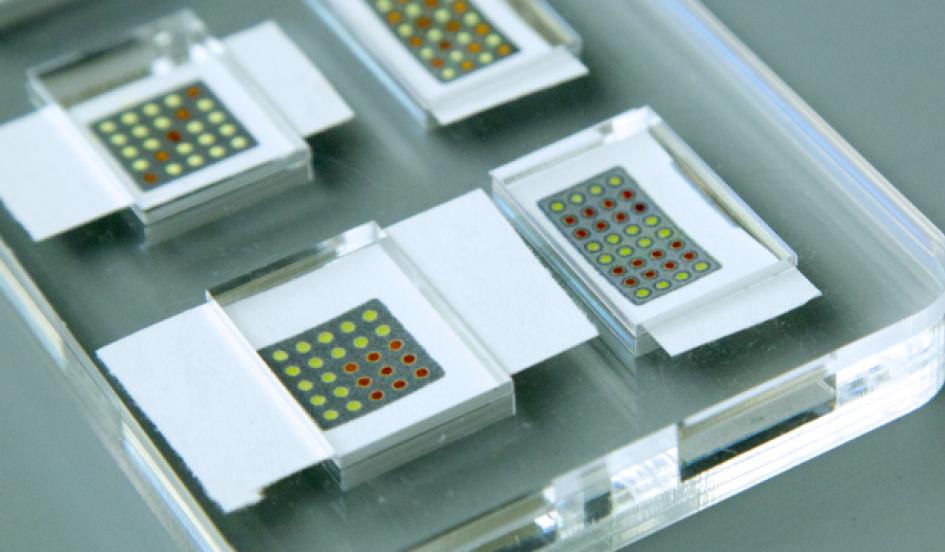
MIT‘s Hamad-Schifferli Group and Lee Gehrke have developed a paper strip test that can detect Ebola, Yellow Fever, and Dengue Fever in 10  minutes.  The strips are color coded, using triangular silver nanoparticles, to distinguish among diseases.

The test relies on lateral flow technology,  used in pregnancy tests and for diagnosing strep throat and bacterial infections.  As blood serum flows along the strip, viral proteins that match the antibodies painted on the strips will get caught, becoming visible.  This can be seen by the naked eye or with a mobile phone’s camera.

This is the first time that a multiplexing approach, using multicolored nanoparticles to screen for multiple pathogens, has been done.

Wearable Tech + Digital Health NYC 2015 – June 30 @ New York Academy of Sciences

Categories
Cancer Nanoparticles Wearables

Nanoparticles + wearable to detect cancer cells

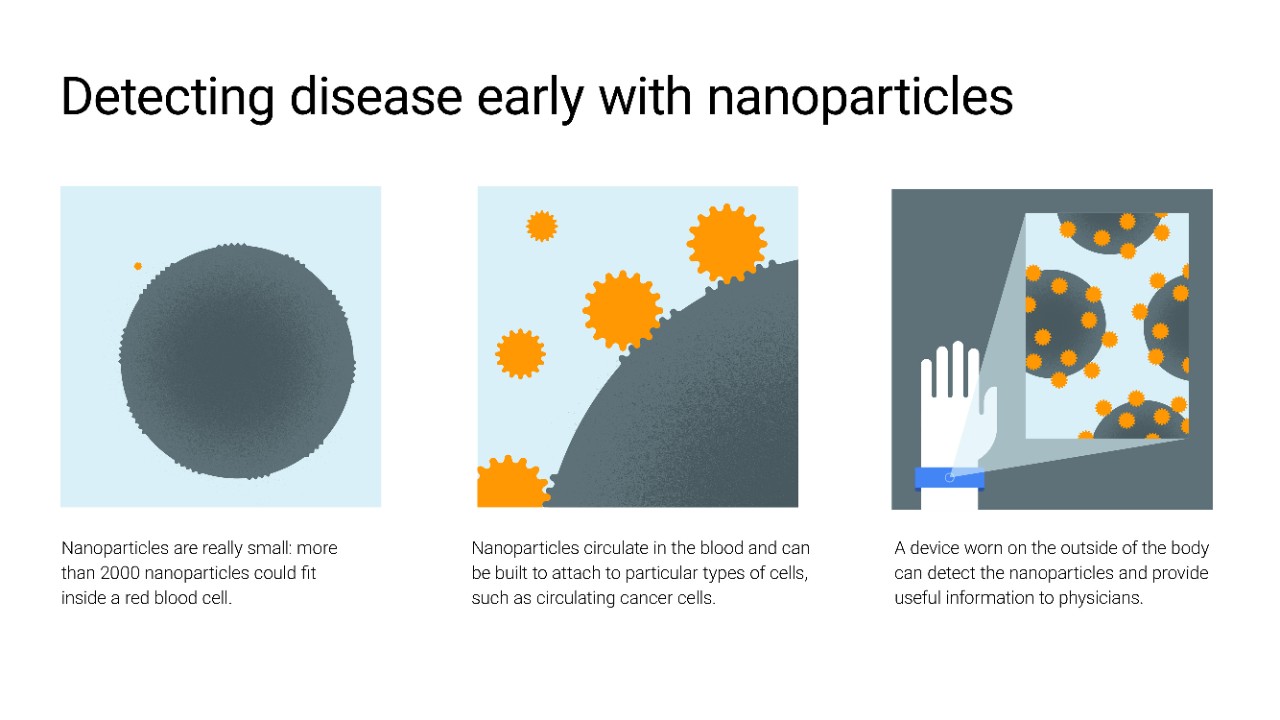
ApplySci first described Google X’s cancer detecting nanoparticle project last October.  The company has now released more detail:

1.  A user wears a bracelet designed by Google.

2.  He/she must take nanoparticle pills that look for cancer cells throughout the body.

3.  If found, the nanoparticles bind to the cancer cells, and they light up.

4.  The bracelet’s magnet attracts the cell-particle combinations.

Google has created synthetic skin, of varying thickness and tones, to test the system, as described in a recent interview with The Atlantic.

Wearable Tech + Digital Health NYC 2015 – June 30 @ New York Academy of Sciences