Categories
Monitoring Sensors

Wearable sensor detects chemical disease markers

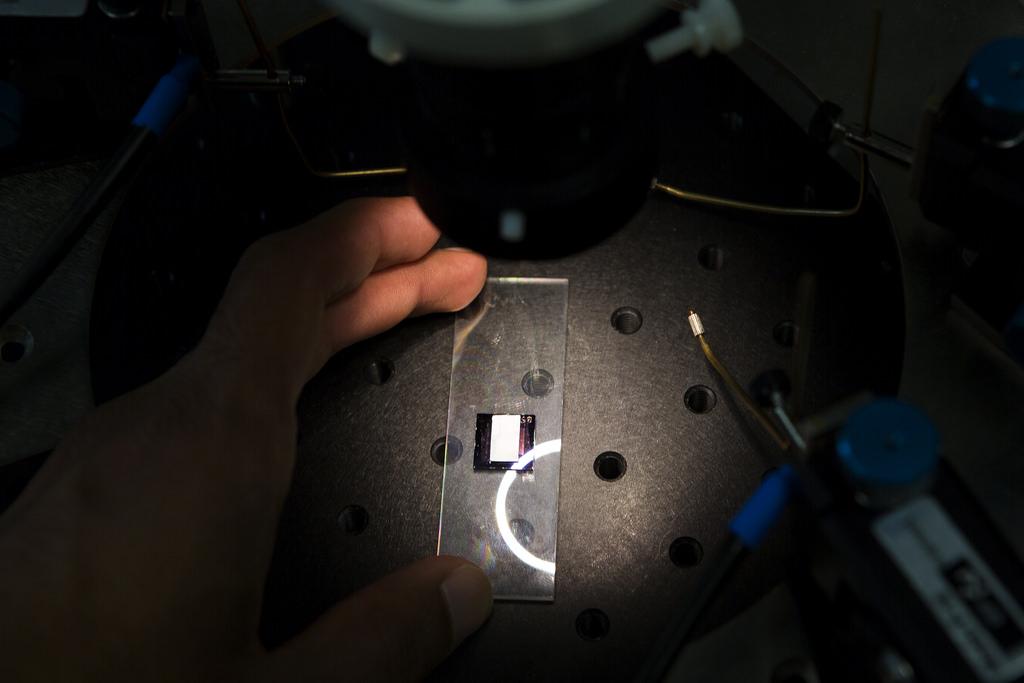
University of Michigan professors Sherman Fan and Zhaohui Zhong‘s newly developed graphene-based wearable sensor detects airborne chemicals that serve as disease indicators.   This could be the first wearable that monitors a broad array of chemical, rather than physical attributes. The sensor could detect acetone, a biomarker for diabetes, or abnormal levels of nitric oxide and oxygen, indicators of high blood pressure, anemia, or lung disease.

Categories
Monitoring Sensors

Biosensor monitor for post-surgery GI disorder

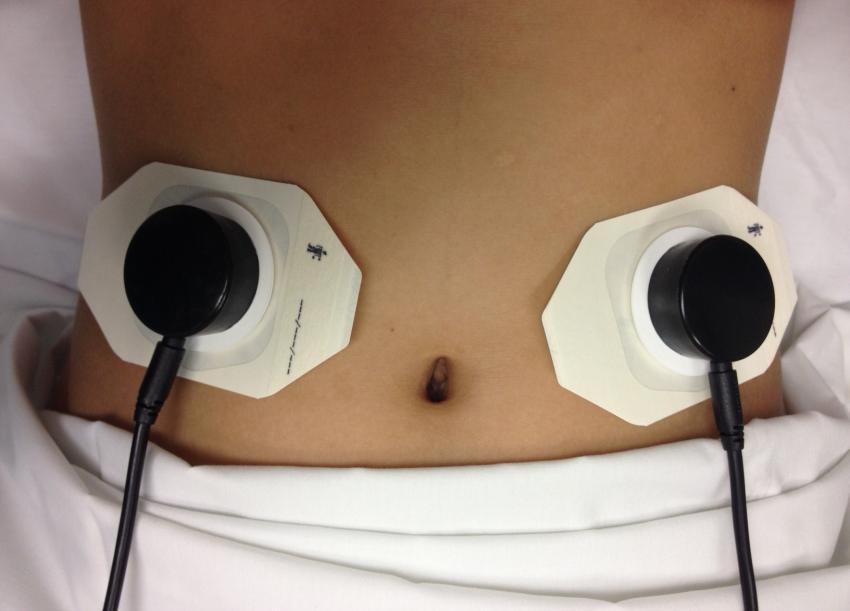
AbStats is a plastic, disposable, non-invasive acoustic gastrointestinal surveillance biosensor that attaches to the abdomen after surgery. It was developed by UCLA professor Brennan Spiegel and described in a paper published in the Journal of Gastrointestinal Surgery this week.

The device can help doctors determine which post-operative patients should be fed, and which should not, by monitoring for post-operative ileus, a malfunction of the intestines.  The condition causes patients to become ill if they eat too soon.

AbStats is also being tested for use in the diagnosis of irritable bowel syndrome and inflammatory bowel disease.

Categories
Monitoring Sensors Wearables

Sensor / 3D printing / bandage combination for continuous monitoring

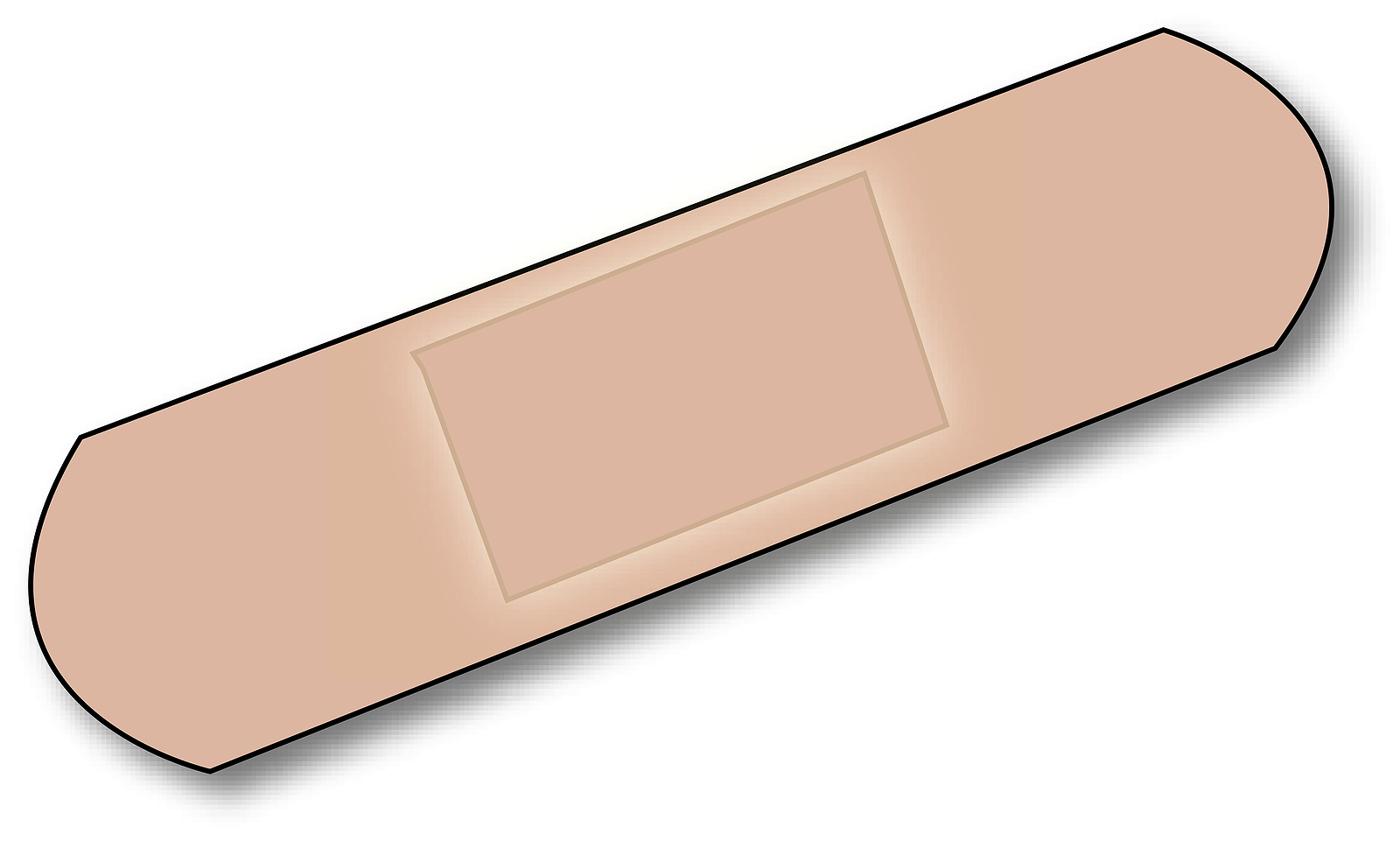
Bioscope bandages, developed at the National Taiwan University, wirelessly transmit temperature, heart rate, movement and vital sign data to doctors to monitor or remotely diagnose.

The bandage comes with an integrated thermometer, accelerometer, and sensors to measure electrical activity. A microphone can track organ sound patterns to detect disease. The area holding the modules is 3D printed for easy sensor additions or changes.

Categories
Monitoring Sensors Wearables

Sensor “band-aid” assesses physical and cognitive performance

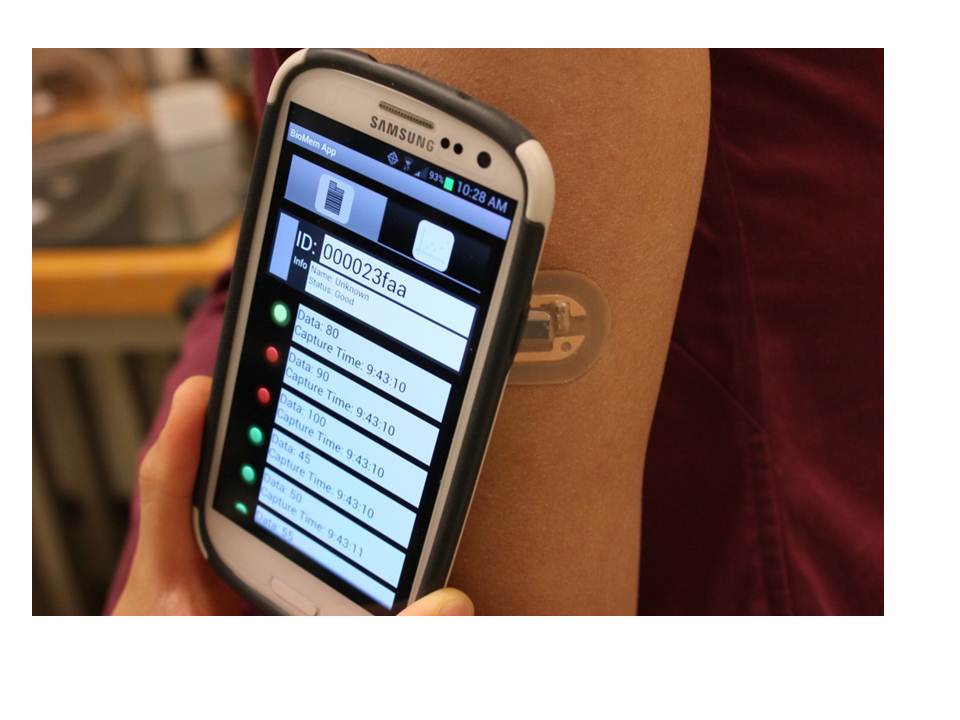
Airmen at the Wright-Patterson Air Force Base are testing bandage-like sensors that analyze sweat to assess physical and cognitive performance.  This is based on a study by Dr. Josh Hagen of the Air Force Research Lab.  The sensors notify users when stress, dehydration, and other health issues are detected.

“Our vision is that every Airman at the beginning of their week, will be able to put on an electronic band aid that will quantify everything about them,” said Hagen. “It would measure the typical things a doctor would measure in a checkup.”

Some  Air Force Marathoners wore the sensor patch while running this year.  While typical performance monitoring is done by measuring heart rate, skin temperature and blood pressure, biological chemical/molecular data is obtained from fluids.  These include blood, urine, saliva and – in the case of the biosensor patch – sweat.

Categories
Heart Monitoring Sensors

Arrhythmia monitoring patch

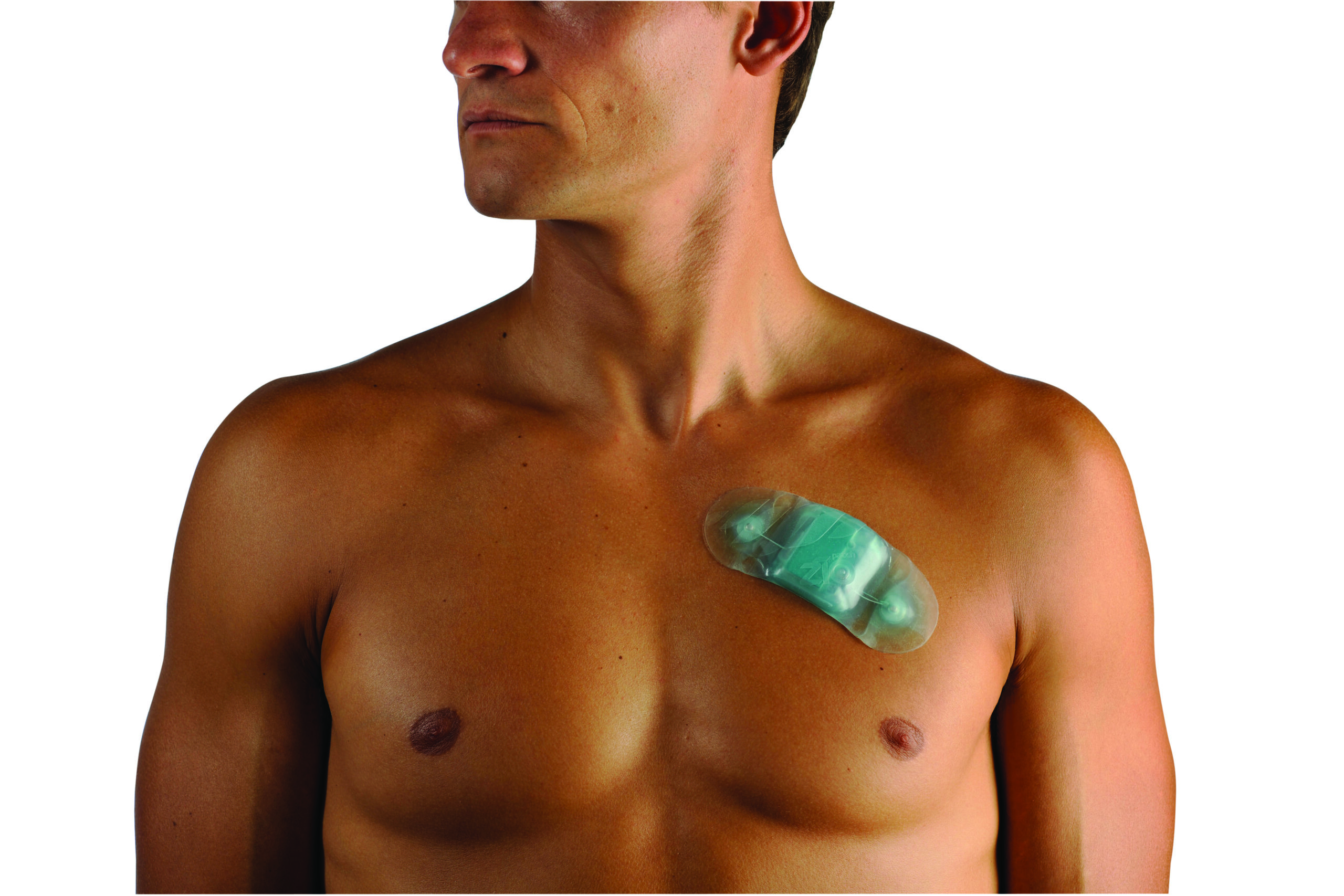
The iRythm Zio patch is a wearable sensor used to monitor arrhythmias in cardiac patients for up to two weeks. While it is a continuous monitor, the device also has a large button on top for patients to capture symptomatic events. This is an alternative to the 24 hour Holter monitor. The FDA approved device does not wirelessly transmit data to a mobile device. Readings are stored in the patch itself, which is then mailedto iRhythm at the end of the monitoring period.  iRythm analyzes the data and produces a report for the physician.

Categories
mHealth Monitoring Sensors

Measuring body chemistry at home

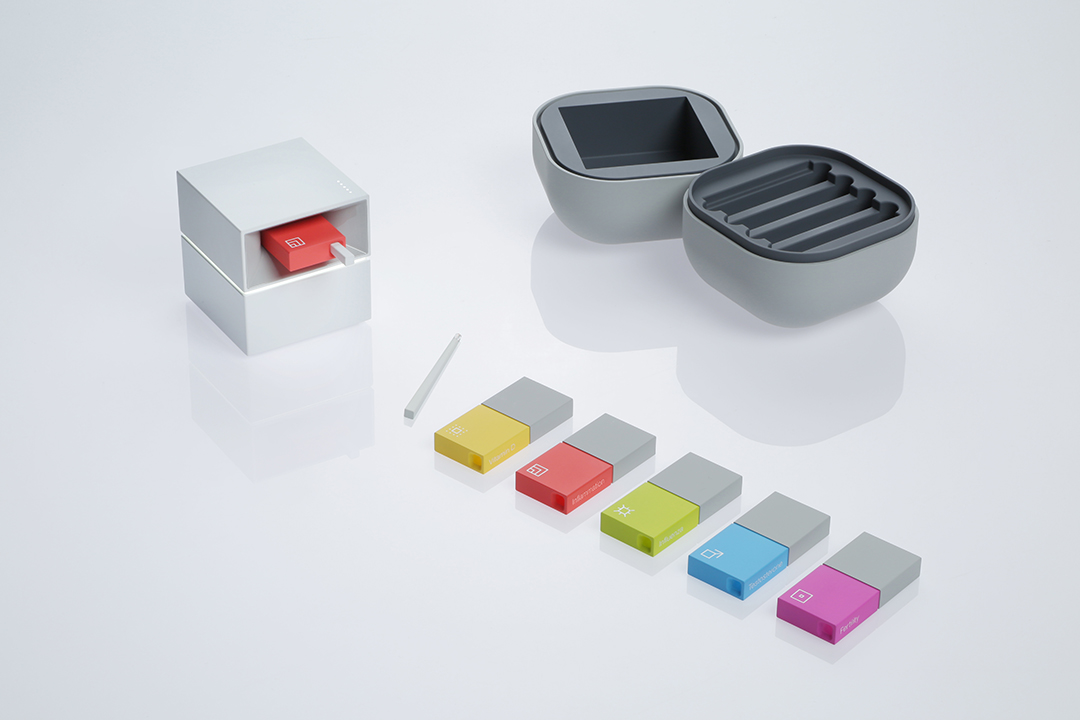
Cue is a health tracker that measures inflammation, vitamin D levels, fertility, influenza, and testosterone.  Its creators claim to bring tests that were previously only available in the lab into the home.  The system sends customized alerts with suggestions on how to improve one’s health.
.

A droplet of saliva, blood, or a nasal swab is added to a cartridge. and paced inside Cue, which sends the analysis to a smartphone or tablet via bluetooth.

Categories
Children fitness Monitoring Wearables

Gamified wearable activity monitor for kids

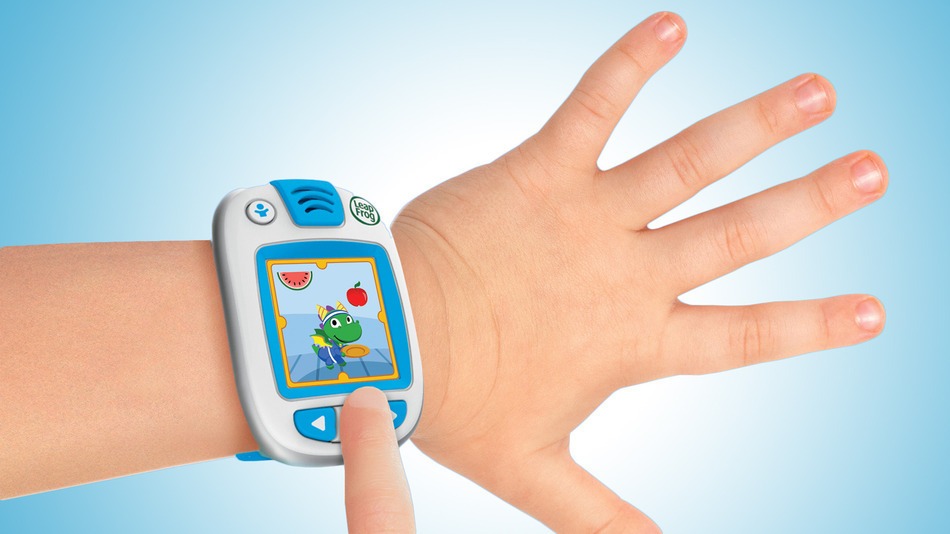
LeapFrog has embraced the wearables trend with a gamified fitness band for children aged 4-7.

The Leapband screen displays a personalized virtual pet  which guides a child through a series of activity challenges and games. The more active they are, the more points they win, and the more games they are able to unlock of the 50 offered.  Parents can monitor daily activity,  exporting the information via a companion app.

Categories
Monitoring Parkinson's Sensors

Wearable sensors monitor Parkinson’s symptoms

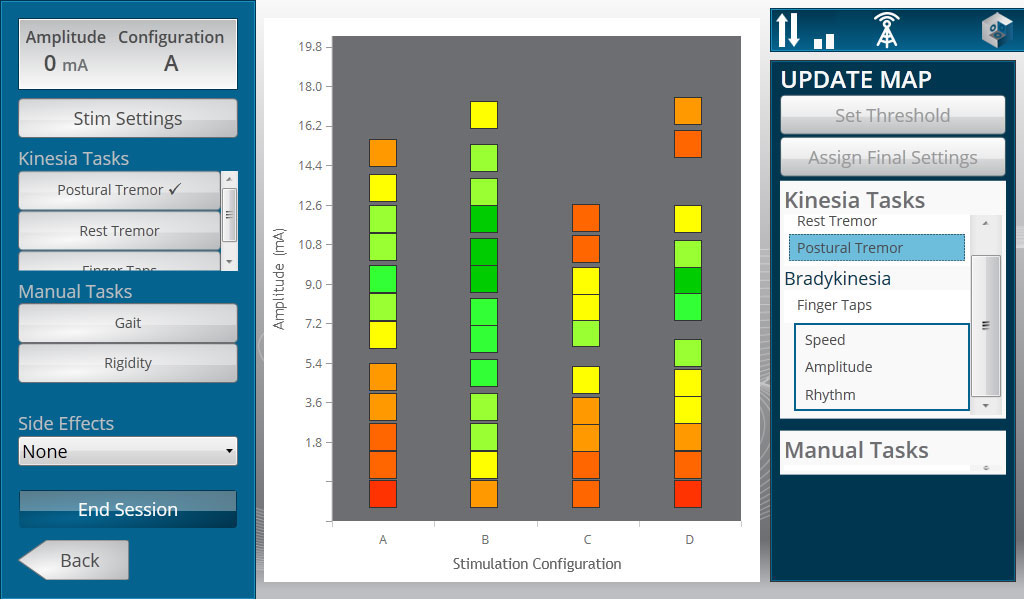
Kinesia’s HomeView and ProView technologies provide standardized platforms to quantify Parkinson’s disease symptoms in the clinic and at home.

Physicians have the tools to quantify tremor, assess dyskinesia and measure bradykinesia remotely. A patient uses a take home kit, programmed to specific symptoms and treatments,to complete motor tests several times a day. The patient can also enter touch screen diary information about how they are feeling and when medications were taken. Physicians can view web-based reports including automated severity scoring and videos that show symptom changes during the day in response to treatments such as medication or deep brain stimulation.

Categories
mHealth Monitoring Sensors

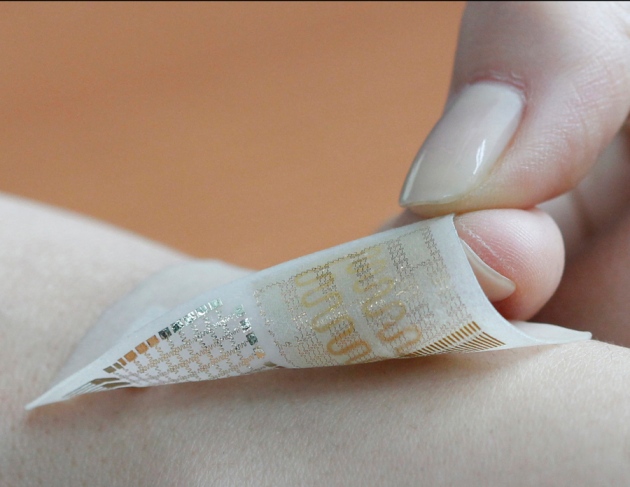
Patch monitors muscle activity, dispenses medicine

Kim Dae-Hyeong and colleagues at Seoul National University have created a dermal patch that measures and records muscle activity, dispenses medicine continuously, and stops drug delivery when appropriate.  The study was published in Nature Nanotechnology today.

The system is ideal for Parkinson’s patients, as tremors that accompany the movement disorder are not constant.  The patch senses tremors early and immediately releases a small amount of the drug it contains.

Silicon nano membranes were used in the motion sensors, gold nanoparticles in the non-volatile memory and silica nanoparticles loaded with drugs in a thermal actuator. All were integrated in a patch capable of resisting stretch and bend forces, suitable for skin.  Wireless components will be incorporated in the future to make the device fully mobile.

Categories
Babies Monitoring Sensors

Smart pacifier monitors baby’s health and location

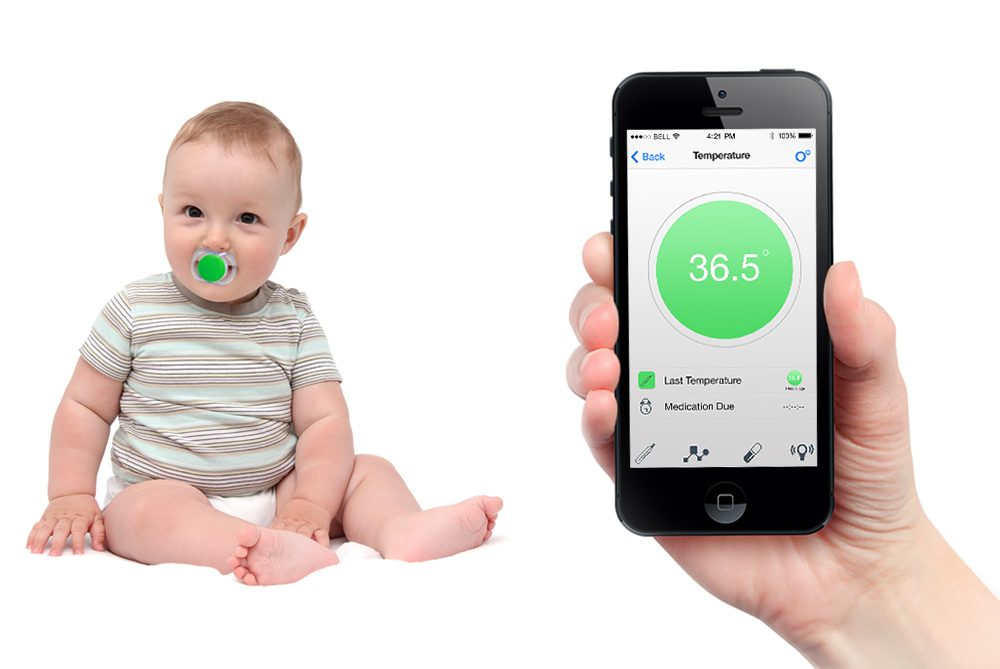
BlueMaestro’s Pacifi monitors a baby’s temperature and transmits the data to a parent’s phone or tablet.  Its app plots the data in a graph.  Parents can record when medication was administered, set-up alerts, and share the information with nannies and doctors.

Pacifi features a built in proximity sensor that allows parents to monitor the pacifier’s location and be alerted if their toddler wanders off.  Parents can set the distance, to a range of 150 feet, for the alarm to be triggered.

Categories
Epilepsy Monitoring Sensors Wearables

Wearables track, manage, predict epileptic seizures

Artefact Dialog | SmartMonitor

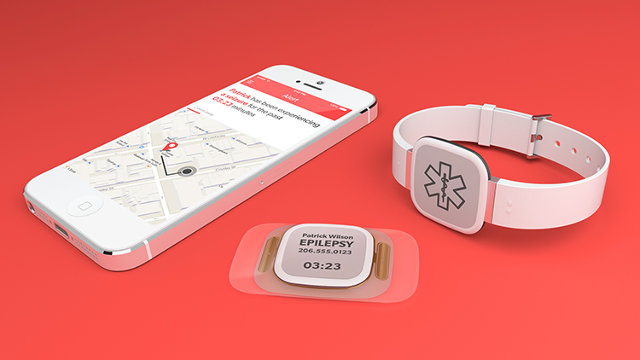
Artefact Dialog allows epilepsy patients to track, manage, and predict seizures.

The patch-like wearable connects via Bluetooth to a smartphone app.  It can help wearers remember to take their medications, warn them about seizures, and alert friends, family, or caregivers when a seizure happens. Connected apps help users analyze where they have been and what they were doing when seizures occurred, and instruct bystanders and responders what to do during an episode.

Featuring a UI based around natural interactions, Dialog allows patients to call for help with a grasp of the patch. A double tap allows a patient to record a pre-seizure aura, and can measure the typical time between an aura and a seizure. Tracing a smile or frown lets wearers track their moods, and vibrations alert users to take their medications.

Last year SmartMonitor released its epilepsy focused smart watch, with similar features but a more traditional design.

Categories
BCI Brain Monitoring Seniors Sensors Wearables

Facial expression controlled ear computer/health monitor

AFP | Japan Times

Kazuhiro Taniguchi of Hiroshima City University has developed a 17 gram “Earclip-type Wearable PC”  equipped with a GPS, compass, gyrosensor, battery, barometer, speaker and microphone.  A microchip and data storage enable users to load software.   The device is being tested now, with promising applications for the elderly and disabled.

The system can be connected to a smartphone and allow the user to navigate through software programs using facial expressions, such as a raised eyebrow, a stuck-out tongue, a wiggle of the nose or by clenching teeth.

The device uses infrared sensors that monitor tiny movements in the ear, which differ depending on how the eyes and mouth move. Because the user does not have to move either hand, its developers say it can serve as “a third hand” caregivers, rock-climbers, motorcyclists, astronauts, and people with disabilities.

The earpiece could also function as a hearing aid,  and could monitor the wearer’s health, including pulse and body temperature, while logging how often they eat and sneeze.  An accelerometer could tell when the user falls and instruct the smartphone to notify relatives, or call an ambulance based on GPS data.