Categories
BCI Brain Prosthetics Robotics

BCI enabled 10-D prosthetic arm control

Jennifer Collinger and University of Pittsburgh colleagues have enabled a prosthetic arm wearer to reach, grasp, and place a variety of objects with 10-D control for the first time.

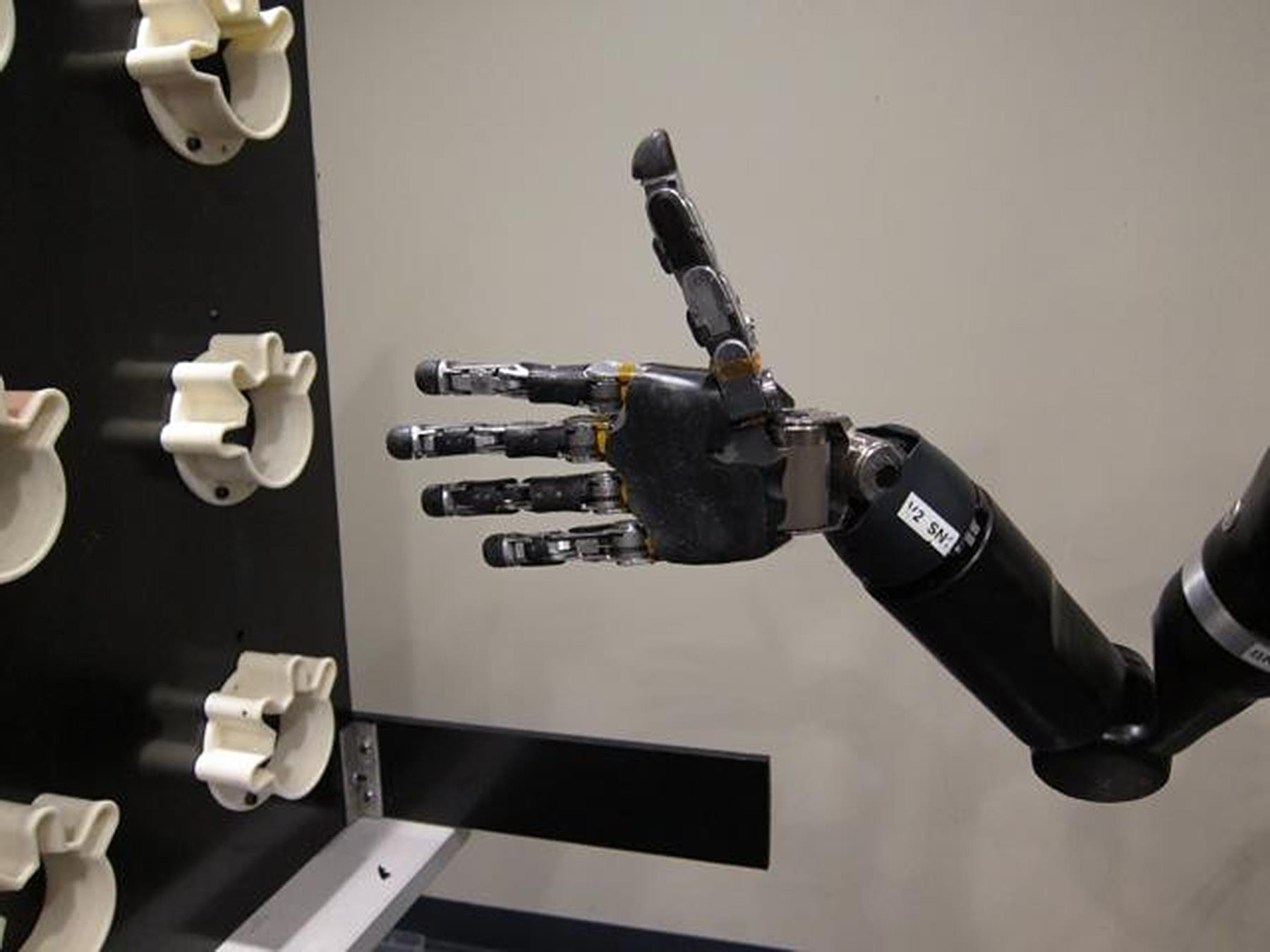
The trial participant had electrode grids with 96 contact points surgically implanted in her brain in 2012.  This allowed 3-D control of her arm. Each electrode point picked up signals from an individual neuron, which were relayed to a computer to identify the firing patterns associated with observed or imagined movements, such as raising or lowering the arm, or turning the wrist. This was used to direct the movements of a prosthetic arm developed by Johns Hopkins Applied Physics Laboratory.  Three months later, she also could flex the wrist back and forth, move it from side to side and rotate it clockwise and counter-clockwise, as well as grip objects, adding up to 7-D control.

The new study, published yesterday, allowed the participant 10-D control — the ability to move the robot hand into different positions while also controlling the arm and wrist.

To bring the total of arm and hand movements to 10, the pincer grip was replaced by four hand shapes: finger abduction, in which the fingers are spread out; scoop, in which the last fingers curl in; thumb opposition, in which the thumb moves outward from the palm; and a pinch of the thumb, index and middle fingers. As before, the participant watched animations and imagined the movements while the team recorded her brain signals. They used this to read her thoughts so that she could move the hand into various positions.
Categories
Prosthetics Robotics

Applied robot control theory for more natural prosthetic leg movement

Prosthetics are lighter and more flexible than in the past, but fail to mimic human muscle power. Powered prosthesis motors generate force, but cannot respond with stability to disturbances or changing terrain.

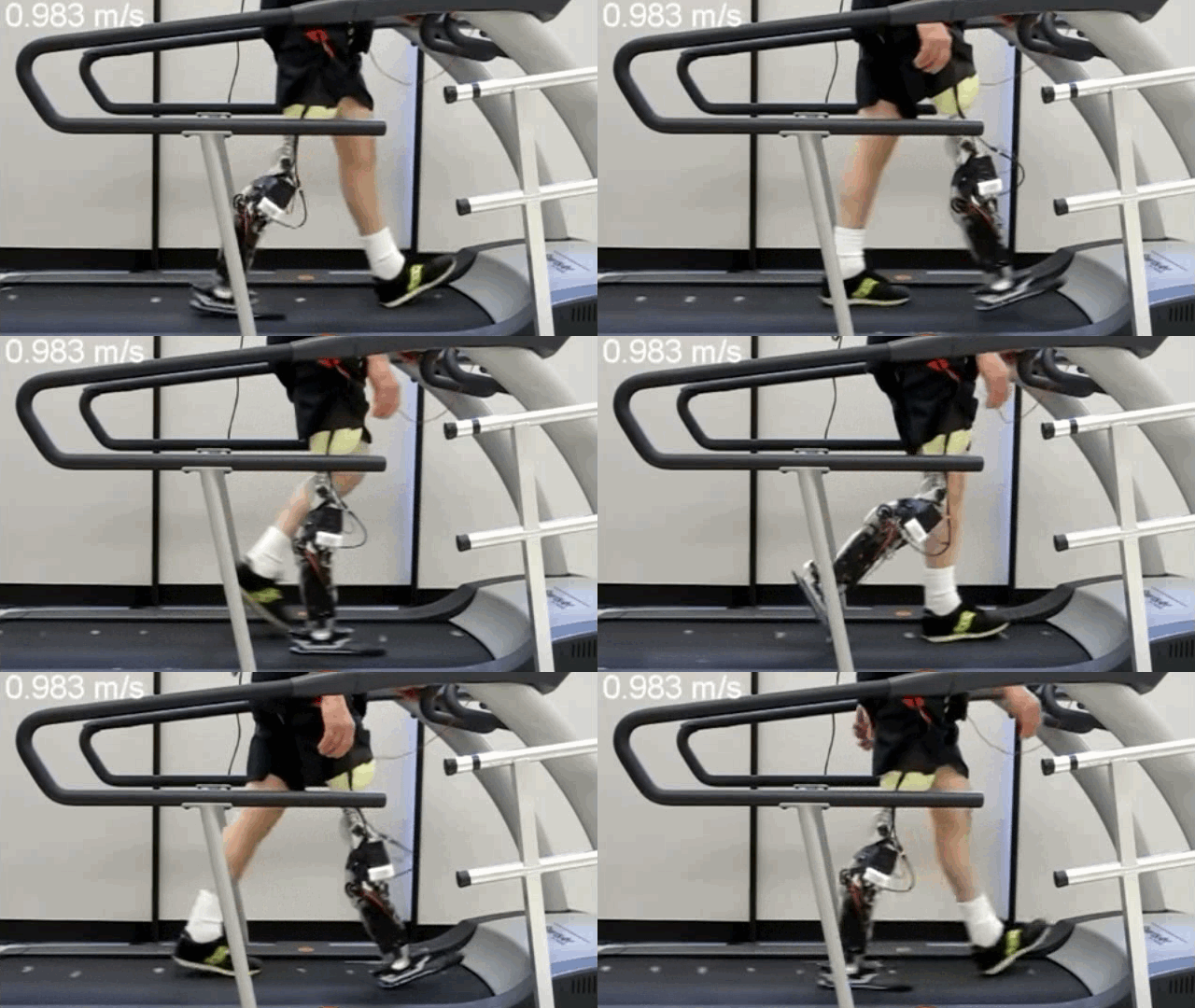
Robert Gregg and colleagues at the University of Texas have applied robot control theory to allow powered prosthetics to dynamically respond to a wearer’s environment.  This has enabled wearers of a robotic leg to walk on a moving treadmill at similar speeds to able-bodied people.

Gregg said that “the gait cycle is a complicated phenomenon with lots of joints and muscles working together. We used advanced mathematical theorems to simplify the entire gait cycle down to one variable. If you measure that variable, you know exactly where you are in the gait cycle and exactly what you should be doing.”

In a recent study, algorithms with sensors measured the center of pressure on a powered prosthesis. Inputted with a user’s height, weight and dimension of the residual thigh, the prosthesis was configured for each subject in 15 minutes.  Subjects walked on the ground, and on a treadmill, at increasing speeds. Their walking speeds were greater than 1 meter per second throughout the study.  Typical able-bodied walking speed is  1.3 meters per second.  Participants also reported less energy exertion than with traditional prostheses.

Categories
BCI Prosthetics Robotics Sensors

NIH “Bionic Man” with 14 sensor and brain controlled functions

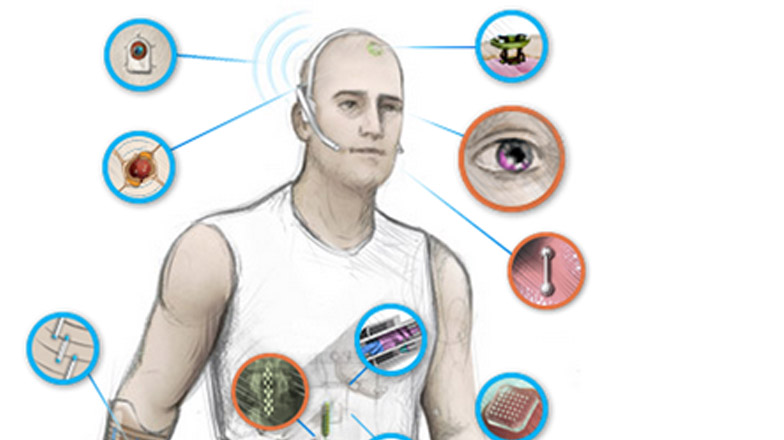
The National Institute of Biomedical Imaging and Bioengineering recently launched the “NIBIB Bionic Man,” an interactive Web tool detailing 14 sensor based technologies they are supporting.  They include:

1. A robotic leg prosthesis that senses a person’s next move and provides powered assistance to achieve a more natural gate.

2. A light sensitive biogel and biological adhesive to help new cartilage grow and become functional.

3. A blood clot emulator used to optimize ventricular assist devices to reduce the risk of blood clots.

4. An artificial kidney that could be used in place of kidney dialysis for treatment of end-stage kidney disease.

5. A micro needle patch that delivers vaccines painlessly and doesn’t require refrigeration.

6. An interstitial pressure sensor to help doctors determine optimal times for delivering chemotherapy/radiation to cancer patients.

7. Glucose-sensing contact lenses to provide a non-invasive solution for continuous blood sugar monitoring.

8. A tongue drive system to help individuals with severe paralysis navigate their environment using only tongue movements.

9. A wireless brain-computer interface that records and transmits brain activity wirelessly and could allow people with paralysis to use their thoughts to control robotic arms or other devices.

10. Implantable myoelectric sensors to detect nerve signals above a missing limb and can use these signals to move a prosthesis in a more natural way.

11. A synthetic glue modeled after an adhesive found in nature that could be used to repair tissues in the body.

12. Focused ultrasound used to temporarily open the blood brain barrier to let gene therapy treatments reach the brain.

13. Flexible electrode arrays that record brain activity from the surface of the brain and could be used to control robotic arms or provide real-time information about brain states.

14. Electrical stimulation of the spinal cord used in individuals with paralysis to help restore voluntary movement and other functions.

Categories
AI Robotics

MIT’s running, jumping cheetah robot, now wireless

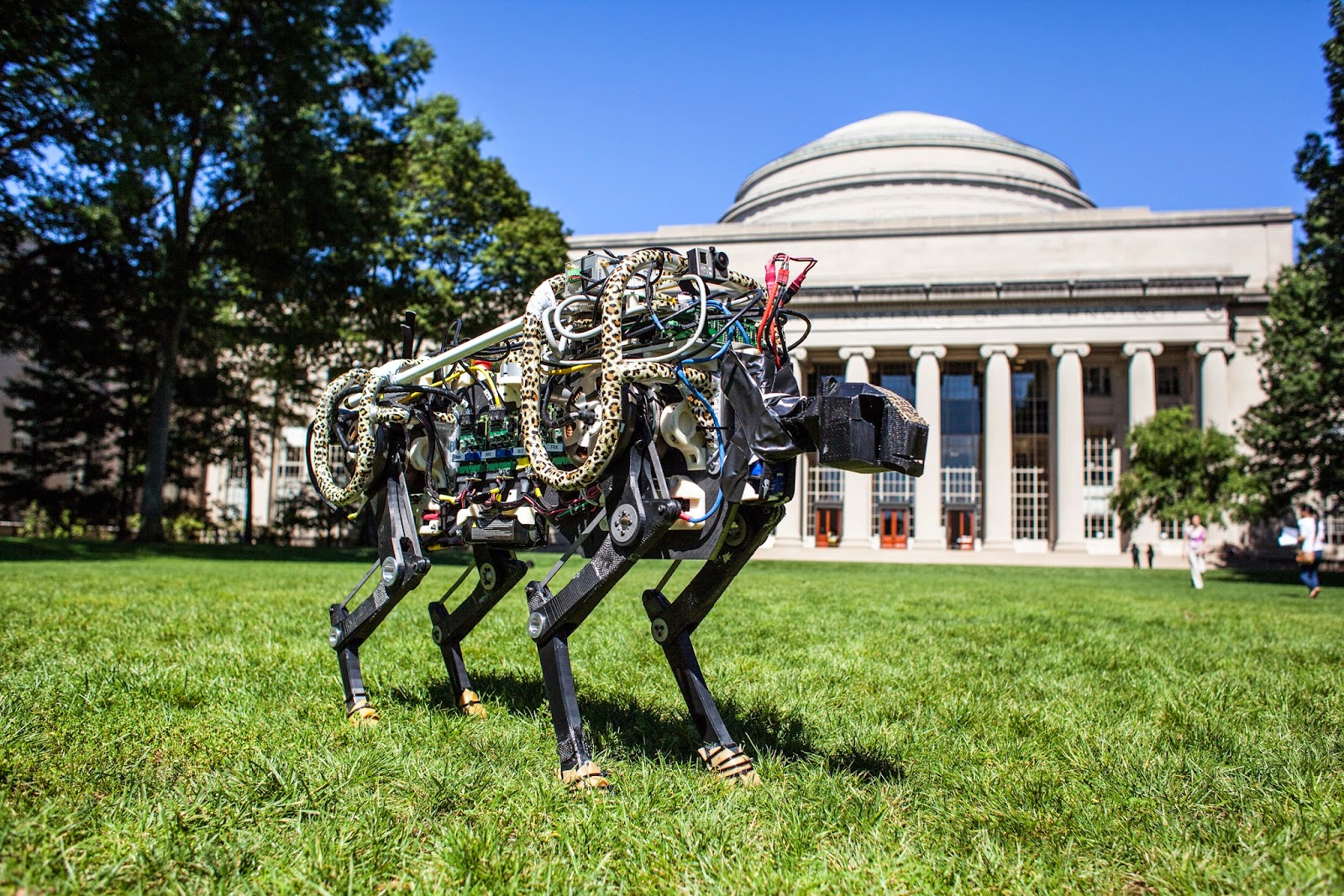
MIT‘s Biomimetic Robotics Lab has  unveiled a robotic cheetah that jumps hurdles and sprints at 10 mph, mimicking the natural bounding motions of a cheetah.   The robot can leap across uneven terrain while still maintaining a steady speed, and cleared a 33 centimeter foam hurdle.  The research team believes that the robotic cheetah could eventually reach speeds of up to 30 mph.

A “bounding algorithm” calculates the amount of force required to propel an animal forward or to jump over obstacles.  It models the running mechanics of world-class sprinters: the faster the desired speed, the greater the force the legs exert.  A 2012 version, developed for DARPA, ran at  28.3 mph on a treadmill, but was attached to a power source.

Categories
Assistive Technologies Robotics Sensors Wearables

Robotic fingers enhance grip

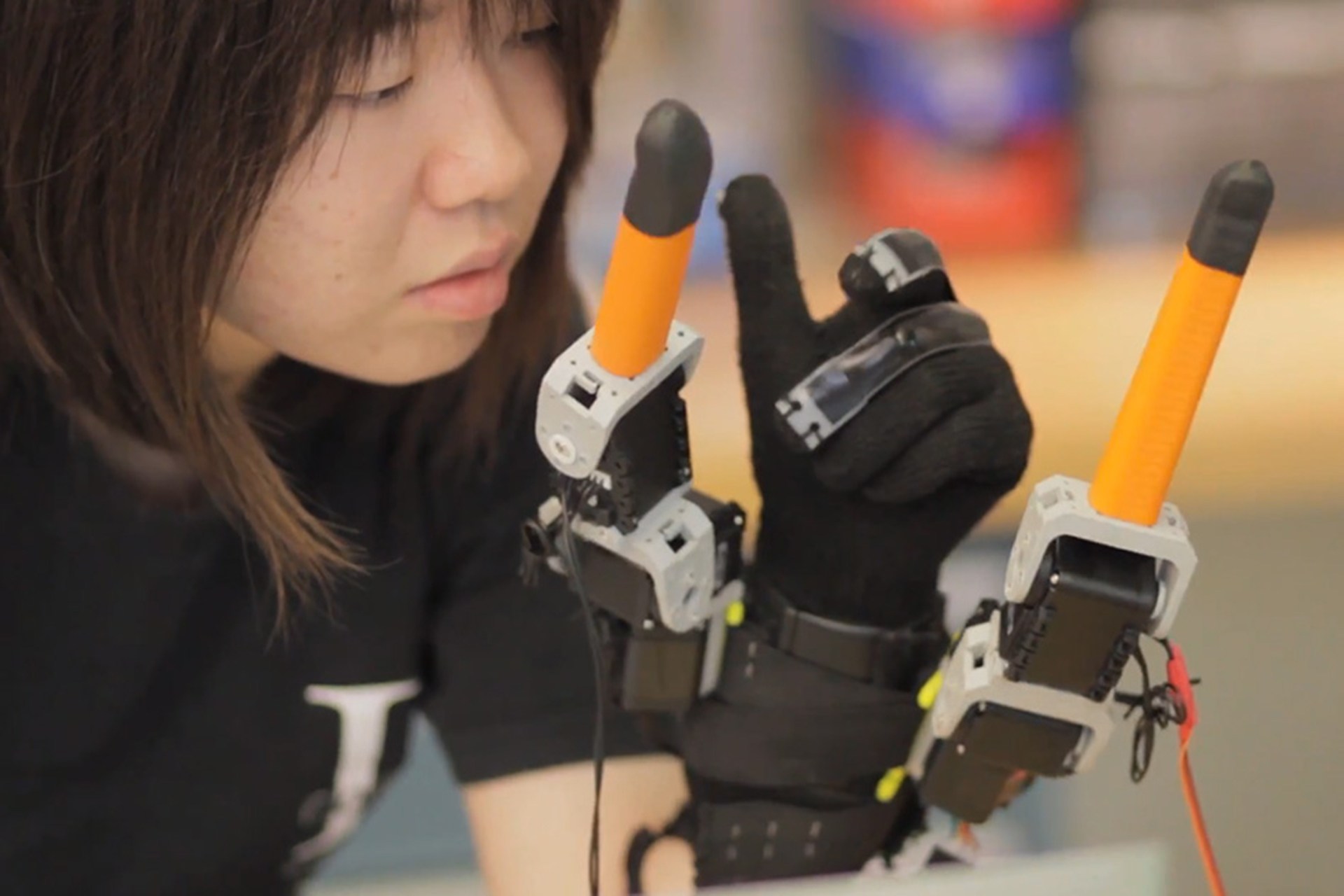
MIT researchers, led by Professor H. Harry Asada,  have developed a robot that enhances the grasping motion of the human hand. Worn around one’s wrist, the device works like two extra fingers adjacent to the pinky and thumb. It consists of actuators linked together to exert forces as strong as those of human fingers during a grasping motion. A control algorithm enables it to move in sync with the wearer’s fingers to grasp objects of various shapes and sizes. 

According to professor Asada, “This is a prototype, but we can shrink it down to one-third its size, and make it foldable. We could make this into a watch or a bracelet where the fingers pop up, and when the job is done, they come back into the watch. Wearable robots are a way to bring the robot closer to our daily life.”

Categories
AI Machine Learning Robotics

Context sensitive robot understands casual language

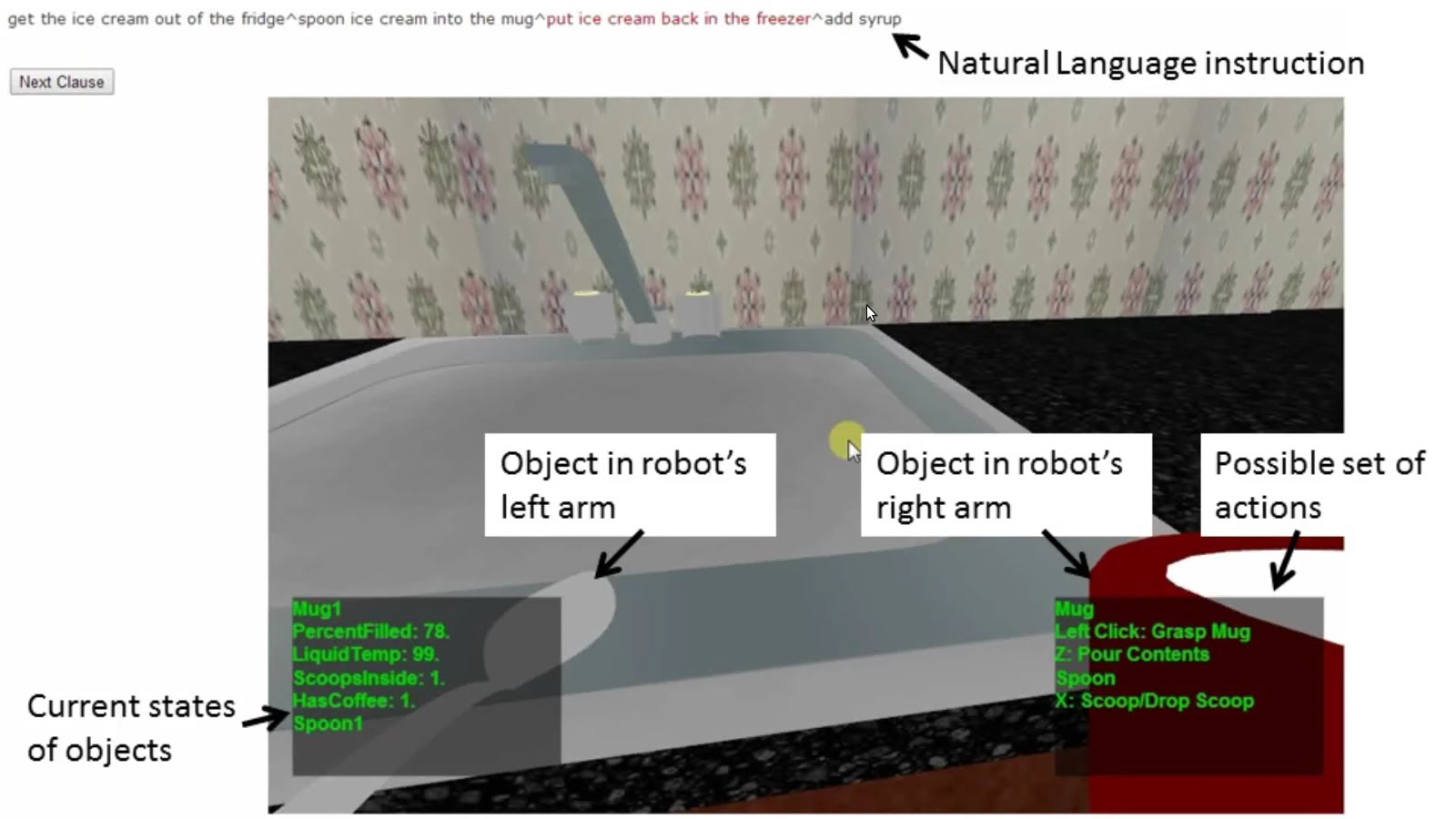
Cornell professor Ashutosh Saxenam is developing a context sensitive robot that is able to understand natural language commands, from different speakers, in colloquial English.  The goal is to help robots account for missing information when receiving instructions and adapt to their environment.

Tell Me Dave is equipped with a 3D camera for viewing its surroundings.  Machine learning has enabled it to respond to entire commands with flexibly defined actions. Its  computer “brain” has been fed simulated video simulations of actions, accompanied by voice commands from different speakers of different dialects and accents. The robot matches instructions to a range of potential actions and determines the the right one using the context of other words in the command and environment details.

At this time, Tell Me Dave can correctly follow human voice instructions 64 percent of the time.

Categories
Assistive Technologies BCI Robotics

“Brain controlled” exoskeleton boosts limb power

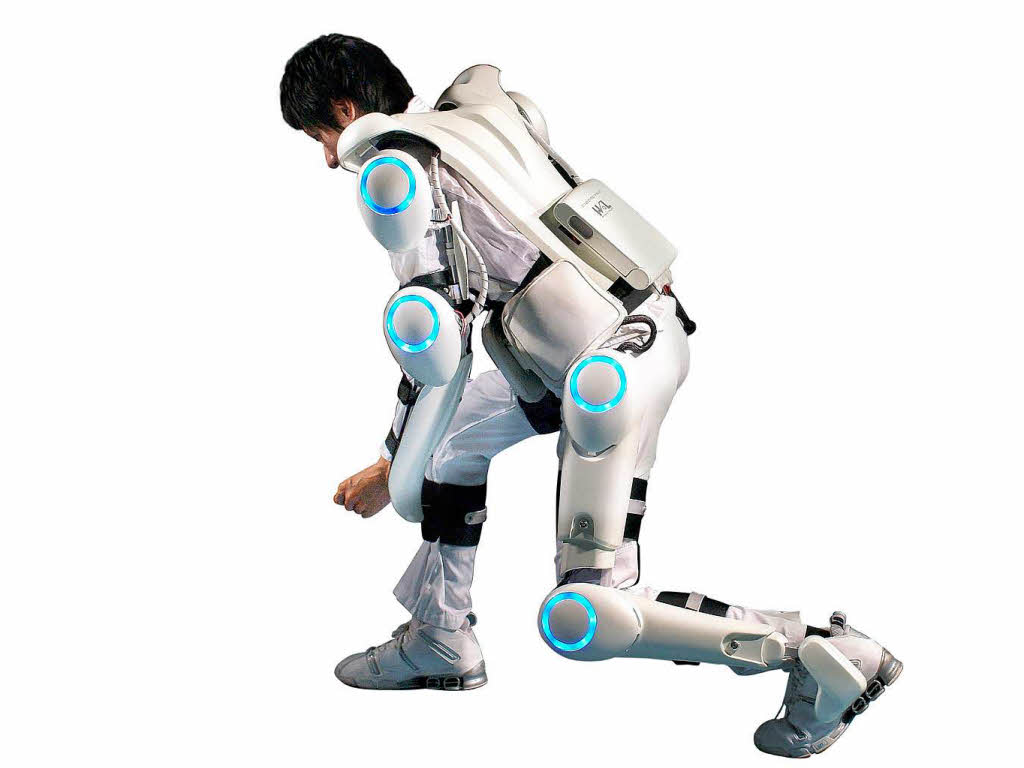
“Hybrid Assistive Limb” or “HAL” is an exoskeleton by Cyberdyne that detects electrical pulses on the skin when one’s brain sends a “move” message to a limb.  The robotic suit recognizes the intended motion, and then moves “naturally” with the arm or leg, providing additional power.

Categories
BCI Brain Robotics

“Neurotic Robots” mimic human brain function

UC Irvine professor Jeff Krichmar and colleagues are experimenting with robotic awareness and trying to teach mechanical brains to behave more like human and animal brains by programming traits that mimic obsessive-compulsive disorder or a fear of open spaces.

Professor Krichmar presented his research this week at the IEEE International Conference on Robotics and Automation in Hong Kong.

The team studied the actions of serotonin and dopamine in mice as they solved a maze or reacted to an unfamiliar environment.   The scientists then mimicked the actions of the brain chemicals by translating them into equations in the robots’ cognitive software.

Teaching a robot to feel fear or anxiousness could contribute to its ability to adapt to changing conditions and instill in it a sense of self-preservation.  For example, a search-and-rescue robot could analyze weather conditions before attempting a mission.

Krichmar has already developed a robot named Carl’s Junior  that responds to verbal commands and other external signals. It is used as a therapeutic tool for children on the autism spectrum who are less comfortable interacting with humans than they are with inanimate,  but responsive, objects.

Categories
Prosthetics Robotics

Prosthetic arm moves after muscle contraction detected

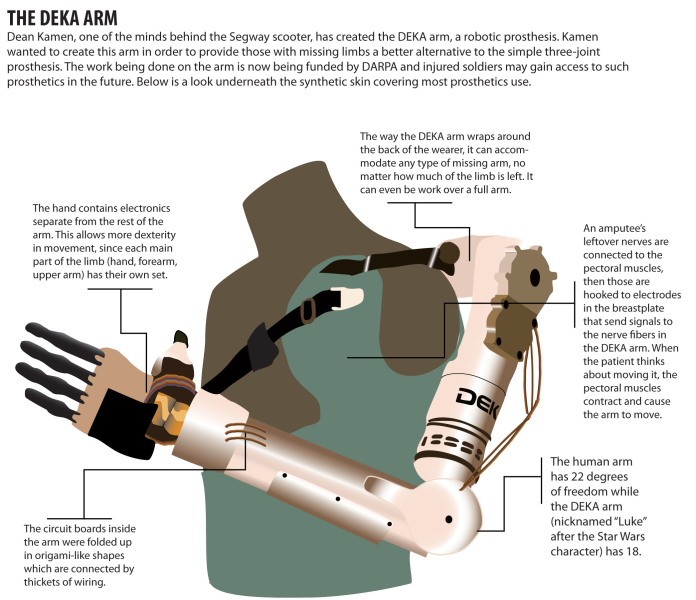
DEKA is a robotic, prosthetic arm that will allow amputees to perform complex movements and tasks. It has just received FDA approval.

Electrodes attached to the arm detect muscle contractions close to the prosthesis, and a computer translates them into movement.  Six “grip patterns” allow wearers to drink a cup of water, hold a cordless drill or pick up a credit card or a grape, among other functions.

DARPA‘s Justin Sanchez believes that DEKA “provides almost natural control of upper extremities for people who have required amputations.”  He claims that “this arm system has the same size, weight, shape and grip strength as an adult’s arm would be able to produce.”

Categories
Robotics Seniors Sensors

Robot and sensor system for seniors

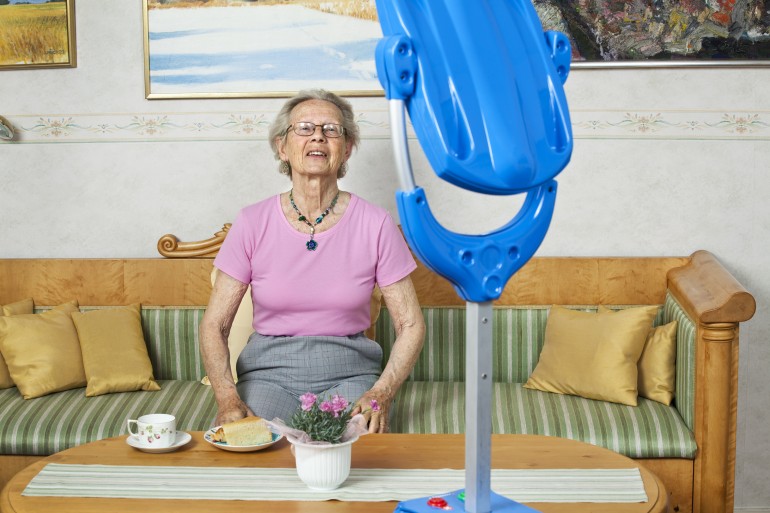
GiraffPlus is an integrated sensor and robot system aimed at keeping seniors healthy and independent in their own homes.  It is being developed by a consortium of European universities.

The robot uses a Skype-like interface to allow caregivers to virtually visit seniors.

Sensors on the ceiling, doors, and under the mattress help the system understand where the person is inside the house, whether he/she has fallen, and how much time is spent sleeping.  Glucometers, blood pressure cuffs, and other medical devices can interface with GiraffPlus for seamless data relay to a doctor. The physician can then communicate with the patient through the robot.

Caregivers of seniors already employ many of these tools.  This comprehensive system makes the process much more efficient, personalized, and perhaps effective.

Categories
Prosthetics Robotics Sensors

Trial: Improved sense of touch and control in prosthetic hand

http://stm.sciencemag.org/content/6/222/222ra19

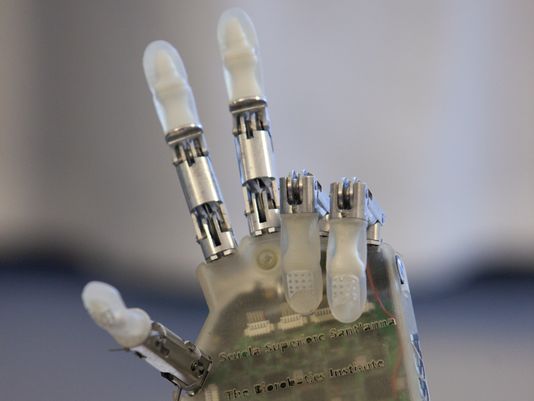
In the ongoing effort to improve the dexterity of prosthetics, a recent trial showed an improved sense of touch and control over a prosthetic hand.  EPFL professor Silvestro Micera and colleagues surgically attached electrodes from a robotic hand to a volunteer’s median and ulnar nerves. Those nerves carry sensations that correspond with the volunteer’s index finger and thumb, and with his pinky finger and the edge of his hand, respectively. The volunteer controlled the prosthetic with small muscle movements detected by sEMG, a non-invasive method that measures electrical signals through the skin.

Over seven days, the volunteer was asked to grasp something with a light grip, a medium grip, and a hard grip, and to evaluate the shape and stiffness of three kinds of objects. During 710 tests, he wore a blindfold and earphones so that he could not use his vision or sound to guide the prosthetic. The researchers also sometimes turned off the sensory feedback to test whether he was using time to modulate his grip.

The subject was able to complete the requested tasks with his prosthetic thumb and index finger 67 percent of the time the first day and 93 percent of the time by the seventh day of the experiment. His pinky finger was harder to control: he was only able to accomplish the requested grip 83 percent of the time. In both the grip strength tests and in detecting the stiffness of objects, the volunteer made mistakes with the medium setting and object, but he never confused the softest and hardest objects. The ability to modulate his grip strength is this study’s main progress over previous work by the same group.

Categories
AI BCI Brain Robotics

Collaborative cloud system for human-serving robots

http://www.roboearth.org/what-is-roboearth

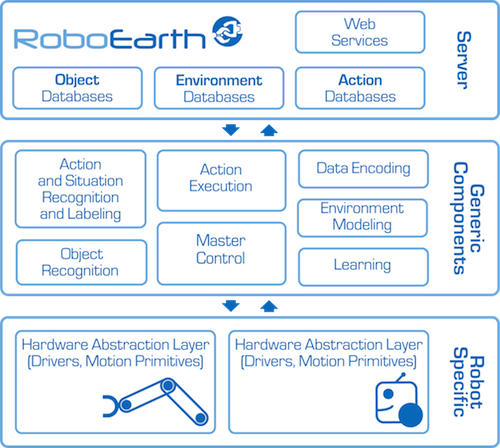
RoboEarth’s goal is to speed the development of human-serving robots. Scientists from five European universities gathered this week for its launch and demonstrated potential applications. This included a robot scanning a room’s physical layout, including the location of the patient’s bed, and the placing a carton of milk on a nearby table.

The system is sometimes called a “Wikipedia” for robots, allowing them, or their programmers,  to share and retrieve information.

Researchers claim that the robots’ technically sophisticated capabilities are comparable to those of high-end robots in car factories. They, however,  look clumsier because robots that interact with humans are not performing repetitive tasks in the controlled, sanitized and predictable surroundings of a factory.

RoboEarth’s system of networked computers enable it to perform intensive computing tasks that smaller computers (or simpler robots) cannot.  It also allows individual robots to communicate between themselves through its “RoboCloud” and robot database. This could facilitate light and cheap robots that use the cloud for computing.