Categories
Computer Vision Sensors

Computer vision enhanced sensors improve rehabilitation

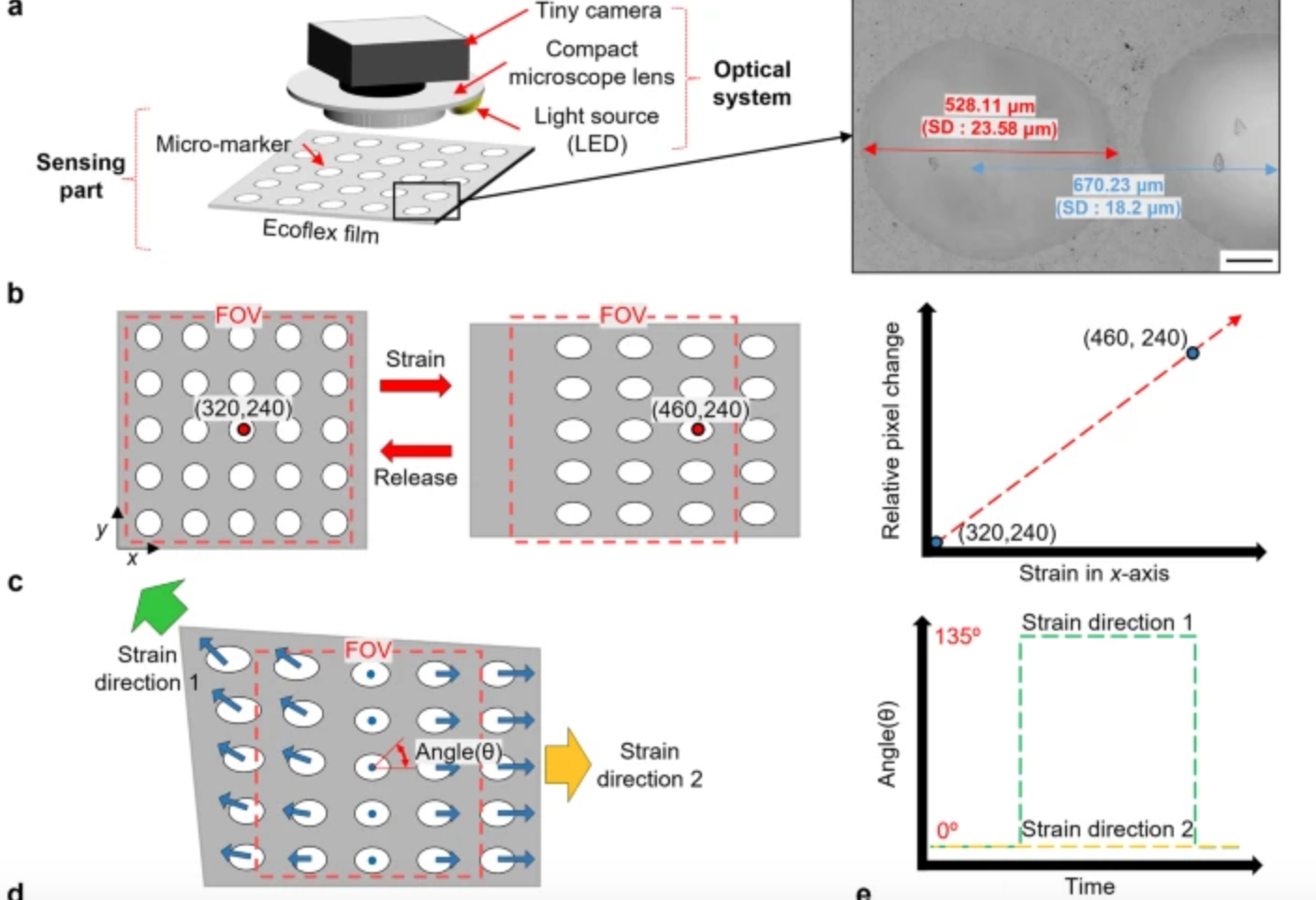
POSTECH professor Sung-Min Park and researcher Sunguk Hong have developed optical sensor technology, integrated with computer vision, to track muscle movements in rehab patients with limited mobility.

The sensors are flexible, lightweight, and able to gauge subtle body changes, while overcoming the conventional challenges of soft strain sensors – inadequate durability due to temperature and humidity.

The combined technologies enable the analysis of microscale optical patterns, sensing changes, and are not reliant on electrical signals, like conventional sensors.

The CVOS sensors detect three-axial rotational movements through real-time multiaxial strain mapping. This enables precise recognition of various intricate motions through a single sensor, with AI correction of error factors during signal detection.
Categories
AI Brain Sensors

Biosensor detects misfiled proteins in Parkinson’s and Alzheimer’s disease

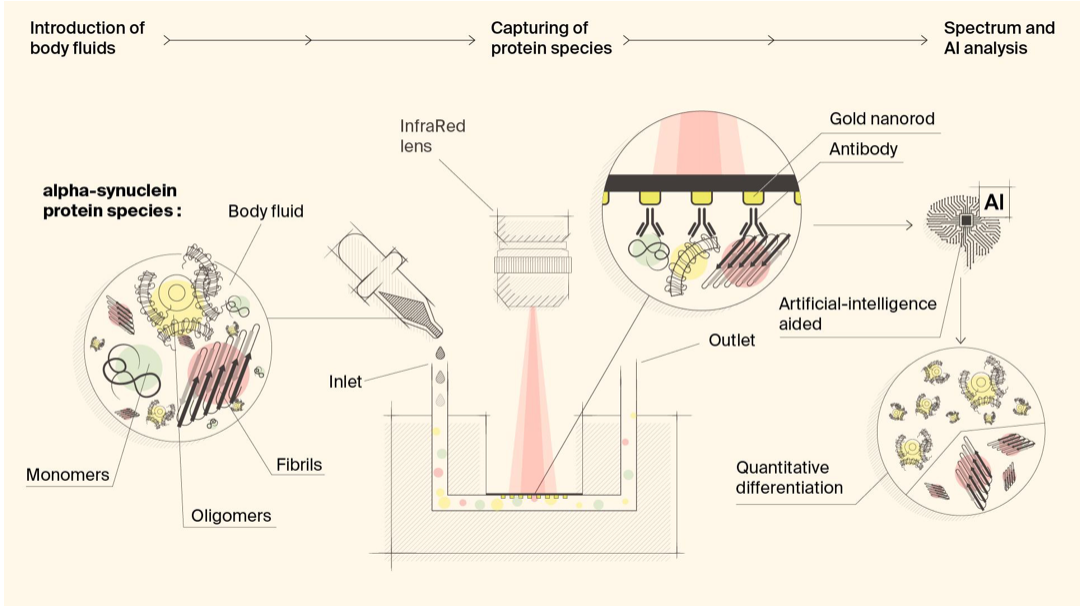
Hatice Altug, Hilal Lashue, and EPFL colleagues have developed ImmunoSEIRA, an AI-enhanced, biosensing tool for the detection of misfolded proteins linked to Parkinson’s and Alzheimer’s disease. The researchers also claim that neural networks can quantify disease stage and progression.

The technology holds promise for early detection, monitoring, and assessing treatment options.

Protein misfolding has been identified as a key event in disease progression. It is thought that healthy proteins misfold first into oligomers , and then into fibrils in later stages.

According to Lashuel, “unlike current biochemical approaches which rely on measuring the levels of these molecules, our approach is focused on detecting their abnormal structures. This technology also allows us to differentiate the levels of oligomers and fibrils.”

The sensor uses gold nanorod arrays with antibodies for specific protein detection, enabling real-time capture and structural analysis of target biomarkers from very small samples. Neural networks identify the presence of specific misfolded protein forms. Lashuel believes that “since the disease process is tightly associated with changes in protein structure, we believe that structural biomarkers, especially when integrated with other biochemical and neurodegeneration biomarkers, could pave the way for more precise diagnosis and monitoring of disease progression.”


Join ApplySci at MIT on September 18, 2023, for a scientist-led day of AI, Deep Tech Health , and Neurotech

Categories
Sensors Stem Cells

Hydrogel-coated sutures sense inflammation, can deliver drugs and stem cells

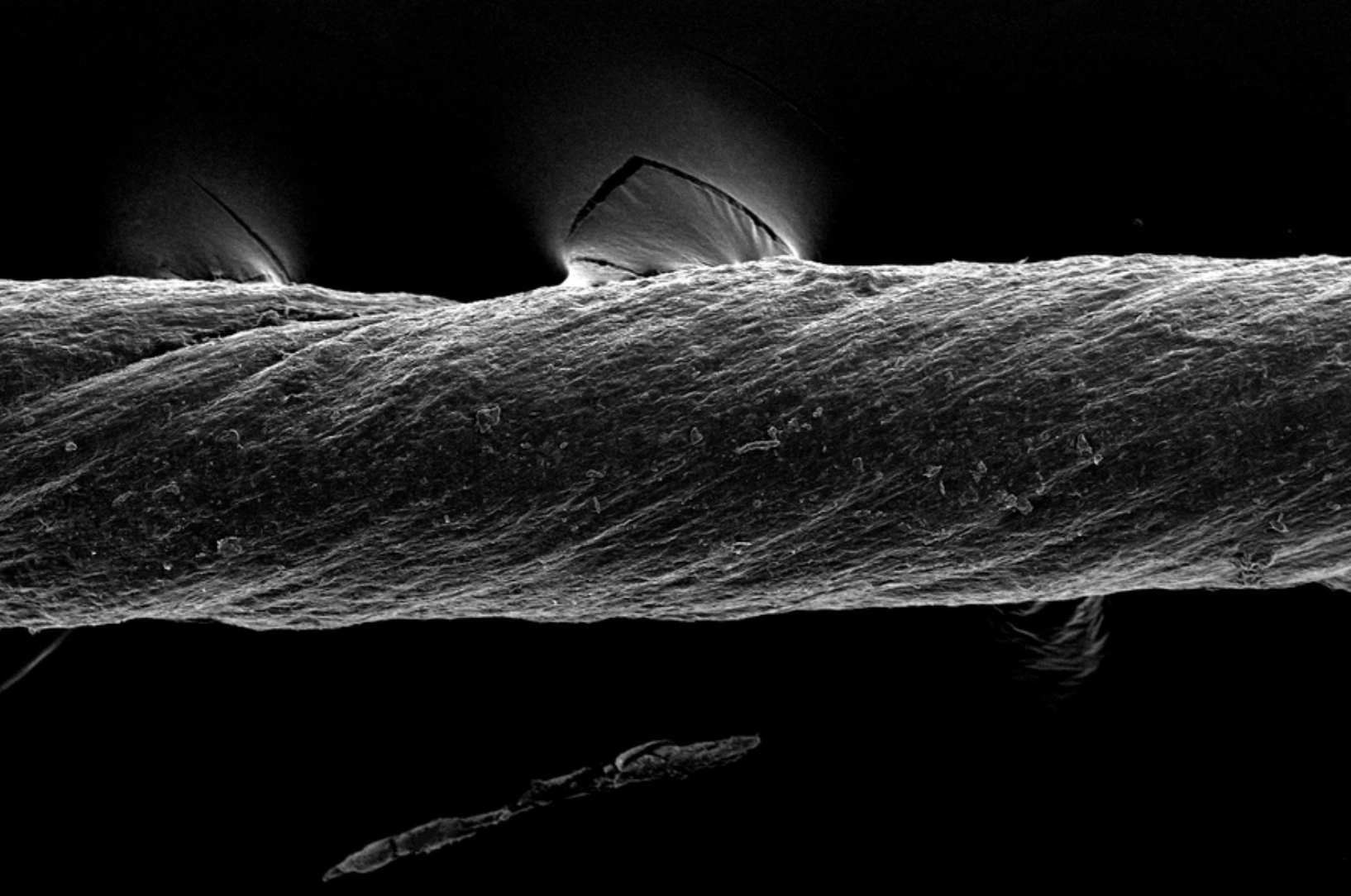
Giovanni Traverso has designed tough, absorbable, hydrogel-coated sutures, which in addition to holding post-surgery or wound-affected tissue in place, can sense inflammation and deliver drugs, including monoclonal antibodies. They could also be used to deliver stem cells.

The sutures were created from pig tissue, “decellularized” with detergents, to reduce the chances of inducing inflammation in host tissue. This process leaves behind a cell-free “De-gut” material, which contains structural proteins such as collagen, and other biomolecules found in the extracellular matrix that surrounds cells. Their strength is comparable to commercially available catgut sutures, and the De-gut sutures induce much less of an immune response from surrounding tissue.

Categories
Cancer Heart Sensors

Wearable sensor evaluates human tissue stiffness

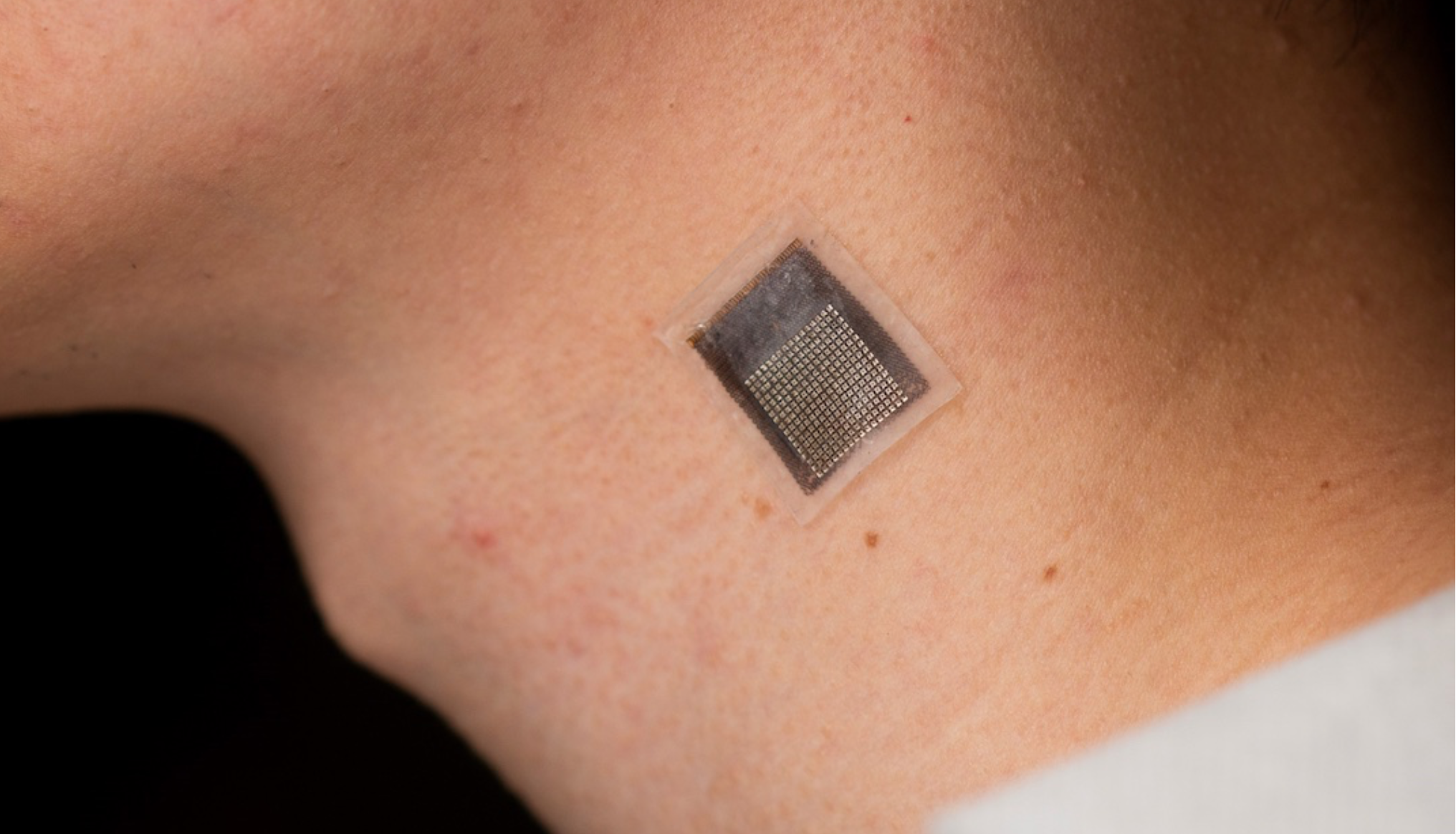
Sheng Xu and colleagues have developed a wearable, stretchable device that non-invasively evaluates the stiffness of human tissue, at an improved penetration depth, and for a longer period than, existing methods.

An ultrasonic array facilitates serial, non-invasive, three-dimensional imaging of tissues, four centimeters below the surface of human skin, at a spatial resolution of 0.5 millimeters.

The sensor can be used to detect cancer progression, which cases cells to stiffen; diagnose and treat sports injuries, by monitoring muscles, ligaments and tendons; and monitor the efficacy of treatments for liver, cardiovascular disease, and cancer, which cause tissue to stiffen.

Categories
Heart Sensors

Proof of concept wrist sensor could detect heart-vessel blockage in 3-5 minutes

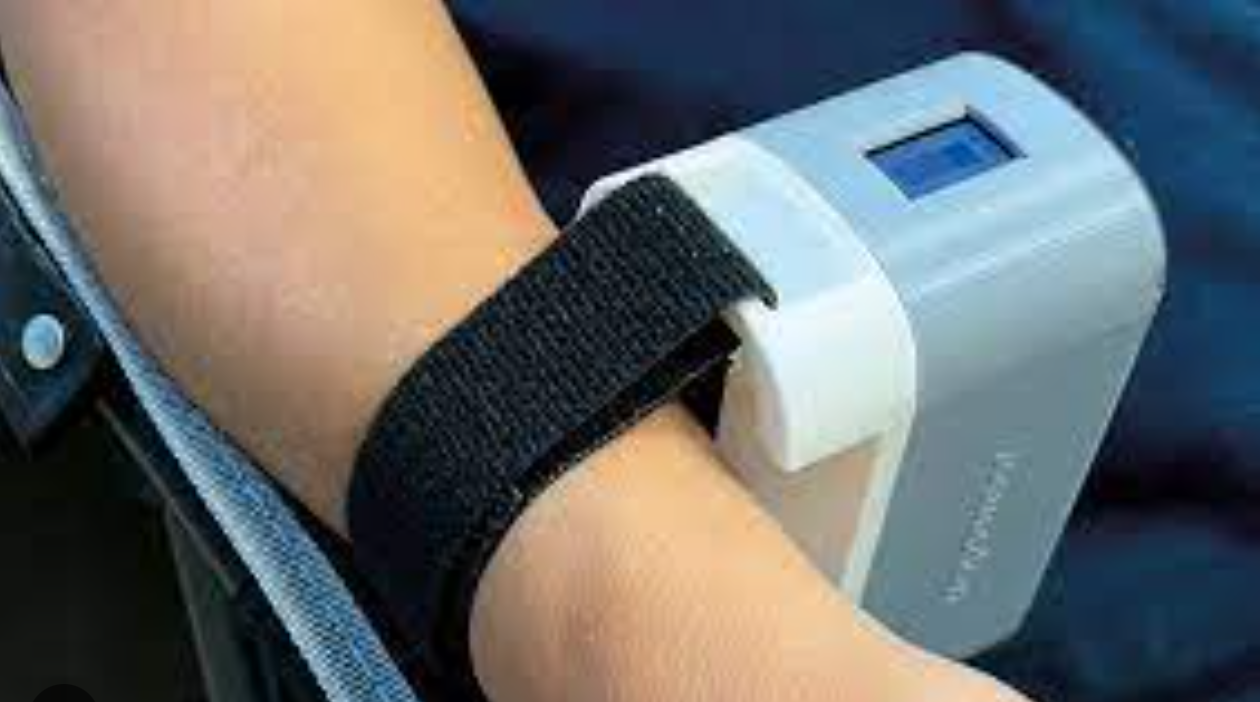
UW’s Graham Nichol and Harborview Medical Center colleagues studying the reliability of a troponin-detecting, wrist-worn sensor in arriving cardiac arrest patients.

Identifying heart-vessel blockage quickly is crucial to ensuring rapid, appropriate intervention. Traditional EKG diagnosis can lack accuracy, and blood testing for troponin can take hours.

The novel “Tropsensor,” being commercialized by rce, is designed to detect high troponin levels within three to five minutes of application, will be tested on 30 patients during emergency care at Harborview.

In a related Robert Wood Johnson study of 238 patients led by Partho Sengupta, a wrist worn transdermal infrared spectrophotometric sensor successfully identified elevated high-sensitivity cardiac troponin-I (hs-cTnI) levels in patients hospitalized with ACS.

Categories
Sensors Wounds

Smart bandage based closed loop wound monitoring and treatment system

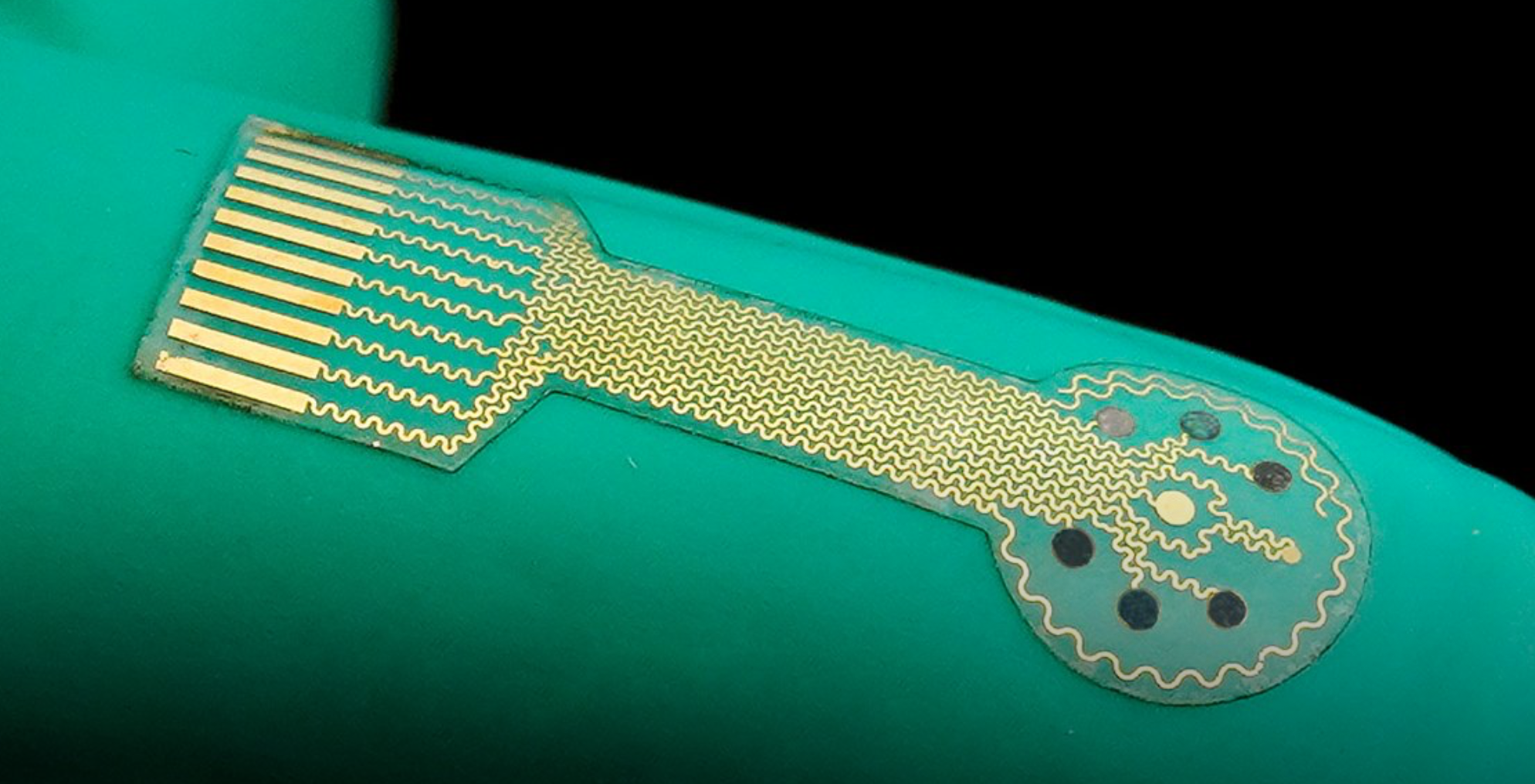
Caltech professor Wei Gao has developed a smart bandage for chronic wounds, made from a flexible and stretchy polymer containing embedded electronics and medication. The electronics allow the sensor to monitor uric acid, lactate, pH level and wound temperature, indicating inflammation or bacterial infection.

Data from the wound is transmitted wirelessly to the patient or doctor. Antibiotics (or other medication) stored within the bandage is released directly, as needed, to the wound site. A low-level electrical field can stimulate tissue growth, resulting in faster healing.

In animal models, the bandages provided real-time updates about wound conditions and metabolic states, and helped chronic infected wounds (similar to those found in humans) heal faster.


Wei Gao discussed skin-interfaced wearable biosensors at ApplySci Silicon Valley, held on Sand Hill road in 2020.

Categories
Brain Sensors

Closed-loop sensor/stimulation system to detect, reduce neurological events

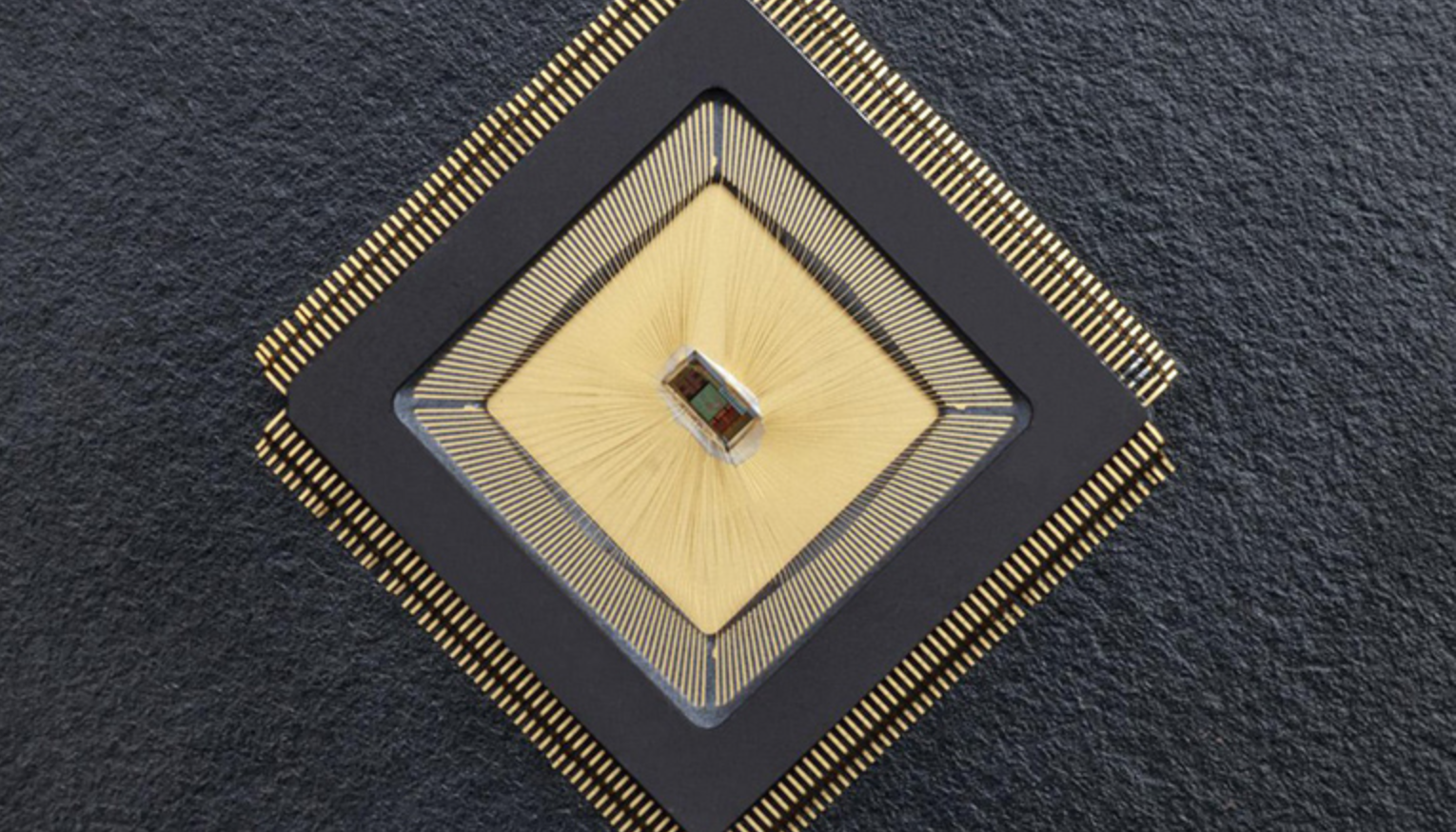
For the first time, there is an autonomous sensing and stimulating unit sitting in a specific brain region and ensuring that neuronal activity in that region is controlled. The closed-loop system is called NeuralTree and was developed by Mahsa Shoaran and EPFL colleagues, to overcome the lack of control caused by epileptic activity or tremor, and later depression, anxiety, OCD, and other disorders. In the future, the technology will be miniaturized, and could rely on internally harvested energy, such as blood flow or oxygen. It could then be possible to implant multiple units to aid the brain, when and where needed.

Categories
Diabetes Sensors

In ear PPG used to measure blood glucose levels in proof of concept study

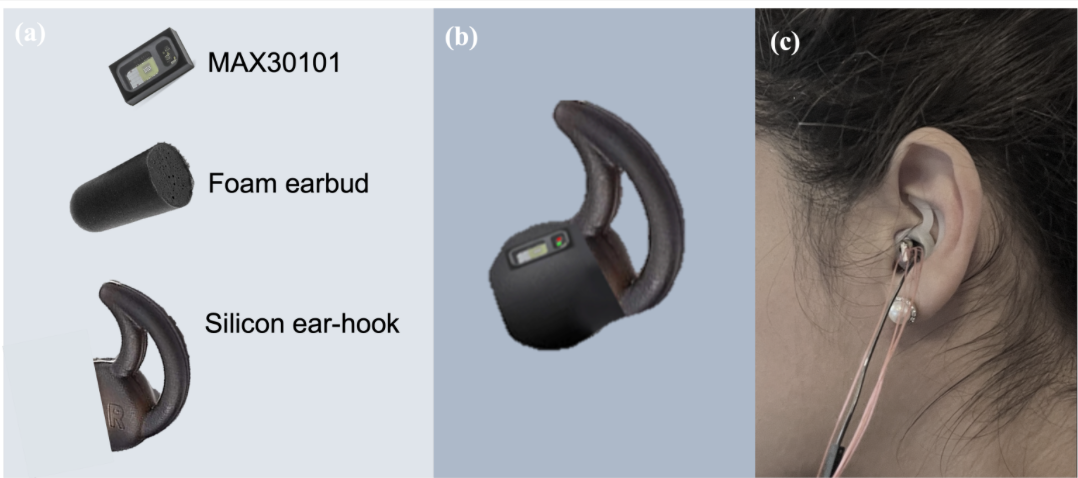
Danilo Mandic and Imperial College colleagues have developed a novel in-ear PPG device for continuous blood glucose level measurement, using the infrared wavelength of a pulse oximeter.

In a recent proof of concept study, non-diabetic, pre-diabetic, type I diabetic, and type II diabetic states were considered. Recordings spanned 9 days, in both fasting and post carbohydrate consumption states. Blood Glucose Levels from PPG were estimated using regression-based machine learning models. An average of 82% of the BGLs estimated from PPG were in region A of the Clarke error grid plot, and 100% of the estimated BGLs in clinically acceptable regions A and B. The researchers believe that this demonstrates the potential of the ear canal for non-invasive blood glucose monitoring.

Categories
Sensors

Wearable sensor glows when bacteria, toxins detected

David Baker, Fiorenzo Omenetto, and University of Washington and Tufts colleagues have developed a garment-printed biopolymer sensor which detects bacteria, toxins, and dangerous chemicals. To work, a chemical activator must be sprayed after potential exposure. If the target is present, the sensor generates light. The intensity of emitted light provides a quantitative measure of the concentration of the target. It can also be embedded in films, sponges, and filters, molded to sample and detect airborne and waterborne dangers, or used to signal infections, or possibly cancer, in our bodies.The researchers demonstrated how the sensor emits light within minutes, when it detects the SARS-CoV-2 virus, anti-hepatitis B virus antibodies, food-borne botulinum neurotoxin B, or human epidermal growth factor receptor 2 (HER2), an indicator of the presence of breast cancer. 

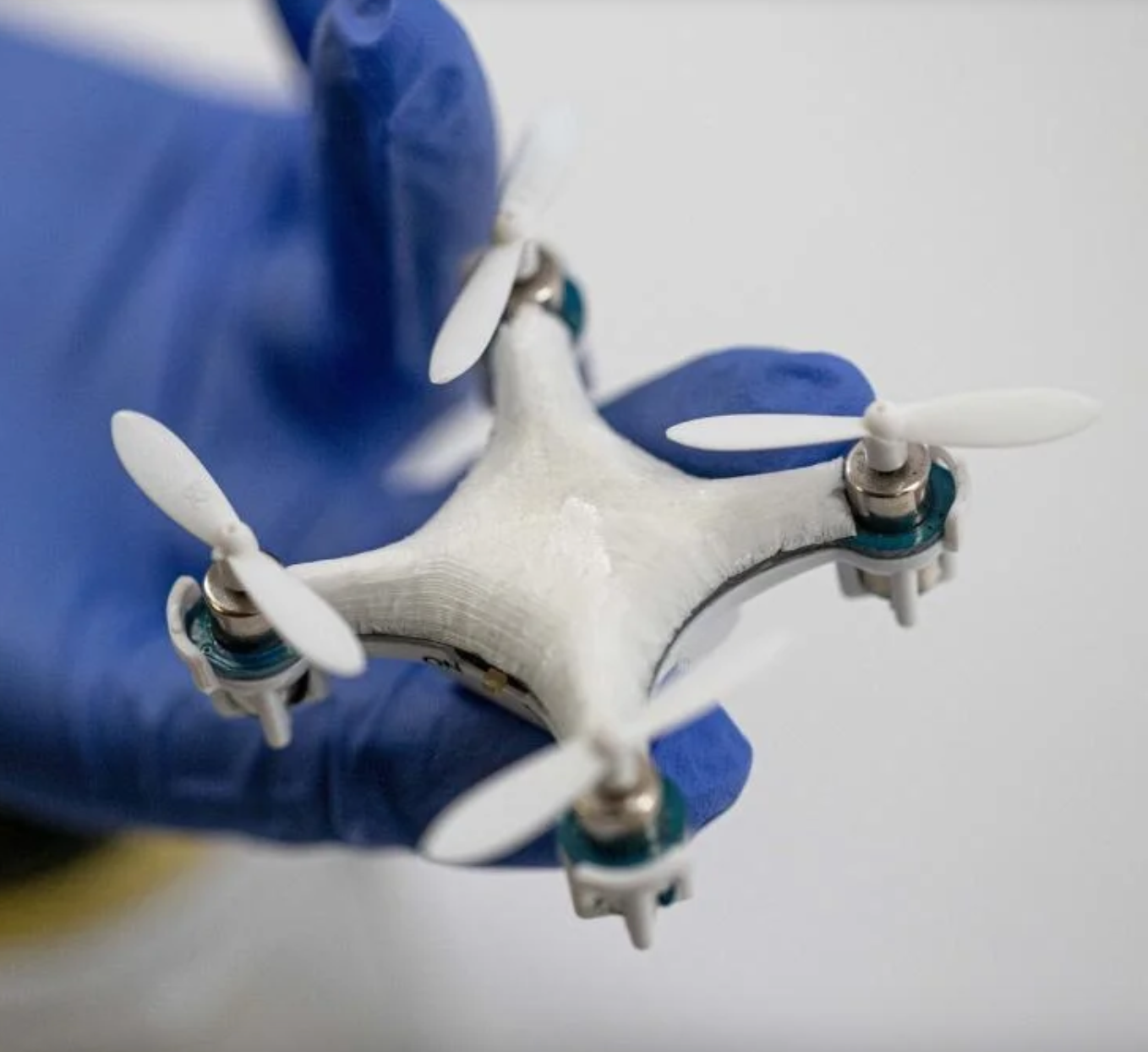
The team also created viral sensing drones, with fuselage-embedded sensors.  During flight, propellers direct airflow through the porous body of the drone, reacting to airborne pathogens, such as SARS-CoV-2. This could, in the future, enable monitoring environments from a remote, safe distance.

The sensors do not rely on biological components that degrade quickly and require careful storage, or on electronic components which can be difficult to integrate into flexible wearable materials. 

Applications could include personal and patient monitoring, hospital infection control, and in-home, office, military and disaster environmental sensing.

Categories
Respiratory Sensors Wearables

Small sticker-sensor continuously analyzes breath for broad health monitoring

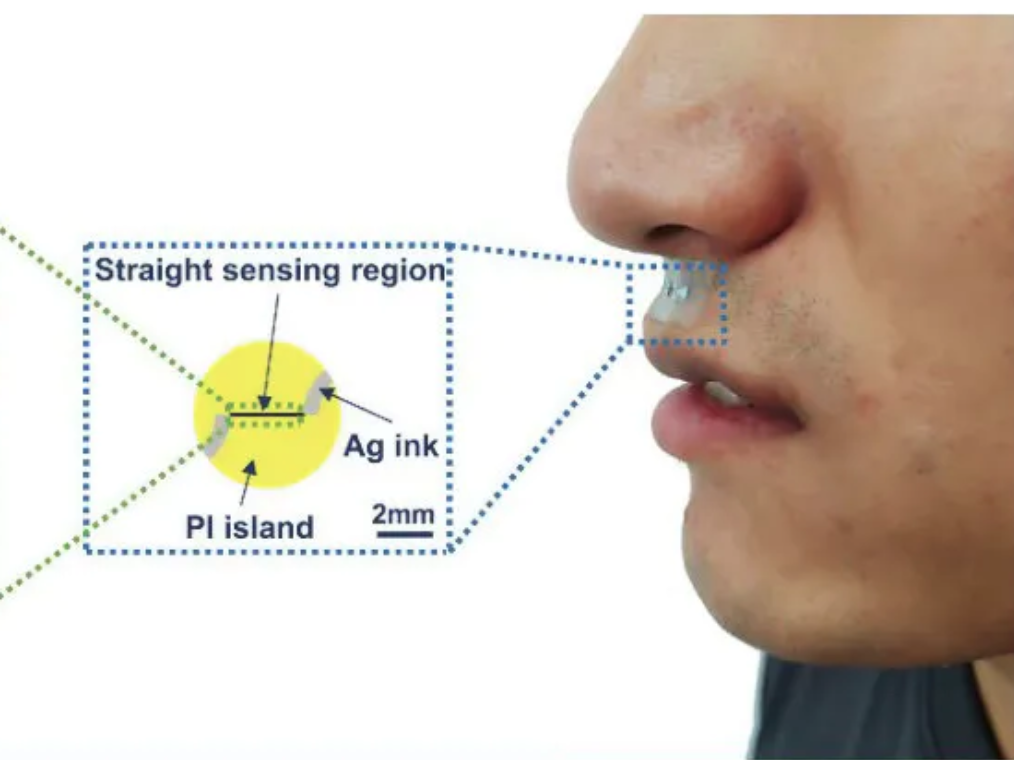
Heibei University, Tianjin Hospital, Beihang University, and Penn State researchers have developed an under nose-worn, stretchable, skin-friendly, waterproof sensor to analyze breath for health monitoring. It could be use for multiple-condition screening, asthma and COPD management, or environmental hazard sensing, among other applications.

The functional gas sensor, in a moisture-resistant membrane, can operate in humid environments, such as below the nose, to monitor breath. It is skin-friendly, stretching, twisting, and conforming to the skin.


Join ApplySci at MIT on September 30th for Deep Tech Health + Neurotech Boston

Categories
Pregnancy Sensors

Remote, non-invasive pregnancy monitor tracks uterine activity

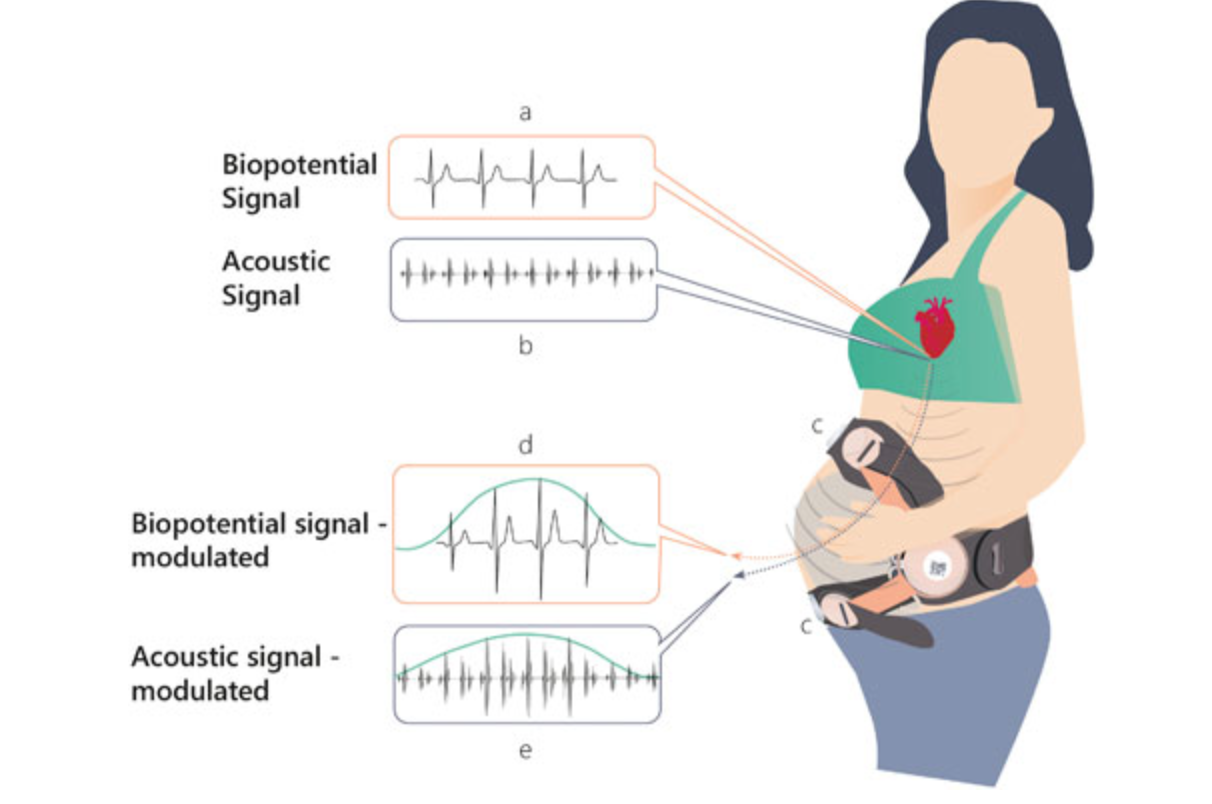
Uterine activity monitoring is essential to pregnancy management. Current methods are either invasive, or their accuracy is compromised by obesity, maternal movements, or belt positioning.

Pregnancy-monitoring company Nuvo has published a study showing that their cardiac-derived algorithm for uterine monitoring was more accurate than TOCO standard of care in 150 patients. This remote, non-invasive detection and monitoring of UA builds on the company’s existing remote fetal heart rate monitoring capabilities. Their goal is to bring comprehensive pregnancy monitoring home.


Join ApplySci at MIT on September 30th for Deep Tech Health + Neurotech Boston

Categories
Babies Brain Sensors

Sensor jumpsuit monitors infant motor abilities


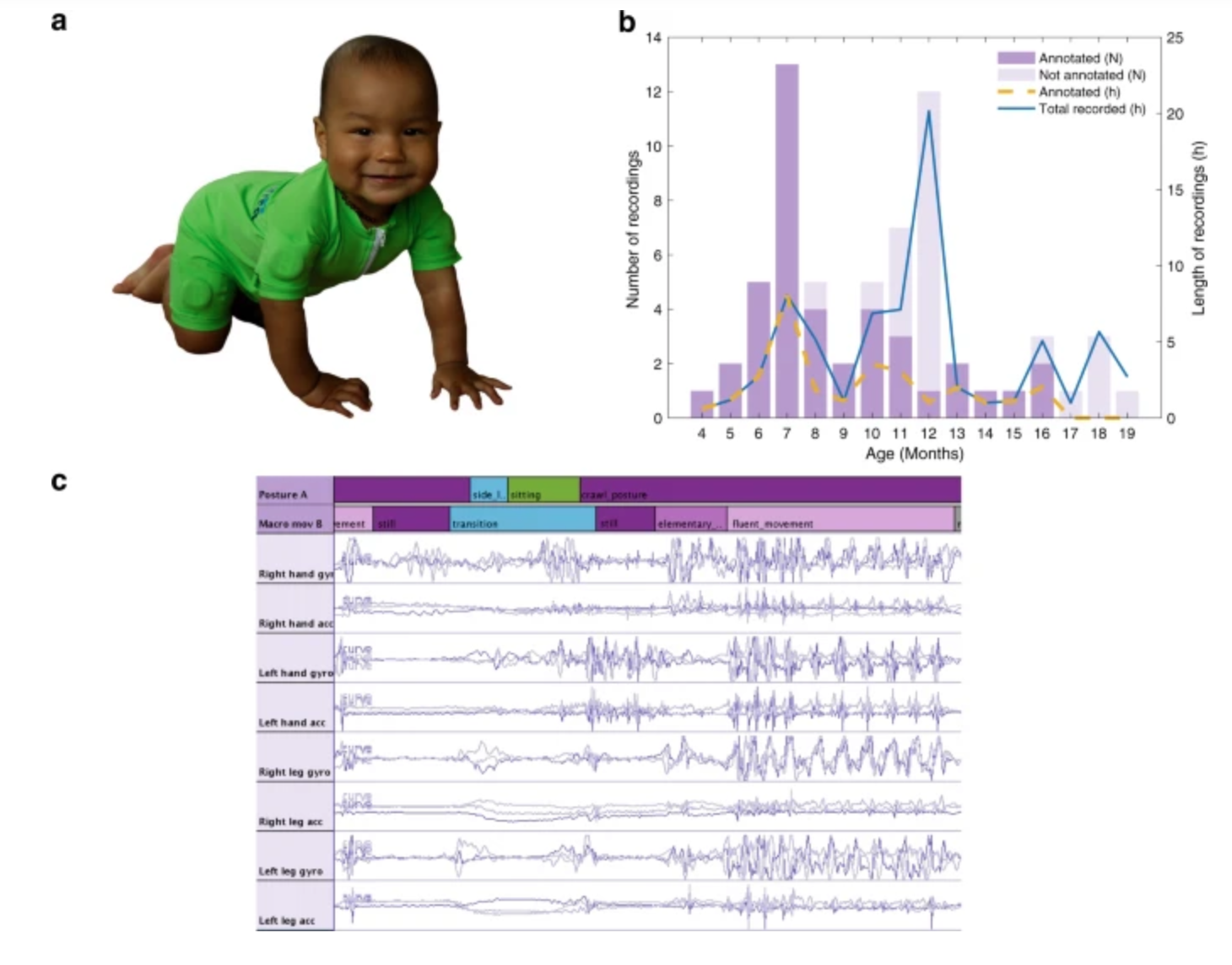
Sampsa Vanhatalo, Manu Airaksinen and University of Helsinki colleagues have developed MAIJU (Motor Assessment of Infants with a Jumpsuit,) a wearable onesie with multiple movement sensors which they believe is able to predict a child’s neurological development.

In a recent study, 5 to 19 month-old infants were monitored using MAIJU during spontaneous playtime. Initially, infant postures and movements were identified visually from a video using a motility description scheme. This was used to train an algorithm to recognize the same postures and movements for every second of each child’s playtime, making it possible to assess her or him in a natural environment.

The goal is the earliest possible detection of neurodevelopmental delays, for earlier intervention. and better outcomes, as therapies would be a part of the child’s everyday life and environment.

The researcher believe that their technology could be automized and effectively adapted to help older children and seniors.

Click to view University of Helsinki video


JOIN APPLYSCI at MIT on SEPTEMBER 30th for Deep Tech Health + Neurotech

Giovanni Traverso – MIT |  George Church – Harvard, MIT | Kerri Dugan – DARPA |  Emery Brown – Harvard |  Bakul Patel – Google |  Nathan Intrator – Neurosteer|  Ramita Tandon – Walgreens |  Ellen Roche – MIT |  Shaun Patel – REACT Neuro | Tom Oxley – Synchron |  Elizabeth Ankudowich – NIH |  Cris De Luca – Sanofi Ventures |  Mary Lou Jepsen – Openwater |  Bob Langer – MIT