Categories
Heart Sensors

Wearable sensor network informs transient pacemaker

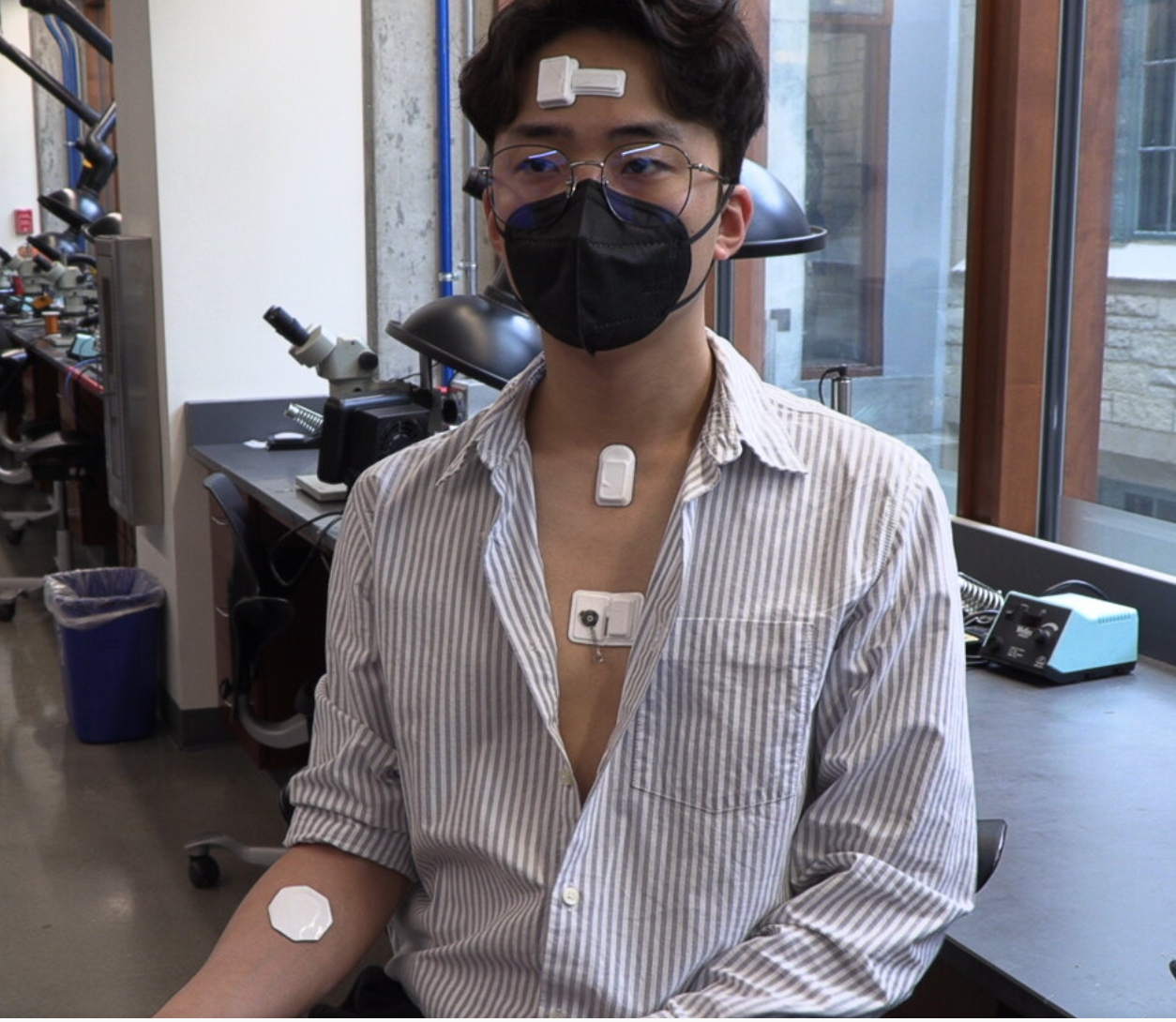
John Rogers and Northwestern colleagues have developed their second generation transient pacemaker, used post cardiac-surgery or for those awaiting permanent pacemakers. The new version, still implantable, wireless, and self dissolving, works with a network of soft wearable sensors, placed around the body.

The sensors continuously monitor body temperature, oxygen levels, respiration, muscle tone, physical activity, and cardiac electrical activity. Algorithms analyze the data to detect abnormal cardiac rhythms and decide when to pace the heart and at what rate. Physicians can remotely monitor the process through a phone or tablet. Energy is harvested, wirelessly, from a node within the network. Haptic feedback alerts wears of defects.

Rogers said: “This marks the first time we have paired soft, wearable electronics with transient electronic platforms. This approach could change the way patients receive care providing multimodal, closed-loop control over essential physiological processes — through a wireless network of sensors and stimulators that operates in a manner inspired by the complex, biological feedback loops that control behaviors in living organisms. For temporary cardiac pacing, the system untethers patients from monitoring and stimulation apparatuses that keep them confined to a hospital setting. Instead, patients could recover in the comfort of their own homes while maintaining the peace of mind that comes with being remotely monitored by their physicians. This also would reduce the cost of health care and free up hospital beds for other patients.”

The “body-area network” includes:

  • A battery-free transient, bioresorbable pacemaker to temporarily pace the heart
  • A cardiac module that sits on the chest to provide power to and control stimulation parameters for the implanted pacemaker as well as sense electrical activity and sounds of the heart
  • A hemodynamics module that sits on the forehead to sense pulse oximetry, tissue oxygenation and vascular tone
  • A respiratory module that sits at the base of the throat to monitor coughing and respiratory activity
  • A multi-haptic-feedback module that vibrates and pulses in a variety of patterns to communicate with the patient.

Rogers’ vision is of “multiple bioelectronic devices all talking to one another and performing different functions at different relevant anatomical locations” is a frontier area that he will continue to pursue.


Join ApplySci at MIT on September 30, 2022 for Deep Tech Health + Neurotech Boston

Categories
Cancer Sensors

MSK developed sensor detects molecular signature of cancer; compared to human scent

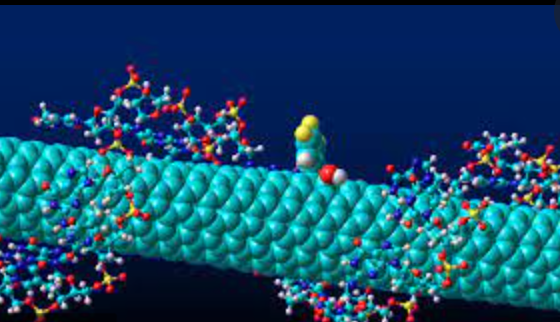
Mijin Kim and Daniel Heller of the Nanomedicine Lab at Memorial Sloan Kettering Cancer Center have developed an array of carbon nanotube sensors that can “sniff” cancer using AI.

The human nose can detect a trillion different scents, through hundreds of olfactory receptors. The pattern which odor molecules bind to which receptors creates a kind of molecular signature that the brain uses to recognize a scent.

Like the nose, the cancer detection technology uses an array of multiple sensors to detect a molecular signature of the disease, interpreted by machine learning.

Each nanotube sensor can detect many different molecules in a blood sample. By combining the many responses of the sensors, the technology creates a unique fluorescent pattern. The pattern can be recognized by an algorithm trained to identify the difference between a cancer fingerprint and a normal one.

In experiments conducted on ovarian cancer patient blood, the nanosensor detected ovarian cancer more accurately than current biomarker tests. The researchers believe that the technique could be adapted to detect multiple types of cancer using the same set of sensors without first identifying biomarkers.


Join ApplySci at MIT on September 30th for Deep Tech Health + Neurotech Boston

Categories
Sensors

Stent + soft sensor system continuously monitors hemodynamics

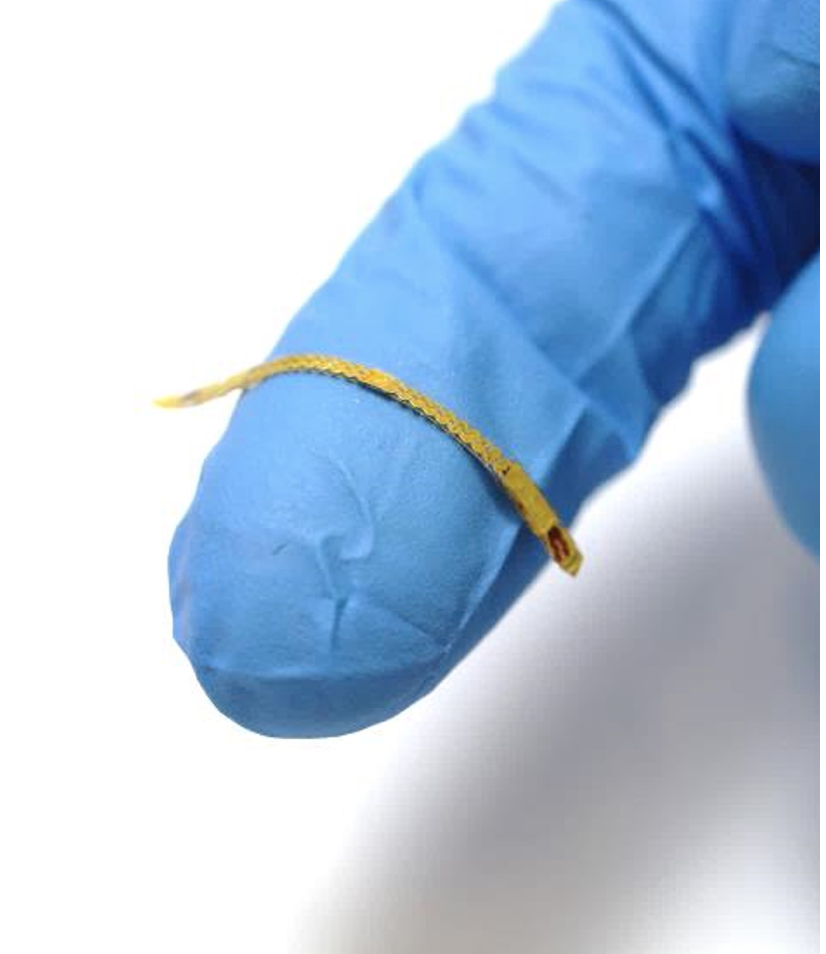
Georgia Tech‘s Woon-Hong Yeo and colleagues have developed a prototype smart stent and printed soft sensor system which can wirelessly monitor blood flow through the vascular system in real-time, without batteries or circuits.

The small and thin stent can be placed anywhere inside the body to continuously measure arterial pressure, pulse, and flow.

When the stent is implanted to prevent an artery from narrowing in atherosclerosis, it also constantly captures data, detecting stent defects, placement or blood flow issues. This could replace the need for angiograms, which are periodic, expensive, and use dyes and radiation.


Join ApplySci at MIT on September 30, 2022 for Deep Tech Health + Neurotech Boston

Categories
Diabetes Sensors Wearables

Microneedle wearable continuously monitors glucose, lactate, alcohol

UCSD Professor Joe Wang and colleagues have created a multiple biomarker monitor in the form of a painless microneedle patch, which Wang calls a “complete lab on the skin.” Glucose, lactate and alcohol levels are monitored simultaneously, in real time.

Microneedles enable the direct sample of interstitial fluid, which provides a similar measure of biochemical levels as blood.

The researchers gave the example of diabetes as a use case, as alcohol can lower glucose levels, and fatigue, measured by lactate, can influence the body’s ability to regulate glucose. Monitoring all three parameters at the same time could, therefore, better help diabetics manage their condition.

Five users wore the device on their upper arm, while exercising, eating, and drinking wine. Glucose levels were monitored simultaneously with either their alcohol or lactate levels. The glucose, alcohol and lactate measurements taken by the wearable patch closely matched the measurements taken by a commercial blood glucose monitor, Breathalyzer, and blood lactate measurement performed in the lab.

The company AquilX was established to commercialize the technology, with plans to add more sensors to the device, including those that can monitor medication levels.

Click to view UCSD video


Join ApplySci at MIT on September 30, 2022 for Deep Tech Health + Neurotech Boston

Categories
Asthma COVID 19 Sensors

Chest sensor detects worsening asthma, respiratory disease

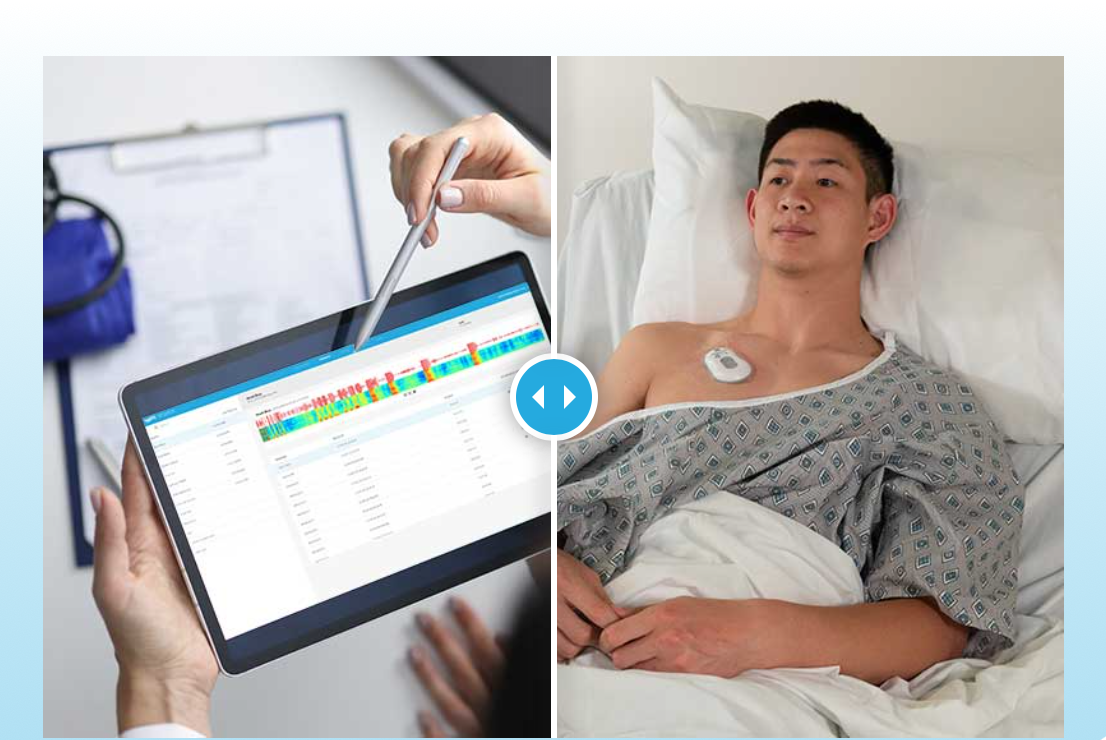
The RESP Sensor from Strados labs received FDA clearance for early, remote detection of lung acoustic and ventilation pattern changes to predict worsening respiratory disease.

Lung sounds associated with asthma, COPD, heart failure and infectious diseases including COVID-19 are detected.

Frequency of wheezing, coughing, shortness of breath, and respiratory dynamics including rate and excursion are collected and anlyzed using a noninvasive chest sensor and cloud platform.

Individuals can monitor themselves at home, and the data can be integrated into telehealth, tele ICU, clinical trial management platforms and telemetry systems.


Join ApplySci at MIT on September 30 for Deep Tech Health + Neurotech Boston

Categories
Alexa Seniors Sensors

Fall sensor + Alexa Together can prolong independent senior living

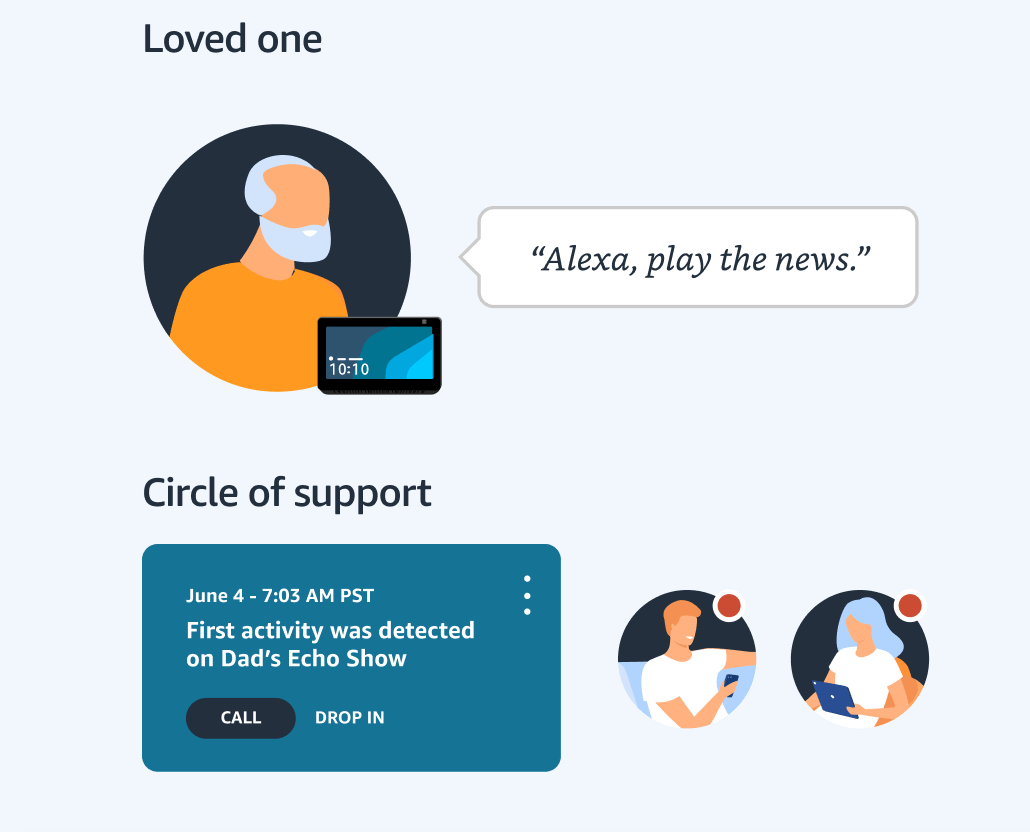
Alexa Together has partnered with Vayyar, Sky Angel Care, and AltumView to detect falls. If a fall is detected, Alexa asks if help is needed, and then connects to an urgent response line, and alerts emergency contacts. 

Additional aging in place tools continue to be added to Alexa Together, including fall risk assessment, detection of a person waving for help, face recognition, restricted region monitoring, GPS, and activity statistics.


Join ApplySci at MIT on September 30th for Deep Tech Health + Neurotech Boston

Categories
Brain

Univ. of Reading study links Alzheimer’s disease to blood brain barrier damage

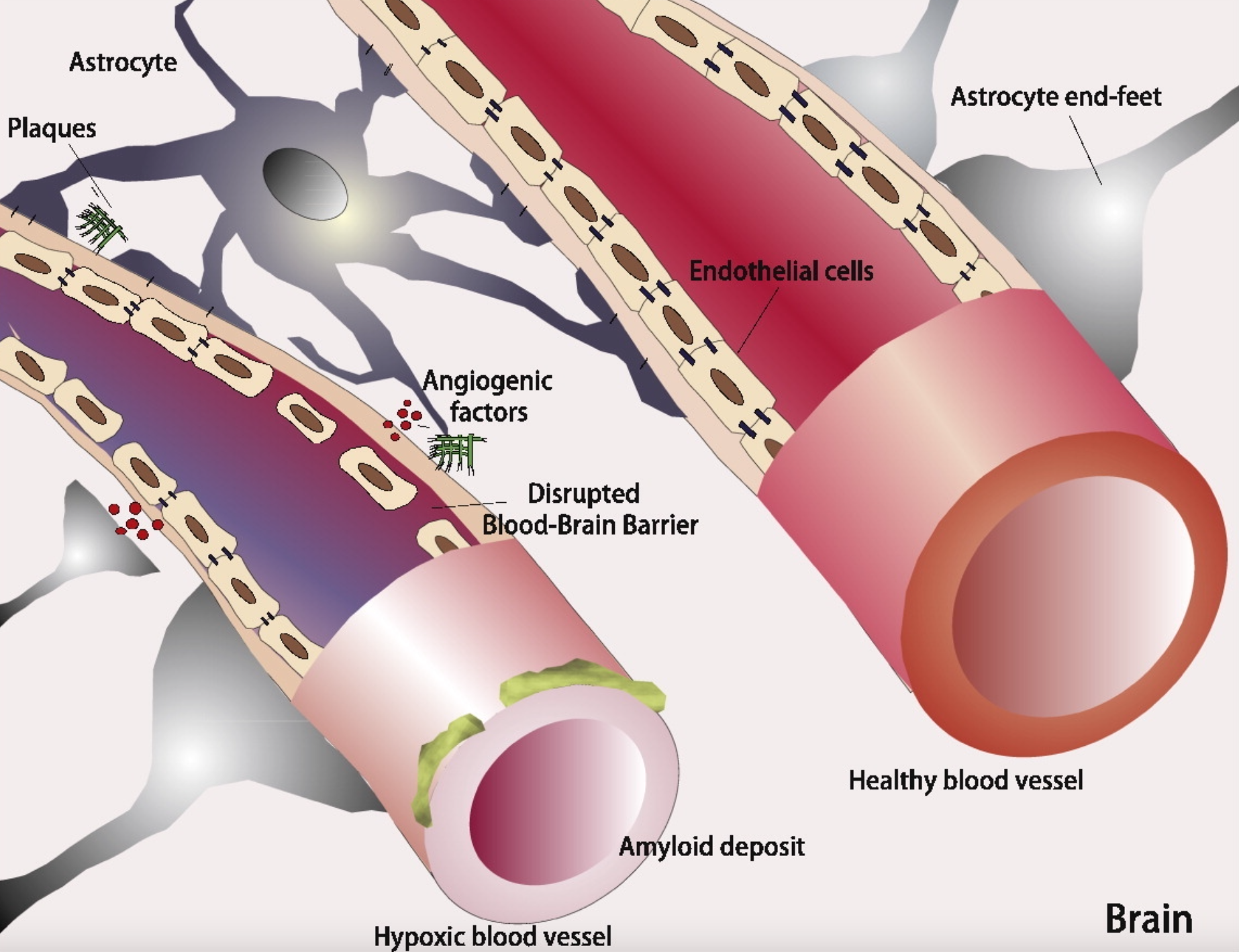
The “Lipid Invasion Model” argues that lipids entering the brain due to blood brain barrier damage is the determining cause of the Alzheimer’s Disease. The presence of excess lipids in the brain cells of Alzheimer’s patients is an element of Alois Alzheimer’s 1906 research, but little has been published about this connection since.

The hypothesis, published in the Journal of Alzheimer’s Disease Reports, could impact diagnosis and treatment, and supports lifestyle changes (ie diet for cholesterol management) to reduce risk.

According to Post Doc Jonathan Rudge, invading lipids can result in brain shrinkage, and amyloid plaque and tau tangle development.

The new study follows 10 years of research and suggests that risk factors associated with Alzheimer’s Disease are the same factors that damage the blood brain barrier—advanced age, head injury, hypertension, smoking, obesity, diabetes, chronic sleep deprivation and stress.


Join ApplySci at MIT on September 30, 2022 for Deep Tech Health + Neurotech Boston

Categories
COVID 19 Sensors

Sensors monitor physiological variables post vaccine

Wearable sensors could improve clinical trials by enabling earlier identification of abnormal reactions. Currently, vaccine safety in clinical trials is primarily determined by participants’ subjective self-reporting.

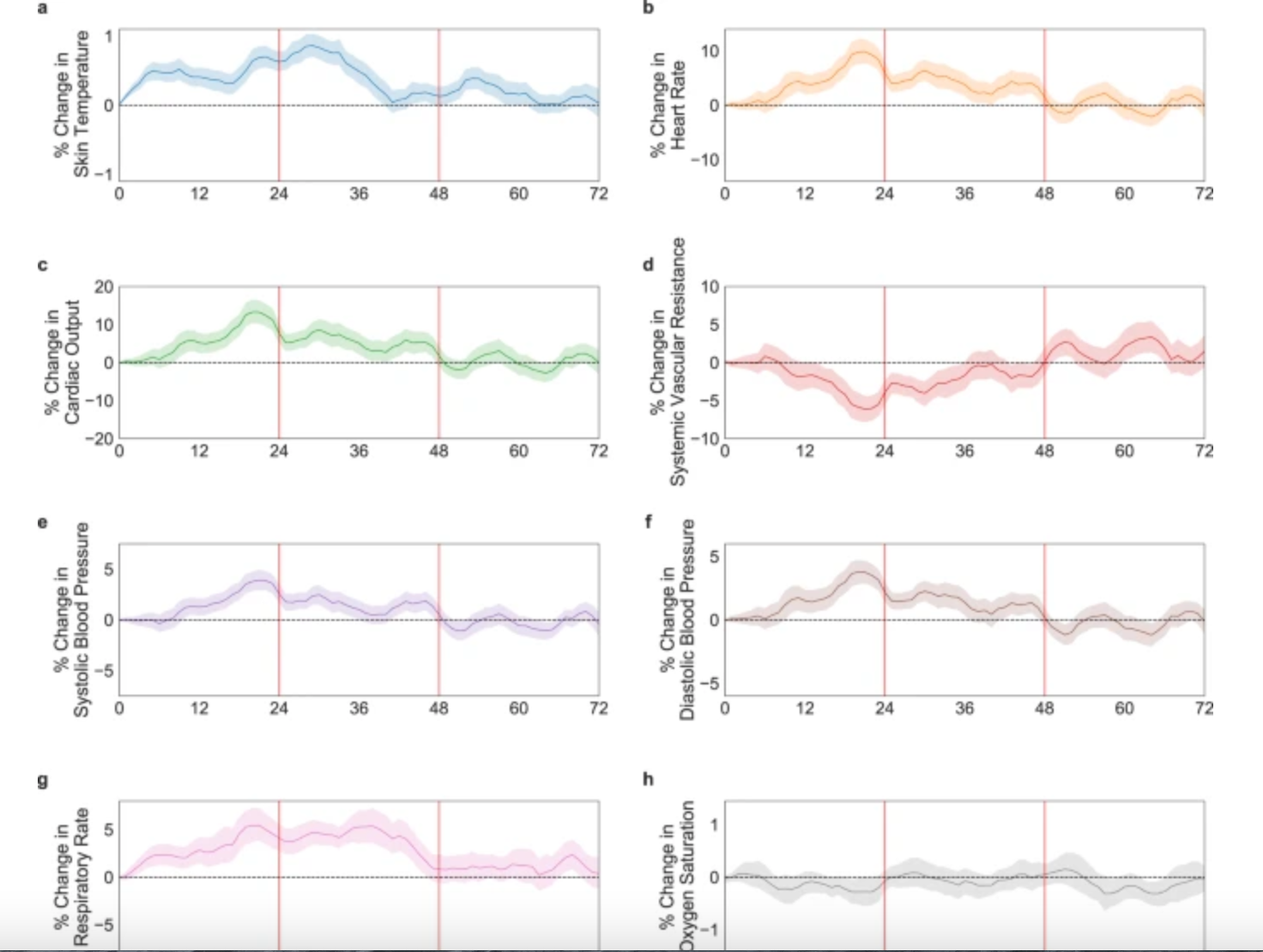
Dan Yamin, Yiftach Gepner, and Tel Aviv University colleagues used a chest patch sensor to monitor various health indicators in 160 participants, before and after receiving the Pfizer BioNTech COVID 19 vaccine. Participants also self-reported using a mobile phone app.

Significant changes in health indicators following vaccine administration were detected by the chest patch sensor in participants who did and did not report changes. Three days following vaccination, participant health indicators returned to the levels observed the day before vaccination in both groups.

Click to view Tel Aviv University video


Join ApplySci at MIT on September 30, 2022 for Deep Tech Health + Neurotech Boston

Categories
Sensors

Touch sensors enable speech and sound to be understood


Amir Amedi and Reichman University colleagues have released a study describing touch-based technology to help people understand speech and sound – and to detect their location in the future.

The sensory substitution device can deliver speech simultaneously through audition and as fingertip vibrations which correspond to low frequencies extracted from the speech input.

40 non-native-English-speaking individuals with normal hearing were asked to repeat distorted sentences, simulating hearing via a cochlear implant. In some cases, vibrations on the fingertips corresponding to lower speech frequencies were added to the sentences. To simulate these frequencies, an audio tactile SSD was developed to convert sound frequencies to vibrations.

The level of understanding increased over a 45-minute training period accompanied by visual feedback. Participants were then able to understand a new set of sentences in a noisier environment and under difficult conditions. Performance improved significantly when the they received a corresponding vibration in addition to the audio.

Amedi believes that “the adult brain can also learn, in a relatively simple way, to use one combination of senses or another to better understand situations. This assumption is consistent with the institute’s previous findings showing that the brain is not divided into separate areas of specialization according to the senses, but rather according to the performance of tasks.”

Post doc Katarzyna Ciesla said that the next phase of our research is being carried out with people who are hearing-impaired and completely deaf. Sensory intervention will be individually tailored to each of the participants, as a combination of sound and vibration, or for the deaf, vibration alone before the implantation of a cochlear implant. This is aimed at establishing their understanding of speech with the help of a changing vibration.


Join ApplySci at MIT on September 30, 2022 for Deep Tech Health + Neurotech Boston

Categories
Autism Brain MRI

Prenatal MRI study suggests autism differences may begin in the womb

A small Boston Children’s Hospital study led by Assistant Professor Emi Takahashi and postdoc Alpen Ortug showed increased volume of the insular lobe as a potential strong prenatal MRI biomarker that could predict the emergence of ASD later in life. It revealed significant differences in brain structures at 25 weeks’ gestation between children who were later diagnosed with ASD and those who were not.

If validated, this could enable earlier treatment after birth, which could improve outcomes. Early treatment has been shown to improve language and cognitive abilities, but current diagnostic tools can only identify the disorder around 18 months of age.

39 fetal MRI brain scans at 25 weeks’ gestation taken at Boston Children’s Hospital were analyzed. 9 children were later diagnosed with ASD, 20 were neurotypical and 10 did not have ASD but had other conditions also observed in the children with ASD.

An atlas-based automated anatomical labeling method was used to segment the scans and compare brain regions between the different groups. The insular lobe was found to have significantly larger volume in the ASD group compared with the other 3 control groups.

The findings align with studies that have reported changes in the insular cortex in adults with autism, and suggests these differences may begin in the womb. The scans from children with ASD also showed a significantly larger amygdala and hippocampal commissure compared with children who had other health conditions but not ASD.

According to Ortug, “to the best of our knowledge, this is the first attempt to semi-automatically segment the brain regions in the prenatal stage in patients who are diagnosed with autism later and compare different groups of controls.”


Join ApplySci at MIT on September 30th for Deep Tech Health + Neurotech Boston 2022

Categories
Genome Genomics

Complete, gapless human genome sequence published


The T2T consortium have published the first complete, gapless sequence of a human genome, two decades after the Human Genome Project produced the first draft human genome sequence. Having a complete, gap-free sequence of the roughly 3 billion bases in our DNA is critical for understanding the full spectrum of human genomic variation and for understanding the genetic contributions to certain diseases.

This will significantly add to our knowledge of chromosomes, including more accurate maps for five chromosome arms, to answer basic biology questions about how chromosomes properly segregate and divide. The T2T consortium used the now-complete genome sequence as a reference to discover more than 2 million additional variants in the human genome. These studies provide more accurate information about the genomic variants within 622 medically relevant genes. 

Consortium co-chair Adam Phillippy believes that sequencing a person’s entire genome should become less expensive and more straightforward, enabling physicians to better guide their healthcare.


Join ApplySci at MIT on September 30 for Deep Tech Health + Neurotech 2022

Categories
COVID 19 Sensors

Hopkins developed saliva sensor improves speed and accuracy of COVID detection

David Gracias and Ishan Barman at Johns Hopkins have developed a COVID 19 sensor which provides fast and accurate results using a drop of saliva placed on a device. No additional chemical modifications like molecular labeling or antibody functionalization are required, which could allow the sensor to be used in wearable devices.

Current PCR tests are highly accurate, but require complicated sample preparation, with results taking hours or even days to process in a laboratory. Rapid tests are less successful at detecting early infections and asymptomatic cases and can lead to erroneous results.

The Gracias/Barman developed sensor is nearly as sensitive as a PCR test and as convenient as a rapid antigen test. In a study, the sensor demonstrated 92% accuracy at detecting SARS-COV-2 in saliva samples—comparable to that of PCR tests. It was also highly successful at rapidly determining the presence of other viruses, including H1N1 and Zika.

The sensor material can be placed on any type of surface, from doorknobs and building entrances to masks and textiles, or potentially be integrated with a hand-held testing device for fast screenings at crowded places like airports or stadiums.


Join ApplySci at MIT on September 30, 2022 for Deep Tech Health + Neurotech Boston