Categories
AI Brain Deep Learning fMRI

Brain architecture linked to consciousness, abstract thought

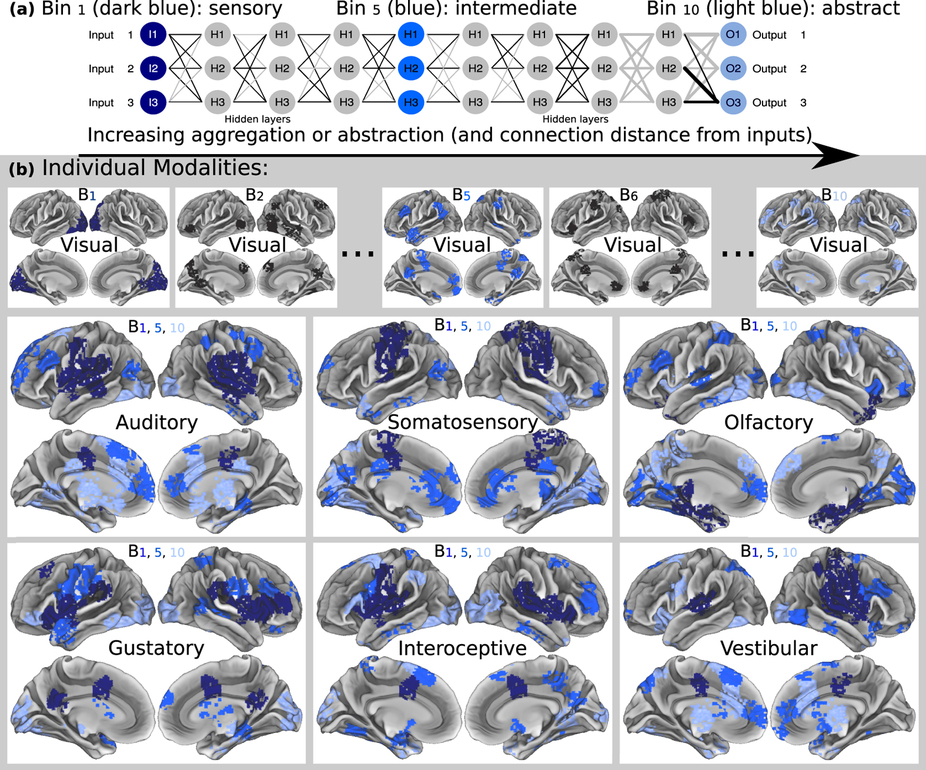
UMass professor Hava Siegelmann used fMRI data from tens of thousands of patients to understand how thought arises from brain structure. This resulted in a geometry-based  method meant to advance the identification and treatment of brain disease.  It can also be used to improve deep learning systems, and her lab is now creating a “massively recurrent deep learning network.”

Siegelmann found that cognitive function and abstract thought exist as an agglomeration of many cortical sources, from those close to sensory cortices to those far deeper along the brain connector. Her data-driven analyses defined a hierarchically ordered connectome, revealing a related continuum of cognitive function.

Siegelmann claims that  “with a slope (geometrical algorithm) identifier, behaviors could now be ordered by their relative depth activity with no human intervention or bias.”


Wearable Tech + Digital Health San Francisco – April 5, 2016 @ the Mission Bay Conference Center

NeuroTech San Francisco – April 6, 2016 @ the Mission Bay Conference Center

Wearable Tech + Digital Health NYC – June 7, 2016 @ the New York Academy of Sciences

NeuroTech NYC – June 8, 2016 @ the New York Academy of Sciences
 

Categories
AI Apps fitness

Wearables + app + AI for personalized fitness coaching

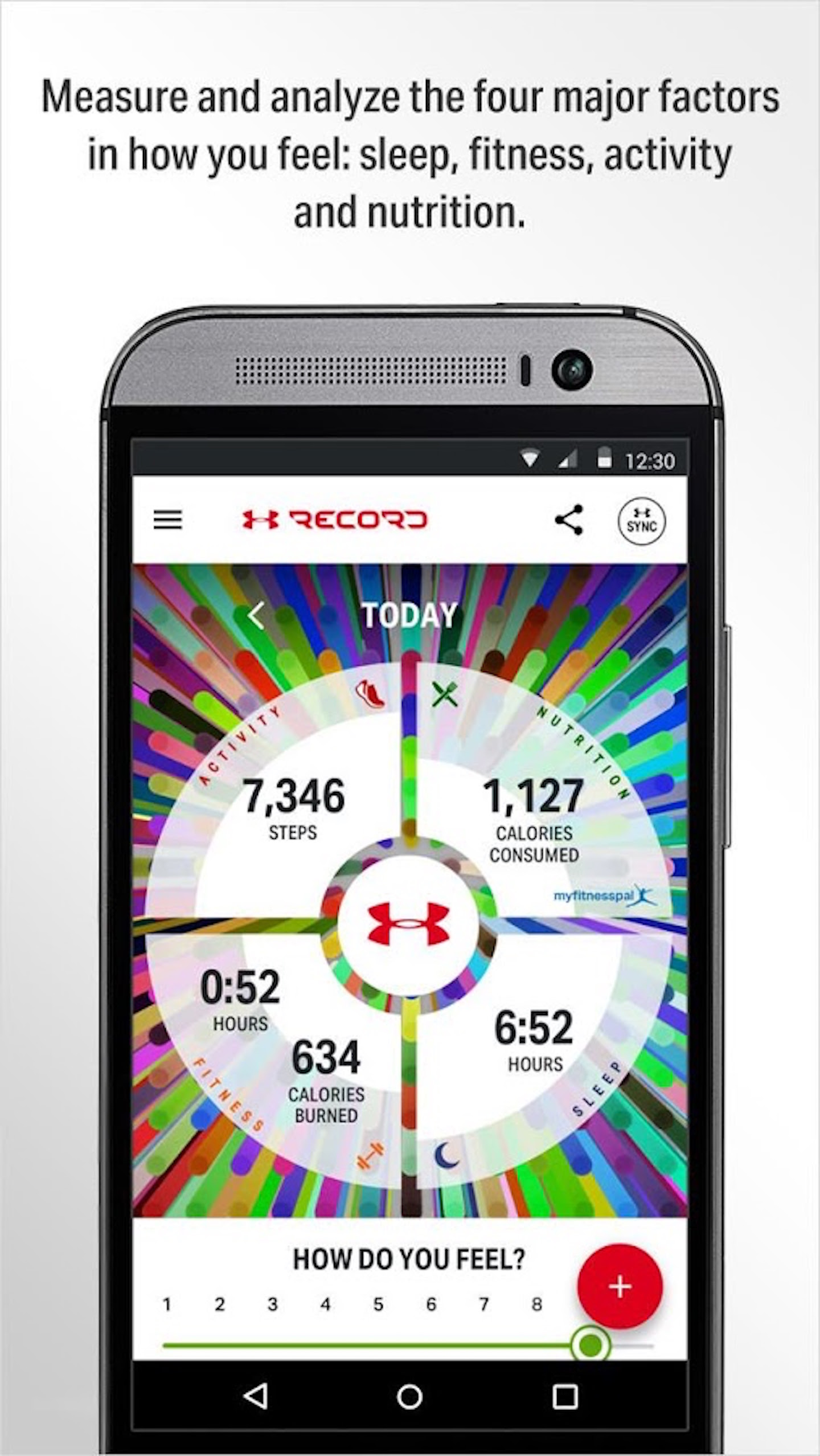
Under Armour has partnered with IBM Watson to create a fitness app called Record.

Exercise, sleep and food intake are recorded from wearables, apps, and one’s own entries, and analyzed by Watson, which provides personalized coaching based on the data of others with similar fitness profiles.


Wearable Tech + Digital Health San Francisco – April 5, 2016 @ the Mission Bay Conference Center

NeuroTech San Francisco – April 6, 2016 @ the Mission Bay Conference Center

Wearable Tech + Digital Health NYC – June 7, 2016 @ the New York Academy of Sciences

NeuroTech NYC – June 8, 2016 @ the New York Academy of Sciences
 

Categories
AI Assistive Technologies Computer Vision Eyes

“Augmented attention” wearable assists the visually impaired

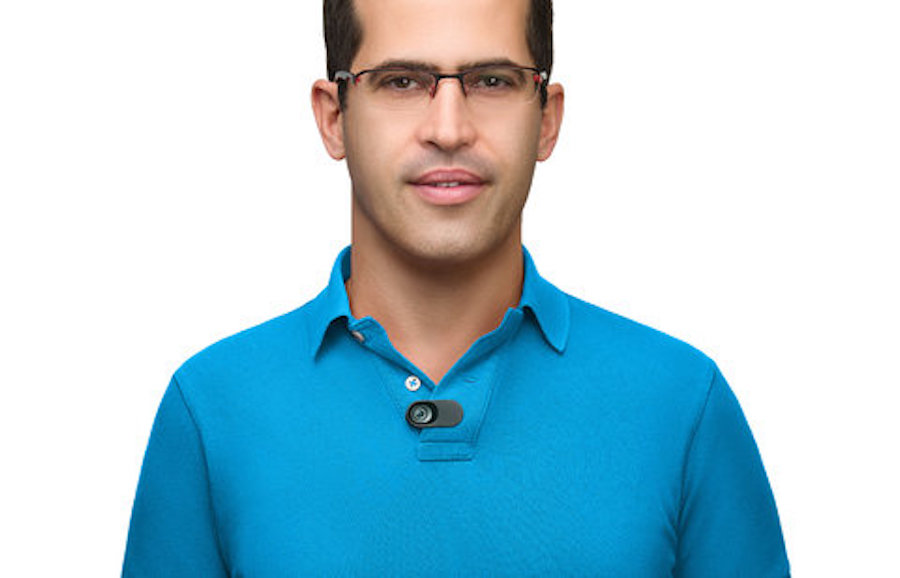
OrCam is a disruptive artificial vision company that creates assistive devices for the visually impaired.  It is led by Hebrew University professor Amnon Shashua.

MyMe, its latest product, uses artificial intelligence to respond to audio and visual information in real-time.  A clip on camera and Bluetooth earpiece create what the company calls an “augmented attention” experience, meant to enrich interactions.

The device is aware of all daily actions — including people we meet, conversation topics,  visual surroundings, food we eat, and activities we participate in. Visual and audio processing functions serve as an extension to a wearers’ awareness.  A built in fitness tracker will also be included.

More details will be available after MyMe is unveiled at CES next week.


Wearable Tech + Digital Health San Francisco – April 5, 2016 @ the Mission Bay Conference Center

NeuroTech San Francisco – April 6, 2016 @ the Mission Bay Conference Center

2nd Annual Wearable Tech + Digital Health NYC – June 7, 2016 @ the New York Academy of Sciences

NeuroTech NYC – June 8, 2016 @ the New York Academy of Sciences
 

Categories
AI Diabetes

AI for diabetes management

Novo Nordisk  and IBM Watson are partnering to create an AI system to help diabetes patients better manage their disease.

Data from continuous blood sugar monitors will be analyzed and used to inform treatment decisions, such as insulin dosage.  Food intake, exercise and the timing and dosage of insulin injections could also be added to the equation.

The company believes that incorporating large amounts of data into self-care decisions can enable better choices.


Wearable Tech + Digital Health San Francisco – April 5, 2016 @ the Mission Bay Conference Center

NeuroTech San Francisco – April 6, 2016 @ the Mission Bay Conference Center

Wearable Tech + Digital Health NYC – June 7, 2016 @ the New York Academy of Sciences

NeuroTech NYC – June 8, 2016 @ the New York Academy of Sciences
 

Categories
AI

Deep learning meets genomics

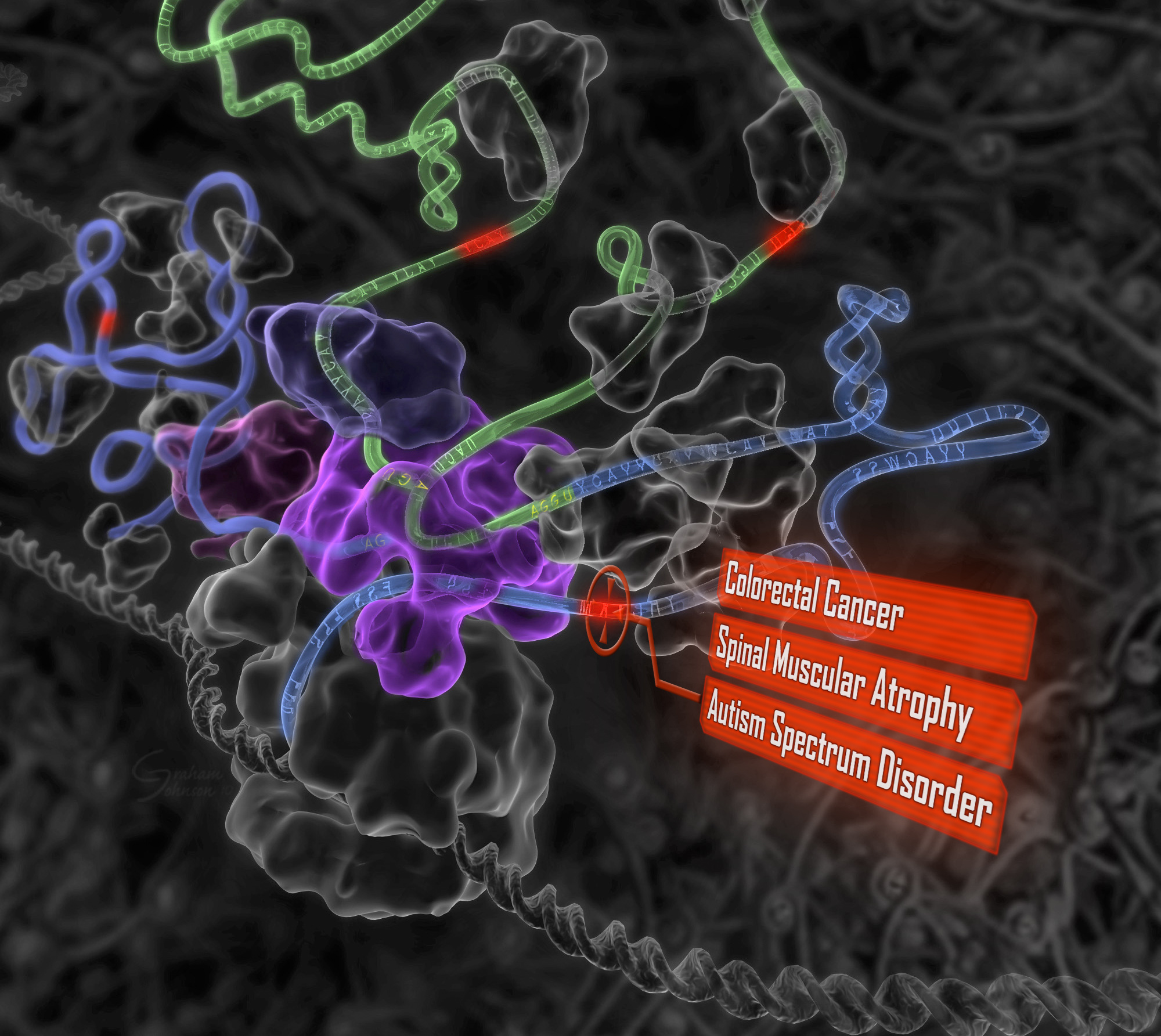
University of Toronto professor Brendan Frey has used deep learning  principles to create algorithms that look at the pattern of mutations in an individual’s DNA.  The system then makes inferences about how the patterns affect the operation of different types of cells in the body.

His company, Deep Genomics, will use the predictive algorithms to “prioritize, classify and interpret genetic variants, based on how they change cellular processes.  To link unknown variants to known variants, for any variant and any disease.”  The technologies could be applied to precision medicine, genetic testing, diagnostics and therapeutics.

Categories
AI Robotics Sensors

Robot sensor reads facial expressions to determine emotions

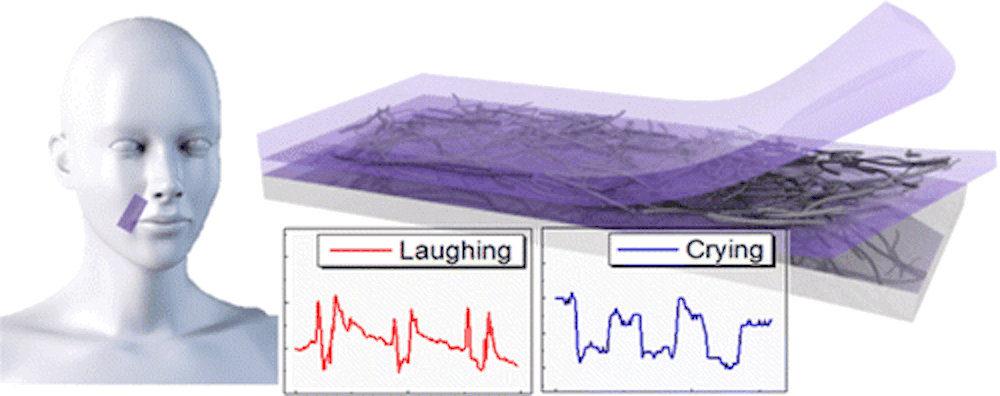
Sungkyunkwan University‘s Nae-Eung Lee has created a stretchable, transparent sensor that helps robots read facial expressions.  It senses smiling, frowning, brow-furrowing and eye-rolling.  The robot then detects movements, including slight changes in gaze, to determine whether people are laughing or crying, and where they are looking.

The ultra-sensitive, wearable sensor layers a carbon nanotube film on two types of electrically-conductive elastomers.

Lee believes that in addition to robotics, the sensors could be used to monitor heartbeats, breathing, or dysphagia. 

WEARABLE TECH + DIGITAL HEALTH NYC 2015 – JUNE 30 @ NEW YORK ACADEMY OF SCIENCES.  REGISTER HERE.

Categories
AI Brain

AI system mimics human short term memory

Google’s DeepMind has unveiled a prototype computer that attempts to mimic properties of the human brain’s short-term memory. It is a neural network that works with an external memory, resulting in a computer that learns as it stores memories and can later retrieve them to perform logical tasks beyond those it has been trained to do.

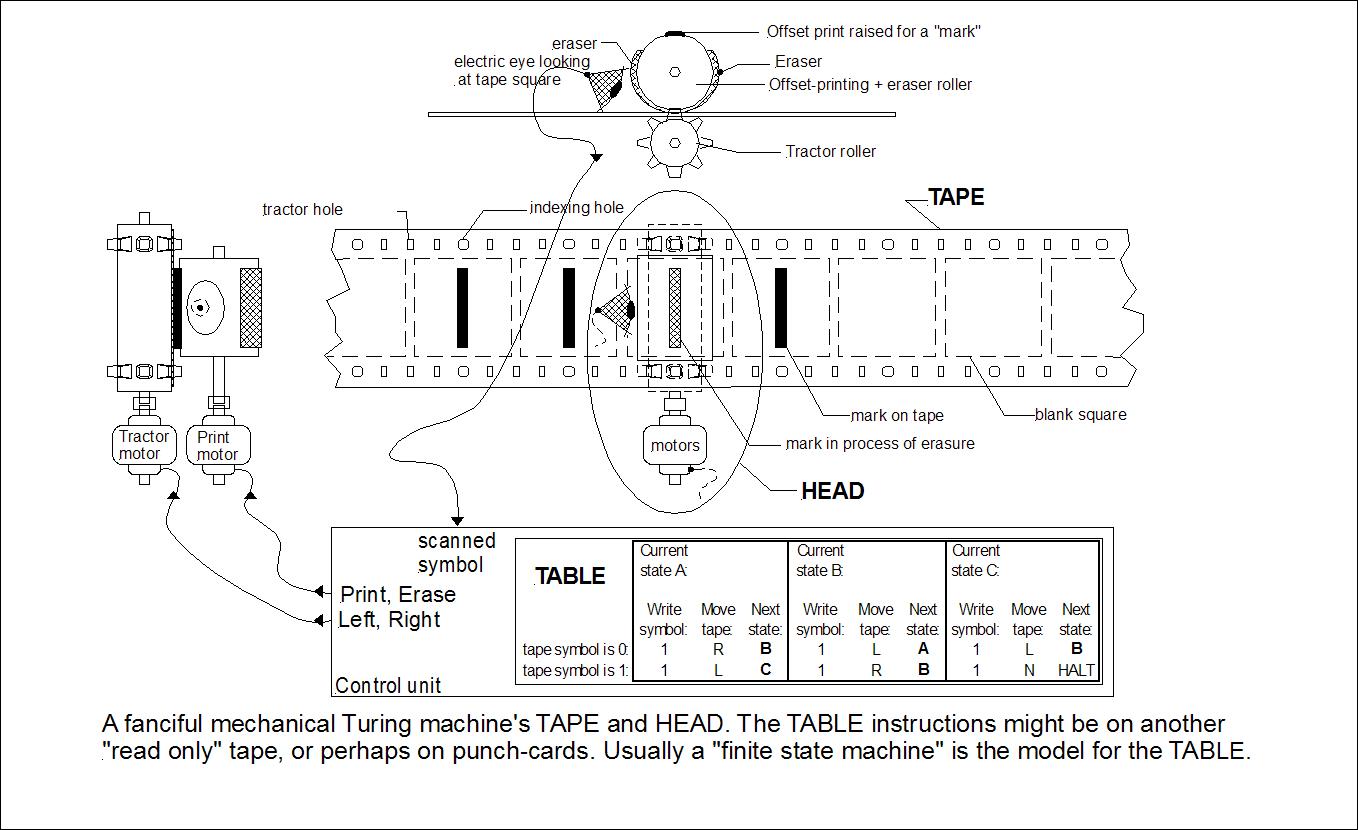
A traditional computer neural network consists of interconnected processors that can change the strength of their connection based on external input. This models the plasticity and learning ability of a brain. DeepMind has added a new component based on Turing’s model of computation, in which memory acts as a tickertape that can pass back and forth through a computer, sorting variables for later processing. The component allows DeepMind’s  “Neural Turing Machine” to understand new data as chunks.  The external memory is used to keep the chunks active so it can use them at different points in a calculation.

Categories
AI

Google expands AI research

Following its DeepMind acquisition 9 months ago, Google continues to build its artificial intelligence initiative, and has bought two University of Oxford spinoffs in the field.

Dark Blue Labs, led by  Professor Nando de Freitas, Professor Phil Blunsom, Dr Edward Grefenstette and Dr Karl Moritz Hermann, will focus on research to enable machines, (computers or robots), better understand what users say and are asking of them.

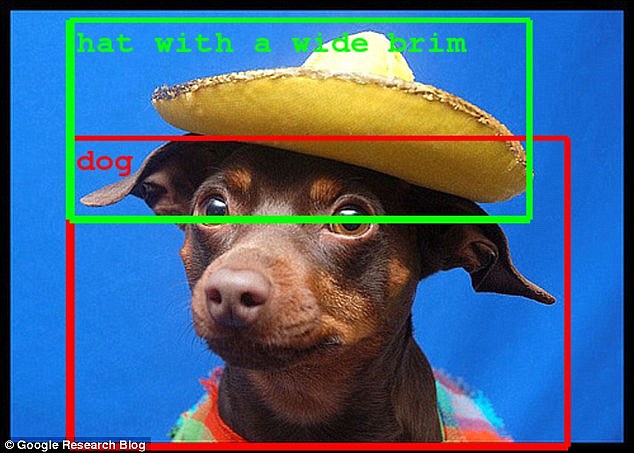
Vision Factory applies AI to enhance the accuracy and speed of object recognition and other vision-based systems.  It is led by Dr Karen Simonyan, Max Jaderberg and Professor Andrew Zisserman, and will help Google improve its object recognition in search, camera-based search apps, and data-processing systems for self-driving cars.

Categories
AI Apps Brain Sensors

Smartphone sensors power mental health app

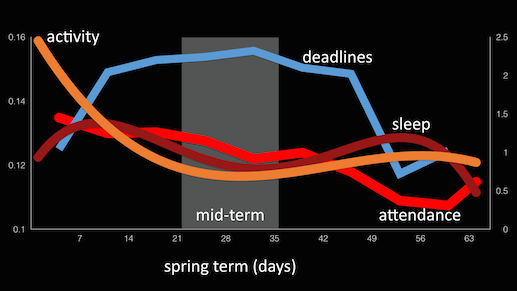
Dartmouth professor Andrew Campbell has developed a mental health monitoring app based on automatic smartphone sensing. StudentLife compares students’ happiness, stress, depression and loneliness to their academic performance

In a recent study, passive sensors continuously collected data on location, conversations, mobility, and sleep patterns of 48 participants over 10 weeks.  The students were also prompted with questions about their mood and stress several times per day.

The researchers administered (self reported) mental health and behavioral surveys at the start and end of the term, evaluating participants on depression, loneliness and stress.  Academic records, including GPAs, were also measured.

Campbell’s team found strong correlations between the self-reported data and the automatic sensing data.  They believe that, based solely on the automatic data, the app could effectively predict certain mental health issues and academic performance levels in students.

Categories
AI Robotics

MIT’s running, jumping cheetah robot, now wireless

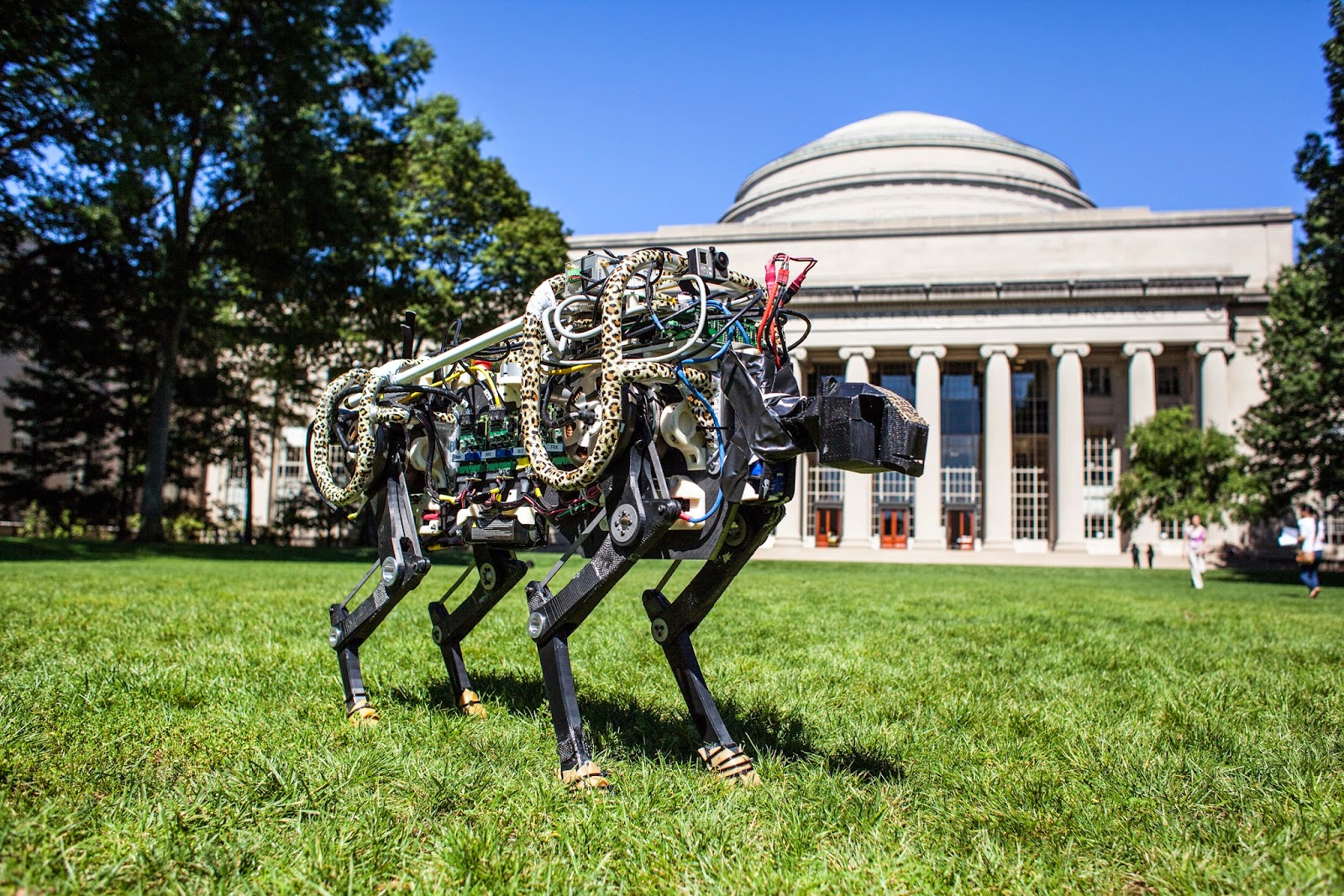
MIT‘s Biomimetic Robotics Lab has  unveiled a robotic cheetah that jumps hurdles and sprints at 10 mph, mimicking the natural bounding motions of a cheetah.   The robot can leap across uneven terrain while still maintaining a steady speed, and cleared a 33 centimeter foam hurdle.  The research team believes that the robotic cheetah could eventually reach speeds of up to 30 mph.

A “bounding algorithm” calculates the amount of force required to propel an animal forward or to jump over obstacles.  It models the running mechanics of world-class sprinters: the faster the desired speed, the greater the force the legs exert.  A 2012 version, developed for DARPA, ran at  28.3 mph on a treadmill, but was attached to a power source.

Categories
AI Cancer

AI matches patients with clinical trials — in seconds

The Mayo Clinic will use IBM’s Watson to match colorectal, lung, and breast cancer patients with clinical trials, expediting a slow and inefficient process.  170,000 patient studies are being conducted worldwide at any given time–8,000 at the Mayo Clinic. Processing clinical trials is done manually, which involves sorting through patient records to ensure that proper matches are made. Watson could shorten the process considerably, with matches being made within seconds.

The clinic is providing Watson with information on all clinical trials at the clinic and in public databases. Because of its ability to process natural language, Watson can analyze both trial requirements and patient records.

According to project lead  Dr. Nicholas LaRusso, one of the biggest challenges that physicians face is the task of managing large quantities of data. In the future, as medical lab results could include rapid “genomic analyses,” LaRusso said that technologies like Watson could “help organize and aggregate huge amounts of data” that would be impossible for a human to process efficiently. “Watson can fit into a flow of how we interact with patients, and will provide input required with diagnosis and management, and ultimately become, in my opinion, a member of the provider team.”


Categories
AI

One step closer to “brain-like” sensory computing

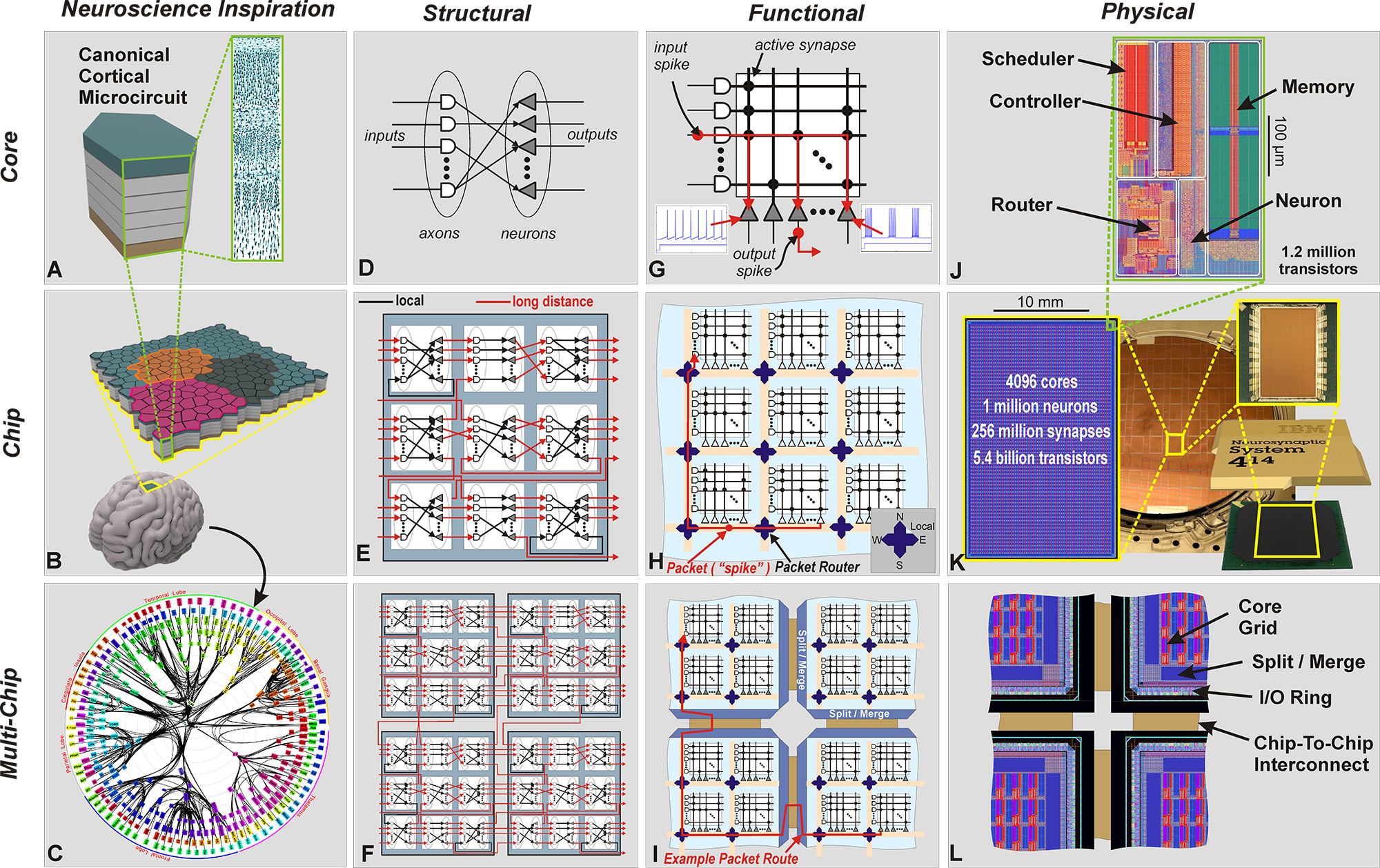
Based on DARPA’s SyNAPSE, IBM has unveiled its TrueNorth chip, published in Science this week.  The processor can handle large volumes of data with minimal power, which IBM claims is similar to how the human brain functions.

Containing 5.4 billion transistors, TrueNorth consumes  70 milliwatts of power, significantly less than a typical microprocessor. IBM says that the chip’s intense processing power and low energy consumption enable it to compute sensory data including images, sound, and smell.