Categories
Diabetes Sensors Wearables

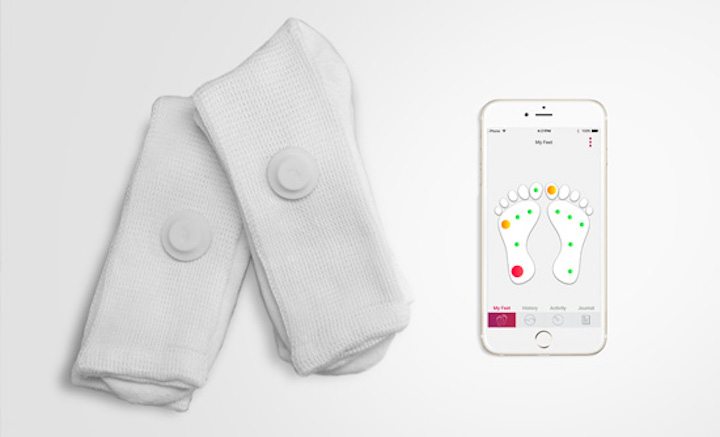
Sensor sock detects diabetic inflammation, sends alerts

Siren Care‘s real-time temperature sensing smart sock is meant to detect foot inflammation in diabetics.  The goal is early notification to prevent (difficult to heal) sores and other symptoms of the disease, which can lead to extreme complications.

Data is stored in the fabric  and in the cloud.  An app sends alerts when a temperature event occurs. The washable sock is meant to last for 6 months, as is its battery, which does not require charging.


ApplySci’s 6th   Wearable Tech + Digital Health + NeuroTech Silicon Valley  –  February 7-8 2017 @ Stanford   |   Featuring:   Vinod Khosla – Tom Insel – Zhenan Bao – Phillip Alvelda – Nathan Intrator – John Rogers – Roozbeh Ghaffari –Tarun Wadhwa – Eythor Bender – Unity Stoakes – Mounir Zok – Krishna Shenoy – Karl Deisseroth – Shahin Farshchi – Casper de Clercq – Mary Lou Jepsen – Vivek Wadhwa – Dirk Schapeler – Miguel Nicolelis

ApplySci is delighted to welcome the Bayer LifeScience iHUB as a sponsor of Digital Health + NeuroTech at Stanford.
Categories
Diabetes Eyes Sensors

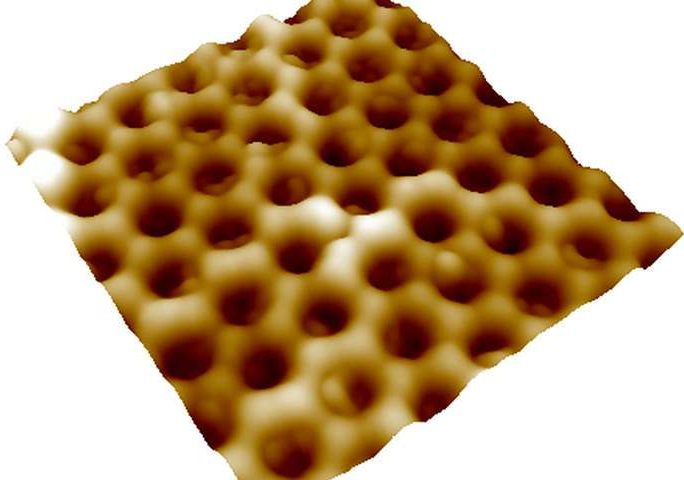
Fully transparent, glucose monitoring contact lens

Oregon State’s Greg Herman has developed a transparent sensor to monitor glucose (via tears) in a contact lens.  The device could also be used to control insulin infusions, by transmitting real-time data to a pump.

Similar technology has been developed by Google, although their lens is not (currently) fully transparent, and Noviosense, which requires a user to insert a device in the lower lid.

Herman believes that the lens sensor could also be used to monitor stress hormones, uric acid, and  ocular pressure in glaucoma.


ApplySci’s 6th   Wearable Tech + Digital Health + NeuroTech Silicon Valley  –  February 7-8 2017 @ Stanford   |   Featuring:   Vinod Khosla – Tom Insel – Zhenan Bao – Phillip Alvelda – Nathan Intrator – John Rogers – Mary Lou Jepsen – Vivek Wadhwa – Miguel Nicolelis – Roozbeh Ghaffari –Tarun Wadhwa – Eythor Bender – Unity Stoakes – Mounir Zok – Krishna Shenoy – Karl Deisseroth

Categories
Diabetes Sensors Wearables

Non-invasive tear sensor continuously monitors glucose

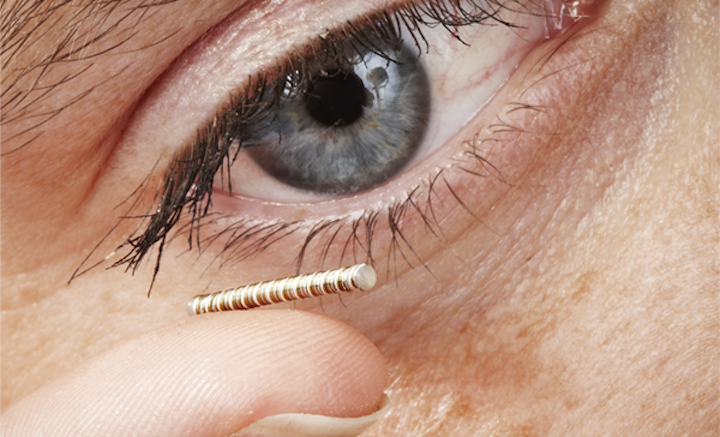
Noviosense is a flexible sensor glucose monitor, worn in a lower eyelid. The wireless, battery-free wearable tracks glucose levels in tears, and continuously sends measurements to one’s phone.

One of three electrodes is coated with an immobilized enzyme, which converts glucose into gluconic acid, leaving the co-enzyme FAD reduced to FADH. An  oxygen molecule oxidizes the co-factor and produces a short lived molecule of hydrogen peroxide, that is converted on the electrode surface to water. This results in an electric current, measured using the other two electrodes. The electrical signal is then converted into a radio frequency signal, transmitted via antenna.

It is possible to connect the sensor to an insulin pump, creating a closed loop system.


ApplySci’s 6th   Wearable Tech + Digital Health + NeuroTech Silicon Valley  –  February 7-8 2017 @ Stanford   |   Featuring:   Vinod Khosla – Tom Insel – Zhenan Bao – Phillip Alvelda – Nathan Intrator – John Rogers – Mary Lou Jepsen – Vivek Wadhwa – Miguel Nicolelis – Roozbeh Ghaffari –Tarun Wadhwa – Eythor Bender – Unity Stoakes – Mounir Zok – Krishna Shenoy – Karl Deisseroth

REGISTRATION FEE INCREASES ON NOVEMBER 1, 2016

Categories
Data Diabetes Pharmaceuticals Wearables

Sanofi/Verily joint venture to fight diabetes

Big pharma + big tech/data partnerships continue to proliferate.

Onduo is a Sanofi/Verily joint venture that will use each company’s expertise to help manage diabetes  — Sanofi’s drugs  plus Verily’s software, data analysis, and devices. CEO Josh Riff and has not announced a project pipeline, as they are taking “a thoughtful approach to finding lasting solutions.”

Sutter Health and Allegheny Health Network will  be the first systems to test Onduo solutions.


ApplySci’s 6th   Wearable Tech + Digital Health + NeuroTech Silicon Valley  –  February 7-8 2017 @ Stanford   |   Featuring:   Vinod Khosla – Tom Insel – Zhenan Bao – Phillip Alvelda – Nathan Intrator – John Rogers – Mary Lou Jepsen – Vivek Wadhwa – Miguel Nicolelis – Roozbeh Ghaffari – Unity Stoakes

Categories
Asthma Diabetes Orthopedics Sensors Wearables

GSK/Verily “biolectronic medicine” partnership for disease management

Galvani Biolectronics is a Verily/GSK company, created to accelerate the research, development and commercialization of bioelectronic medicines. The goal is to find solutions to manage chronic diseases, such as arthritis, diabetes, and asthma, using  miniaturized electronics.  Implanted devices would  modify electrical signals that pass along nerves, including irregular impulses that occur in illness.

Initial work will focus on developing precision devices for inflammatory, metabolic and endocrine disorders, including type 2 diabetes, where substantial evidence already exists in animal models.

Every major pharmaceutical company (globally) attended  ApplySci’s recent Wearable Tech + Digital Health + NeuroTech conferences in San Francisco and New York.  We believe that partnerships similar to the Verily/GSK venture will proliferate — and that they will improve the lives of those with chronic diseases.


Digital Health + NeuroTech Silicon Valley – February 7-8, 2017 @ Stanford University

Categories
Diabetes

“Artificial pancreas” uses sensor + app monitoring system

University Hospital of Montpellier researchers, led by Eric Renard, are developing a sensor/app “artificial pancreas” system for diabetics.

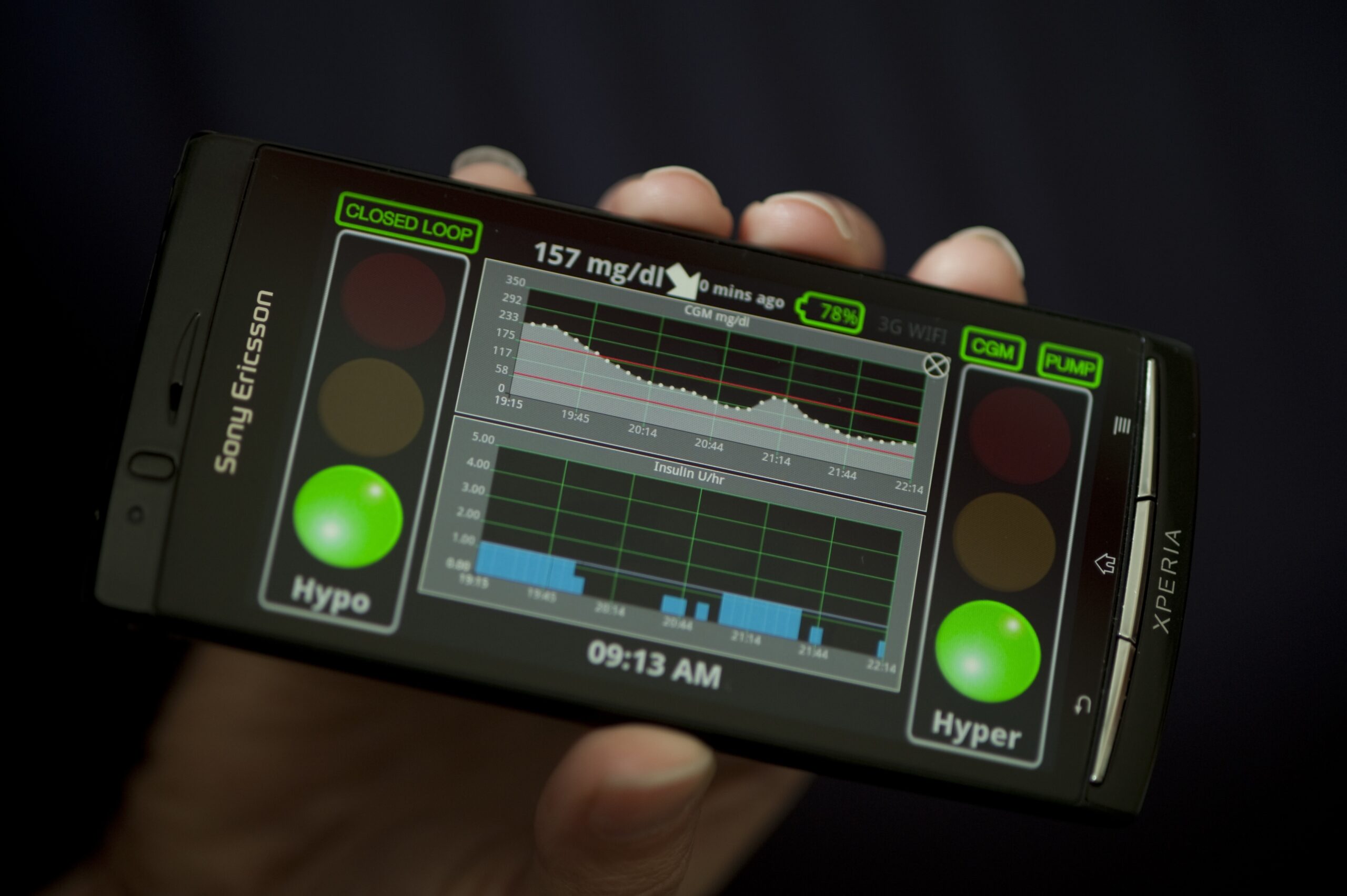
The sensor continuously monitors glucose.  The data is sent to a phone, where an algorithm calculates insulin needed, and to a pump, which then delivers the correct amount of insulin.

So far, the system has only been tested on 21 patients for 1 month, where the results were promising.  Obviously, much more research is needed. The next stage will involve 240 child and adult patients, who will use the device for 6 months.

Categories
Diabetes Eyes

Contact lens/eyeglass system monitors blood sugar, dispenses drugs

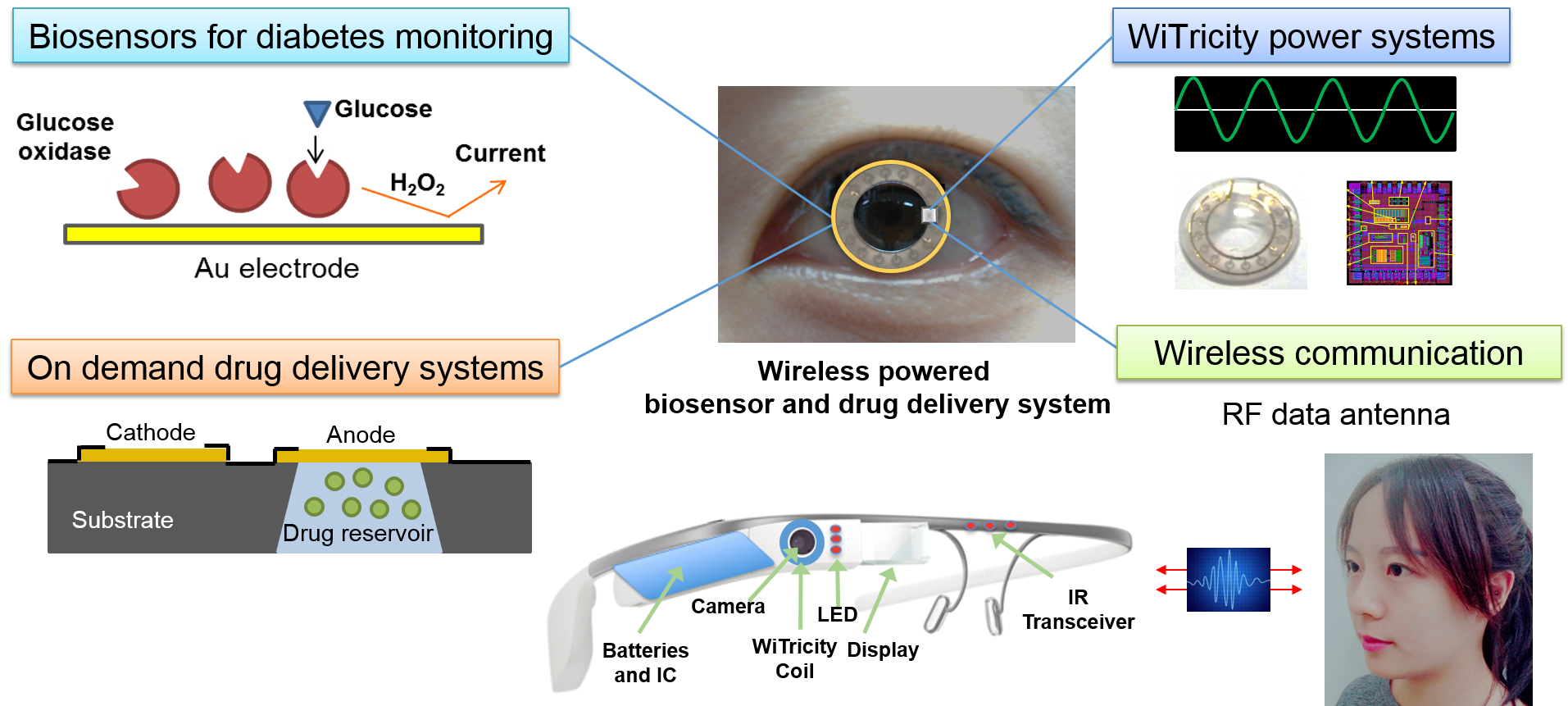
Pohang University’s Sae Kwang Han and Do Hee Keum have developed a contact lens/ eyeglass combination  to monitor diabetes and dispense drugs as needed.  The glasses wirelessly power and communicate with the drug-releasing lens, that monitors glucose concentration in tears.  An LED alarm lights up when sugar levels are very high. The lens can be worn for one month.

A user can  tell the eyeglasses to send a drug-releasing signal to the chip with voice commands. A control circuit is being created to automate the process,  deciding independently when medicine is needed. To release drugs, the chip draws on one of ten drug reservoirs chambers that are carved into the hydrogel, and covered with a thin gold electrode membrane. The voltage dissolves the membrane and releases the drug.


Wearable Tech + Digital Health NYC – June 7, 2016 @ the New York Academy of Sciences

NeuroTech NYC – June 8, 2016 @ the New York Academy of Sciences


Categories
Diabetes Sensors

Study: Graphene patch monitors glucose, delivers insulin

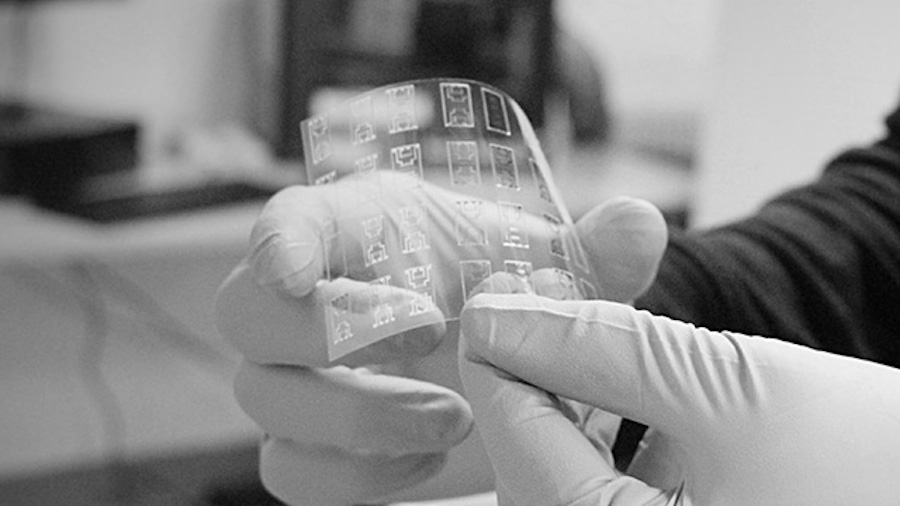
MC10 and Seoul National University researchers, led by Dae-Hyeong Kim, have created a prototype skin patch that could both monitor blood glucose levels and administer insulin to diabetics.  This is the first time that monitoring and drug deivery have been combined.

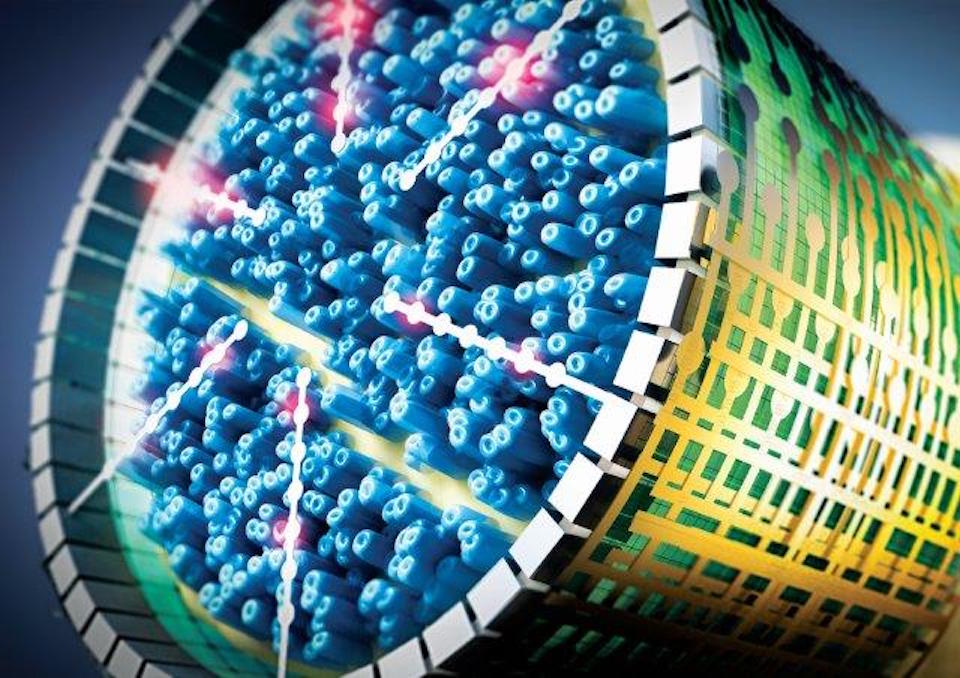
The graphene and gold mesh patch measures humidity, glucose, pH, and temperature in sweat. While the technology has only been tested on mice, it has shown that it is able to reduce blood glucose levels.  We look forward to the results of human trials.

MC10 co-founder and VP of Technology Roozbeh Ghaffari is a featured speaker at ApplySci’s Wearable Tech + Digital Health conference on April 5th in San Francisco.  He will discuss the future of less invasive, more precise approaches to disease management.


Wearable Tech + Digital Health San Francisco – April 5, 2016 @ the Mission Bay Conference Center

NeuroTech San Francisco – April 6, 2016 @ the Mission Bay Conference Center

Wearable Tech + Digital Health NYC – June 7, 2016 @ the New York Academy of Sciences

NeuroTech NYC – June 8, 2016 @ the New York Academy of Sciences


Categories
Diabetes Sensors Smart Fabric Wearables

Smart socks sense pain, pressure in diabetic neuropathy

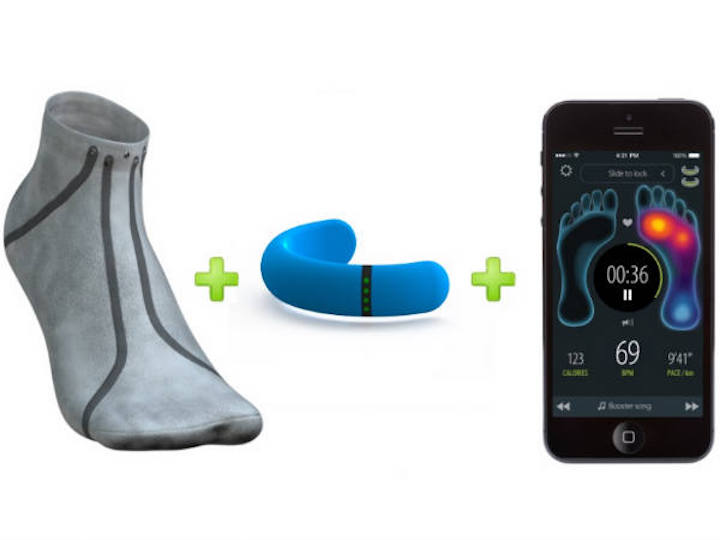
SenseGo smart socks have multiple sensors that monitor  pressure from poor posture, over-exertion, or ill-fitting shoes, all which could lead to diabetic foot ulcers.  Pressure points are registered as electrical signals, and relayed to an app which  informs the patient of a developing risk.

The washable sensor socks, developed by Hebrew University professor Yaakov Nahmias, can compensate for damaged nerve sensations,  providing patients with data on pain that they are unable to feel.  Failure to treat these issues could  lead to foot ulcers, sores, or wounds that do not heal, hence the benefit of this “early warning” system.


Wearable Tech + Digital Health San Francisco – April 5, 2016 @ the Mission Bay Conference Center

NeuroTech San Francisco – April 6, 2016 @ the Mission Bay Conference Center

Wearable Tech + Digital Health NYC – June 7, 2016 @ the New York Academy of Sciences

NeuroTech NYC – June 8, 2016 @ the New York Academy of Sciences


Categories
Asthma Diabetes Sensors

Glucose monitoring breath test

Applied Nanodetectors is in the early stages of developing a noninvasive breath sensor for diabetics to monitor daily glucose levels.  By measuring the levels of volatile organic compounds in breath, if accurate, this could replace finger pricking for disease sufferers, and create a simple diagnostic test.

The company has a related product that monitors the concentration of exhaled trace gas chemicals in an asthma patient’s breath, before symptoms develop, for early warning of attacks.

This, and similar technologies (see ApplySci, 1/11/16), could lead to the incorporation of medical grade sensors into smartphones, which could enable continuous monitoring of multiple conditions.


Wearable Tech + Digital Health San Francisco – April 5, 2016 @ the Mission Bay Conference Center

NeuroTech San Francisco – April 6, 2016 @ the Mission Bay Conference Center

Wearable Tech + Digital Health NYC – June 7, 2016 @ the New York Academy of Sciences

NeuroTech NYC – June 8, 2016 @ the New York Academy of Sciences


Categories
AI Diabetes

AI for diabetes management

Novo Nordisk  and IBM Watson are partnering to create an AI system to help diabetes patients better manage their disease.

Data from continuous blood sugar monitors will be analyzed and used to inform treatment decisions, such as insulin dosage.  Food intake, exercise and the timing and dosage of insulin injections could also be added to the equation.

The company believes that incorporating large amounts of data into self-care decisions can enable better choices.


Wearable Tech + Digital Health San Francisco – April 5, 2016 @ the Mission Bay Conference Center

NeuroTech San Francisco – April 6, 2016 @ the Mission Bay Conference Center

Wearable Tech + Digital Health NYC – June 7, 2016 @ the New York Academy of Sciences

NeuroTech NYC – June 8, 2016 @ the New York Academy of Sciences


Categories
Diabetes

Needle-free blood draw + smartwatch

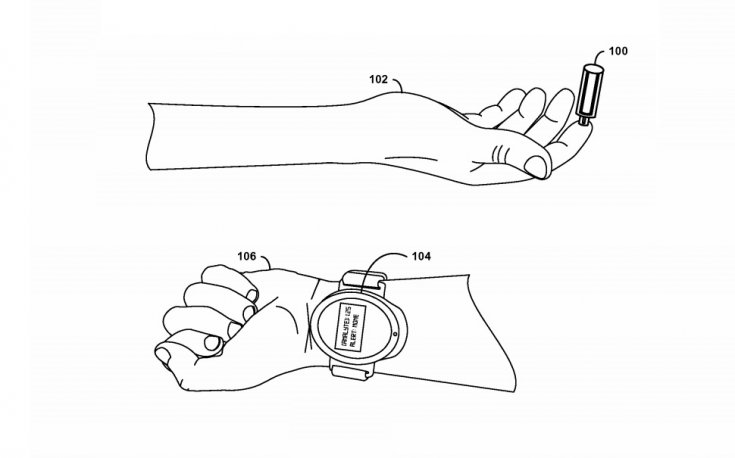
Google has filed a patent for a “needle-free blood draw” system that could be incorporated into a wearable.

The filing describes a machine that sends a pulse of gas into a barrel containing a “micro-particle” that can puncture the skin and draw a small drop of blood.

This could dramatically improve the management of diabetes, and continues Google’s diabetes initiative.  The company is  currently developing smart contact lenses and cloud-connected sensors to help monitor glucose.


ApplySci presents:

Wearable Tech + Digital Health San Francisco – April 5, 2016 @ the Mission Bay Conference Center

NeuroTech San Francisco – April 6, 2016 @ the Mission Bay Conference Center

Wearable Tech + Digital Health NYC  – June 7, 2016 @ the New York Academy of Sciences

NeuroTech NYC – June 8, 2016 @ the  New York Academy of Sciences