Categories
Brain Longevity Seniors

Biological age blood test could identify dementia risk

King’s College London professor James Timmons has developed a gene signature blood test that he believes could be used to predict Alzheimer’s disease.  His goal is early detection and preventative treatment. The test is the first to  measure biological age.

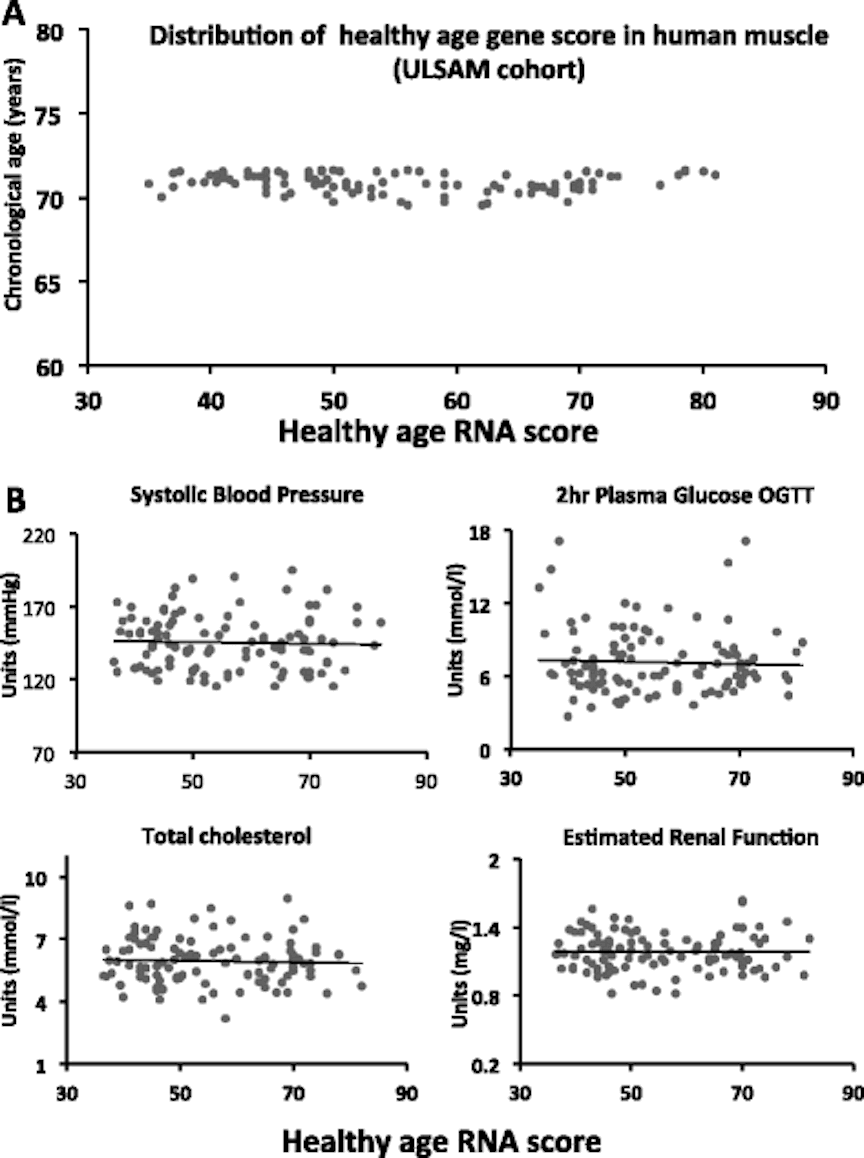
Researchers analyzed  thousands of blood, brain and muscle samples to find 150 markers of gene activity associated with good health at age 65.  This produced a rating system that could be incorporated into a blood test.

700 healthy 70 year olds had widely varied healthy aging scores. Higher scores were associated with better mental ability, kidney function and longevity over 12 years. Low scores were linked to Alzheimer’s.

According to Timmons, “This is the first blood test of its kind that has shown that the same set of molecules are regulated in both the blood and the brain regions associated with dementia, and it can help contribute to a dementia diagnosis. This also provides strong evidence that dementia in humans could be called a type of ‘accelerated ageing’ or ‘failure to activate the healthy aging program’.”
Categories
IoT Monitoring Seniors Sensors Sleep

Sleep sensor directs appliances, allows remote monitoring

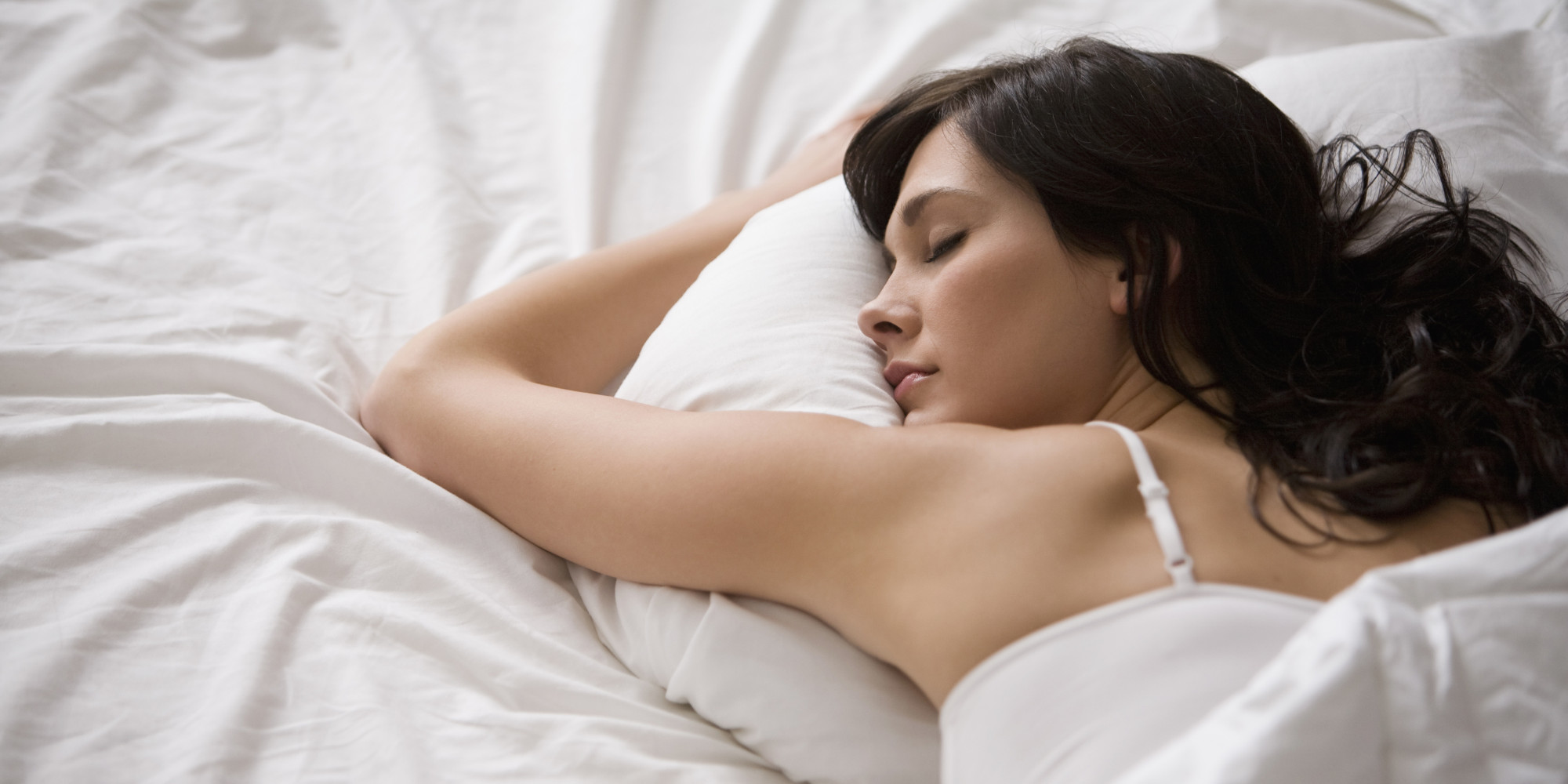
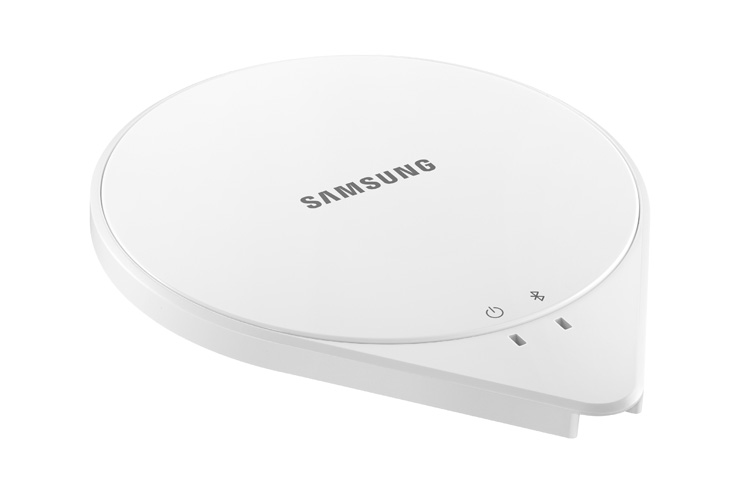
Samsung’s SleepSense measures breathing, heart rate, and movement in real time, without  touching the body. The company claims that this monitoring results in a 97% accurate sleep score, delivered to one’s phone.

SleepSense can communicate with a television, audio system, thermostat, and other household devices, to create a favorable sleep environment.  TVs can be turned off automatically; room temperature can be adjusted; lights can turned on in the morning; and a coffee maker can be directed to start brewing.

The cloud based system allows remote monitoring of an elderly or disabled loved one (with a mattress sensor)  and can receive emergency alerts.

Categories
Brain Seniors

Study: Emotions linked to learning and memory

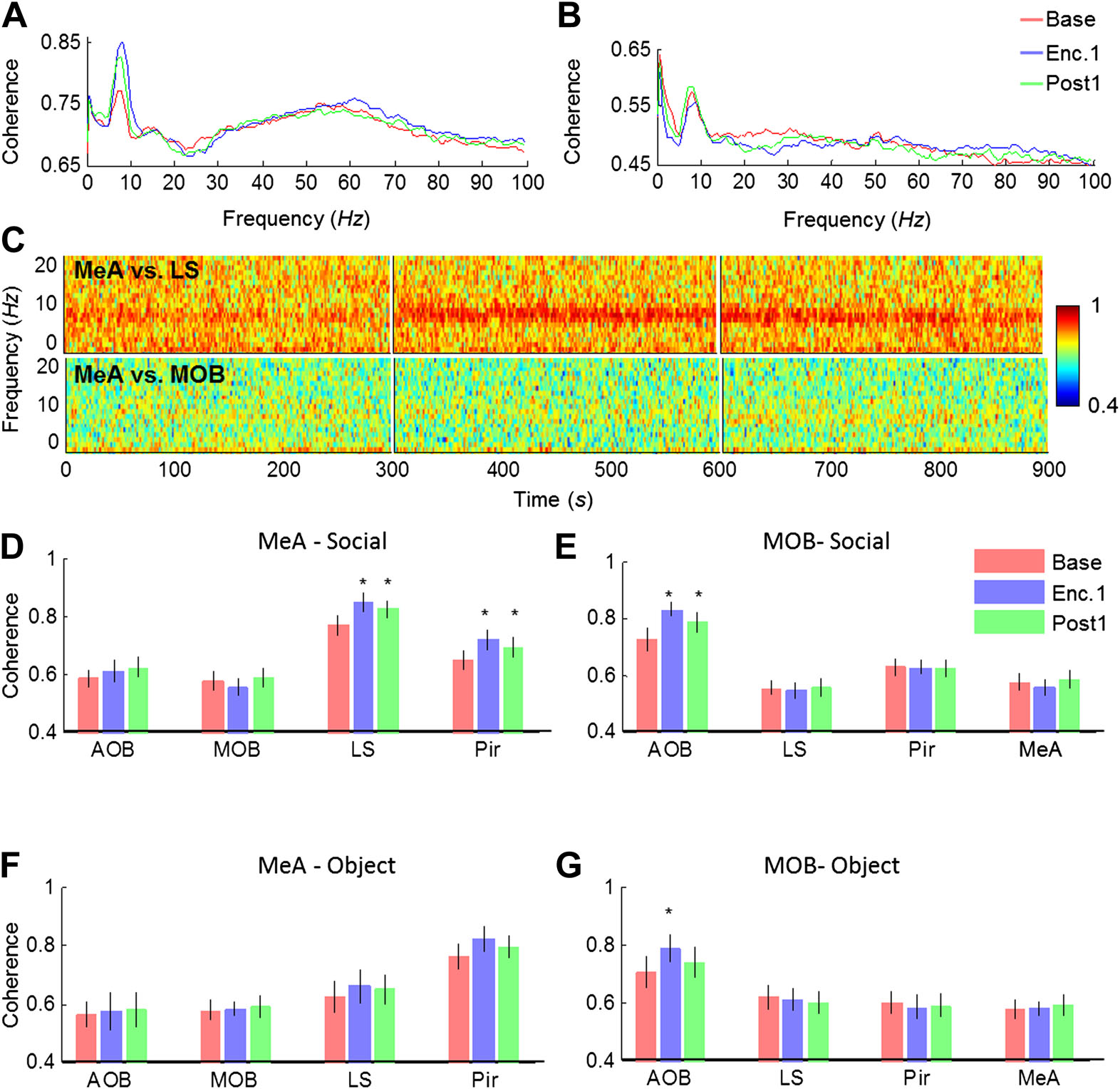
Shlomo Wagner at the University of Haifa has published a paper linking emotions to the processes of learning and memory.   For the first time, electrical activity that takes place in the brain during the formation of social memory was identified.

Wagner believes that “different emotions cause the brain to work differently and on distinct frequencies.”  He found a connection between the feeling of excitement, rhythmical activity in specific brain areas, and the cognitive process of memory formation.

While only studied in animals, if human trial results are consistent, this could impact the treatment of age-related memory and ADHD learning issues.

Categories
Seniors Sensors Smart Fabric Wearables

Sensor sweater guides senior rehabilitation

Vigour, by Pauline van Dongen,  is a sensor sweater developed for geriatric rehabilitation.  The knitted cardigan, with integrated stretch sensors, discreetly and continuously monitors upper body movement.  Two sensors monitor  lower back movement, and one under each arm monitors shoulder and arm movement. Data is transferred to the user, caregiver, or physician.  It can be worn all day, during normal activity, rest, and exercise.  Its app provides visual and auditory feedback, in real time, to inform and motivate the user.

WEARABLE TECH + DIGITAL HEALTH NYC 2015 – JUNE 30 @ NEW YORK ACADEMY OF SCIENCES.  FINAL REGISTRATION DISCOUNT ENDS 6/2.

Categories
Cancer Seniors

Human cell sensor detects chemical changes early

University of Rochester‘s Spencer Rosero is developing a human cell sensor that, when implanted,  detects subtle biological changes to provide advanced warning of health issues.

The cells are engineered to detect specific chemical changes. When a variation is discovered, the cells respond, and a fluorescent light glows. The sensor’s camera  enables patients and doctors to see the glowing light in real time on a computer or device.  Placement of the sensor (underneath the skin) depends on what is being tracked.

Chemotherapy patients will be the first users.  Toxic side effects will be detected before they happen, to help physicians optimize treatment.

WEARABLE TECH + DIGITAL HEALTH NYC 2015 – JUNE 30 @ NEW YORK ACADEMY OF SCIENCES.  REGISTER HERE.

Categories
IoT Seniors Sensors Wearables

Stamp sized wearable detects falls

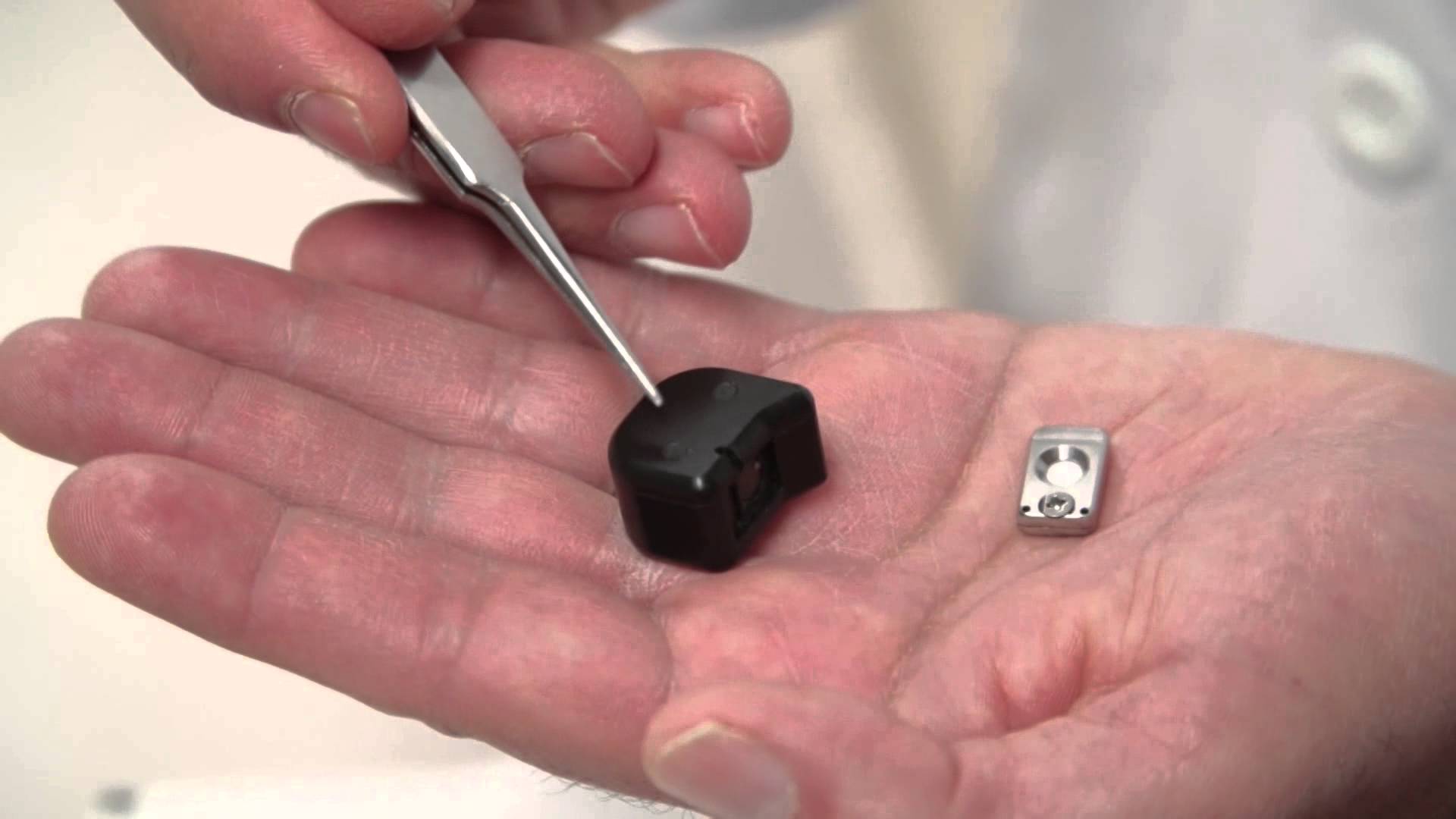
As part of its IoT Ubiquitousware platform, Fujitsu has developed a stamp sized sensor tag that detects falls, position, posture, and temperature changes.

The tags contain accelerometers, barometers, gyroscopes and microphones. They can also include heart rate sensors and GPS modules. Data is transmitted via Bluetooth Low Energy. Algorithms analyze the data and automatically send alerts to caregivers.

The sensors can be worn as wristbands, on lapels or pockets, or be attached to shopping carts and walkers.  Obvious potential users include seniors and  hospital patients.

WEARABLE TECH + DIGITAL HEALTH NYC 2015 – JUNE 30  @ THE NEW YORK ACADEMY OF SCIENCES.  REGISTER BEFORE FRIDAY, MAY 15th TO RECEIVE THE PREFERRED RATE.

Categories
Seniors Sensors

Sensor technology helps seniors age in place

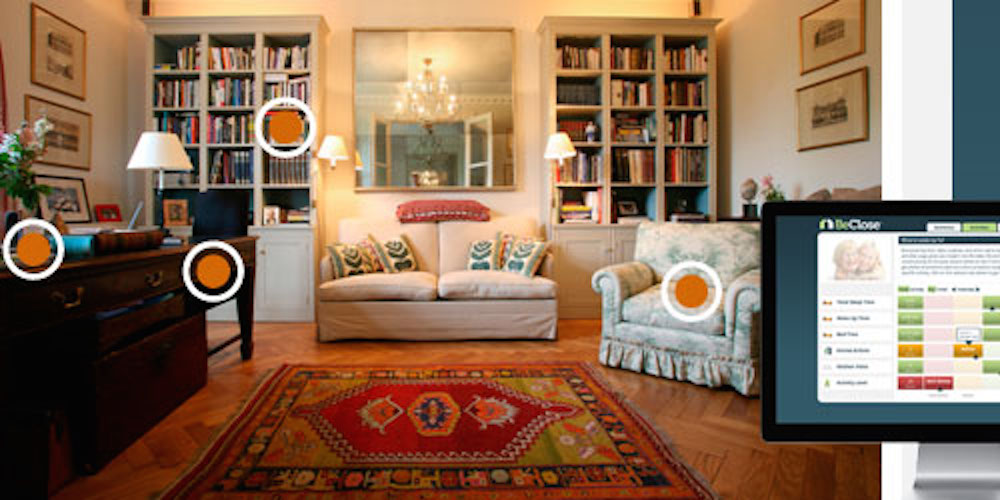
Evermind, Lively (see ApplySci April, 2013 and November, 2014), and BeClose are sensor systems allowing remote  caregiver monitoring — part of a growing genre of technologies helping seniors age in place.

Evermind detects when appliances are switched on and off, and sends messages to caregivers through the day.  It also sends alerts when changes in activity could be cause for concern. BeClose and Lively’s motion sensors also monitor daily activity, and can send alerts about falls, missed medication, and other custom parameters.  Lively can be integrated with an emergency response system.

As the population ages, and society recognizes the need for a dignified existence for the elderly, these technologies will continue to proliferate.

WEARABLE TECH + DIGITAL HEALTH NYC 2015 – JUNE 30 @ NEW YORK ACADEMY OF SCIENCES.  REGISTER HERE.

Categories
Respiratory Seniors Sleep

Built-in, contactless sensors monitor breathing

Novelda’s building-integrated “XeThru” sensor modules detect human presence and monitor respiration.  Breath rate and depth are measured and tracked in real-time.   The use of radio waves, rather than infrared, ultrasound or light, allows the modules to ‘see through’ a variety of objects, including  building materials and blankets.

The sensors are intended for hidden, tamper proof, smart home automation.  They are tools for allowing seniors to age in place, as breathing abnormalities are observed with out a manual alarm trigger.  Sleep abnormalities can also be detected. The system can, of course, also be used for security,  and to control climate and lighting.

WEARABLE TECH + DIGITAL HEALTH NYC 2015 – JUNE 30 @ NEW YORK ACADEMY OF SCIENCES.  REGISTER HERE.

Categories
MRI Seniors

High speed MRI analyzes vocal movement

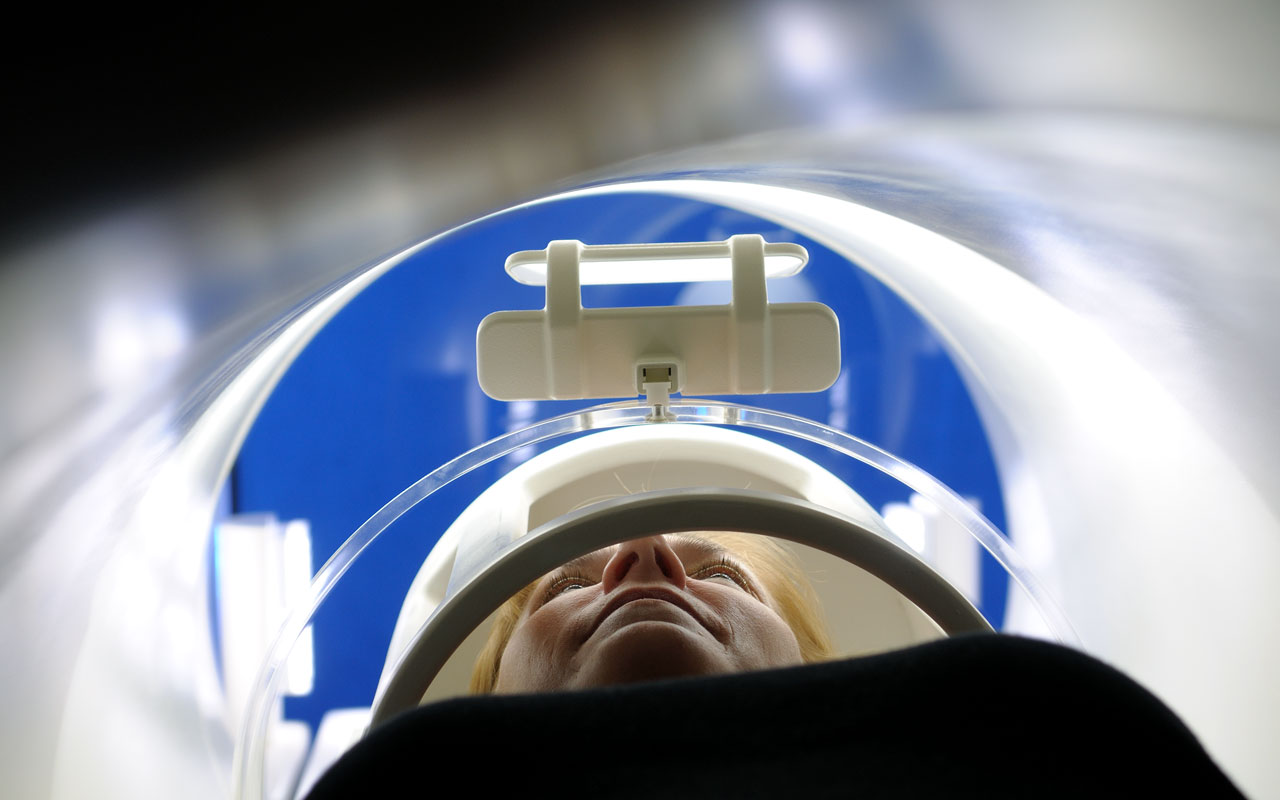
Aaron Johnson of The Beckman Institute has developed an MRI technique that can view dynamic images of vocal movement at 100 frames per second.  This speed is far more advanced than any other MRI technique.  The method is especially useful in studying how rapidly the tongue moves, along with other muscles in the head and neck, during speech and singing.  The attached video demonstrates the results.

To combine the imaging with audio, the researchers used a noise-canceling fiber-optic microphone to pull out the voice, and aligned the audio track with the imaging.

According to Johnson, the neuromuscular system and larynx change and atrophy with age, contributing to deficits associated with the older voice, such as a weak, strained, or breathy voice.  He wants to understand how these changes occur, and if interventions, such as vocal training, can reverse the effects. This requires seeing how the muscles of the larynx move in real time.

Wearable Tech + Digital Health NYC 2015 – June 30 @ New York Academy of Sciences.  Early registration discount ends Friday, 4/24.

Categories
Brain Ears Seniors

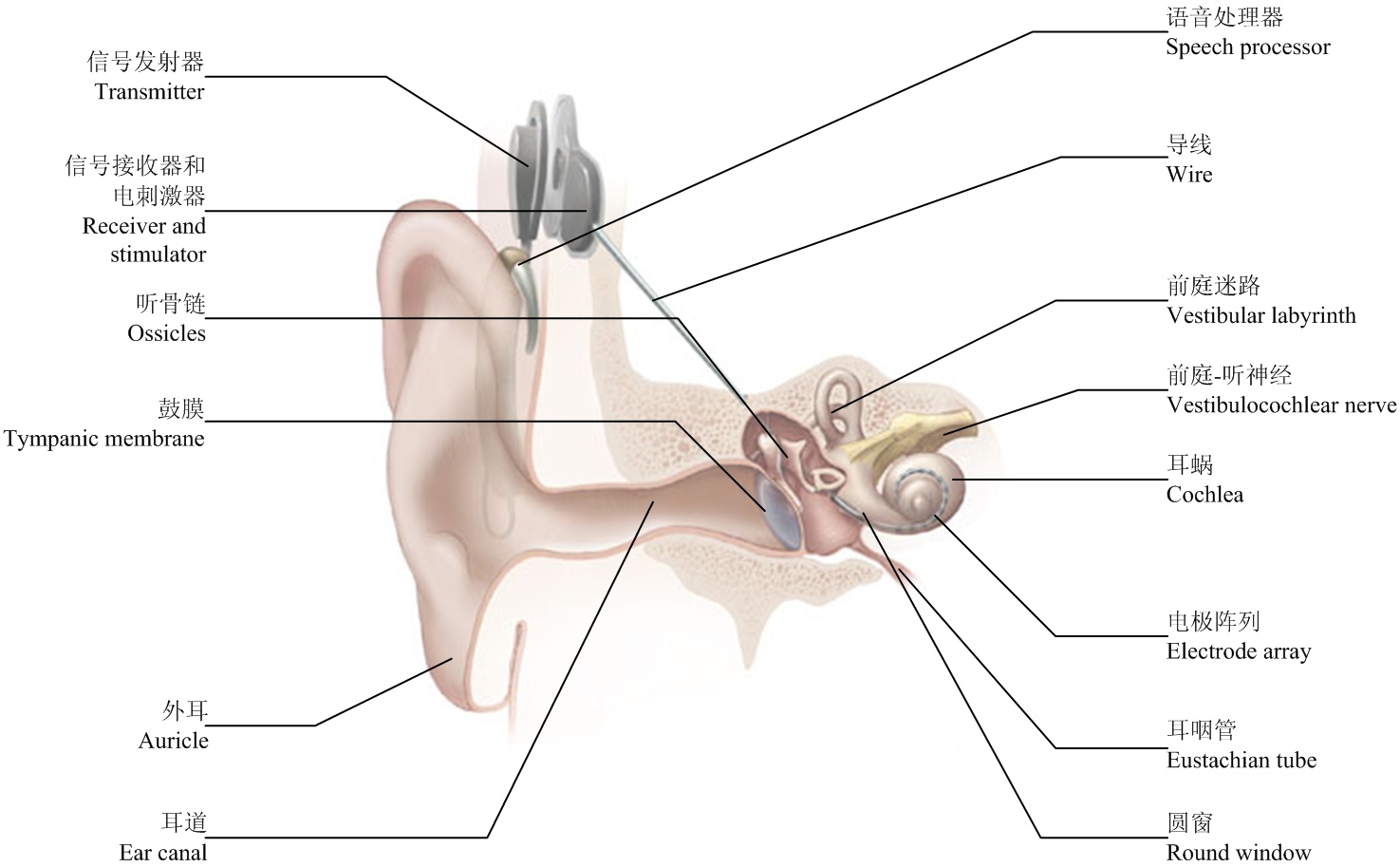
Cochlear implant could improve senior cognition, mood

Pitie-Salpetriere Hospital researchers examined 94 cochlear implant patients 3 times — before they received the device, 6 months after implantation, and 1 year after implantation.

A year after the implant, (65 – 85 year old) subjects heard words more clearly, and most had improved cognition and fewer depression symptoms.  Dr. Isabelle Mosnier and colleagues detailed the study in a recent JAMA paper.

Mayo Clinic‘s Colin Driscoll said that it is known that hearing aids improve the  mood of seniors who need them, implying that the cochlear implant itself may not be the cause.

Wearable Tech + Digital Health NYC 2015 – June 30 @ New York Academy of Sciences.  Early registration rate until March 27.

Categories
Seniors Sensors Wearables

Home + wearable sensors detect motor function issues

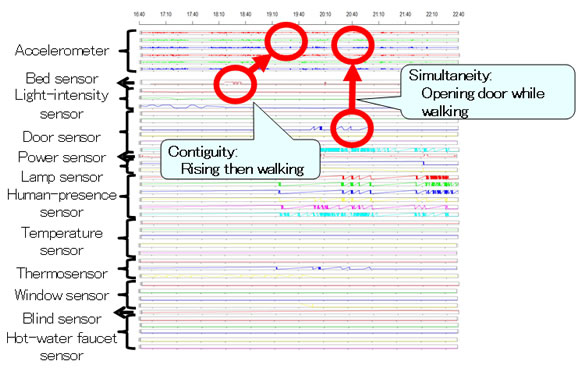
Fujitsu Laboratories,  CASALA, and Insight@UCD  have developed technology that detects abnormal motor function early using wearable and home embedded sensors.

110 ambient sensors were installed in a home which, combined with wearable sensors,  collected extensive daily routine data.   Researchers discovered abnormalities that often go unnoticed by doctors by extracting “opened door” or “walked” events that match an individual’s way of walking from sensing data.  They then observed whether the events happened simultaneously or sequentially, identifying behavior changes that might indicate a decline in health.

The sensor system can be used support seniors aging in place.  Fujitsu plans to test the technology outside of smart houses in an effort to develop medical applications.

Wearable Tech + Digital Health NYC 2015 – June 30 @ New York Academy of Sciences.  Early registration rate available until March 27.

Categories
Seniors Sensors Wearables

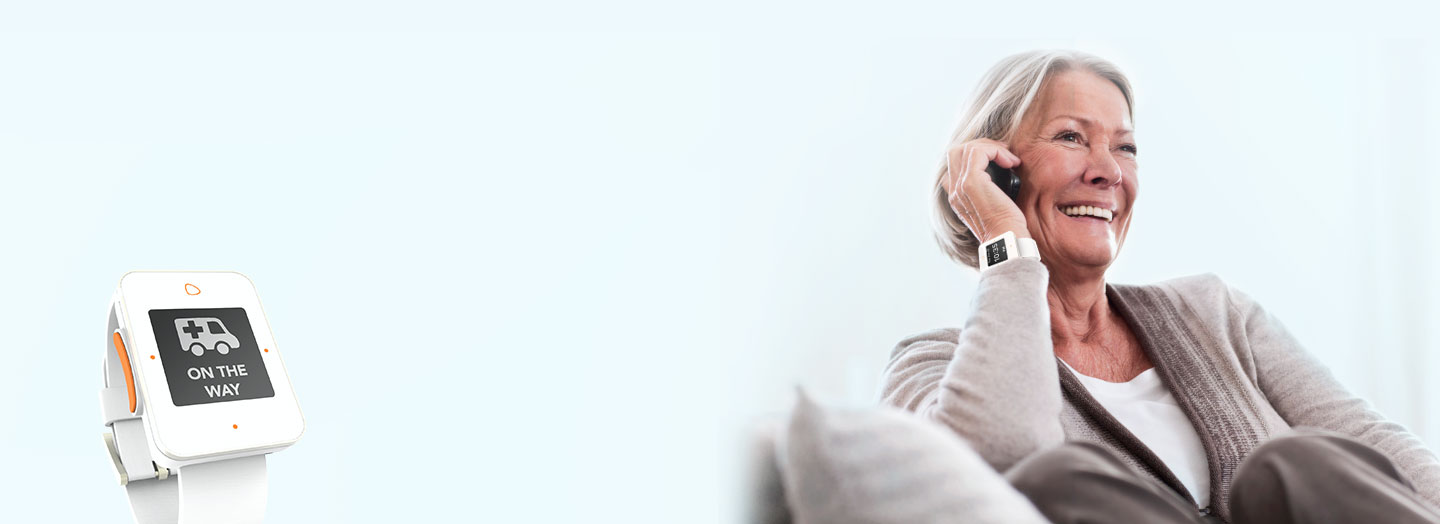
Another smartwatch for seniors

Device makers continue to address the phenomenon of seniors living longer, and independently aging in place.

Lively, who last year crowdfunded a  senior monitoring sensor system that  operates independently of a Wi-Fi network, has released a smartwatch.  It relies on the Lively Hub, with its own cellular network.

The watch gives medicine reminders, or alerts when medicine has been missed.  It has an emergency button contacts a dispatcher and alerts family members.  Fitness tracking features, such as steps taken, are included, and can be viewed by the wearer or family. The wearable is waterproof and can be worn in the shower.