Categories
Seniors Sensors

Kinect exercises to prevent senior falls

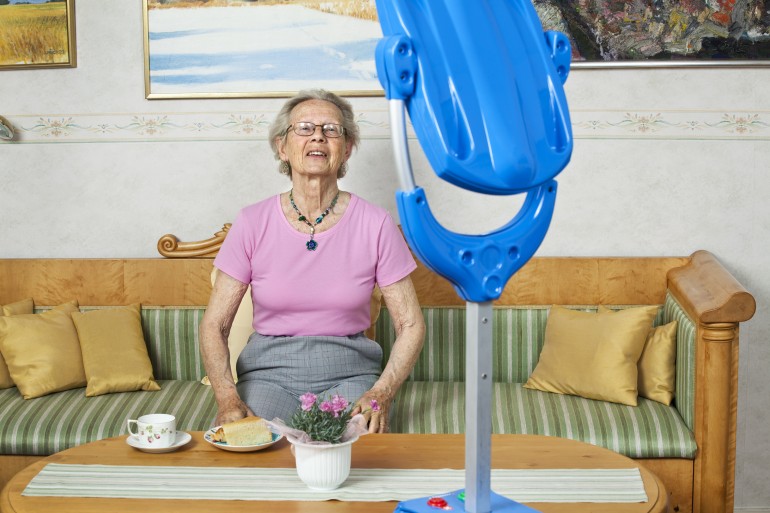
Emma Stanmore and colleagues at the University of Manchester have developed a series of Kinect based “Exergames” designed to reduce the likelihood of falls among seniors.

The exercises run on MIRA Rehab’s  software platform and use the Kinect sensor to monitor body movements. They are individually programmed based on ability,fatigue, pain, and fear of falling.   Duration and frequency of activity are logged, and clinicians are provided with progress reports.

University of Auckland researchers are also using Kinect to prevent senior falls.  Their Balloon Catching Game was developed to improve balance and coordination.
Categories
Seniors Wearables

Smartwatch keeps seniors independent

The Fraunhofer Institute will release a smartwatch designed specifically for seniors.  It is programmed according to one’s needs and accessible to caregivers via a web portal.  The device assists wearers with their daily routine, but does not monitor health issues.

The system reminds users to take medication with a vibration on one’s arm or a speech system. It assists them in navigating trips to and from the doctor, and can interact with the Fraunhofer system that controls heating, light or window blinds.

The wearable has a very large interface, with few basic symbols, for simple operation. It can directly contact caregivers and  offers Wi-Fi and phone connectivity to contact emergency services.

Categories
Brain Seniors

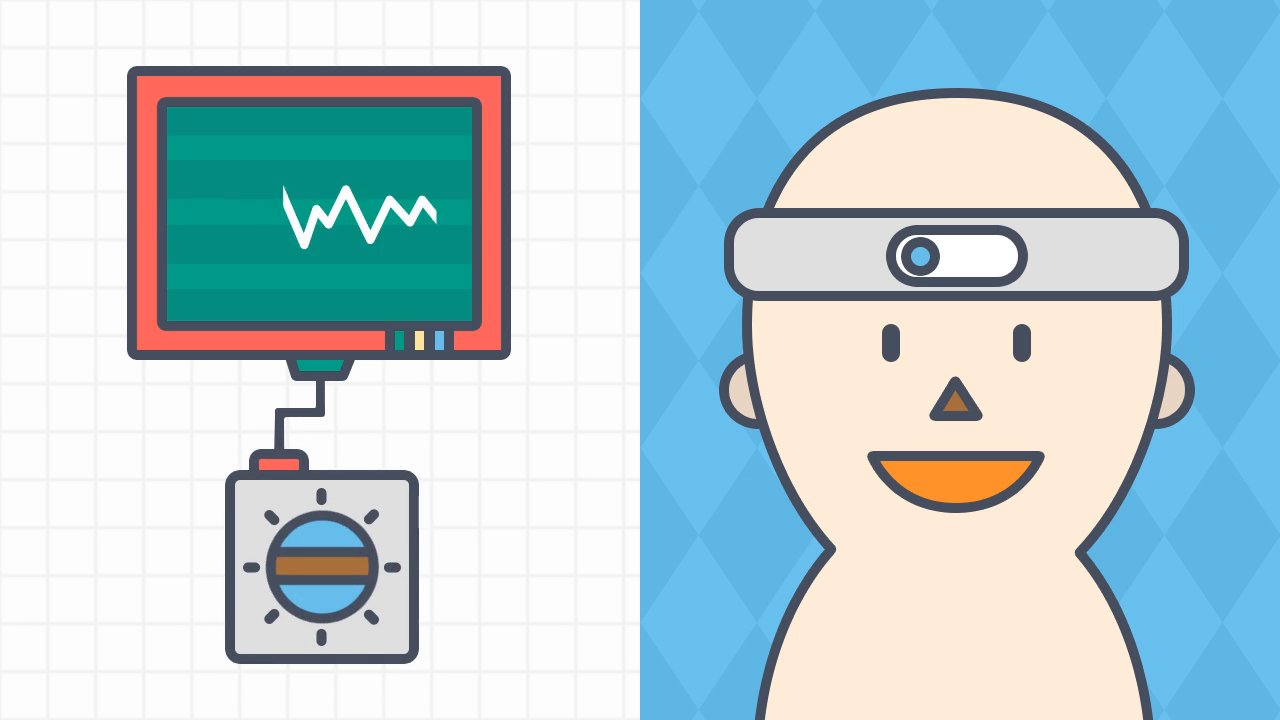
Electric stimulation headband tested for Alzheimer’s and MCI

Ybrain is a wearable device that targets brain regions with electrical signals.  Two sensors are embedded in the front of a headband, providing stimulation for 30 minutes per day, 5 days per week, at home.  It is intended for both Alzheimer’s and Mild Cognitive Impairment patients.  The company has built a prototype and will begin clinical trials in Korea in July, 2014.  The target launch date is early 2015.

Soterix Medical  and Halo Neuroscience are developing similar transcranial direct stimulation/neuromodulation devices.

Categories
Brain Seniors

Study: Antidepressant may slow Alzheimer’s progression

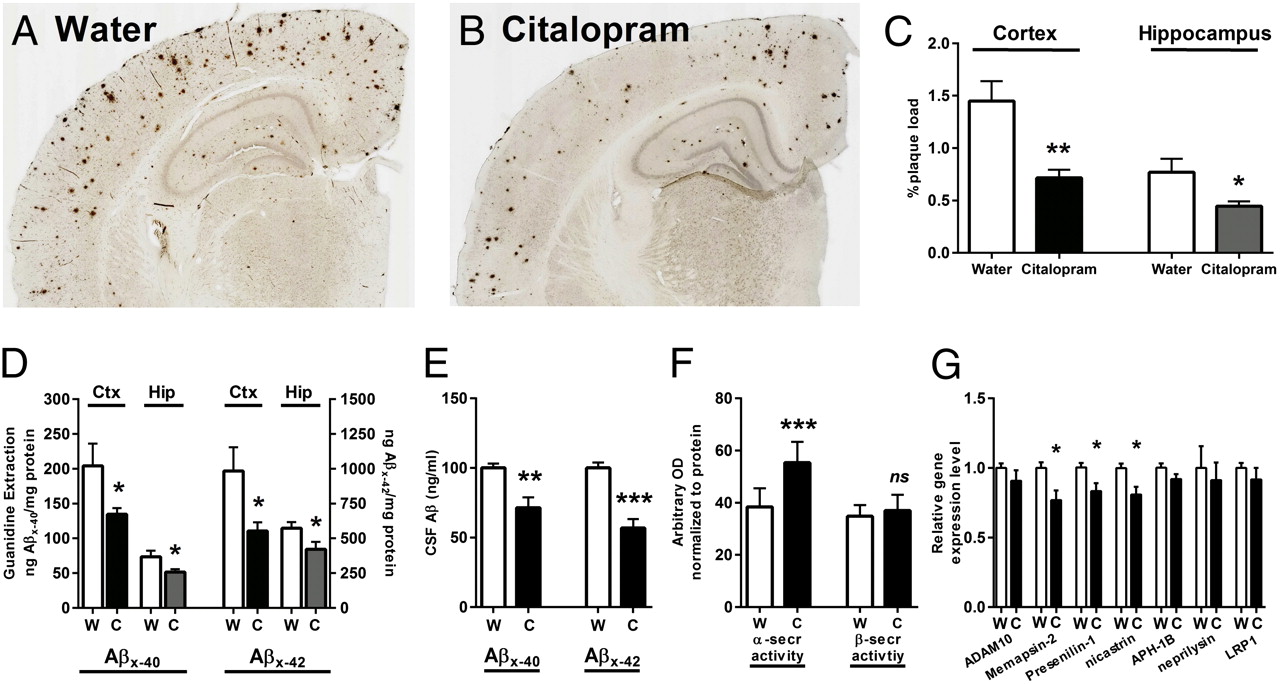
In a potential breakthrough, a study published yesterday in Science Translational Medicine shows the SSRI Celexa driving down beta amyloid production in both mice and humans.  The lead author is Professor Yvette Sheline from Washington University in St. Louis.

Citalopram was found to reduce the concentration of beta-amyloid in the cerebrospinal fluid in non-Alzheimer’s patients by 38%. Researchers see that as a clear sign that beta-amyloid protein in the brain also declines in those taking the antidepressant.

Studies tracking the progression of Alzheimer’s disease have suggested that years and even decades before symptoms appear, beta-amyloid proteins become more plentiful in the brain (and spill into cerebrospinal fluid where they are more easily measured). The proteins first aggregate in a soluble form, and over time turn into insoluble, hard plaques. Both can disrupt signals among brain cells, but as plaques proliferate, normal communication among neurons is completely broken, and dementia takes hold.

Categories
Robotics Seniors Sensors

Robot and sensor system for seniors

GiraffPlus is an integrated sensor and robot system aimed at keeping seniors healthy and independent in their own homes.  It is being developed by a consortium of European universities.

The robot uses a Skype-like interface to allow caregivers to virtually visit seniors.

Sensors on the ceiling, doors, and under the mattress help the system understand where the person is inside the house, whether he/she has fallen, and how much time is spent sleeping.  Glucometers, blood pressure cuffs, and other medical devices can interface with GiraffPlus for seamless data relay to a doctor. The physician can then communicate with the patient through the robot.

Caregivers of seniors already employ many of these tools.  This comprehensive system makes the process much more efficient, personalized, and perhaps effective.

Categories
Crowdfunding Seniors Sensors

Sensor shoe detects balance, attempts to improve gait

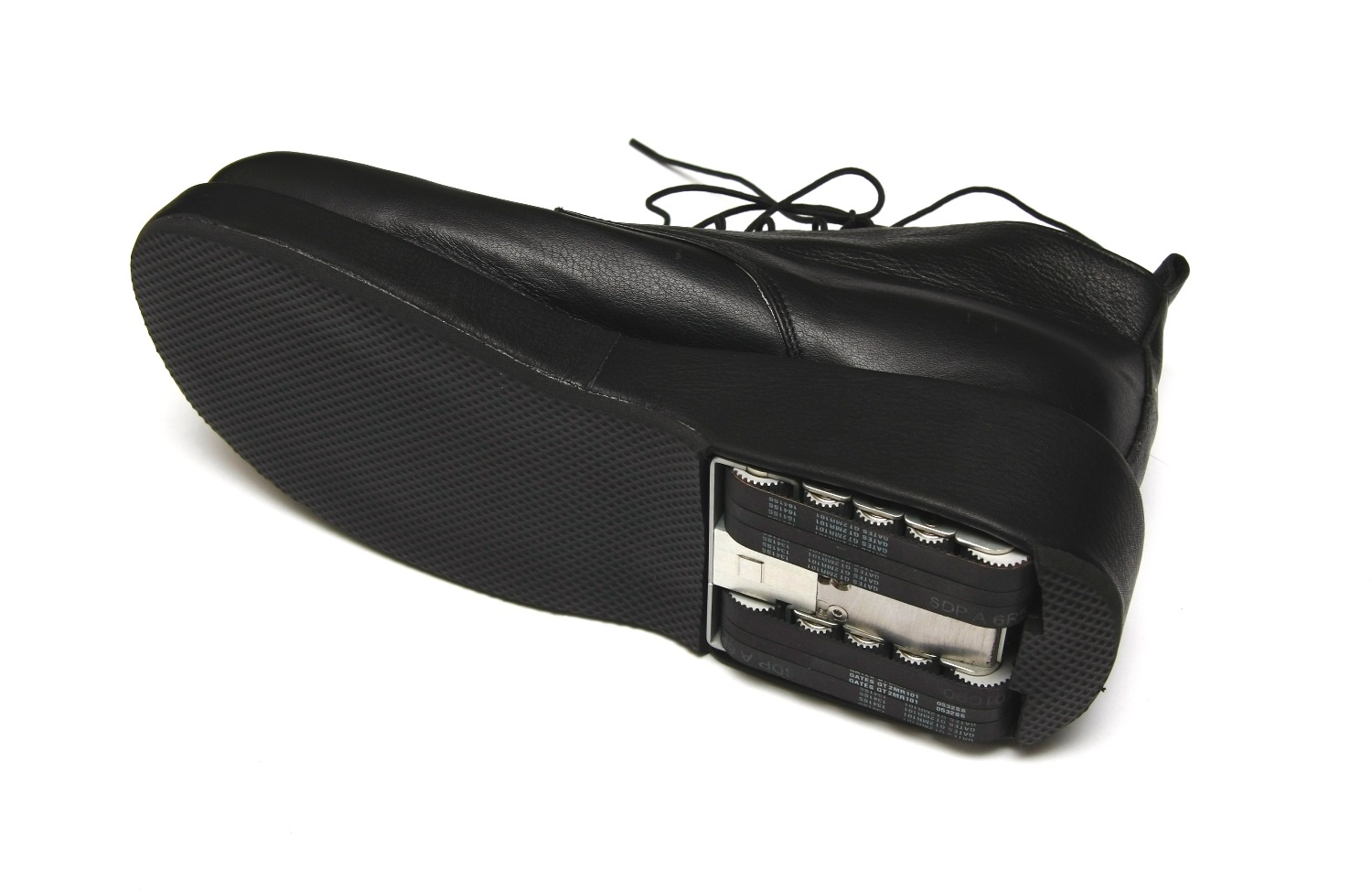
B-Shoe  utilizes sensors and an embedded motion device to detect when a wearer loses balance. Using algorithms and a microprocessor, the motion device gently rolls the shoe backward until the person regains balance. The sensors ensure that the corrective action is taken only when needed.  The projected was crowdfunded on Indiegogo.

It is based on the bio-mechanics of the human body, its center of gravity and base of support, a study of balance maintenance and disorders, and the backward step which healthy and younger people take to regain balance.  Older people often do not take this step because of slowed reflexes.

As seniors fall on average once per year, we anticipate the many sensor based wearable technologies to provide balance monitoring and alerts, and attempt to improve gait.

Categories
Brain Crowdfunding Seniors

Crowdfunded virtual reality game engages dementia patients

Pozible campaign

Alzheimer’s Australia Vic‘s Microsoft Kinect sensor app places dementia patients inside a “virtual forest” where breezes blow, snow falls and butterflies fly in a peaceful but interactive environment.  The organization previously developed a virtual dementia simulator for teaching carers about the reality of living with dementia.  They believes that using game technology and sensory therapy will “give back to people with dementia their ability to engage more fully with life.”  The developers claim that this will break new ground in the use of virtual sensory therapies to create feelings of safety, novelty and stimulation.

Categories
BCI Brain Monitoring Seniors Sensors Wearables

Facial expression controlled ear computer/health monitor

AFP | Japan Times

Kazuhiro Taniguchi of Hiroshima City University has developed a 17 gram “Earclip-type Wearable PC”  equipped with a GPS, compass, gyrosensor, battery, barometer, speaker and microphone.  A microchip and data storage enable users to load software.   The device is being tested now, with promising applications for the elderly and disabled.

The system can be connected to a smartphone and allow the user to navigate through software programs using facial expressions, such as a raised eyebrow, a stuck-out tongue, a wiggle of the nose or by clenching teeth.

The device uses infrared sensors that monitor tiny movements in the ear, which differ depending on how the eyes and mouth move. Because the user does not have to move either hand, its developers say it can serve as “a third hand” caregivers, rock-climbers, motorcyclists, astronauts, and people with disabilities.

The earpiece could also function as a hearing aid,  and could monitor the wearer’s health, including pulse and body temperature, while logging how often they eat and sneeze.  An accelerometer could tell when the user falls and instruct the smartphone to notify relatives, or call an ambulance based on GPS data.

Categories
Brain Seniors

Brain scan for Alzheimer’s diagnosis

http://www.imperial.nhs.uk/aboutus/news/news_042335

Tomorrow, London’s Imperial College will be the first to perform a brain scan which could lead to more accurate diagnosis of Alzheimer’s disease and other dementias.

The test involves giving the patient a small amount of a radiopharmaceutical which binds to amyloid plaques, showing them in a brain scan. Amyloid plaques in the brain are one of the hallmarks of Alzheimer’s disease, so a negative scan effectively excludes a diagnosis of the condition.

This is the first time that clinicians have been able to see these plaques while a patient is alive, marking a significant breakthrough in the diagnosis of dementia. The presence of plaques in the new scan will also help to ensure that patients with memory problems who take part in clinical trials for amyloid-targeting drugs are appropriately selected.

Until now, Alzheimer’s disease could only be diagnosed definitively via brain autopsy.

Categories
Seniors

Calico gathers top researchers to address aging and associated diseases

http://bits.blogs.nytimes.com/2013/09/18/google-and-former-genentech-chief-announce-new-biotech-company/

https://plus.google.com/+LarryPage/posts/Lh8SKC6sED1

Calico, announced in September by Larry Page, is on a mission to extend the human life span and will “help prevent many diseases and have a greater impact on public health than drugs that target individual diseases.”   Its CEO, Arthur Levinson, has made several high profile hires, expected to begin work in San Francisco soon.

Hal Barron will leave his post as the chief medical officer at Roche to oversee research and development. Dr. Robert Cohen, senior oncologist at Genentech has joined, along with Dr. Cynthia Kenyon, 55, a molecular biologist who discovered a genetic mutation that can double the lifespan of a tiny round worm, and David Botstein, 71, director of the Lewis-Sigler Institute for Integrative Genomics at Princeton University.

ApplySci awaits, and will report on, Calico’s progress.  Stay posted.

Categories
Monitoring Seniors Sensors

NEC’s PaPeRo Petit robot uses third party apps to monitor seniors at home

http://jpn.nec.com/press/201311/20131111_01.html

NEC has introduced the PaPeRo Petit robot, which is about half the size of earlier PaPeRo senior companions, and a cloud computing system for services using the new robot.  PaPeRo Petit combines multiple sensors (cameras, ultrasonic range finders, temperature sensor, and microphones) to detect people and look in their direction even in complete darkness.  It can also link to online databases to better communicate with loved ones.  The robot can recognize faces and has between 80 to 90 percent success rate at speech recognition.

Categories
mHealth Monitoring Seniors Sensors

Ambient Assisted Living system monitors senior health at home

http://www.theengineer.co.uk/medical-and-healthcare/news/wireless-system-provides-ambient-health-monitoring-of-elderly/1017120.article

One outcome of the EU’s support of Ambiant Assistant Living is the following multi-bio-marker home monitoring device which continuously monitors glucose, cholesterol and blood oxygen levels.  It is expected that several similar monitors will be introduced in the near future, enabling seniors to better manage various diseases at home.

Fraunhofer FIT has developed an AAL system using miniature sensors integrated into one platform.  A nano potentiostat measures biochemical information in a patient’s assay, including glucose, lactate and cholesterol levels. A fluorescence sensor is used to detect color-marked biomarkers. An SpO2 sensor monitors heart rate and arterial oxygen saturation. A smartphone app processes the data from the three sensors and transfers them to a server. For secure data communication, a Bluetooth connection with a specifically developed protocol is used.