Categories
fitness Heart Sleep Wearables

UP3 – fitness tracker or medical monitor?

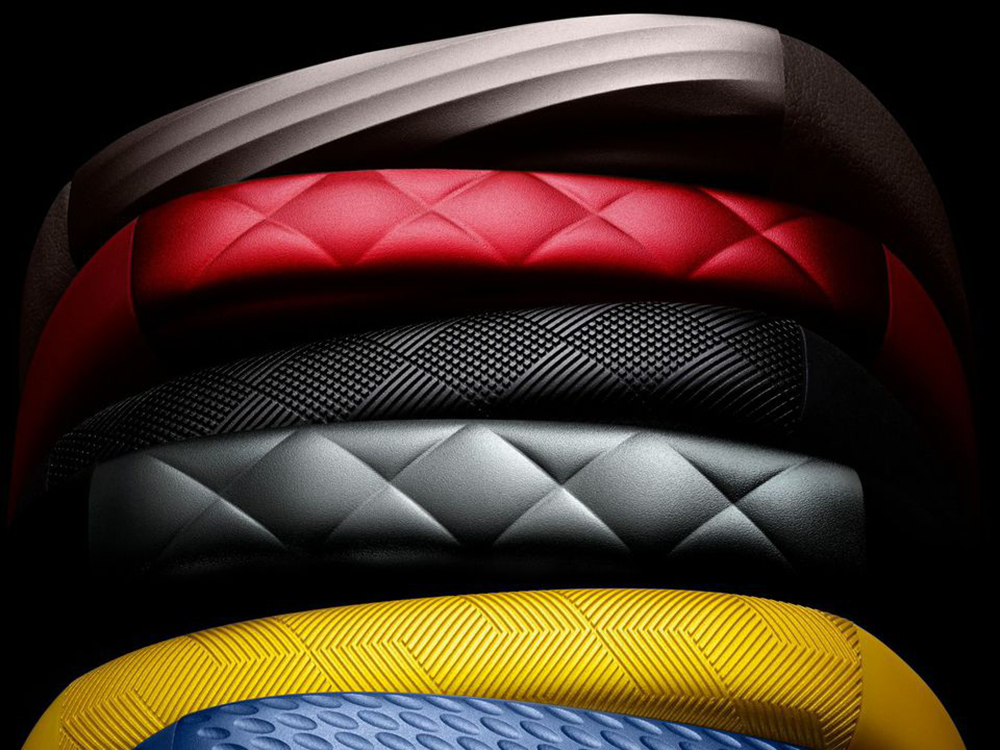
 As fitness tracker features become increasingly similar to those of medical devices, Jawbone will release a powerful, fashionable, sensor based wristband.  The UP3 will  be stylish, with its Chanel-like quilt pattern and slim form.  It will also include multiple temperature and motion sensors,  and four electrodes that send electrical signals into wrist tissue. Using bioimpedance analysis, the device measures the resistance of body tissue to electric current, enabling  several physiological signals, including heart rate, to be captured.

The band will measure steps taken, calories burned, and resting heart rate, as others do.  Sleep will be monitored with a level of precision that differentiates between deep and REM sleep.  Future features might include hydration, respiration, stress and fatigue sensing.

Accompanying software will pool data into a program called Smart Coach,  which will, for the first time, offer workout and diet tips based on one’s daily activity and sleep analysis.
Categories
Cancer Heart Sensors Wearables

Nanoparticle sensor to detect illness early

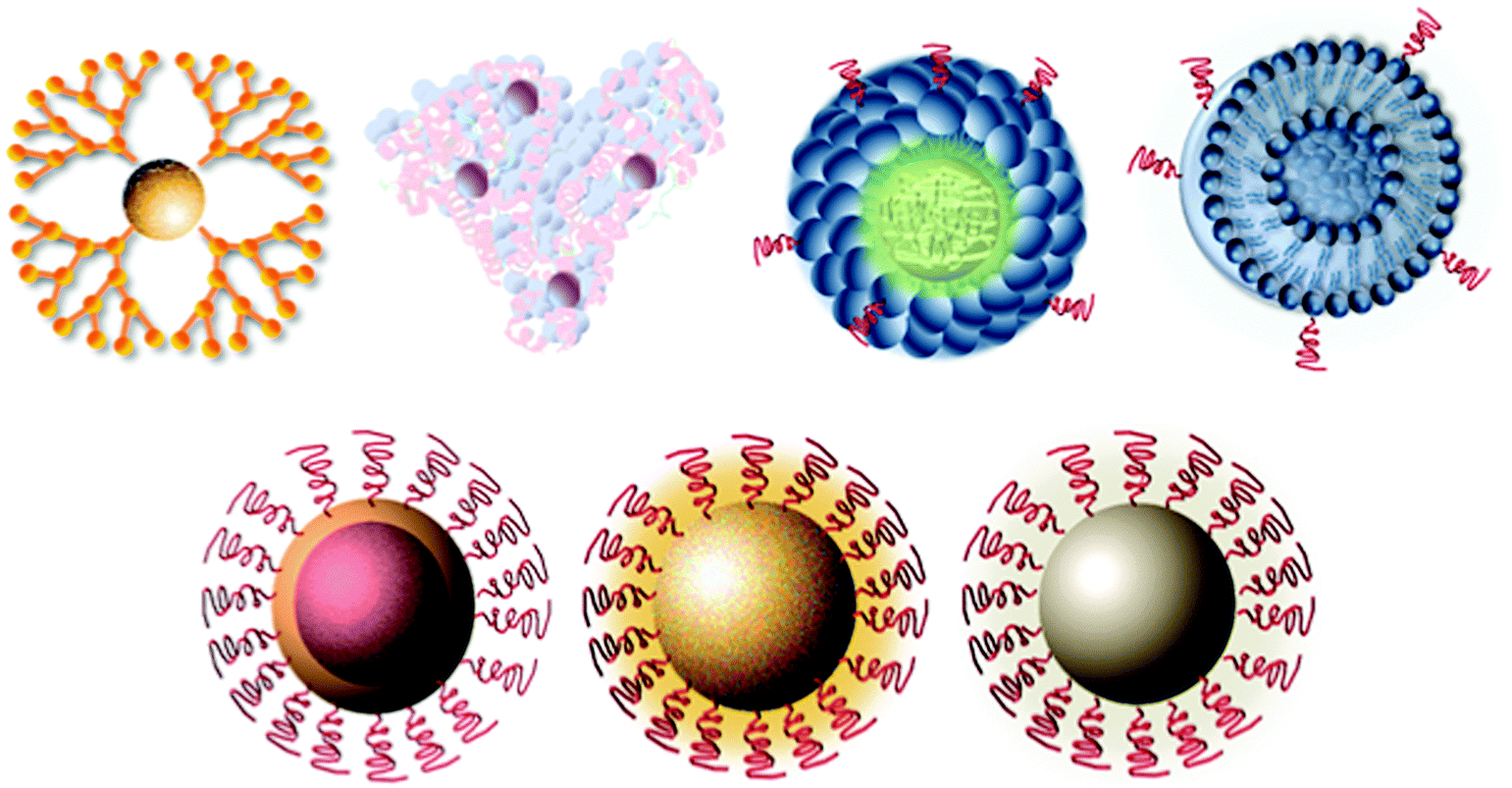
Andrew Conrad, head of Google Lifesciences, has confirmed that the company is working on nanoparticle technology that would be swallowed, and used in combination with an external device to continuously monitor the blood to detect cancer, heart disease, and other health issues.  It is known as the “Nanoparticle Platform.”

While the technology is in an early development stage, Conrad said that Google  “has been able to “functionalize” the nano particles, using them to find a few cancer cells among a million normal ones.”  He continued:  “We’ve probably done hundreds of thousands of experiments exploring the parameters of nanoparticle binding, While there is still much work to be done, he said, “we would definitely hope that it’s years, not decades, until this is deployed.”

Categories
Heart Sensors

Implanted sensor continously monitors CHF

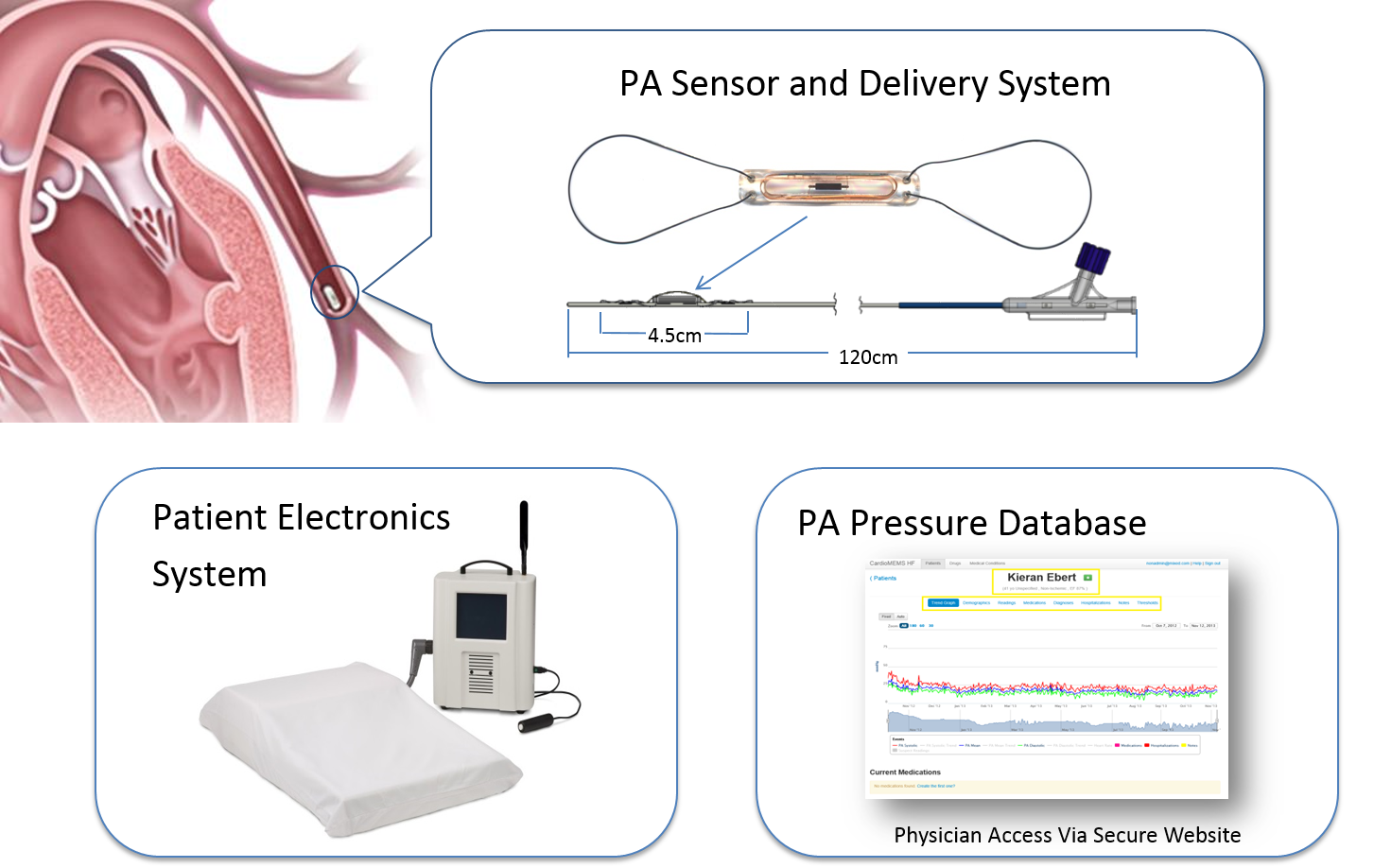
CardioMEMS is a sensor placed in the pulmonary artery of heart failure patients.   It monitors pressure in the lungs and detects deterioration in the heart,  long before changes in blood pressure and weight.  Medication can be changed immediately to correct the problem and prevent hospital readmission.  Data is sent to the physician daily.

Categories
BCI Brain Heart Wearables

Brain-Computer Interface generated music

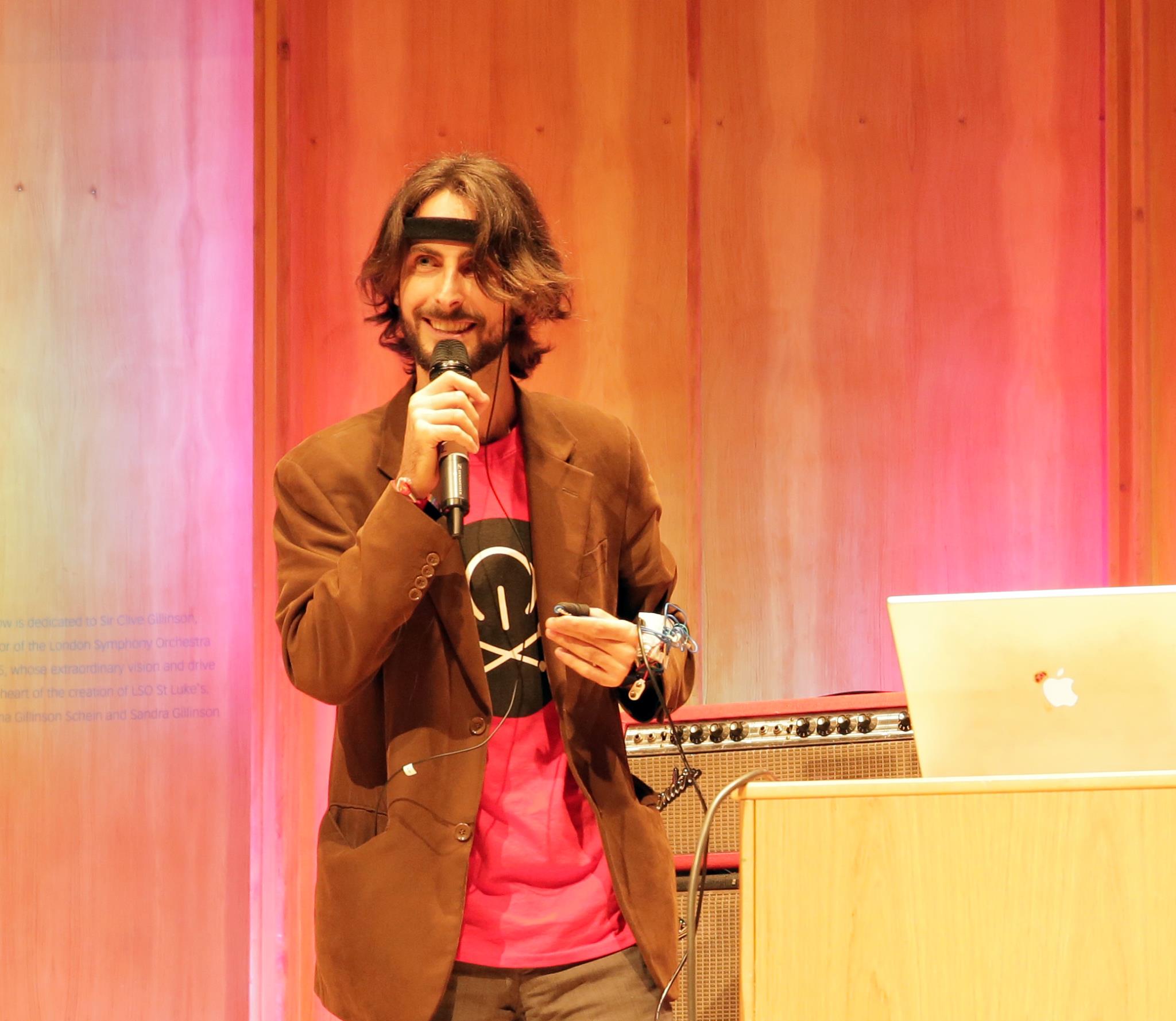
At Music Tech Fest in London, multidisciplinary artist Ma Tan won the wearables prize by generating music from his thoughts and heart.  He used a 2 electrode EEG headband developed by Tel Aviv and Brown University professor Nathan Intrator to sense his emotions, and a heart monitor to sense his cardiac activity.

Categories
Heart Wearables

Google Glass monitors heart and breathing in real time

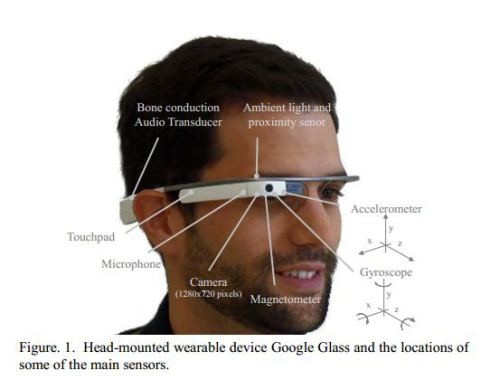
paper released this week by MIT Media Lab and Georgia Tech researchers claims that Google Glass can detect pulse and respiration rhythms in real time.  The responses were measured using a built-in gyroscope, accelerometer and camera, with no external sensors.

According to lead author Javier Hernandez, “Glass detects these physiological indicators with a very high accuracy when compared to FDA-approved sensors — both pulse and respiration had only about one beat or breath per minute of error.  The data is so much richer, because people use it in their regular lives. “

Categories
Heart Machine Learning Sensors

Face video scan detects heart disease

According to University of Rochester professor Jean-Philippe Couderc, cardiac disease can be identified and diagnosed using contactless video monitoring of the face.

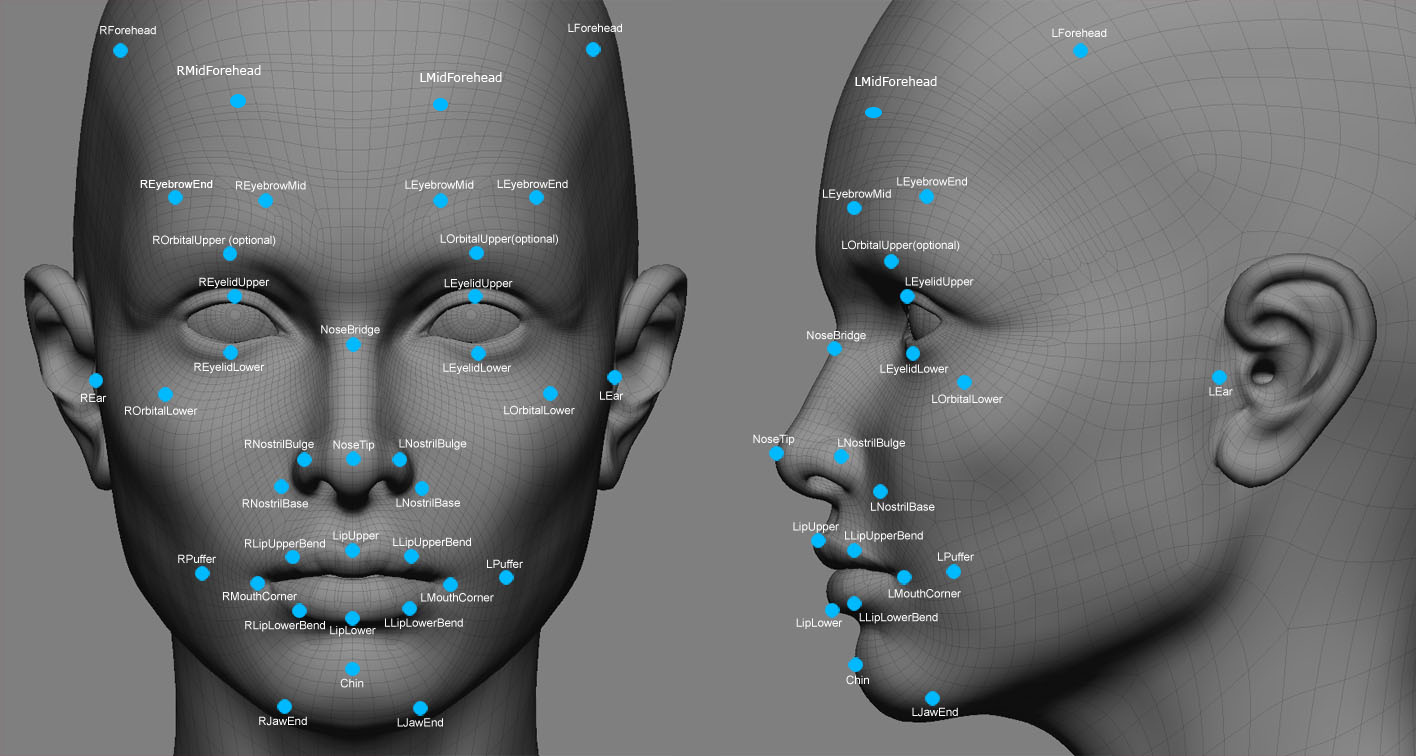
A recent study describes technology and an algorithm that scan the face and detect skin color changes imperceptible to the naked eye.

Sensors in digital cameras record the colors red, green, and blue. Hemoglobin  “absorbs” more of the green spectrum of light, which can be detected by the camera’s sensor. The face is the ideal place to detect this phenomenon, because the skin is thinner and blood vessels are closer to the surface. Participants were connected to an electrocardiogram to compare results from the facial scan to the heart’s electrical activity. Color changes detected by video monitoring corresponded with an individual’s heart rate as detected on an ECG.  Irregular electrical activity of the heart found in people with atrial fibrillation could be identified by observing the pulses of blood flowing through the veins on the face as it absorbed or reflected green light with each heartbeat.

The video monitoring technique – “videoplethymography” – had an error rate of 20 percent, comparable to the 17 to 29 percent error rate associated with automated ECG measurements.

Categories
Heart Sensors Wearables

50 Cent/Intel headphones combine music and health

Following Dr. Dre‘s enormously successful Beats by Dre,  celebrities are entering the wearable/headphone market,  combining audio with health/fitness monitoring features.

Intel and rapper 50 Cent, through his SMS Audio venture,  have announced a partnered to develop BioSport headphones.   Their key feature is a series of biometric sensors integrated into a custom heart rate monitor.  An optical sensor measures a user’s heart rate during exercise, relaxation and in between.  Intel claims that the sensors can remove noise signals caused by body motion and ambient light.  They will feature support for the RunKeeper app, and other app support is planned.  Basketball player Carmelo Anthony will be the product’s spokesperson.

Categories
Heart Wearables

Google Glass software provides visual feedback in surgery

A challenge in surgical training is facilitating an attending surgeon’s visual feedback to residents conducting operations. 

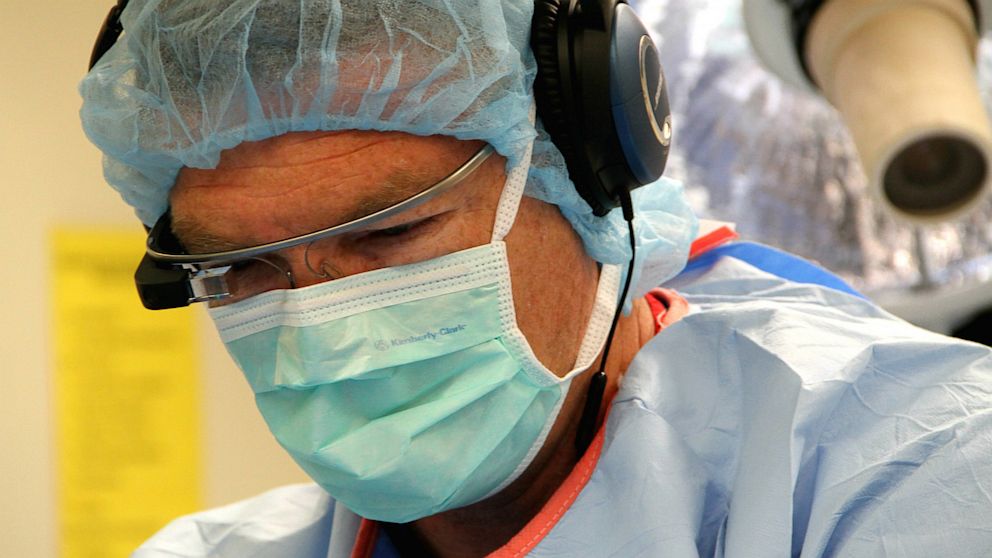
CrowdOptic‘s software lets one Google Glass wearer receive another’s point of view by looking in the other user’s direction.   It is being used in the Department of Cardiothoracic Surgery at Stanford University Medical Center to improve resident training in complex surgical procedures.

Until now, the restricted view in the operating room has made it difficult for an attending surgeon to appreciate the perspective of the exact field of view of a trainee, complicating feedback process.

Categories
Heart Respiratory Sensors

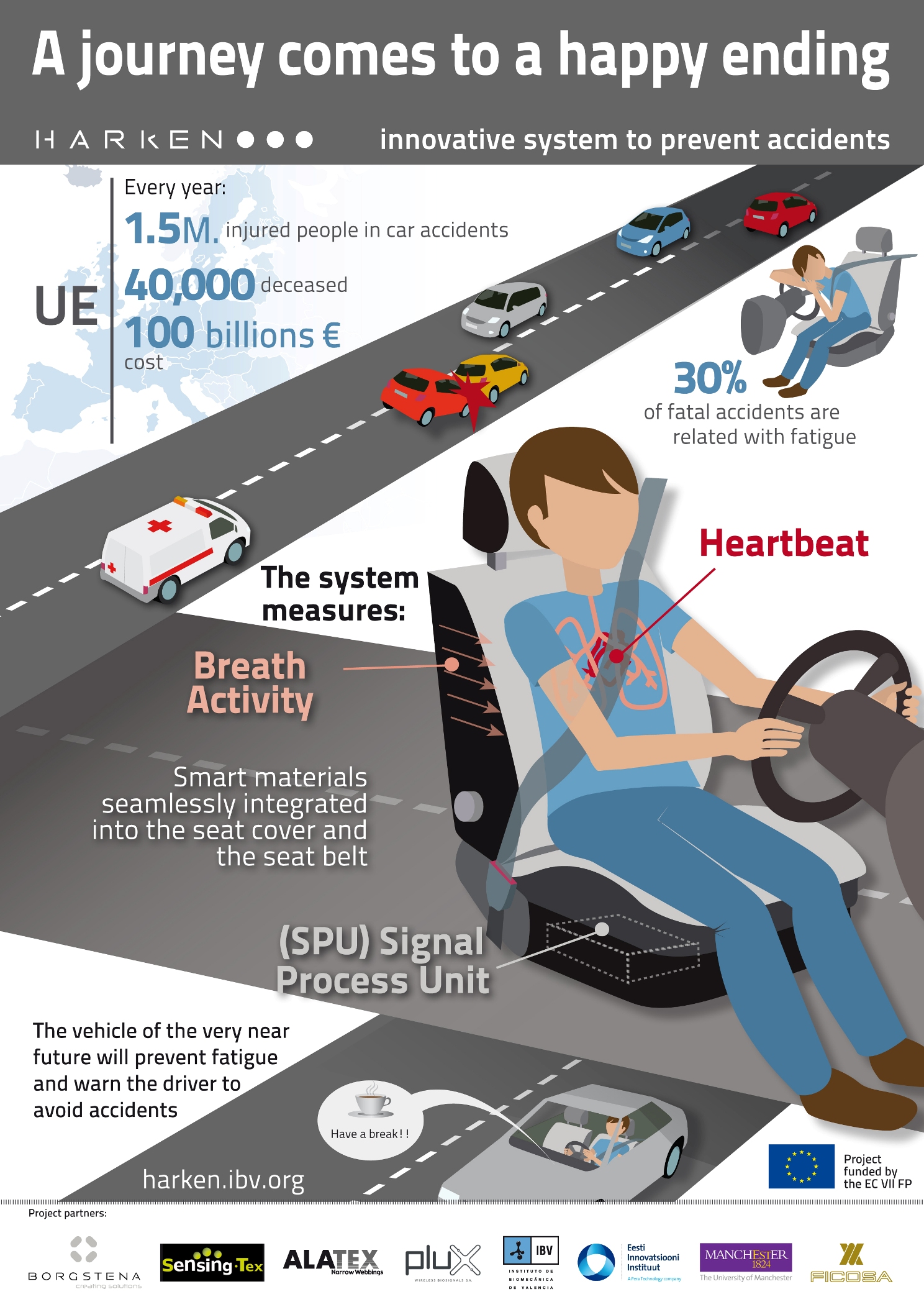
Sensor seatbelt detects fatigue

HARKEN is a sensor embedded  driver’s seatbelt and seat cover that monitors cardiac and respiratory rhythms.  Its hidden signal processing unit analyzes the data in real time.  The prototype is being developed at Spain’s  Biomechanics Institute in Valencia. When the sensor data indicates the person is falling asleep, an alarm will wake the driver.

 Closed track testing has been completed.  The research team is making plans to test the system in real world traffic conditions.

Categories
Heart

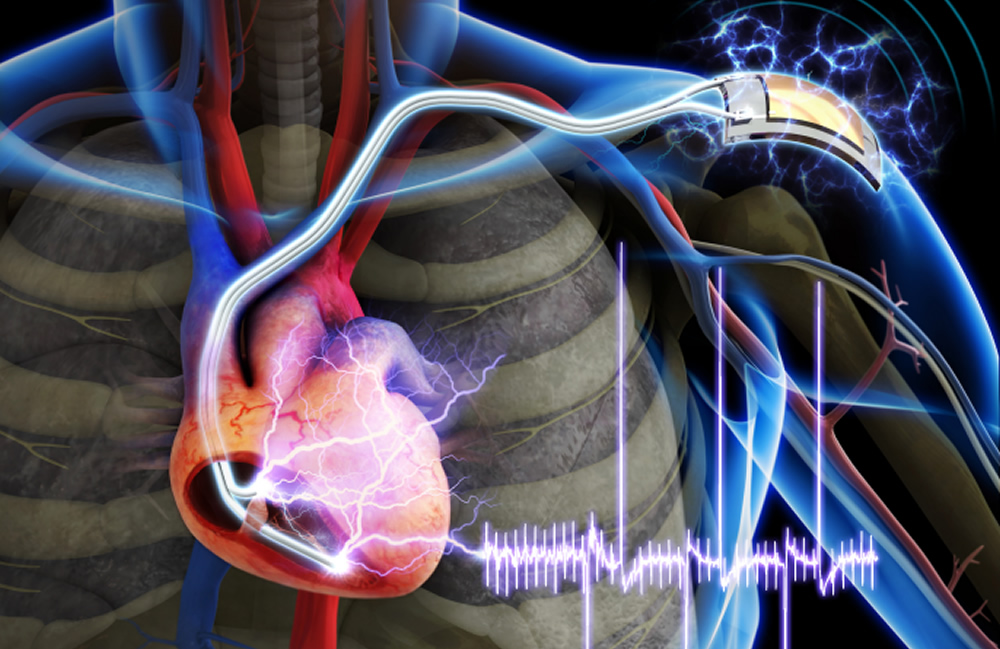
Self powered piezoelectric pacemaker

KAIST professor Keon Jae Lee and Yonsei University professor Boyoung Joung have developed a self-powered artificial cardiac pacemaker operated semi-permanently by a flexible piezoelectric nanogenerator.

The flexible piezoelectric nanogenerator directly stimulated a living rat’s heart using electrical energy converted from body movements. This could facilitate the use of self-powered flexible energy harvesters,  prolonging the life of cardiac pacemakers and enabling real-time heart monitoring.

Categories
fitness Heart Sleep Wearables

Biometric shirt monitors astronaut vital signs

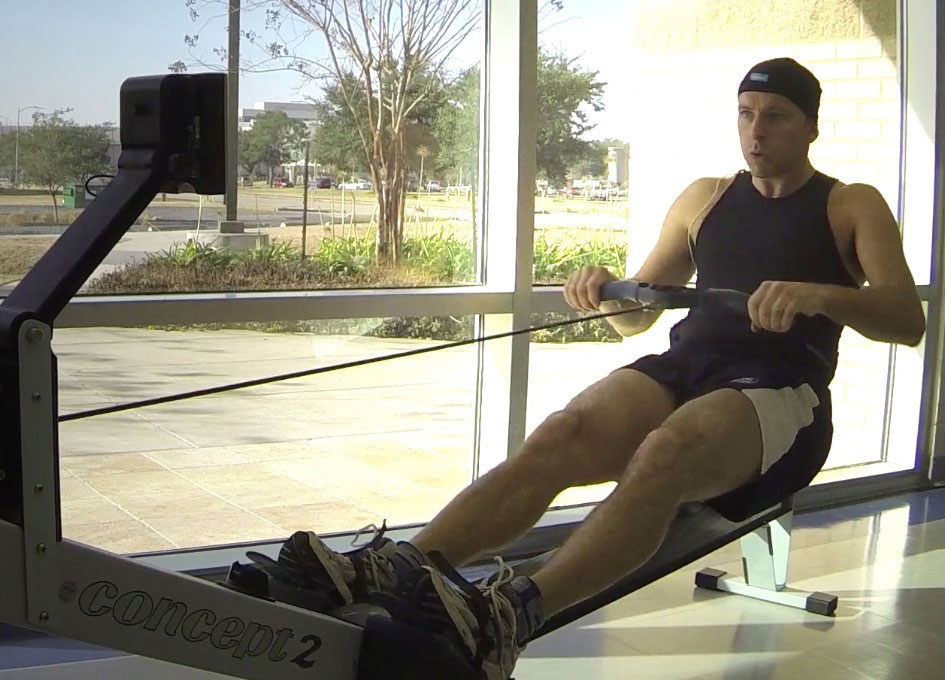
Astroskin is a  prototype medical monitoring shirt and headband for astronauts that could be used to continuously monitor patients. Its sensors record and analyze the wearer’s vital signs, sleep quality and activity level. Data is relayed to medical teams on the ground to monitor a crew member’s health, behavior and performance during daily operations and exercise, or to monitor sick or injured astronauts.  It is a refined version of Hexoskin, the commercially available biometric shirt for sports performance, sleep, and health tracking.  

Both shirts contain embedded sensors to measure vital signs and activity. An electrocardiograph measures heart rate and heart rate variability, and plethysmography sensors assess breathing rate and respiration volume by torso shape changes. Calories burned are calculated based on that heart rate and respiration data. An accelerometer tracks steps and the number of steps per minute. A user’s “sleep-efficiency score” is determined by movement, heart rate, and respiration through the night.  A small device in a pocket does preliminary data processing and sends the information to a user’s smartphone and to  Carré Technologies servers for analysis.

Astroskin was recently tested on a one month trek in Antarctica led by Alexandre Byette.

Categories
Heart Monitoring Sensors

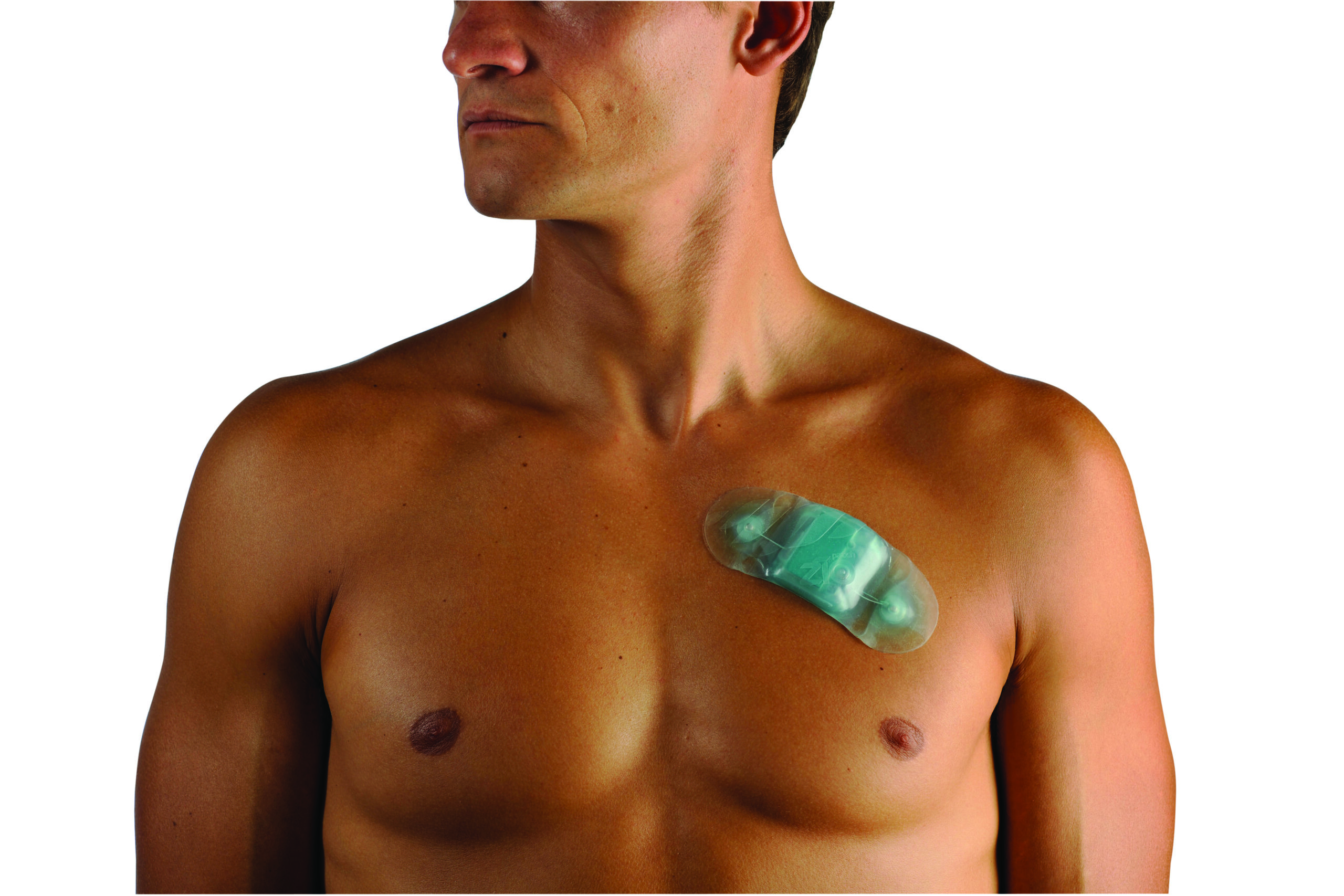
Arrhythmia monitoring patch

The iRythm Zio patch is a wearable sensor used to monitor arrhythmias in cardiac patients for up to two weeks. While it is a continuous monitor, the device also has a large button on top for patients to capture symptomatic events. This is an alternative to the 24 hour Holter monitor. The FDA approved device does not wirelessly transmit data to a mobile device. Readings are stored in the patch itself, which is then mailedto iRhythm at the end of the monitoring period.  iRythm analyzes the data and produces a report for the physician.