Categories
Hormones Sensors

Real-time estrogen sensor

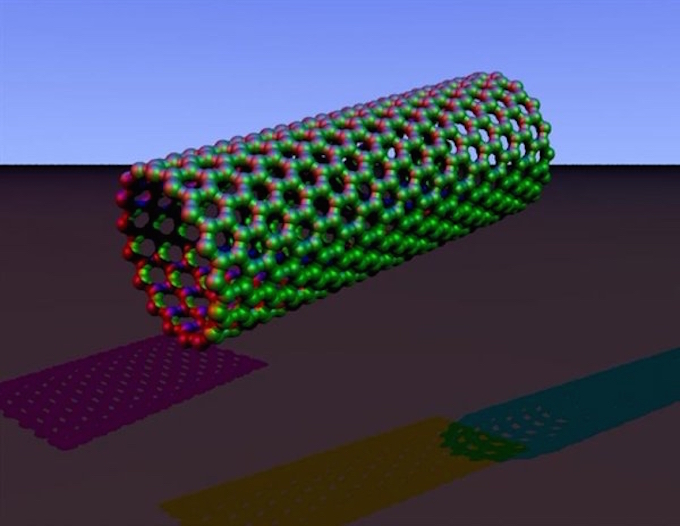
Natalie Plank and Victoria University colleagues have developed an estrogen sensor that sends an electrical signal when it detects the hormone in liquids.   The device attracts DNA pieces called aptamers, which attach to estrogen molecules, to carbon nanotubes. The nanotubes act like transistors, emitting an electric signal if estrogen molecules are present.

The technology could be used with body fluids to track fertility, or test for hormone contamination in waterways.

ApplySci believes that hormone sensing will be a focus of the next generation of wearables, and will improve health monitoring.

WEARABLE TECH + DIGITAL HEALTH SAN FRANCISCO – APRIL 5, 2016 @ THE MISSION BAY CONFERENCE CENTER

NEUROTECH SAN FRANCISCO – APRIL 6, 2016 @ THE MISSION BAY CONFERENCE CENTER

WEARABLE TECH + DIGITAL HEALTH NYC – JUNE 7, 2016 @ THE NEW YORK ACADEMY OF SCIENCES

NEUROTECH NYC – JUNE 8, 2016 @ THE NEW YORK ACADEMY OF SCIENCES
Categories
Heart Respiratory Sensors

Ingestible sensor continuously monitors heart, breathing rates

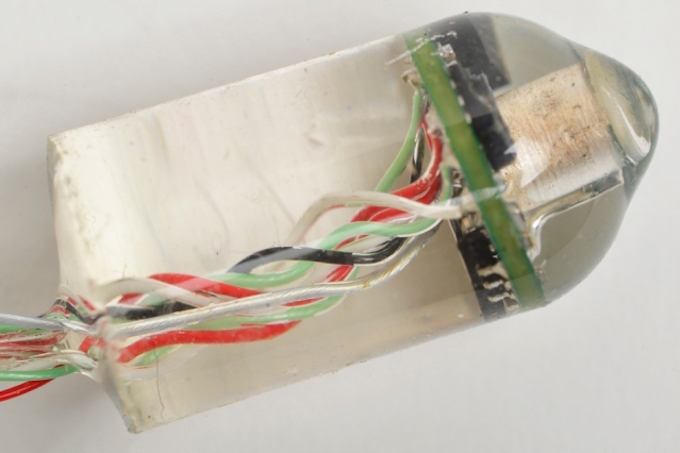
MIT researchers are developing ingestible sensors that measure heart  and breathing rates from within the gastrointestinal tract using sound waves.

This type of sensor could make it easier to assess trauma patients, monitor soldiers in battle, perform long-term evaluation of patients with chronic illnesses, or improve training for professional and amateur athletes, the researchers say.

The team, led by Giovanni Traverso and Gregory Ciccarelli, created signal processing systems that distinguish the sounds produced by the heart and lungs from each other, as well as from background noise produced by the digestive tract and other parts of the body.

The sensor consists of a microphone in a silicone capsule, plus electronics that process the sound, and wirelessly send radio signals to an external receiver within 3 meters.

In a related development, Jawbone’s CEO recently described swallowable sensors in development. (See ApplySci, October 10, 2015.)

Click to view MIT video.

WEARABLE TECH + DIGITAL HEALTH SAN FRANCISCO – APRIL 5, 2016 @ THE MISSION BAY CONFERENCE CENTER

NEUROTECH SAN FRANCISCO – APRIL 6 @ THE MISSION BAY CONFERENCE CENTER

Categories
Prosthetics Sensors

Self-healing sensor improves “electronic skin”

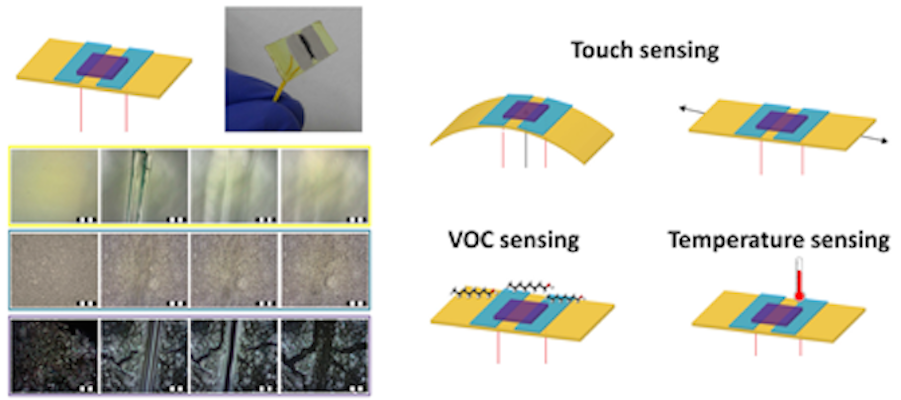
Hossam Haick and Technion colleagues are developing materials to be integrated into flexible electronics that mimic the healing properties of human skin.  The goal is to quickly repair incidental scratches or damaging cuts that might compromise device functionality. The synthetic polymer can “heal” electronic skin in one day, which can improve the materials used to achieve  a sense of touch in prosthetics.

The new sensor is comprised of a self-healing substrate, high conductivity electrodes, and molecularly modified gold nanoparticles.  The researchers noted that “the healing efficiency of this chemiresistor is so high that the sensor survived several cuttings at random positions.”

WEARABLE TECH + DIGITAL HEALTH SAN FRANCISCO – APRIL 5, 2016 @ THE MISSION BAY CONFERENCE CENTER

NEUROTECH SAN FRANCISCO – APRIL 6, 2016 @ THE MISSION BAY CONFERENCE CENTER

Categories
Computer Vision Orthopedics Seniors Sensors

Smart walker monitors gait, assesses falling probability

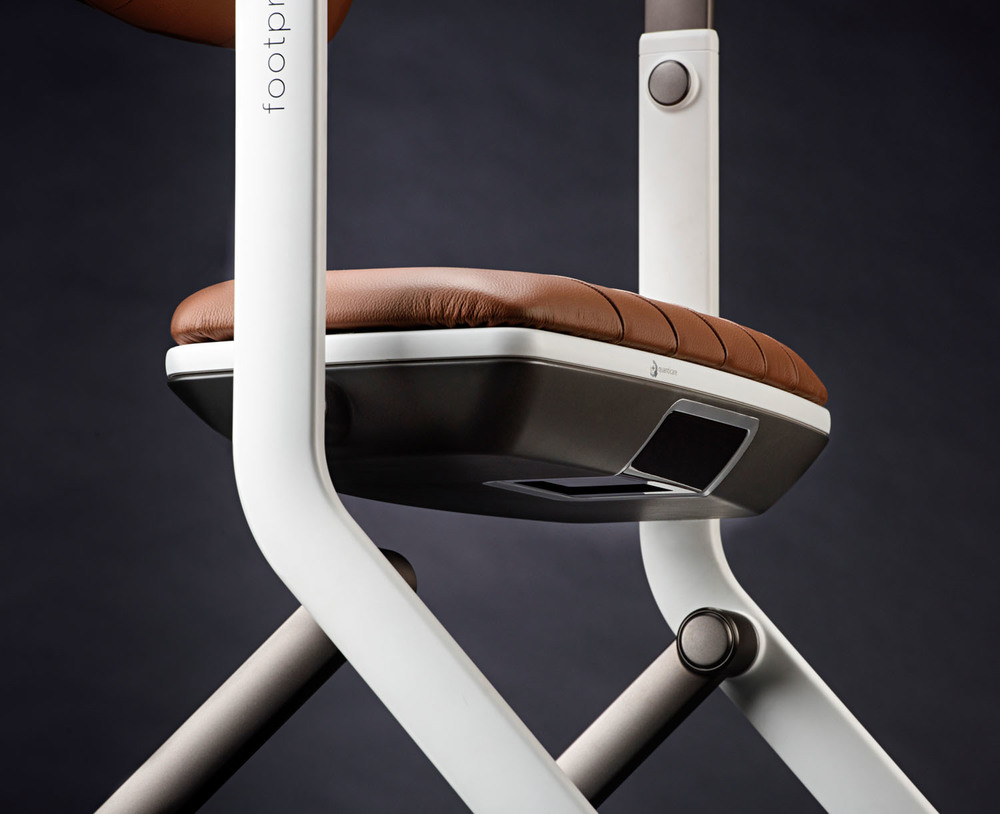
Footprints by Quanticare is a walker that  continuously collects passive and contextual gait data, with the goal of predicting and preventing senior falls.  Its computer vision algorithm captures spatio-temporal gait metrics of the user and sends the data to a health care provider.

The company claims that  the walker could measure an osteoarthritic limp to improve PT protocols, and that it can gauge  MS progression by measuring the difference between  steps.

WEARABLE TECH + DIGITAL HEALTH SAN FRANCISCO – APRIL 5, 2016 @ THE MISSION BAY CONFERENCE CENTER

NEUROTECH SAN FRANCISCO – APRIL 6, 2016 @ THE MISSION BAY CONFERENCE CENTER

*PREFERRED REGISTRATION RATE ENDS TODAY – 10/23/15

Categories
Brain Prosthetics Sensors

Sensors allow more natural sense of touch in prosthetics

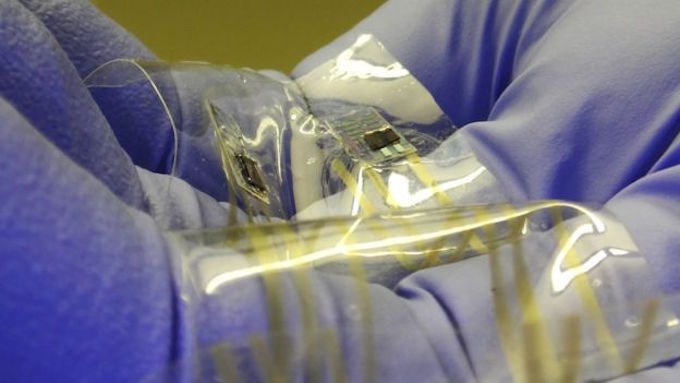
Stanford’s Zhenan Bao is developing technology that could restore a more natural sense of touch in prosthetics.  Her flexible, thin plastic sensors send signals to the brain that more closely resemble nerve messages of human skin touch sensors.

The disruptive technology has not yet been tested on humans, and researchers still need to find a safe way to pass electrical signals from prostheses to the brain for long periods.

Many teams are working toward this (see ApplySci coverage from 2013-2015).   Previous tactile sensors have however been analogue devices, where more pressure produces a stronger electrical signal, rather than a more frequent stream of pulses. The electrical signals must then be sent to another processing chip that converts the strength of the signals to a digital stream of pulses that is only then sent on to peripheral nerves or brain tissue.  Bao’s sensors send digital signals directly.

Click to view Stanford University video.

WEARABLE TECH + DIGITAL HEALTH SAN FRANCISCO – APRIL 5, 2016 @ THE MISSION BAY CONFERENCE CENTER

NEUROTECH SAN FRANCISCO – APRIL 6, 2016 @ THE MISSION BAY CONFERENCE CENTER

Categories
Cancer Sensors

Remotely controlled capsule endoscope captures lower GI images

A new type of capsule endoscope may improve cancer diagnostics, providing comprehensive, non-invasive imaging, including lower GI images.

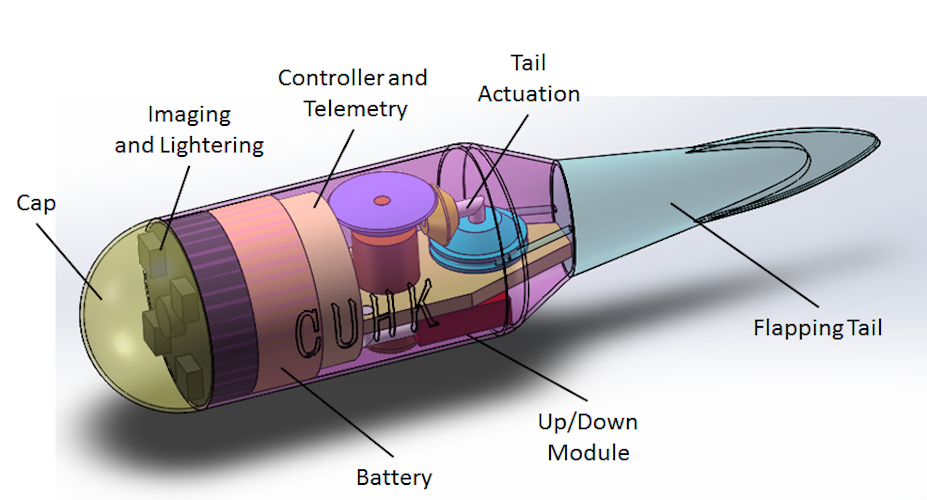
The 3D printed Tadpole Endoscope (TE) has a soft tail that allows it to be  remotely guided around the stomach.  The technology was developed by Yong ZHONG, Ruxu DU and Prof Phillip W Y CHIU of the Chinese University of Hong Kong.

The TE is activated immediately after being swallowed. Once it reaches the stomach, a doctor can guide the device to gather images. By adjusting a patient’s posture, the whole stomach can be viewed. The TE moves into the lower GI tract via natural peristalsis. The patient is sent home, wearing a sensor patch, to record  the lower GI images, which are transmitted to the doctor.

Currently, esophagus and stomach cancer can be diagnosed using gastroscopy; intestinal cancer can be diagnosed using capsule endoscopy; and colorectal cancer can be diagnosed using colonoscopy.

Click to view the Chinese University of Hong Kong video.

Categories
Diabetes Sensors Wearables

External power supply for Google contact lens

Power efficiency in wearables is key to continuous, accurate monitoring, for both medical and fitness applications.

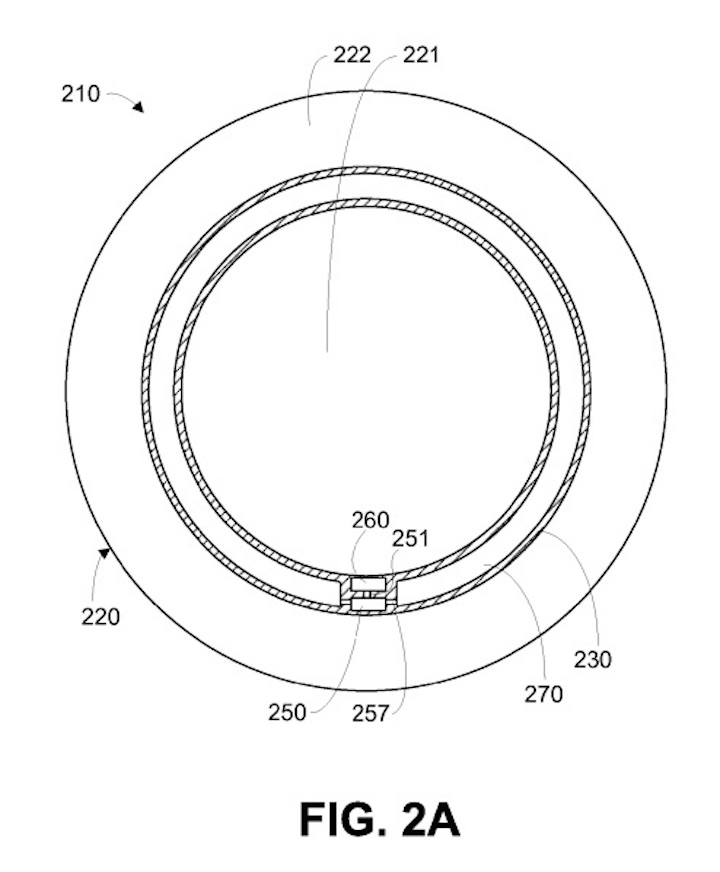
Google has filed a patent application suggesting  that an external device will power the sensor of its contact lens, and it could be handheld or embedded into a companion wearable.

The application states that “an external reader device or ‘reader’ can radiate radio frequency radiation to power the sensor. The reader may thereby control the operation of the sensing platform by controlling the supply of power to the sensing platform. In some examples, the reader can operate to intermittently interrogate the sensing platform to provide a reading by radiating sufficient radiation to power the sensing platform to obtain a measurement and communicate the result. The reader can also store the sensor results communicated by the sensing platform. In this way, the reader can acquire a series of analyte concentration measurements over time without continuously powering the sensing platform. The reader could also be built into eyeglasses, jewelry headband, head cover , earpiece, [or] other clothing so that it could continually power the lens.”

Le Temps reports that Novartis and Google plan to start testing their smart contact lens for people with presbyopia in 2016.

Categories
IoT Monitoring Seniors Sensors Sleep

Sleep sensor directs appliances, allows remote monitoring

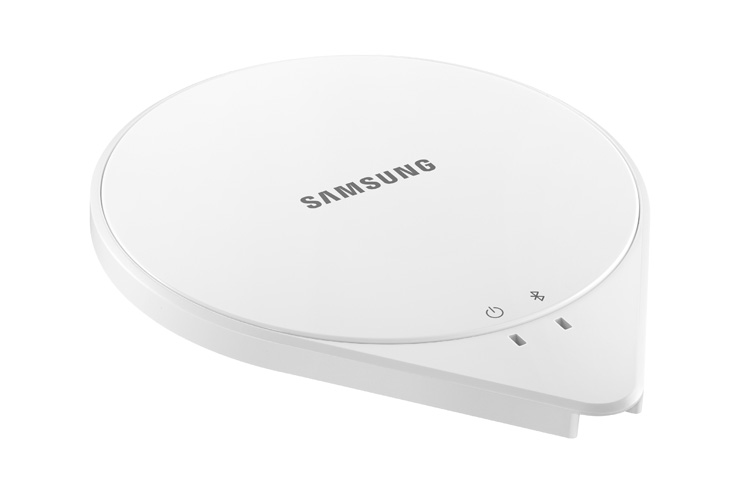
Samsung’s SleepSense measures breathing, heart rate, and movement in real time, without  touching the body. The company claims that this monitoring results in a 97% accurate sleep score, delivered to one’s phone.

SleepSense can communicate with a television, audio system, thermostat, and other household devices, to create a favorable sleep environment.  TVs can be turned off automatically; room temperature can be adjusted; lights can turned on in the morning; and a coffee maker can be directed to start brewing.

The cloud based system allows remote monitoring of an elderly or disabled loved one (with a mattress sensor)  and can receive emergency alerts.

Categories
Monitoring Sensors Wearables

Mouthguard monitors health markers via saliva

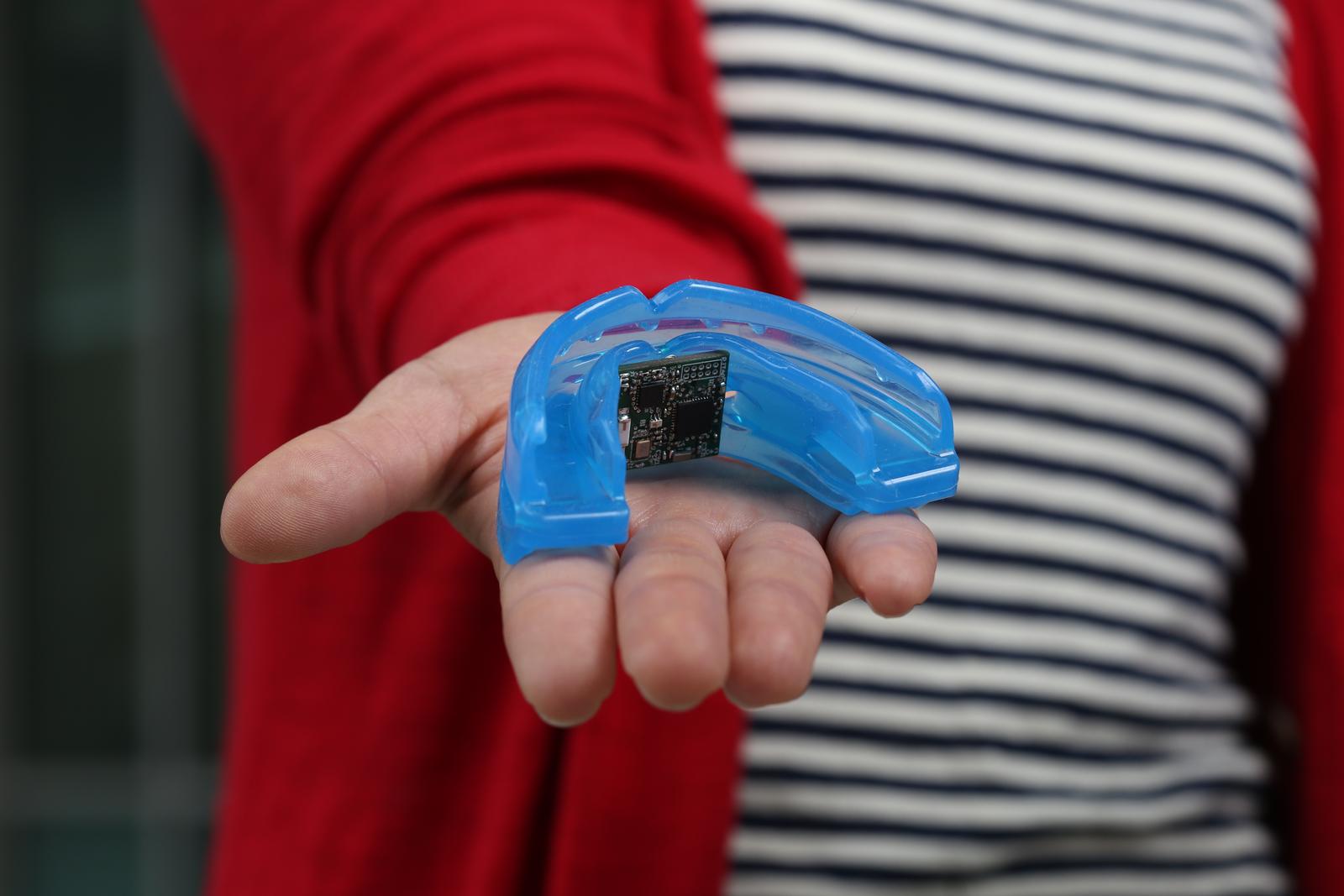
A prototype mouthguard that monitors health markers via saliva is being developed at UCSD.

The large device must be streamlined and miniaturized for mass adoption, but the concept of noninvasive monitoring of lactate, cortisol, and uric acid, is excellent.  Previously, this was only possible through a blood test.  The device can be worn by athletes, patients, or the military.

The sensing platform is screen printed using silver, Prussian blue ink and uricase, an enzyme that reacts with uric acid.  It was nano-engineered to provide the chemical equivalent of a two-step authentication system, ensuring a uric acid-only reaction.  The system includes a potentiostat, microcontroller, and Bluetooth Low Energy transceiver.

Categories
Orthopedics Sensors

Sensor detects orthopedic implant infections early

RPI‘s  Eric Ledet is developing tiny sensors to detect infections in implanted orthopedic prostheses early.

Surgical site infections are a common complication and can result in additional surgery, implant removal, delayed wound healing, increased  antibiotics, and death.

The simple, cheap sensor will be incorporated into the implant during surgery, enabling continuous, non-invasive infection monitoring.

Categories
Sensors Smart Fabric

Accurate, self powered health monitoring technologies

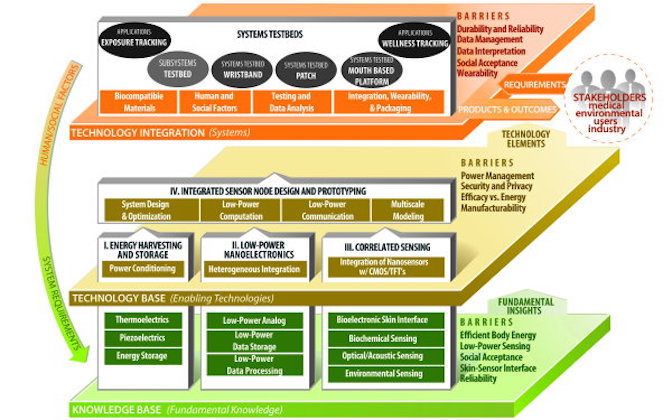
The NSF‘s  ASSIST center, based at NC State, is using nanotechnology to build clinically accurate, self-powered health monitoring technologies.

The team, led by Veena Misra,  is developing tiny devices harvesting energy from body heat (which creates thermal energy) and body motion (which creates mechanical energy).  They can be used on various areas of the body.

Examples include:

  • a piezoelectric-coated film, on nickel foil, encapsulated in kapton tape, that harvests energy from elbow movement
  • a flexible wristband made of polymers integrated with a TEG, low-power chips, and a low-power radio.
  • a wireless wrist platform that measures arterial blood pressure and blood oxygen saturation, and can track airborne pollutants.
  • small, wearable sensors that monitor a person’s immediate environment and vital signs to understand asthma triggers.

The optimal sensor position is a  person’s pulse points, where blood vessels are close to the skin’s surface. Textiles are ideal for measurements, because they conform to the body and provide the thermal insulation to maintain a temperature difference.  The researchers are trying to interconnect  electronics from multiple garment locations so that they can communicate with each other.

ApplySci believes that a continuous power source is key to the effectiveness of wearable health sensors.  ASSIST, IMEC/Holst, the University of Virginia, and others, seem to be providing the basis for this.

Video – The Health Care Monitoring System of the Future.

Categories
Heart IoT Sensors

Mirror sensors, imaging systems, assess cardio-metabolic risk

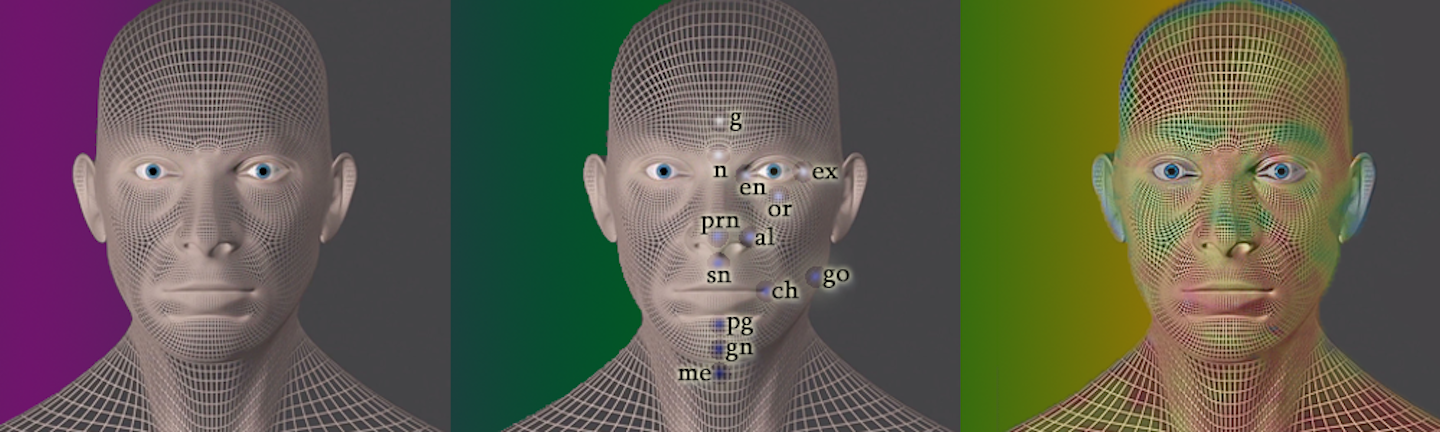
Wize is a mirror that its developers claim can monitor health with breath monitors, 3D scanners, video cameras, and imaging systems. It assesses cardio-metabolic risk through changes in face shape and circulation, signs of anxiety, and  breath tests for heart attack-inducing chemicals.  After a user looks into the mirror for one minute, a health score is produced, and tips for improving health are sent.