Categories
Cancer Sensors

Biochemical sensor helps refine cancer treatment

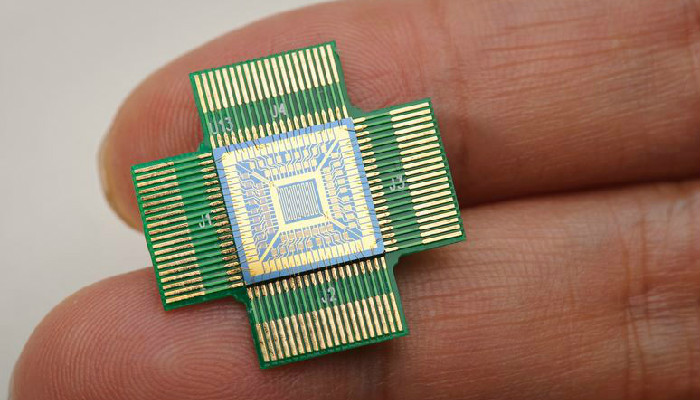
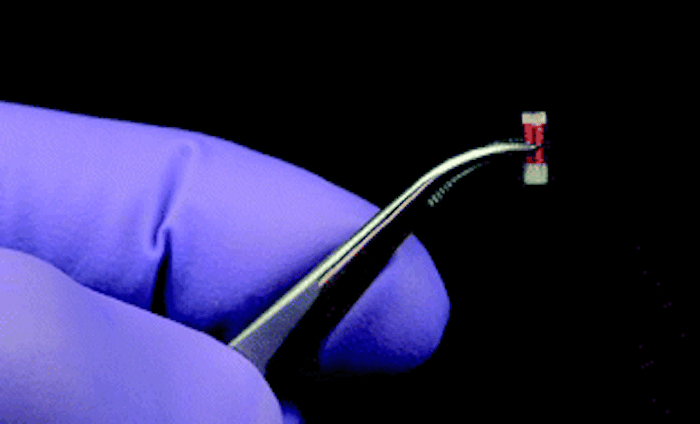
MIT professor Michael Cima is developing a tiny biochemical sensor that can be implanted in cancerous tissue during a biopsy.  It wirelessly sends  biomarker data to an external device,  allowing doctors to monitor progress, and adjust dosages or switch therapies accordingly.

The sensor fits into the tip of a biopsy needle. It contains 10 microliters of chemical contrast agents typically used for MRI, and an on-board circuit to communicate with the external reader. Real-time, on-demand data concerning two biomarkers linked to a tumor’s response to treatment, pH and dissolved oxygen, is provided.

The goal is to make treatments more targeted and precise, to improve their efficacy and reduce side effects.
Categories
Sensors Wearables

Sensor pill for 3D colon imaging

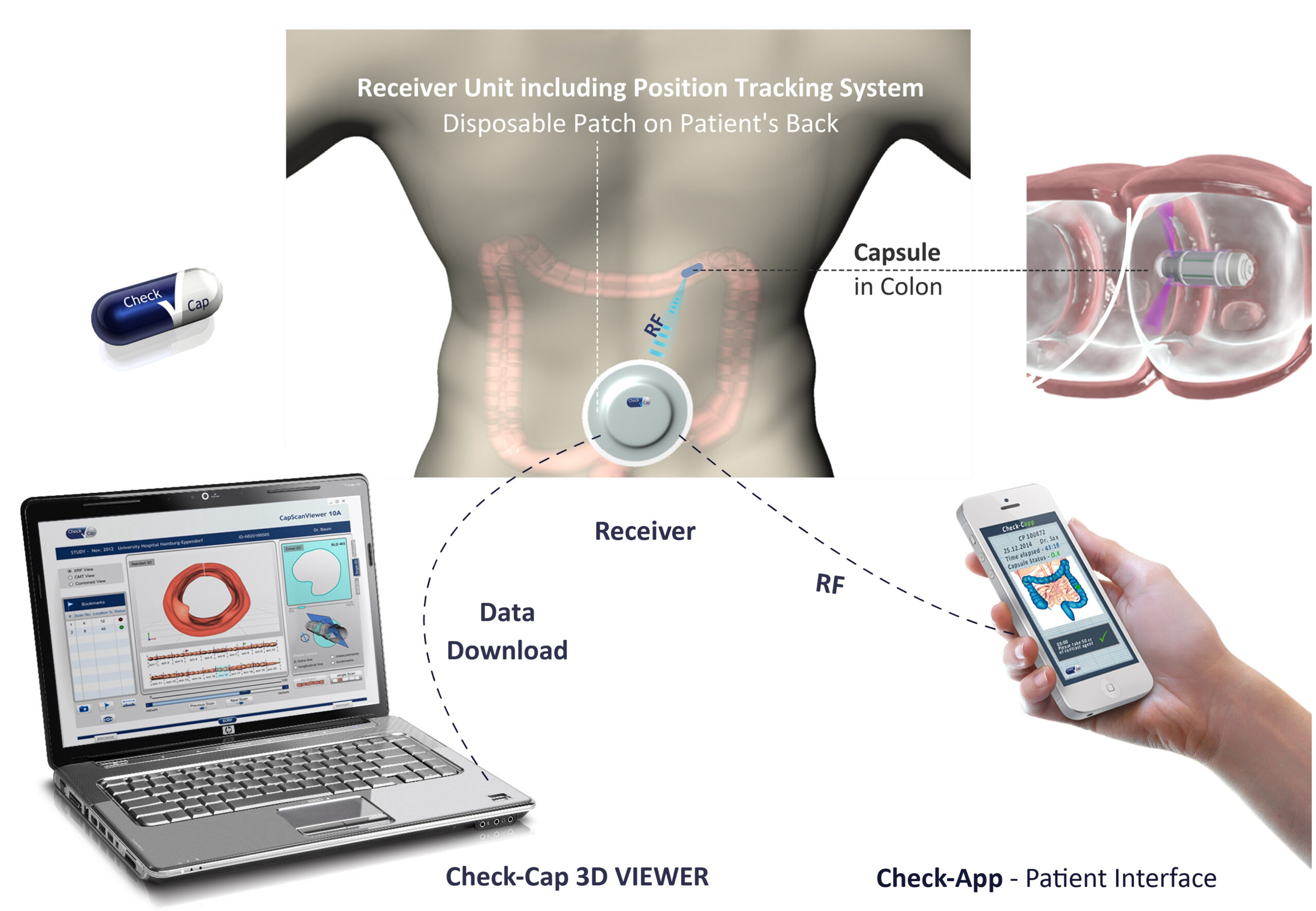
Check Cap, developed by Yoav Kimchy,  is a colon imaging sensor pill.  A patient takes small amounts of a contrast agent with meals.  The pill is swallowed, and after reaching the colon, a signal is emitted in every direction, providing 3D imaging. The data is sent to a wireless patch worn by the patient, and his/her doctor receives a rendering of the colon in 10 minutes.

The technology is based on a gallium nitride microchip that can withstand the high voltage needed by the sensors.  As it is miniaturized, its developers believe that it be used to scan narrower body parts, such as  blood vessels.

Check Cap said that a patient’s radiation exposure is equivalent to a chest-X-ray, or 1/300 of a CTC analysis.

Categories
Asthma Sensors

Street View cars map health-impacting pollutants

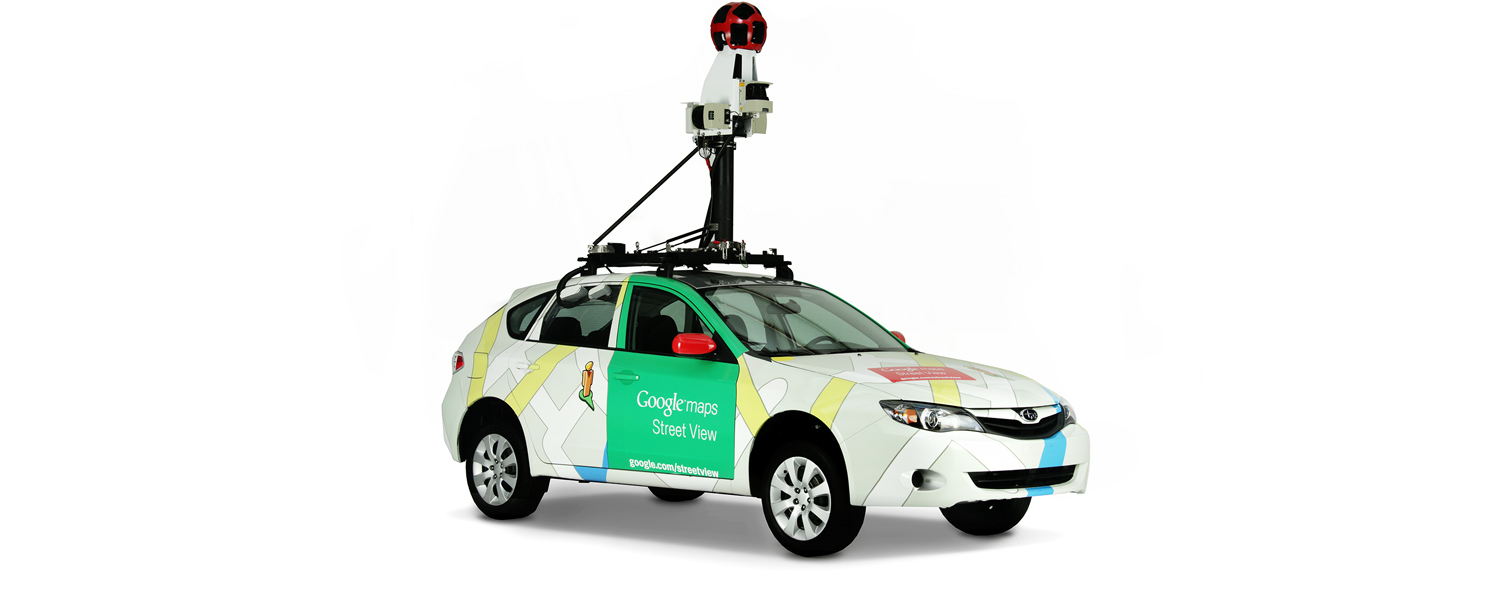
Google has partnered with Aclima to map urban air quality through Street View cars.

Mobile sensors on the  cars will  measure nitrogen dioxide, nitric oxide, ozone, carbon monoxide, carbon dioxide, and other  pollutants that can affect health.

A  experiment was conductedin Denver.  The cars drove for 750 hours, over 30 days, and gathered 150 million data points. The testing was done during the DISCOVER-AQ study conducted by NASA and the EPA.

The project will be expanded, beginning in San Francisco this fall.

Categories
Babies Sensors

Simple sensor to prevent car-heat related deaths

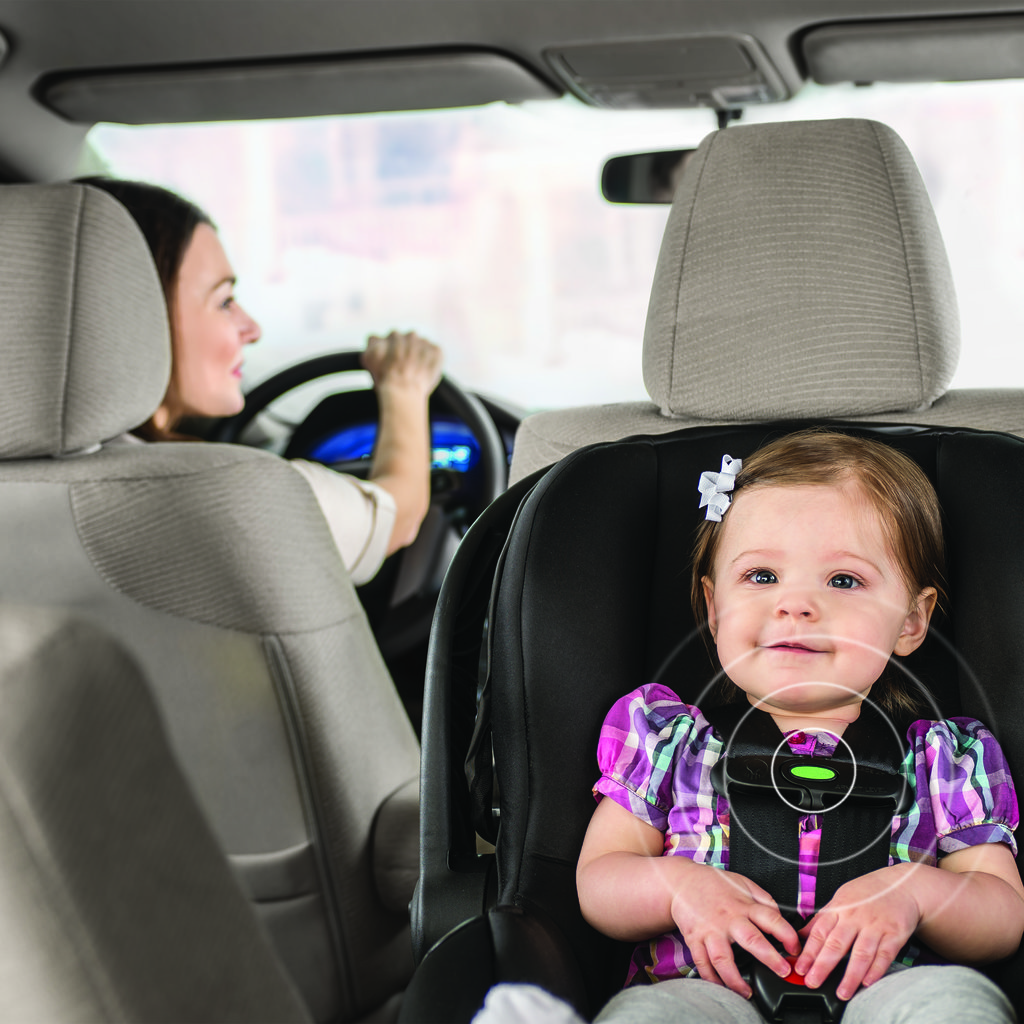
All too often we hear about a baby, or person who is unable to speak for him/herself, being left in a hot car, and dying.  ApplySci applauds Evenflo for creating a car seat with a very simple notification sensor that could prevent this.

The Embrace DLX seat, with SensorSafe technology, generates a series of tones when a car is turned off, to remind us that a baby is still in the car.  The company has not described technology for disabled adults, but this is the obvious next step.

The tones are activated through a chest clip and wireless receiver. The receiver also sends alerts if the chest clip becomes unbuckled during transit.

Categories
Cancer Sensors

Sensor chip for prostate cancer diagnosis

University of Birmingham researchers are developing a sensor chip that they believe can improve the accuracy of prostate cancer diagnosis.

Prostate cancer is normally diagnosed by tests that rely on antibodies, making them vulnerable to degeneration by environmental changes. They are known to give false positive readings at a high rate.

The sensor chip works by identifying glycoprotein molecules frequently used as biomarkers for diseases, including prostate cancer.  Detection techniques have focused on the protein of the molecule, which does not always change when the body is affected by disease.

The new chip uses  synthetic receptors along a 2D surface to identify specific, targeted glycoprotein molecules that are differentiated by their modified carbohydrate chains.  This shows subtle differences in healthy and diseased patients.

Categories
Monitoring Sensors Wearables

Clinical trial wearable by Google

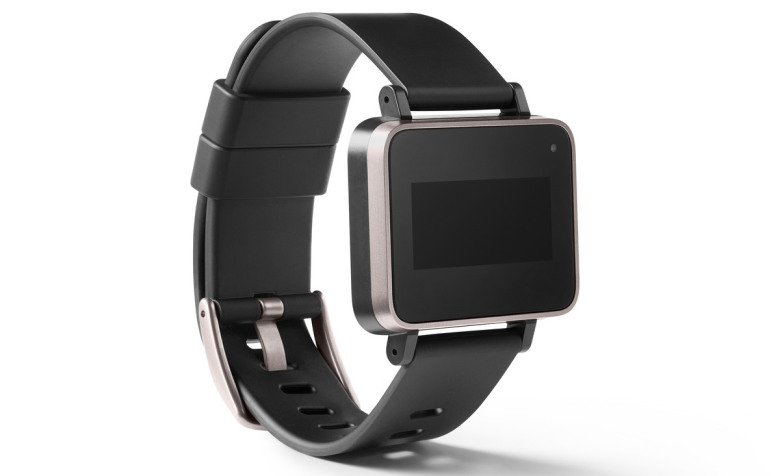
Google X has built a clinical grade health wearable intended for use in clinical trials.  It measures pulse, heart rhythm, skin temperature, light exposure, and noise levels.  The device can collect trial data both inside and outside of the lab.  Google’s life science head, Andrew Conrad, first described the wearable to Bloomberg this morning.

The company is researching several potential uses for the device, including monitoring patients discharged from hospitals.

ONE WEEK UNTIL WEARABLE TECH + DIGITAL HEALTH NYC 2015 – JUNE 30 @ NEW YORK ACADEMY OF SCIENCES.  REGISTER HERE.

Categories
Heart Sensors Wearables

Necklace, scale, cuff to monitor vitals, help manage CHF

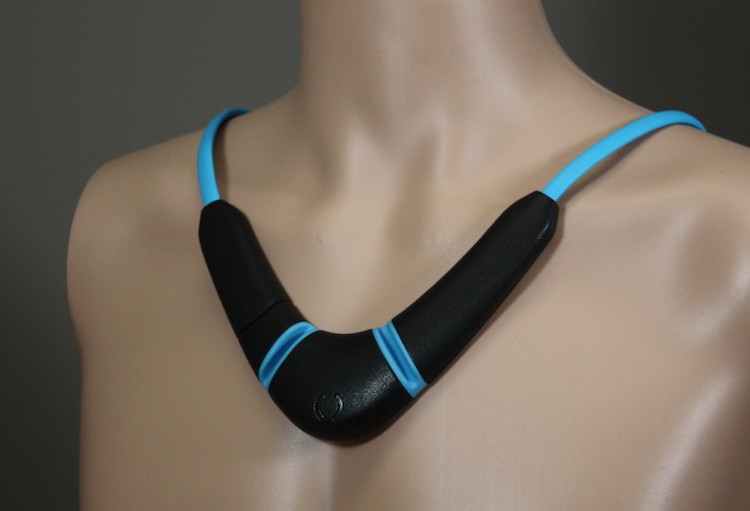
toSenses‘s CoVa necklace, and prototype floor pad and cuff/handle combination, measure pulse oximetry, heart rate, blood pressure, respiration rate and temperature.  The various forms of monitoring are meant to improve compliance and ease of use.

CoVa has received FDA clearance, and is primarily used as a congestive heart failure alert/management system.

The scale-like pad uses bioimpedance and ECG to measure thoracic fluid levels and also measures weight.

The cuff/handle device measures vital signs, plus blood pressure. The user holds the device at the stomach to measure thoracic impedance, and inflatable bladders in the arm cuff compress the radial artery to measure blood pressure.

WEARABLE TECH + DIGITAL HEALTH NYC 2015 – JUNE 30 @ NEW YORK ACADEMY OF SCIENCES.  REGISTER HERE.

Categories
Cancer Sensors

Chip detects cancer from a drop of blood

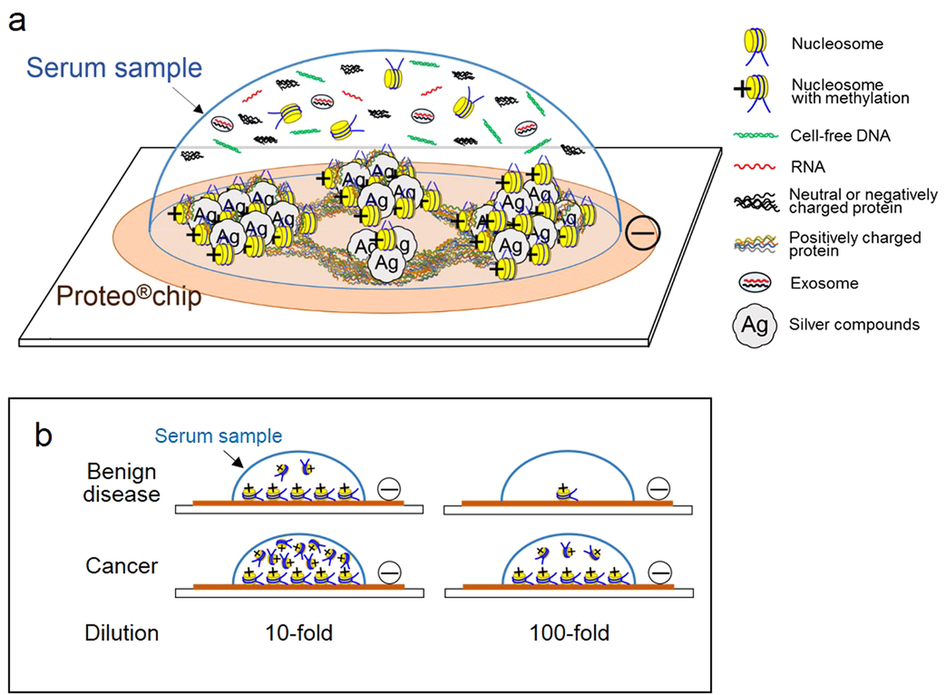
Showa University and My Tech have developed Proteo, a silver nanoscale chip that  they claim detects most types of cancer from a drop of blood in three minutes.   It functions by attracting a faintly luminous substance found in cancer patients, beginning at a very early stage.

They have only studied 20 patients, but diagnosed whether a tumor is benign or malignant with total accuracy.

The researchers are accumulating data from various types of cancers, and hope to make the blood test available next year. They believe that the preliminary data suggests that the device could be more effective than existing blood tests.

Showa’s Hiroaki Ito and MyTech’s Yuki Hasegawa said that the accuracy derives from the chip attracting certain nucleosomes, which are prevalent in all types of cancer.  The nucleosome emits light, the intensity of which increases as more of the substance accumulates.  This is seen under a fluorescent microscope, providing the ability to  identify visually if the blood is from an individual with cancer.

WEARABLE TECH + DIGITAL HEALTH NYC 2015 – JUNE 30 @ NEW YORK ACADEMY OF SCIENCES.  REGISTER HERE.

Categories
Disease Sensors

HIV, hepatitis, herpes, cancer detecting nanosensor

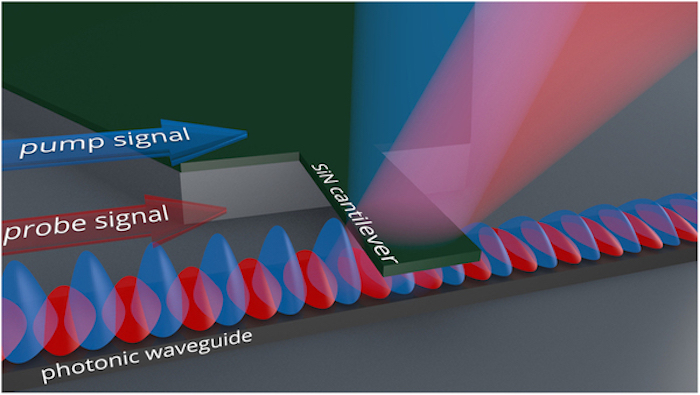
Dmitry Fedyanin and Yury Stebunov from the Moscow Institute of Physics and Technology have developed a highly sensitive  biological object detecting nanosensor.

The tiny sensor analyzes the chemical composition of substances and can detect viral disease markers in HIV, hepatitis, and herpes.  It can also help doctors identify tumor markers.

The optical sensor can track changes of  a few kilodaltons in the mass of a cantilever in real time.  The researchers believe that this can help diagnose diseases long before they can be detected by other methods.

WEARABLE TECH + DIGITAL HEALTH NYC 2015 – JUNE 30 @ NEW YORK ACADEMY OF SCIENCES.  REGISTER HERE.

Categories
Seniors Sensors Smart Fabric Wearables

Sensor sweater guides senior rehabilitation

Vigour, by Pauline van Dongen,  is a sensor sweater developed for geriatric rehabilitation.  The knitted cardigan, with integrated stretch sensors, discreetly and continuously monitors upper body movement.  Two sensors monitor  lower back movement, and one under each arm monitors shoulder and arm movement. Data is transferred to the user, caregiver, or physician.  It can be worn all day, during normal activity, rest, and exercise.  Its app provides visual and auditory feedback, in real time, to inform and motivate the user.

WEARABLE TECH + DIGITAL HEALTH NYC 2015 – JUNE 30 @ NEW YORK ACADEMY OF SCIENCES.  FINAL REGISTRATION DISCOUNT ENDS 6/2.

Categories
fitness Sensors Virtual Reality

VR headset + bike sensors gamify fitness

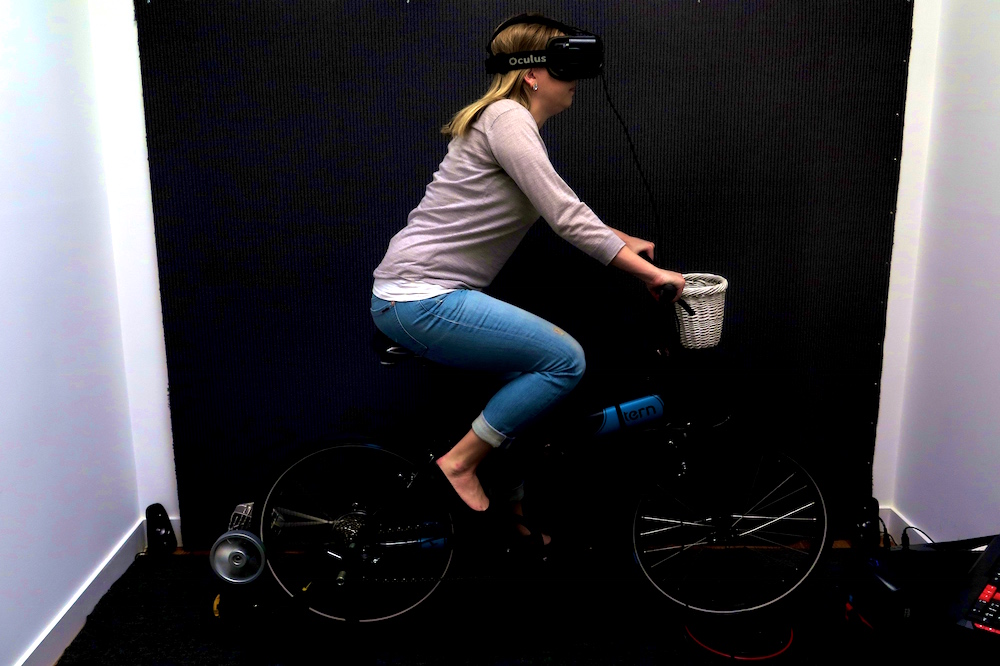
Virzoom is a virtual reality exercise system meant to decrease distractions, and increase focus and fun while riding a stationary bike.

Sensors attach to several parts of the bicycle. For example, one on the rear wheel measures speed, and one on the front wheel responds to direction.  After connecting via USB to a computer, VR software is dowloaded, and the experience begins.

VirZoom’s engineers are focused on increasing the number of gamified elements, to inspire users to cycle faster to earn credits and reach new levels. The company hopes  to boost motivation and interest by changing the VR experience each time.

Image credit:  BostInno

WEARABLE TECH + DIGITAL HEALTH NYC 2015 – JUNE 30 @ NEW YORK ACADEMY OF SCIENCES.  REGISTER HERE.

Categories
Brain mHealth Parkinson's Sensors

Phone based Parkinson’s research

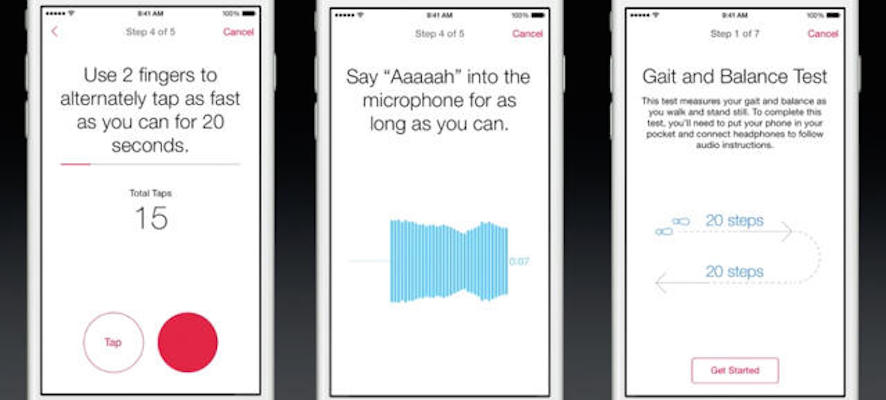
mPower is a mobile Parkinson’s Disease study, powered by HealthKit.  It attempts to understand why people experience different symptoms, and why a person’s symptoms and side effects can vary over time.

The process includes surveys and tasks that activate phone sensors. Progression symptoms, including dexterity, balance and gait, are tracked. The goal is to understand variations, improve the way variations are described, and learn how mobile devices and sensors can help measure the disease and its progression.

This study is sponsored by Sage Bionetworks and the Robert Wood Johnson Foundation, and builds on the work of Max Little.

WEARABLE TECH + DIGITAL HEALTH NYC 2015 – JUNE 30 @ NEW YORK ACADEMY OF SCIENCES.  REGISTER HERE.