
Categories
Pain Sensors Wearables

Pain relieving wearable, app

Cur is a wearable pain relief system, similar to Quell, (see ApplySci, 1/13/15) for people who respond to TENS.  It uses uses electrical stimulation to stop pain at its source.  The bandaid-like device sticks directly to skin, and all the modulation of electrical signals is automatically controlled by built in sensors.  Users can also adjust the amount of stimulation with a smartphone app.

The company claims that “within five seconds it measures muscle vibrations, and uses those vibrations to adjust the amplitude—the strength of the treatment.”

The wearable must  receive FDA approval for a low-risk wellness device.  If effective, non-drug pain relievers, like Pur and Quell, could help sufferers avoid the addiction and debilitating side effects associated with narcotic pain medicine.

WEARABLE TECH + DIGITAL HEALTH NYC 2015 – JUNE 30 @ NEW YORK ACADEMY OF SCIENCES.  REGISTER BEFORE FRIDAY,  MAY 15 TO RECEIVE THE PREFERRED RATE.
Categories
IoT Seniors Sensors Wearables

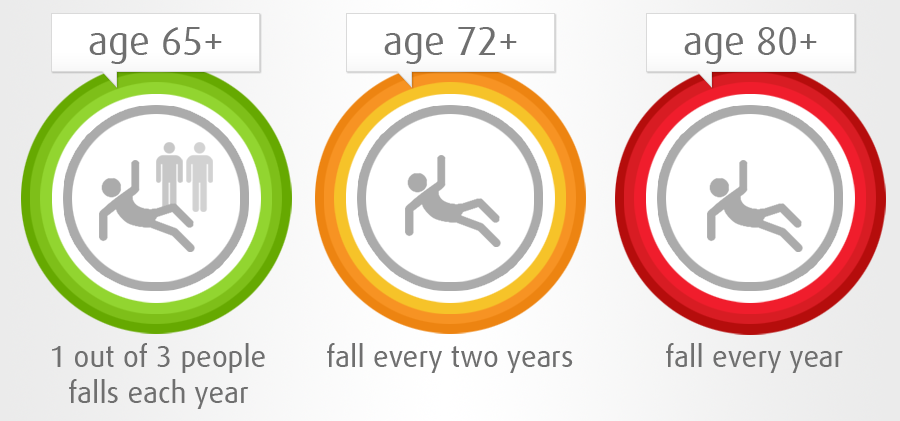
Stamp sized wearable detects falls

As part of its IoT Ubiquitousware platform, Fujitsu has developed a stamp sized sensor tag that detects falls, position, posture, and temperature changes.

The tags contain accelerometers, barometers, gyroscopes and microphones. They can also include heart rate sensors and GPS modules. Data is transmitted via Bluetooth Low Energy. Algorithms analyze the data and automatically send alerts to caregivers.

The sensors can be worn as wristbands, on lapels or pockets, or be attached to shopping carts and walkers.  Obvious potential users include seniors and  hospital patients.

WEARABLE TECH + DIGITAL HEALTH NYC 2015 – JUNE 30  @ THE NEW YORK ACADEMY OF SCIENCES.  REGISTER BEFORE FRIDAY, MAY 15th TO RECEIVE THE PREFERRED RATE.
Categories
Asthma Data Sensors

Inhaler sensors track asthma severity across cities

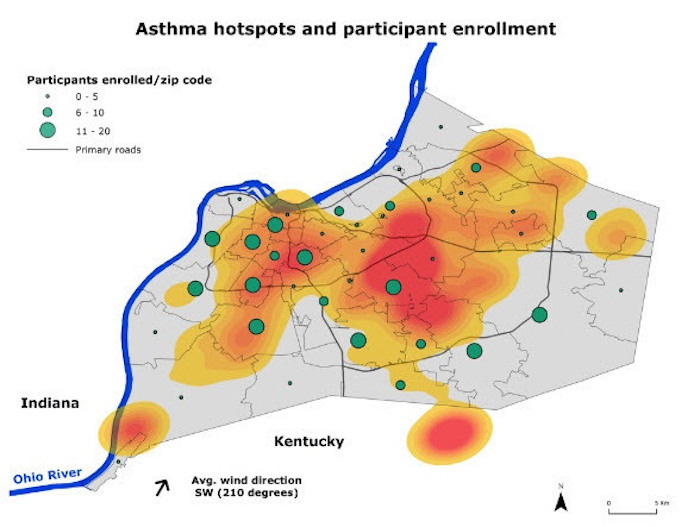
Propeller Health and the Robert Wood Johnson Foundation, through their Air Louisville program, are using sensors on asthma inhalers to track when, where and how often inhalers are used. This helps patients manage symptoms, and city officials warn of increased chances of asthma severity in certain areas.

Sensors attach to inhaled medication, and a smartphone app and physician-facing website analyze the data. Patients are given the inhalers for free.  The use of “rescue medication” (short-acting bronchodilators) and daily maintenance medication are monitored.

Air sampling monitors are overlayed onto the EPA monitor backbone to  determine connections between air quality, environmental factors, and asthma severity.

Propeller Health plans to expand its asthma monitoring program to five U.S. cities.

WEARABLE TECH + DIGITAL HEALTH NYC 2015 – JUNE 30 @ NEW YORK ACADEMY OF SCIENCES.  EARLY REGISTRATION RATE ENDS FRIDAY, 5/15

Categories
Seniors Sensors

Sensor technology helps seniors age in place

Evermind, Lively (see ApplySci April, 2013 and November, 2014), and BeClose are sensor systems allowing remote  caregiver monitoring — part of a growing genre of technologies helping seniors age in place.

Evermind detects when appliances are switched on and off, and sends messages to caregivers through the day.  It also sends alerts when changes in activity could be cause for concern. BeClose and Lively’s motion sensors also monitor daily activity, and can send alerts about falls, missed medication, and other custom parameters.  Lively can be integrated with an emergency response system.

As the population ages, and society recognizes the need for a dignified existence for the elderly, these technologies will continue to proliferate.

WEARABLE TECH + DIGITAL HEALTH NYC 2015 – JUNE 30 @ NEW YORK ACADEMY OF SCIENCES.  REGISTER HERE.

Categories
AI Robotics Sensors

Robot sensor reads facial expressions to determine emotions

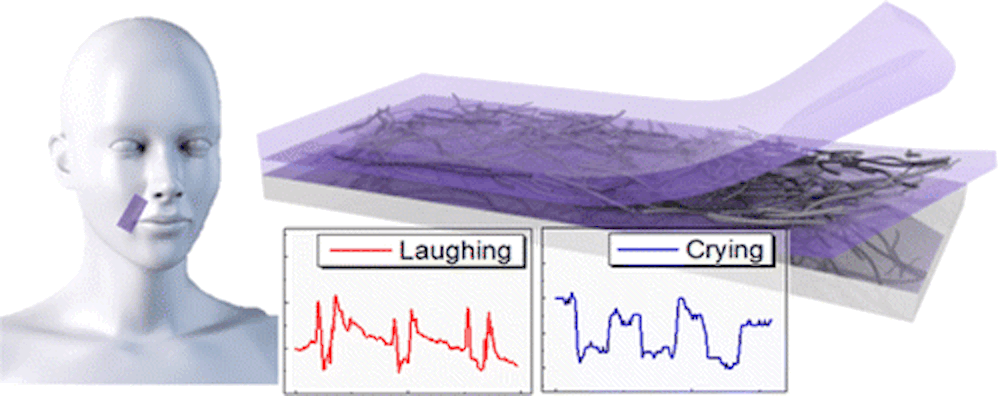
Sungkyunkwan University‘s Nae-Eung Lee has created a stretchable, transparent sensor that helps robots read facial expressions.  It senses smiling, frowning, brow-furrowing and eye-rolling.  The robot then detects movements, including slight changes in gaze, to determine whether people are laughing or crying, and where they are looking.

The ultra-sensitive, wearable sensor layers a carbon nanotube film on two types of electrically-conductive elastomers.

Lee believes that in addition to robotics, the sensors could be used to monitor heartbeats, breathing, or dysphagia. 

WEARABLE TECH + DIGITAL HEALTH NYC 2015 – JUNE 30 @ NEW YORK ACADEMY OF SCIENCES.  REGISTER HERE.

Categories
Infectious Disease mHealth Sensors

Cheap, flexible biosensor detects HIV, E-coli, Staph aureas

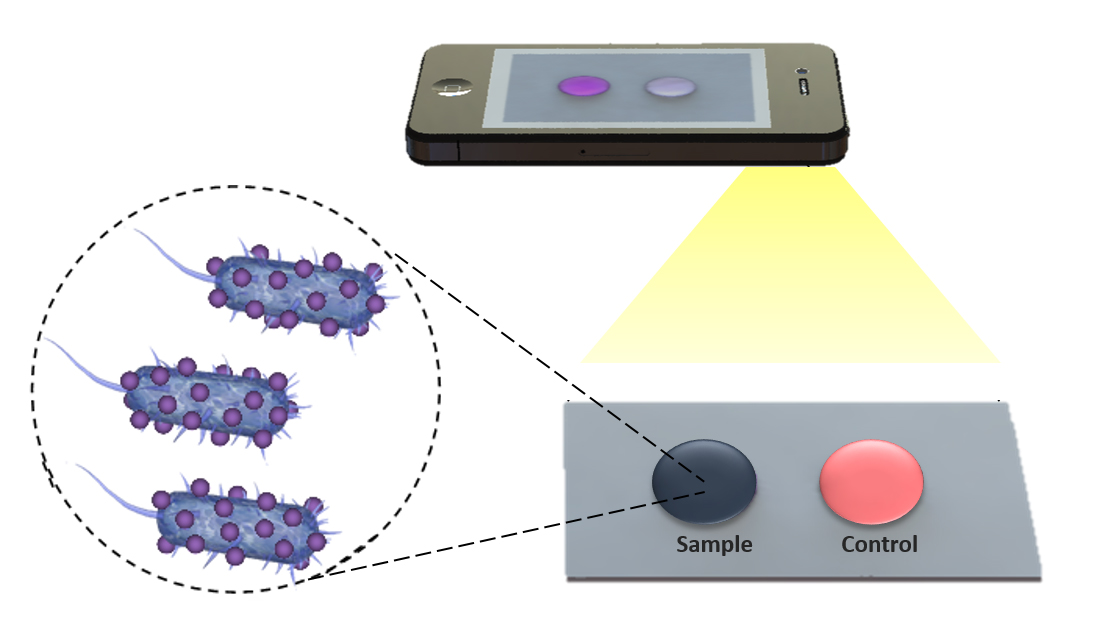
Florida Atlantic, Stanford, and Harvard  researchers have developed a thin, lightweight, flexible “paper microchip” biosensing platform to detect and determine treatment for HIV, E-coli, Staphylococcus aureas and other bacteria. They have also created an app that could remotely detect bacteria and disease in the blood using mobile phone images.

Current paper and flexible material-based platforms cost more and take longer.  The researchers claim that the new platforms are uniquely able to isolate and detect multiple biotargets selectively, sensitively, and repeatedly from diverse biological mediums using antibodies.

WEARABLE TECH + DIGITAL HEALTH NYC 2015 – JUNE 30 @ NEW YORK ACADEMY OF SCIENCES.  REGISTER HERE.

Categories
Infectious Disease Sensors

Breath test for malaria

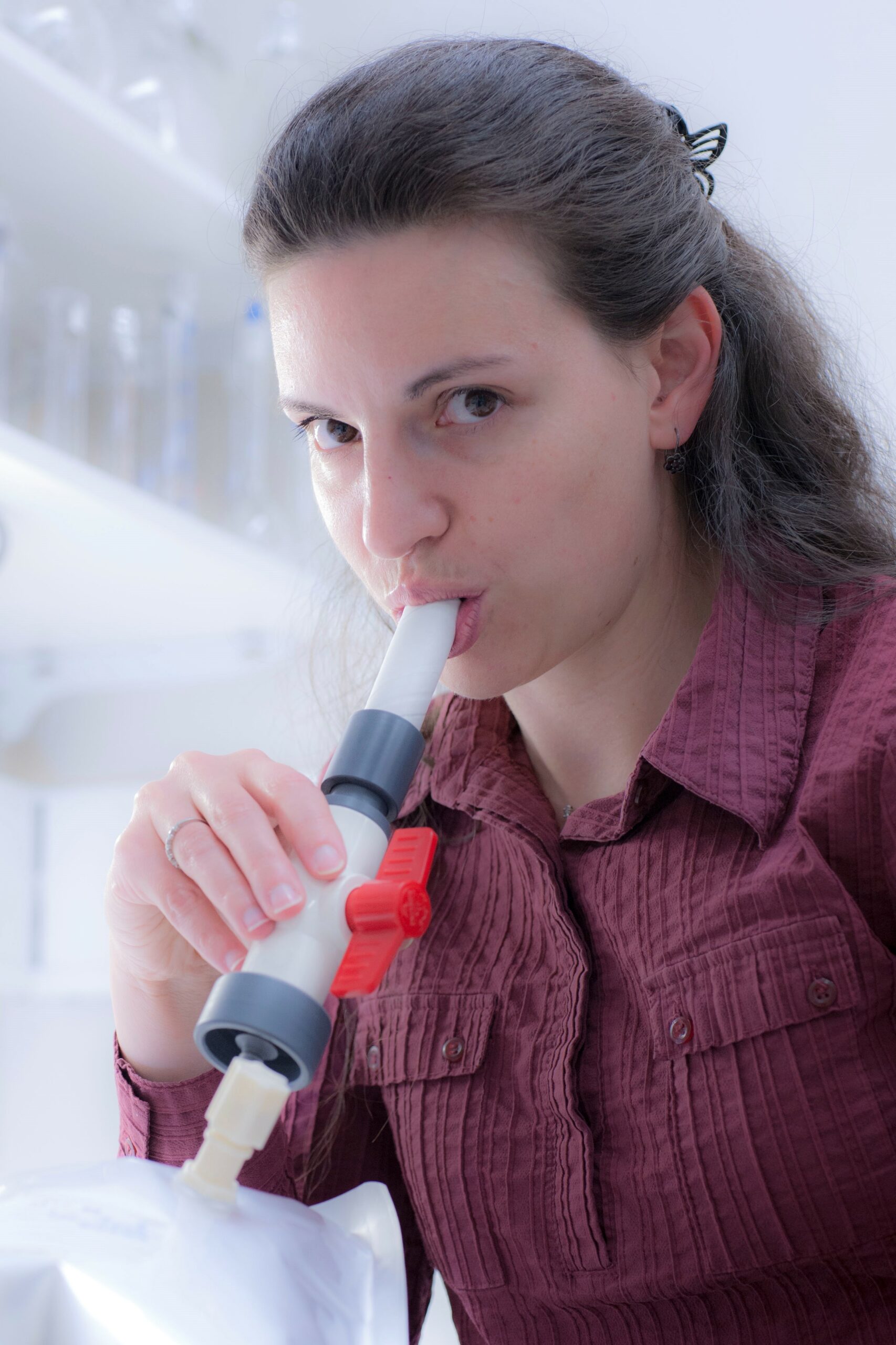
QIMR Berghofer, ANU and CSIRO researchers are developing  a breath test for malaria. Current blood testing methods have not changed since 1880.

A recent study found a marked increase in normally almost undetectable chemicals in malaria patients’ breath.  The chemicals were seen four days earlier than with a traditional microscope test, with higher sensitivity.

Malaria killed 584,000 people in 2013.  In Africa, a child dies every minute from the disease.  The hope is to prevent death through earlier diagnosis and treatment.

Wearable Tech + Digital Health NYC 2015 – June 30 @ New York Academy of Sciences.  Early registration rate ends Friday, 4/24.

Categories
Cancer Sensors

Breath test for head and neck cancer

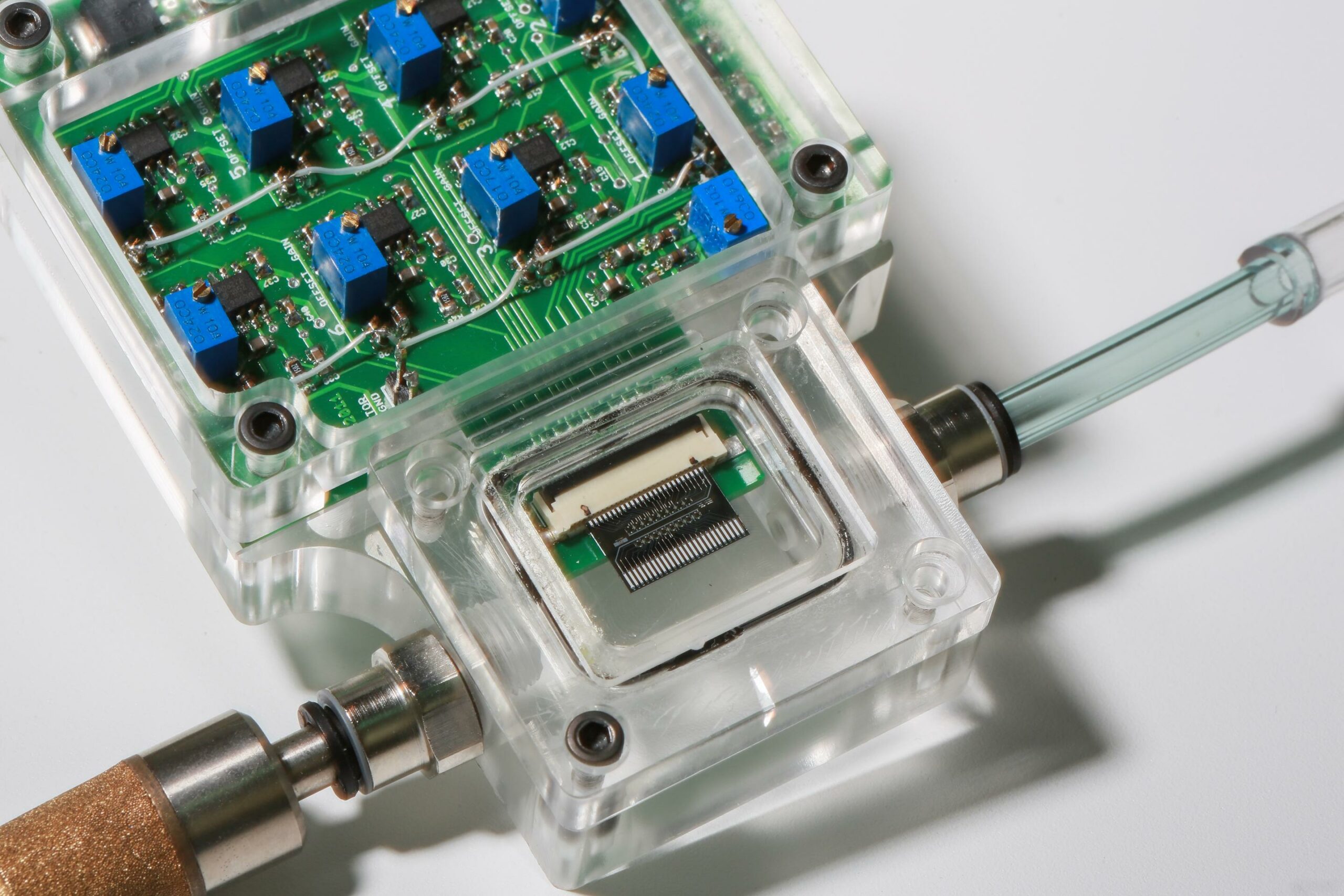
EPFL researchers have developed a sensor that can identify the presence of a head and neck cancer through breath analysis.

Nico de Rooij‘s micro-sensors  detect volatile organic compounds which vary in  presence and concentration depending on one’s health.

The sensor includes a silicon disk covered by a polymer and suspended by four tiny “bridges” with integrated piezoresistors. When exposed to a gas, the polymer absorbs certain molecules and the disk changes shape. This deformation is detected by the piezoresistive bridges, which emit an electrical signal, determining the signature of the gas and its concentration. Different polymers must be used on each sensor  to obtain an overview of the gas composition.

According to de Rooij, “There are already methods for detecting molecules called ‘electronic noses’ on the market. But they have a hard time analysing very complex gases like human breath, Humidity in particular can disrupt the reading, leading to false positives or false negatives.” The new sensors are extremely accurate.

Wearable Tech + Digital Health NYC 2015 – June 30 @ New York Academy of Sciences

Categories
Cancer Sensors

Nanosensor cancer detection

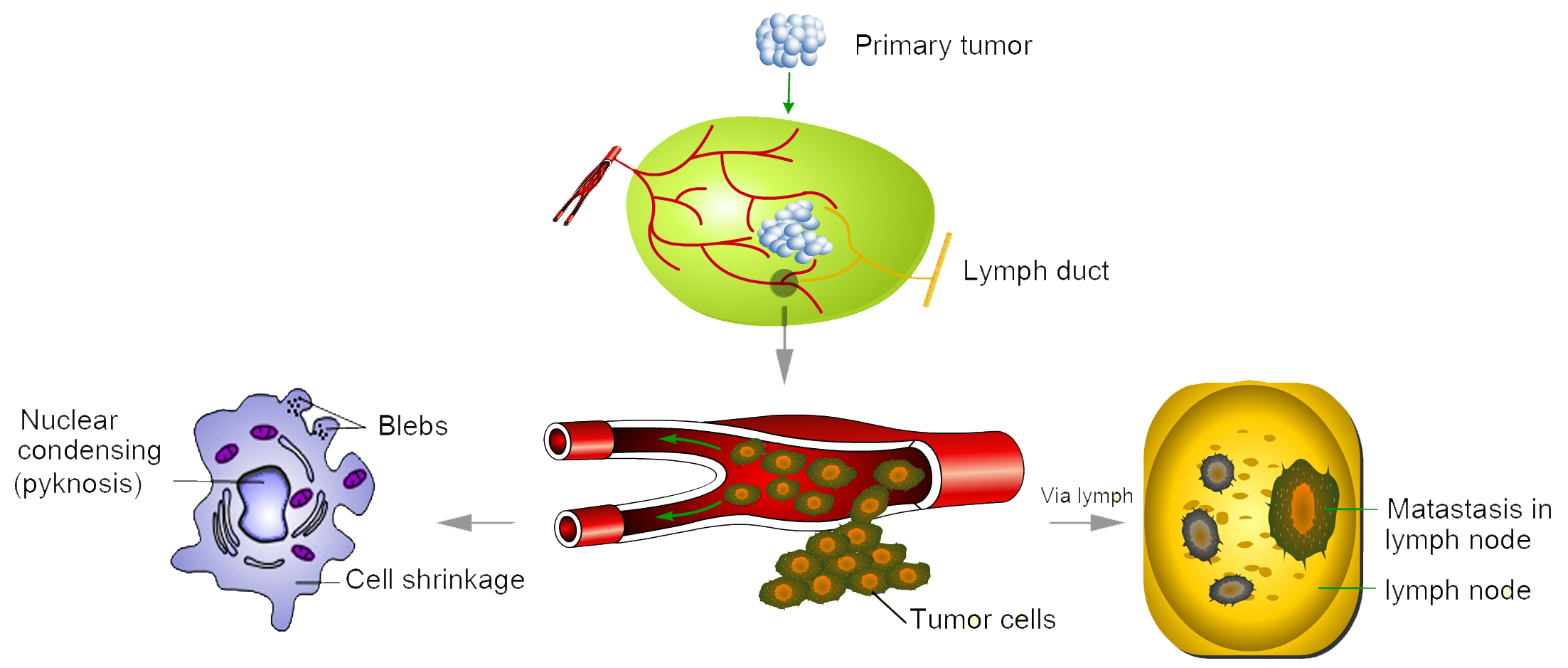
Priscila Kosaka from the Microelectronic Institute of Madrid is in the early stages of developing a nanosensor to detect cancerfrom blood samples before symptoms appear.  It is not expected to be on the market for another 10 years, but could one day  eliminate the need for biopsies.

Kosaka claims that the technology is 10 million times more effective than traditional blood sampling, and may miss only 2 out of 10,000 samples.  Improvements are needed so that the nanosensor can identify the type of cancer cells present.

The process causes the cancerous cells to change color, indicating the presence of a malignant tumor.

Wearable Tech + Digital Health NYC 2015 – June 30 @ New York Academy of Sciences.  Register before 4/24 and save 30%.

Categories
Cancer Sensors

Sensor models improve physician breast exams

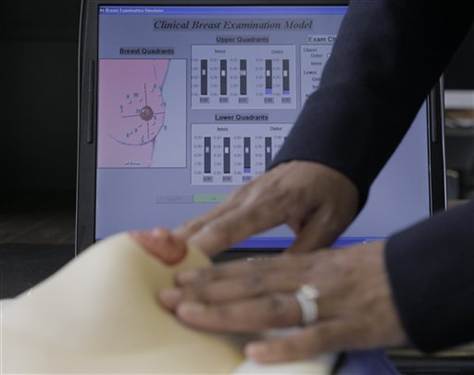
University of Wisconsin‘s Carla Pugh has developed a sensor based breast model to help train physicians to detect tumors.  The device indicates when a physician is palpating (pressing) with enough force to detect a lump in the breast. The amount of pressure is displayed as colors on a breast map displayed on a monitor. Blue indicates low pressure and red indicates the highest pressure.

In a study,  53 doctors  performed Clinical Breast Exams on  4 sensor enabled breast models, each with a mass of different density located in different areas of the breast. The masses represent potential tumors. Two of the models contained masses near the surface of the breast, and two contained masses at the back of the breast against the chest wall.

Data was collected using video and sensor recordings of the amount of pressure applied by those who  found the mass and those who did not.  Analysis of the  data showed that 15% of the physicians tested were using a technique that did not detect the deep tissue lesions near the chest wall  in two of the four breast models.

Wearable Tech + Digital Health NYC 2015 – June 30 @ New York Academy of Sciences.  Early registration rate available until 4/24.

Categories
Diabetes Monitoring Sensors Wearables

Closed-loop glucose monitoring system

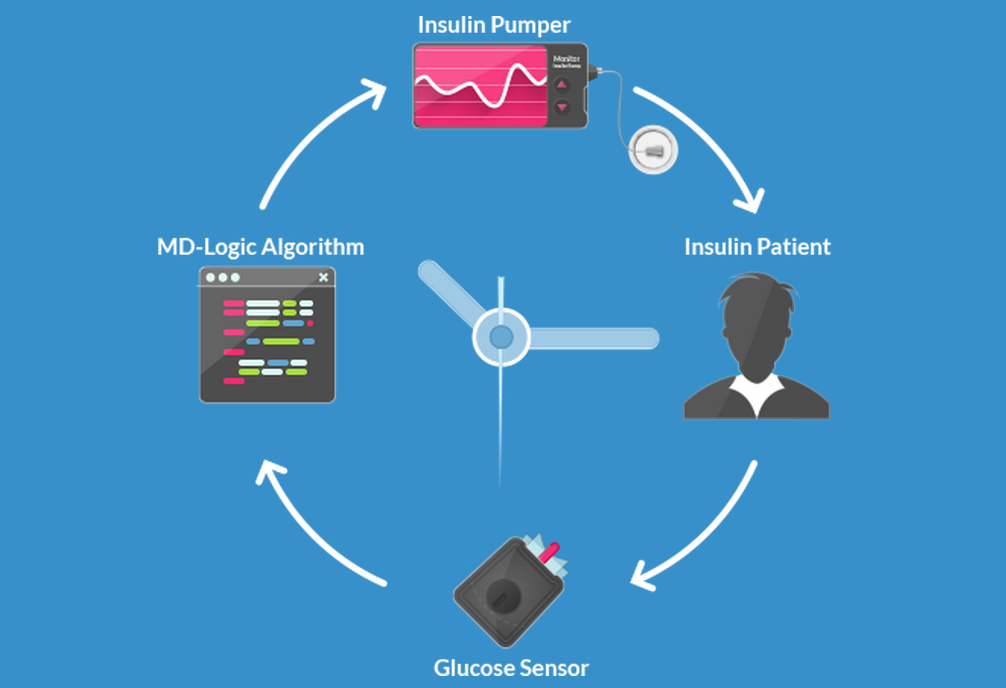
GlucoSitter by DreaMed Diabetes is an automated, closed loop, artificial pancreas system for controlling glucose levels. It links the glucose sensor with the insulin pump through control algorithms. Glucose sensor data is analyzed and the pump is directed to deliver the correct dose of insulin.

GlucoSitter has been tested  on 220 patients with 15,000 hours of day and night use.  Medtronic will now  incorporate the DreaMed  algorithm in its insulin pumps.

Wearable Tech + Digital Health NYC 2015 – June 30 @ New York Academy of Sciences.  Register now and save $300.

Categories
Asthma mHealth Sensors Wearables

Wearable detects asthma triggers

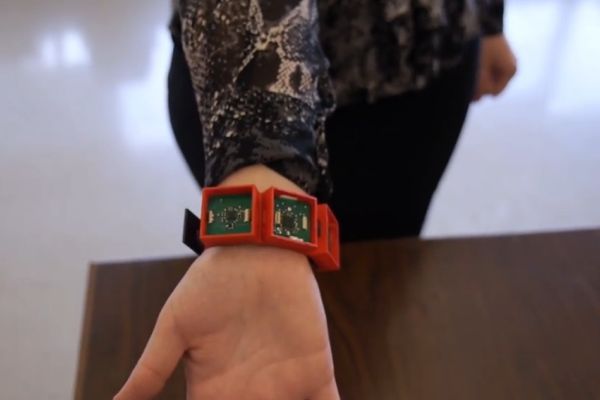
North Carolina State University‘s Veena Misra is developing a wearable that detects asthma triggers.

The device monitors environmental factors, such as ozone, carbon monoxide and nitrogen dioxide levels, as well as vital signs including heart rate and hydration. Sensor data is transmitted wirelessly to a phone or physician’s office.  The intention is to guide people away from environmental conditions that exacerbate asthma and related respiratory issues.

Wearable Tech + Digital Health NYC 2015 – June 30 @ New York Academy of Sciences.  Register before April 24 and save $300.