Categories
Sensors Wearables

Strong, elastic artificial “skin” mimics collagen structure

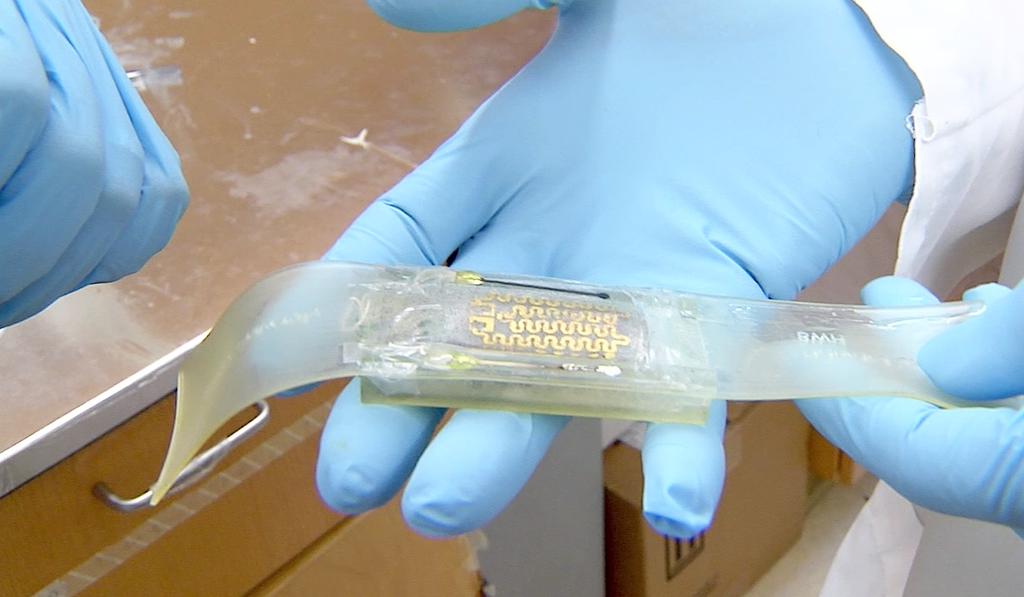
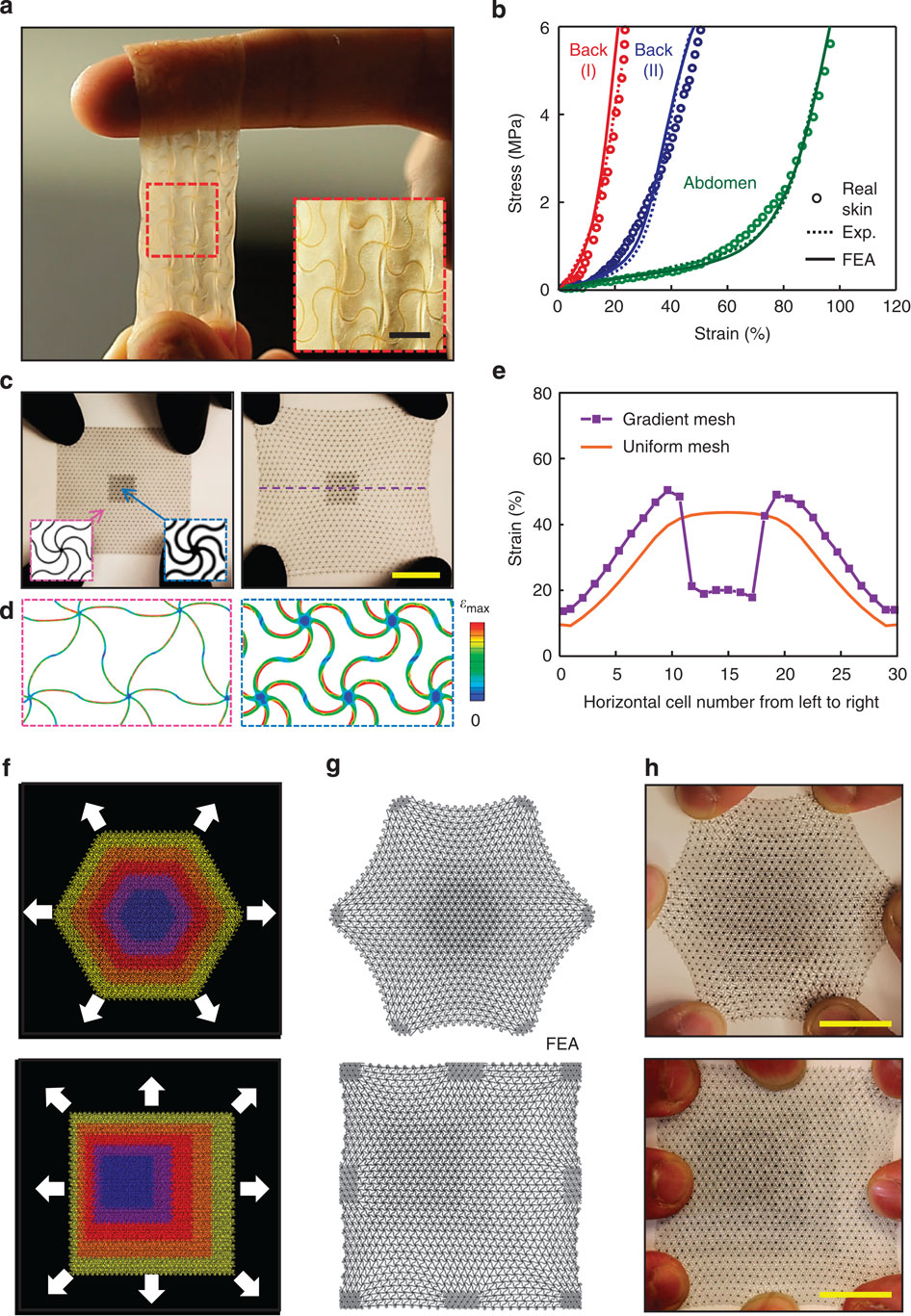
Jang Kyung-in, of the Rogers Research Group at the University of Illinois,  has developed artificial skin, intended for health monitoring,  that mimics the structure of collagen.  The strong and elastic platform is well suited for silicone-based electronic sensing systems.  It will attach to real skin like a band-aid.  Users can apply  and remove it multiple times without damage.

Jang  believes that the new “skin” also creates opportunities for tissue engineering and biomedical devices.   ApplySci described a related development in December.  Roozbeh Ghaffari’s pressure, moisture, heat and cold detecting artificial skin can revolutionize prosthetics, allowing a bionic hand’s fingers to stretch and move as real fingers would.

Wearable Tech + Digital Health NYC 2015 – June 30 @ New York Academy of Sciences.  Early registration rate available until March 275h.
Categories
Computer Vision Monitoring Sensors

Sensor probe to prevent hospital pressure ulcers

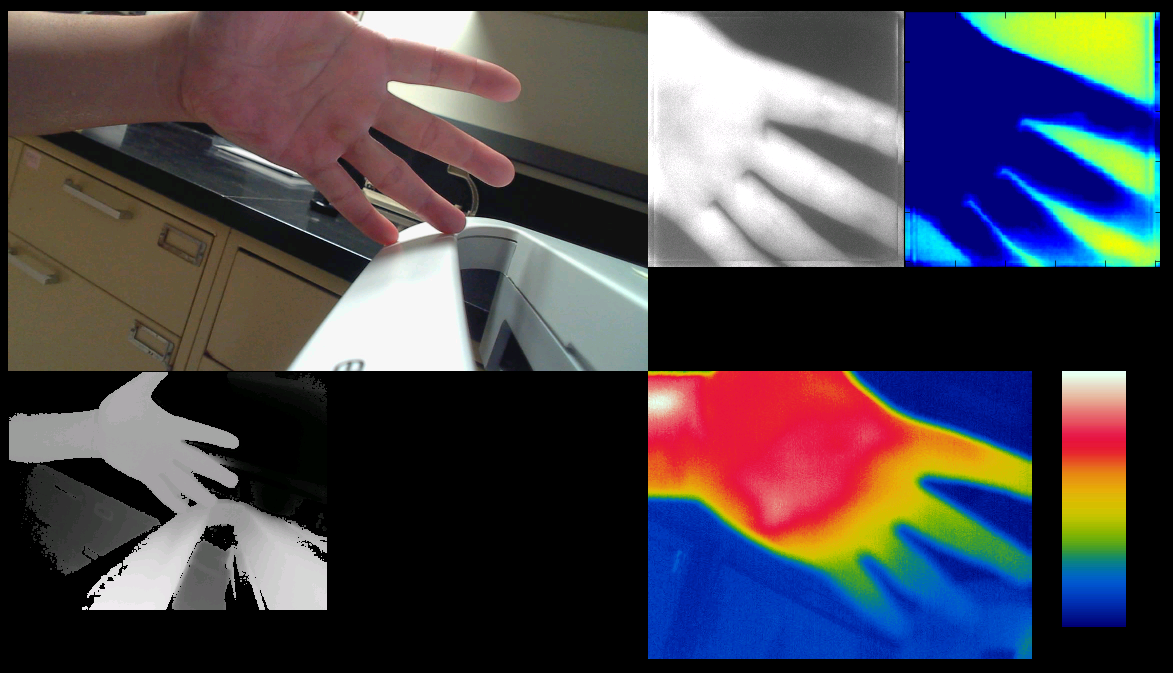
GE and the US Dept of Veterans Affairs have developed a multi sensor probe to detect the earliest signs of pressure ulcer formation.

The device combines computer vision with motion detection, thermal profiling, image classification, 3-D object reconstruction and vapor detection to identify patients at risk and improve treatment.

Hospitals generally advise caregivers to turn patients every two to four hours to prevent ulcers.   Last year ApplySci described Leaf, a sensor that automates and prioritizes turning schedules for large groups of patients.  Traditionally, when ulcers appear, healing is monitored manually by measuring and recording the dimensions of visible lesions.  The VA believes that  by combining physical inspection with  real-time monitoring, ulcers may be prevented from forming or advancing.

Wearable Tech + Digital Health NYC 2015 – June 30 @ New York Academy of Sciences.  Early registration rate available until March 27th.

Categories
Disease mHealth Sensors Wearables

Suit, patch allow doctors to safely treat Ebola patients

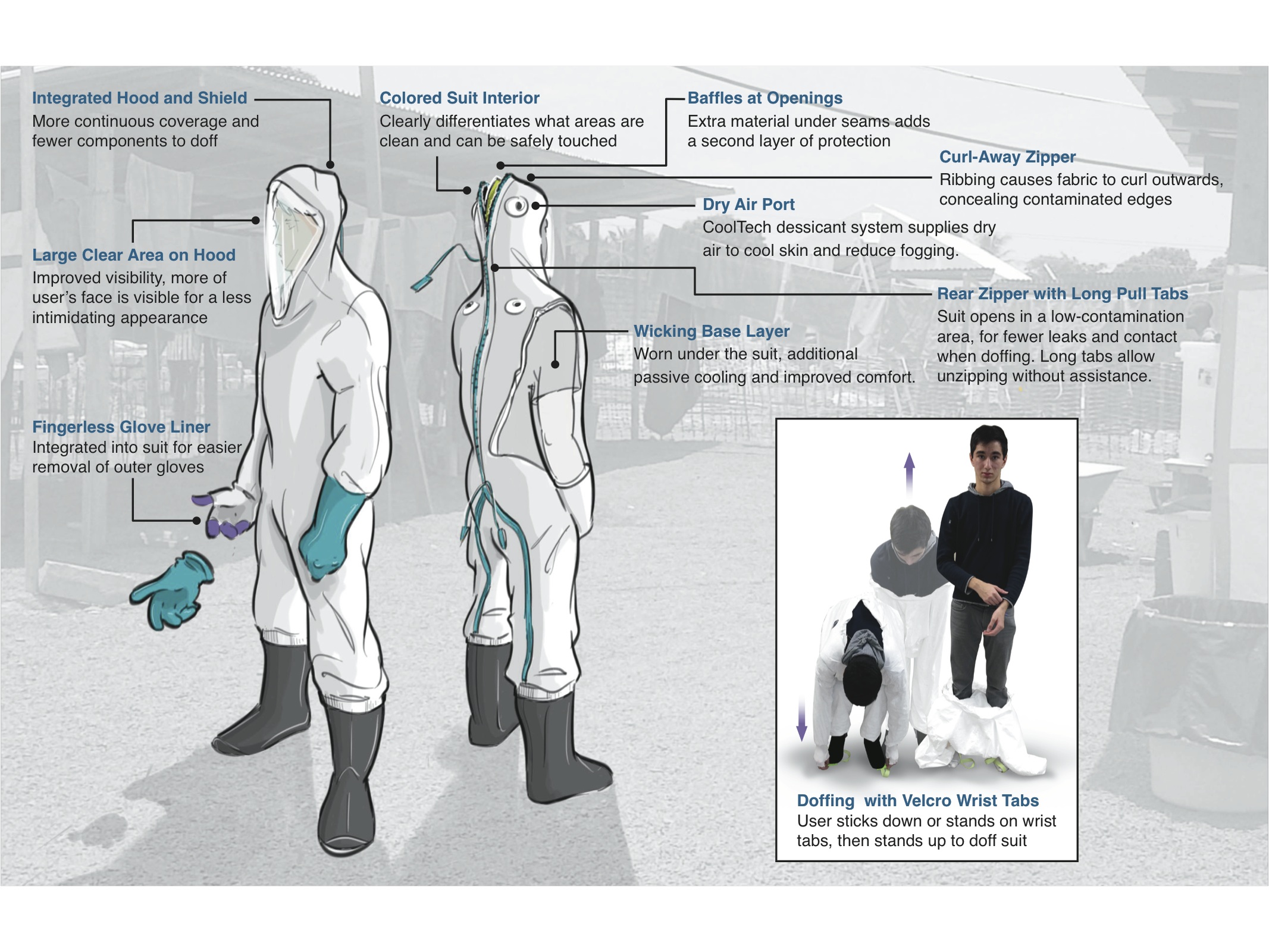
At SXSW this week, USAID unveiled a biomedical suit and a wearable sensor patch to protect doctors while treating Ebola patients.

The John’s Hopkins developed suit takes two minutes to put on.  It has anti-fogging capabilities and will contain a cooling system, allowing doctors to wear it for longer periods.  Past protective suits took 30 minutes to put on, were hot and uncomfortable, and could only be worn for 45 minutes.

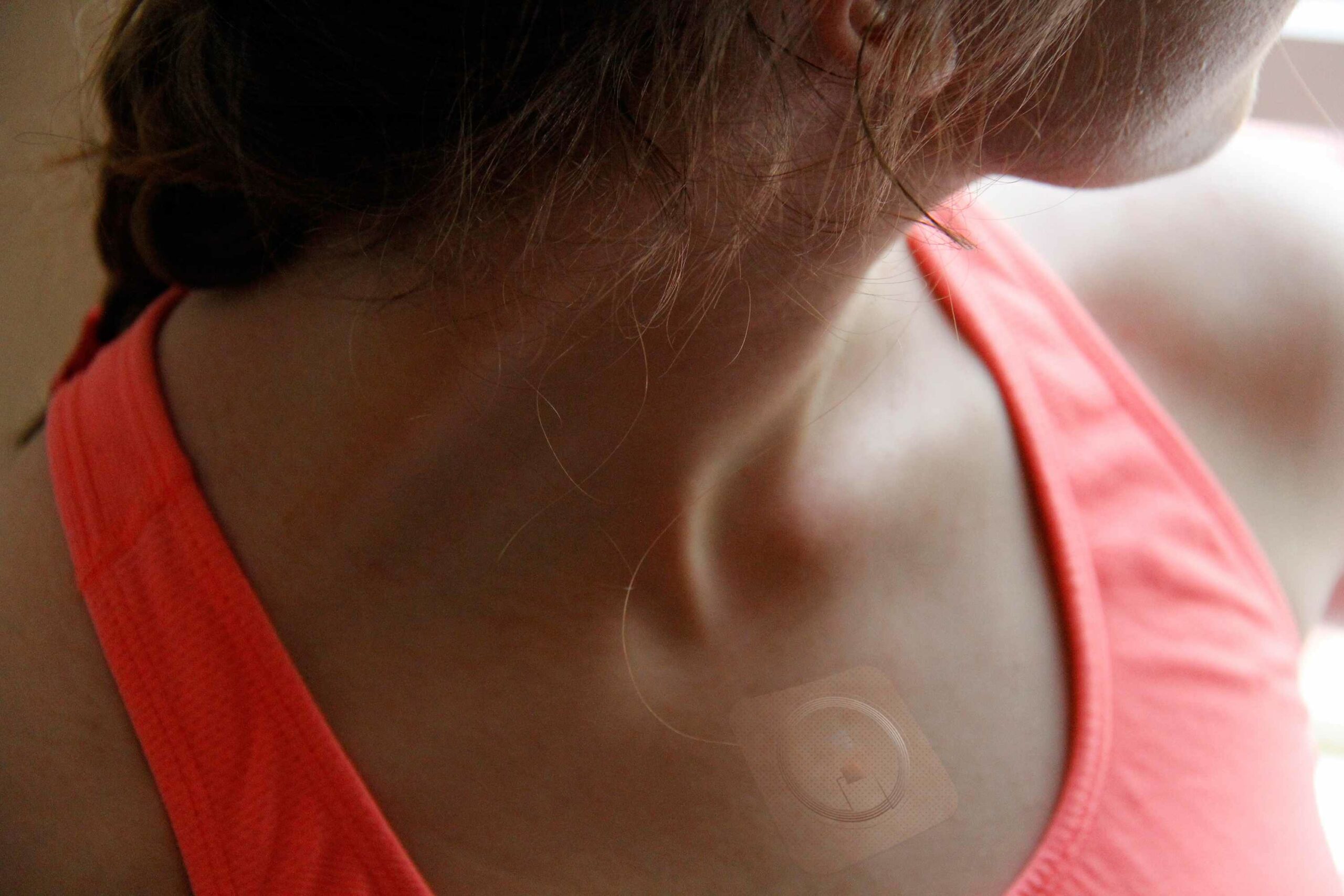
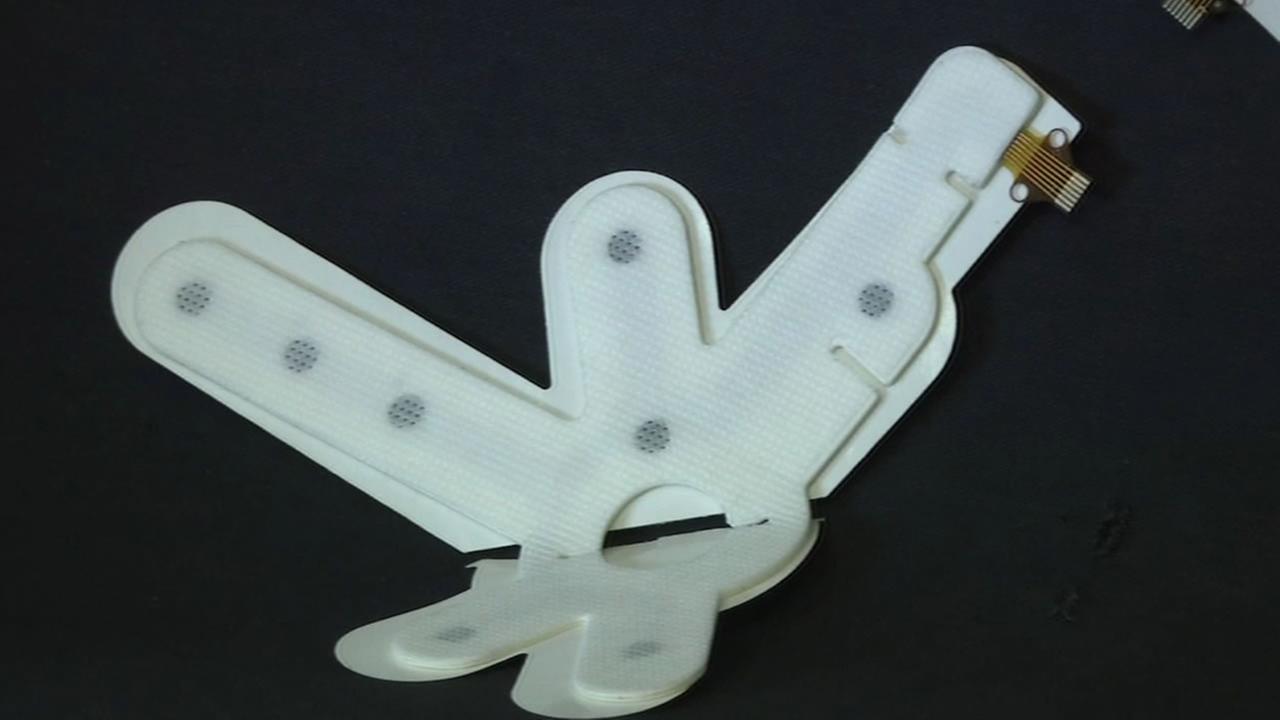
The MultiSense Memory patch described at the conference will enable doctors to remotely monitor patients.  It is flexible , has multiple sensors, and attaches to a patient’s sternum with adhesive.  The device takes baseline heart rate, temp and oxygen saturation readings, and measures all changes.  The prototype uses a USB cable to transmit data, but the patch will use Bluetooth.   It will cost $100 and will have 7 to 10 days of battery life. The average Ebola case runs its course in five days.

Results of USAID’s Grand Challenge to Fight Ebola also include:

  • Aquarius GEP LLC and Innovative BioDefense
    Antiseptic that, when applied to skin, provides up to six hours of pathogen protection and serves as an anti-microbial barrier to viral transmission for health care workers
  • SPR Advanced Technologies, Inc.
    Long-lasting, spray-on barrier that kills and repels microbes with electro-static fields to prevent surface contamination and allow for more breathable PPE materials

Wearable Tech + Digital Healthy NYC 2015 – June 30 @ New York Academy of Sciences.  Early registration rate available until March 27.

Categories
Diabetes Sensors Wearables

Biosensor patch to manage obesity, diabetes

Mayo Clinic and Gentag have announced the joint development of wireless, disposable patch sensors to monitor and manage obesity and diabetes.  The wearables will communicate with smartphones via a closed-loop diabetes management system.   Other indicators monitored by Gentag patches include heart rate, temperature, hydration, sweat, blood sugar, lactic acid, electrolytes and other biomarkers.  It is unclear how many of these will be included in the Mayo/Gentag patch.  Gentag currently monitors glucose with patches that work with tiny, battery-free sensors implanted under the skin.

Wearable Tech + Digital Health NYC 2015 – June 30 @ New York Academy of Sciences.  Early registration rate available until March 27th.

Categories
Seniors Sensors Wearables

Home + wearable sensors detect motor function issues

Fujitsu Laboratories,  CASALA, and Insight@UCD  have developed technology that detects abnormal motor function early using wearable and home embedded sensors.

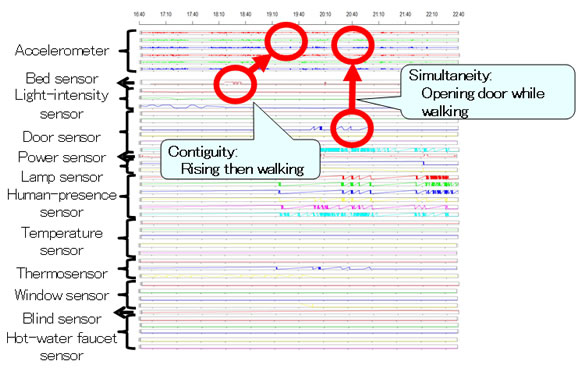
110 ambient sensors were installed in a home which, combined with wearable sensors,  collected extensive daily routine data.   Researchers discovered abnormalities that often go unnoticed by doctors by extracting “opened door” or “walked” events that match an individual’s way of walking from sensing data.  They then observed whether the events happened simultaneously or sequentially, identifying behavior changes that might indicate a decline in health.

The sensor system can be used support seniors aging in place.  Fujitsu plans to test the technology outside of smart houses in an effort to develop medical applications.

Wearable Tech + Digital Health NYC 2015 – June 30 @ New York Academy of Sciences.  Early registration rate available until March 27.

Categories
Sensors Wearables

Bio-ink pens for “do-it-yourself” sensor monitoring

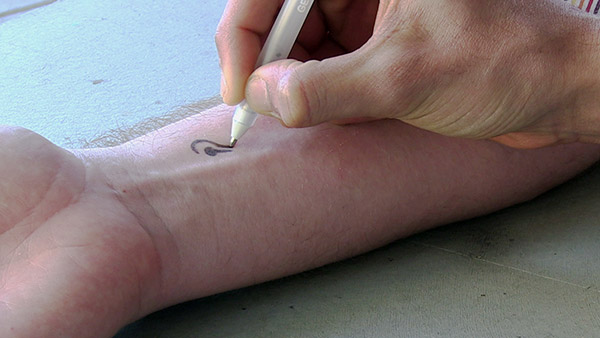
Led by Joseph Wang, creator of the non-invasive glucose monitor ApplySci described in January, UCSD engineers are developing “do it yourself” sensors, drawn directly on skin and smartphones.  The simple, cheap sensors could be used in the clinic, at home, or on the battlefield.

The bio-inks react with several chemicals, including glucose.  Biocompatible polyethylene glycol is used as a binder. Graphite powder makes the inks conductive to electric current. Chitosan ensures that the ink adheres to any surface. Xylitol stabilizes enzymes that react with chemicals the sensors are designed to monitor.

The team filled ballpoint pens with the inks, and drew sensors on the skin to measure glucose, and on leaves to measure pollution.  They could be drawn directly on smartphones for cheap, personalized health monitoring, on external building walls for monitoring of  pollutants, or on the  battlefield to detect explosives and nerve agents.

Wearable Tech + Digital Health NYC 2015 – June 30 @ New York Academy of Sciences


Categories
Sensors Wearables

Cheap, self powered, wireless, disposable health tracker

The University of Tokyo‘s Hiroshi Fuketa has created a flexible, wireless, self-powered, cheap, disposable continuous vital sign monitor.  The armband’s temperature sensor measure body heat under the arm, piezoelectric speaker provides audible feedback, and amorphous silicon solar cells provide  power.  Its organic ink circuits are printed onto a plastic film.  Other sensors could be incorporated to monitor heart rate, blood pressure, or moisture.  A flexible battery could be included to store solar cells to enable the band to work in darkness.

The team claims that the armband is the first with an organic circuit able to produce sound and the ability to incorporate an organic power supply circuit.

Wearable Tech + Digital Health NYC 2015 – June 30 @ New York Academy of Sciences

Categories
Cancer Sensors Wearables

Patch detects breast cancer temperature patterns

Cyrcadia Health‘s iTBra contains patches that detect circadian temperature changes within breast cells.  The data is sent to a lab via smartphone, and analyzed with Nanyang Technical University developed algorithms.   Abnormal temperature and cellular signaling patterns are immediately sent to one’s doctor.

The technology detects normal circadian cellular baselines, as well as abnormal patterns associated with cancer.  The company claims that the device’s accuracy is similar to that of mammography, and particularly benefits those with dense breast tissue.

A clinical trial will soon begin, studying women wearing the device for different lengths of time.

Wearable Tech + Digital Health NYC 2015 – June 30 @ New York Academy of Sciences

Categories
Cancer Conference Sensors

DNA sensor detects cervical, bladder, kidney cancer

University of Twente MESA+ professor Wilfred van der Wiel is developing an electrode to detect cervical, bladder and kidney cancer in DNA.

NanoGap is a 100 nanometer wide gap in a metal electrode with receptors that provide notifications when urine DNA is degraded.  Hypermethylated DNA is bound to the receptors.  By covering the DNA with metal particles, a live wire on a nanoscale is created, resulting in a short circuit and detectable signal.

According to van der Wiel, “In the current situation we only detect cancer at an advanced stage, when the patient already has symptoms, for example associated with a tumor.  In this study we look for DNA where something has changed, i.e. DNA that is covered by the body with methyl groups. In many cancers excessive methylation of the DNA occurs; this is referred to as hypermethylation. Although medical science does not yet know whether hypermethylation always signifies cancer and in what form, a clear link has been shown.”

Wearable Tech + Digital Health NYC 2015 – June 30 @ New York Academy of Sciences

Categories
Cancer Sensors

Breath test to detect early stage lung cancer

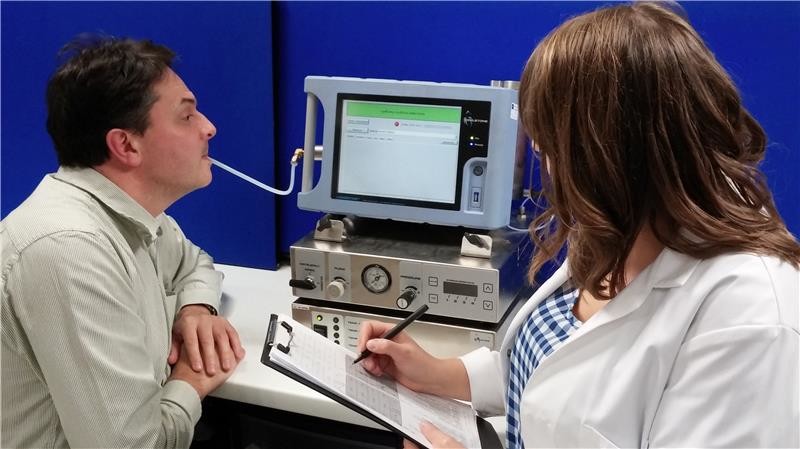
University of Leicester and Owlstone Nanotech are developing a breath test to detect early stage lung cancer.  Clinical trials for the device will begin soon.  Last year ApplySci described a Cleveland Clinic developed sensor with a similar purpose.  The study is being led by Leicester’s Dr Salman Siddiqui.

LuCID (Lung Cancer Indicator Detection), based on Owlstone’s GC-FAIMS (Gas Chromatography – Field Asymmetric Ion Mobility Spectrometry) works by measuring volatile organic compounds  at low concentrations in breath.

Siddiqui’s goals are to  “identify and evaluate biomarkers to improve the accuracy and reliability of breath diagnostic methods” and to  “establish FAIMS as a faster, less expensive and more portable alternative to gas chromatography-mass spectrometry for breath diagnosis applications.”

Wearable Tech + Digital Health NYC 2015 – June 30 @ New York Academy of Sciences


Categories
Diabetes Sensors Wearables

Smart bandage continuously measures pH and oxygen

Harvard professor Ali Khademhosseini, a doctor at Brigham and Women’s Hospital, is developing a smart bandage that determines a wound’s healing progress and distributes medicine accordingly.

The prototype bandage looks like rubber, and has visible sensors tracking pH balance (for bacterial infection), and oxygen, automatically delivering oxygen or antibiotics topically.  Diabetic foot ulcers might be better treated this way.

ApplySci described a related, oxygen measuring, transparent liquid bandage in October 2014.

Wearable Tech + Digital Health NYC 2015 – June 30 @ New York Academy of Sciences

Categories
Cancer Sensors Signal Processing

Smartphone sensor detects cancer in breath

Professor Hossam Haick at the Technion – Israel Institute of Technology has developed a sensor equipped smartphone that screens a user’s breath for early cancer detection.

SNIFFPHONE uses micro and nano sensors that read exhaled breath.  The information is transferred through the phone to a signal processing system for analysis.  According to Haick, the NaNose system can detect benign and malignant tumors more quickly, efficiently and cheaply than previously possible, replacing clinical follow up that would lead to the same intervention.  He claims that NaNose has  a 90 percent accuracy rate.

This is one of several biomedical sensor breakthroughs that Professor Haick is working on.  In July 2013, ApplySci described his flexible sensor that could be integrated into electronic skin, enabling those with prosthetic limbs to feel changes in their environments.  This is similar to Roozbeh Ghaffari’s work at MC10, which we described last month and will be included in our June 30th conference, Wearable Tech + Digital Health NYC 2015.