Categories
Asthma Diabetes Sensors

Glucose monitoring breath test

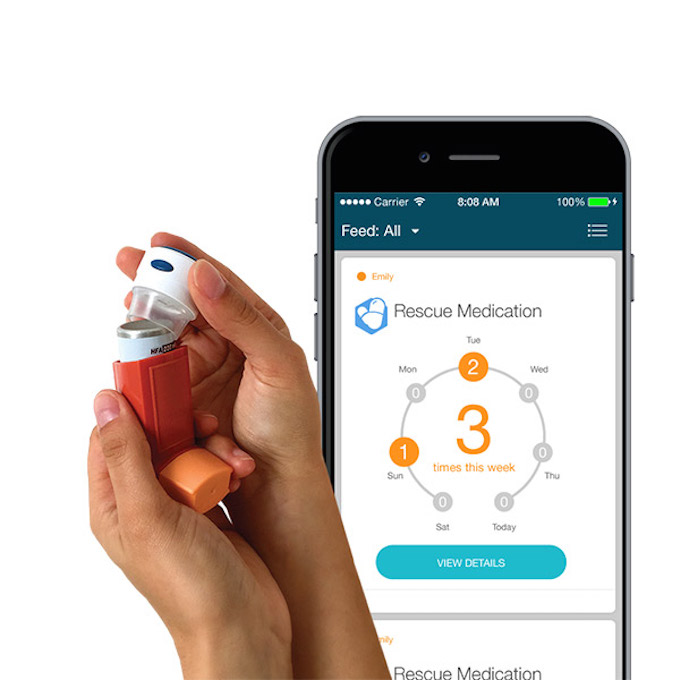
Applied Nanodetectors is in the early stages of developing a noninvasive breath sensor for diabetics to monitor daily glucose levels.  By measuring the levels of volatile organic compounds in breath, if accurate, this could replace finger pricking for disease sufferers, and create a simple diagnostic test.

The company has a related product that monitors the concentration of exhaled trace gas chemicals in an asthma patient’s breath, before symptoms develop, for early warning of attacks.

This, and similar technologies (see ApplySci, 1/11/16), could lead to the incorporation of medical grade sensors into smartphones, which could enable continuous monitoring of multiple conditions.


Wearable Tech + Digital Health San Francisco – April 5, 2016 @ the Mission Bay Conference Center

NeuroTech San Francisco – April 6, 2016 @ the Mission Bay Conference Center

Wearable Tech + Digital Health NYC – June 7, 2016 @ the New York Academy of Sciences

NeuroTech NYC – June 8, 2016 @ the New York Academy of Sciences
 

Categories
Nanoparticles Sensors

“Bubble-pen” writes with nanoparticles

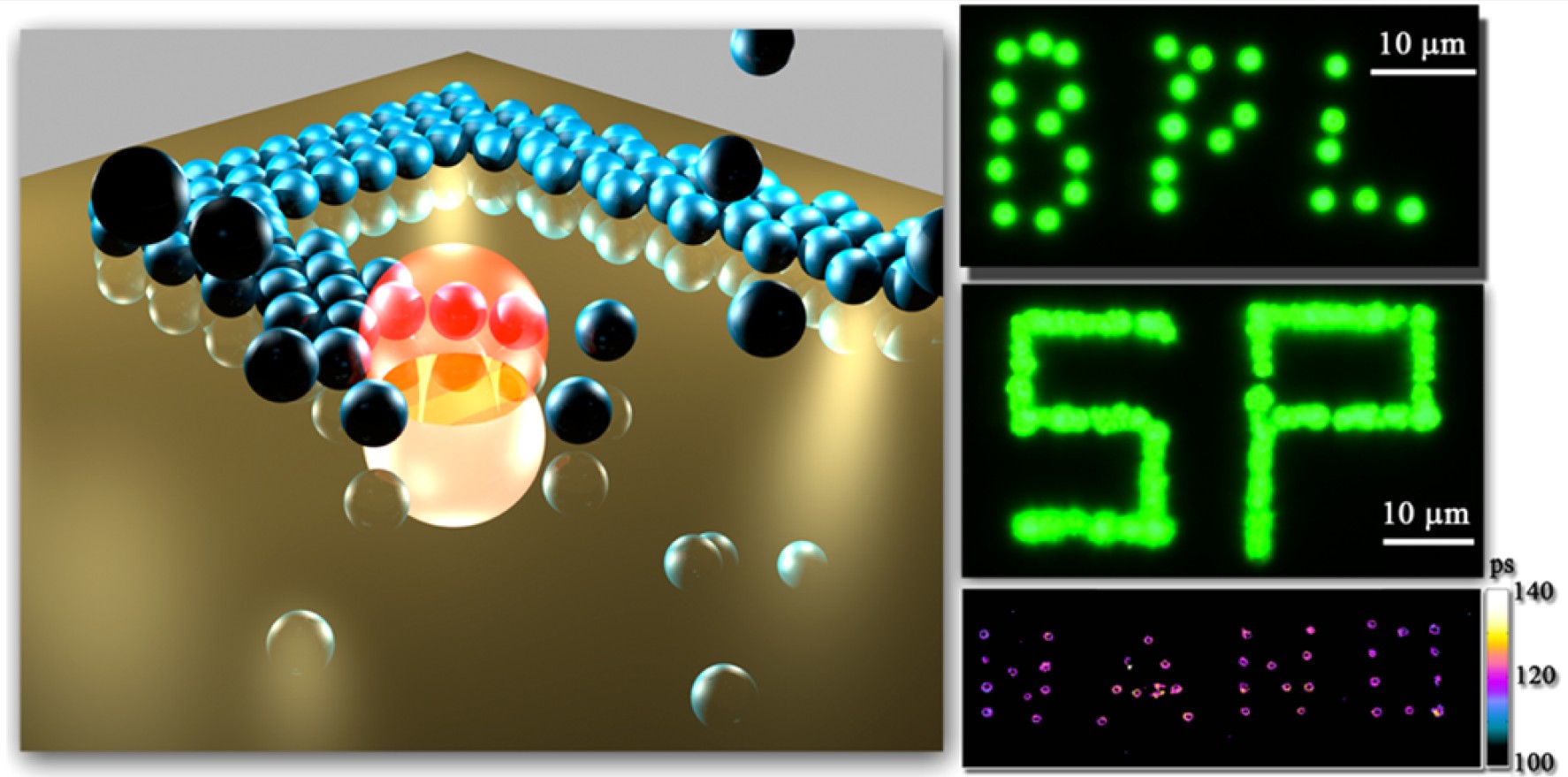
Yuebing Zheng and University of Texas colleagues have developed a “bubble pen lithography” device and technique to quickly, gently and precisely handle nanoparticles.  This can support the creation of accurate and highly sensitive biomedical sensors for drug delivery or imaging, among other applications.

The method relies on micro bubbles to  inscribe nanoparticles onto a surface.  A laser is focused underneath a sheet of gold nanoislands to generate a hotspot that creates a microbubble out of vaporized water. The bubble attracts and captures a nanoparticle through gas pressure, thermal and surface tension, surface adhesion and convection. The laser steers the microbubble to move the nanoparticle on a site on the surface. When the laser is turned off, the microbubble disappears, leaving the particle on the surface.

Existing methods, used to etch materials on a substrate, cannot precisely apply nanoparticles to a specific location.  Bubble-pen lithography can also use a 3D printer-like program, depositing nanoparticles in a pre-programmed pattern in real-time.


Wearable Tech + Digital Health San Francisco – April 5, 2016 @ the Mission Bay Conference Center

NeuroTech San Francisco – April 6, 2016 @ the Mission Bay Conference Center

Wearable Tech + Digital Health NYC – June 7, 2016 @ the New York Academy of Sciences

NeuroTech NYC – June 8, 2016 @ the New York Academy of Sciences
 

Categories
Sensors Wearables

Sensor patch, app, quantify sun exposure

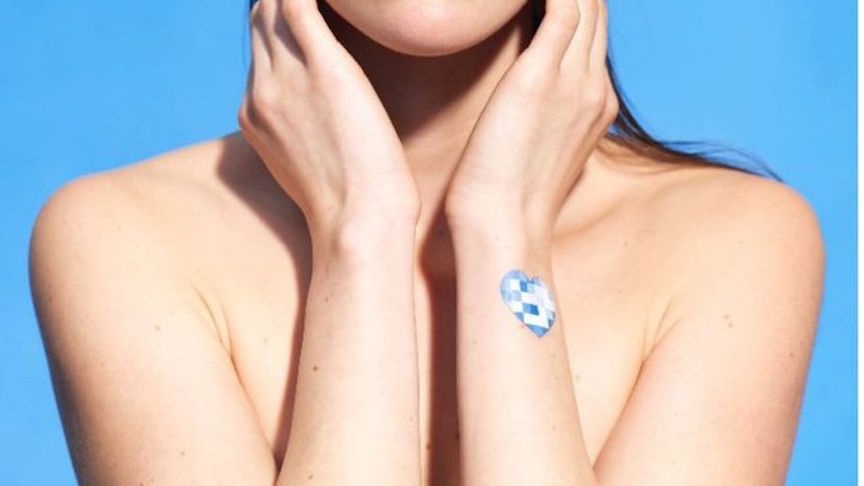
MC10 has partnered with L’Oreal to develop MyUV Patch, a small, flexible adhesive patch that uses MC10’s advanced sensors to determine sun exposure.  Photosensitive dyes incorporate skin tone into the equation, and change colors as UV exposure increases. Users upload photos of the changing patch to an app that determines exposure levels.

Last year ApplySci described related technology in the Spinali Bikini, which has integrated sensors that measure UV and send smartphone alerts.


Wearable Tech + Digital Health San Francisco – April 5, 2016 @ the Mission Bay Conference Center

NeuroTech San Francisco – April 6, 2016 @ the Mission Bay Conference Center

Wearable Tech + Digital Health NYC – June 7, 2016 @ the New York Academy of Sciences

NeuroTech NYC – June 8, 2016 @ the New York Academy of Sciences
 

Categories
Sensors Wearables

Flexible bio-sensor wearable + cloud system + research portal

ApplySci has long followed the disruptive work of John Rogers and Roozbeh Ghaffari at MC10.  At last year’s Wearable Tech + Digital Health NYC conference, Dr. Ghaffari described the company’s bio-medical sensor based wearable electronics, its focus on movement disorder and cardiac monitoring to both measure the impact of medicine and track quality of life, and its plans to develop an ecosystem meant to better inform physicians.

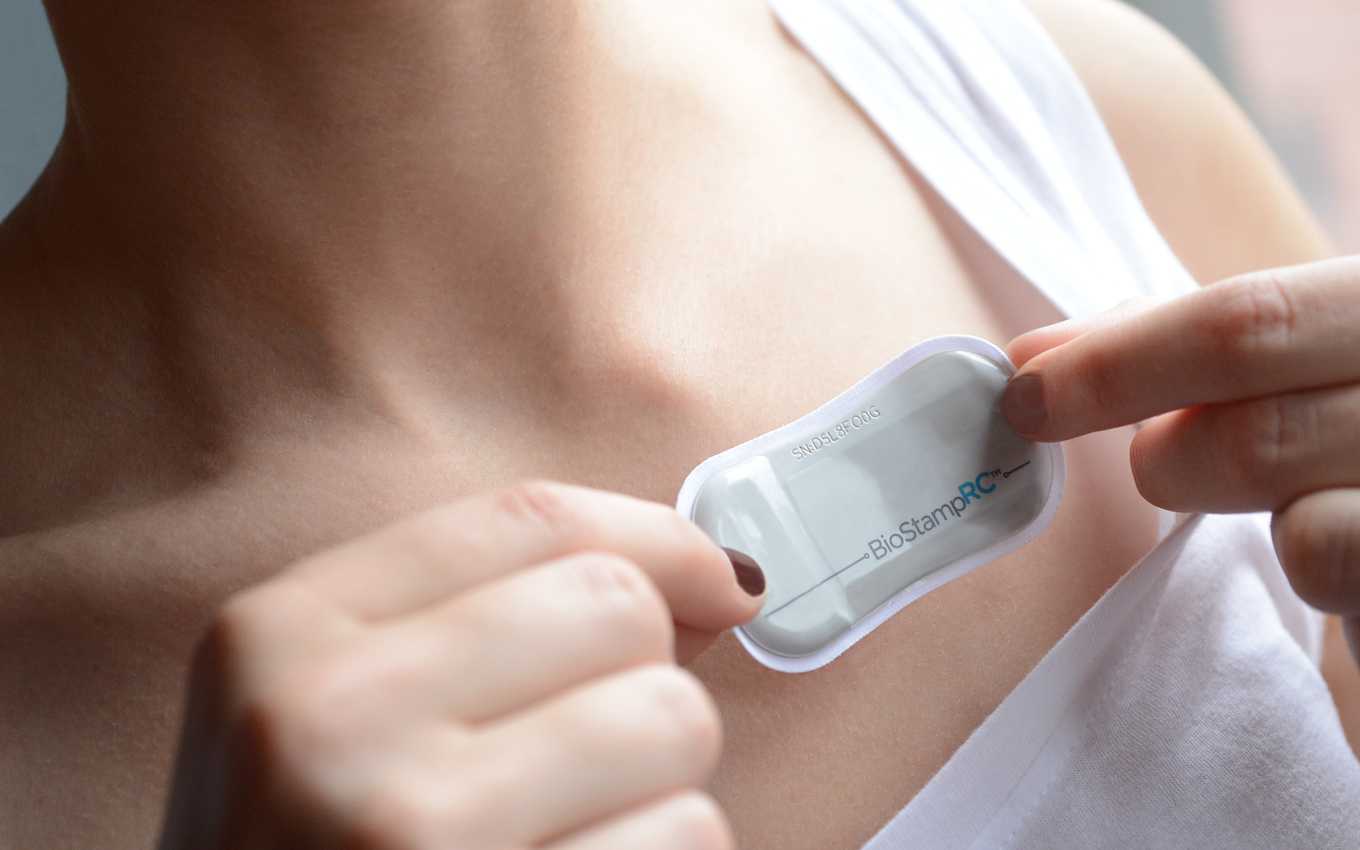
Today MC10 unveiled BioStamp Research Connect — a closed loop platform that combines flexible, bendable, stretchable sensors with a cloud system for researchers to share data across several sites in real time.

BioStamp Sensors can be placed simultaneously on locations across the body to monitor and understand multiple health parameters. This will reduce observation error and improve data capture, and can be used in a clinical setting, or comfortably through daily life, including through exercise and sleep.

Ghaffari will be a featured speaker at Wearable Tech + Digital Health San Francisco on April 5th.  Click to view his interview with Unity Stoakes at the 2015 Wearable Tech + Digital Health NYC conference.


Wearable Tech + Digital Health San Francisco – April 5, 2016 @ the Mission bay Conference Center

NeuroTech San Francisco – April 6, 2016 @ the Mission Bay Conference Center

2nd annual Wearable Tech + Digital Health NYC – June 7, 2016 @ the New York Academy of Sciences

NeuroTech  NYC – June 8, 2016 @ the New York Academy of Sciences
Categories
Sensors

Smart thermometer + app track temperature over time

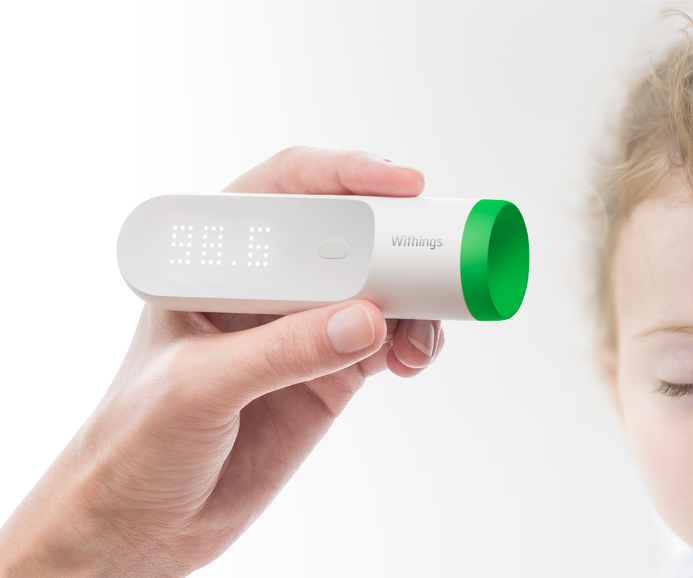
Thermo by Withings is a connected, highly accurate, non invasive thermometer. It measures temperature from the temporal artery on the side of the head using 16 infrared sensors.

4,000 measurements are taken in 2 seconds, and a proprietary algorithm corrects for differences including skin heat loss or heat from a room’s light. Data is sent to a smartphone via bluetooth, and the accompanying app tracks temperature over time.  Custom inputs including medicine taken can be added.


Wearable Tech + Digital Health San Francisco – April 5, 2016 @ the Mission Bay Conference Center

NeuroTech San Francisco – April 6, 2016 @ the Mission Bay Conference Center

2nd annual Wearable Tech + Digital Health NYC – June 7, 2016 @ the New York Academy of Sciences

NeuroTech NYC – June 8, 2016 @ the New York Academy of Sciences
Categories
Sensors Wearables

Comprehensive health wearable chip; no external processing required

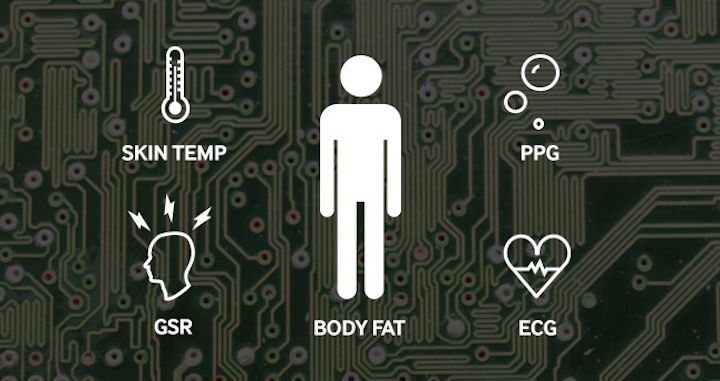
Samsung’s Bio-Processor is an “all-in-one health solution chip” that includes multiple control and sensor units and does not require external processing.  The self sufficient chip integrates  Analog Front Ends, a microcontroller unit, a power management integrated circuit, a digital signal processor,  and eFlash memory.

The five AFEs include bioelectrical impedance analysis, PPG, ECG, and galvanic skin response.  This enables the tracking of  body fat, skin temperature, and heart rate, among other measures.


Wearable Tech + Digital Health San Francisco – April 5, 2016 @ the New York Academy of Sciences

NeuroTech San Francisco – April 6, 2016 @ the New York Academy of Sciences

2nd Annual Wearable Tech + Digital Health NYC – June 7, 2016 @ the New York Academy of Sciences

NeuroTech NYC – June 8, 2016 @ the New York Academy of Sciences
Categories
Seniors Sensors

“X ray” vision for fall prevention, motion detection

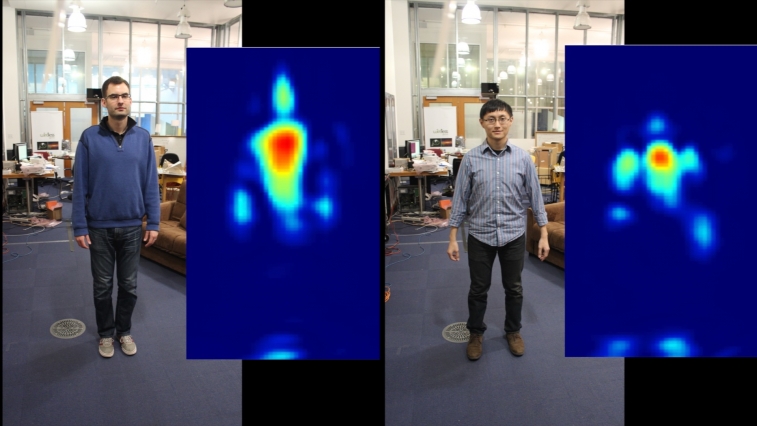
Dina Katabi and MIT colleagues are using radio signal based software to recognize human silhouettes through walls, and track movements.  The technology is intended to help monitor children and the elderly, and could be used by the military and the police.

The signal is displayed on a screen, where movements are tracked in real time. The person is shown as a red dot, and can be seen moving around a room, sitting in a chair, or moving faster or slower.  Breathing and heart rate can be monitored (with out the use of a wearable), and people can be identified based on their skeleton.  In the event of a fall, caregivers are notified by text or email.


Wearable Tech + Digital Health San Francisco – April 5, 2016 @ the Mission Bay Conference Center

NeuroTech San Francisco – April 6, 2016 @ the Mission Bay Conference Center

Wearable Tech + Digital Health NYC – June 7, 2016 @ the New York Academy of Sciences

NeuroTech NYC – June 8, 2016 @ the New York Academy of Sciences
 

Categories
Eyes Robotics Sensors

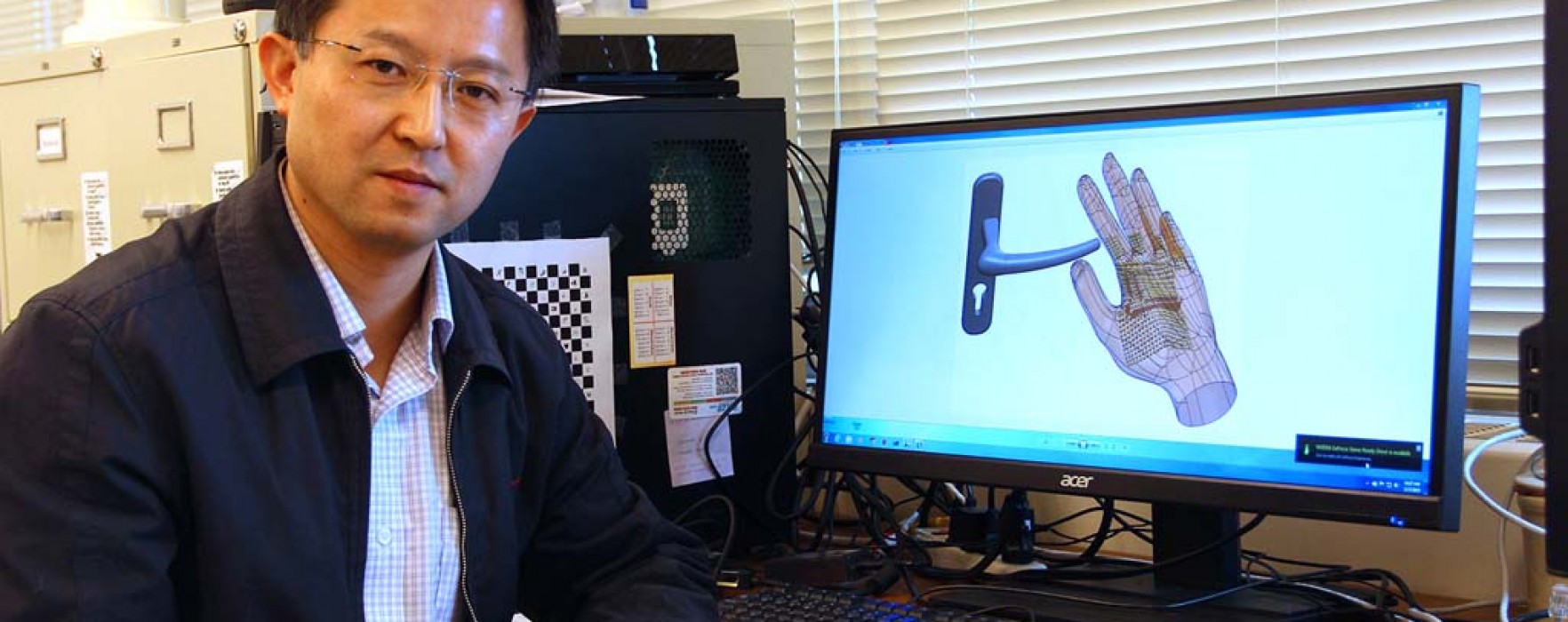
Robotic “glove” helps sight-impaired navigate, sense, grab objects

University of Nevada’s Yantao Shen is developing a hand-worn robotic device to help blind and sight impaired people navigate around obstacles, or locate, sense and grasp objects.  Examples include picking up a glass or operating a door handle. The technology combines vision, tactile, force, temperature and audio sensors.

According to Shen: “The visual sensors, very high resolution cameras, will first notify the wearer of the location and shape, and the proximity touch sensors kick in as the hand gets closer to the object. The multiple sensors and touch actuators array will help to dynamically ‘describe’ the shape of the object to the hand when the hand is close to the object, allowing people with vision loss to have more independence and ability to navigate and to safely grasp and manipulate.”


Wearable Tech + Digital Health San Francisco – April 5, 2016 @ the Mission Bay Conference Center

NeuroTech San Francisco – April 6, 2016 @ the Mission Bay Conference Center

Wearable Tech + Digital Health NYC – June 7, 2016 @ the New York Academy of Sciences

NeuroTech NYC – June 8, 2016 @ the New York Academy of Sciences
Categories
Cancer Sensors

Mobile 3D imaging for early breast cancer detection

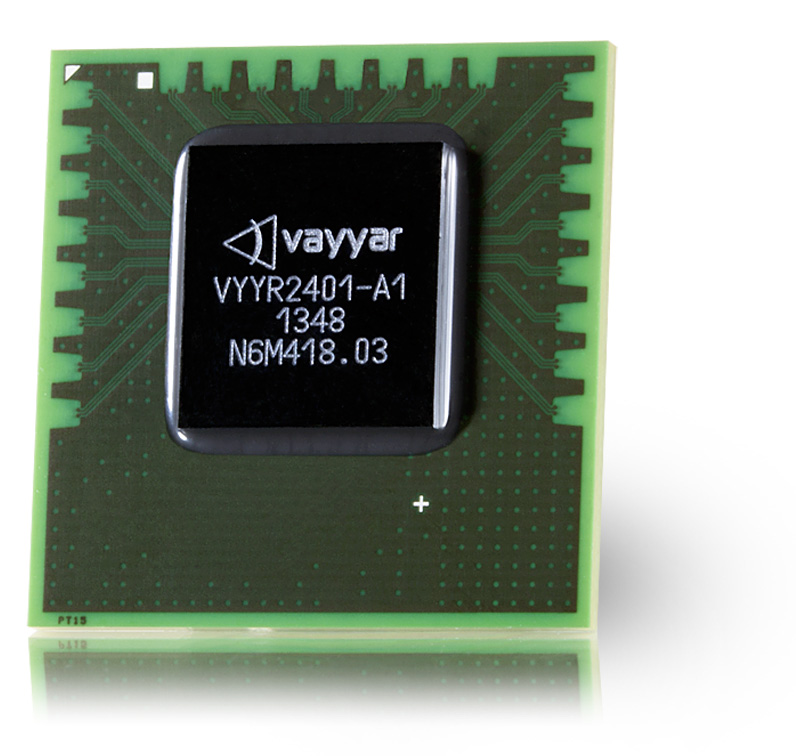
Vayyar is a 3D imaging company that aims to turn every mobile device into an advanced imaging system.  The company, which focuses on breast cancer detection, among other applications, claims that it can better detect anomalies, at an earlier stage, than traditional methods.    The technology will be demonstrated at CES next month.  ApplySci looks forward to more detail about its sensors, as well as clinical study results.


Wearable Tech + Digital Health San Francisco – April 5, 2016 @ the Mission Bay Conference Center

NeuroTech San Francisco – April 6, 2016 @ the Mission Bay Conference Center

Wearable Tech + Digital Health NYC – June 7, 2016 @ the New York Academy of Sciences

NeuroTech NYC – June 8, 2016 @ the New York Academy of Sciences
Categories
Sensors Wearables Wounds

Flexible hydrogel bandage senses temperature, releases medicine

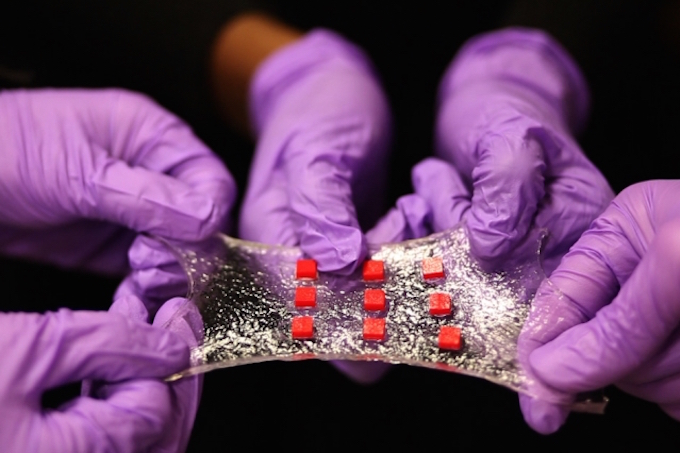
MIT’s Xuanhe Zhao has designed a bandage that  releases medicine in response to changes in skin temperature.  It can be programmed to light if  wound attention is required, such as when medicine is low.

The flexible,  gel-like material  incorporates temperature sensors, LED lights, other electronics, and tiny, drug-delivering reservoirs and channels.

Zhao believes that hydrogel coated electronics  will also be able to be used inside the body.  He suggested that implanted, biocompatible glucose sensors, or  soft, compliant neural probes could be created.


Wearable Tech + Digital Health San Francisco – April 5, 2016 @ the Mission Bay Conference Center

NeuroTech San Francisco – April 6, 2016 @ the Mission Bay Conference Center

Wearable Tech + Digital Health NYC – June 7, 2016 @ the New York Academy of Sciences

NeuroTech NYC – June 8, 2016 @ the New York Academy of Sciences
 

Categories
Apps Asthma Sensors Wearables

Wearable, home, school sensors + app predict asthma attacks

ApplySci is pleased to report another sensor-based initiative to combat asthma.

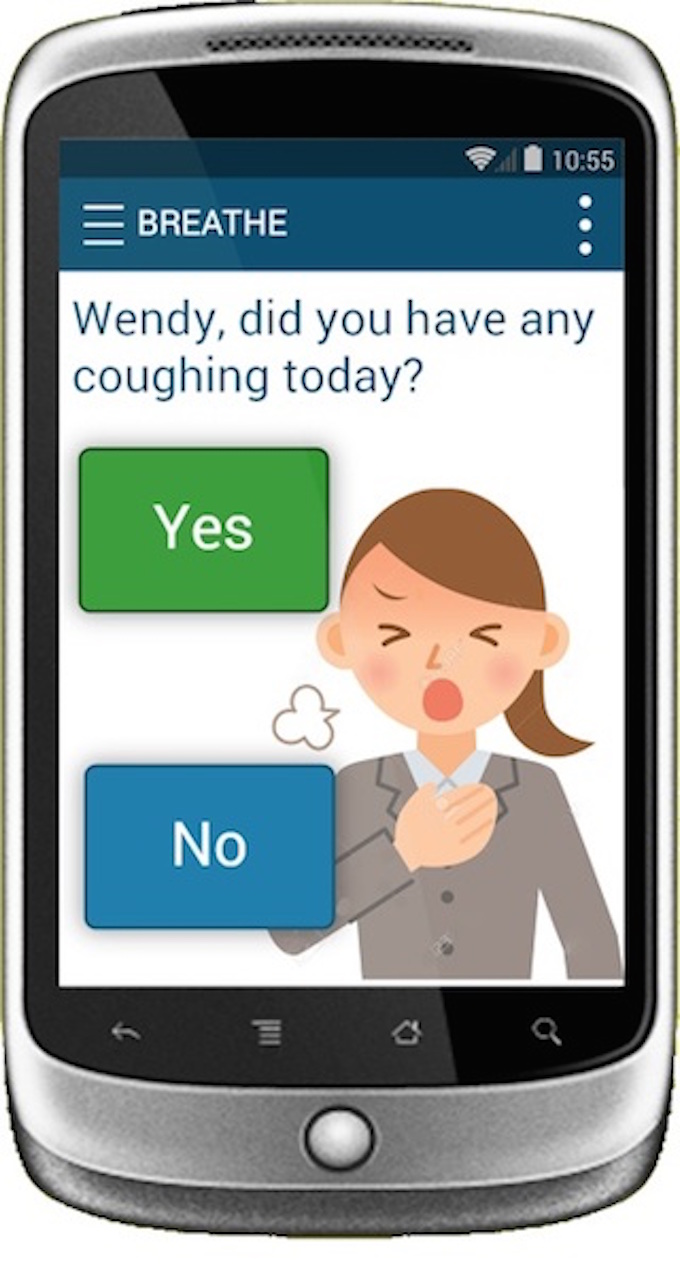
Alex Bui and colleagues from UCLA and USC are creating technology for smart phones and watches to identify asthma attack triggers.  The program is part of the National Institute of Biomedical Imaging & Bioengineering’s Pediatric Research using Integrated Sensor Monitoring Systems  initiative.

The  platform will transmit data to a phone from wearable sensors, and those placed in homes and schools. The information is sent to the cloud, where it will be integrated with  electronic health records and real-time weather, air quality, pollen count  reports.


WEARABLE TECH + DIGITAL HEALTH SAN FRANCISCO – APRIL 5, 2016 @ THE MISSION BAY CONFERENCE CENTER

NEUROTECH SAN FRANCISCO – APRIL 6, 2016 @ THE MISSION BAY CONFERENCE CENTER

WEARABLE TECH + DIGITAL HEALTH NYC – JUNE 7, 2016 @ THE NEW YORK ACADEMY OF SCIENCES

NEUROTECH NYC – JUNE 8, 2016 @ THE NEW YORK ACADEMY OF SCIENCES

Categories
Asthma Sensors Wearables

Medication sensing inhaler correlates adherence, attacks

Propeller Health and GSK are developing of an inhaler-integrated medication sensor that will automatically collect and record usage data.  The system combines sensors, mobile apps, analytics, and feedback for patients and caregivers.

The companies believes that it will help doctors better understand asthma and COPD, predict attacks, and reduce hospitalizations.

Information will be collected in a central data repository and analyzed for adherence patterns across patient populations, and correlations between adherence and safety, efficacy and economic outcomes.


WEARABLE TECH + DIGITAL HEALTH SAN FRANCISCO – APRIL 5, 2016 @ THE MISSION BAY CONFERENCE CENTER

NEUROTECH SAN FRANCISCO – APRIL 6, 2016 @ THE MISSION BAY CONFERENCE CENTER

WEARABLE TECH + DIGITAL HEALTH NYC – JUNE 7, 2016 @ THE NEW YORK ACADEMY OF SCIENCES

NEUROTECH NYC – JUNE 8, 2016 @ THE NEW YORK ACADEMY OF SCIENCES