Categories
Sensors

Prosthesis-integrated sensor detects infections early

Infections in prostheses, for amputees, and in joint replacements, are common, often found too late, and can necessitate additional surgeries or worse complications.  Current detection methods include MRI, CT, and X-ray.

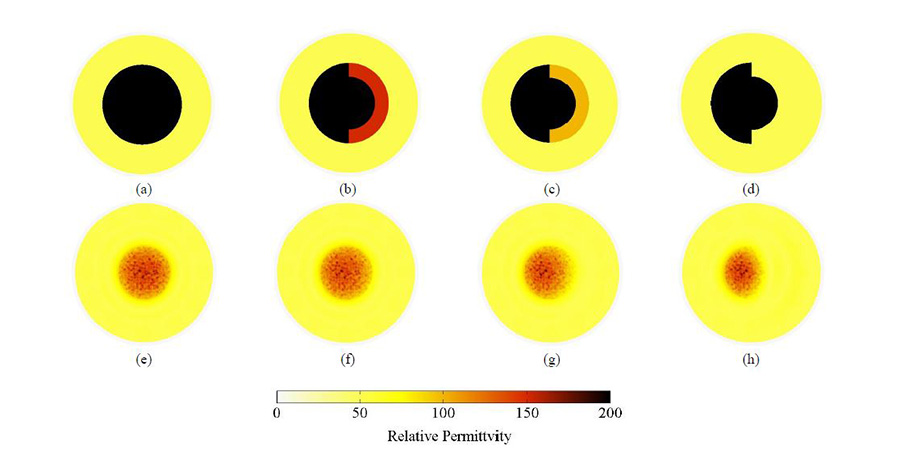
Ken Loh and UCSD colleagues have developed an infection detecting prosthesis coating + imaging technique that could be used at home or in a doctors office.  Prostheses are continuously monitored and quantitative diagnostic data about the extent and location of an infection is provided.

Enhanced ECT was used to measure the human tissue and prosthesis’ electrical properties using  electrical fields. An algorithm processed the data to allow physicians to reconstruct a predetermined area’s electrical properties, to reveal tissue, bone, and prosthesis health. Infection caused changes in the field, detected by ECT.

A thin-film sensor was sprayed onto a prosthesis to improve infection detection. The film is made of a conductive polymer matrix that is sensitive to pH, and carbon nanotubes, embedded in the matrix, to increase the material’s ability to conduct electricity more sensitively, regardless of the pH level. Infections caused by different microorganisms often change the local pH in human cells and affect their ability to conduct electricity.

ApplySci’s 6th  Digital Health + NeuroTech Silicon Valley  –  February 7-8 2017 @ Stanford   |   Featuring:   Vinod Khosla – Tom Insel – Zhenan Bao – Phillip Alvelda – Nathan Intrator – John Rogers – Roozbeh Ghaffari –Tarun Wadhwa – Eythor Bender – Unity Stoakes – Mounir Zok – Sky Christopherson – Marcus Weldon – Krishna Shenoy – Karl Deisseroth – Shahin Farshchi – Casper de Clercq – Mary Lou Jepsen – Vivek Wadhwa – Dirk Schapeler – Miguel Nicolelis
Categories
BCI

BCI controlled robotic arm; no implant required

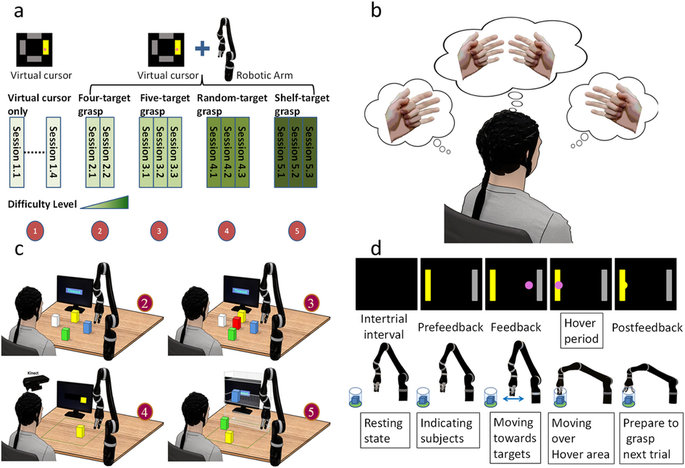
University of Minnesota professor Bin He has created a brain computer interface to control a robotic arm with out an implant.

In a recent study, EEG alone was used to allow 8 people to move objects in a complex 3D environment.  Combined with advanced signal processing and machine learning, thoughts were turned into actions.

64 electrodes were required, making a clinical setting necessary.  However, if this system can be adapted to use the smaller, mobile EEG bands now being developed, a mobile or home based noninvasive interface might be possible in the future.

ApplySci’s 6th  Digital Health + NeuroTech Silicon Valley  –  February 7-8 2017 @ Stanford   |   Featuring:   Vinod Khosla – Tom Insel – Zhenan Bao – Phillip Alvelda – Nathan Intrator – John Rogers – Roozbeh Ghaffari –Tarun Wadhwa – Eythor Bender – Unity Stoakes – Mounir Zok – Sky Christopherson – Marcus Weldon – Krishna Shenoy – Karl Deisseroth – Shahin Farshchi – Casper de Clercq – Mary Lou Jepsen – Vivek Wadhwa – Dirk Schapeler – Miguel Nicolelis
 

Categories
Conference Sensors Wearables

Tiny wearable sensor measures blood flow

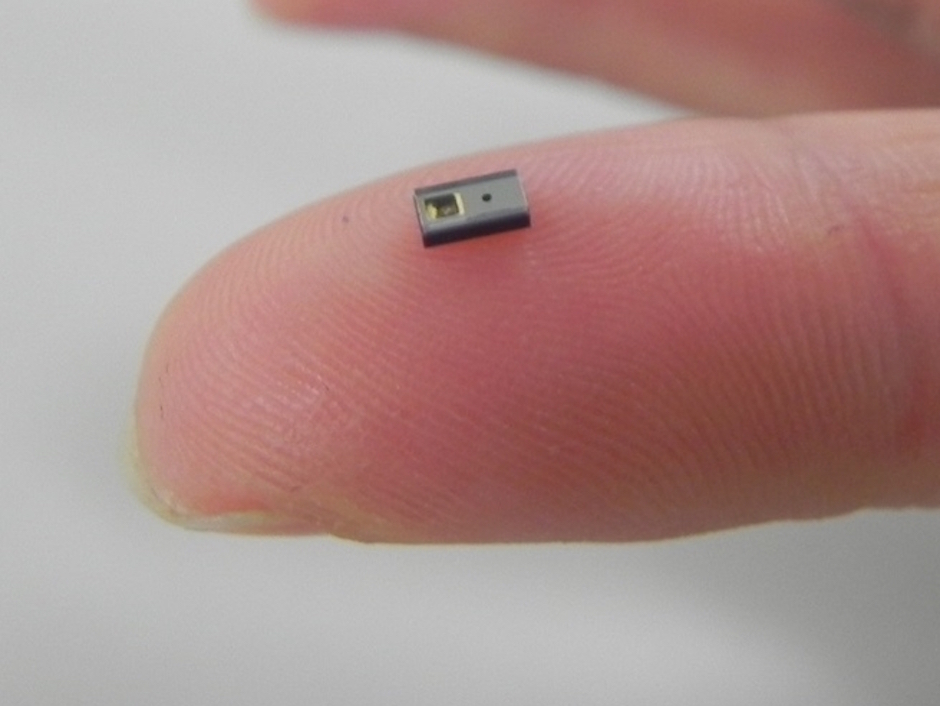
Kyocera has developed a tiny optical sensor to measure blood flow volume in subcutaneous tissue, meant to be integrated into a phone or wearable. Potential applications include monitoring stress and preventing dehydration, heat stroke, and altitude sickness.

The device will be used  in/on an ear, finger or forehead, to measure the velocity-driven frequency of reflected light within blood vessels. The  sensor utilizes the relative shift in frequency and the strength of the reflected light  to determine blood-flow volume.

ApplySci’s 6th  Digital Health + NeuroTech Silicon Valley  –  February 7-8 2017 @ Stanford   |   Featuring:   Vinod Khosla – Tom Insel – Zhenan Bao – Phillip Alvelda – Nathan Intrator – John Rogers – Roozbeh Ghaffari –Tarun Wadhwa – Eythor Bender – Unity Stoakes – Mounir Zok – Krishna Shenoy – Karl Deisseroth – Shahin Farshchi – Casper de Clercq – Mary Lou Jepsen – Vivek Wadhwa – Dirk Schapeler – Miguel Nicolelis
 

Categories
Brain

Non-invasive visual stimulation to treat Alzheimer’s disease

Cognito Therapeutics is developing a device-driven approach to Alzheimer’s treatment.

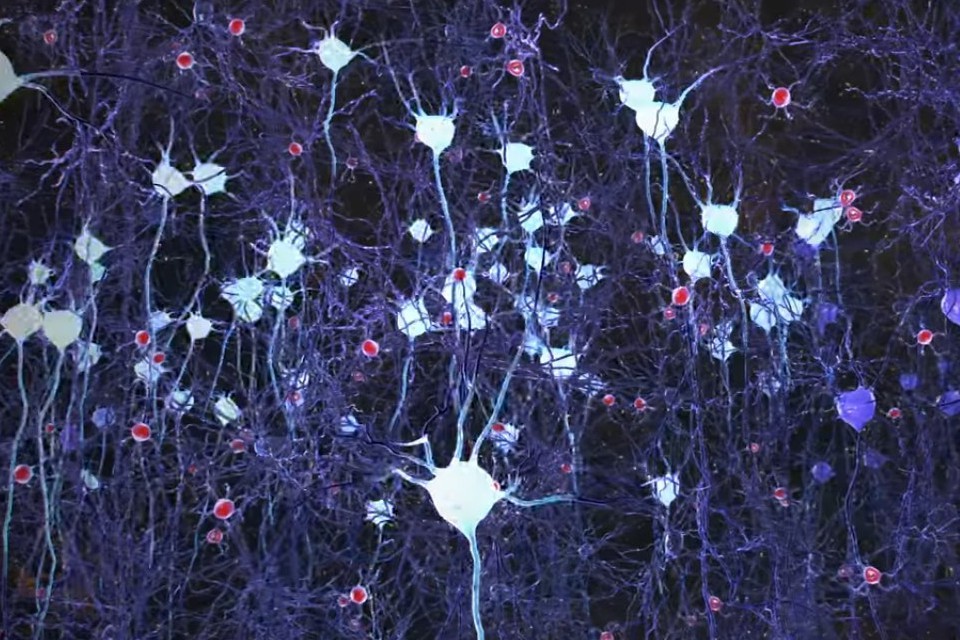
Based on research by MIT’s Ed Boyden, globally recognized for his work in optogenetics,  and Li-Hue Tsai, director of the Picower Institute for Learning and Memory, flickering-light stimulation has been used to  restore gamma oscillation in the brains of the mice.  This activated microglia cells to remove beta amyloid plaques.

The method has not yet been tested in humans, but shows promise as a non invasive alternative to current treatments, known for multiple side effects and limited benefits.

The company has filed patents covering the use of the technology in several neurological disorders.

ApplySci’s 6th  Digital Health + NeuroTech Silicon Valley  –  February 7-8 2017 @ Stanford   |   Featuring:   Vinod Khosla – Tom Insel – Zhenan Bao – Phillip Alvelda – Nathan Intrator – John Rogers – Roozbeh Ghaffari –Tarun Wadhwa – Eythor Bender – Unity Stoakes – Mounir Zok – Krishna Shenoy – Karl Deisseroth – Shahin Farshchi – Casper de Clercq – Mary Lou Jepsen – Vivek Wadhwa – Dirk Schapeler – Miguel Nicolelis


Categories
AI Robotics Seniors

Sensors + robotics + AI for safer aging in place

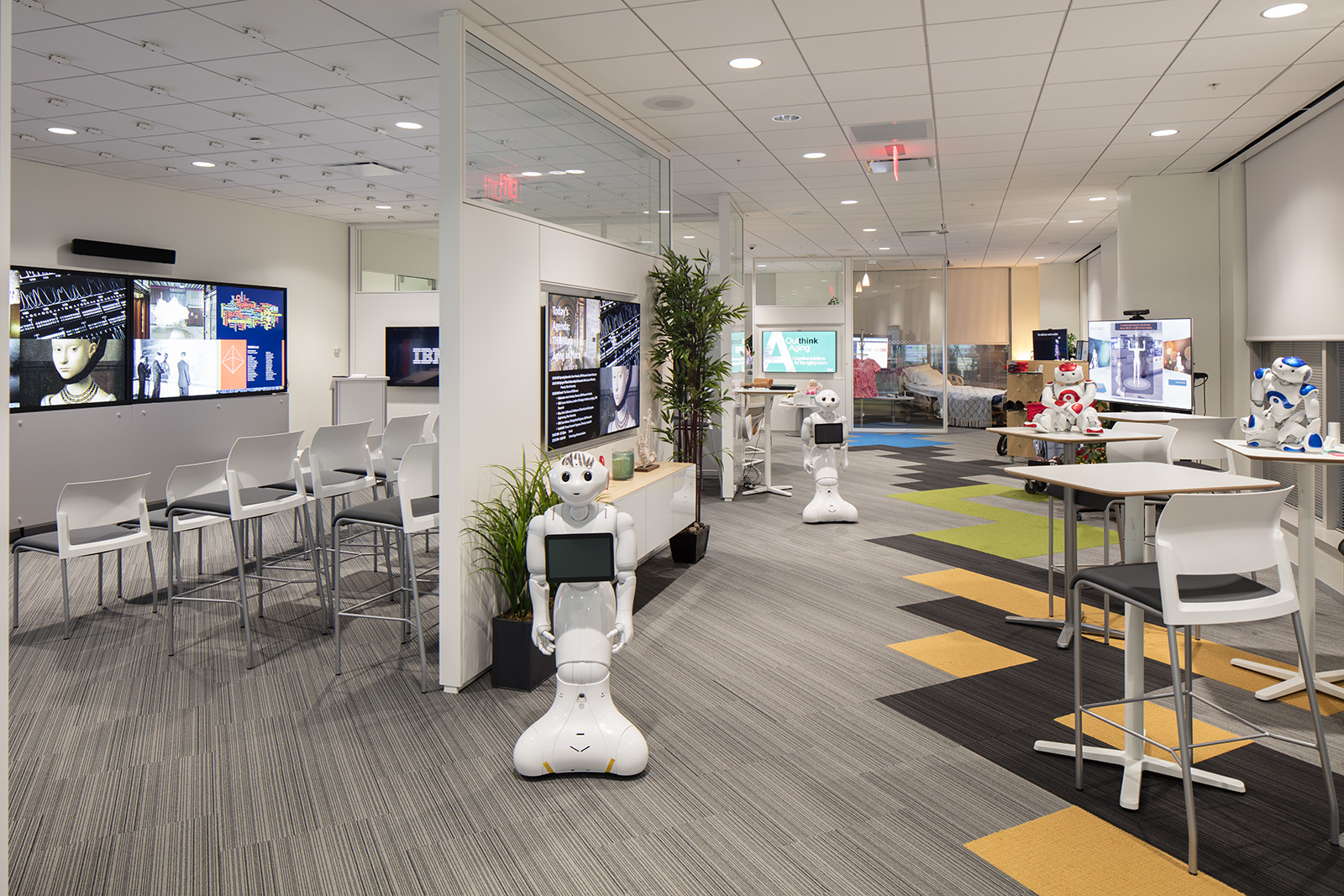
IBM and rice University are developing MERA — a Waston enabled robot meant to help seniors age in place.

The system comprises a Pepper robot  interface, Watson, and Rice’s CameraVitals project, which calculates vital signs by recording video of a person’s face.  Vitals are measured multiple times each day. Caregivers are informed if the the camera and/or accelerometer detect a fall.

Speech to Text, Text to Speech and Natural Language Classifier APIs are being studied to enable answers to health related questions, such as “What are the symptoms of anxiety?” or “What is my heart rate?”

The company  believes that sensors plus cognitive computing can give clinicians and caregivers insights to enable better care decisions. They will soon test the technology in partnership with Sole Cooperativa, to monitor the daily activities of seniors in Italy.

Click to view IBM video


ApplySci’s 6th   Wearable Tech + Digital Health + NeuroTech Silicon Valley  –  February 7-8 2017 @ Stanford   |   Featuring:   Vinod Khosla – Tom Insel – Zhenan Bao – Phillip Alvelda – Nathan Intrator – John Rogers – Roozbeh Ghaffari –Tarun Wadhwa – Eythor Bender – Unity Stoakes – Mounir Zok – Krishna Shenoy – Karl Deisseroth – Shahin Farshchi – Casper de Clercq – Mary Lou Jepsen – Vivek Wadhwa – Dirk Schapeler – Miguel Nicolelis
Categories
Stroke Wearables

Self regulating patch optimizes blood thinner delivery

UNC and  NC State researchers have developed a promising, self-regulating, Heparin releasing patch, meant to optimize levels of the blood thinner in one’s body.  It has only been tested on animals, but was found to  be more effective at preventing thrombosis than traditional drug delivery methods.

Current protocol requires regular blood testing, to prevent hemorrhaging from a too-high dose, or, of course, thrombosis from an inadequate one.

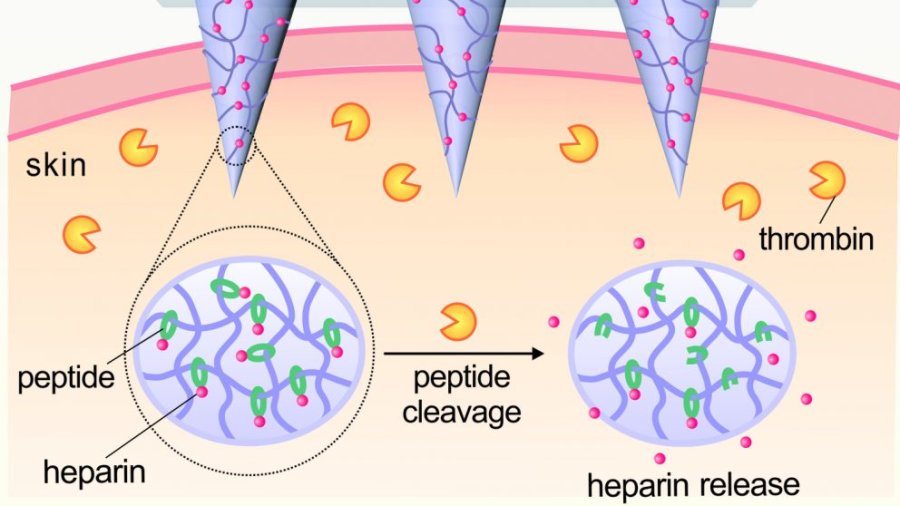
The patch uses microneedles made of a polymer that consists of hyaluronic acid and  Heparin. It responds to thrombin, an enzyme that initiates blood clotting. When elevated thrombin levels come into contact with a microneedle, the enzymes break the amino acid chains that bind the Heparin to the HA, releasing the Heparin into the blood stream.


ApplySci’s 6th   Wearable Tech + Digital Health + NeuroTech Silicon Valley  –  February 7-8 2017 @ Stanford   |   Featuring:   Vinod Khosla – Tom Insel – Zhenan Bao – Phillip Alvelda – Nathan Intrator – John Rogers – Roozbeh Ghaffari –Tarun Wadhwa – Eythor Bender – Unity Stoakes – Mounir Zok – Krishna Shenoy – Karl Deisseroth – Shahin Farshchi – Casper de Clercq – Mary Lou Jepsen – Vivek Wadhwa – Dirk Schapeler – Miguel Nicolelis


Categories
Computer Vision Deep Learning Diabetes Eyes

Diabetic retinopathy-detecting algorithm for remote diagnosis

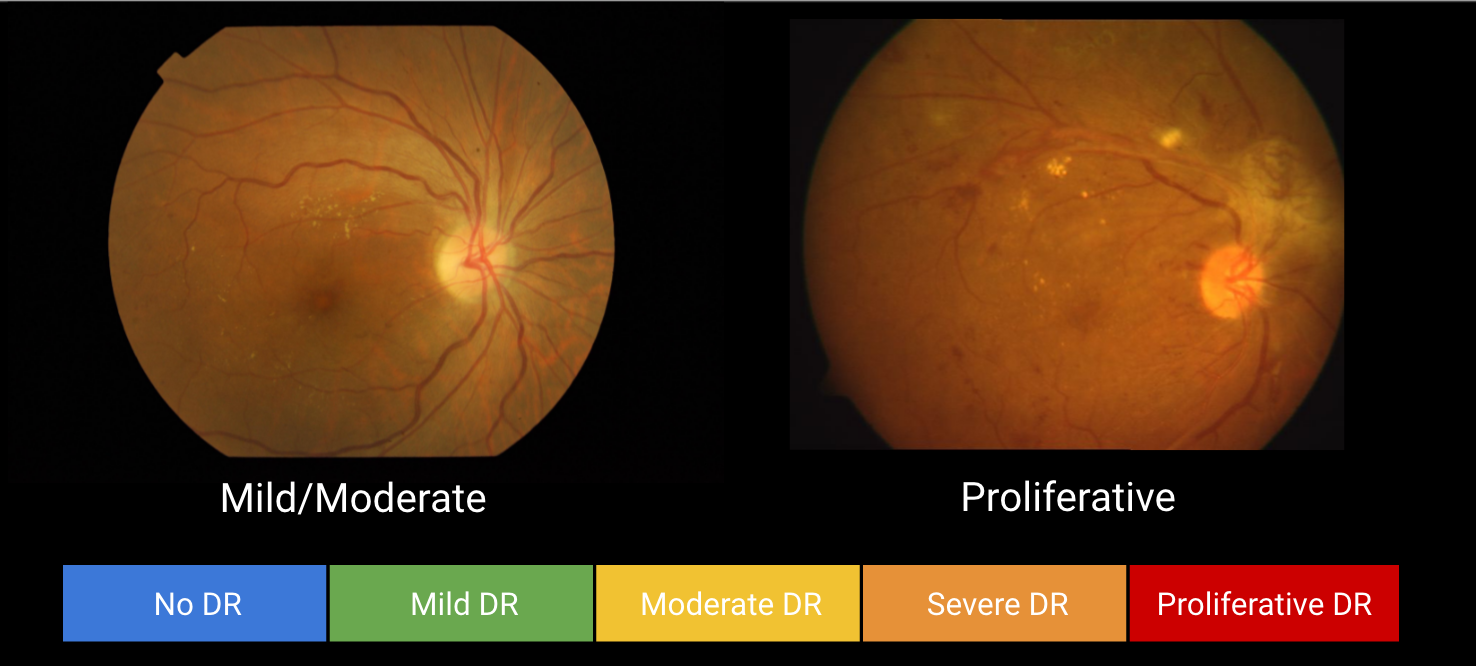
Google has developed an algorithm which it claims is capable of detecting diabetic retinopathy in photographs.  The goal is to improve the quality and availability of screening for, and early detection of,  the common and debilitating condition.

Typically, highly trained specialists are required to examine photos, to detect the lesions that indicate bleeding and fluid leakage in the eye. This obviously makes screening difficult in poor and remote locations.

Google developed a dataset of 128,000 images, each evaluated by 3-7 specially-trained doctors, which trained  a neural network to detect referable diabetic retinopathy.  Performance was tested on two clinical validation sets of 12,000 images. The majority decision of a panel 7 or 8 ophthalmologists served as the reference standard. The results showed that the accuracy of the  Google  algorithm was equal to that of the physicians.


ApplySci’s 6th   Wearable Tech + Digital Health + NeuroTech Silicon Valley  –  February 7-8 2017 @ Stanford   |   Featuring:   Vinod Khosla – Tom Insel – Zhenan Bao – Phillip Alvelda – Nathan Intrator – John Rogers – Roozbeh Ghaffari –Tarun Wadhwa – Eythor Bender – Unity Stoakes – Mounir Zok – Krishna Shenoy – Karl Deisseroth – Shahin Farshchi – Casper de Clercq – Mary Lou Jepsen – Vivek Wadhwa – Dirk Schapeler – Miguel Nicolelis

Categories
Sensors Sleep Wearables

Cabin sensors, wearables, smart pills to monitor air passenger health

British Airlines has filed a patent application for a system that would monitor when a passenger is awake, asleep, hungry, nervous, hot, cold or uncomfortable.

The “system and method for controlling the travel environment for a passenger” encompasses motion-sensing sleep monitors, wearables that track eye movement, heart rate, and temperature, and ingestible health-tracking pills.

The company aims to use the data to optimize a passenger’s environment/experience while flying.


ApplySci’s 6th   Wearable Tech + Digital Health + NeuroTech Silicon Valley  –  February 7-8 2017 @ Stanford   |   Featuring:   Vinod Khosla – Tom Insel – Zhenan Bao – Phillip Alvelda – Nathan Intrator – John Rogers – Roozbeh Ghaffari –Tarun Wadhwa – Eythor Bender – Unity Stoakes – Mounir Zok – Krishna Shenoy – Karl Deisseroth – Shahin Farshchi – Casper de Clercq – Mary Lou Jepsen – Vivek Wadhwa – Dirk Schapeler – Miguel Nicolelis
ApplySci is delighted to welcome the Bayer LifeScience iHUB as a sponsor of Digital Health + NeuroTech at Stanford.

Categories
Diabetes Sensors Wearables

Sensor sock detects diabetic inflammation, sends alerts

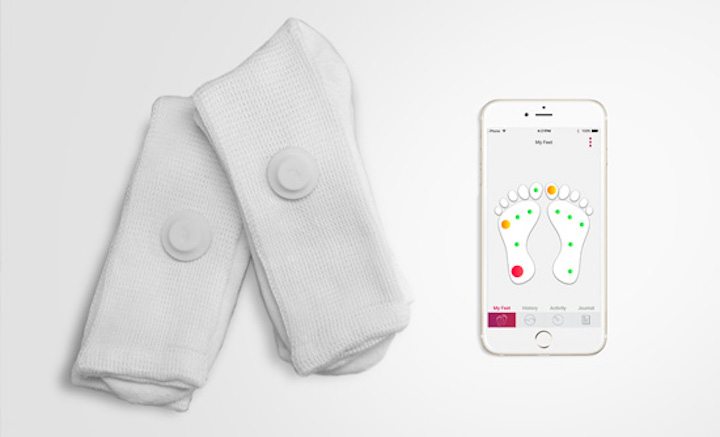
Siren Care‘s real-time temperature sensing smart sock is meant to detect foot inflammation in diabetics.  The goal is early notification to prevent (difficult to heal) sores and other symptoms of the disease, which can lead to extreme complications.

Data is stored in the fabric  and in the cloud.  An app sends alerts when a temperature event occurs. The washable sock is meant to last for 6 months, as is its battery, which does not require charging.


ApplySci’s 6th   Wearable Tech + Digital Health + NeuroTech Silicon Valley  –  February 7-8 2017 @ Stanford   |   Featuring:   Vinod Khosla – Tom Insel – Zhenan Bao – Phillip Alvelda – Nathan Intrator – John Rogers – Roozbeh Ghaffari –Tarun Wadhwa – Eythor Bender – Unity Stoakes – Mounir Zok – Krishna Shenoy – Karl Deisseroth – Shahin Farshchi – Casper de Clercq – Mary Lou Jepsen – Vivek Wadhwa – Dirk Schapeler – Miguel Nicolelis
ApplySci is delighted to welcome the Bayer LifeScience iHUB as a sponsor of Digital Health + NeuroTech at Stanford.

Categories
fitness Sensors Wearables

Wearable patch monitors lactate, glucose, and pH in sweat

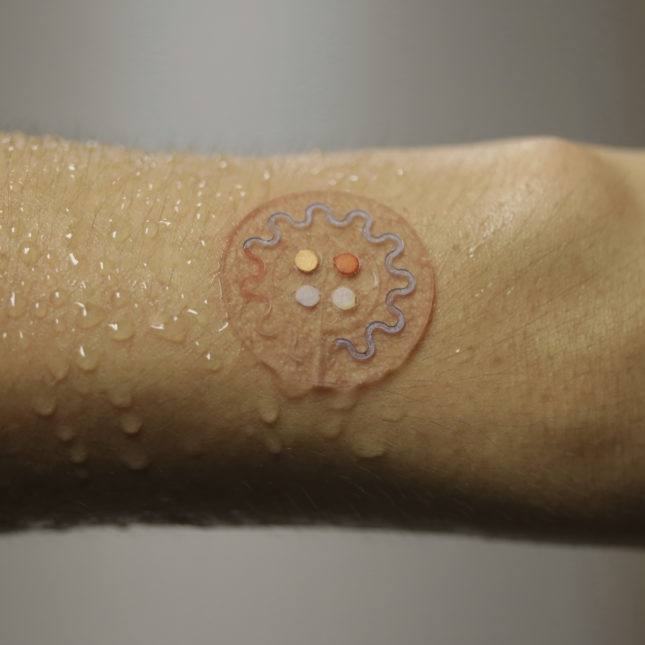
Northwestern’s John Rogers has developed a wearable, sweat analyzing patch.  The flexible microfluidic device uses colorimetric biochemical assays and integrates smartphone image capture analysis to monitor lactate, glucose, chloride ion concentrations, and pH.  The wearable, with sports, military, and disease monitoring applications,  can be adapted to test tears and saliva.

Professor Rogers will be a keynote speaker at Wearable Tech + Digital Health + NeuroTech Silicon Valley on February 7-8, 2017 at Stanford University — co-sponsored by the Stanford Wearable Electronics Initiative (e-WEAR).


ApplySci’s 6th   Wearable Tech + Digital Health + NeuroTech Silicon Valley  –  February 7-8 2017 @ Stanford   |   Featuring:   Vinod Khosla – Tom Insel – Zhenan Bao – Phillip Alvelda – Nathan Intrator – John Rogers – Roozbeh Ghaffari –Tarun Wadhwa – Eythor Bender – Unity Stoakes – Mounir Zok – Krishna Shenoy – Karl Deisseroth – Shahin Farshchi – Casper de Clercq – Mary Lou Jepsen – Vivek Wadhwa – Dirk Schapeler – Miguel Nicolelis
ApplySci is delighted to welcome the Bayer LifeScience iHUB as a sponsor of Digital Health + NeuroTech at Stanford.

Categories
Heart Sensors

Implanted sensors predict heart failure events

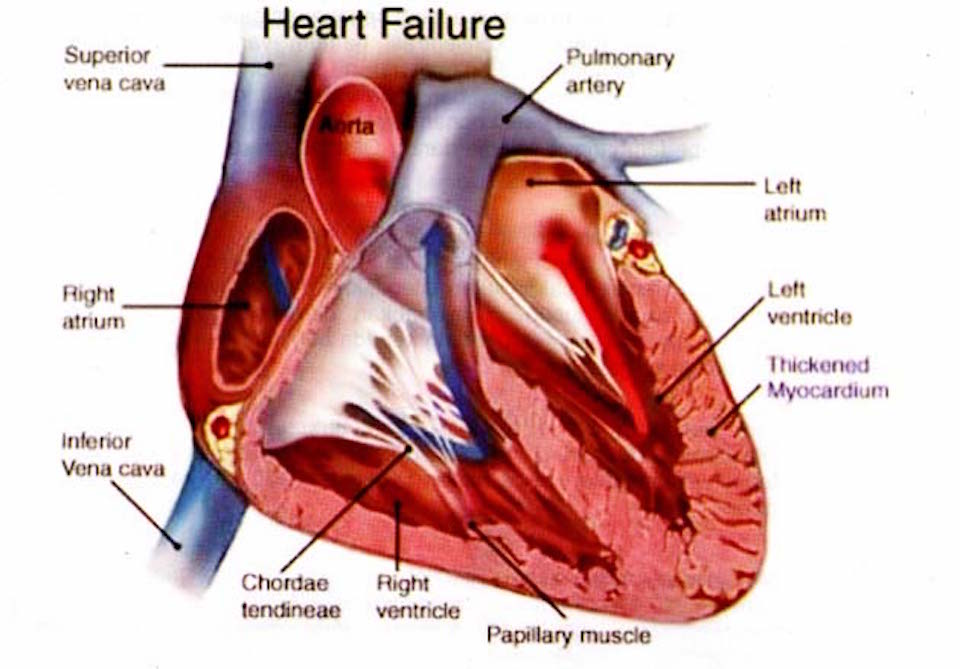
Penn State’s John Boehmer used Boston Scientific’s HeartLogic sensors (retrofitted in already implanted devices) to track heart failure in a study of 900 patients. The goal was continuous monitoring and early event detection and prevention.

Currently, heart failure is (not very successfully) managed by monitoring weight and reported symptoms.   One in five patients are readmitted within 30 days after being hospitalized for the condition.

The 900 patients were followed for one year. Software was uploaded to an implanted defibrillator, allowing it to act as sensors. Heart rate, activity, breathing, heart sounds and electrical activity in the chest were tracked.

70 percent of heart failure events were detected, usually more than a month before their occurance.  False positives were also reported,  which the researchers deemed to be in an ” acceptable range.”


ApplySci’s 6th   Wearable Tech + Digital Health + NeuroTech Silicon Valley  –  February 7-8 2017 @ Stanford   |   Featuring:   Vinod Khosla – Tom Insel – Zhenan Bao – Phillip Alvelda – Nathan Intrator – John Rogers – Mary Lou Jepsen – Vivek Wadhwa – Miguel Nicolelis – Roozbeh Ghaffari –Tarun Wadhwa – Eythor Bender – Unity Stoakes – Mounir Zok – Krishna Shenoy – Karl Deisseroth


Categories
Heart Sensors Wearables

Tiny sensor monitors the heart, recognizes speech, enables human-machine interfaces

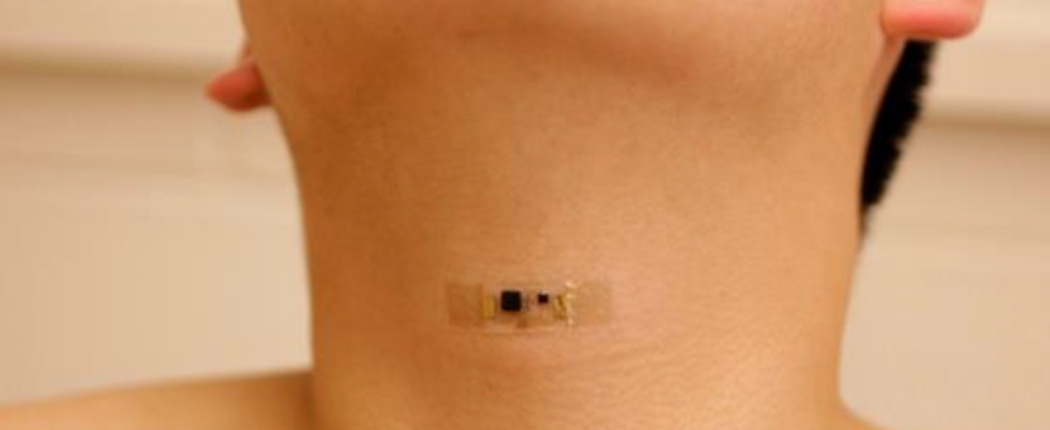
Northwestern professor John Rogers has released a paper detailing his latest tiny, wearable, flexible, highly accurate health sensor, which monitors the heart, recognizes speech, and can enable human-machine interfaces.  Professor Yonggang Huang is the corresponding author.

The soft, continuous monitor adheres to any part of the body, detecting mechanical waves that propagate through tissues and fluids in physiological activity — revealing acoustical signatures of individual events.  These include the opening and closing of heart valves, vocal cord vibration, and gastrointestinal tract movement.  ECG and EMG  electrodes can also be integrated.

Obvious practical applications include remote health monitoring, enabling seniors to age in place, and battlefield health and robot/drone control.  The vocal cord monitoring feature could also be used to assist the disabled communicate or control a keyboard.

ApplySci is honored to include Professor Rogers as a keynote speaker at Digital Health + NeuroTech Silicon Valley, on February 7-8, 2017, at Stanford University.


ApplySci’s 6th   Wearable Tech + Digital Health + NeuroTech Silicon Valley  –  February 7-8 2017 @ Stanford   |   Featuring:   Vinod Khosla – Tom Insel – Zhenan Bao – Phillip Alvelda – Nathan Intrator – John Rogers – Mary Lou Jepsen – Vivek Wadhwa – Miguel Nicolelis – Roozbeh Ghaffari –Tarun Wadhwa – Eythor Bender – Unity Stoakes – Mounir Zok – Krishna Shenoy – Karl Deisseroth

Registration rates increase today, November 18, 2016