Categories
Apps Data Sensors Virtual Reality Wearables

Virtual clinic uses apps, VR, data, wearables in remote care

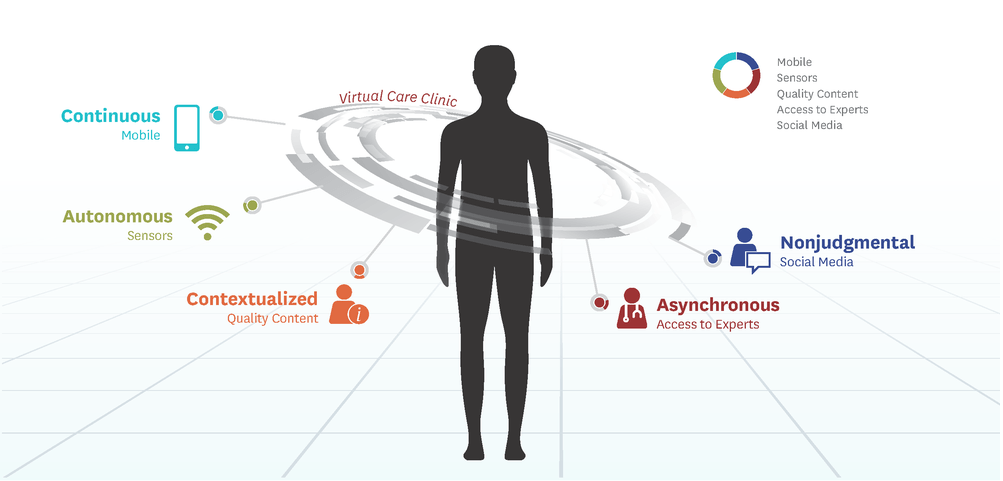
USC’s Center for Body Computing, led by Professor Leslie Saxon, has created the Virtual Care Clinic, featuring vetted, best of class partners providing integrated remote healthcare solutions.  The eight initial partners are Doctor Evidence, IMS Health, Karten Design, Medable, Planet Grande, Proteus Digital Health and VSP Global.

Mobile apps, virtual doctors, data collection and analysis systems,  and diagnostic and monitoring wearables  will provide on-demand access to care.


Wearable Tech + Digital Health San Francisco – April 5, 2016 @ the Mission Bay Conference Center

NeuroTech San Francisco – April 6, 2016 @ the Mission Bay Conference Center

Wearable Tech + Digital Health NYC – June 7, 2016 @ the New York Academy of Sciences

NeuroTech NYC – June 8, 2016 @ the New York Academy of Sciences
 

Categories
AI Apps fitness

Wearables + app + AI for personalized fitness coaching

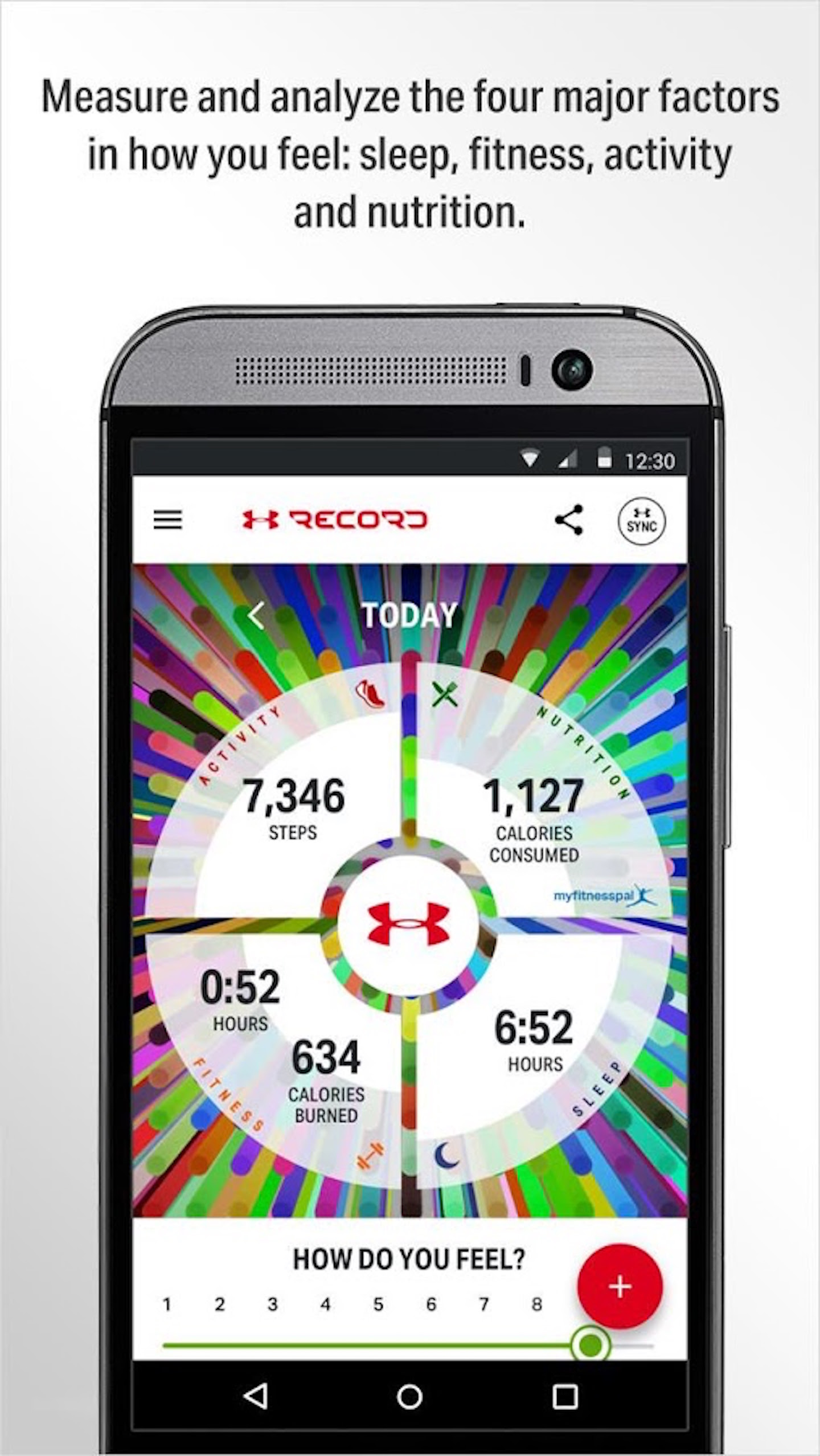
Under Armour has partnered with IBM Watson to create a fitness app called Record.

Exercise, sleep and food intake are recorded from wearables, apps, and one’s own entries, and analyzed by Watson, which provides personalized coaching based on the data of others with similar fitness profiles.


Wearable Tech + Digital Health San Francisco – April 5, 2016 @ the Mission Bay Conference Center

NeuroTech San Francisco – April 6, 2016 @ the Mission Bay Conference Center

Wearable Tech + Digital Health NYC – June 7, 2016 @ the New York Academy of Sciences

NeuroTech NYC – June 8, 2016 @ the New York Academy of Sciences
 

Categories
Apps Crowdfunding Seniors

Senior caregiver matching + crowdfunding

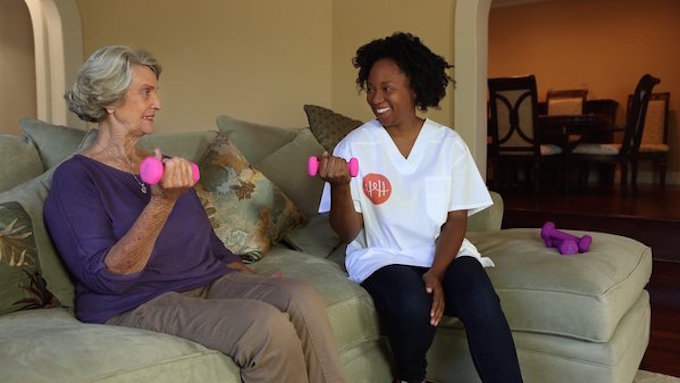
HomeHero is a senior caregiver site that uses an algorithm to match families with carers, and provides video interviews, daily, mobile access to care reports and security camera feeds.

While it is not the only caregiver matching site, it is perhaps the slickest, and has one standout feature — the ability to crowdfund care via HeroFund.

The cost of senior care in the United States is exorbitant, and often prohibitive.  ApplySci applauds HomeHero for recognizing this, and for giving average seniors a chance to receive proper care.


Wearable Tech + Digital Health San Francisco – April 5, 2016 @ the Mission Bay Conference Center

NeuroTech San Francisco – April 6, 2016 @ the Mission Bay Conference Center

Wearable Tech + Digital Health NYC – June 7, 2016 @ the New York Academy of Sciences

NeuroTech NYC – June 8, 2016 @ the New York Academy of Sciences
 

Categories
Apps Asthma Sensors Wearables

Wearable, home, school sensors + app predict asthma attacks

ApplySci is pleased to report another sensor-based initiative to combat asthma.

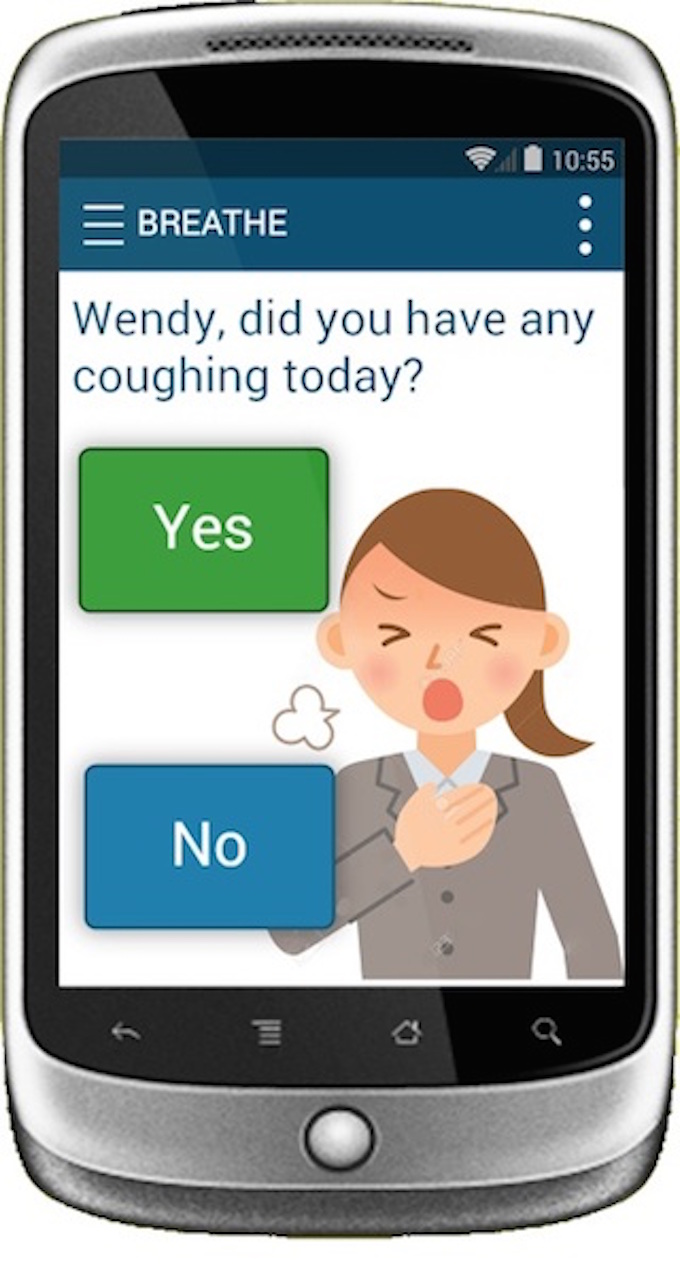
Alex Bui and colleagues from UCLA and USC are creating technology for smart phones and watches to identify asthma attack triggers.  The program is part of the National Institute of Biomedical Imaging & Bioengineering’s Pediatric Research using Integrated Sensor Monitoring Systems  initiative.

The  platform will transmit data to a phone from wearable sensors, and those placed in homes and schools. The information is sent to the cloud, where it will be integrated with  electronic health records and real-time weather, air quality, pollen count  reports.


WEARABLE TECH + DIGITAL HEALTH SAN FRANCISCO – APRIL 5, 2016 @ THE MISSION BAY CONFERENCE CENTER

NEUROTECH SAN FRANCISCO – APRIL 6, 2016 @ THE MISSION BAY CONFERENCE CENTER

WEARABLE TECH + DIGITAL HEALTH NYC – JUNE 7, 2016 @ THE NEW YORK ACADEMY OF SCIENCES

NEUROTECH NYC – JUNE 8, 2016 @ THE NEW YORK ACADEMY OF SCIENCES

Categories
Apps Autism Brain Children

App identifies early signs of autism

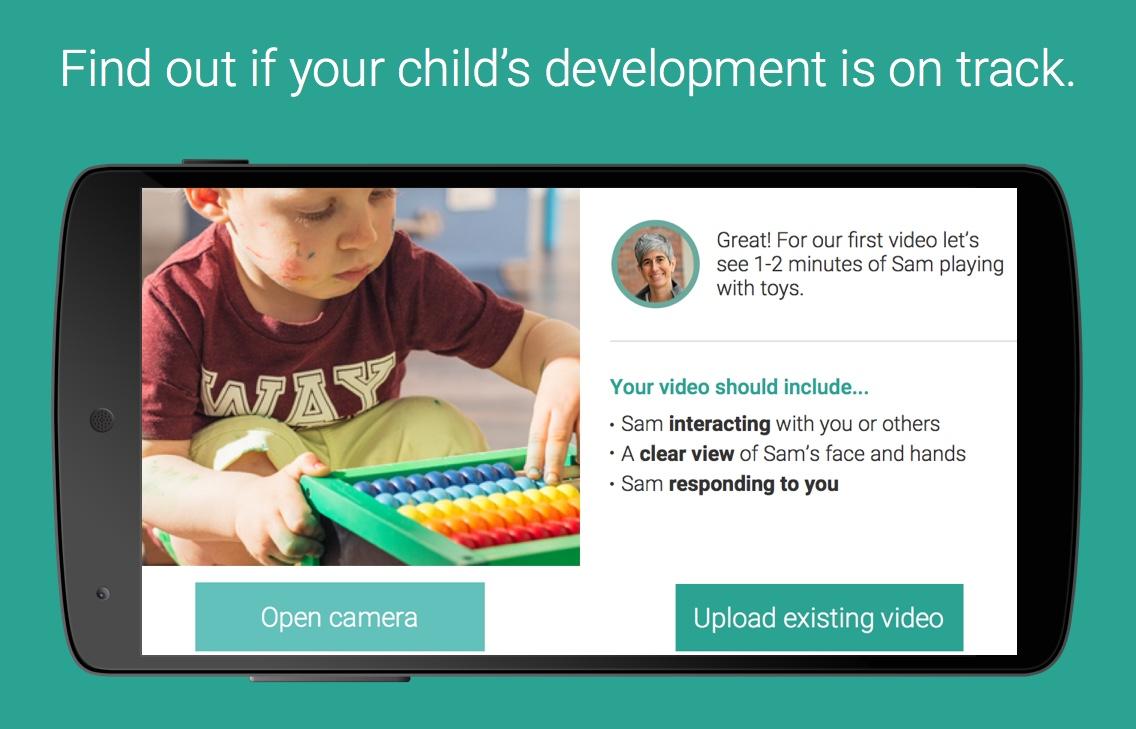
Cognoa is an app  that asks parents to answer 15 questions about behavior to indicate whether their child is at risk of autism.  It is based on data from 10,000 children and validation studies led by Stanford professor Dennis Wall.

The system focuses on specific behaviors from  standard diagnostic instruments that have the highest value for detecting developmental delay and autism. The predictive algorithm relies on the behavioral reports from parents and a video evaluation of the child.

It is meant to be used by non-clinicians to earlier identify issues that require treatment by a physician.

Professor Wall will be a featured speaker at ApplySci’s NEUROTECH SAN FRANCISCO conference  on April 6th, which immediately follows WEARABLE TECH + DIGITAL HEALH SAN FRANCISCO on Aprl 5th.

Categories
Apps Brain Gaming

Sport performance game app to train the brain

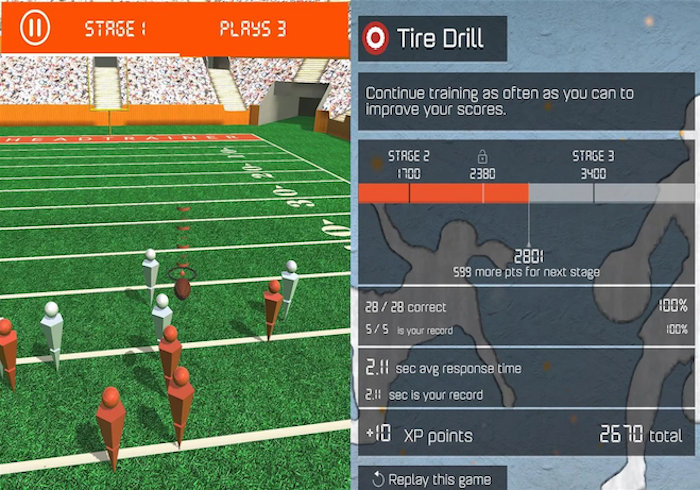
Games are increasingly recognized as a method of enhancing cognitive abilities.  HeadTrainer is meant to improve the brain with 5-10 minutes of daily gameplay.

The sports games were designed to exercise 5 cognitive skills:   decision making, processing speed, focus, memory, and visual/spatial awareness.  Developer Deborah Attix of Duke University focused on testing and training the brain with each game.

The company believes that in the future, HeadTrainer and similar apps can contribute to the mental, emotional, health, and hormonal metrics that are key to sports analytics.

Categories
Apps Ears

Video messaging app for the hearing impaired

Glide combines the concepts of WhatsApp with Skype, enabling users to send short videos of themselves. It has become a popular communication tool for the hearing impaired, who use it for sign language messaging.

The app has 20 million registered users.  The company hopes to soon offer instant subtitles for sign language, and the ability to convert text into visual graphics.

Categories
Apps Eyes

App lets sighted people help the visually impaired

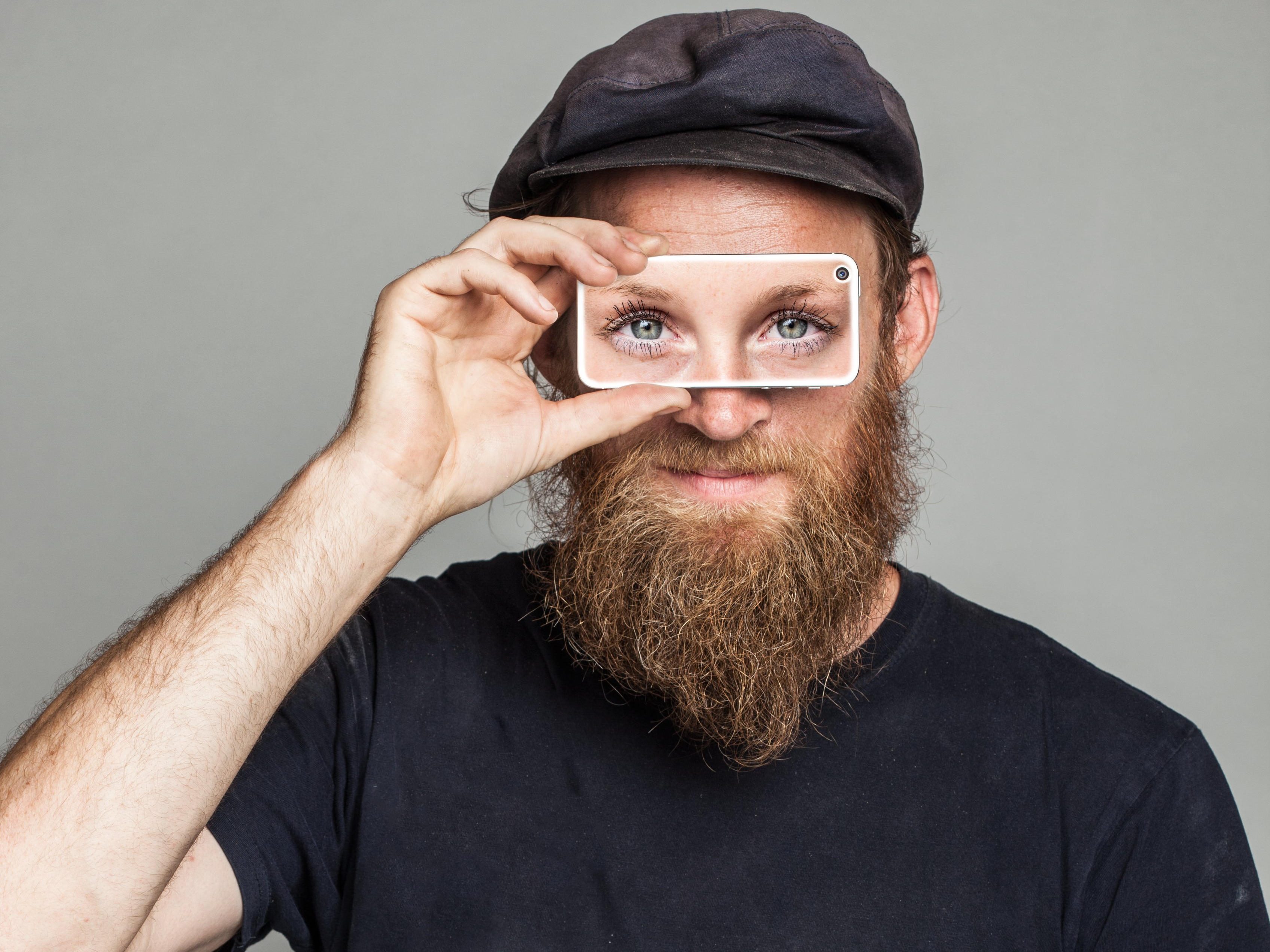
Be My Eyes allows the visually impaired to receive  help from people who can see via a live audio-video connection. Sighted users can guide a person while looking through a phone’s rear camera.

When a visually impaired person asks the app for assistance, the Be My Eyes helper network is alerted, and an available member helps. Examples of assistance  include reading an expiration date on a milk carton, or navigating a public place.

Multiple languages are available, and the app is open source. VoiceOver, Apple’s gesture based screen reader,  helps those with limited sight use the iPhone.

Categories
Apps Heart mHealth Monitoring

Airplane seat sensors monitor physical, emotional states

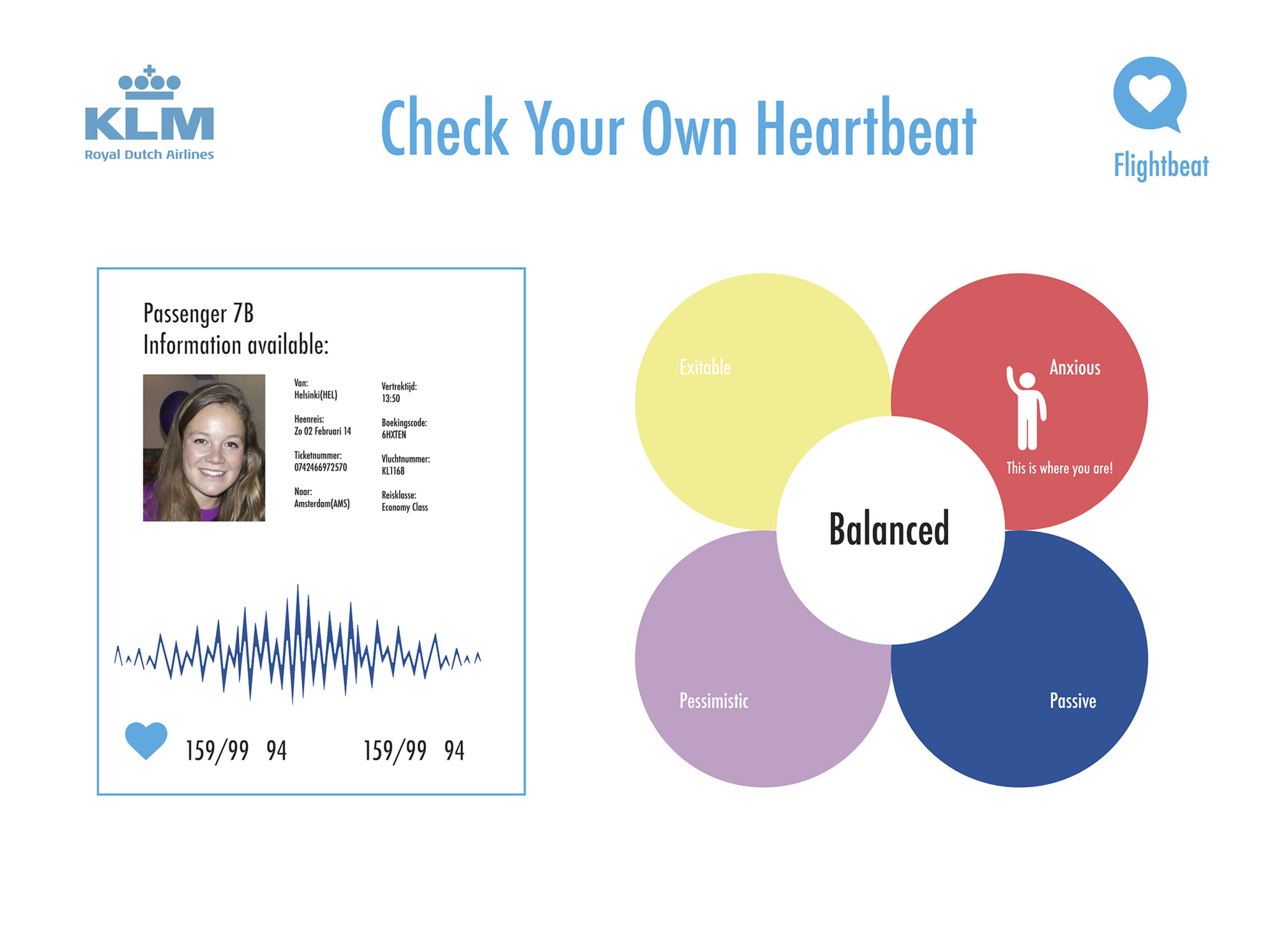
FlightBeat, designed by TU Delft students, uses  airplane seat integrated heart rate sensors to monitor the physical and emotional state of passengers.

Data is transmitted wirelessly to the crew, and presented on a color-coded seat map showing which passengers need attention.  Health information can also be sent to physicians or family members on the ground.

The goal is to optimize in-flight service, but the technology could save the lives of those unable to communicate, or one day detect heightened emotions of potential terrorists.

WEARABLE TECH + DIGITAL HEALTH NYC 2015 – JUNE 30 @ NEW YORK ACADEMY OF OF SCIENCES.  REGISTER HERE.  

Categories
Apps Data Diabetes Wearables

Apple watch will track glucose

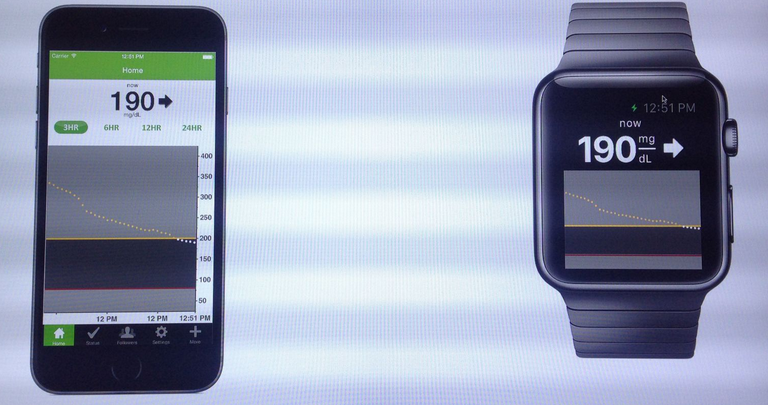
The forthcoming Apple Watch will include the DexCom glucose tracking app.  To use it, a tiny sensor must be placed under the skin to measure glucose levels every five minutes.  Results will be displayed on the watch with a simple graph.

While DexCom has FDA approval, due to recent a recent FDA clarification on wearable devices, other health apps can be included, and this will remain a “Low Risk” device, not requiring prior marketing approval.  This is great news for both device makers and consumers, as it will inspire a proliferation of health apps.  ApplySci hopes that the competition will ensure that the most accurate health trackers become the most popular, and will continue to curate this movement with that goal.

Wearable Tech + Digital Health NYC 2015 – June 30 @ New York Academy of Sciences.

Categories
Apps Brain mHealth

App helps diagnose TBI in soldiers; can identify depression, PTSD

The US Army and AnthroTronix have developed an app that provides data to help diagnose and measure brain injuries in soldiers.

The “DANA”  includes 5, 20,  and 45 minute neurocognitive tests and psychological survey questions.  The data will help doctors diagnose traumatic brain injury and identify depression, post-traumatic stress, and other neurocognitive issues.  The game-like test includes exercises that score a soldier’s speed and accuracy.  A (potentially in-theater) doctor analyzes the post-injury test, and compares it to pre-deployment baseline tests.

The FDA approved tool was reliable in when studied in harsh combat environments.  Johns Hopkins researchers found  its results correlated highly with the mini-mental state examination. It will supplement, not replace, the current hand written Military Acute Concussion Evaluation as an in-theater assessment, and the Automated Neuropsychological Assessment Metric used for a pre-deployment baselines.

Categories
Apps Children

Smart, gamified children’s toothbrush

In an effort to improve children’s oral health, the GUM Smart Toothbrush attachment uses acceleration and other sensors to determine ideal brushing patterns. The information is sent in real time, via Bluetooth,  to a smartphone. Brushing movement and timing is analyzed, recorded and displayed.  Previous data is available to gauge progress. Children then participate in a game called “Mouth Monster,” where they “fight” mouth bacteria by improved brushing.  The app will also offer a music player and read news to the user.

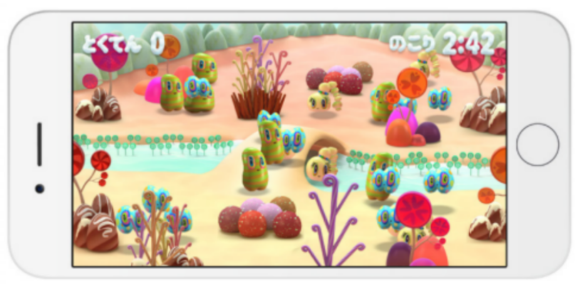
This is the latest evolution of the smart toothbrush, and hopefully one that is fun enough for kids to comply.  In 2012, Oral-B released  an electronic toothbrush with a handheld screen to help control brushing pressure. In 2013,  candy maker Morinaga released a video game to help kids learn how to brush better.