Categories
Sensors Stroke

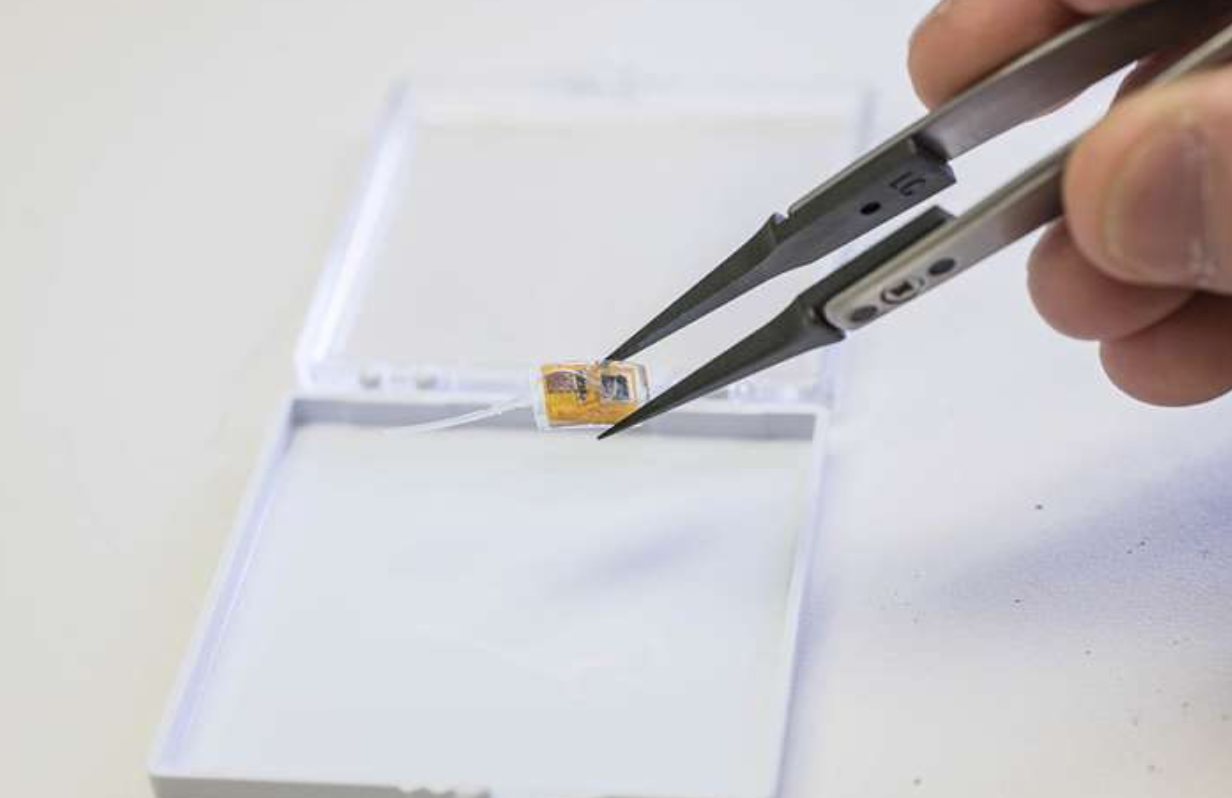
Sensor assesses blood clotting in 30 minutes

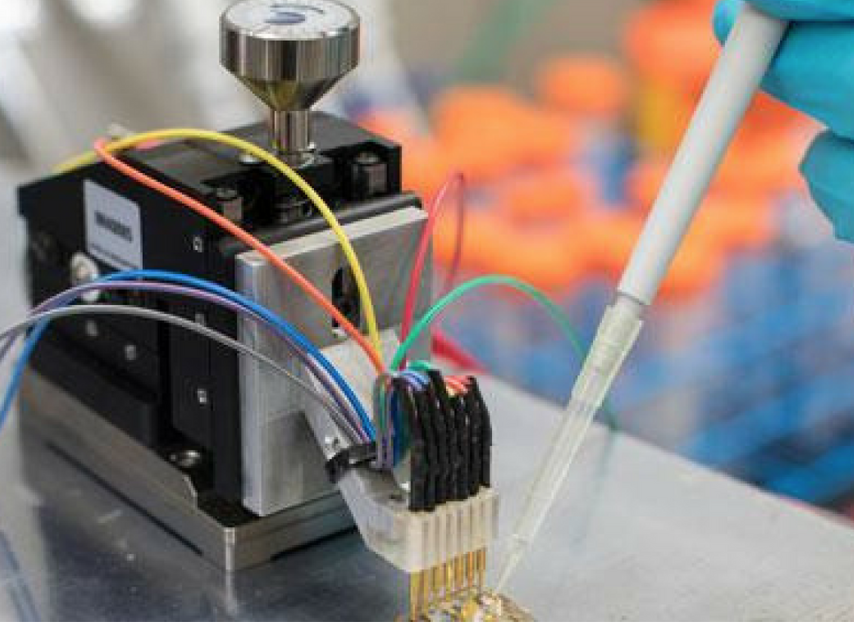
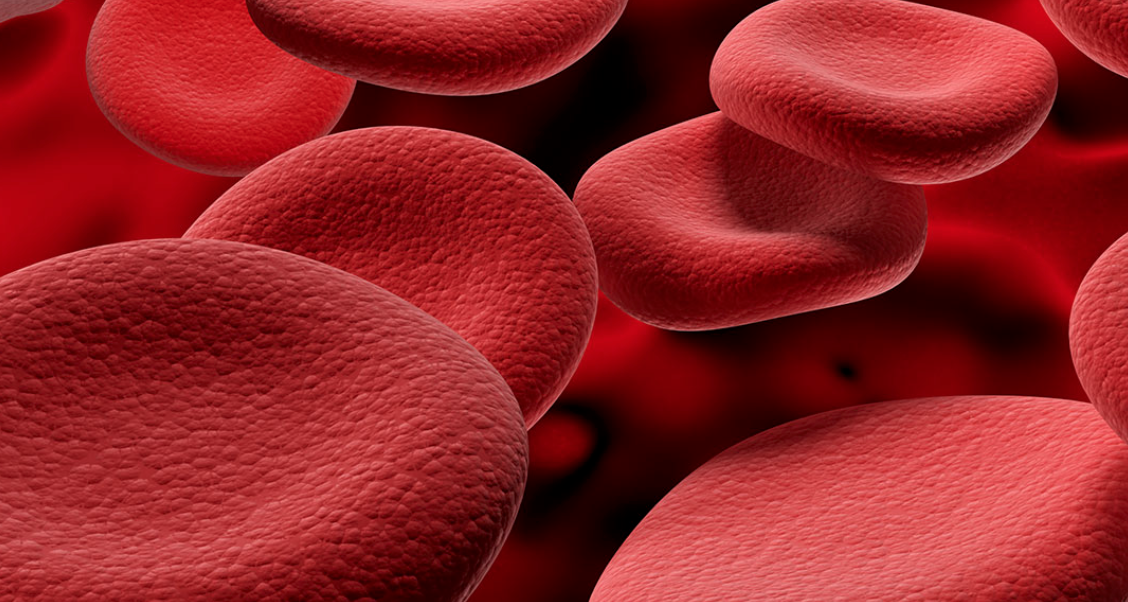
ClotChip assesses  blood clotting 95 times faster than current methods, with a single single drop of blood, using miniaturized dielectric spectroscopy.

A finger-prick sample is taken from heart arrhythmia, pulmonary embolism, post surgery, or  hemophilia patients, to analyze clotting abilities in the ER or at home.  Results are received in 30 minutes.

Caregivers currently cannot quickly assess if a patient with coagulation issues is at risk for spontaneous bleeding, or if the drugs they are taking are effective.

The company is completing clinical trials for use in hemophilia and anticoagulation therapy.


Join ApplySci at the 9th Wearable Tech + Digital Health + Neurotech Boston conference on September 24, 2018 at the MIT Media Lab.  Speakers include:  Rudy Tanzi – Mary Lou Jepsen – George ChurchRoz PicardNathan IntratorKeith JohnsonJuan EnriquezJohn MattisonRoozbeh GhaffariPoppy Crum – Phillip Alvelda Marom Bikson

REGISTRATION RATES INCREASE JULY 20th
Categories
Eyes Sensors

Eye implant measures pressure, releases fluid, in glaucoma

Caltech’s Azita Emami, Aubrey Shapero, Abhinav Agarwal and colleagues have developed a miniaturized, fully wireless, highly-sensitive, implantable, continuous pressure sensor that can remain in the human eye for four years.  The goal is early detection and treatment of glaucoma progression.

Current tonometer measurement, which requires anesthesia, only measures pressure during an appointment, and can miss many daily pressure fluctuations.

The device is implanted on the white of the eye and does not interfere with vision. It consists of a pressure sensor, control circuitry, and an antenna. With no battery, it small and long lasting. Radio waves from a handheld scanner are received by the antenna and generate a small voltage that temporarily powers the device, which then takes a pressure reading and sends the signal back to the reader, using the same antenna.

Encapsulation with liquid silicone and a polymer called parylene allowed the researchers to overcome the impact of fluid corrosion and tissue growth.  This is what enables the implant to remain in the eye much longer than previous devices.

A valve could also be added to release small amounts of fluid as tears, when pressure rises too high, creating a closed-loop glaucoma management system.


Join ApplySci at the 9th Wearable Tech + Digital Health + Neurotech Boston conference on September 24, 2018 at the MIT Media Lab.  Speakers include:  Rudy Tanzi – Mary Lou Jepsen – George ChurchRoz PicardNathan IntratorKeith JohnsonJuan EnriquezJohn MattisonRoozbeh GhaffariPoppy Crum – Phillip Alvelda Marom Bikson

REGISTRATION RATES INCREASE JULY 6th

Categories
Sensors

Cheap, molecular-wired, metabolite-measuring sensor

Cambridge’s Anna-Maria Pappa, KAUST’s Sahika Inal, and colleagues have developed a low cost, molecular wired sensor that can measure metabolites in sweat, tears, saliva or blood.  It can be incorporated into flexible and stretchable substrates for cellular-level health monitoring.

A synthesised polymer acts as a molecular wire, accepting electrons produced during electrochemical reactions. It merges with sweat, tears or blood, absorbing ions and swelling, leading to high sensitivity.  The signal can be amplified when incorporated into complex circuits, responding to tiny fluctuations in metabolite concentration.

According to Pappa: “This is the first time that it’s been possible to use an electron accepting polymer that can be tailored to improve communication with the enzymes, which allows for the direct detection of a metabolite. It opens up new directions in biosensing, where materials can be designed to interact with a specific metabolite, resulting in far more sensitive and selective sensors.”


Join ApplySci at the 9th Wearable Tech + Digital Health + Neurotech Boston conference on September 24, 2018 at the MIT Media Lab.  Speakers include:  Rudy Tanzi – Mary Lou Jepsen – George ChurchRoz PicardNathan IntratorKeith JohnsonJuan EnriquezJohn MattisonRoozbeh GhaffariPoppy Crum – Phillip Alvelda Marom Bikson

REGISTRATION RATES INCREASE JUNE 29TH

Categories
AI Brain Seniors Sensors Smart Fabric Wearables

Tony Chahine on human presence, reimagined | ApplySci @ Stanford

Myant‘s Tony Chahine reimagined human presence at ApplySci’s recent Wearable Tech + Digital Health + Neurotech conference at Stanford:


Join ApplySci at the 9th Wearable Tech + Digital Health + Neurotech Boston conference on September 24, 2018 at the MIT Media Lab.  Speakers include:  Rudy Tanzi – Mary Lou Jepsen – George ChurchRoz PicardNathan IntratorKeith JohnsonJuan EnriquezJohn MattisonRoozbeh GhaffariPoppy Crum – Phillip Alvelda Marom Bikson

REGISTRATION RATES INCREASE JUNE 29TH

Categories
Prosthetics Sensors

“Artificial nerve” system for sensory prosthetics, robots

Stanford’s  Zhenan Bao has developed an artificial sensory nerve system that can activate the twitch reflex in a cockroach and identify letters in the Braille alphabet. Bao describes it as “a step toward making skin-like sensory neural networks for all sorts of applications”  which would include artificial skin that creates a sense of touch in prosthetics.

The artificial nerve circuit integrates three components:

  • A touch sensor that can detect minuscule forces.
  • A flexible electronic neuron which receives signals from the touch sensor.
  • An artificial synaptic transistor modeled after human synapses which is stimulated by theses sensory signals.

The system was successfully tested to generate both reflexes and a sense touch. The team  also hopes to create low-power, artificial sensor nets to cover robots, to provide feedback that makes them more agile.

Click to view Science video


Join ApplySci at the 9th Wearable Tech + Digital Health + Neurotech Boston conference on September 24, 2018 at the MIT Media Lab.  Speakers include:  Mary Lou Jepsen – George ChurchRoz PicardNathan IntratorKeith JohnsonJuan EnriquezJohn MattisonRoozbeh GhaffariPoppy Crum – Phillip Alvelda

Join Apply Sci at the 10th Wearable Tech + Digital Health + Neurotech Silicon Valley conference on February 21-22, 2019 at Stanford University.  Zhenan Bao will be the keynote speaker.

Categories
Sensors

Body heat-powered, self-repairing health sensor system

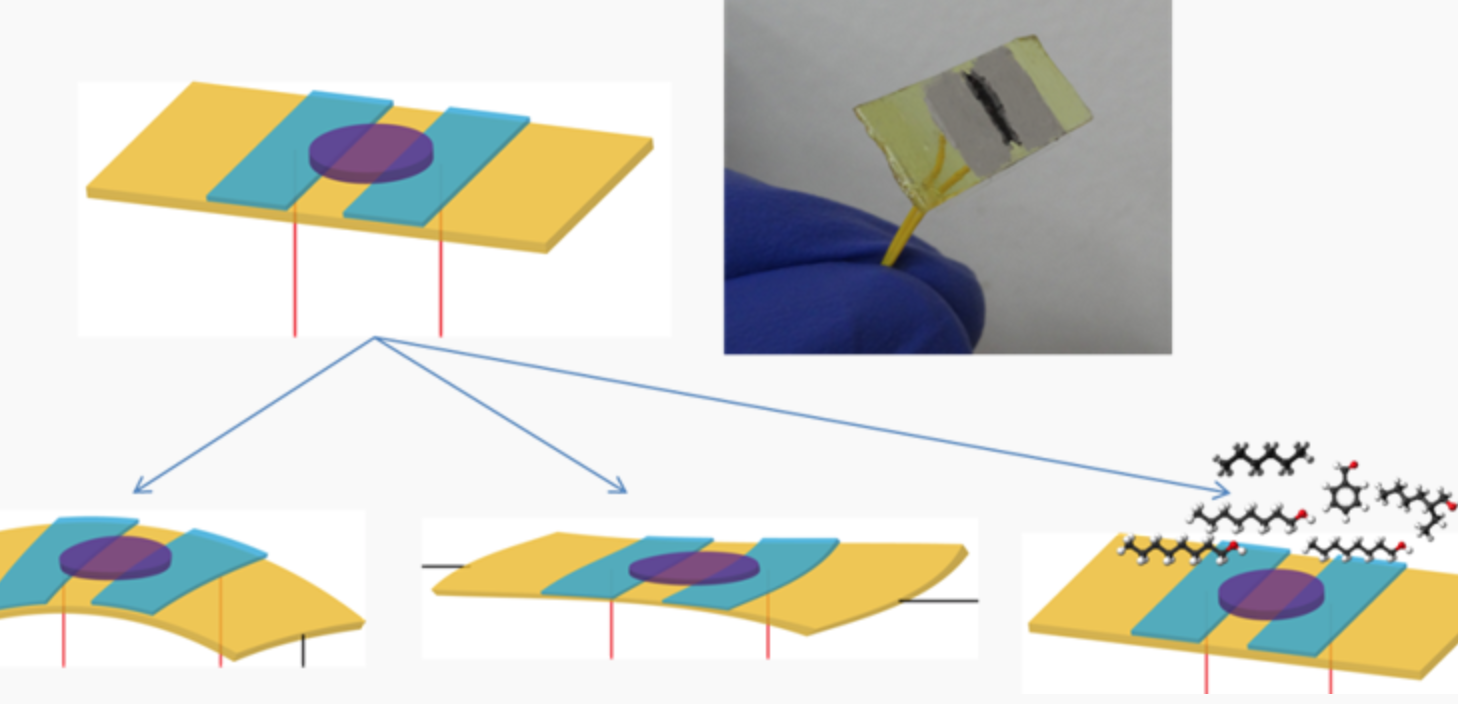
Hossam Haick at Technion-Israel Institute of Technology has developed a body heat powered, self-repairing system of sensors for disease detection and monitoring.

Unlike other wearables, the ability to derive energy from the wearer,  and to fix tears and scratches, prevents the need to turn off the device for repair or charging, allowing truly continuous tracking.


Join ApplySci at the 9th Wearable Tech + Digital Health + Neurotech Boston conference on September 24, 2018 at the MIT Media Lab.  Speakers include:  Mary Lou Jepsen – George ChurchRoz PicardNathan IntratorKeith JohnsonJuan EnriquezJohn MattisonRoozbeh GhaffariPoppy Crum

Categories
Sensors

Ingestible “bacteria on a chip” detects blood, inflammation

MIT’s Timothy Lu has developed an ingestible sensor with embedded genetically engineered bacteria to  diagnose bleeding or other gastrointestinal issues.

The “bacteria-on-a-chip” approach combines living cell sensors with ultra-low-power electronics that convert the bacterial response into a signal read by a phone.

The technology has only been tested in pigs, but shows promise in detecting gastrointestinal blood and inflammation. The researchers believe that the sensor will be able to be remain in the digestive tract for days or weeks, sending continuous signals.

Click to view MIT video


Join ApplySci at the 9th Wearable Tech + Digital Health + Neurotech Boston conference on September 24, 2018 at the MIT Media Lab.  Speakers include:  Mary Lou Jepsen – George ChurchRoz PicardNathan IntratorKeith JohnsonJuan EnriquezJohn MattisonRoozbeh GhaffariPoppy Crum

Categories
Diabetes Sensors

Cheap, noninvasive patch monitors glucose

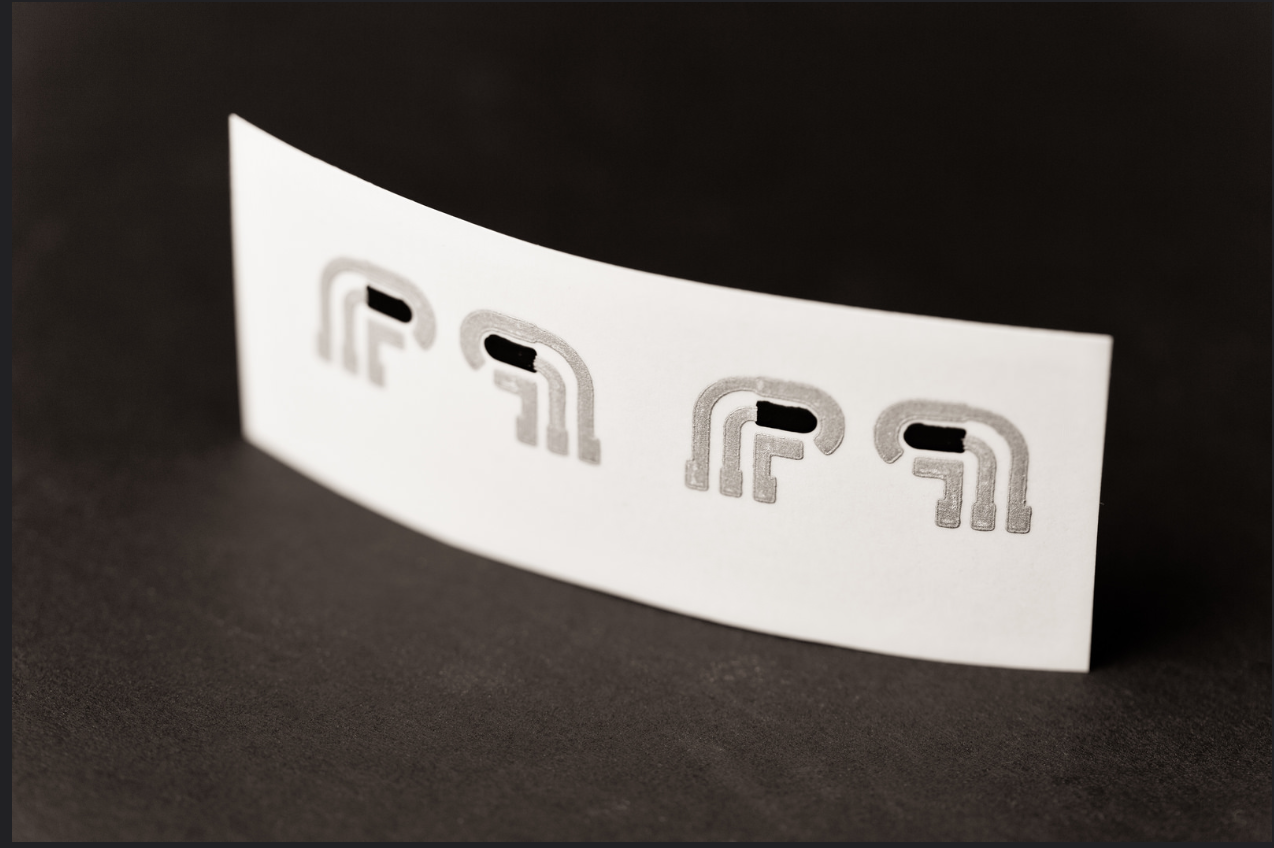
UCSD’s Joe Wang‘s needless adhesive glucose monitor has begun a phase I clinical trial.  The small patch measures insulin levels through sweat on the skin, eliminating the need for a skin prick.  The paper – tattoo is printed with two integrated electrodes that apply a small amount of electrical current.  Glucose molecules residing below the skin are forced to rise to the surface, allowing blood sugar to be measured.

Through its SENSOR study,  the team s testing the tattoo-like sensor’s accuracy, compared to a traditional glucometer. The  trial is enrolling 50 adults, ages 18 to 75, with type 1 or 2 diabetes, or diabetes due to other causes. Participants wear a sensor while fasting, and up to 2 hours after eating.

The goal is a cheap, noninvasive, discreet, user friendly glucose monitor that provides continuous measurement.  The sensor currently provides only one readout.


Join ApplySci at the 9th Wearable Tech + Digital Health + Neurotech Boston conference on September 24, 2018 at the MIT Media Lab.  Speakers include:  Mary Lou Jepsen – George ChurchRoz PicardNathan IntratorKeith JohnsonJuan EnriquezJohn MattisonRoozbeh GhaffariPoppy Crum

Categories
Sensors

Carla Pugh on hacking healthcare with sensors | ApplySci @ Stanford

Carla Pugh discussed hacking healthcare with sensors at ApplySci’s Wearable Tech + Digital Health + Neurotech Silicon Valley conference on February 26-27, 2018 at Stanford University:


Join ApplySci at the 9th Wearable Tech + Digital Health + Neurotech Boston conference on September 24, 2018 at the MIT Media Lab.  Speakers include:  Mary Lou Jepsen – George ChurchRoz PicardNathan IntratorKeith JohnsonJuan EnriquezJohn MattisonRoozbeh GhaffariPoppy Crum

Categories
Pregnancy Sensors

BP cuff + accelerometer detect early preeclampsia

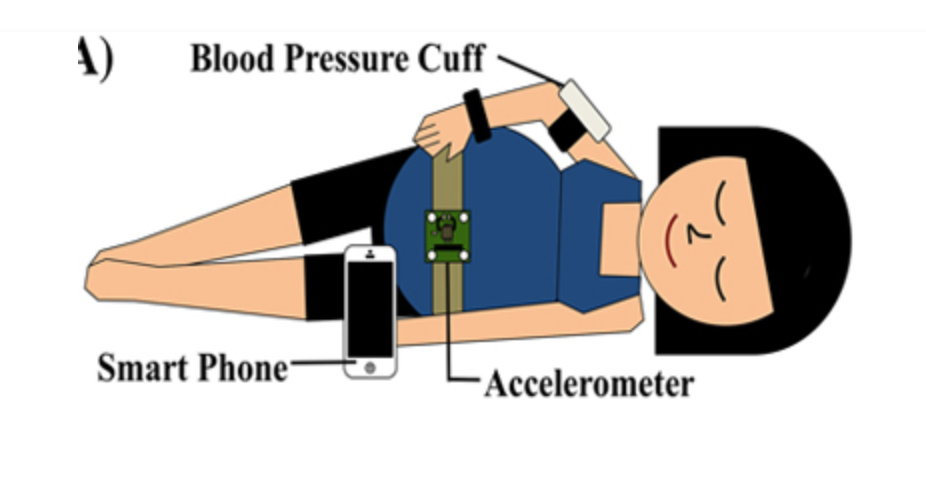
Purdue’s Craig Goergen has developed a sensor-based supine pressor test to detect preeclampsia.

The technology measures and notes the difference between a pregnant woman’s diastolic blood pressure while in two different positions, using a BP wrist cuff and accelerometer on the stomach.

The two devices are connected to an app which guides the wearer, and ensures that the readings are taken in correct positions. Diastolic pressure differences are the definitive way to detect preecamplsia, which according to the researchers, can be seen and treated earlier with the simple system.

Click to view Purdue video


Join ApplySci at the 9th Wearable Tech + Digital Health + Neurotech Boston conference on September 24, 2018 at the MIT Media Lab.  Speakers include:  George ChurchRoz PicardNathan IntratorKeith JohnsonJuan EnriquezJohn MattisonRoozbeh GhaffariPoppy Crum

Categories
Brain Sensors

Gait sensor could detect Alzheimer’s, identify fall risk

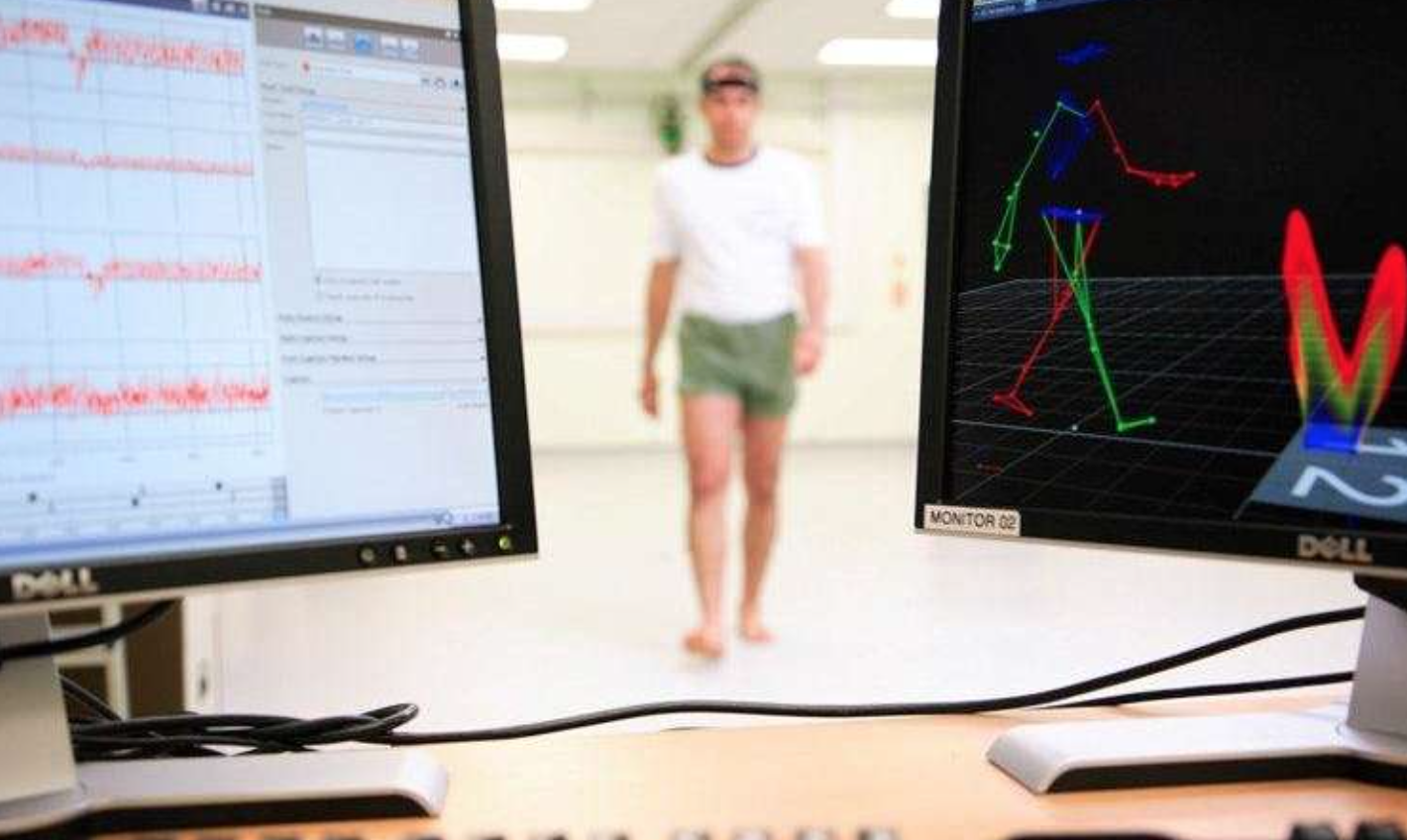
Newcastle University’s Lynn Rochester has studied the use of wearable sensors to identify walking characteristics as clinical biomarkers for Alzheimer’s Disease.  The same sensors can detect gait changes that require intervention to prevent falls and prolong independence.

According to Rochester, “free-living gait analysis at home is particularly useful as it allows objective observation of an individual’s day-to-day activity. It also has the benefit of providing continuous data over a prolonged time that may be more sensitive than one-off assessments.”

She believes that continuous walking sensors could make clinical trials more efficient, and support clinician decisions.


Join ApplySci at the 9th Wearable Tech + Digital Health + Neurotech Boston conference on September 24 2018 at the MIT Media Lab

Categories
Sensors

Saliva-monitoring chip to track bone loss, diabetes, inflammatory markers

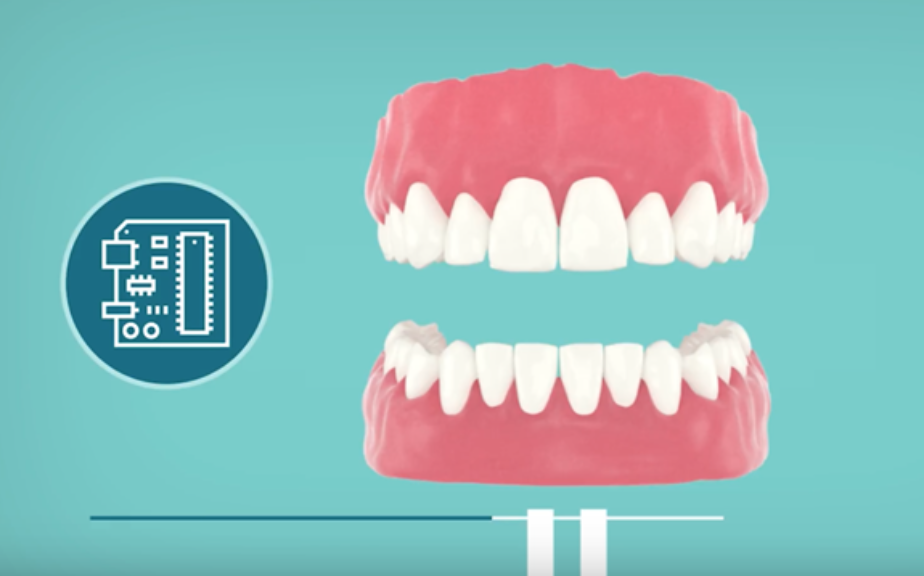
Washington University’s Erica Lynn Scheller and Shantanu Chakrabartty are developing a gum or dental device-worn sensor to detect early signs of  disease by analyzing saliva or gingival crevicular fluid.

The sensor plus electronic chip is a few millimeters-cube in volume and measures disease-specific peptides.  A wireless ultrasound device reads the peptide levels and connects to the cloud.

The first use will be monitoring  bone breakdown during periodontitis. The goal is to track multiple inflammatory and stress markers and to monitor diabetes.

Click to view Washington University video


Join ApplySci at the 9th Wearable Tech + Digital Health + Neurotech Boston conference on September 24 2018 at the MIT Media Lab