Categories
Asthma COVID 19 Sensors

Chest sensor detects worsening asthma, respiratory disease

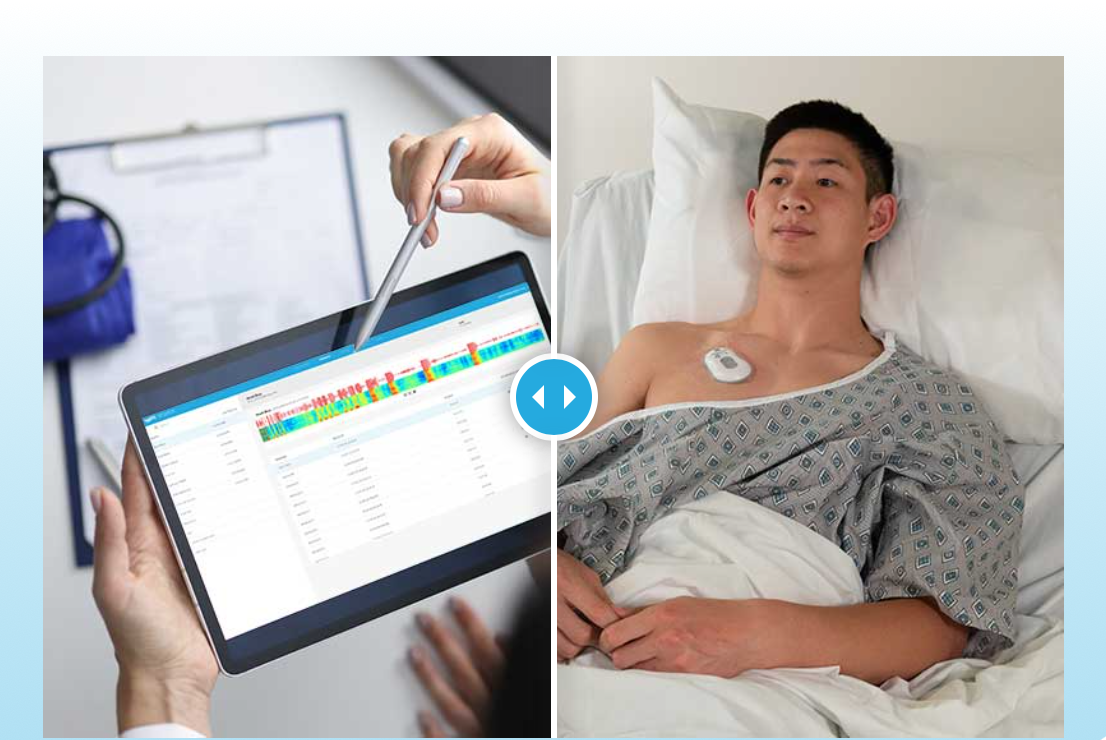
The RESP Sensor from Strados labs received FDA clearance for early, remote detection of lung acoustic and ventilation pattern changes to predict worsening respiratory disease.

Lung sounds associated with asthma, COPD, heart failure and infectious diseases including COVID-19 are detected.

Frequency of wheezing, coughing, shortness of breath, and respiratory dynamics including rate and excursion are collected and anlyzed using a noninvasive chest sensor and cloud platform.

Individuals can monitor themselves at home, and the data can be integrated into telehealth, tele ICU, clinical trial management platforms and telemetry systems.


Join ApplySci at MIT on September 30 for Deep Tech Health + Neurotech Boston

Categories
COVID 19 Sensors

Sensors monitor physiological variables post vaccine

Wearable sensors could improve clinical trials by enabling earlier identification of abnormal reactions. Currently, vaccine safety in clinical trials is primarily determined by participants’ subjective self-reporting.

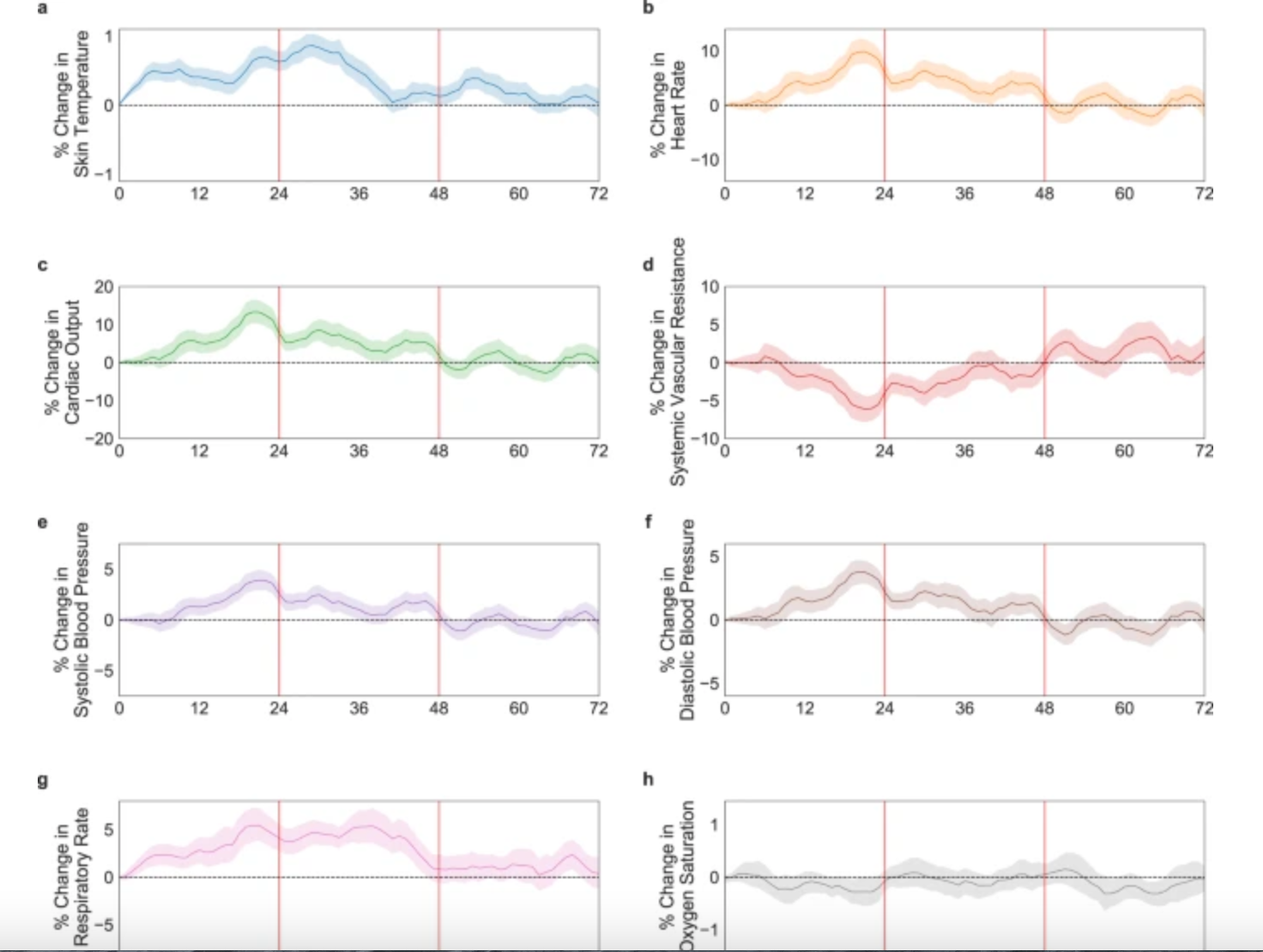
Dan Yamin, Yiftach Gepner, and Tel Aviv University colleagues used a chest patch sensor to monitor various health indicators in 160 participants, before and after receiving the Pfizer BioNTech COVID 19 vaccine. Participants also self-reported using a mobile phone app.

Significant changes in health indicators following vaccine administration were detected by the chest patch sensor in participants who did and did not report changes. Three days following vaccination, participant health indicators returned to the levels observed the day before vaccination in both groups.

Click to view Tel Aviv University video


Join ApplySci at MIT on September 30, 2022 for Deep Tech Health + Neurotech Boston

Categories
COVID 19 Sensors

Hopkins developed saliva sensor improves speed and accuracy of COVID detection

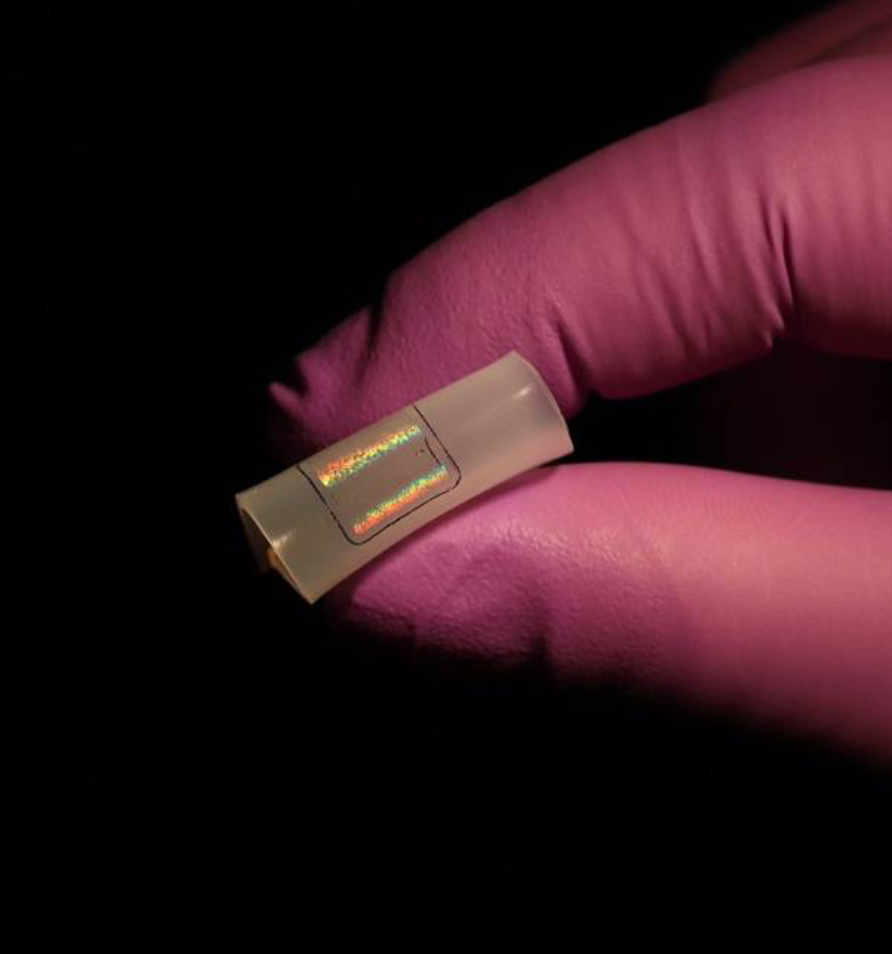
David Gracias and Ishan Barman at Johns Hopkins have developed a COVID 19 sensor which provides fast and accurate results using a drop of saliva placed on a device. No additional chemical modifications like molecular labeling or antibody functionalization are required, which could allow the sensor to be used in wearable devices.

Current PCR tests are highly accurate, but require complicated sample preparation, with results taking hours or even days to process in a laboratory. Rapid tests are less successful at detecting early infections and asymptomatic cases and can lead to erroneous results.

The Gracias/Barman developed sensor is nearly as sensitive as a PCR test and as convenient as a rapid antigen test. In a study, the sensor demonstrated 92% accuracy at detecting SARS-COV-2 in saliva samples—comparable to that of PCR tests. It was also highly successful at rapidly determining the presence of other viruses, including H1N1 and Zika.

The sensor material can be placed on any type of surface, from doorknobs and building entrances to masks and textiles, or potentially be integrated with a hand-held testing device for fast screenings at crowded places like airports or stadiums.


Join ApplySci at MIT on September 30, 2022 for Deep Tech Health + Neurotech Boston

Categories
COVID 19 Sensors

DNA sensor detects whether virus is present and infectious, including COVID 19

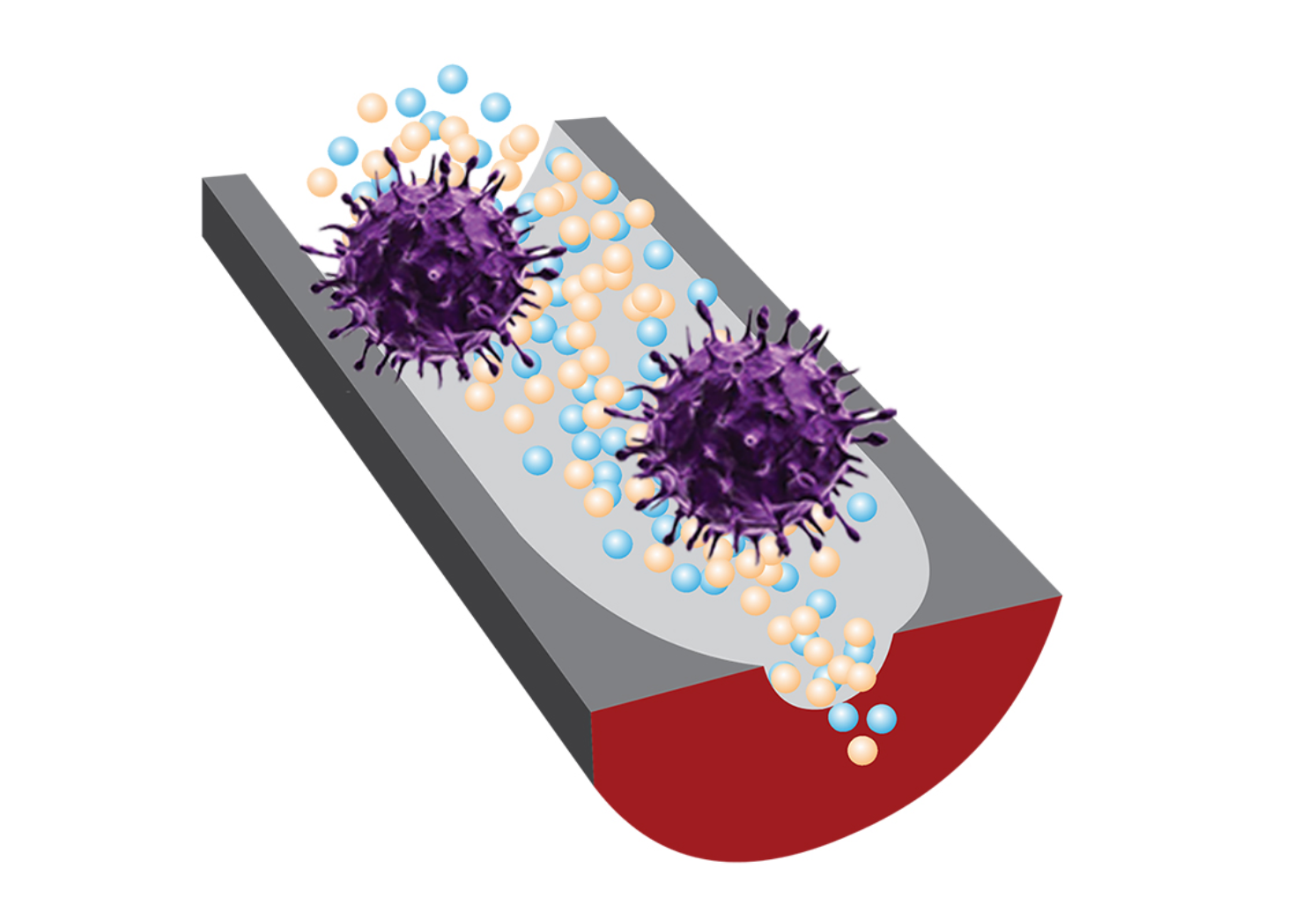
Yi Lu and Benito Marinas at the University of Illinois and University of Texas have developed a sensor that detects both the presence of a virus and whether or not it is infectious, integrating purpose designed DNA fragments and nanopore sensing. They have already studied its potential with the adenovirus and COVID 19.

Current PCR tests detect viral genetic material but cannot distinguish whether a sample is infectious or determine whether a person is contagious.

DNA aptamers bind selectively to infectious viruses. In addition to the nanopore sensor, they could be integrated into other platforms such as color-changing dipsticks.

According to Lu: “With the virus that causes COVID-19, it has been shown that the level of viral RNA has minimal correlation with the virus’s infectivity. In the early stage when a person is infected, the viral RNA is low and difficult to detect, but the person is highly contagious. When a person is recovered and not infectious, the viral RNA level can be very high. Antigen tests follow a similar pattern, though even later than viral RNA. Therefore, viral RNA and antigen tests are both poor in informing whether a virus is infectious or not. It may result in delayed treatment or quarantine, or premature release of those who may still be contagious.”

Plaque assay Tests that detect infectious viruses require special preparation and days of incubation. The new method produces results in 30 minutes to two hours. Since it requires no pre-treatment of the sample, it can be used on viruses that will not grow in the lab.

The sensing technique could be applied to other viruses by tweaking the DNA to target different pathogens. The DNA aptamers used in the sensor can be readily produced with widely available DNA synthesizers, similarly to the RNA probes produced for PCR tests. Nanopore sensors are also commercially available, making the sensing technique readily scalable.

The researchers are working to integrate the sensors into easy to use detection methods, including dipsticks or smartphones.


Join ApplySci at MIT on April 8, 2022 for the 14th Wearable Tech + Digital Health + Neurotech Conference