Categories
Monitoring Sensors

Wearable sensor detects chemical disease markers

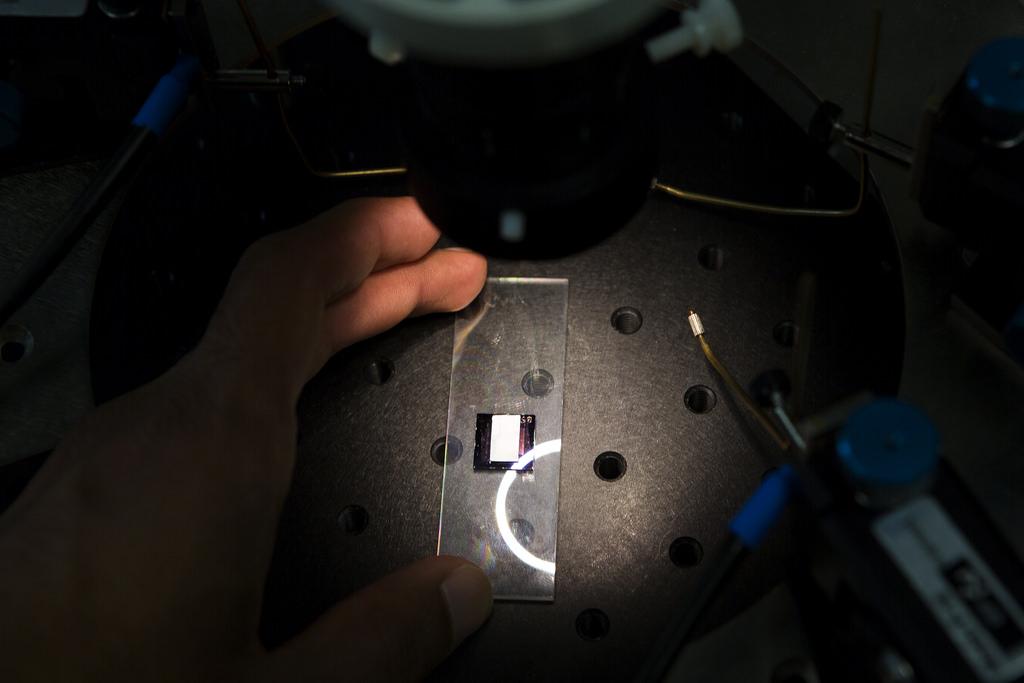
University of Michigan professors Sherman Fan and Zhaohui Zhong‘s newly developed graphene-based wearable sensor detects airborne chemicals that serve as disease indicators.   This could be the first wearable that monitors a broad array of chemical, rather than physical attributes. The sensor could detect acetone, a biomarker for diabetes, or abnormal levels of nitric oxide and oxygen, indicators of high blood pressure, anemia, or lung disease.

Categories
Monitoring Sensors

Biosensor monitor for post-surgery GI disorder

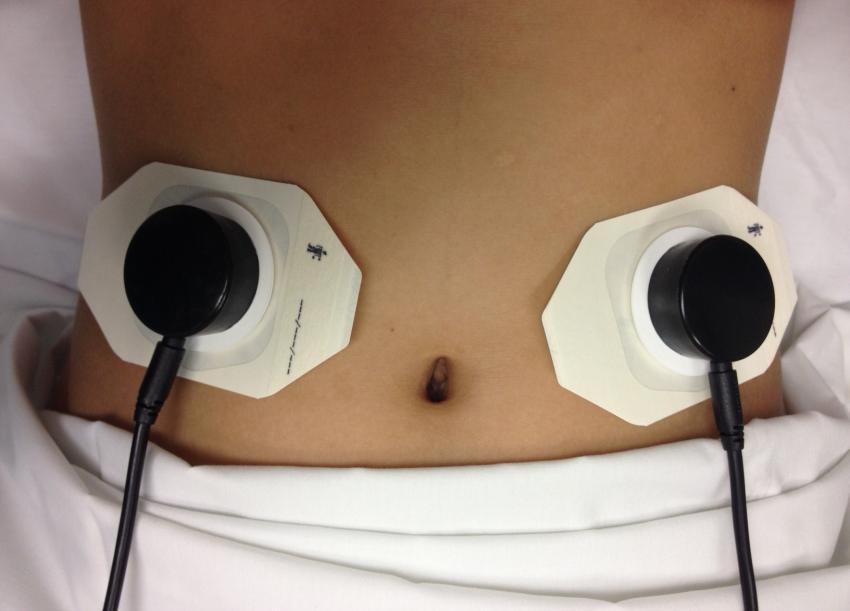
AbStats is a plastic, disposable, non-invasive acoustic gastrointestinal surveillance biosensor that attaches to the abdomen after surgery. It was developed by UCLA professor Brennan Spiegel and described in a paper published in the Journal of Gastrointestinal Surgery this week.

The device can help doctors determine which post-operative patients should be fed, and which should not, by monitoring for post-operative ileus, a malfunction of the intestines.  The condition causes patients to become ill if they eat too soon.

AbStats is also being tested for use in the diagnosis of irritable bowel syndrome and inflammatory bowel disease.

Categories
AI

One step closer to “brain-like” sensory computing

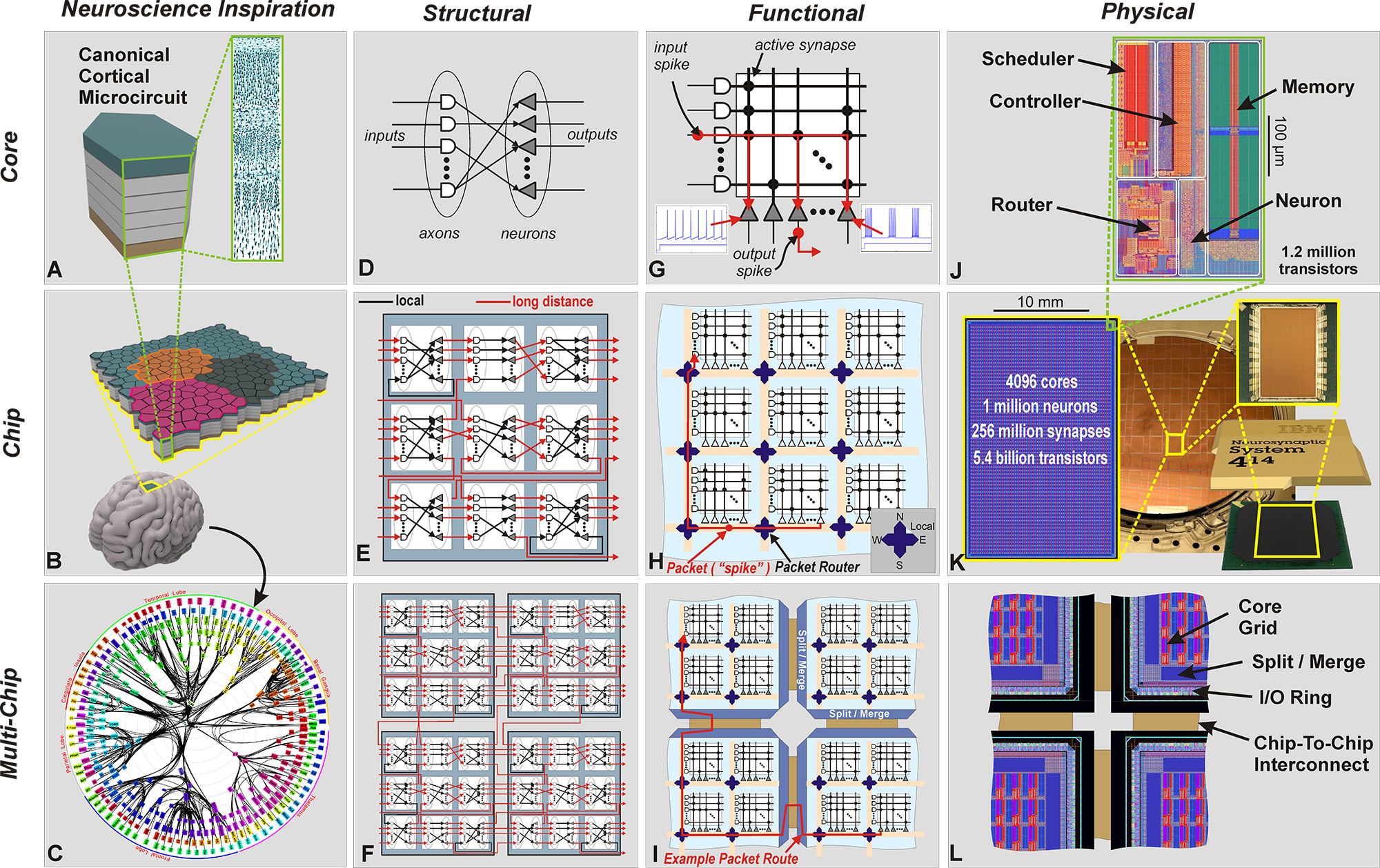
Based on DARPA’s SyNAPSE, IBM has unveiled its TrueNorth chip, published in Science this week.  The processor can handle large volumes of data with minimal power, which IBM claims is similar to how the human brain functions.

Containing 5.4 billion transistors, TrueNorth consumes  70 milliwatts of power, significantly less than a typical microprocessor. IBM says that the chip’s intense processing power and low energy consumption enable it to compute sensory data including images, sound, and smell.

Categories
Brain

Less invasive Alzheimer’s neurostimulation

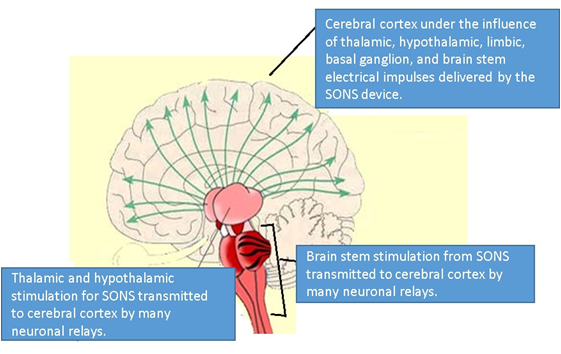
A less invasive neurostimulation device for Alzheimer’s patients is being reviewed by the FDA.  SONS —  Sphenoid and Olfactory Nerve Stimulation System — is a nose catheter that targets nerve trunks and stimulate brain structures that control memory and cognition.   Requiring an outpatient procedure,  small, adjustable and targeted electrical impulses will be delivered through the nasal cavity to access up to 32 nerve trunks that stimulate the brain.

Deep Brain Stimulation has been commercialized as an effective treatment option for some neurological diseases, especially Parkinson’s.   The implanted devices, however,  require complicated and risky brain surgery. SONS might be an interesting alternative.

Categories
Heart Wearables

Google Glass software provides visual feedback in surgery

A challenge in surgical training is facilitating an attending surgeon’s visual feedback to residents conducting operations. 

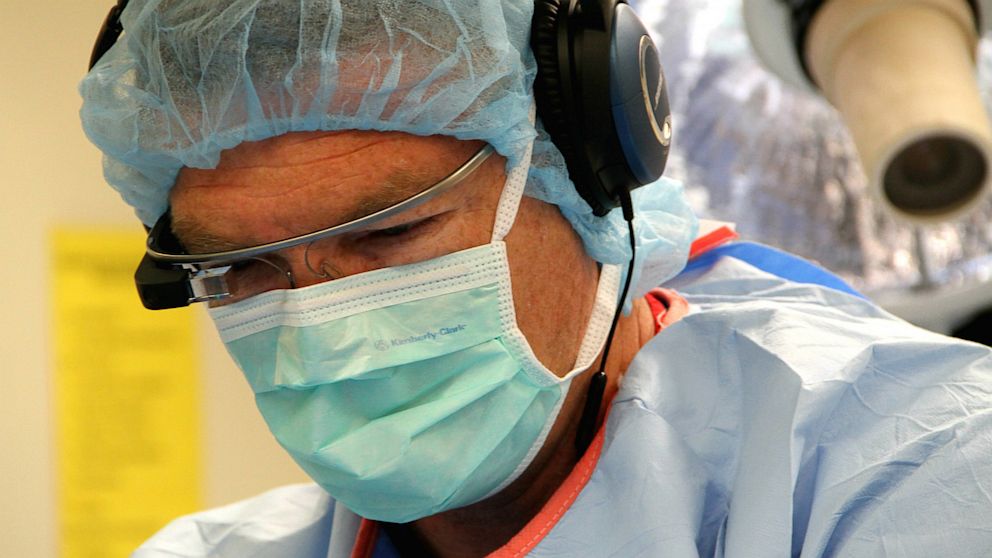
CrowdOptic‘s software lets one Google Glass wearer receive another’s point of view by looking in the other user’s direction.   It is being used in the Department of Cardiothoracic Surgery at Stanford University Medical Center to improve resident training in complex surgical procedures.

Until now, the restricted view in the operating room has made it difficult for an attending surgeon to appreciate the perspective of the exact field of view of a trainee, complicating feedback process.

Categories
Brain

Transparent mouse technique impacts brain, cancer research

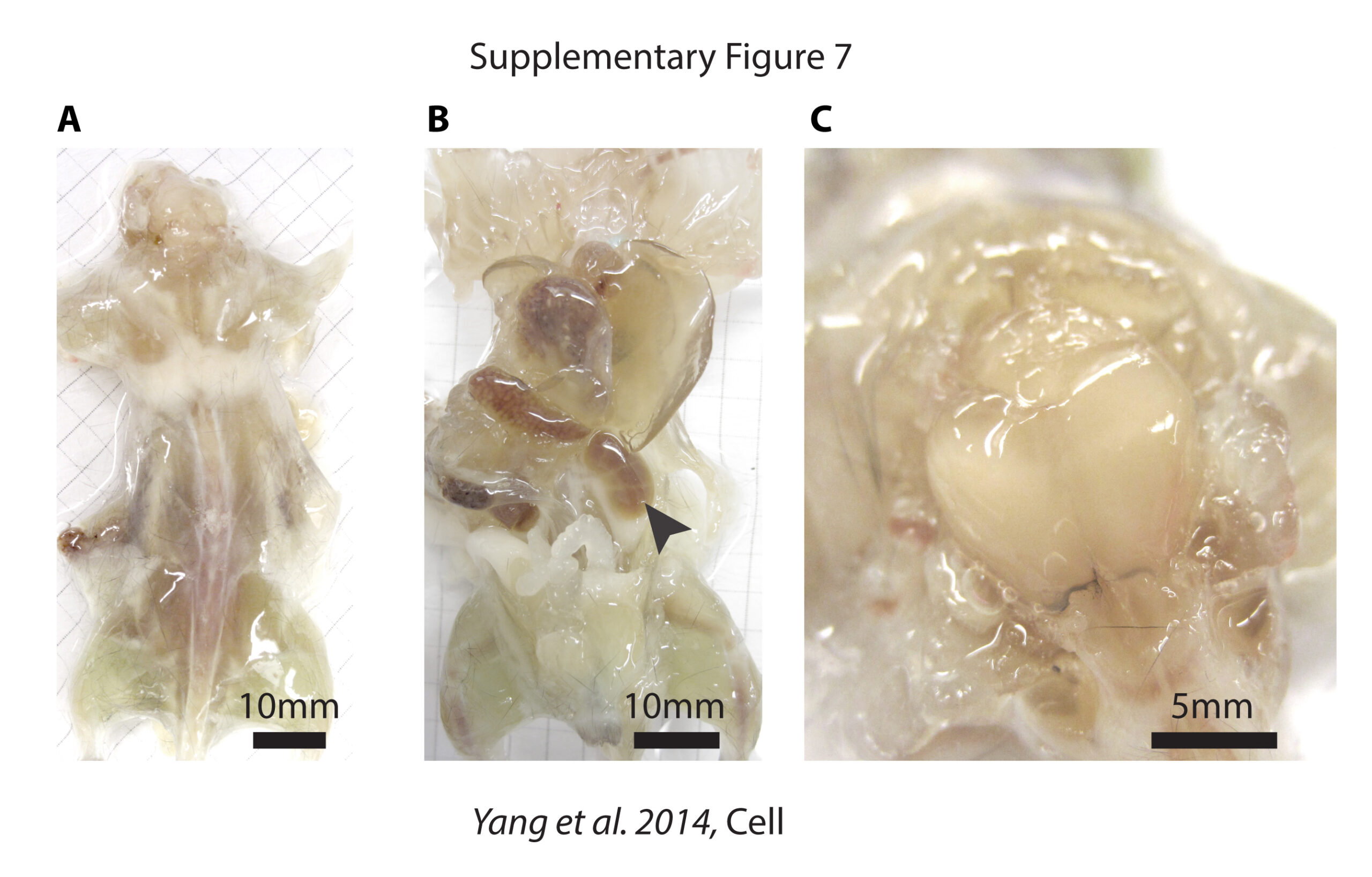
CalTech researchers, led by professor  Viviana Gradinaru, have developed a chemical treatment that makes an entire organism (in this case, a mouse) transparent.  The goal is to help scientists study organs and tissues in the lab, which could help diagnose illnesses in humans.

Professor Gradinaru believes the most significant application will be in neuroscience, as researchers could see high-resolution tissue imaging without slicing.

The study shows that by pumping a detergent and gel through an animal’s circulatory system, one can  quickly make an entire body transparent and ready for research. In mice, most organs were cleared in two days, with the entire body clear in two weeks.

 Labs have begun using the lipid-clearing technique on tissue from human biopsies. According to Gradinaru, using the technique to detect cancerous cells is next.


Categories
Heart Respiratory Sensors

Sensor seatbelt detects fatigue

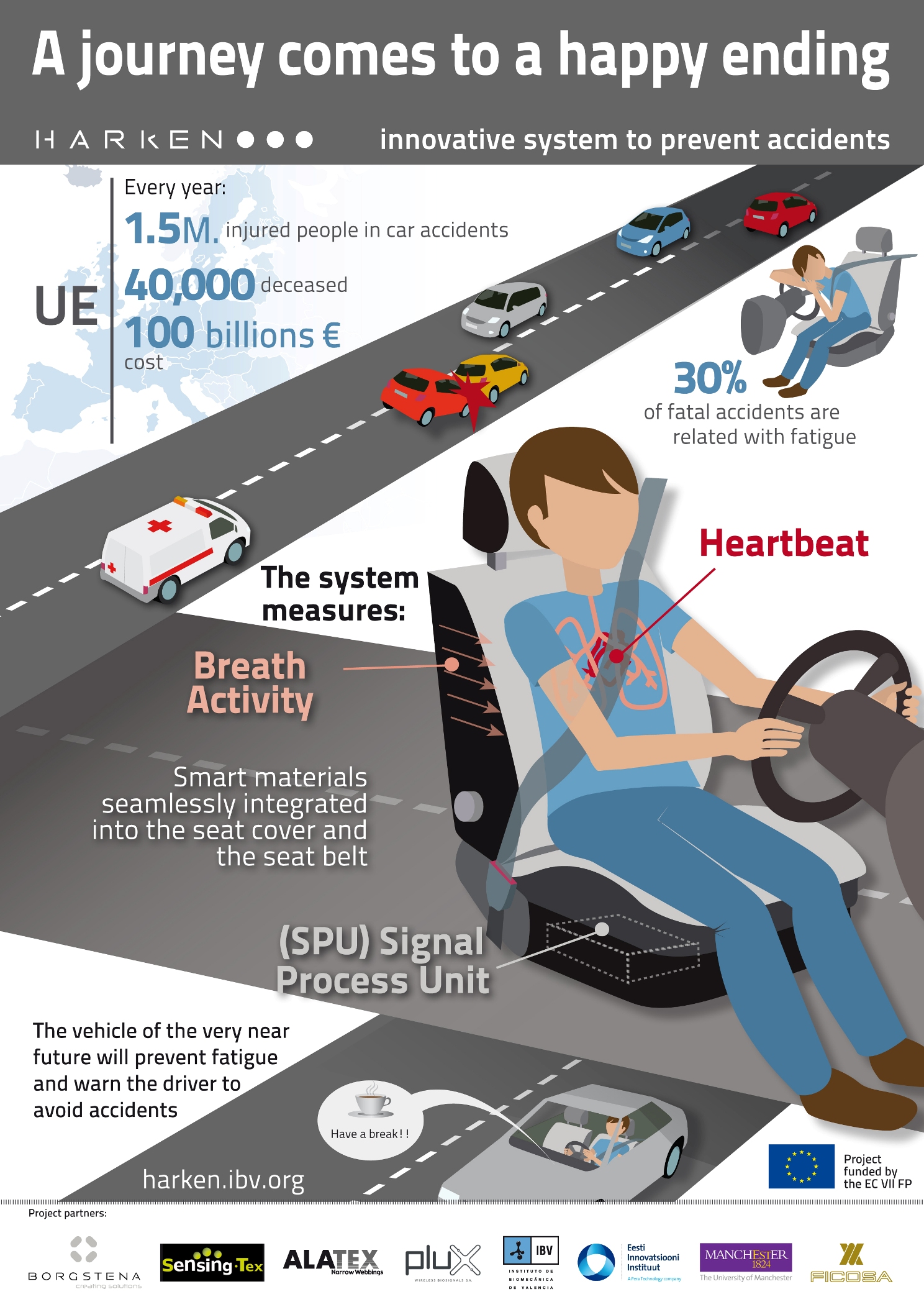
HARKEN is a sensor embedded  driver’s seatbelt and seat cover that monitors cardiac and respiratory rhythms.  Its hidden signal processing unit analyzes the data in real time.  The prototype is being developed at Spain’s  Biomechanics Institute in Valencia. When the sensor data indicates the person is falling asleep, an alarm will wake the driver.

 Closed track testing has been completed.  The research team is making plans to test the system in real world traffic conditions.

Categories
Assistive Technologies Robotics Sensors Wearables

Robotic fingers enhance grip

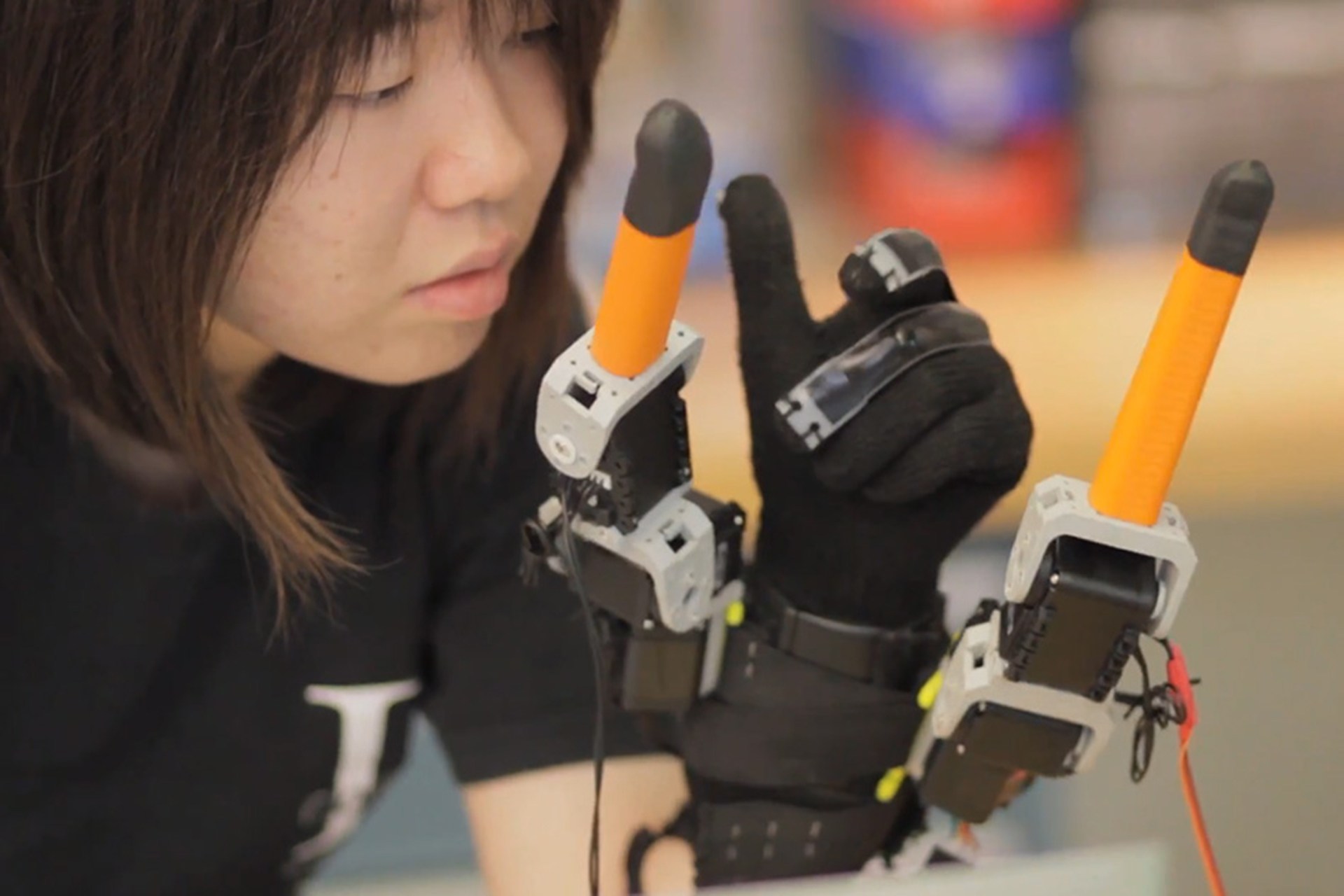
MIT researchers, led by Professor H. Harry Asada,  have developed a robot that enhances the grasping motion of the human hand. Worn around one’s wrist, the device works like two extra fingers adjacent to the pinky and thumb. It consists of actuators linked together to exert forces as strong as those of human fingers during a grasping motion. A control algorithm enables it to move in sync with the wearer’s fingers to grasp objects of various shapes and sizes. 

According to professor Asada, “This is a prototype, but we can shrink it down to one-third its size, and make it foldable. We could make this into a watch or a bracelet where the fingers pop up, and when the job is done, they come back into the watch. Wearable robots are a way to bring the robot closer to our daily life.”

Categories
Sensors Wearables

Apple granted “iTime” patent

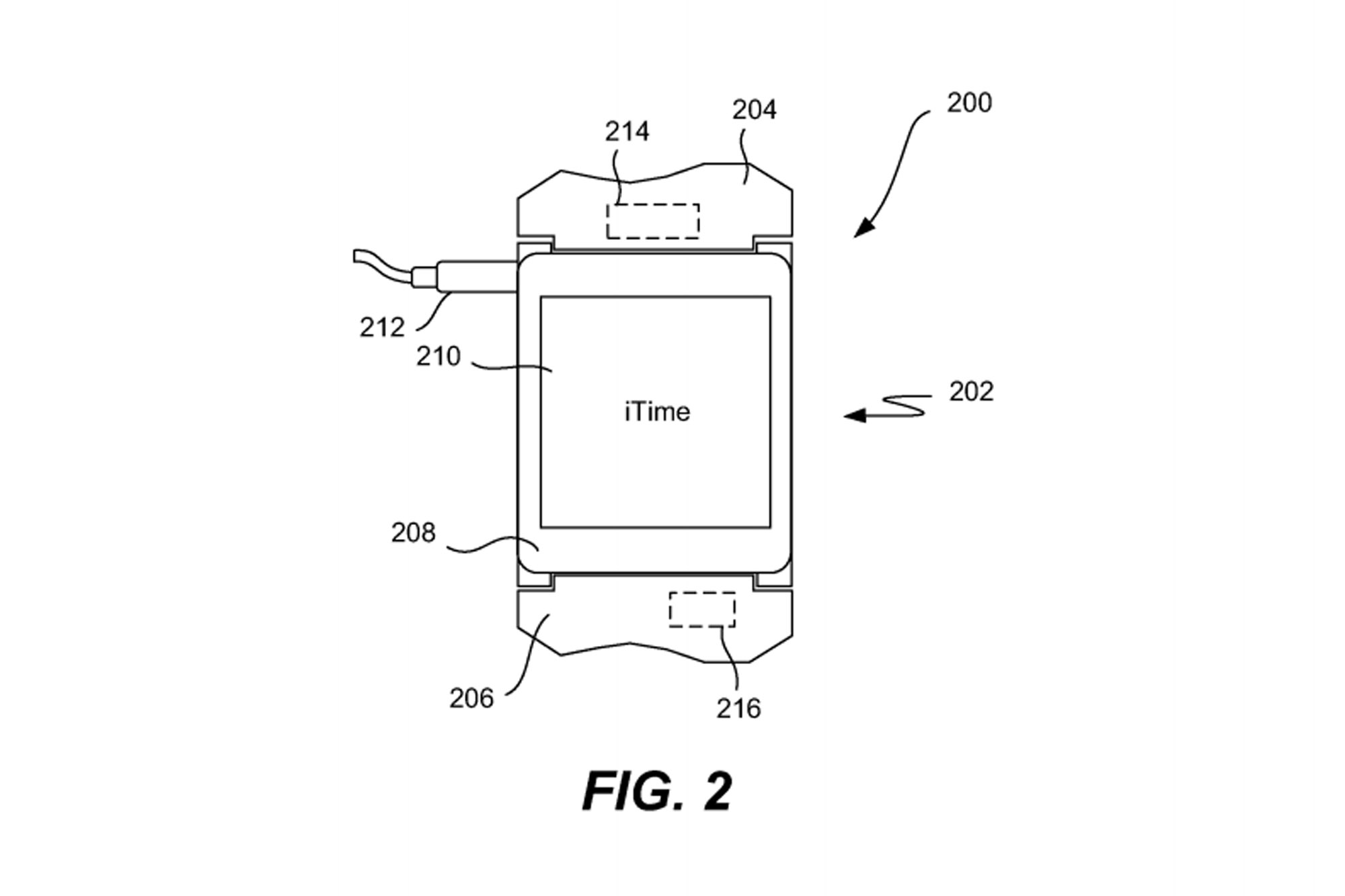
Apple‘s U.S. Patent No. 8,787,006 for a “Wrist-worn electronic device and methods therefor” describes a wearable touchscreen device that can be docked into a wrist strap, turning it into a smartwatch.  One illustration names it “iTime”.

The device connects to an iPhone, iPad or computer to access information and receive alerts.  Its  strap could contain haptic mechanisms, various sensors, biometric components, GPS modules, NFC antennas, Bluetooth packages, and/or proximity detectors.  Arm movement gestures could be used to control the watch, eliminating the need to touch the screen.

Categories
Monitoring Sensors Wearables

Sensor / 3D printing / bandage combination for continuous monitoring

Bioscope bandages, developed at the National Taiwan University, wirelessly transmit temperature, heart rate, movement and vital sign data to doctors to monitor or remotely diagnose.

The bandage comes with an integrated thermometer, accelerometer, and sensors to measure electrical activity. A microphone can track organ sound patterns to detect disease. The area holding the modules is 3D printed for easy sensor additions or changes.

Categories
Apps

Mental health app analyzes data for early intervention

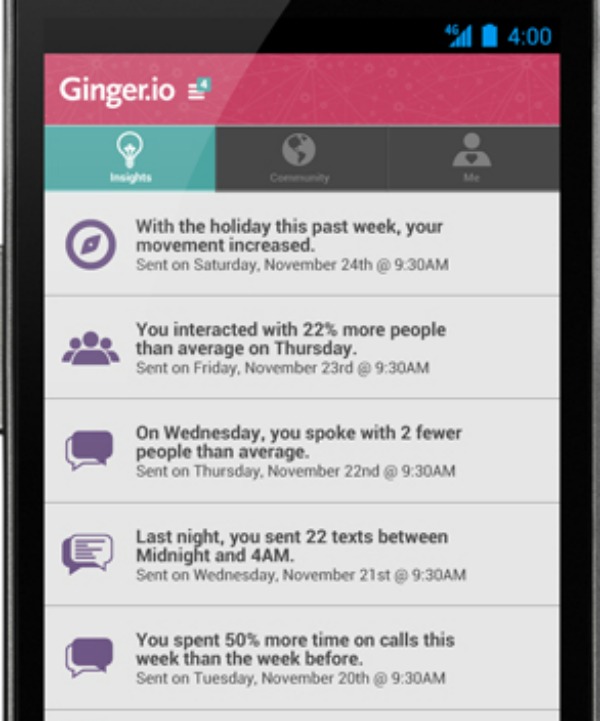
Ginger.io is a mental health app used to collect data and prompt early intervention of symptomatic patients to prevent relapses.  By passively analyzing mobile data, the app can detect if a patient with mental illness is acting symptomatic.

Symptoms may include lethargy (decreased movement captured by motion sensors) or infrequent texts (captured by the message log). If the app detects an unusual pattern, it sends text messages to the patient and his or her health care provider, who can monitor and intervene if necessary.

Ginger.io has also been used in research at UC San Francisco, to look at the role behavioral data plays in heart disease. Forsyth Medical Center in North Carolina used it to study how data can help discern behavioral differences in diabetes patients.  A UC Davis trial used the app as a low cost method of monitoring youth with psychosis.

Users complete a survey about their conditions, treatment, and health care provider. Ginger.io then begins passively collecting millions of interaction and location data points. Motion data is captured by a phone’s accelerometers. GPS pinpoints where a person visits. It also logs the duration and frequency of phone calls and texting patterns.

For a few days, the app records a person’s normal patterns.  Then algorithms look for significant deviations. If any are detected, the app alerts the user. A text may say “On Wednesday, you spoke with two fewer people” (signaling isolation), or “You traveled 50 percent less on Thursday” (signaling lethargy).

If the algorithms detect enough deviations to determine that the patient is behaving inconsistently, Ginger.io alerts the health care provider. The provider may see a text explaining that the patient is increasingly acting isolated or lethargic. Or they may see a green box next to the patient’s name turn to red, signaling a need for intervention.

Categories
Eyes Sensors Wearables

Google/Novartis “smart lens” monitors diabetic eyes, helps presbyopia

Google announced its “smart lens” prototype 6 months ago.  (See ApplySci,  January 14 2014).  Today they have partnered with Novartis to accelerate its development as a tool to manage eye conditions.

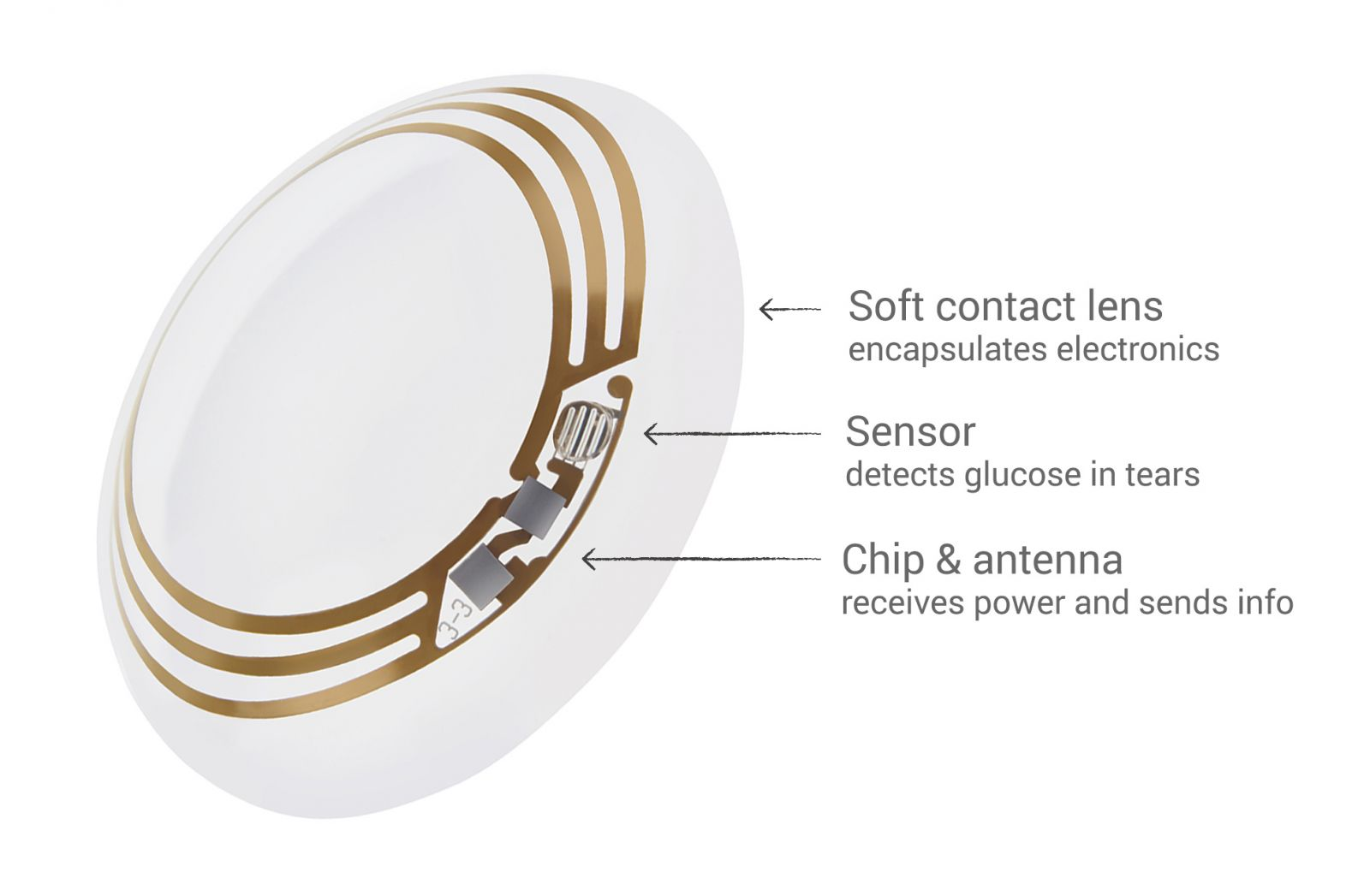
Non-invasive sensors and microchips embedded in the lens monitor fluid to provide continuous, minimally invasive glucose measurement. The data is sent wirelessly to a mobile device.

The technology can help  restore the eye’s natural autofocus on near objects in presbyopia as an accommodative contact lens.  It can also be implanted as an intraocular lens during refractive cataract surgery.

Monitoring glucose levels through the lenses could  be easier and more comprehensive than current techniques, which require diabetics to draw blood from their fingers.