Categories
Eyes Wearables

Reading ring provides audio, haptic feedback

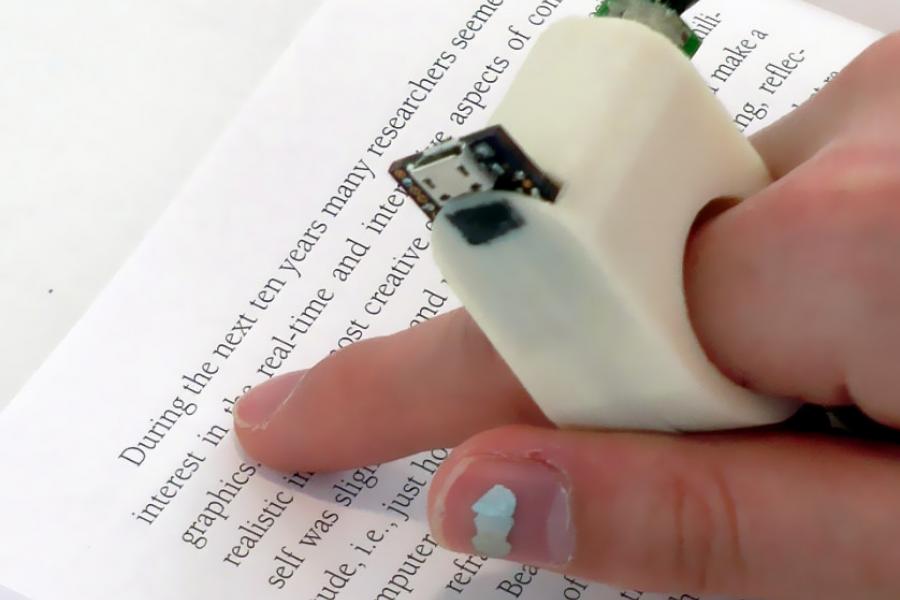
FingerReader is a 3D printed reading device, worn on the index finger.  It was designed for the vision impaired, but could also be used as a translation tool.  Its camera scans text when a finger is moved over it.   Software tracks finger movement, identifies words and processes the information. Wearers receive audio feedback of the words and haptic feedback of the layout, helping them maintain a straight scanning motion.   The prototype was developed by Roy Shilkrot at the MIT Media Lab.

Categories
AI Assistive Technologies

Eye tracking virtual keyboard

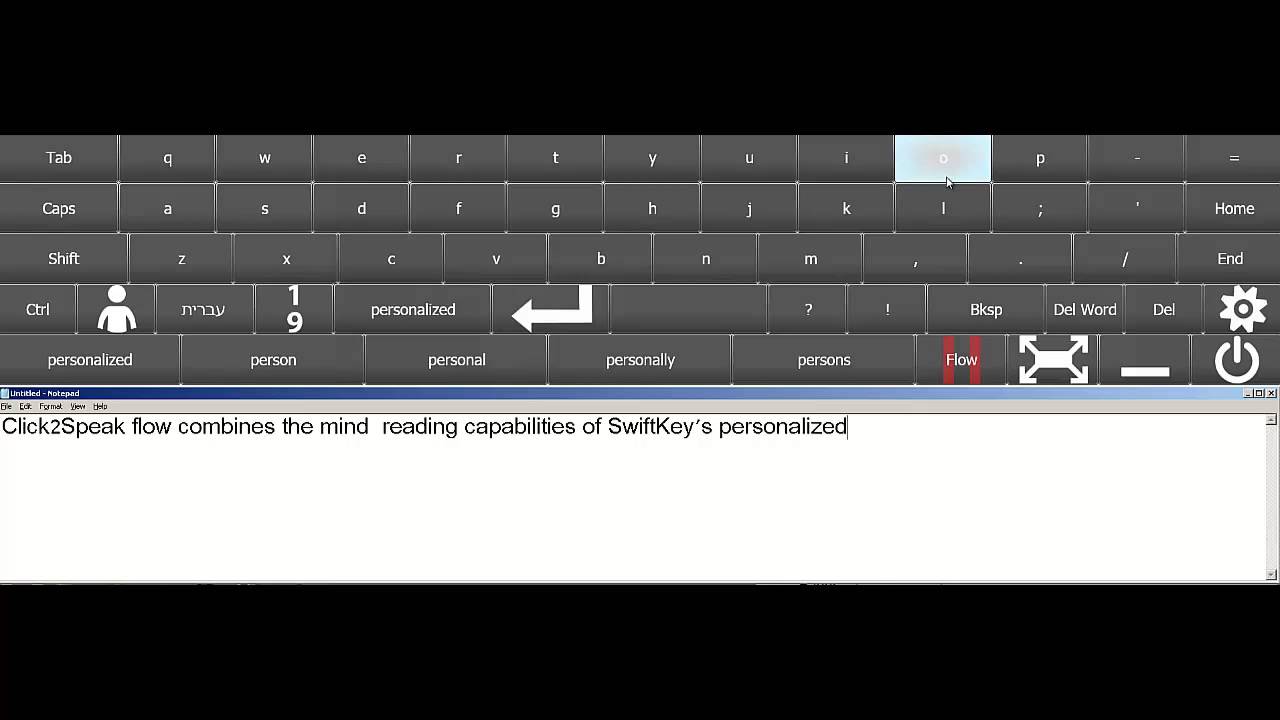
Click2Speak is SwiftKey based software that allows users to type on a virtual keyboard using eye movements.   AI technology predicts words from texts, facebook, and twitter.  A camera tracks eye movement, and one can click with a foot mouse or by looking at a button for a few seconds.

Founder Gal Sont, who has ALS, created Click2Speak because “Your communication is the basis of everything.  To tell someone you love them, to ask for something to drink, it is the basic need of every one of us: to communicate with my family and friends and tell them all that I need, in words. So communicating is very important, and if I can do it faster and more efficiently,  I’ve won the world.”

Categories
BCI Brain

Brain controlled car steers, accelerates, brakes

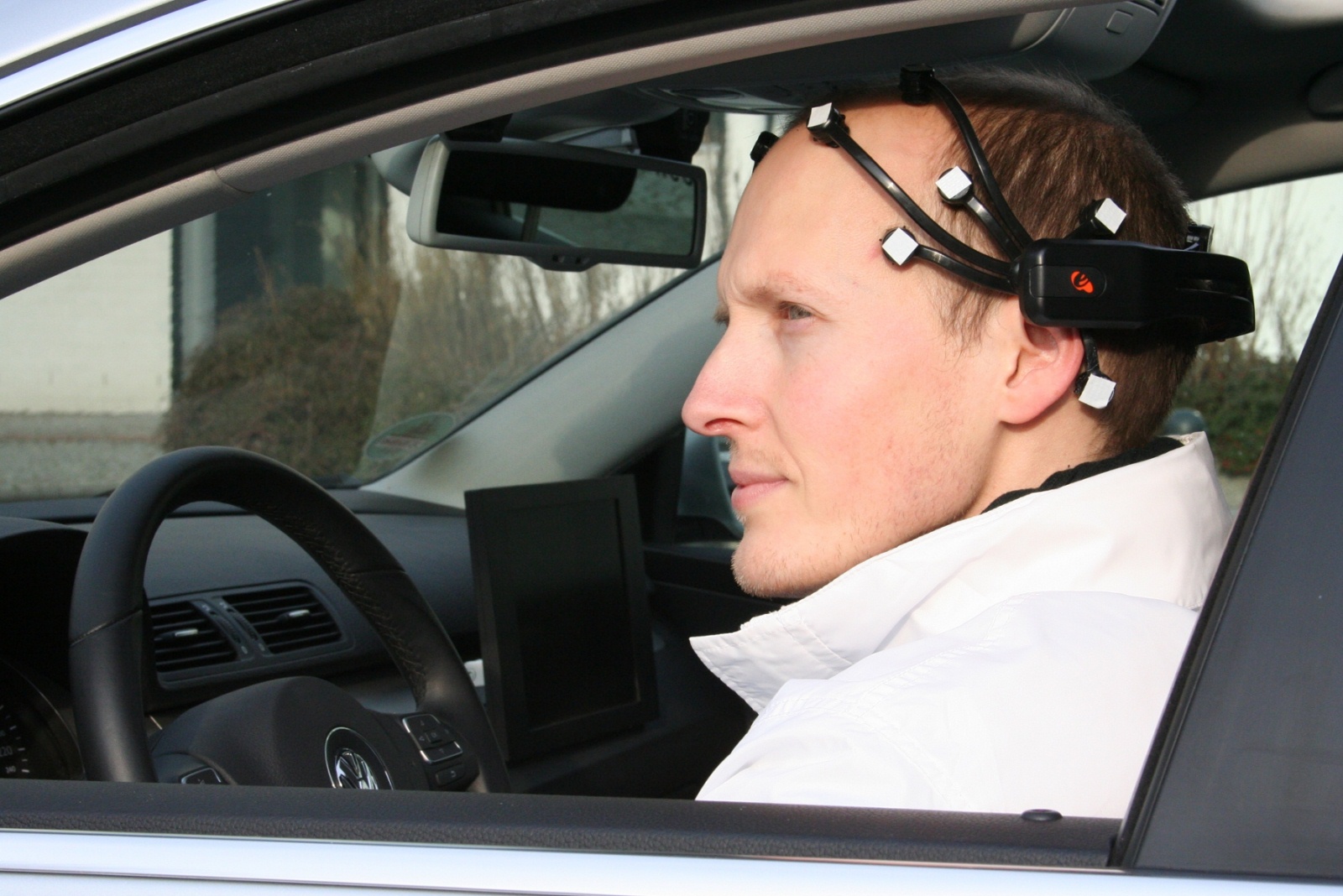
AutoNOMOS and the Freie Universität Berlin  are developing BrainDriver, the first car that steers, accelerates, and brakes based on its driver’s thoughts. In a recent experiment, Henrik Matzke drove a car at speeds up to 31 mph.

Neuro-signals are acquired with a commercial EEG tool. After training with virtual objects in the software toolkit, bioelectric signals measured by the wireless headset are interpreted as patterns associated with directions. Once a pattern can be linked with a command, a software interface sends these to the Drive-By-Wire System of the car ,which converts messages into actions.

Categories
Assistive Technologies BCI

Israeli Make-a-thon empowers the disabled

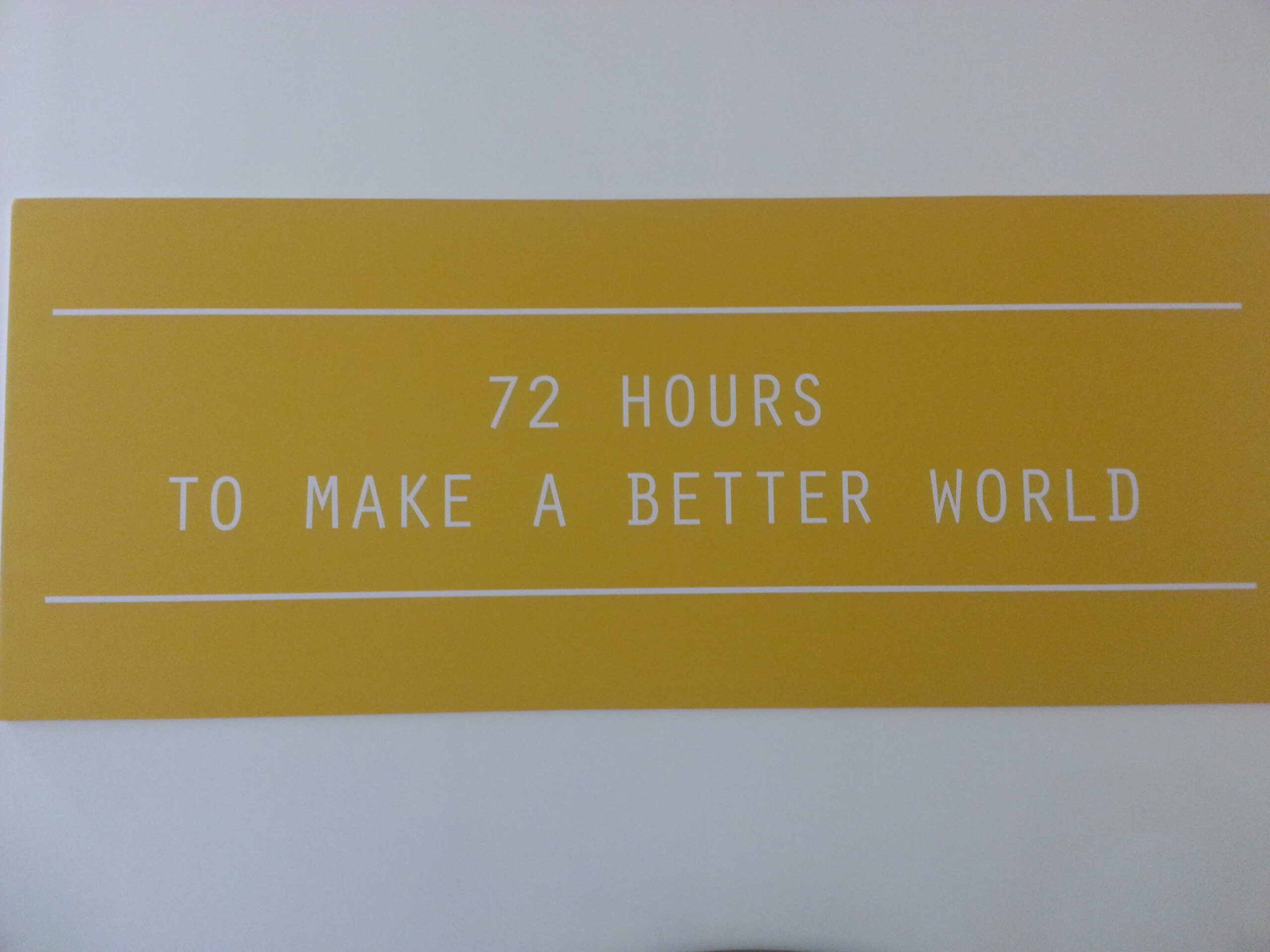
TOM – Tikkun Olam Make-a-thon, is underway in Nazareth, Israel.  In this Arab city, the hometown of Jesus, in an industrial complex built by Israeli Stef Wertheimer, makers, brain researchers, designers and physical therapists are empowering the disabled. Participants have 72 hours to build open source, affordable, working prototypes of devices and apparatus to improve their lives.  “Tikkun Olam,” or “Repairing the World”, is a Jewish principle, and the guiding theme of TOM.

Projects include:

  •  A 3D printed hand that enables a child born with out one to hold a ball
  •  “Eye writer” glasses that control a computer
  •  Crutches that convert to a walker
  •  A pressure relieving method for wheelchairs
  •  A device that cleans wheelchairs when entering a house
  •  A headpiece with sensory abilities for the blind
  •  A printed shoe for an injured veteran
  •  A brain controlled a prosthetic arm

Participants include Sefi Udi, maker, engineer, designer, and quadriplegic, and Professor Nathan Intrator, whose non-invasive brain computer interface will allow Sefi to control a prosthetic arm with his mind.

Categories
Conference fitness Sensors

Google Fit platform aggregates health data

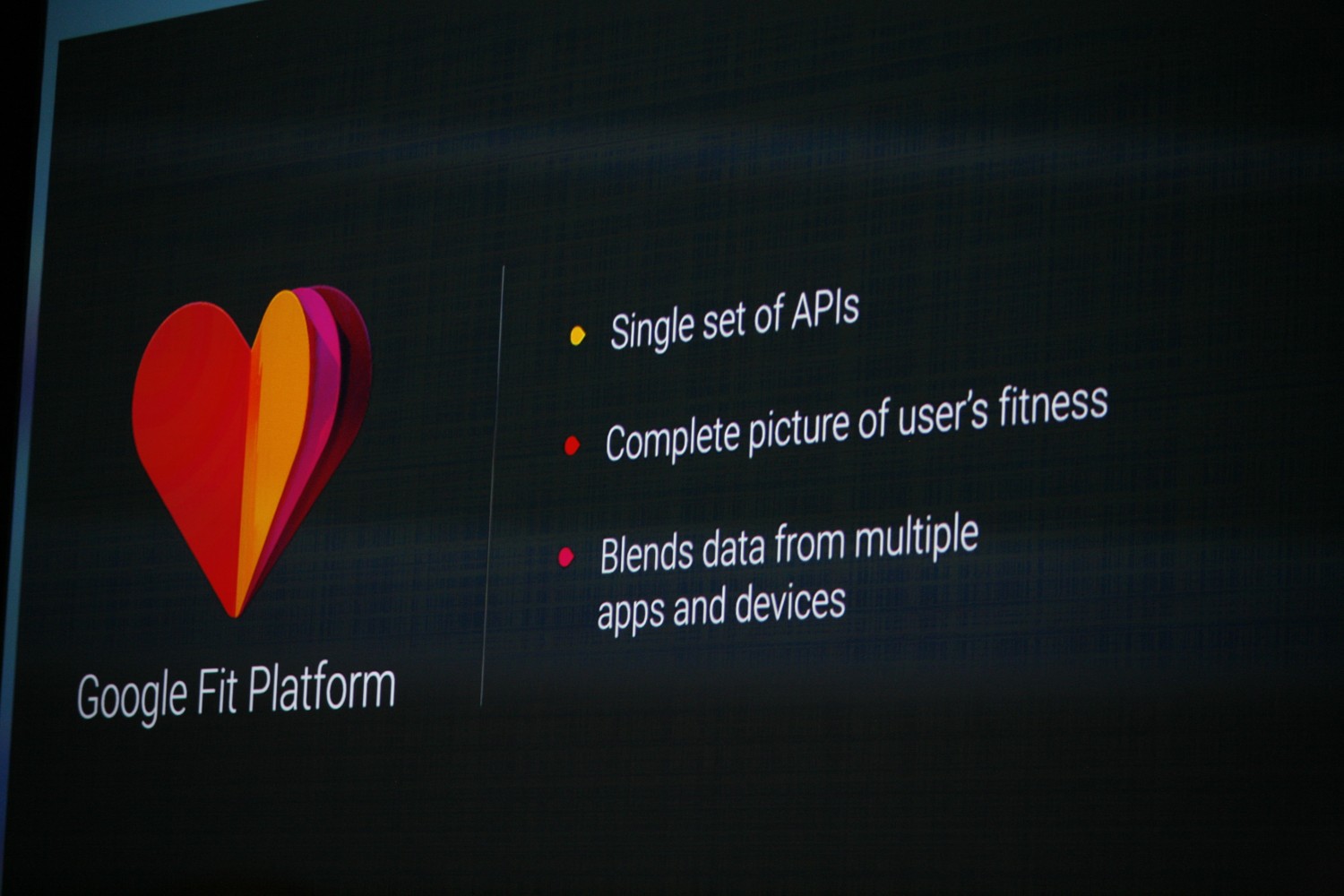
Using a single set of APIs, Google Fit collects and aggregates data from fitness apps and sensors to manage a user’s fitness stream.

The platform will work with wearables and other peripherals.  To protect privacy, permission is required and data can be deleted.  Initally, Adidas,  Nike , Intel, LG and Motorola will participate.  Nike will add its Fuel number to the Fit stream for other apps to utilize.

Apple announced a similar fitness data aggregation platform, Healthkit,  earlier this month. (See ApplySci, June 5 2014.)  Both platforms are expected to go live this fall.

Categories
Heart

Self powered piezoelectric pacemaker

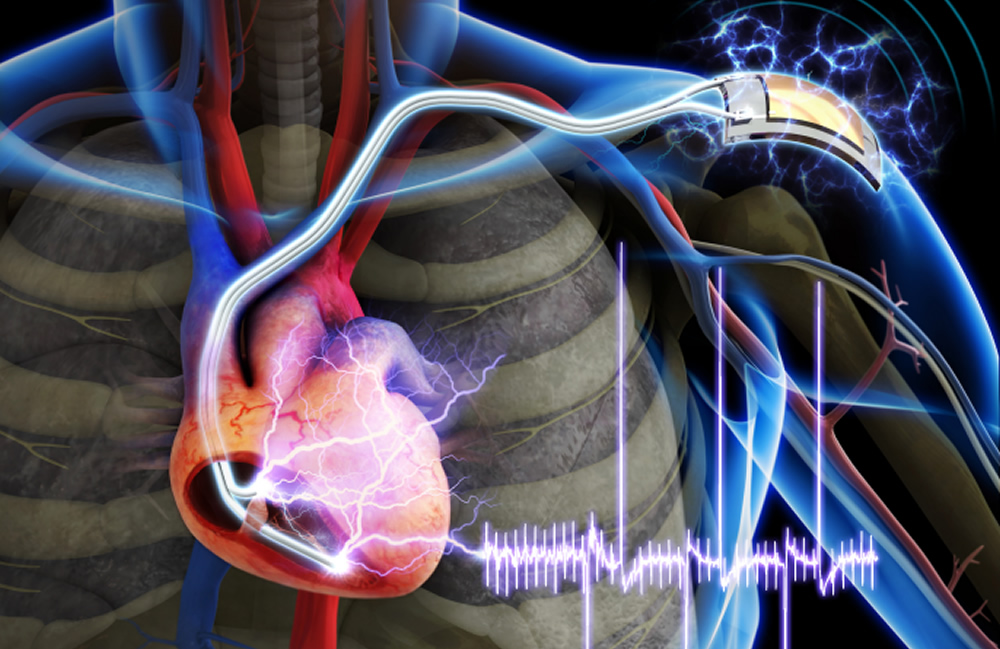
KAIST professor Keon Jae Lee and Yonsei University professor Boyoung Joung have developed a self-powered artificial cardiac pacemaker operated semi-permanently by a flexible piezoelectric nanogenerator.

The flexible piezoelectric nanogenerator directly stimulated a living rat’s heart using electrical energy converted from body movements. This could facilitate the use of self-powered flexible energy harvesters,  prolonging the life of cardiac pacemakers and enabling real-time heart monitoring.

Categories
Assistive Technologies BCI Brain

Quadriplegic moves hand with thoughts

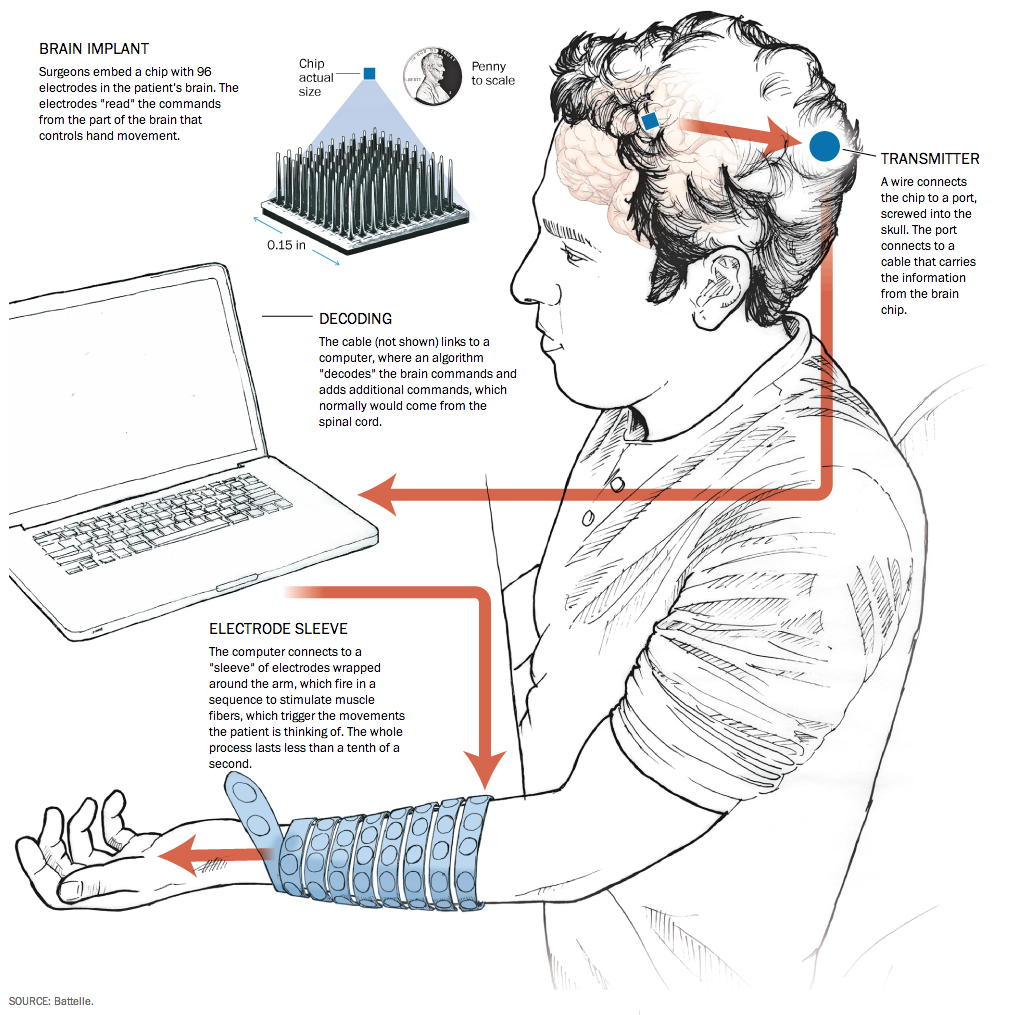
Neurobridge, developed by Ohio State University and Battelle, enabled a paralyzed man to move his hand and fingers with his thoughts.

The  device is an electronic neural bypass for spinal cord injuries that reconnects the brain directly to muscles, allowing voluntary and functional control of a paralyzed limb.

The experiment used a chip, implanted in the patient’s brain, that created algorithms to map the signals sent when he concentrated on moving his hand.

When the chip was connected to a computer, the signals were translated into messages sent to a sleeve loaded with electrodes placed around his arm. This stimulated his muscles, allowing him to move his hand by focusing on it.

Categories
fitness Heart Sleep Wearables

Biometric shirt monitors astronaut vital signs

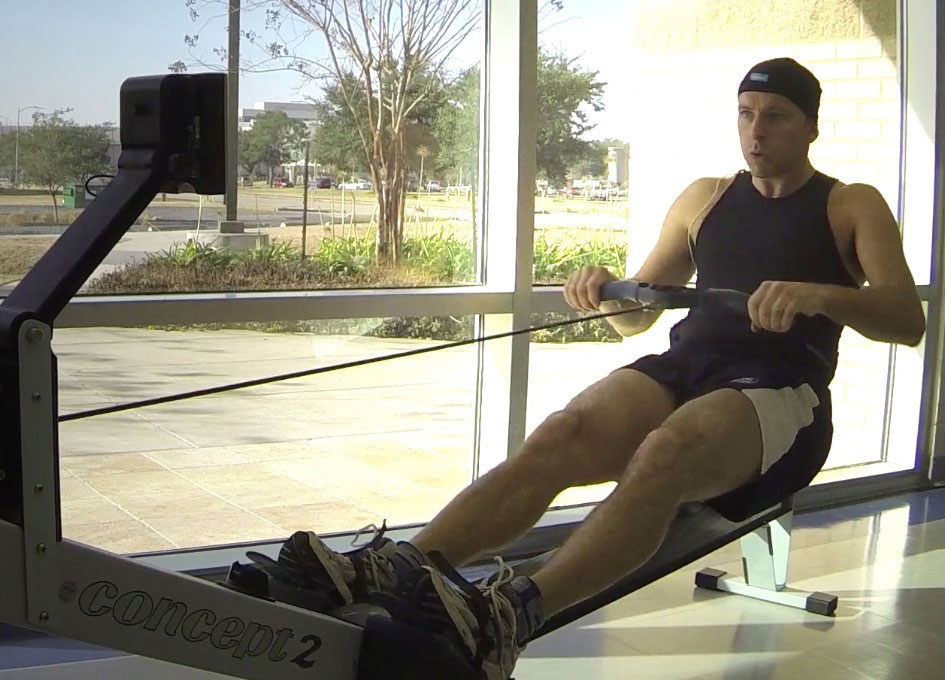
Astroskin is a  prototype medical monitoring shirt and headband for astronauts that could be used to continuously monitor patients. Its sensors record and analyze the wearer’s vital signs, sleep quality and activity level. Data is relayed to medical teams on the ground to monitor a crew member’s health, behavior and performance during daily operations and exercise, or to monitor sick or injured astronauts.  It is a refined version of Hexoskin, the commercially available biometric shirt for sports performance, sleep, and health tracking.  

Both shirts contain embedded sensors to measure vital signs and activity. An electrocardiograph measures heart rate and heart rate variability, and plethysmography sensors assess breathing rate and respiration volume by torso shape changes. Calories burned are calculated based on that heart rate and respiration data. An accelerometer tracks steps and the number of steps per minute. A user’s “sleep-efficiency score” is determined by movement, heart rate, and respiration through the night.  A small device in a pocket does preliminary data processing and sends the information to a user’s smartphone and to  Carré Technologies servers for analysis.

Astroskin was recently tested on a one month trek in Antarctica led by Alexandre Byette.

Categories
AI Machine Learning Robotics

Context sensitive robot understands casual language

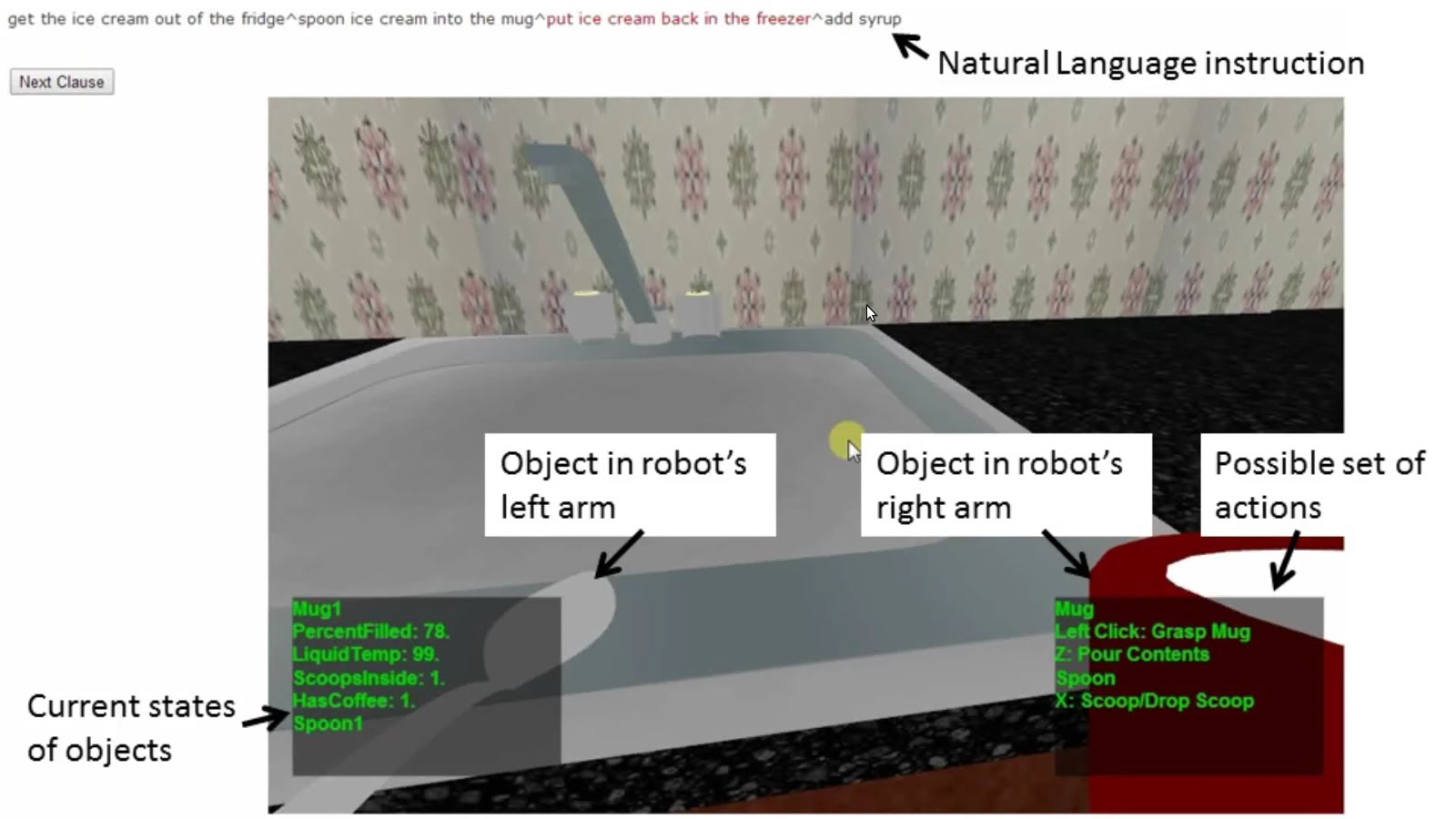
Cornell professor Ashutosh Saxenam is developing a context sensitive robot that is able to understand natural language commands, from different speakers, in colloquial English.  The goal is to help robots account for missing information when receiving instructions and adapt to their environment.

Tell Me Dave is equipped with a 3D camera for viewing its surroundings.  Machine learning has enabled it to respond to entire commands with flexibly defined actions. Its  computer “brain” has been fed simulated video simulations of actions, accompanied by voice commands from different speakers of different dialects and accents. The robot matches instructions to a range of potential actions and determines the the right one using the context of other words in the command and environment details.

At this time, Tell Me Dave can correctly follow human voice instructions 64 percent of the time.

Categories
Brain Seniors

Electric stimulation headband tested for Alzheimer’s and MCI

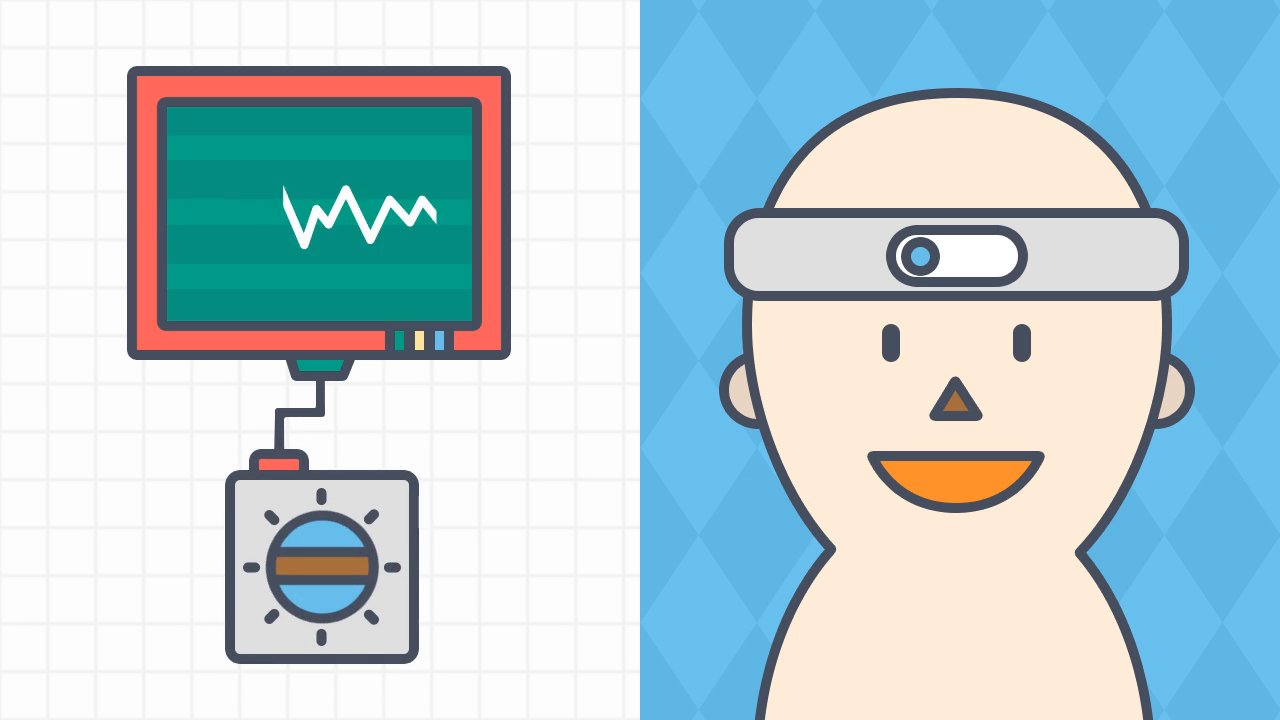
Ybrain is a wearable device that targets brain regions with electrical signals.  Two sensors are embedded in the front of a headband, providing stimulation for 30 minutes per day, 5 days per week, at home.  It is intended for both Alzheimer’s and Mild Cognitive Impairment patients.  The company has built a prototype and will begin clinical trials in Korea in July, 2014.  The target launch date is early 2015.

Soterix Medical  and Halo Neuroscience are developing similar transcranial direct stimulation/neuromodulation devices.

Categories
Assistive Technologies Sensors

Sensor enabled prosthetic grip improvements

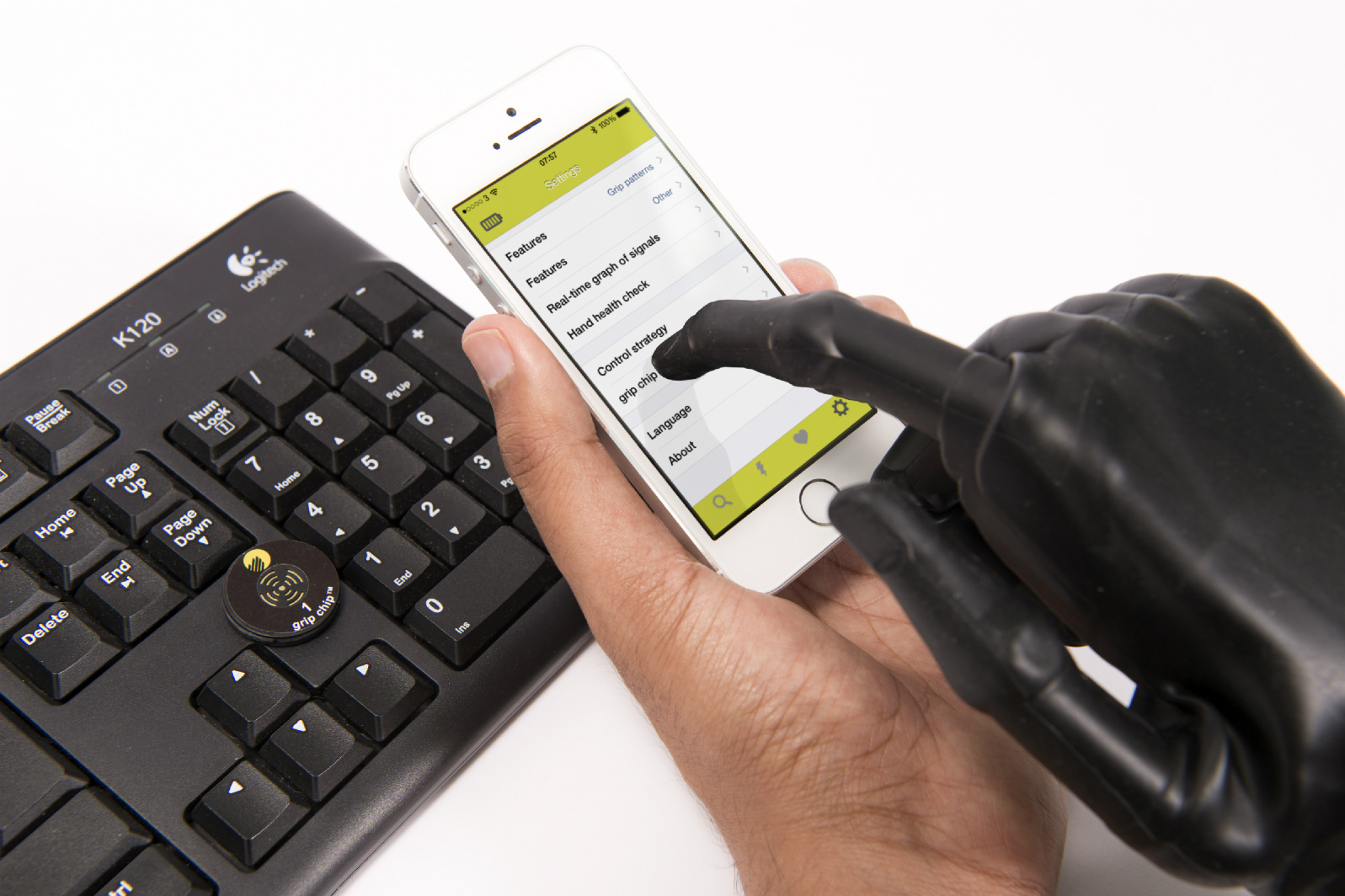
Touch Bionics has introduced “Grip Chips,” bluetooth enabled devices that can be attached to objects to trigger a pre-programmed grip configuration when detected by motion sensors.  They are useful for triggering specific grip patterns that are used regularly, but perhaps not enough to warrant programming to the prosthetic itself for triggering via muscle movement.  For example, a Grip Chip might be stuck to a keyboard to initiate a grip pattern best suited to typing.

Biosim and my i-limb mobile apps, for iPhone and Android,  have been updated to provide users with 36 customizable grip options. Like Grip Chips, the apps allow users to save infrequently-used grip options for quick access when required.

Categories
Assistive Technologies Wearables

Wearable computer creates muscle memory

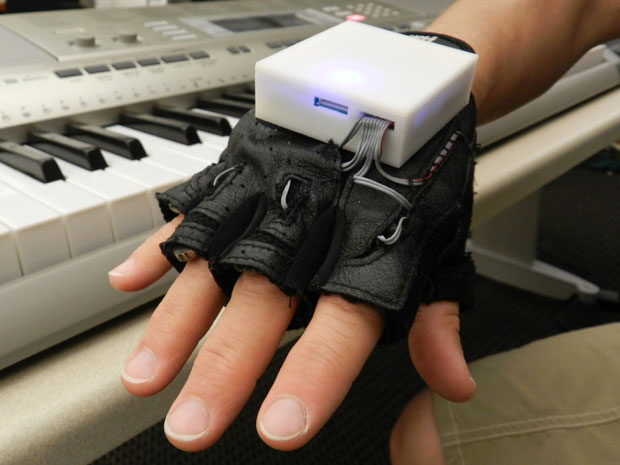
Georgia Tech Professor (and Google Glass technical lead) Thad Starner has invented a wearable computer that could provide muscle memory to enable someone to play music or learn dance steps.  It is based on haptic feedback, and might one day help the visually or hearing impaired learn Braille or Sign Language.

In a piano-playing experiment, the device was attached to a glove, with a flat vibration monitor sewn inside each finger opening.  The five vibrators were wired to a microcontroller on the back of the subject’s hand.  It was programmed to fire the motors in the same sequence that the fingers would strike keys on a piano.

Starner believes that repeated buzzing from the glove creates muscle memory that enables a wearer to learn to play a song with far less practice than it would take without haptic stimulation. He has also studied the glove’s effect on people with spinal cord injuries and found that it can help them regain some sensation and dexterity in their hands. The team is now studying whether haptic gloves can teach braille typing and stenography.