Categories
fitness Sensors Wearables

Apple patents weightlifting tracker

Apple’s U.S. Patent No. 8,749,380 is a “shoe wear-out sensor, body-bar sensing system, unitless activity assessment and associated methods.”   

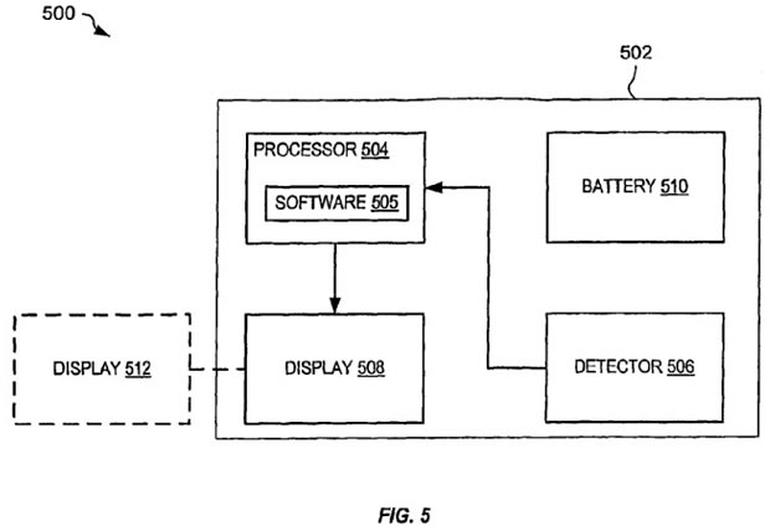
The patent describes a system where a sensor-laden device attaches to a weightlifting bar and counts and displays repetitions.  A watch for remote readings is included.  It is widely thought to be a part of an iWatch weightlifting tracker.

The device incorporates sensors, accelerometers, and processors with its display. Data can be sent wirelessly to a watch. Sensor hardware clips to fitness equipment, including bars, dumbbells and machines, and monitors movement and number of repetitions. 
Categories
fitness Sensors Wearables

Samsung announces Simband health tracker

Samsung’s forthcoming Simband, pitched as a common platform for wearable health sensor development,  will record and analyze user vital signs in real time.  Data will be uploaded directly to the cloud, with out the need for a smartphone.

Simband has multiple sensors, a thin removable battery and a small motherboard. It is powered by a 1GHz dual-core Arm A7 processor and equipped with Bluetooth and Wi-Fi radios.

It contains the Simband Sensor Module, which can house optical, electrical and physical sensors. Data collected can be forwarded to SAMI (Samsung Architecture for Multimodal Interactions) and used with third party apps.

Categories
Monitoring Sensors Wearables

Sensor “band-aid” assesses physical and cognitive performance

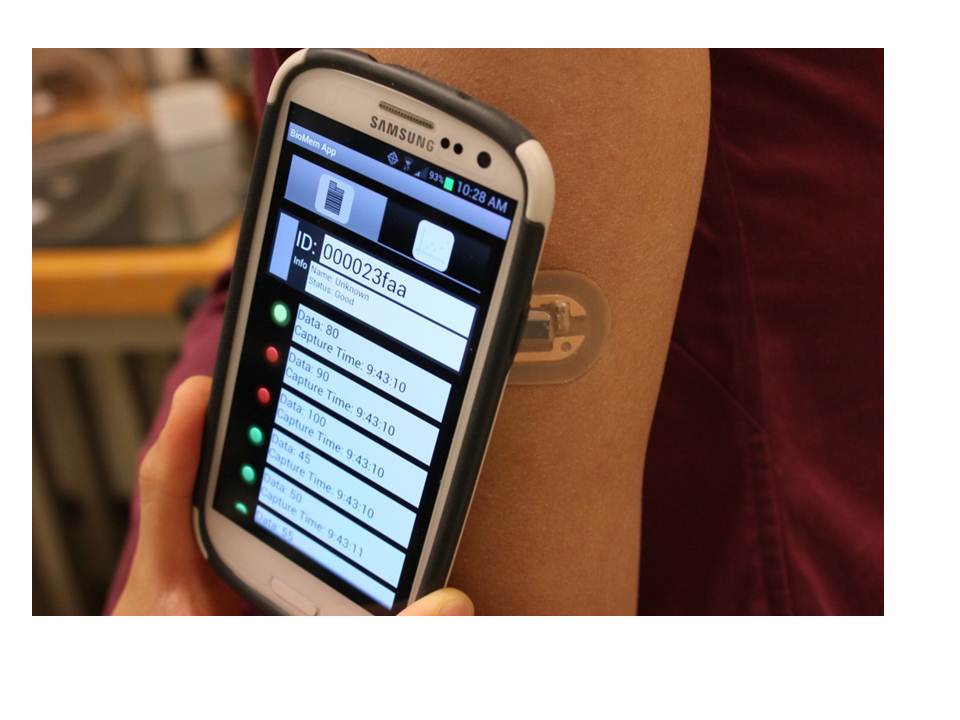
Airmen at the Wright-Patterson Air Force Base are testing bandage-like sensors that analyze sweat to assess physical and cognitive performance.  This is based on a study by Dr. Josh Hagen of the Air Force Research Lab.  The sensors notify users when stress, dehydration, and other health issues are detected.

“Our vision is that every Airman at the beginning of their week, will be able to put on an electronic band aid that will quantify everything about them,” said Hagen. “It would measure the typical things a doctor would measure in a checkup.”

Some  Air Force Marathoners wore the sensor patch while running this year.  While typical performance monitoring is done by measuring heart rate, skin temperature and blood pressure, biological chemical/molecular data is obtained from fluids.  These include blood, urine, saliva and – in the case of the biosensor patch – sweat.

Categories
Heart Monitoring Sensors

Arrhythmia monitoring patch

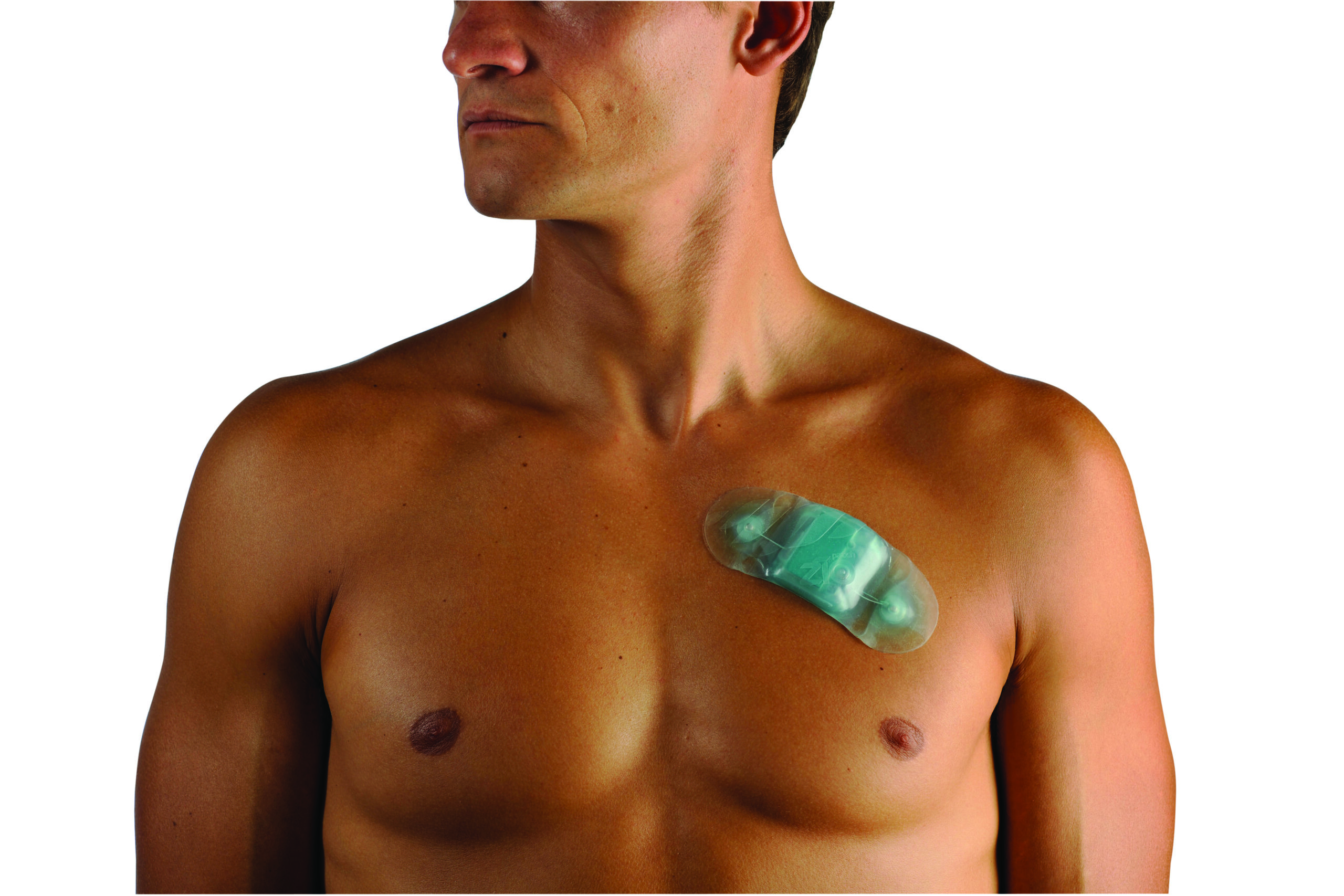
The iRythm Zio patch is a wearable sensor used to monitor arrhythmias in cardiac patients for up to two weeks. While it is a continuous monitor, the device also has a large button on top for patients to capture symptomatic events. This is an alternative to the 24 hour Holter monitor. The FDA approved device does not wirelessly transmit data to a mobile device. Readings are stored in the patch itself, which is then mailedto iRhythm at the end of the monitoring period.  iRythm analyzes the data and produces a report for the physician.

Categories
mHealth Monitoring Sensors

Measuring body chemistry at home

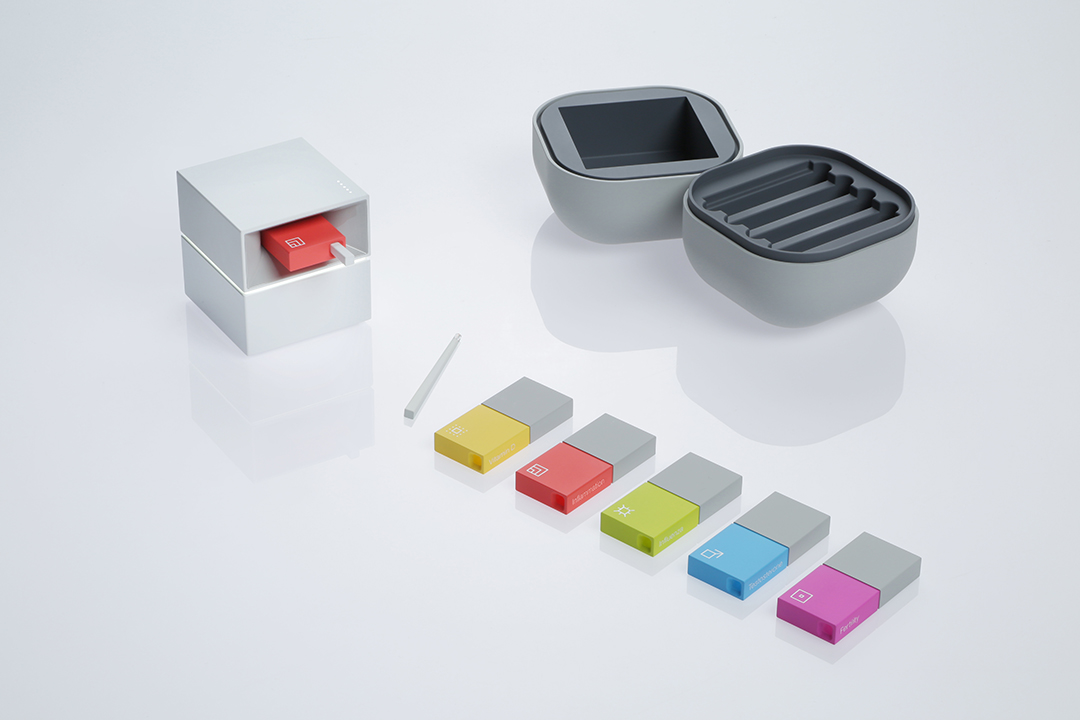
Cue is a health tracker that measures inflammation, vitamin D levels, fertility, influenza, and testosterone.  Its creators claim to bring tests that were previously only available in the lab into the home.  The system sends customized alerts with suggestions on how to improve one’s health.
.

A droplet of saliva, blood, or a nasal swab is added to a cartridge. and paced inside Cue, which sends the analysis to a smartphone or tablet via bluetooth.

Categories
Robotics Seniors Sensors

Robot and sensor system for seniors

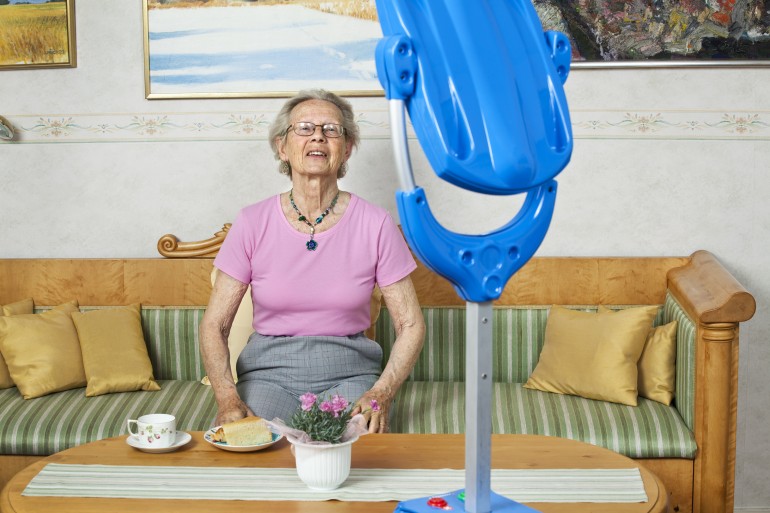
GiraffPlus is an integrated sensor and robot system aimed at keeping seniors healthy and independent in their own homes.  It is being developed by a consortium of European universities.

The robot uses a Skype-like interface to allow caregivers to virtually visit seniors.

Sensors on the ceiling, doors, and under the mattress help the system understand where the person is inside the house, whether he/she has fallen, and how much time is spent sleeping.  Glucometers, blood pressure cuffs, and other medical devices can interface with GiraffPlus for seamless data relay to a doctor. The physician can then communicate with the patient through the robot.

Caregivers of seniors already employ many of these tools.  This comprehensive system makes the process much more efficient, personalized, and perhaps effective.

Categories
Brain Sensors

Game controller measures heart rate, respiration, temperature, perspiration

Stanford Professor Gregory Kovacs and researcher Corey McCall claim that they are able to “read the brain” by measuring heart rate, respiration rate, temperature, perspiration and other body processes.  Their goal is to sense emotions.

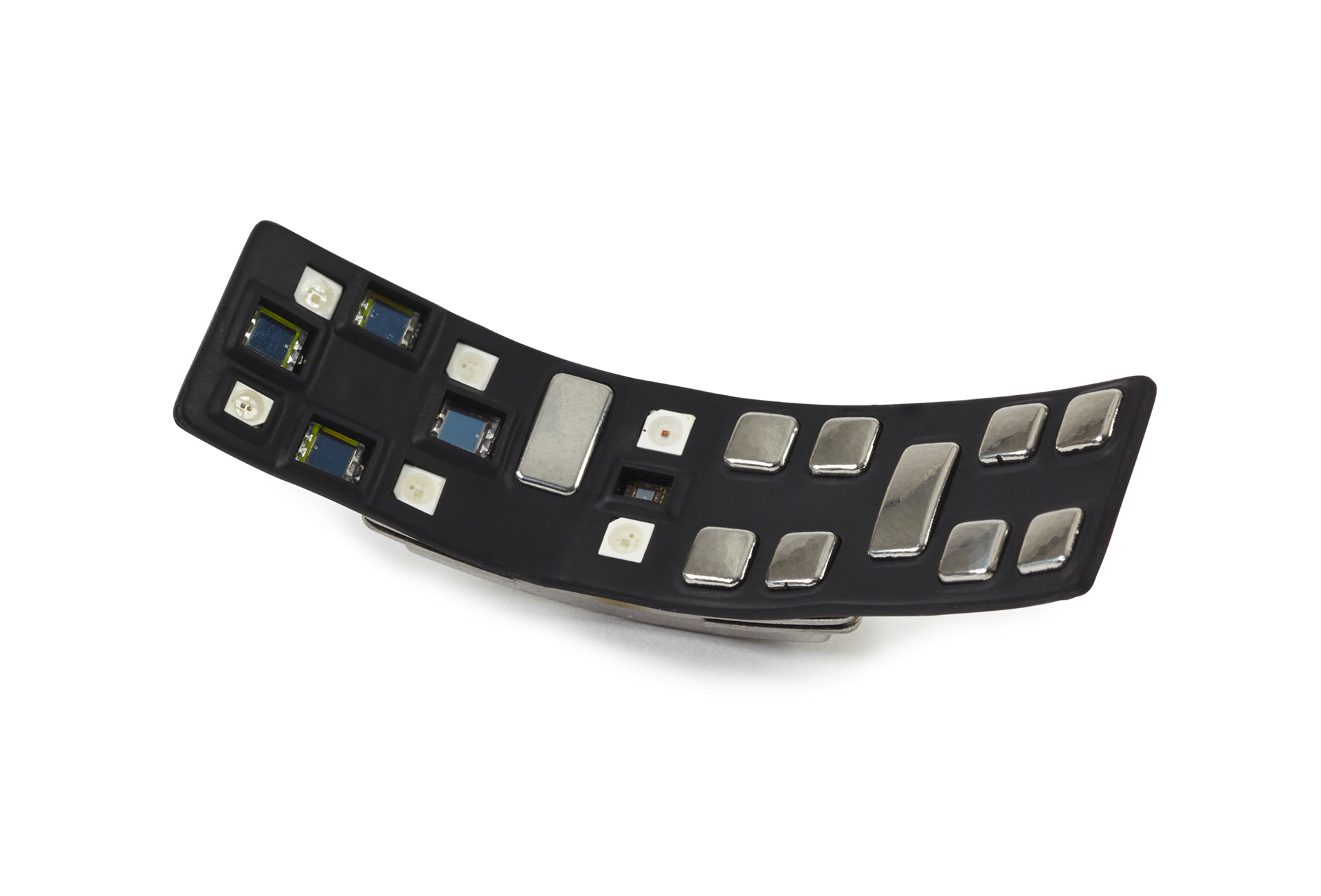
The back of an Xbox 360 controller was replaced with a 3-D printed plastic module packed with sensors. Small metal pads on the controller’s surface measure the user’s heart rate, blood flow, and both the rate of breath and how deeply the user is breathing. Another light-operated sensor gives a second heart rate measurement, and accelerometers measure how frantically the person is shaking the controller.

Software gauges the intensity of the game.  The researchers then compared this data to generate an overall picture of the player’s level of mental engagement.

While such non-invasive measurements of health are important, and can be effective for the gaming applications of Stanford’s focus, the only way to view brainwaves is through EEG.   Scientists are developing less obtrusive EEG methods, with promising results aimed at diagnosing and treating brain diseases.

Categories
Crowdfunding Sensors

Crowdfunded handheld molecular sensor

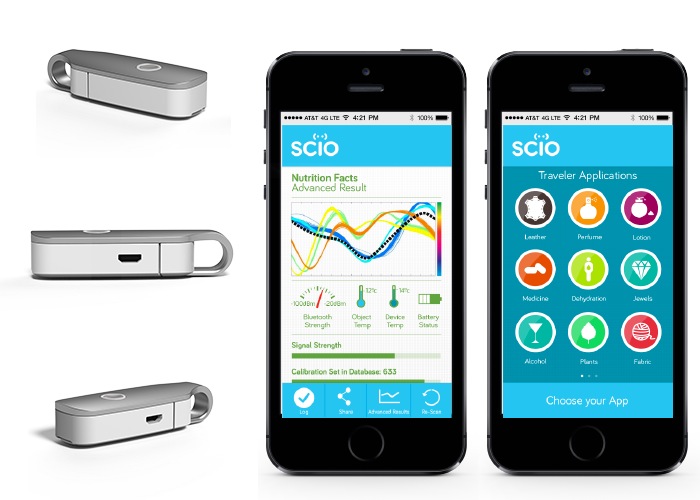
SCiO is miniature spectrometer that sends chemical make-up information about food, medicine and plants to one’s smartphone.  It is being crowdfunded on Kickstarter.

The device shines near-infrared light on a sample, exciting the molecules and making them vibrate.  Each object has its own optical signature.  The spectrometer determines what an object is, based on the infrared light that reflects back to the scanner. The app takes the data and compares it to a cloud-based database of objects.  It sends a match to the user’s smartphone.

The food app shows calories, fats, carbohydrates, and proteins.  It can gauge produce quality, ripeness, and spoilage in cheeses, fruits, vegetables, sauces, salad dressings, and cooking oils.  Fitness apps can show how many calories one is burning.

Categories
Cancer Sensors

Cancer screening bra insert

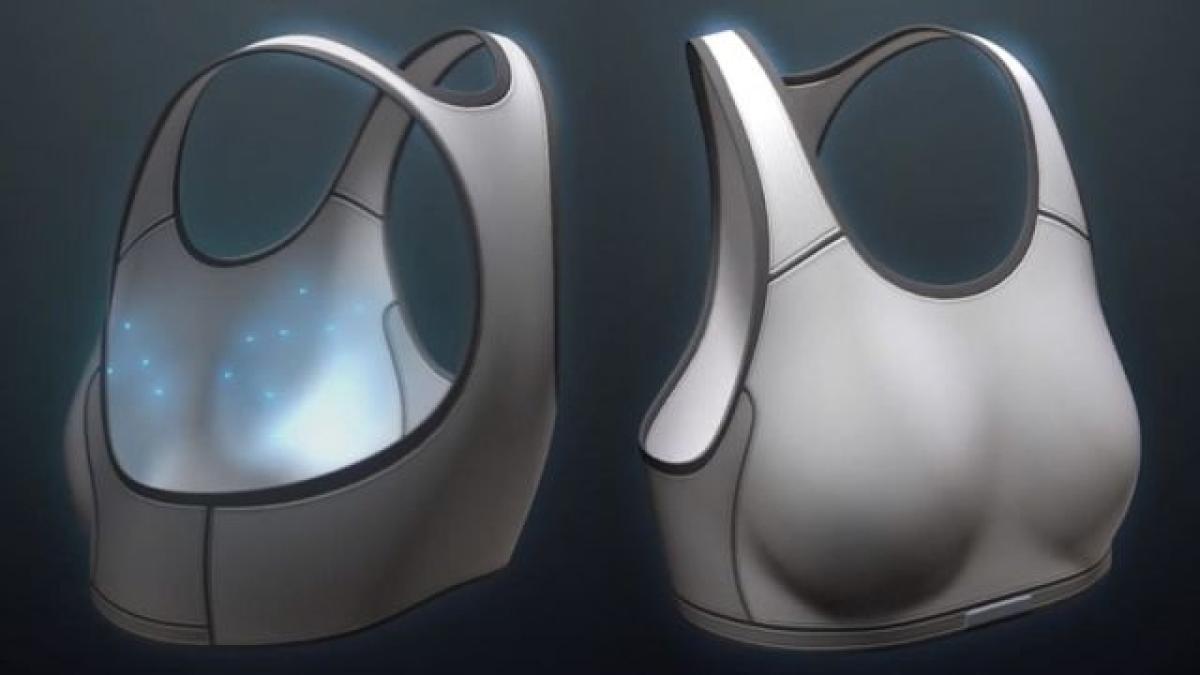
First Warning, the breast cancer sensing bra company, has changed its strategy.  They will now use the same temperature-fluctuation sensors from their smart bra in a device inserted into one’s existing bra.  The data will be sent to a user’s smartphone.

The sensor finds cancer by detecting tiny metabolic temperature changes caused by cancerous cells in a tumor. The temperature readings are sent back to a global library where they’re run through a proprietary algorithm. Then the results are sent back to a user’s phone.

In small trials, the device has had a 74 percent correlation with mammography and may work better than a mammogram in patients in the early stages of cancer or with dense breast tissue.

Categories
Monitoring Parkinson's Sensors

Wearable sensors monitor Parkinson’s symptoms

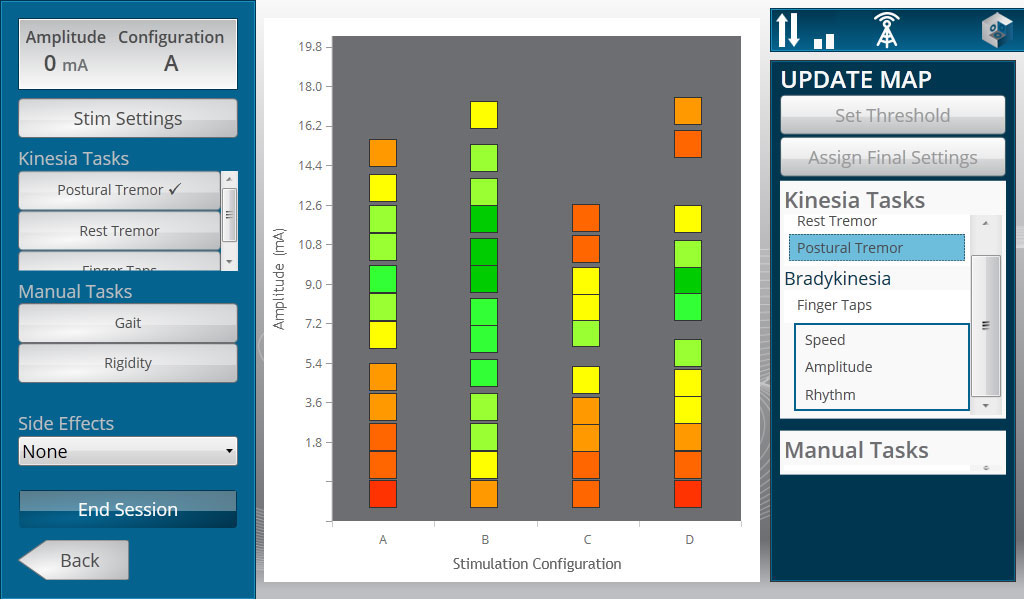
Kinesia’s HomeView and ProView technologies provide standardized platforms to quantify Parkinson’s disease symptoms in the clinic and at home.

Physicians have the tools to quantify tremor, assess dyskinesia and measure bradykinesia remotely. A patient uses a take home kit, programmed to specific symptoms and treatments,to complete motor tests several times a day. The patient can also enter touch screen diary information about how they are feeling and when medications were taken. Physicians can view web-based reports including automated severity scoring and videos that show symptom changes during the day in response to treatments such as medication or deep brain stimulation.

Categories
fitness Sensors

Crowdfunded insole monitors fitness

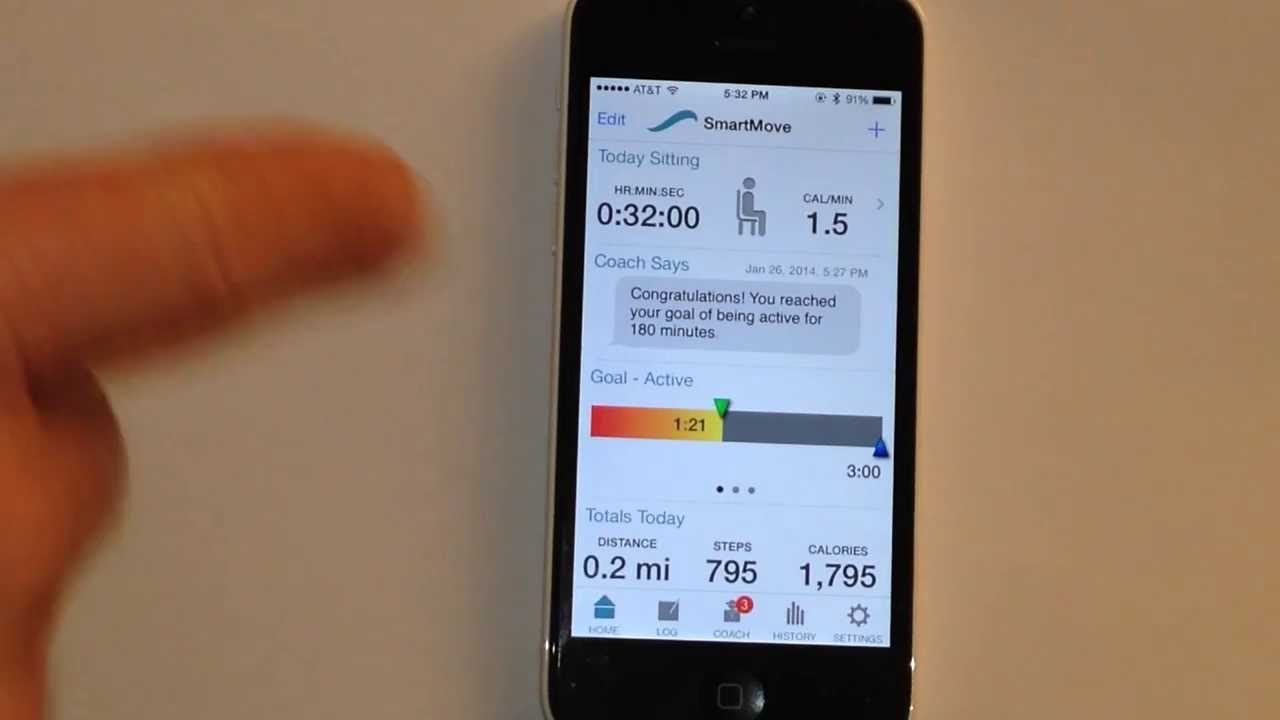
SmartMove is an insole that tracks sitting time, standing, walking, running, and cycling.  It is based research that analyzed the gait of stroke patients at University of Colorado Denver, Colorado State University, and Clarkson University.  Sensors track one’s movement and wirelessly send activity and calorie burn information to a smartphone.   The accompanying app provides real-time feedback and personalized coaching throughout the day to help users adopt healthy activity habits.  The product is being crowdfunded on Kickstarter.

Categories
Eyes Sensors

Sensors in phones, canes, assist blind with mobility

Sensor based products can assist the visually impaired with mobility, and continue to be released in various forms and at different price points.

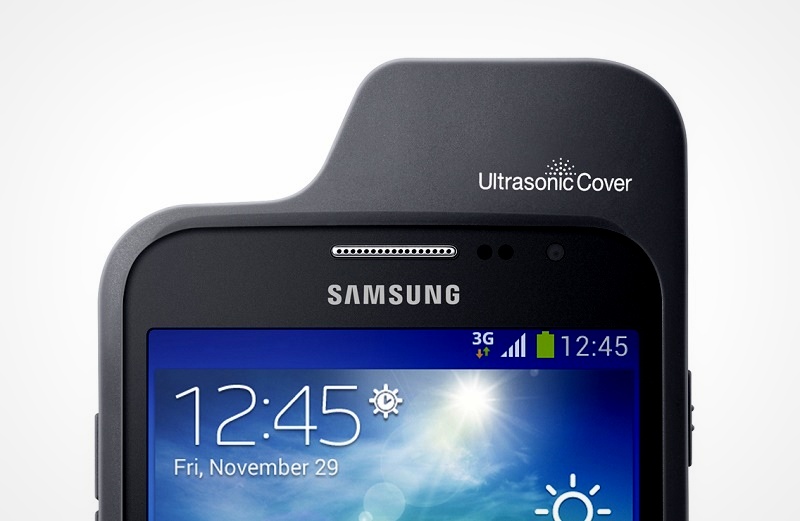
Samsung’s ultrasonic cover for the Galaxy smartphone sends alerts through a vibration or TTS feedback.  The user holds the cover in front of him/herself, and it senses the presence of a person or object up to 2 meters away.

Indian Institute of Technology researchers have created an affordable, ultrasonic SmartCane.  The device detects objects in its path, up to 3 meters away, and generates vibrations that differ according to the distance of the object.

Companies such as I-Cane have added navigation systems to sensor based walking aids.