
Categories
Heart Sensors Wearables

50 Cent/Intel headphones combine music and health

Following Dr. Dre‘s enormously successful Beats by Dre,  celebrities are entering the wearable/headphone market,  combining audio with health/fitness monitoring features.

Intel and rapper 50 Cent, through his SMS Audio venture,  have announced a partnered to develop BioSport headphones.   Their key feature is a series of biometric sensors integrated into a custom heart rate monitor.  An optical sensor measures a user’s heart rate during exercise, relaxation and in between.  Intel claims that the sensors can remove noise signals caused by body motion and ambient light.  They will feature support for the RunKeeper app, and other app support is planned.  Basketball player Carmelo Anthony will be the product’s spokesperson.
Categories
Parkinson's Sensors Wearables

Wearable and app for Parkinson’s tracking

Intel and the Michael J. Fox Foundation have combined smartwatches with analytics software to gauge the impact of Parkinson’s medications.  (Intel press release here.)

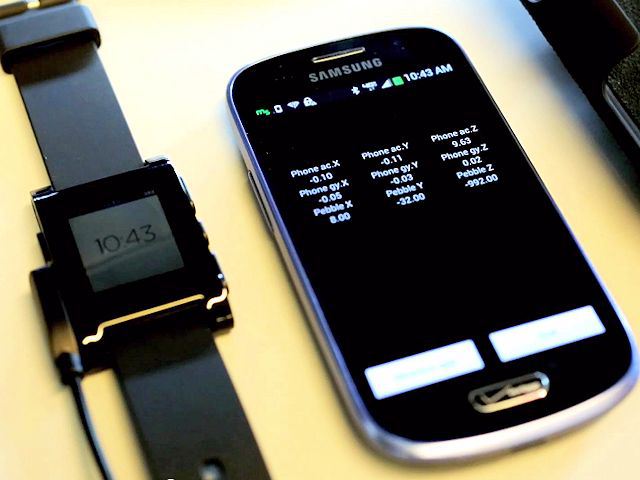
25 clinical trial participants wore (originally crowdfunded) Pebble watches to track tremors, gait, sleep patterns and other indicators for four days.  300 data points per second per patient were relayed to the cloud every day. Machine learning tools analyzed the data to understand medication and treatment effectiveness and disease progression.

Intel and the foundation will launch an app for Parkinson’s patients to report their medication intake and how they are feeling. They aim to study the effects of medication on motor symptoms, based on changes detected in patient data collected from the smartwatches.

Categories
Monitoring Sensors

Wearable sensor detects chemical disease markers

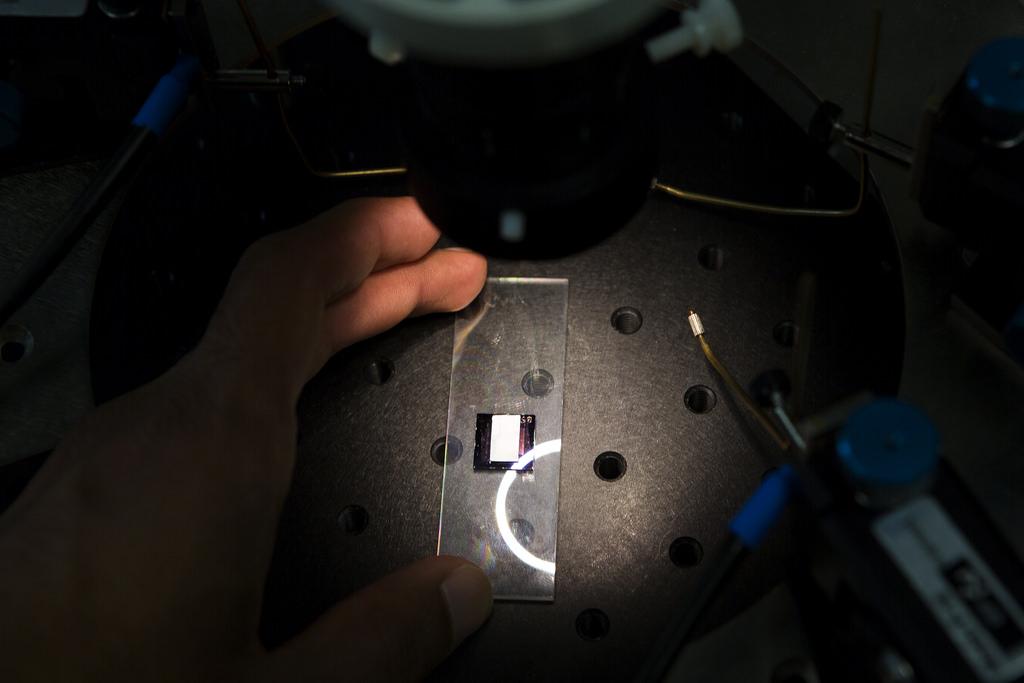
University of Michigan professors Sherman Fan and Zhaohui Zhong‘s newly developed graphene-based wearable sensor detects airborne chemicals that serve as disease indicators.   This could be the first wearable that monitors a broad array of chemical, rather than physical attributes. The sensor could detect acetone, a biomarker for diabetes, or abnormal levels of nitric oxide and oxygen, indicators of high blood pressure, anemia, or lung disease.

Categories
Monitoring Sensors

Biosensor monitor for post-surgery GI disorder

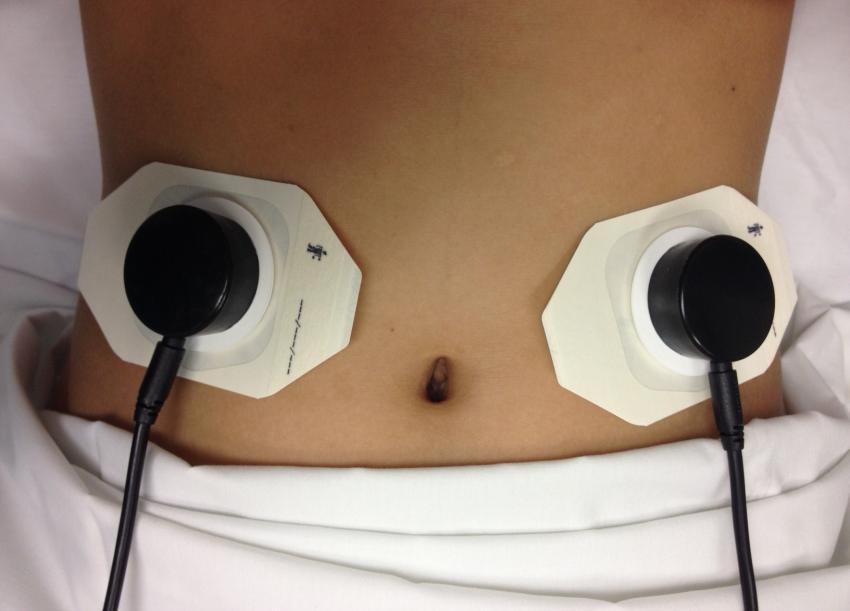
AbStats is a plastic, disposable, non-invasive acoustic gastrointestinal surveillance biosensor that attaches to the abdomen after surgery. It was developed by UCLA professor Brennan Spiegel and described in a paper published in the Journal of Gastrointestinal Surgery this week.

The device can help doctors determine which post-operative patients should be fed, and which should not, by monitoring for post-operative ileus, a malfunction of the intestines.  The condition causes patients to become ill if they eat too soon.

AbStats is also being tested for use in the diagnosis of irritable bowel syndrome and inflammatory bowel disease.

Categories
Heart Respiratory Sensors

Sensor seatbelt detects fatigue

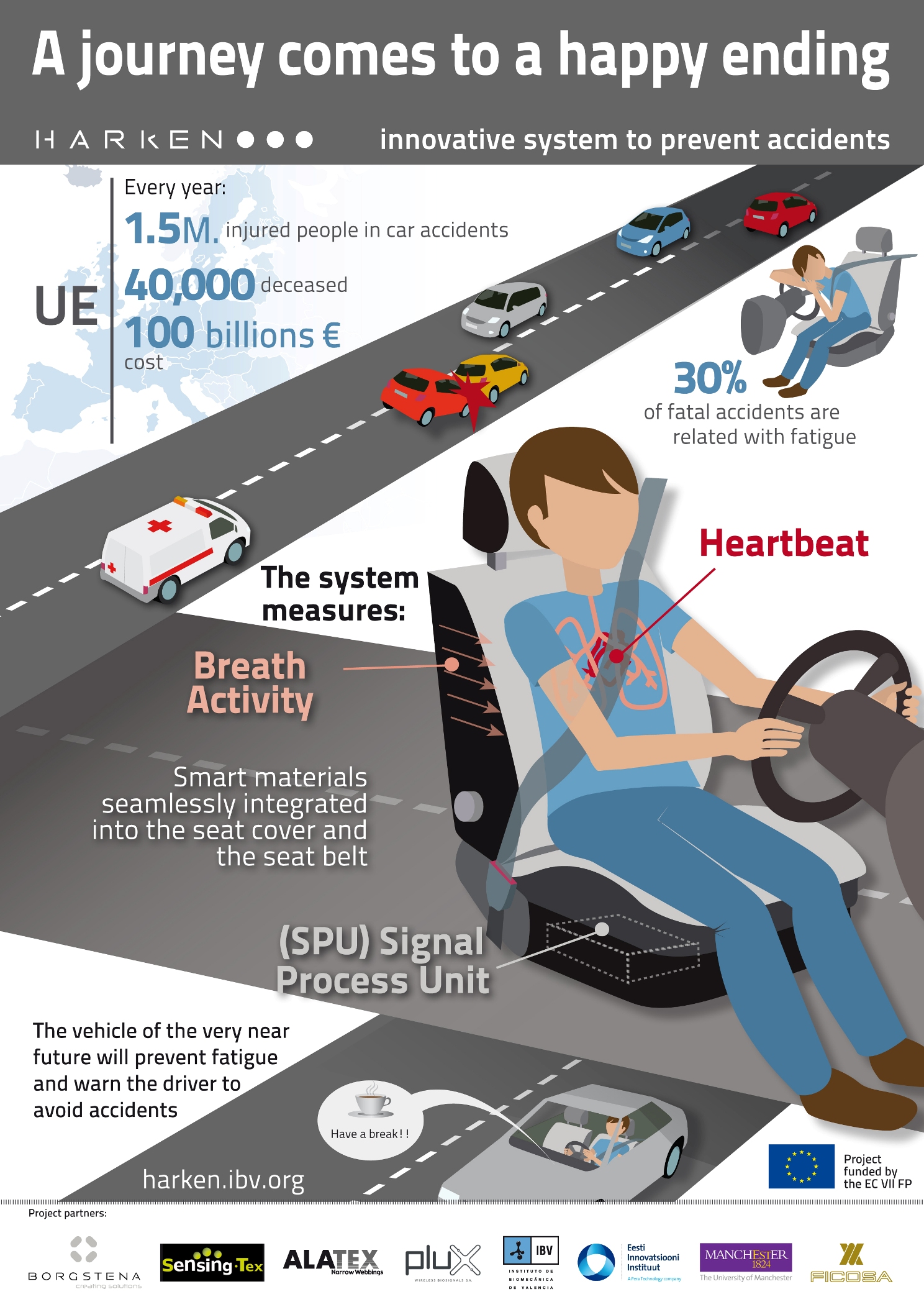
HARKEN is a sensor embedded  driver’s seatbelt and seat cover that monitors cardiac and respiratory rhythms.  Its hidden signal processing unit analyzes the data in real time.  The prototype is being developed at Spain’s  Biomechanics Institute in Valencia. When the sensor data indicates the person is falling asleep, an alarm will wake the driver.

 Closed track testing has been completed.  The research team is making plans to test the system in real world traffic conditions.

Categories
Assistive Technologies Robotics Sensors Wearables

Robotic fingers enhance grip

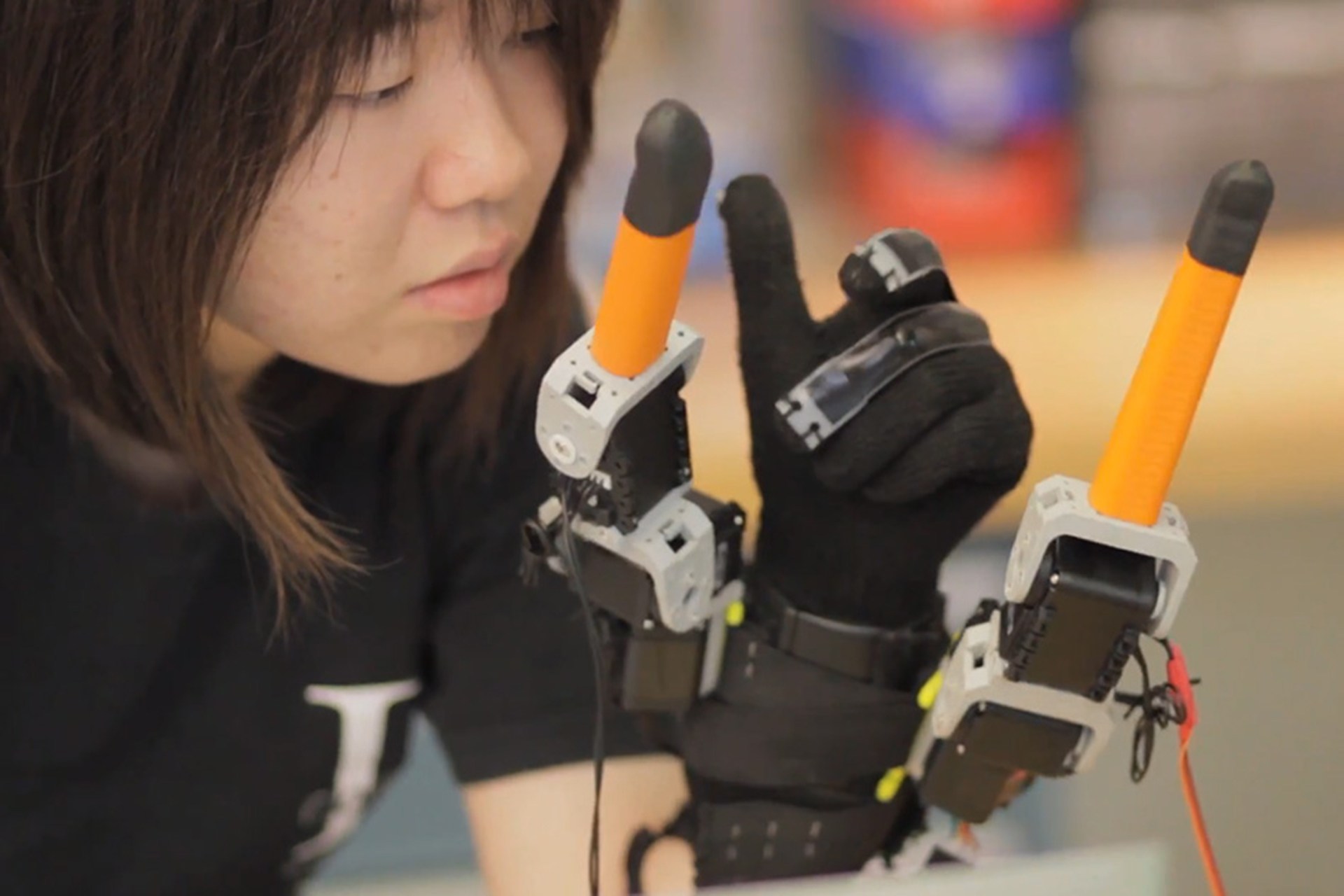
MIT researchers, led by Professor H. Harry Asada,  have developed a robot that enhances the grasping motion of the human hand. Worn around one’s wrist, the device works like two extra fingers adjacent to the pinky and thumb. It consists of actuators linked together to exert forces as strong as those of human fingers during a grasping motion. A control algorithm enables it to move in sync with the wearer’s fingers to grasp objects of various shapes and sizes. 

According to professor Asada, “This is a prototype, but we can shrink it down to one-third its size, and make it foldable. We could make this into a watch or a bracelet where the fingers pop up, and when the job is done, they come back into the watch. Wearable robots are a way to bring the robot closer to our daily life.”

Categories
Sensors Wearables

Apple granted “iTime” patent

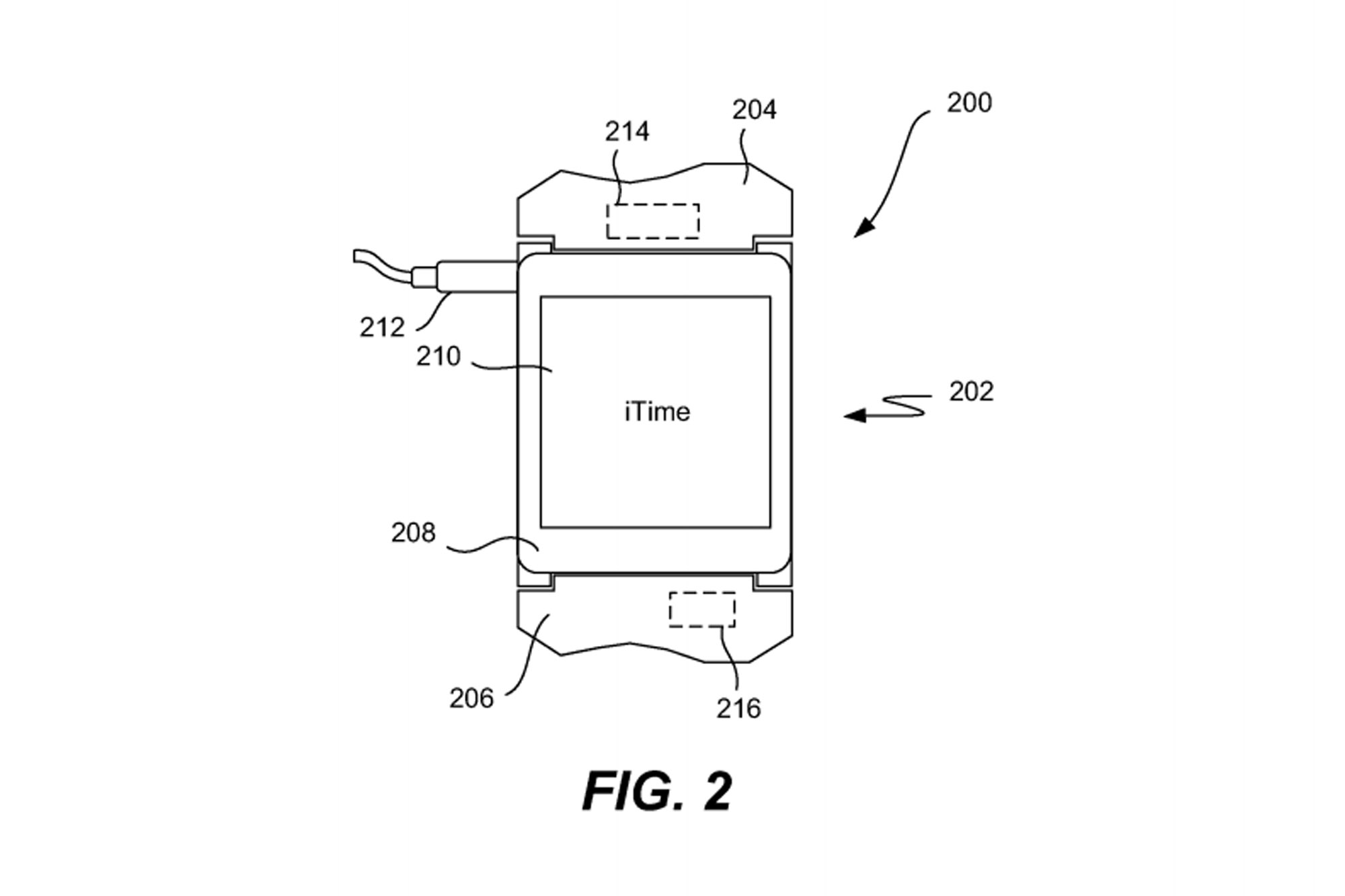
Apple‘s U.S. Patent No. 8,787,006 for a “Wrist-worn electronic device and methods therefor” describes a wearable touchscreen device that can be docked into a wrist strap, turning it into a smartwatch.  One illustration names it “iTime”.

The device connects to an iPhone, iPad or computer to access information and receive alerts.  Its  strap could contain haptic mechanisms, various sensors, biometric components, GPS modules, NFC antennas, Bluetooth packages, and/or proximity detectors.  Arm movement gestures could be used to control the watch, eliminating the need to touch the screen.

Categories
Monitoring Sensors Wearables

Sensor / 3D printing / bandage combination for continuous monitoring

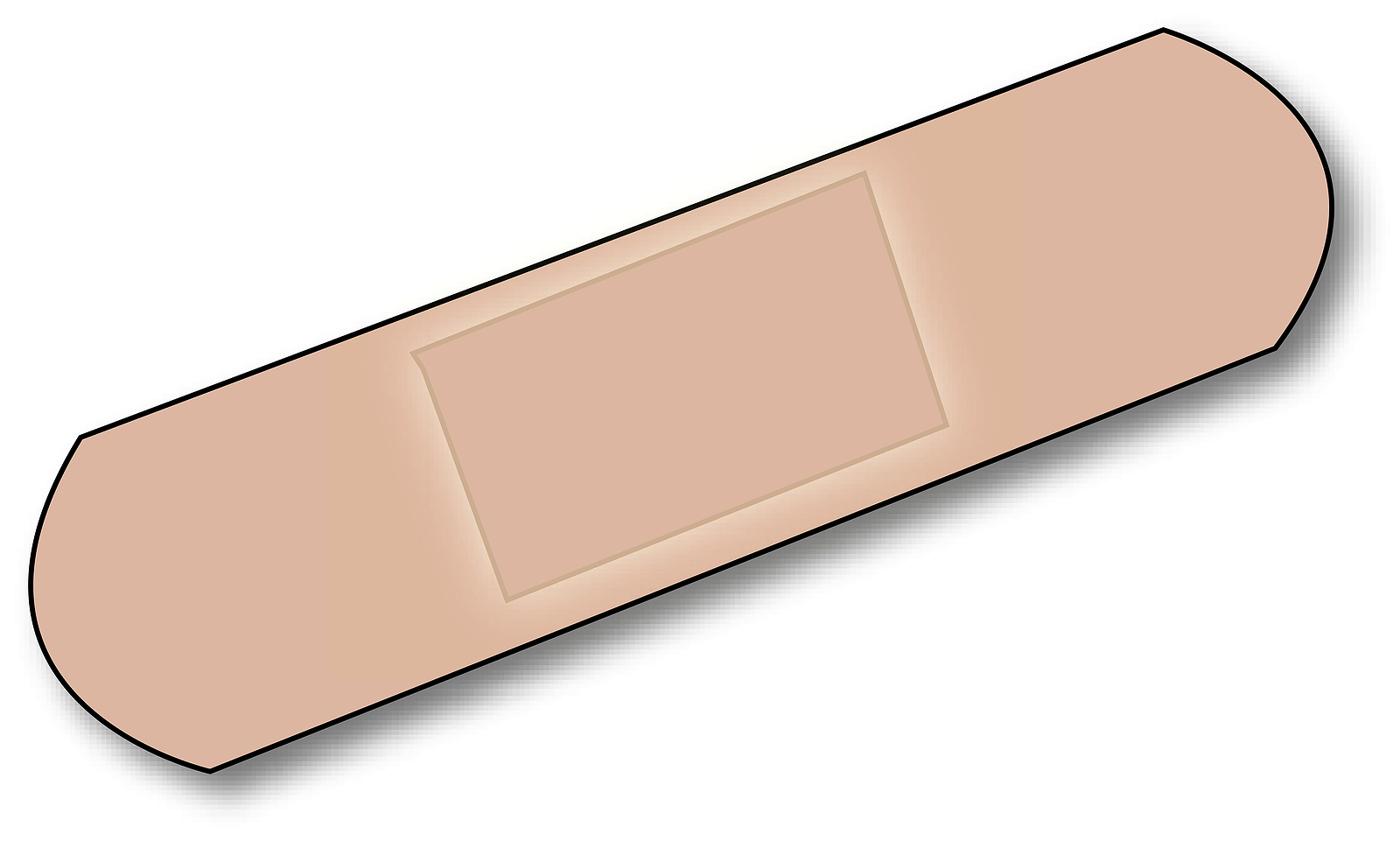
Bioscope bandages, developed at the National Taiwan University, wirelessly transmit temperature, heart rate, movement and vital sign data to doctors to monitor or remotely diagnose.

The bandage comes with an integrated thermometer, accelerometer, and sensors to measure electrical activity. A microphone can track organ sound patterns to detect disease. The area holding the modules is 3D printed for easy sensor additions or changes.

Categories
Eyes Sensors Wearables

Google/Novartis “smart lens” monitors diabetic eyes, helps presbyopia

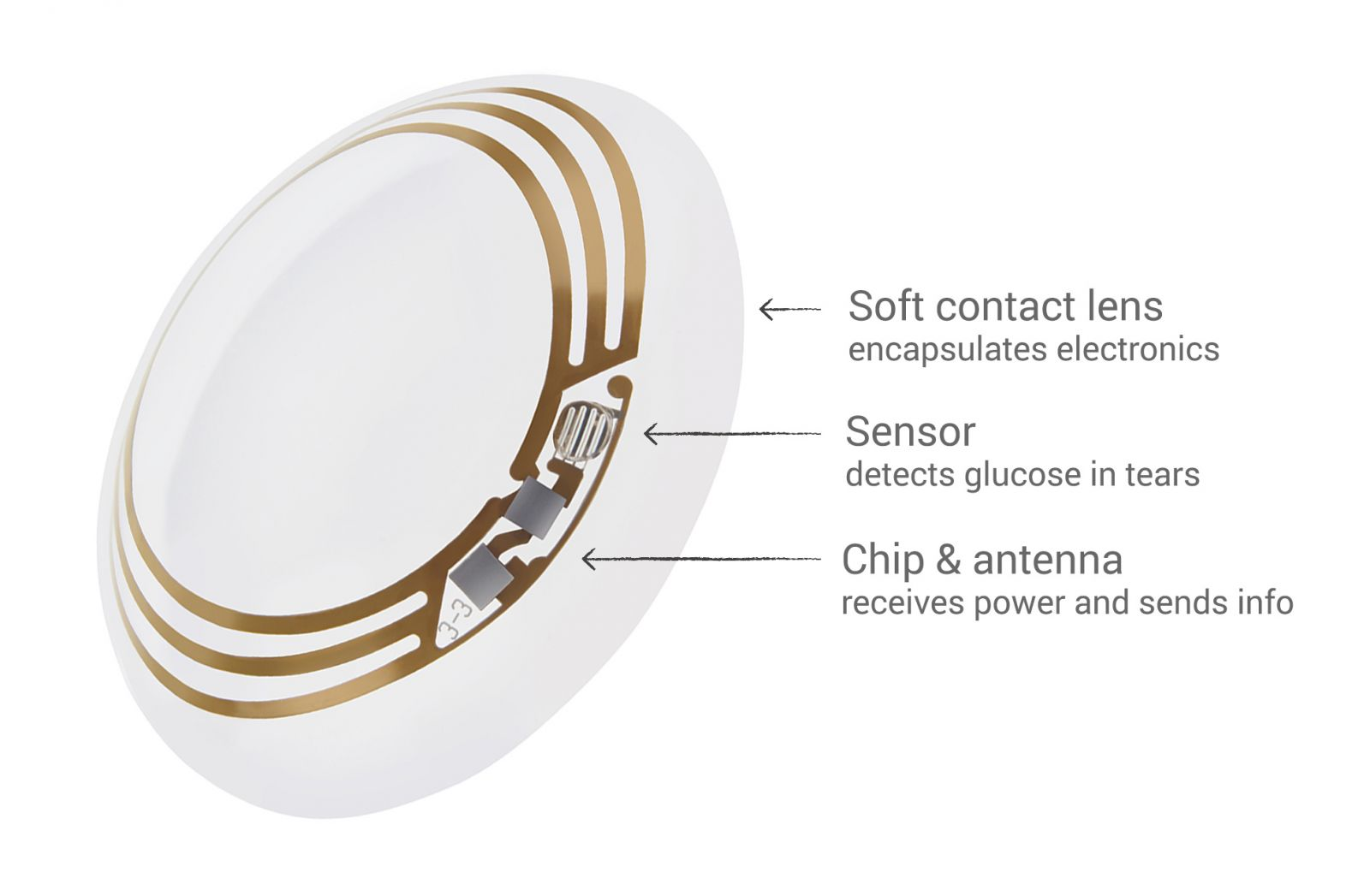
Google announced its “smart lens” prototype 6 months ago.  (See ApplySci,  January 14 2014).  Today they have partnered with Novartis to accelerate its development as a tool to manage eye conditions.

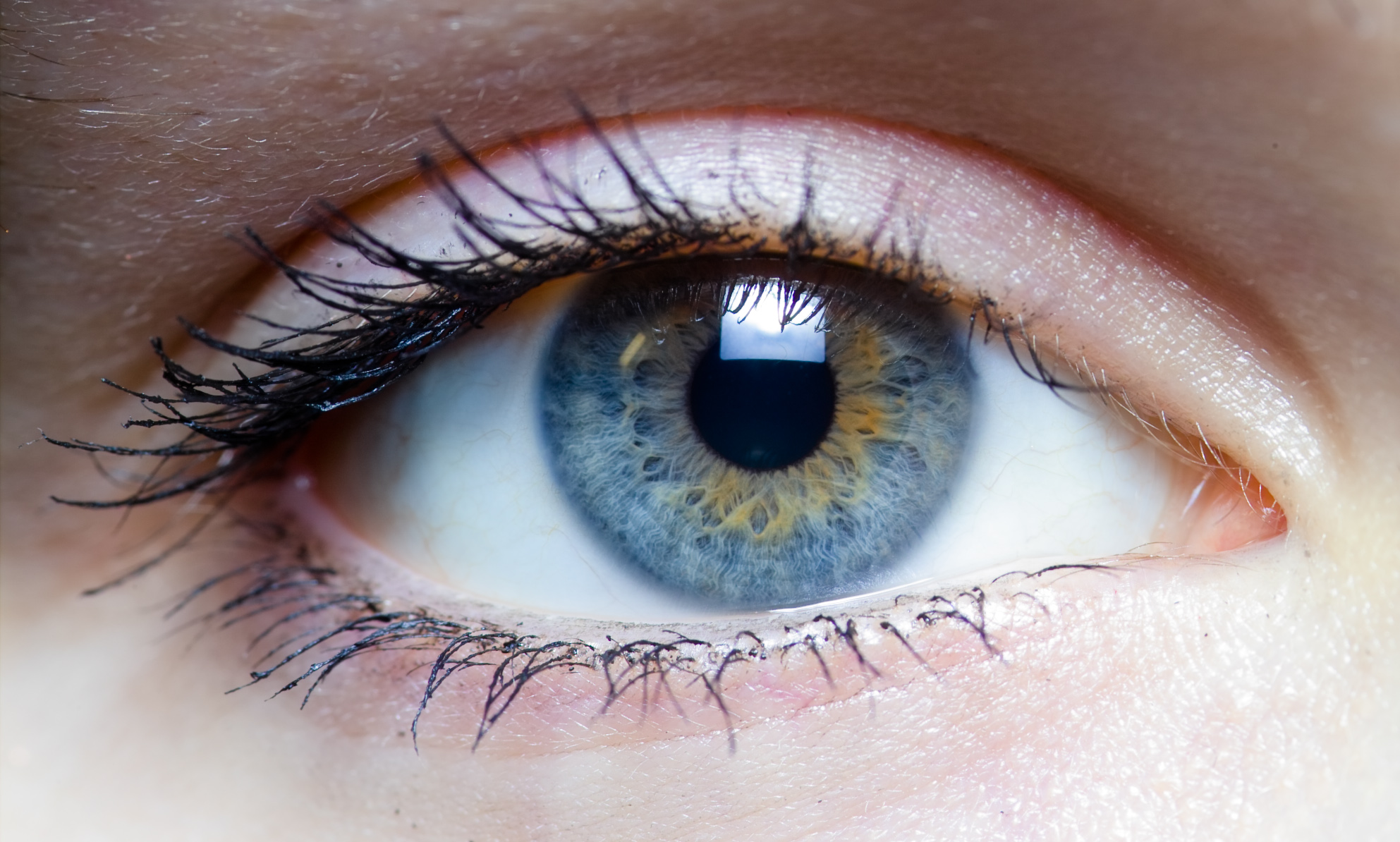
Non-invasive sensors and microchips embedded in the lens monitor fluid to provide continuous, minimally invasive glucose measurement. The data is sent wirelessly to a mobile device.

The technology can help  restore the eye’s natural autofocus on near objects in presbyopia as an accommodative contact lens.  It can also be implanted as an intraocular lens during refractive cataract surgery.

Monitoring glucose levels through the lenses could  be easier and more comprehensive than current techniques, which require diabetics to draw blood from their fingers.

Categories
Conference fitness Sensors

Google Fit platform aggregates health data

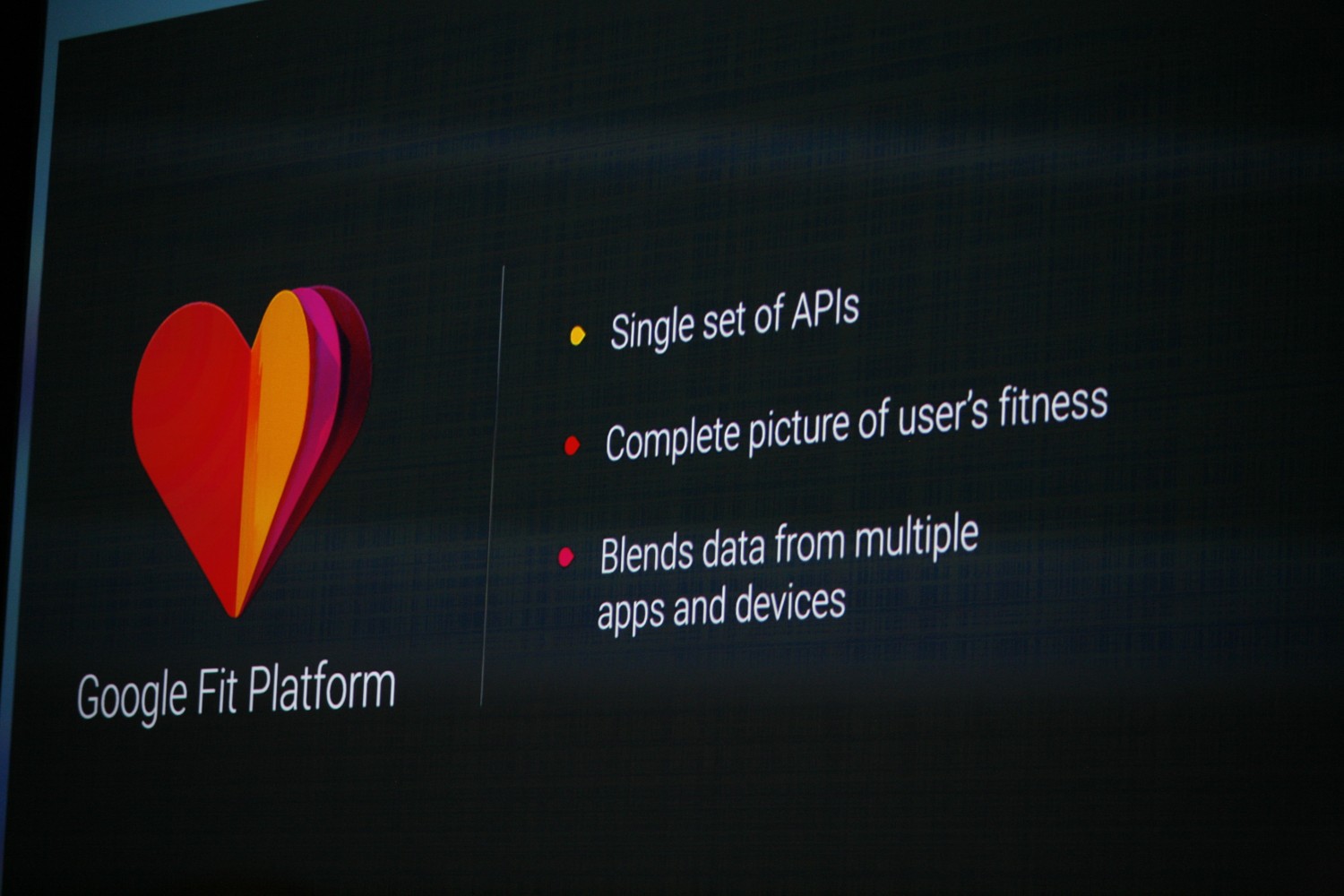
Using a single set of APIs, Google Fit collects and aggregates data from fitness apps and sensors to manage a user’s fitness stream.

The platform will work with wearables and other peripherals.  To protect privacy, permission is required and data can be deleted.  Initally, Adidas,  Nike , Intel, LG and Motorola will participate.  Nike will add its Fuel number to the Fit stream for other apps to utilize.

Apple announced a similar fitness data aggregation platform, Healthkit,  earlier this month. (See ApplySci, June 5 2014.)  Both platforms are expected to go live this fall.

Categories
Assistive Technologies Sensors

Sensor enabled prosthetic grip improvements

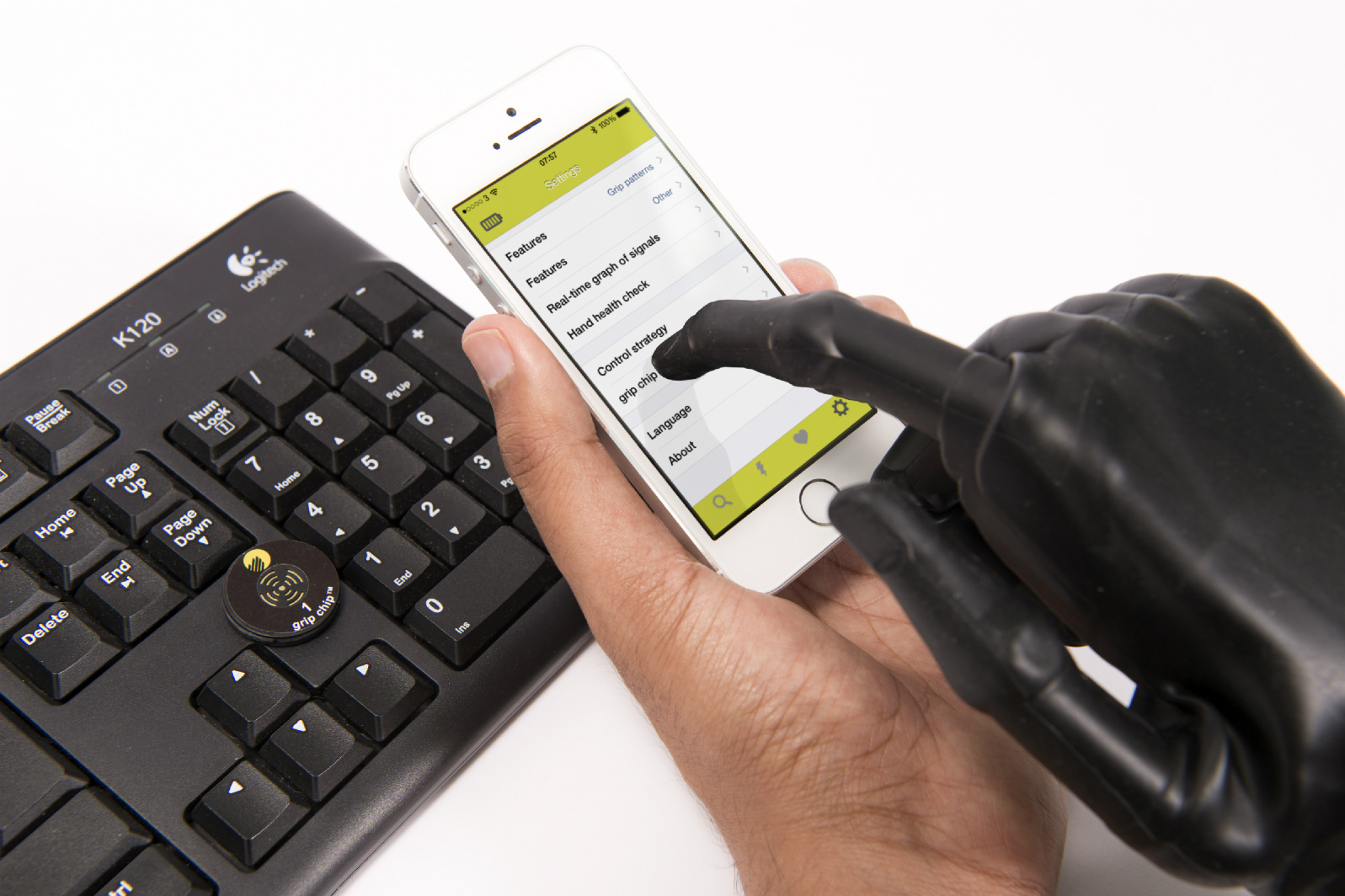
Touch Bionics has introduced “Grip Chips,” bluetooth enabled devices that can be attached to objects to trigger a pre-programmed grip configuration when detected by motion sensors.  They are useful for triggering specific grip patterns that are used regularly, but perhaps not enough to warrant programming to the prosthetic itself for triggering via muscle movement.  For example, a Grip Chip might be stuck to a keyboard to initiate a grip pattern best suited to typing.

Biosim and my i-limb mobile apps, for iPhone and Android,  have been updated to provide users with 36 customizable grip options. Like Grip Chips, the apps allow users to save infrequently-used grip options for quick access when required.

Categories
Eyes Sensors

Eye sensor tracks intraocular pressure changes

University of Washington researchers have designed a sensor that could be placed permanently in one’s eye to track pressure changes. It would be embedded with an artificial lens during cataract surgery.  The sensor would detect pressure changes instantaneously and then wirelessly transmit the data using radio frequency waves.

Eye pressure is thought to vary throughout the day and with activity levels.  Currently, one must visit an ophthalmologist to check intraocular pressure.  Changes are often noticed too late, when the patient has glaucoma and cannot be treated effectively.

The team built a prototype that uses radio frequency for wireless power and data transfer. A thin, circular antenna spans the perimeter of the device – roughly tracing a person’s iris – and harnesses enough energy from the surrounding field to power a small pressure sensor chip. The chip communicates with a close-by receiver about any shifts in frequency, which signify a change in pressure. Actual pressure is then calculated and changes are tracked and recorded in real time.

The prototype must be miniaturized to fit into an artificial lens, and the research team is working to decrease its size. They have successfully tested the sensing device embedded in the same flexible silicon material that’s used to create artificial lenses in cataract surgeries.