Categories
Cancer Heart Sensors Wearables

Nanoparticle sensor to detect illness early

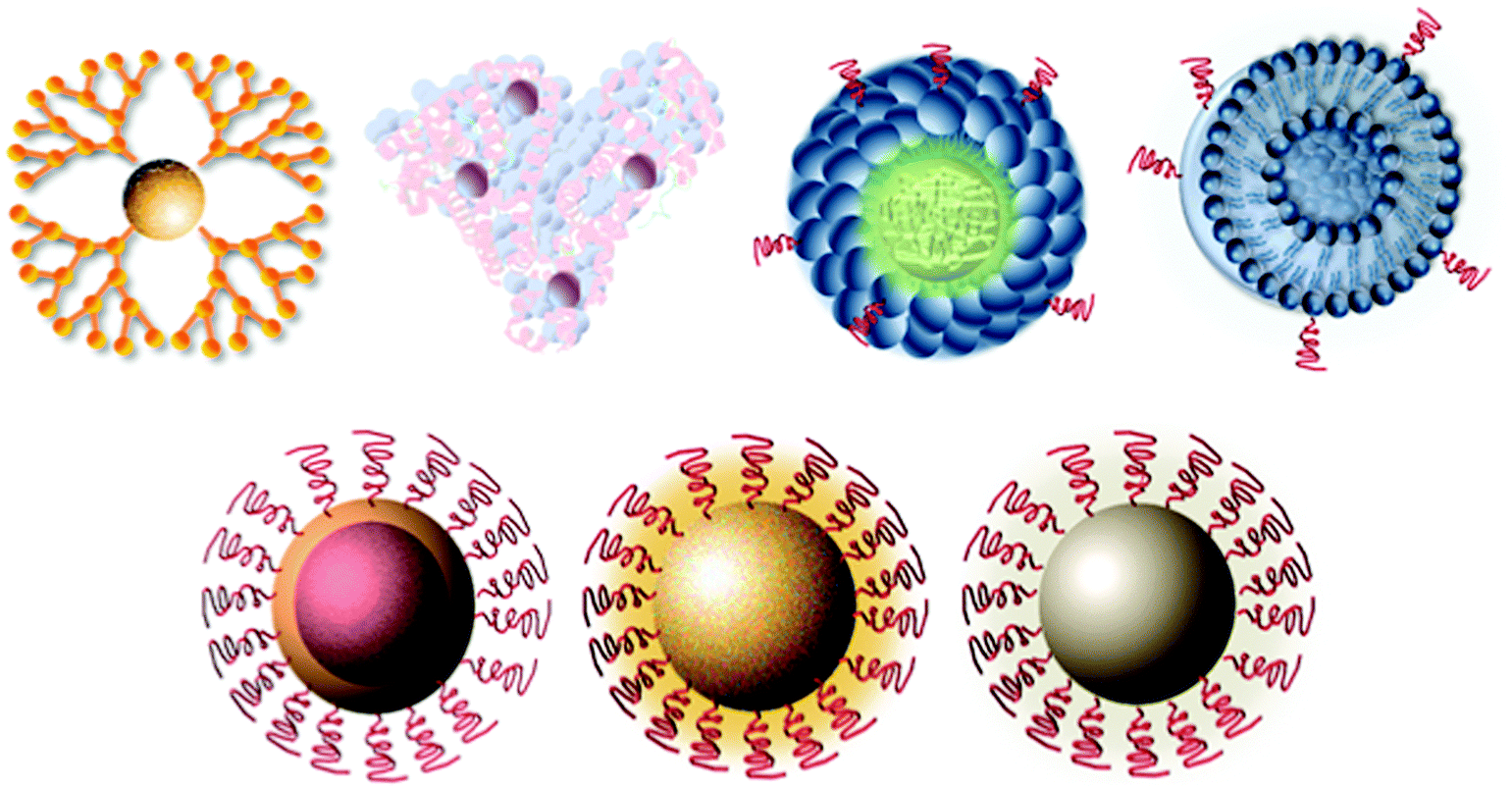
Andrew Conrad, head of Google Lifesciences, has confirmed that the company is working on nanoparticle technology that would be swallowed, and used in combination with an external device to continuously monitor the blood to detect cancer, heart disease, and other health issues.  It is known as the “Nanoparticle Platform.”

While the technology is in an early development stage, Conrad said that Google  “has been able to “functionalize” the nano particles, using them to find a few cancer cells among a million normal ones.”  He continued:  “We’ve probably done hundreds of thousands of experiments exploring the parameters of nanoparticle binding, While there is still much work to be done, he said, “we would definitely hope that it’s years, not decades, until this is deployed.”
Categories
Sensors

Low cost digital sensor detects Ebola in 1 hour

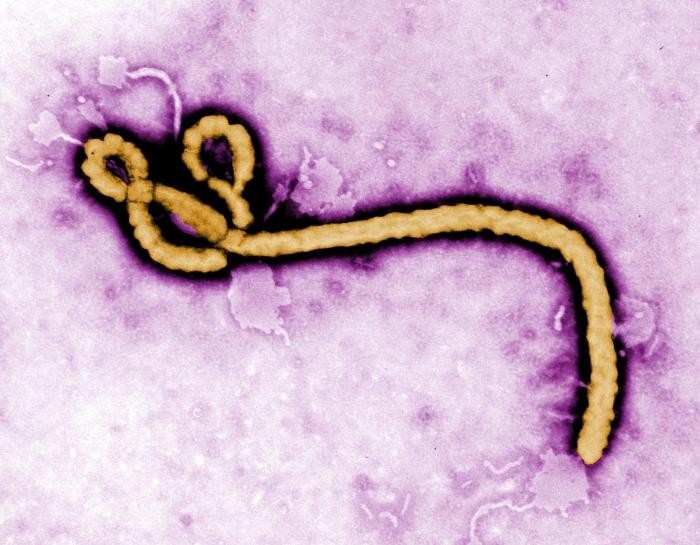
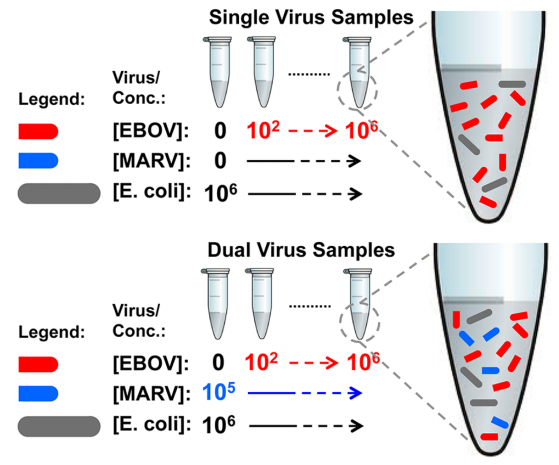
Conventional fluorescent label based virus detection methods require expensive lab equipment, significant sample preparation, transport and processing times, and extensive training to use. Boston University professors Selim Unlu and John Connor are working on a rapid, label-free, chip-scale photonic device to provide affordable, simple, and accurate on-site detection.

Current methods can require an hour for sample preparation, and an additional two hours for processing The BU prototype requires little to no sample preparation time and delivers answers in an hour.  Minimizing sample preparation and handling times can also reduce exposure to health care workers.

The shoebox-sized, battery operated device, known as the single particle interferometric reflectance imaging sensor (SP-IRIS), detects pathogens by shining light from multicolor LED sources on viral nanoparticles bound to the sensor surface by a coating of virus-specific antibodies. Interference of light reflected from the surface is modified by the presence of the particles, producing a distinct signal that reveals the size and shape of each particle. The sensor surface is very large and can capture the telltale responses of up to a million nanoparticles.


Categories
fitness Sensors Wearables

Sweat sensor patch tracks health

University of Cincinnati professor Jason Heikenfeld and US Air Force Research Laboratory’s Joshua Hagen are developing a perspiration sensor patch to monitor electrolytes, metabolites and other biomarkers.

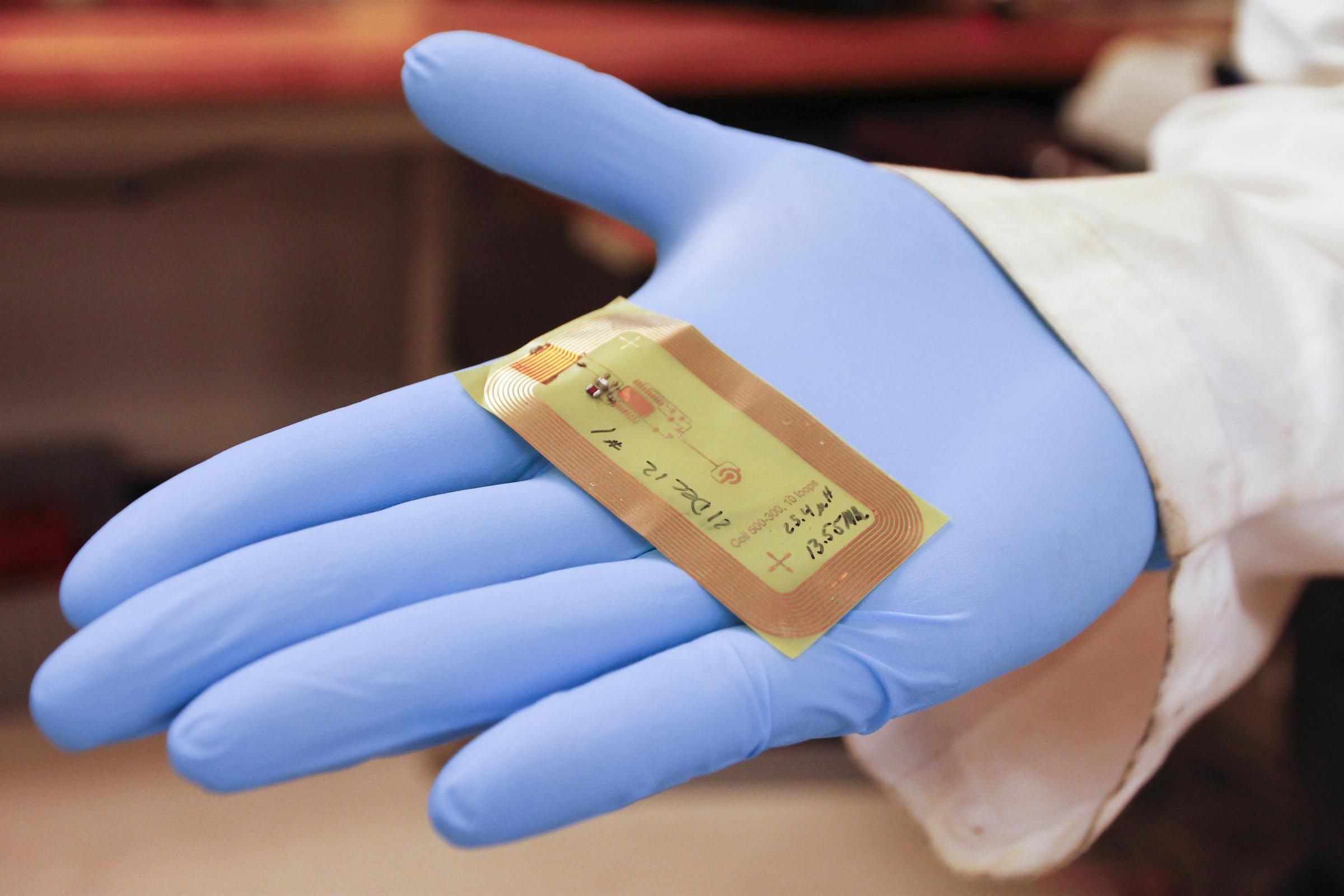
The patch currently  includes a sodium sensor, a voltage meter, a communications antenna,  microfluidics, and a controller chip that’s externally powered by a smartphone. It is printed onto a flexible substrate and  coated with a sweat-porous adhesive so that it could stick to the skin. In tests, this patch performed as well as the benchtop electrolyte-sensing systems used by doctors to test for cystic fibrosis.

Digital signal processing and algorithms to analyze the raw electrical measurements of biomarkers in sweat must still be improved. But a physical-exertion sensor patch is a near reality, about to be tested on hundreds of people.

Categories
Sensors

Bio-paper discs for rapid Ebola detection

Paper discs that detect Ebola are being developed for use as a rapid, cheap, simple method to identify infected people.

According to Harvard‘s Wyss Institute‘s Jim Collins,  the technology prints sequences of DNA on paper, and then the  paper is freeze-dried and stored at room temperature. The DNA is reactivated by adding water. Once active, it enables the paper to change color if a chosen target – such as a segment of Ebola viral RNA – is present in the water.

The target fragment binds to a gene switch in the DNA, which triggers the production of a colorful substance.  The paper changes color to indicates which of the target pathogens has been detected.

Wyss researcher Keith Pardee improved the test by inserting tailor-made gene switches that prevent color change unless a very specific target molecule is present. The synthetic “toehold” switches enabled the paper to simultaneously test for 24 distinct regions of viral RNA – many more than would have been possible using only naturally occurring DNA sequences. This distinguished between a synthetic version of the Zaire strain of Ebola – the one responsible for the west African epidemic – and a synthetic version of another known as the Sudan strain.

The test identified the strains within 30 minutes.

Categories
Diabetes Sensors

“Smart bandage” changes color as wounds heal

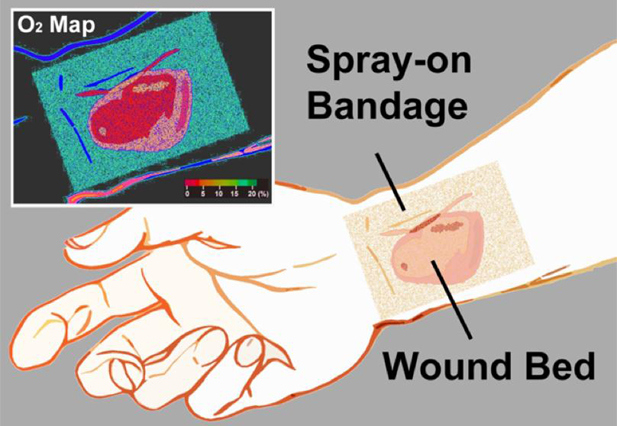
Harvard Medical School professor Conor L. Evans has developed a transparent liquid bandage that does not need to be removed to check oxygen levels.  Its phosphors glow red when a wound isn’t getting enough oxygen, and green when it is.  The glowing effect is triggered by a light source that can be captured with a smartphone camera.  The bandage can also map oxygen supply across a wound.

Diabetics with chronic wounds, burn patients, and those with tissue transplants can immediately benefit from the technology.

Categories
Heart Sensors

Implanted sensor continously monitors CHF

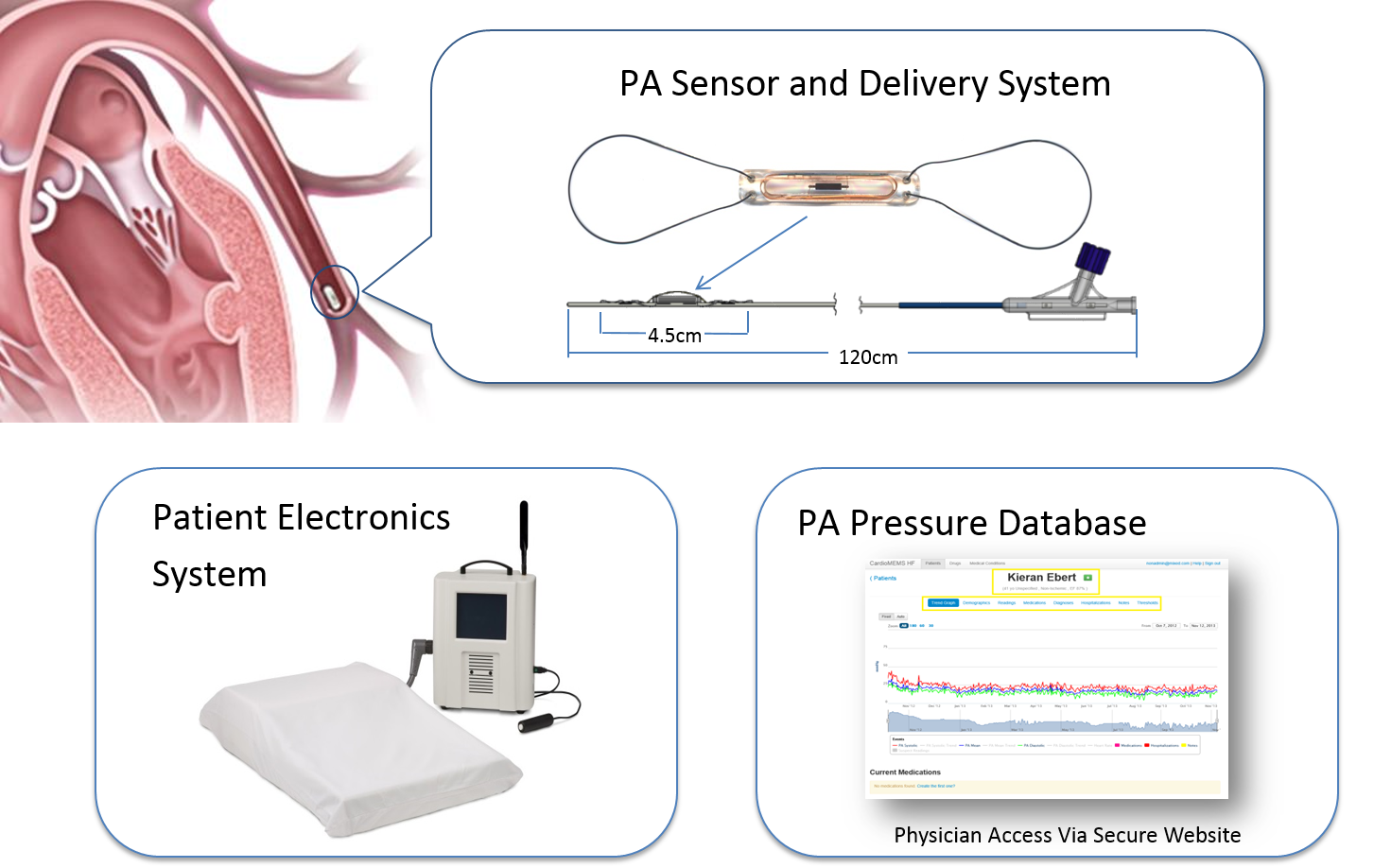
CardioMEMS is a sensor placed in the pulmonary artery of heart failure patients.   It monitors pressure in the lungs and detects deterioration in the heart,  long before changes in blood pressure and weight.  Medication can be changed immediately to correct the problem and prevent hospital readmission.  Data is sent to the physician daily.

Categories
AI Apps Brain Sensors

Smartphone sensors power mental health app

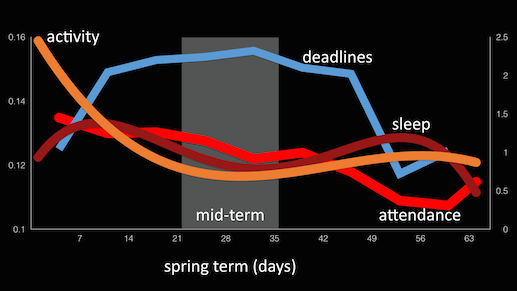
Dartmouth professor Andrew Campbell has developed a mental health monitoring app based on automatic smartphone sensing. StudentLife compares students’ happiness, stress, depression and loneliness to their academic performance

In a recent study, passive sensors continuously collected data on location, conversations, mobility, and sleep patterns of 48 participants over 10 weeks.  The students were also prompted with questions about their mood and stress several times per day.

The researchers administered (self reported) mental health and behavioral surveys at the start and end of the term, evaluating participants on depression, loneliness and stress.  Academic records, including GPAs, were also measured.

Campbell’s team found strong correlations between the self-reported data and the automatic sensing data.  They believe that, based solely on the automatic data, the app could effectively predict certain mental health issues and academic performance levels in students.

Categories
BCI Prosthetics Robotics Sensors

NIH “Bionic Man” with 14 sensor and brain controlled functions

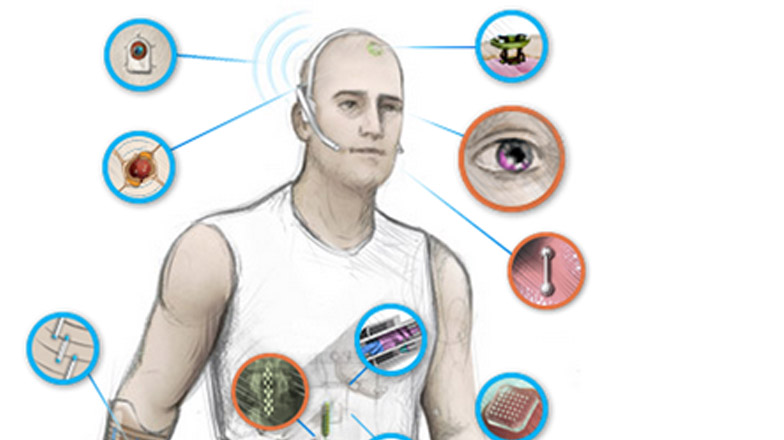
The National Institute of Biomedical Imaging and Bioengineering recently launched the “NIBIB Bionic Man,” an interactive Web tool detailing 14 sensor based technologies they are supporting.  They include:

1. A robotic leg prosthesis that senses a person’s next move and provides powered assistance to achieve a more natural gate.

2. A light sensitive biogel and biological adhesive to help new cartilage grow and become functional.

3. A blood clot emulator used to optimize ventricular assist devices to reduce the risk of blood clots.

4. An artificial kidney that could be used in place of kidney dialysis for treatment of end-stage kidney disease.

5. A micro needle patch that delivers vaccines painlessly and doesn’t require refrigeration.

6. An interstitial pressure sensor to help doctors determine optimal times for delivering chemotherapy/radiation to cancer patients.

7. Glucose-sensing contact lenses to provide a non-invasive solution for continuous blood sugar monitoring.

8. A tongue drive system to help individuals with severe paralysis navigate their environment using only tongue movements.

9. A wireless brain-computer interface that records and transmits brain activity wirelessly and could allow people with paralysis to use their thoughts to control robotic arms or other devices.

10. Implantable myoelectric sensors to detect nerve signals above a missing limb and can use these signals to move a prosthesis in a more natural way.

11. A synthetic glue modeled after an adhesive found in nature that could be used to repair tissues in the body.

12. Focused ultrasound used to temporarily open the blood brain barrier to let gene therapy treatments reach the brain.

13. Flexible electrode arrays that record brain activity from the surface of the brain and could be used to control robotic arms or provide real-time information about brain states.

14. Electrical stimulation of the spinal cord used in individuals with paralysis to help restore voluntary movement and other functions.

Categories
Diabetes Sensors Wearables

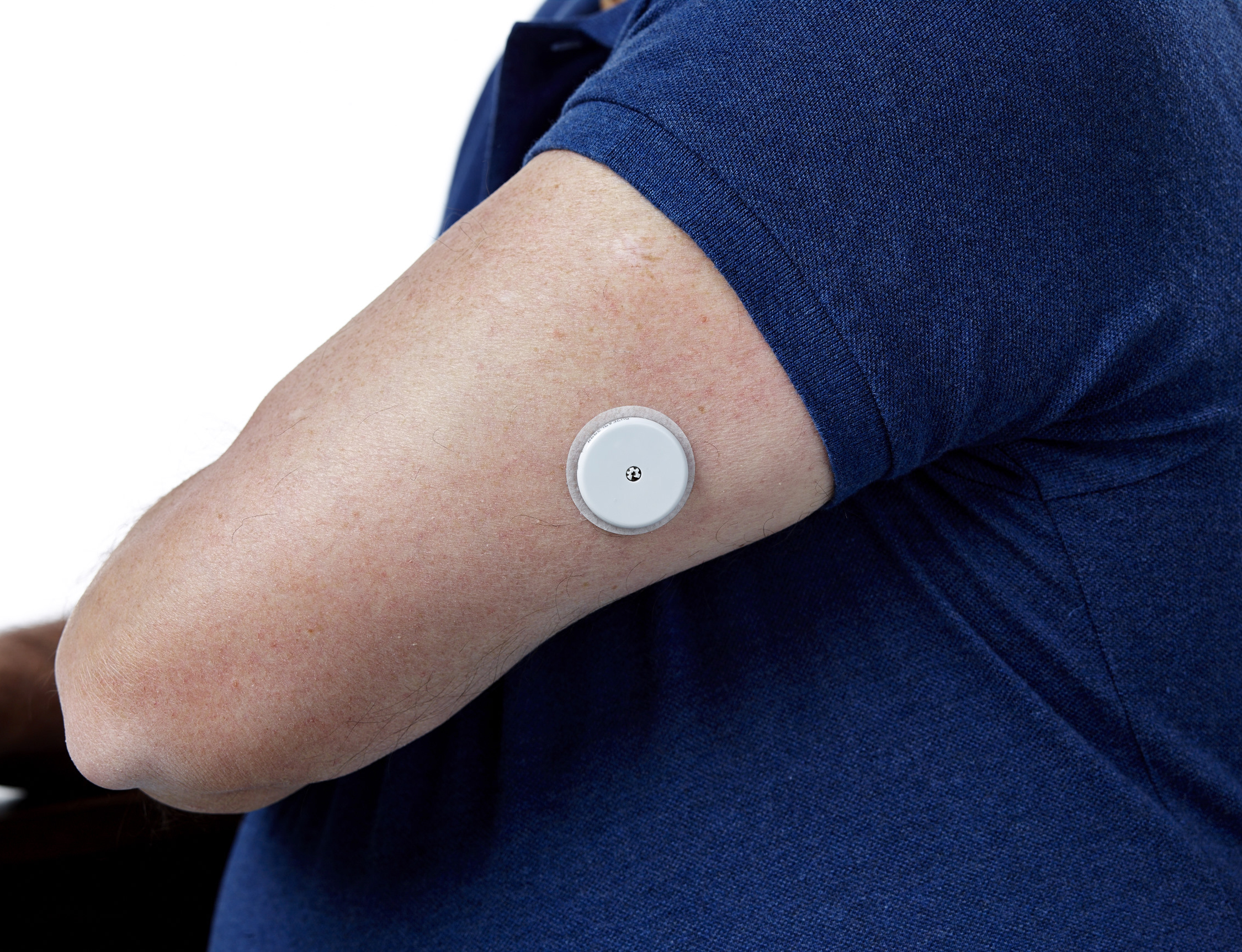
Prick-free continuous glucose monitor

Abbott’s FreeStyle Libre Flash Glucose Monitoring System eliminates finger pricking for diabetics.  The insertion of a tube under the skin is required, therefore the procedure, while continuous and comfortable, is still invasive.

A user wears a sensor on the back of the upper arm,  and through a small tube inserted just under the skin, it measures blood sugar levels of tissue fluid.  A reader is scanned over the sensor, and results are reported in less than one second.  Real-time results, a historical trend and the direction the glucose is heading are displayed, so the user can adjust insulin intake . Disposable and water resistant, the sensor can be worn for up to two weeks

Categories
Cancer Sensors

Nanoparticle sensor detects breast cancer

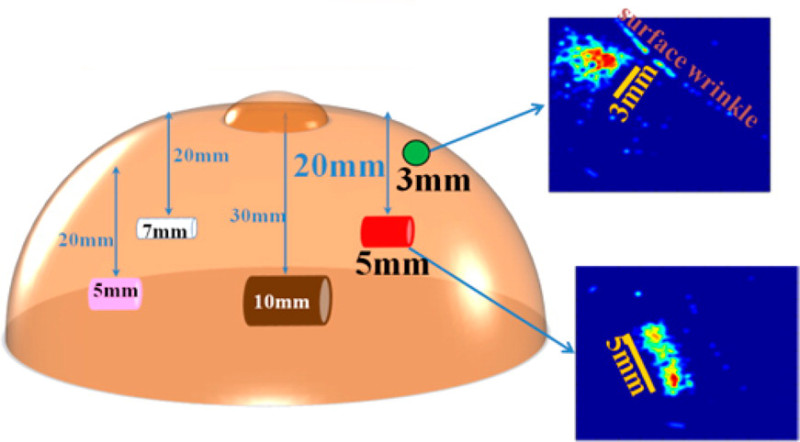
In a paper published last week, University of Nebraska professor Ravi Saraf and fellow Chieu Van Nguyen describe a thin-film sensor that can detect breast tumors too small and deep to be felt with the fingers.  Using the standard silicone breast model used to train doctors in manual breast exams, the film detected tumors as small as 5 millimeters, up to 20 millimeters deep. The technology could also improve skin cancer detection.

The film, made of nanoparticles and polymers, when pressed against the skin, creates changes in electrical current and light that can be captured by a digital camera.  The researchers refer to it as an “electronic skin” able to sense texture and relative stiffness.

Categories
Heart Machine Learning Sensors

Face video scan detects heart disease

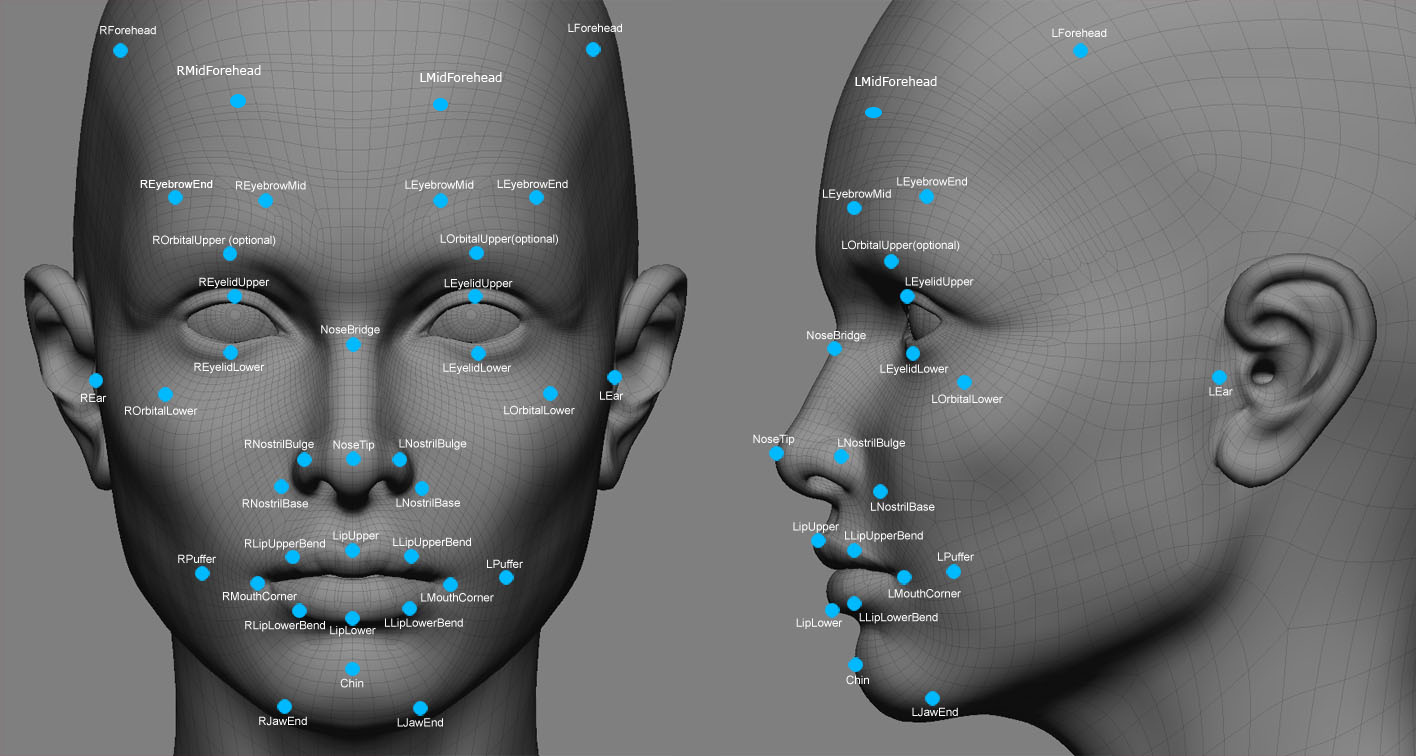
According to University of Rochester professor Jean-Philippe Couderc, cardiac disease can be identified and diagnosed using contactless video monitoring of the face.

A recent study describes technology and an algorithm that scan the face and detect skin color changes imperceptible to the naked eye.

Sensors in digital cameras record the colors red, green, and blue. Hemoglobin  “absorbs” more of the green spectrum of light, which can be detected by the camera’s sensor. The face is the ideal place to detect this phenomenon, because the skin is thinner and blood vessels are closer to the surface. Participants were connected to an electrocardiogram to compare results from the facial scan to the heart’s electrical activity. Color changes detected by video monitoring corresponded with an individual’s heart rate as detected on an ECG.  Irregular electrical activity of the heart found in people with atrial fibrillation could be identified by observing the pulses of blood flowing through the veins on the face as it absorbed or reflected green light with each heartbeat.

The video monitoring technique – “videoplethymography” – had an error rate of 20 percent, comparable to the 17 to 29 percent error rate associated with automated ECG measurements.

Categories
fitness Sensors Wearables

Crowdfunded kinematic wearable assesses joint health

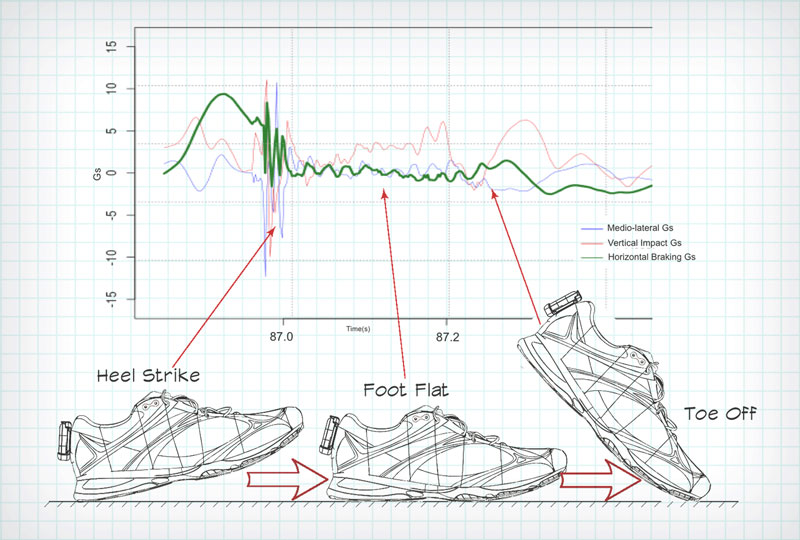
runScribe, a wearable being crowdfunded on Kickstarter, has a 9-axis kinematic sensor, capturing 3D images of a runner’s gait.  It assesses foot strike type, stride length and contact time.  Upgraded versions access 13 kinematic metrics, including degrees of pronation and accelerometer data.

The company claims that casual through ultra-runners can benefit from the device.  They are also creating a crowdsourced, global kinematic running database.

creation of the world’s first crowdsourced kinematic running database.