Categories
Diabetes Sensors

Blood vessel aging sensor detects diabetes, arteriosclerosis early

Sharp‘s prototype “Blood Vessel Aging Degree Sensor” can detect diabetes, arteriosclerosis or other diseases at an early stage.

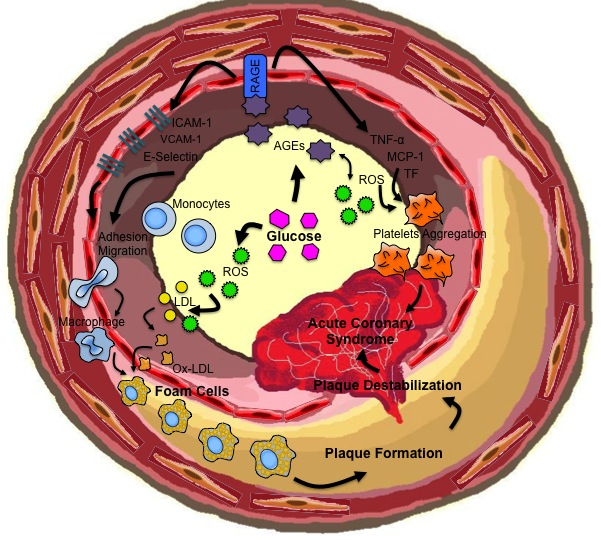
The sensor quantifies the accumulation of advanced glycation end products  (protein saccharified in blood vessels  known to correlate with blood glucose level). AGEs are thought to cause several diseases including diabetes, dementia, cancers, high blood pressure, and arteriosclerosis. The sensor applies blue-violet light to finger veins and quantifies the accumulation of AGEs in the veins by using the autofluorescence of the AGEs.
Categories
fitness Sensors Wearables

Smart sports equipment provides real-time feedback

Sports equipment with embedded sensors enable virtual coaching by analyzing performance and providing real-time feedback and training programs.  A few examples follow:

  • The Babolat Play Pure Drive tennis raquet calculates power, impact location, and type and number of strokes with a Piezo sensor in its handle. The sensor measures frame vibration and a microprocessor with an accelerometer and gyroscope rest on top of it.  Algorithms keep track of the strokes, racket motion is analyzed and vibration feedback indicates where on the string bed contact is made.  Real-time analysis is sent to users.
  • The 94Fifty basketball measures spin and acceleration and provides immediate feedback on each shot and dribble.  Apps help users improve shooting arc, dribble intensity and speed, shot release speed, and shot backspin.  The company’s SmartNet tracks shot accuracy when used with its ball.
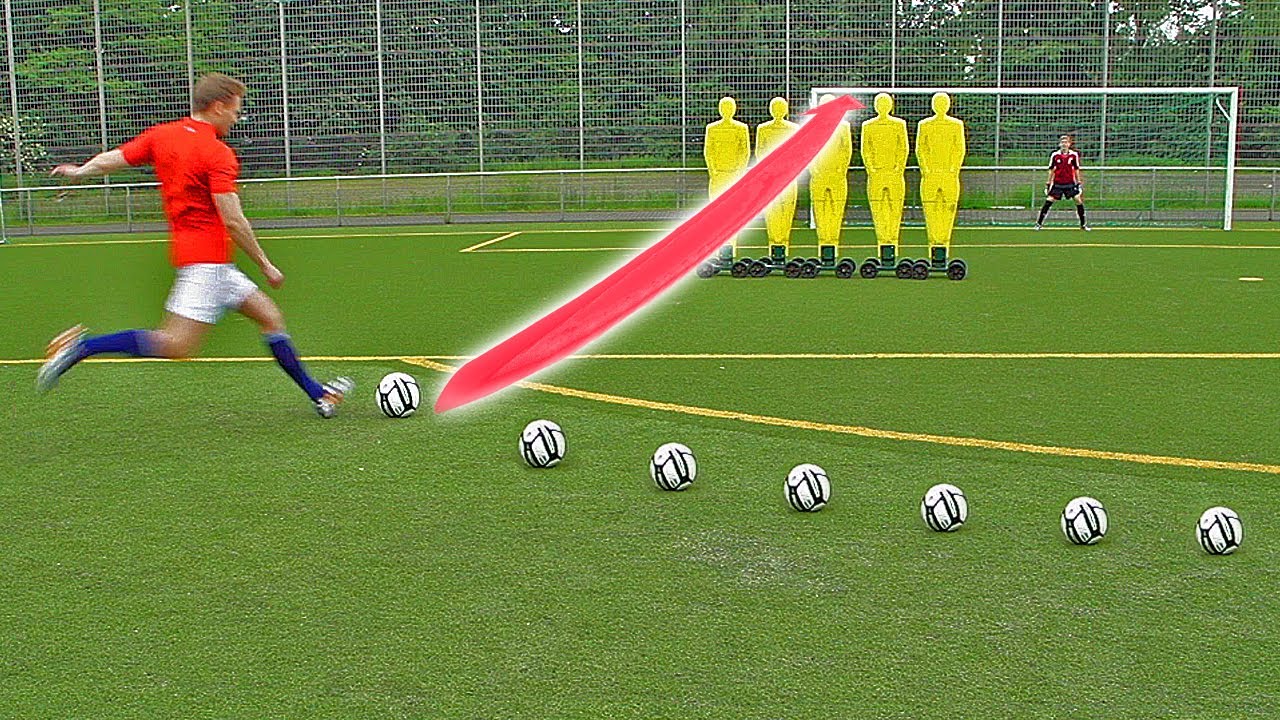
  • The Adidas mi Coach Smart Ball tracks speed, spin, strike and trajectory for soccer players. Pros provide tips on techniques for power, bend and knuckle ball kicks.
  • Gamegolf is a wearable device and swing tracker tag that records clubs used, distance covered and swing trajectory.
  • The Quattriuum FWD Powershot 2 is a hockey stick sensor that analyzes power, speed, flexibility and angle while shooting.
Categories
Brain Heart Sensors Wearables

Electrode/patch system monitors physical & mental health of soldiers

University at Buffalo professor Albert H. Titus, Sentient Science, and ONR are developing technology to monitor physical and psychological stress levels of soldiers, and send alerts when distress is detected.

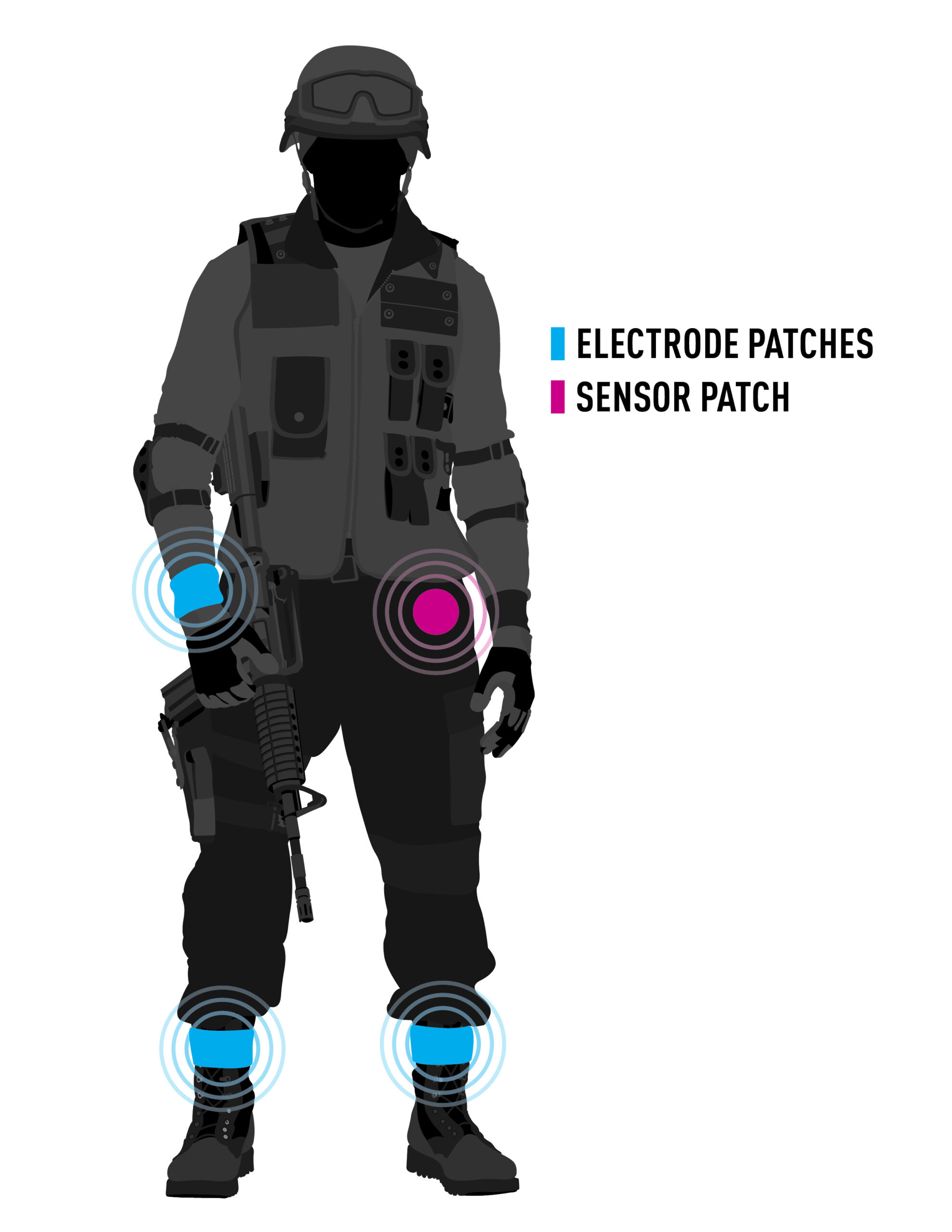
The wireless system includes electrodes that measure heart rate, brain activity and other vital signs, and are attached to the skin adhesively or sewn into clothing.  The electrodes relay information to a sensor patch worn on the skin.  The patch sends the data to a computer, where algorithms consider terrain, weather, environmental information, and the soldier’s activity level. Health alerts are sent to soldiers and emergency medical facilities in the field.

Categories
Epilepsy Sensors Wearables

Skin conductance based wearable detects seizures

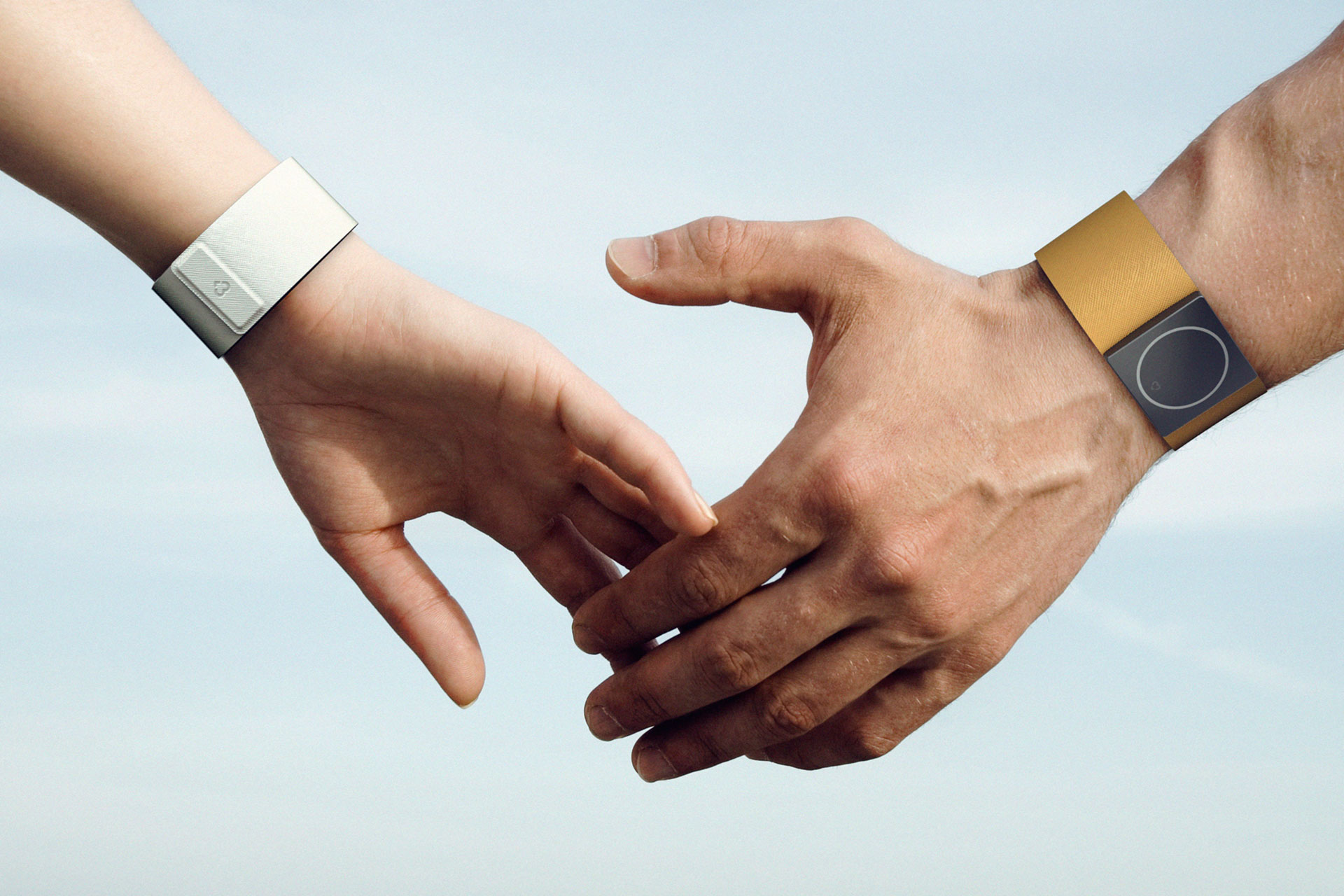
Embrace by Empatica is a sleek, crowdfunded wearable that detects epileptic seizures.  It also tracks movement, sleep, and stress.  The technology is based on Rosalind Picard‘s 2008 study showing that seizures produce high levels of skin conductance.

Other seizure logging wearables focus on accelerometer tracked motion.  Empatica believes that Embrace more accurately measures seizures by combining accelerometer and gyroscope data with skin conductance measurements.  Electrodes on the inside of Embrace pass a tiny current through one’s skin to measure sweat gland stimulation.

The band vibrates if the algorithm detects a seizure, enabling the user to indicate a false alarm. If the user doesn’t respond, Embrace connect with his or her smartphone to alert designated contacts.

Categories
fitness Sensors

Smart bike tracks health

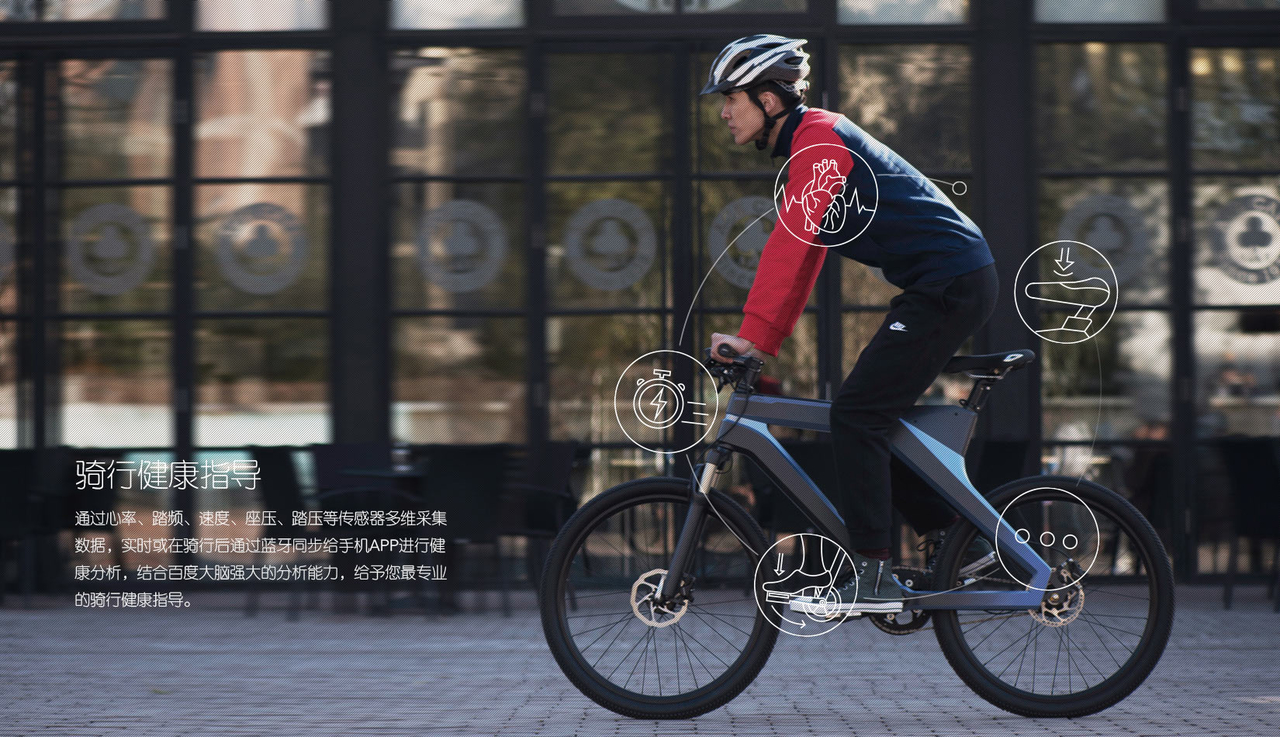
Baidu‘s DuBike is equipped with multiple health tracking sensors.  It collects information on pedaling frequency, foot pressure, heart rate, velocity and seating pressure. The data is synced with a mobile app and analyzed to provide suggestions to riders.  Bike routes and meeting points can be shared socially.  A handlebar guidance system tells riders when to turn, and brake lights and real-time location tracking are included for security. Kinetic energy is transformed to electricity to charge the bike’s electronics while riding.

Categories
Seniors Sensors Wearables

Another smartwatch for seniors

Device makers continue to address the phenomenon of seniors living longer, and independently aging in place.

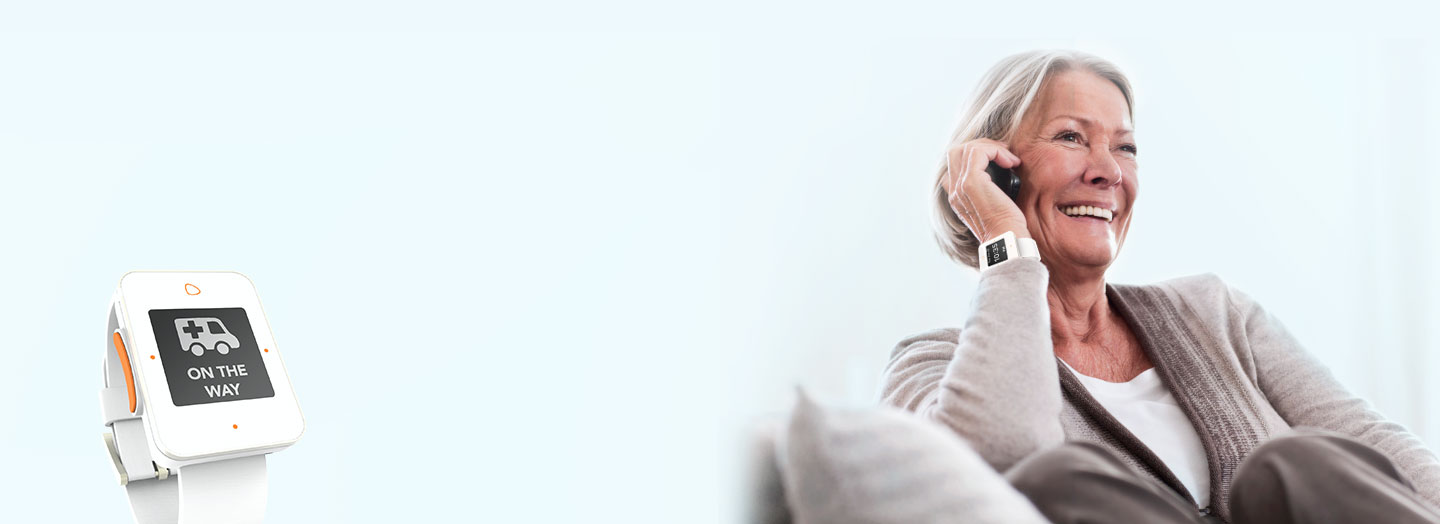
Lively, who last year crowdfunded a  senior monitoring sensor system that  operates independently of a Wi-Fi network, has released a smartwatch.  It relies on the Lively Hub, with its own cellular network.

The watch gives medicine reminders, or alerts when medicine has been missed.  It has an emergency button contacts a dispatcher and alerts family members.  Fitness tracking features, such as steps taken, are included, and can be viewed by the wearer or family. The wearable is waterproof and can be worn in the shower.

Categories
Seniors Sensors

Kinect exercises to prevent senior falls

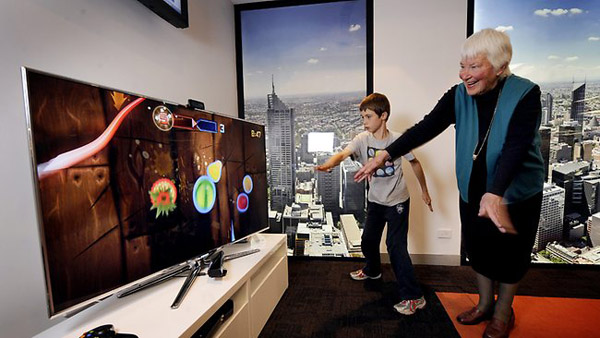
Emma Stanmore and colleagues at the University of Manchester have developed a series of Kinect based “Exergames” designed to reduce the likelihood of falls among seniors.

The exercises run on MIRA Rehab’s  software platform and use the Kinect sensor to monitor body movements. They are individually programmed based on ability,fatigue, pain, and fear of falling.   Duration and frequency of activity are logged, and clinicians are provided with progress reports.

University of Auckland researchers are also using Kinect to prevent senior falls.  Their Balloon Catching Game was developed to improve balance and coordination.

Categories
Sensors

Nanowire ink printed paper sensor reduces diagnostic cost

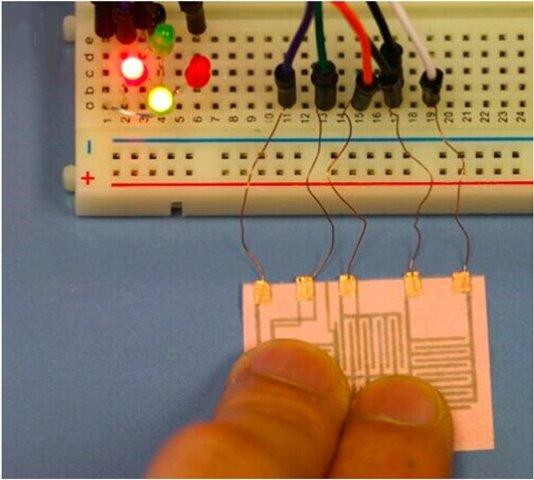
University of Tennessee‘s Anming Hu, Southeast University‘s Rhou-Zhou Li and and colleagues are printing conductive ink on paper to create low cost, lightweight, foldable, paper based sensors. The devices, which can be made or used anywhere,  respond to touch or specific molecules, such as glucose. Current paper-based diagnostic and DNA tests require complicated,  expensive manufacturing.

A  pattern of silver nanowire ink is printed on paper in a few minutes and  hardened with the light of a camera flash. The resulting sensor responds to touch even when curved, folded and unfolded 15 times, and rolled and unrolled 5,000 times.

Categories
Sensors Wearables

Pressure ulcer prevention sensor

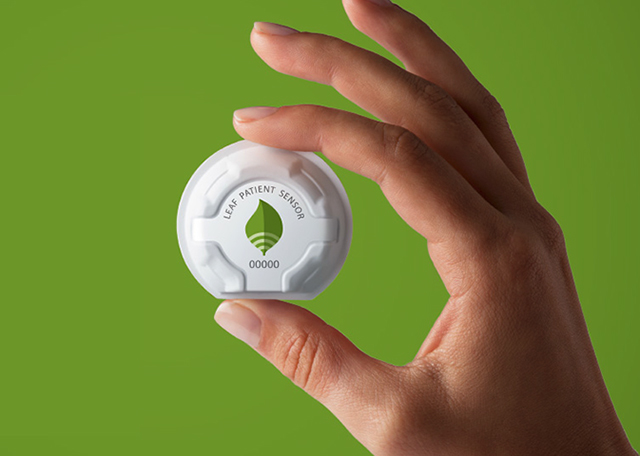
Pressure ulcers are a sad reality in hospitals, causing pain, infections, and worse.  Hospitals struggle to determine when a patient must be moved for prevention.  The Leaf patient sensor automates and prioritizes turning schedules for large groups of patients. Its tri-axial accelerometer monitors patient position, alerts when assisted turns are necessary and confirms that adequate turns are being performed. The system also ensures that sufficient tissue depressurization occurs between turns.

Data for monitored patients is securely stored in an SQL database for documentation and reporting. Statistics can be viewed, with permissions, for individual patients, or by department, floor, hospital, or hospital system.
Categories
Sensors Wearables

Samsung moves from fitness tracking to health monitoring

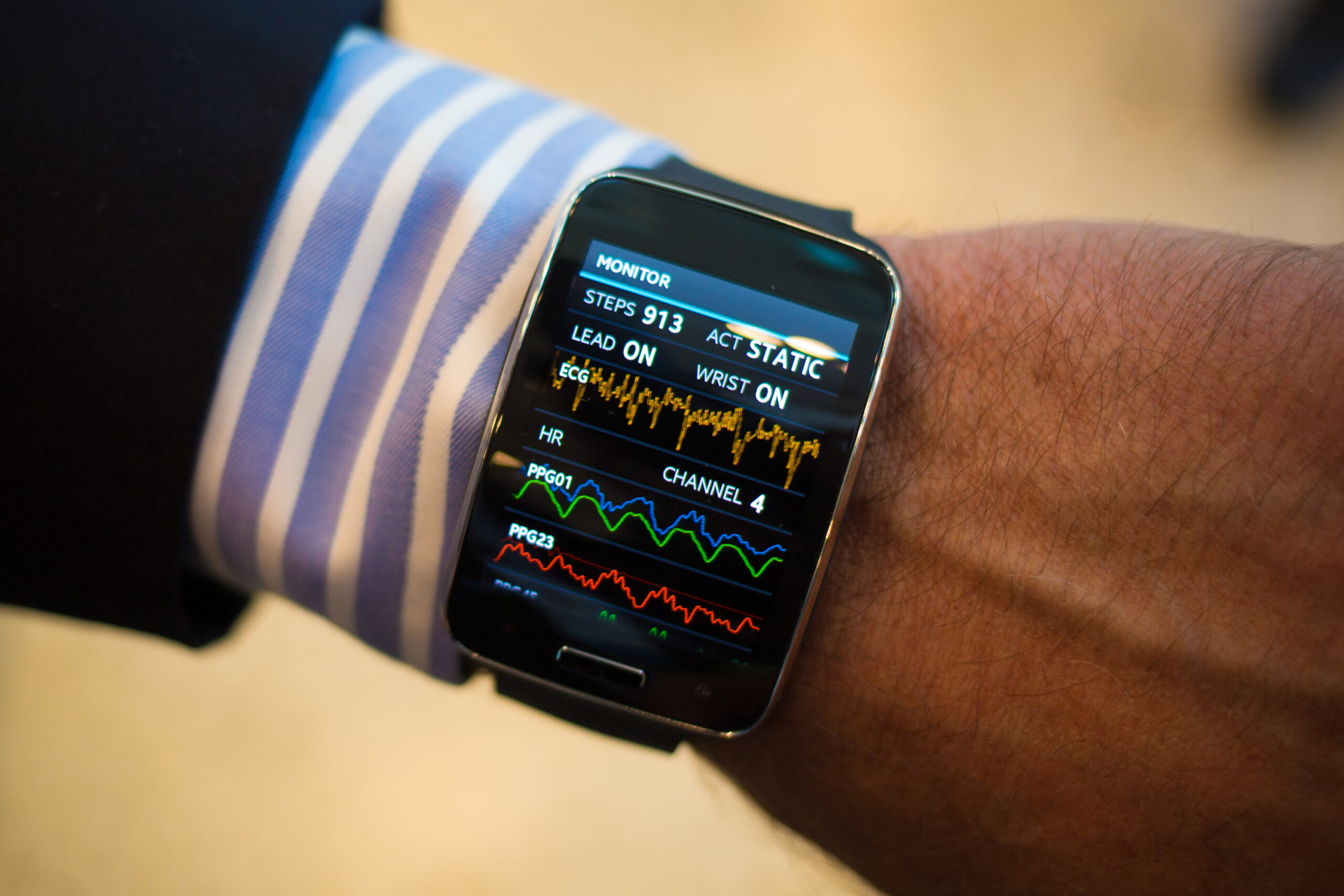
Samsung’s Simband represents the company’s shift from fitness tracking to health monitoring, allowing medical startups and researchers to develop sensor applications.

Simband is equipped with six sensors: electrocardiogram, photoplethysmogram, galvanic skin response, accelerometer, and thermometer.  Developers can also add proprietary sensors.

The wearable’s three main functions are called “trends,” “monitor,” and “spot check.” Trends displays one’s data over time, monitor is a real-time, all sensor tracking mode, and spot check quickly checks heart rate and blood pressure.


Categories
Sensors

Hundreds of diseases diagnosed with single drop of blood

Dr. Eugene Chan and colleagues at the DNA Medical Institute have won the Nokia XPrize for rHEALTH — a portable handheld device that can diagnose hundreds of diseases using a single drop of blood.  Flu, pneumonia or even Ebola  can be detected in a few minutes.

A vital sign patch monitors EKG, heart rate, body temperature — delivered to one’s smartphone or the rHEALTH device via Bluetooth. An app called CHAS walks the user through the process of self-diagnosis.

By significantly shrinking its components compared to traditional devices, patients will need to give 1,500 times less blood than they would for regular tests.

Categories
Sensors Sleep

Contactless sleep and fatigue sensor

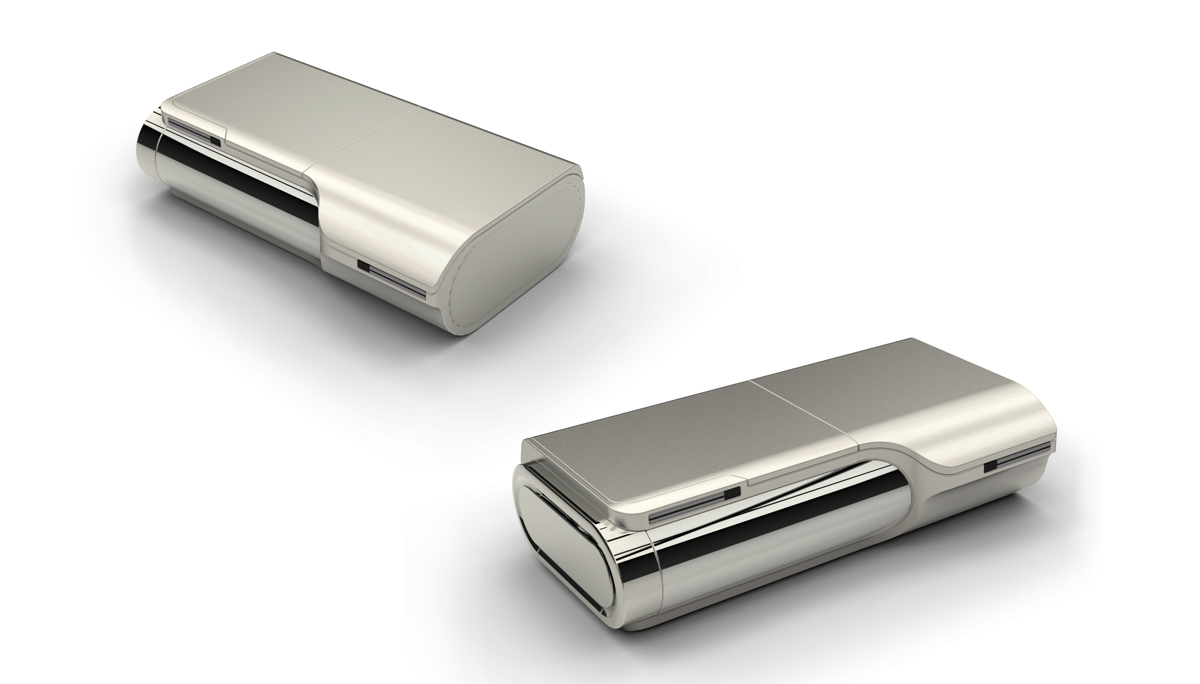
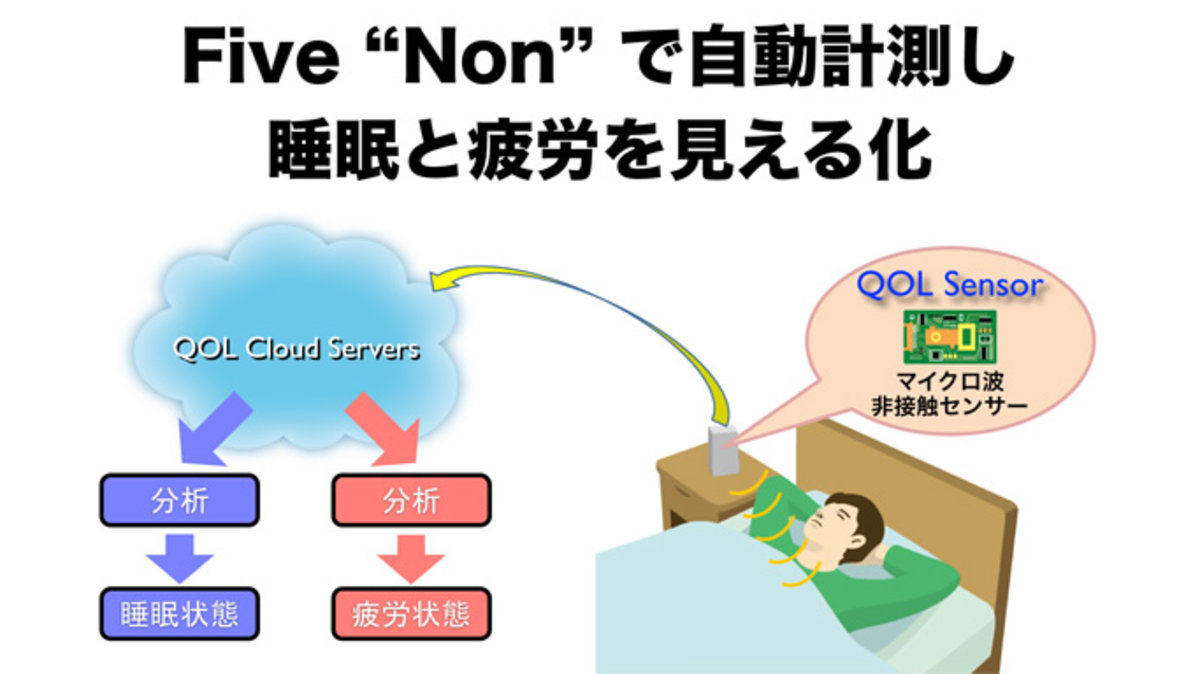
Entering the digital health market, Nintendo is developing a contactless device to track a user’s sleep and monitor fatigue.  It is based on a non-contact radio frequency sensor which measures breathing, heartbeat and body movement.

The company describes the system as five “Non” Sensing elements:

 1.  “Non-wearable.” Nothing is attached to the body.

2.  “Non-contact.” The product will not have any physical contact with the body.

 3.  “Non-operating.” Not requiring the user to operate the device.

4.  “Non-waiting.” Eliminating the wait for measurement results to be produced.

5.  “Non-installation efforts.” Not requiring users to install the product to start.

The nightstand based “QOL sensor” receives the data and  sends it to Nintendo’s cloud servers.  It is analyzed and sent to the user’s smartphone, tablet, Nintendo gaming system or other device. The software advises the user on ways to reduce fatigue.