
Categories
Sensors

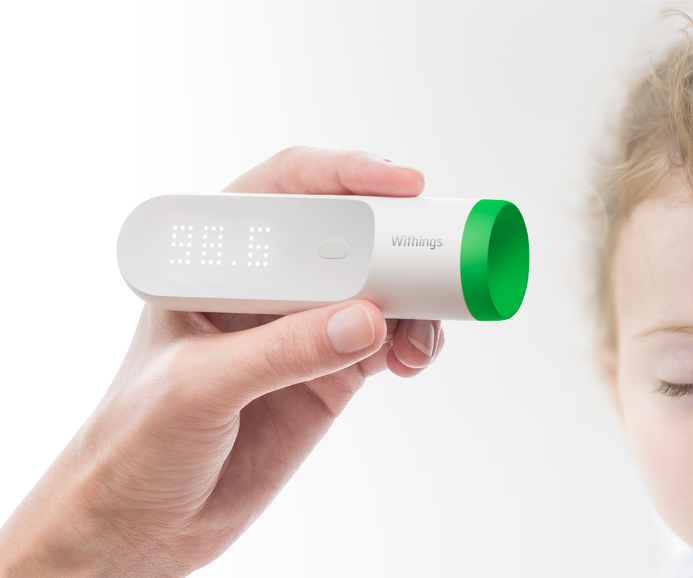
Smart thermometer + app track temperature over time

Thermo by Withings is a connected, highly accurate, non invasive thermometer. It measures temperature from the temporal artery on the side of the head using 16 infrared sensors.

4,000 measurements are taken in 2 seconds, and a proprietary algorithm corrects for differences including skin heat loss or heat from a room’s light. Data is sent to a smartphone via bluetooth, and the accompanying app tracks temperature over time.  Custom inputs including medicine taken can be added.


Wearable Tech + Digital Health San Francisco – April 5, 2016 @ the Mission Bay Conference Center

NeuroTech San Francisco – April 6, 2016 @ the Mission Bay Conference Center

2nd annual Wearable Tech + Digital Health NYC – June 7, 2016 @ the New York Academy of Sciences

NeuroTech NYC – June 8, 2016 @ the New York Academy of Sciences
Categories
Wearables

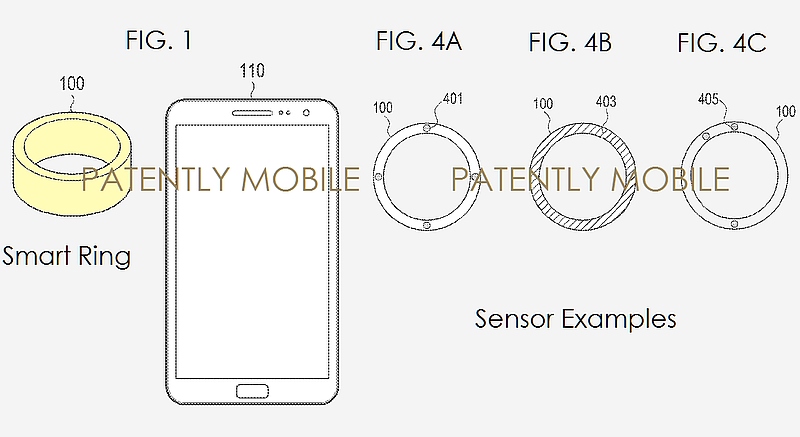
Smart ring controls home devices; health applications possible

Samsung has joined Apple, Microsoft, and Google in patent filings for smart rings. Patently Mobile describes features including the ability to control phones, TVs, and home automation systems.  Health and fitness applications have not yet been detailed, but are a logical extension.


Wearable Tech + Digital Health San Francisco – April 5, 2016 @ the Mission Bay Conference Center

NeuroTech San Francisco – April 6, 2016 @ the Mission Bay Conference Center

2nd annual Wearable Tech + Digital Health NYC – June 7, 2016 @ the New York Academy of Sciences

NeuroTech NYC – June 8, 2016 @ the New York Academy of Sciences


Categories
AI Assistive Technologies Computer Vision Eyes

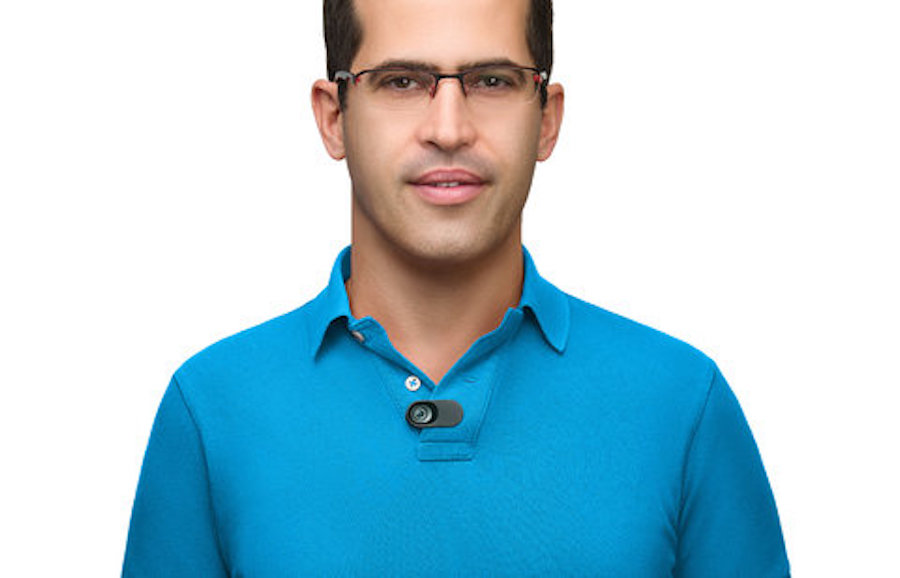
“Augmented attention” wearable assists the visually impaired

OrCam is a disruptive artificial vision company that creates assistive devices for the visually impaired.  It is led by Hebrew University professor Amnon Shashua.

MyMe, its latest product, uses artificial intelligence to respond to audio and visual information in real-time.  A clip on camera and Bluetooth earpiece create what the company calls an “augmented attention” experience, meant to enrich interactions.

The device is aware of all daily actions — including people we meet, conversation topics,  visual surroundings, food we eat, and activities we participate in. Visual and audio processing functions serve as an extension to a wearers’ awareness.  A built in fitness tracker will also be included.

More details will be available after MyMe is unveiled at CES next week.


Wearable Tech + Digital Health San Francisco – April 5, 2016 @ the Mission Bay Conference Center

NeuroTech San Francisco – April 6, 2016 @ the Mission Bay Conference Center

2nd Annual Wearable Tech + Digital Health NYC – June 7, 2016 @ the New York Academy of Sciences

NeuroTech NYC – June 8, 2016 @ the New York Academy of Sciences
 

Categories
Wearables

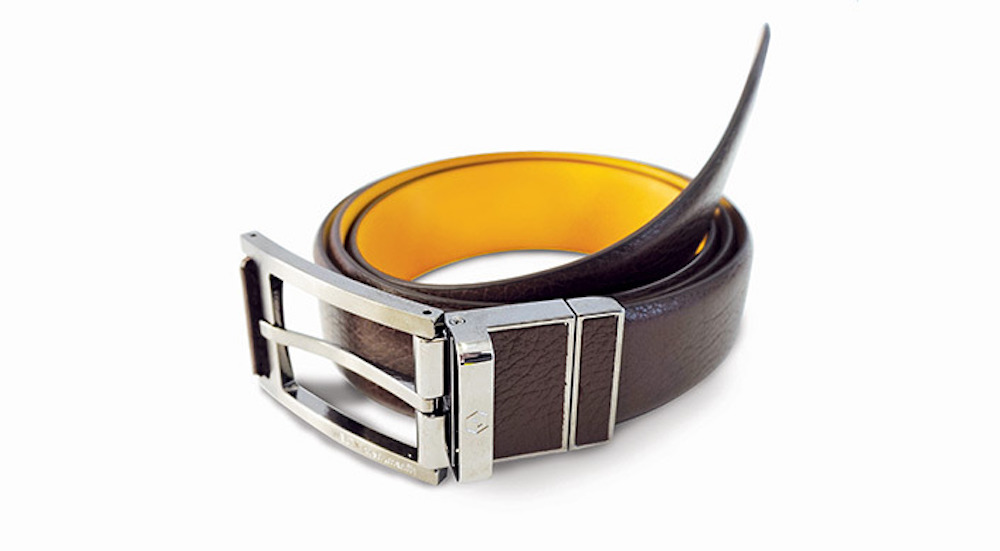
Smart belt measures waist size, eating, sitting, steps taken

As health sensors are increasingly integrated into everyday items, Samsung has announced a multi parameter monitoring belt, which will debut at CES next week.  WELT records one’s waist size, eating habits, steps taken,  and the amount of time spent sitting.  Data is sent to an accompanying app.  It is speculated that the smart belt will use the Bio-Processor described by ApplySci last month.

The belt was developed in Samsung’s Creative Lab (C-Lab), where employees are encouraged to pitch ideas with creative or altruistic elements. Winners are given time off  to develop their ideas.

Other C-Lab releases will include TipTalk, which allows smartwatch listening from touching a finger to the ear, and rink, a VR motion controller.


Wearable Tech + Digital Health San Francisco – April 5, 2016 @ the Mission Bay Conference Center

NeuroTech San Francisco – April 6, 2016 @ the Mission Bay Conference Center

2nd Annual Wearable Tech + Digital Health NYC – June 7, 2016 @ the New York Academy of Sciences

NeuroTech NYC – June 8, 2016 @ the New York Academy of Sciences
 

Categories
Sensors Wearables

Comprehensive health wearable chip; no external processing required

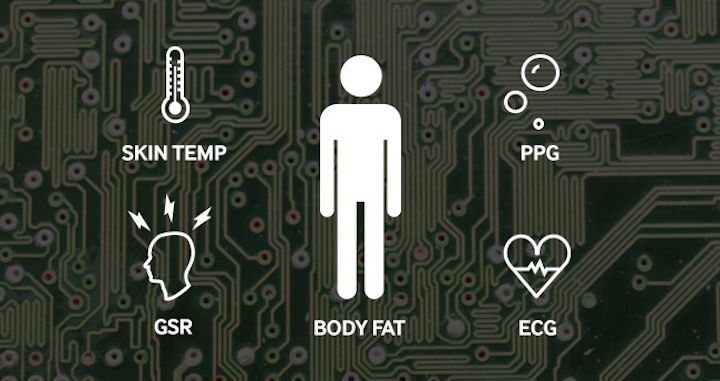
Samsung’s Bio-Processor is an “all-in-one health solution chip” that includes multiple control and sensor units and does not require external processing.  The self sufficient chip integrates  Analog Front Ends, a microcontroller unit, a power management integrated circuit, a digital signal processor,  and eFlash memory.

The five AFEs include bioelectrical impedance analysis, PPG, ECG, and galvanic skin response.  This enables the tracking of  body fat, skin temperature, and heart rate, among other measures.


Wearable Tech + Digital Health San Francisco – April 5, 2016 @ the New York Academy of Sciences

NeuroTech San Francisco – April 6, 2016 @ the New York Academy of Sciences

2nd Annual Wearable Tech + Digital Health NYC – June 7, 2016 @ the New York Academy of Sciences

NeuroTech NYC – June 8, 2016 @ the New York Academy of Sciences

Categories
Babies

Baby wearable gauges development, suggests interactions

ApplySci predicts significant growth in the use of wearables for babies, toddlers, and  pregnant moms.  The Smilables system combines a baby-worn ankle bracelet with an app for parents that suggests structured interactions.

The baby is monitored in real-time to identify the times that he/she would be most receptive to interventions.  Caregivers are alerted throughout the day.    The lesson modules are customized by age. The baby’s progress against childhood development standards are monitored and benchmarked.

The company, founded by former NeuroFocus (Nielsen Neuroscience) head A.K. Pradeep, has not yet unveiled details of its technology or child development benchmarks.


Wearable Tech + Digital Health San Francisco – April 5, 2016 @ the Mission Bay Conference Center

NeuroTech San Francisco – April 6, 2016 @ the Mission Bay Conference Center

The 2nd Annual Wearable Tech + Digital Health NYC – June 7, 2016 @ the New York Academy of Sciences

NeuroTech NYC – June 8, 2016 @the New York Academy of Sciences


Categories
Wearables

Wearables monitor health, safety at work

IBM Research in Haifa, Israel, is developing wearable tech to monitor health and safety at work. Sensors will be integrated into helmets, vests, and gloves, to track worker activity and location.  Data can identify risky situations, such as exposure to extreme temperatures, noise, and gas.  Lifting angles that can injure the spine, overexertion and hydration can also be monitored. The worker and control center can be notified before an accident happens, and treatment can be hastened in the event of a accident.


Wearable Tech + Digital Health San Francisco – April 5, 2016 @ the Mission Bay Conference Center

NeuroTech San Francisco – April 6, 2016 @ the Mission Bay Conference Center

Wearable Tech + Digital Health NYC – June 7, 2016 @ the New York Academy of Sciences

NeuroTech NYC – June 8, 2016 @ the New York Academy of Sciences

 

Categories
Cancer Respiratory

Respiratory motion system for improved lung tumor imaging

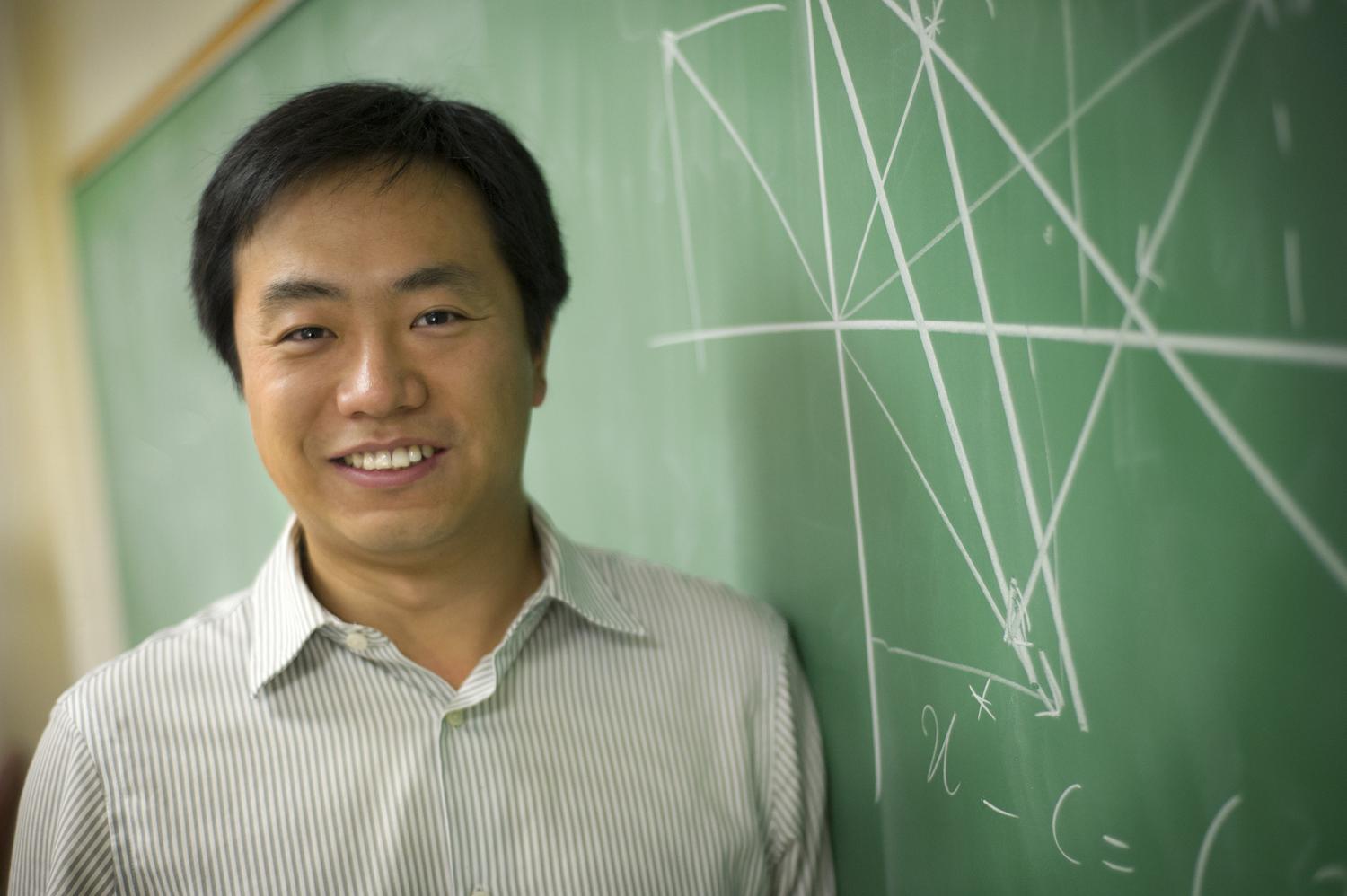
U of T professor Shouyi Wang has developed a mathematical model based, personalized respiratory motion system for more precise lung tumor imaging.

Respiratory gating, or a patient’s motion breath-by-breath, is monitored,  and the data is used to focus a radiology beam on the target when the chest cavity is relaxed.  This is the stage that provides the best picture of a cancerous site.

Current techniques depend on expensive, uncomfortable, scanning equipment pressed on a patient’s chest.  This often produces only moderately accurate images.


Wearable Tech + Digital Health San Francisco – April 5, 2016 @ the Mission Bay Conference Center

NeuroTech San Francisco – April 6, 2016 @ the Mission Bay Conference Center

Wearable Tech + Digital Health NYC – June 7, 2016 @ the New York Academy of Sciences

NeuroTech NYC – June 8, 2016 @ the New York Academy of Sciences
 

Categories
Brain

CTE/sports head trauma link examined

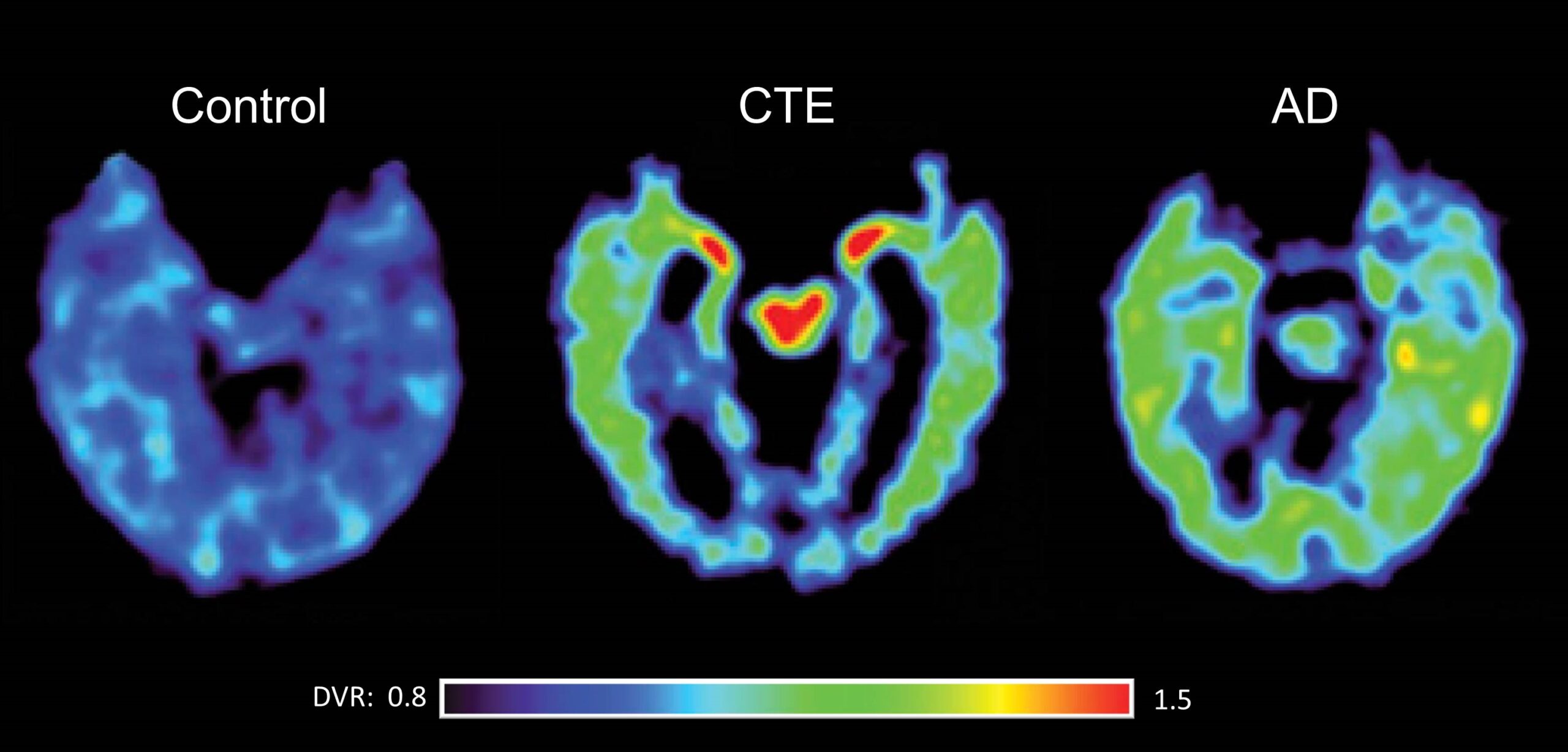
BU, Cleveland Clinic, Banner Alzheimer’s Institute and Brigham and Women’s have received a $16 million NIH grant to improve the detection and diagnosis of chronic traumatic encephalopathy, and examine risk factors for the disease.

The study is the first to examine CTE in living patients, with the goal of understanding the  link between CTE and head trauma.  The degenerative brain disease is linked to repeated head hits in contact sports. It is characterized by changes in behavior, mood and cognition, including the development of dementia. Currently it can only be diagnosed post-mortem.


Wearable Tech + Digital Health San Francisco – April 5, 2016 @ the Mission Bay Conference Center

NeuroTech San Francisco – April 6, 2016 @ the Mission Bay Conference Center

Wearable Tech + Digital Health NYC – June 7, 2016 @ the New York Academy of Sciences

NeuroTech NYC – June 8, 2016 @ the New York Academy of Sciences
Categories
Seniors Sensors

“X ray” vision for fall prevention, motion detection

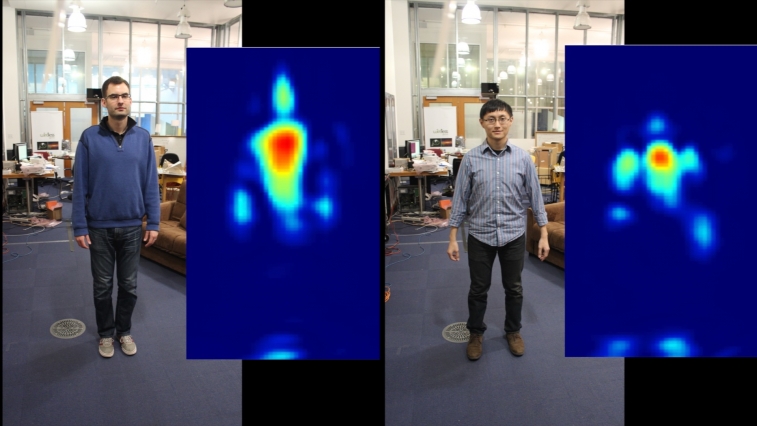
Dina Katabi and MIT colleagues are using radio signal based software to recognize human silhouettes through walls, and track movements.  The technology is intended to help monitor children and the elderly, and could be used by the military and the police.

The signal is displayed on a screen, where movements are tracked in real time. The person is shown as a red dot, and can be seen moving around a room, sitting in a chair, or moving faster or slower.  Breathing and heart rate can be monitored (with out the use of a wearable), and people can be identified based on their skeleton.  In the event of a fall, caregivers are notified by text or email.


Wearable Tech + Digital Health San Francisco – April 5, 2016 @ the Mission Bay Conference Center

NeuroTech San Francisco – April 6, 2016 @ the Mission Bay Conference Center

Wearable Tech + Digital Health NYC – June 7, 2016 @ the New York Academy of Sciences

NeuroTech NYC – June 8, 2016 @ the New York Academy of Sciences
 

Categories
Eyes Robotics Sensors

Robotic “glove” helps sight-impaired navigate, sense, grab objects

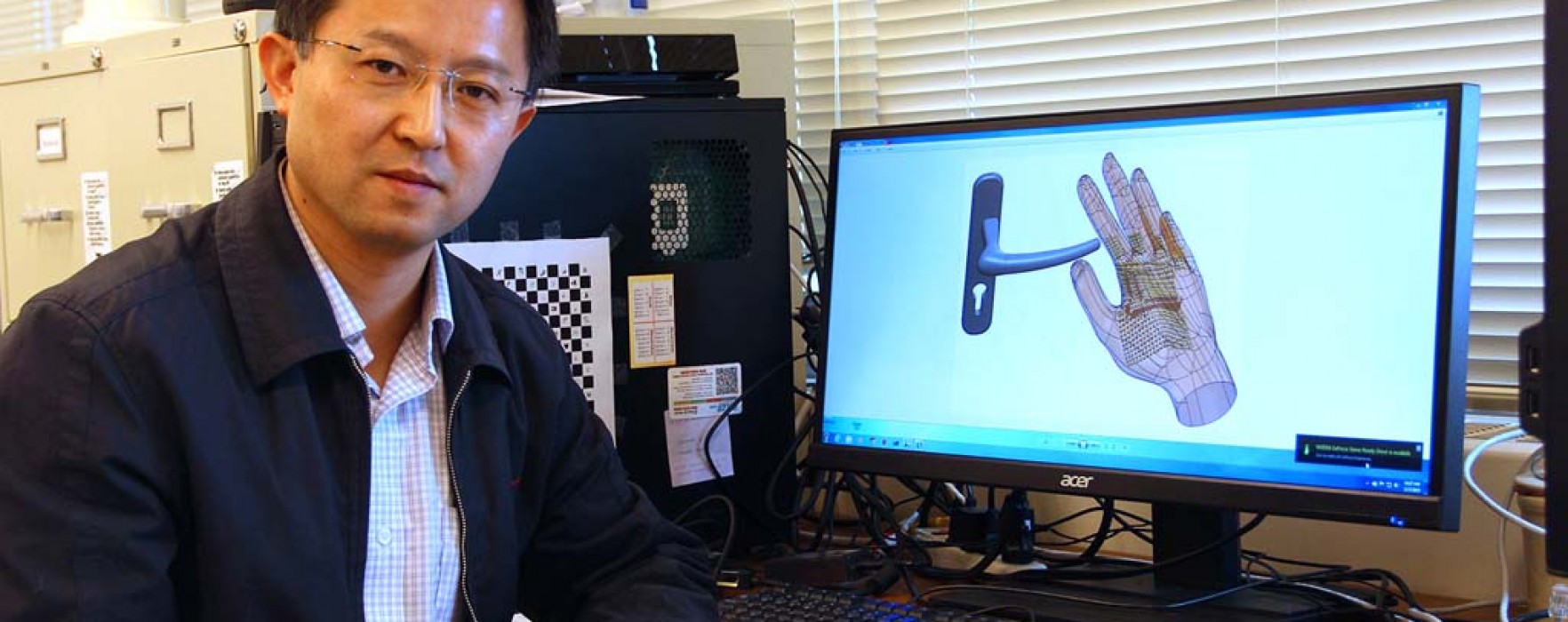
University of Nevada’s Yantao Shen is developing a hand-worn robotic device to help blind and sight impaired people navigate around obstacles, or locate, sense and grasp objects.  Examples include picking up a glass or operating a door handle. The technology combines vision, tactile, force, temperature and audio sensors.

According to Shen: “The visual sensors, very high resolution cameras, will first notify the wearer of the location and shape, and the proximity touch sensors kick in as the hand gets closer to the object. The multiple sensors and touch actuators array will help to dynamically ‘describe’ the shape of the object to the hand when the hand is close to the object, allowing people with vision loss to have more independence and ability to navigate and to safely grasp and manipulate.”


Wearable Tech + Digital Health San Francisco – April 5, 2016 @ the Mission Bay Conference Center

NeuroTech San Francisco – April 6, 2016 @ the Mission Bay Conference Center

Wearable Tech + Digital Health NYC – June 7, 2016 @ the New York Academy of Sciences

NeuroTech NYC – June 8, 2016 @ the New York Academy of Sciences
Categories
Brain

Study: Thalamus stimulation alters activity, alertness

Stanford researchers have used optogenetic lasers targeted at the thalamus to turn whole-brain activity on and off in rats.  They hope that this will lead to improved optogenetic therapy for humans, as the thalamus controls memory, attention, and sleep.  The study was led by Jin Hyung Lee,  Hyun Joo Lee, Jia Liu, Andrew Weitz and Zhongnan Fang.

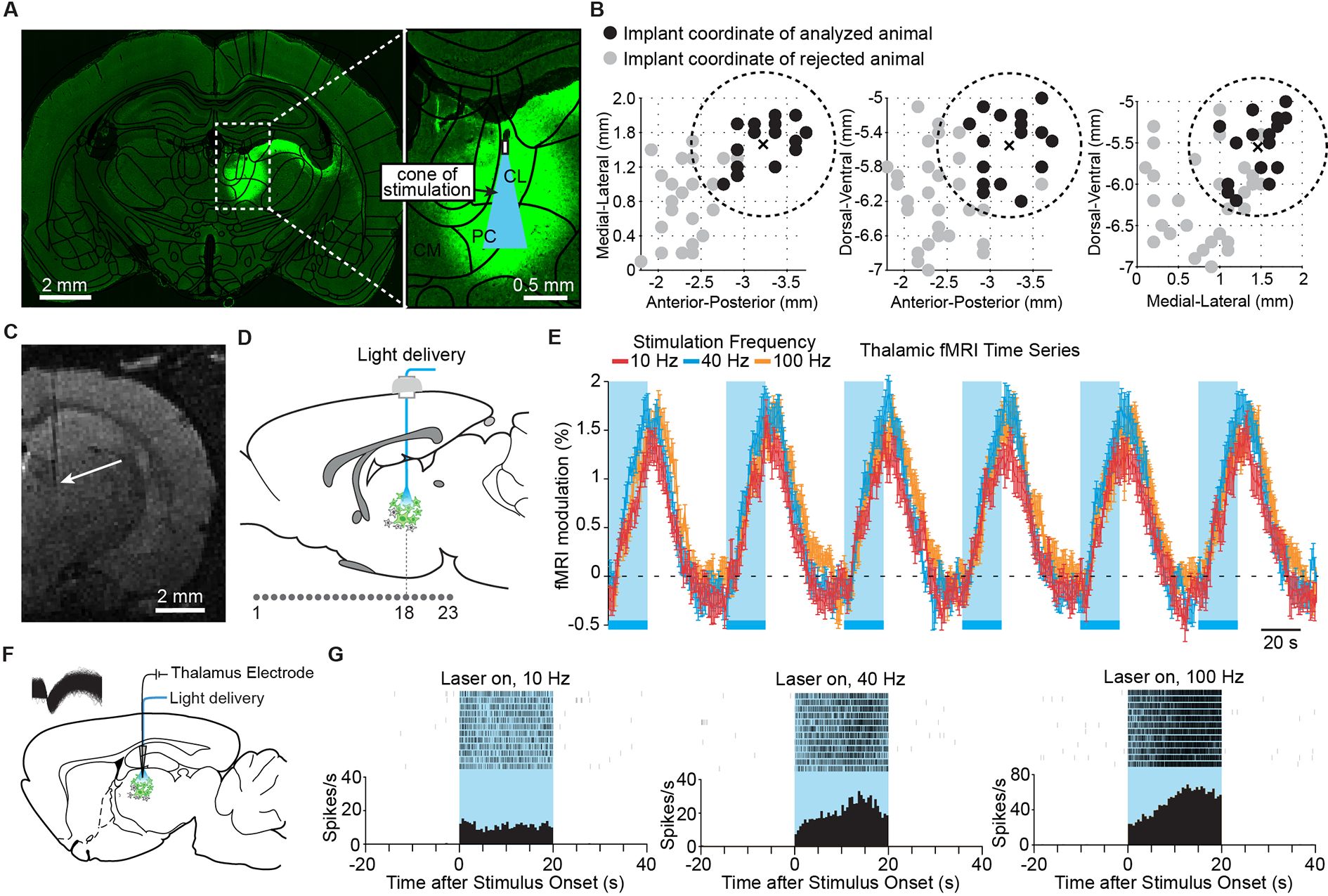
By flashing high-frequency optogenetic lasers at the thalamus, the team woke sleeping rats and cause widespread brain activity. When they flashed the laser at 10 pulses per second,  the activity of the brain’s sensory cortex was suppressed, and the and  rats entered a seizure-like state of unconsciousness.

A combination of optogenetics, fMRI, EEG and single-unit cell recordings  detected overall effects on the brain.

According to Lee,  “using targeted, temporally precise ontogenetic stimulation allowed us to selectively excite a single group of neuronal elements and identify their specific role in creating distinct modes of network function. ” This could not previously be achieved with conventional electrode stimulation.

The results suggest that the central thalamus can either power the brain to an “awake” state or promote a state of unconsciousness, depending on how rapidly its neurons are stimulated.


Wearable Tech + Digital Health San Francisco – April 5, 2016 @ the Mission Bay Conference Center

NeuroTech San Francisco – April 6, 2016 @ the Mission Bay Conference Center

Wearable Tech + Digital Health NYC – June 7, 2016 @ the New York Academy of Sciences
NeuroTech NYC – June 8, 2016 @ the New York Academy of Sciences