Categories
Covid-19 Sensors

Electrostatic and electrochemical sensors rapidly detect airborne viruses

Jang Jae-sung and Ulsan colleagues have developed a method to quickly and accurately detect airborne viruses, to inform public health and quarantine efforts.

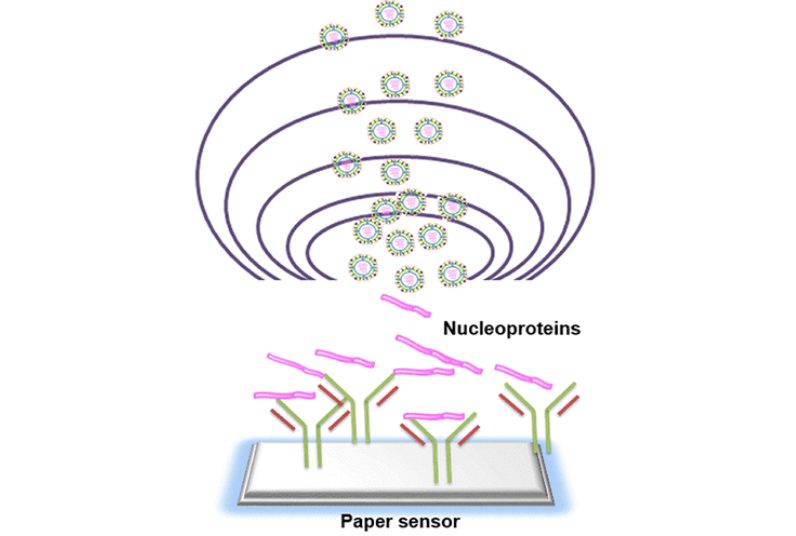
Electrostatic force captures and condenses viruses in the air, and a paper electrochemical sensor checks samples for antigens and virus antibodies. Liquid particles as small as 1 micrometer have been successfully collected.

Current methods of airborne sample collection typically use vacuums that can damage the samples, and cannot collect very small particles.

A recent study showed that tests on the type-A H1N1 flu virus showed good results. Jang believes that since the coronavirus is similar in structure and size, the technology should be applicable to COVID-19, which he is researching.

Categories
Covid-19 Sensors

First nutrition monitoring wearable tracks vitamin C; could be useful in COVID treatment

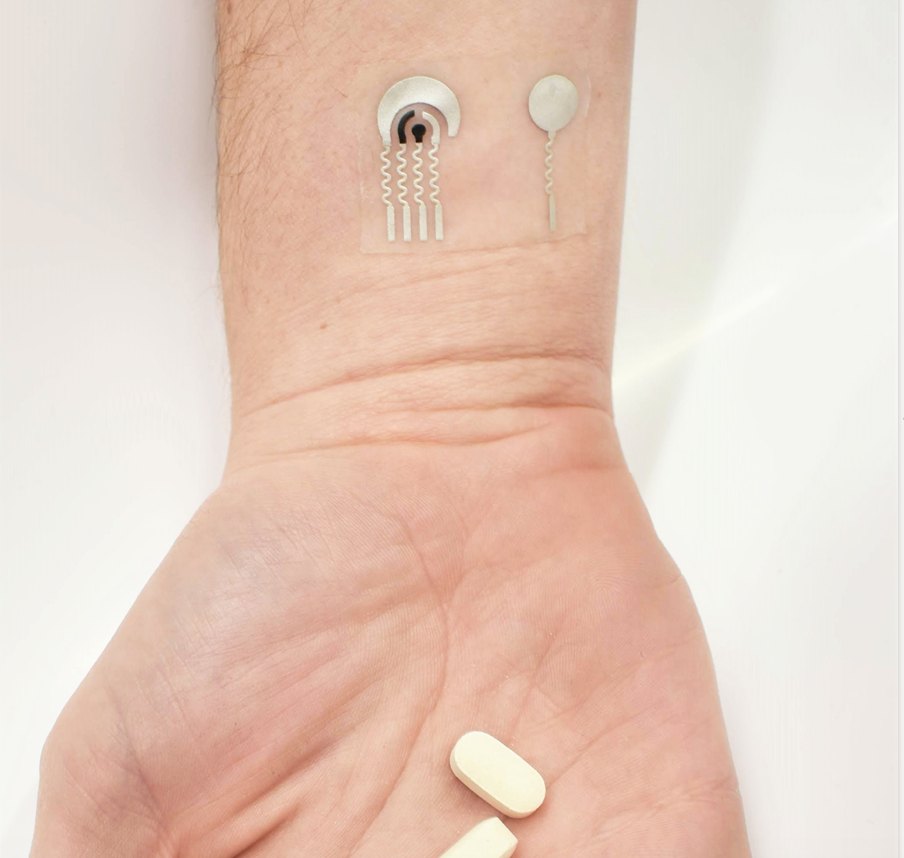
UCSD’s Joe Wang has again disrupted chemical sensing, by creating a wearable vitamin C sensor, which is a departure from now common vital sign and activity sensing wearables. This is the first time a wearable has been used to track nutritional intake, a key component of general health and disease prevention.

Vitamin C cannot be synthesized by the human body and must be obtained through food or supplements. It supports immune health, collagen production, wound healing and may be useful in treating cancer, heart disease, and COVID-19. High doses have been linked to reduced mortality in COVID patients with Sepsis and/or ARDS in studies.

The adhesive patch, applied to skin, stimulates sweating, and quickly detects vitamin c levels using flexible electrodes containing the enzyme ascorbate oxidase. When vitamin C is present, the enzyme converts it to dehydroascrobic acid. The resulting consumption of oxygen generates a current that is measured by the device. 

Click to view Prof Wang’s (brilliant) talk at the recent ApplySci conference at Harvard Medical School.

Categories
Covid-19 Sensors

Organic electronic patch + algorithm continuously monitor multiple COVID symptoms

Northwestern and University of Illinois researchers have partnered to combine a COVID symptom-detecting wearable with a method to organize and analyze the massive data sets required to accurately show disease progression. The technology will be used in hospitals and nursing homes, to monitor both patients and healthcare workers, to identify contagion early in an effort to reduce the risk of spread.

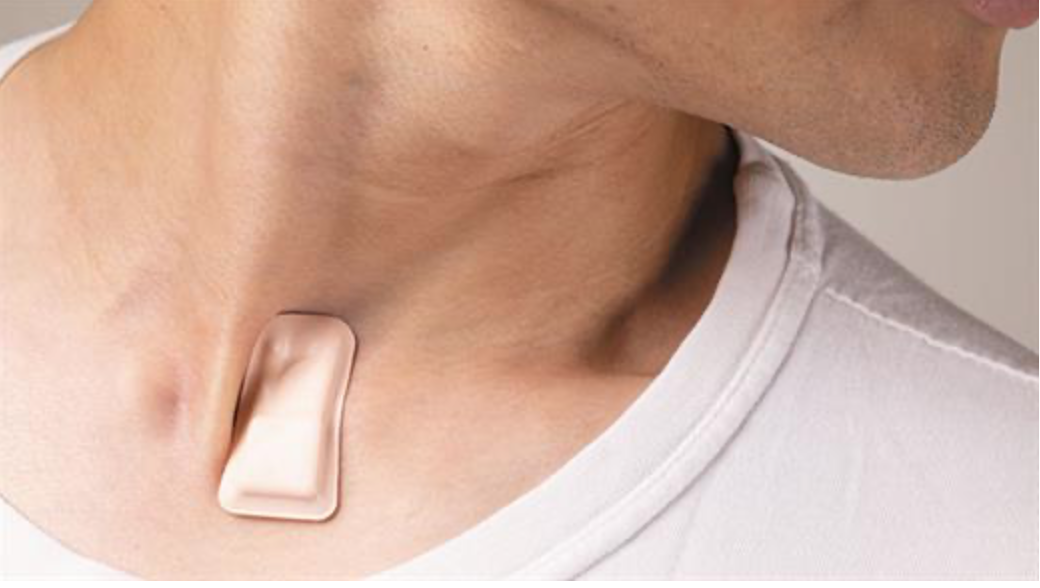
Building on his stroke-monitoring wearable, John Rogers at Northwestern uses a patch that sits at the base of the throat and continuously monitors cough, heart and respiratory sounds. The University of Illionois algorithm, developed by Naresh Shanbhag, will allow these parameters to be tracked quantitatively.

The goal is to extract detailed, and sometimes subtle, parameters from the raw data, which provide insights into disease progression. This includes analyzing cough intensity, whether it is wet or dry, and whether a patient swallows afterward,

In addition to hospital patients, the team was able to monitor a nurse before, during, and after she had contracted the virus. The data collected, in combination with the nurse’s detailed notes throughout her illness, allowed the team to pick up heart rate spikes and changes in coughing activity that would have gone undetected in standard non-ICU hospital care.

Data is transmitted from the patch to a phone or a tablet, and then to the cloud, where it is processed. The group is attempting to move the processing directly to the patch and device to save energy consumption, and improve security and privacy.

According to Shanbhag: “We will acquire data for both ill and healthy patients, and learn the characteristics of the data by developing COVID-19 specific, low-complexity machine learning algorithms. We’ll then use the learned models for predicting whether a patient is ill or not and how the disease will progress over time for new patients or individuals.”

Categories
Covid-19 Stem Cells

Stem cell treatment for ARDS in COVID-19 patients

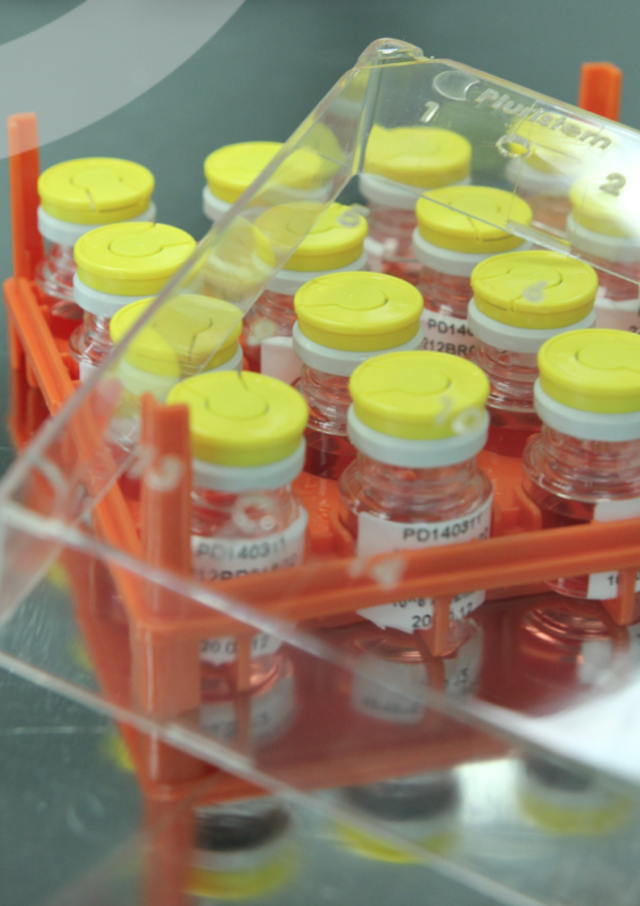
Last week, Pluristem released initial results from its compassionate use program for the treatment of patients with acute respiratory failure and inflammatory complications resulting from COVID-19. The treatment was administered in an Israeli hospital. All seven ICU patients with ARDS treated with Pluristem’s PLX cell therapy have survived. 6 out of 7 have completed the seven-day follow-up (one is still within the period. 4 out of the 6 (66%) patients displayed improvement in respiratory parameters, and 3 of the 6 (50%) patients are in late stages of weaning from ventilators.

Pluristem has now treated its first COVID-19 patient in the United States. under the FDA’s Single Patient Expanded Access Program, also called a compassionate use program, which is part of the U.S. Coronavirus Treatment Acceleration Program (CTAP.) The patient was treated with PLX cell therapy at Holy Name Medical Center in New Jersey, an acute care facility that is currently an active site for Pluristem’s Phase III critical limb ischemia (CLI) study. Prior to treatment with PLX, the patient was critically ill with respiratory failure due to acute respiratory distress syndrome (ARDS) and was under mechanical ventilation in an intensive care unit (ICU) for three weeks.

PLX cells are available off-the-shelf and once commercialized, can be manufactured in large scale quantities, offering an advantage in addressing a global pandemic. PLX cells are allogeneic mesenchymal-like cells that have immunomodulatory properties that induce the immune system’s natural regulatory T cells and M2 macrophages, and thus may prevent or reverse the dangerous overactivation of the immune system. PLX cells may reduce the incidence and\or severity of COVID-19 pneumonia and pneumonitis leading hopefully to a better prognosis for the patients. Previous pre-clinical findings of PLX cells revealed therapeutic benefit in animal studies of pulmonary hypertension, lung fibrosis, acute kidney injury and gastrointestinal injury which are potential complications of the severe COVID-19 infection. Clinical data using PLX cells demonstrated the strong immunomodulatory potency of PLX cells in patients post major surgery. This is a potential therapy for mitigating the tissue-damaging effects of COVID-19.

Categories
Covid-19

Continuous COVID-19 PPG vital sign monitoring in hospital and home

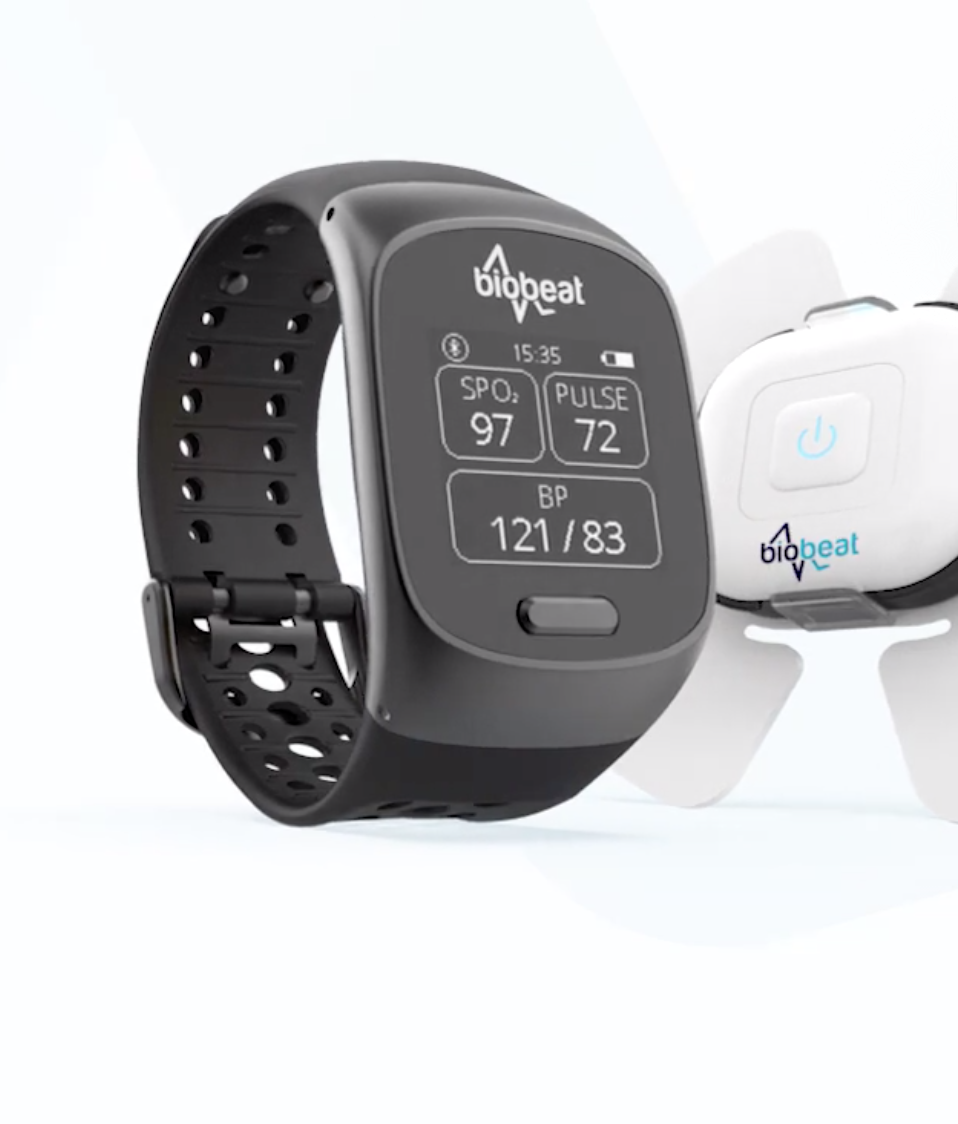
Biobeat‘s wrist wearable uses PPG wave reading for continuous, cuffless, noninvasive medical-grade monitoring of blood pressure, oxygen saturation, respiratory rate, heart rate, temperature and other vitals. It is being widely used for Israeli COVID-19 patients in hospitals and at home.

Categories
Covid-19

UCSF/Oura ring COVID-19 onset, progression, recovery study

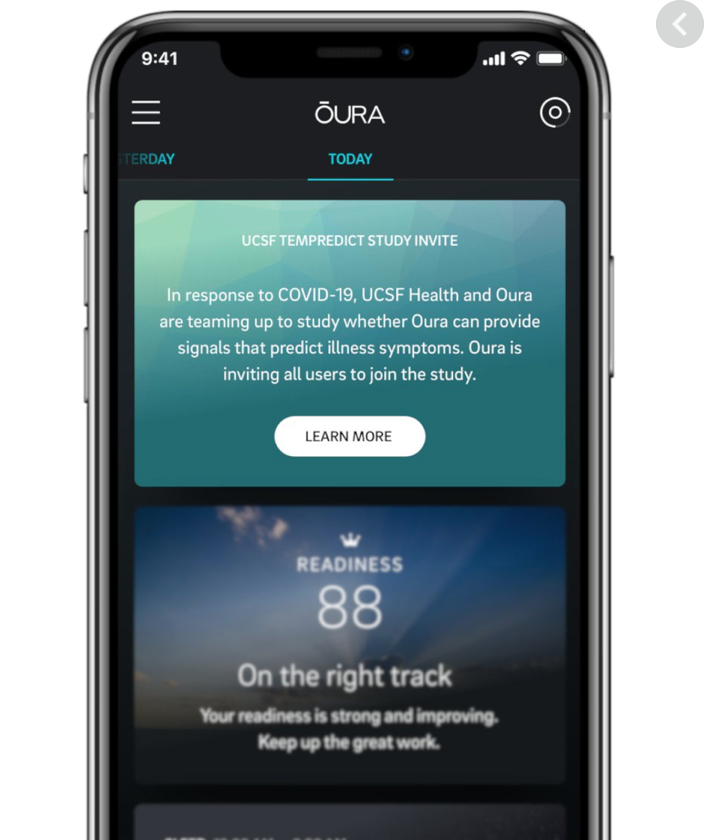
UCSF’s Ashley Mason is using the Oura Ring to build an algorithm to help identify patterns of onset, progression, and recovery, for COVID-19.

The study will combine physiological data (temperature, respiratory rate, heart rate) with responses to daily symptom surveys from 2,000 front-line healthcare workers and the general population. It will be open to all Oura ring users.

The approach, if successful, could be used to track and manage other illnesses and conditions.

Click for details of the TemPredict study.