Categories
Heart

3D coronary artery model analyzes impact of blockages

HeartFlow FFR uses data from a CT scan to create a 3D model of the coronary arteries and analyze the impact that blockages have on heart flow, to determine whether a stent is necessary.  It replaces a test that uses direct measurement with an instrument inserted into the heart.

Standard practice is to push a thin wire  past a blockage in a patient’s coronary artery, using a small sensor on the tip to detect whether the build-up has significantly reduced blood flow. A study of 600,000  patients at 1,100 hospitals showed that  this invasive procedure proves unnecessary about 58 percent of the time. The wire either finds that there is no blockage present or that it is not severe enough to require a stent.

The company has published multiple studies showing that both methods produce similarly accurate results. Heartflow FFR measures blood pressure throughout the coronary arteries rather than in just one location.


Join ApplySci at Wearable Tech + Digital Health + Neurotech Silicon Valley on February 26-27, 2018 at Stanford University. Speakers include:  Vinod Khosla – Justin Sanchez – Brian Otis – Bryan Johnson – Zhenan Bao – Nathan Intrator – Carla Pugh – Jamshid Ghajar – Mark Kendall – Robert Greenberg – Darin Okuda – Jason Heikenfeld – Bob Knight – Phillip Alvelda – Paul Nuyujukian –  Peter Fischer – Tony Chahine – Shahin Farshchi – Ambar Bhattacharyya – Adam D’Augelli – Juan-Pablo Mas – Michael Eggleston

Registration rates increase Friday, December 8th
Categories
Brain Epilepsy Wearables

Video: Roz Picard on wrist-sensed stress, seizure & brain data

Recorded at ApplySci’s Wearable Tech + Digital Health + Neurotech Boston conference on September 19th at the MIT Media Lab


Join ApplySci at Wearable Tech + Digital Health + Neurotech Silicon Valley on February 26-27, 2018 at Stanford University. Speakers include:  Vinod Khosla – Justin Sanchez – Brian Otis – Bryan Johnson – Zhenan Bao – Nathan Intrator – Carla Pugh – Jamshid Ghajar – Mark Kendall – Robert Greenberg – Darin Okuda – Jason Heikenfeld – Bob Knight – Phillip Alvelda – Paul Nuyujukian –  Peter Fischer – Tony Chahine – Shahin Farshchi – Ambar Bhattacharyya – Adam D’Augelli – Juan-Pablo Mas – Michael Eggleston

Registration rates increase today, December 1st

Categories
Heart Wearables

FDA approved EKG band monitors heart activity via Apple Watch

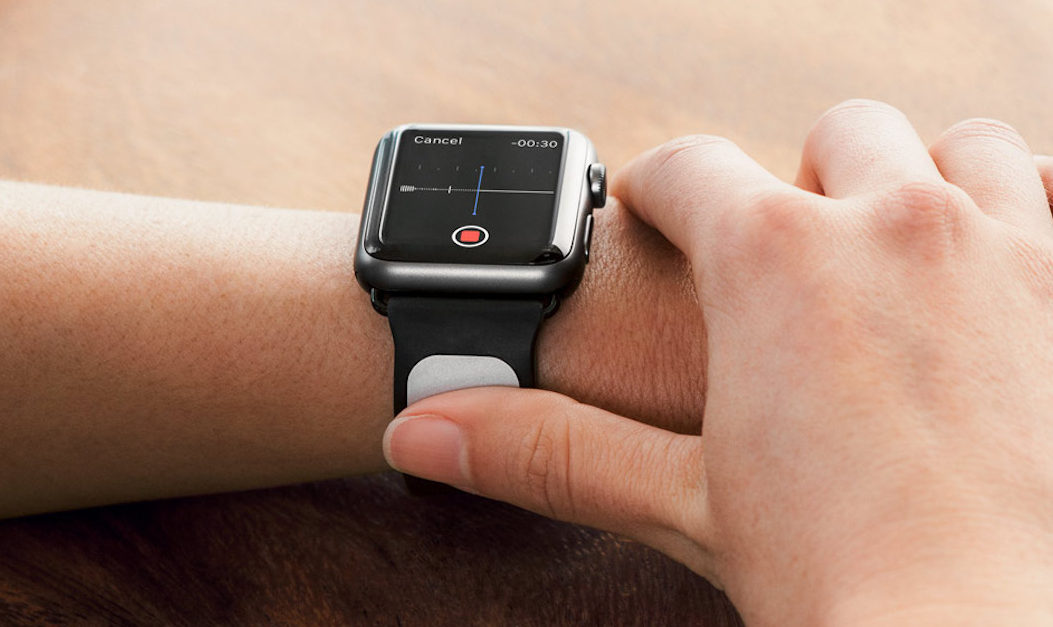
AliveCor’s Kardia EKG band is the first medical accessory to receive FDA approval for use with the Apple Watch.

Unlike the optical-based sensor built into the Apple Watch, EKG is considered the most accurate way to record heart activity. AliveCor claims that Kardia is a  medical grade heart rate monitor that can identify abnormal heart rhythms such as atrial fibrillation, quickly. It could also detect palpitations, shortness of breath and irregular heart rate, which could be signifiers of stroke.

While wearing the Apple Watch-attached band, users put their fingers on the sensor to receive a report of their heart activity.  This simple interface is easy to use, and the frequent measurements can be sent directly to one’s doctor.


Join ApplySci at Wearable Tech + Digital Health + Neurotech Silicon Valley on February 26-27, 2018 at Stanford University. Speakers include:  Vinod Khosla – Justin Sanchez – Brian Otis – Bryan Johnson – Zhenan Bao – Nathan Intrator – Carla Pugh – Jamshid Ghajar – Mark Kendall – Robert Greenberg – Darin Okuda – Jason Heikenfeld – Bob Knight – Phillip Alvelda – Paul Nuyujukian –  Peter Fischer – Tony Chahine – Shahin Farshchi – Ambar Bhattacharyya – Adam D’Augelli – Juan-Pablo Mas

Registration rates increase Friday, December 1st

Categories
Brain Sensors

Vibrating sensors could detect TBI, disease, infection in drop of blood

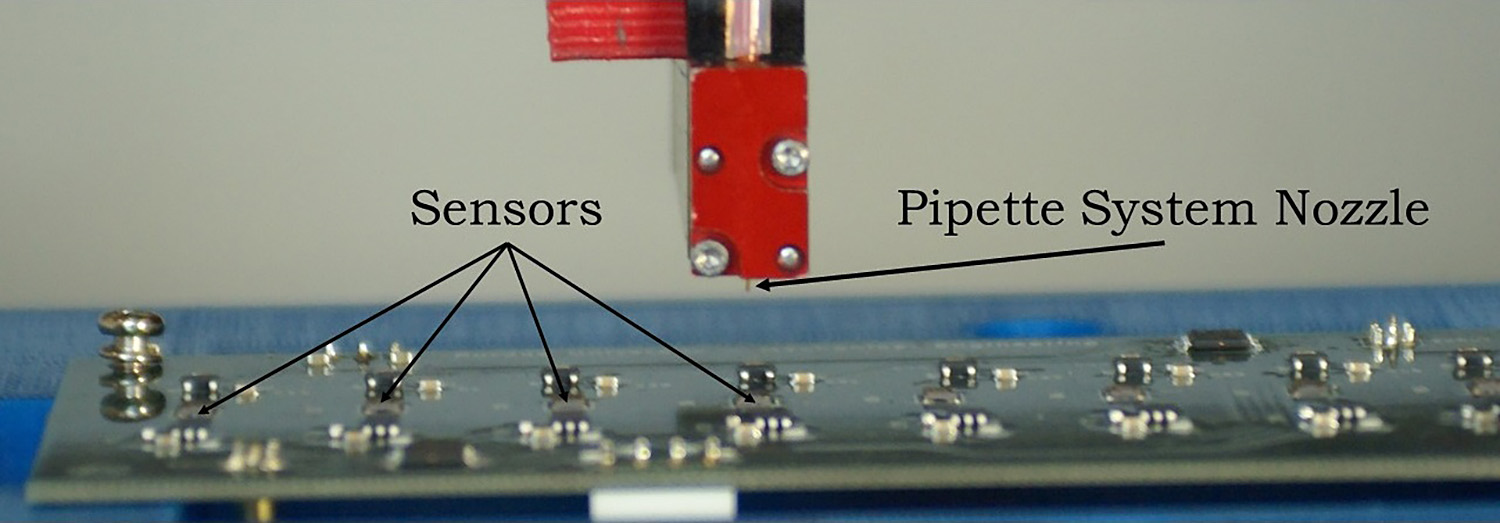
Purdue’s Jeffrey Rhoads, George Chiu, and Eric Nauman have developed a method to identify biological markers in small amounts of blood that they believe can detect diseases and infections and conditions such as traumatic brain injury at an early stage. An array of sensors  enable statistical-based detection

The small, cheap vibrating sensors use a piezoelectrically actuated resonant microsystem to detect biomarkers in one or two drops of blood. When driven by electricity, they can sense a change in mass. The sensitivity of the resonator increases as the resonant frequency increases.

The technology  could be used for the early detection of traumatic brain injury in athletes  The Purdue Neurotrauma Group found that concussions are usually caused by multiple hits over time, and not by a single blow. Research into the effects of repeated head impacts on high school football players has shown changes in brain chemistry and metabolism, even in players who have not been diagnosed with concussions.

The test can detect minute amounts of proteins, including protein from glial cells, which surround neurons in the brain. The proteins are secreted in relatively high concentrations in cerebrospinal fluid of victims of traumatic brain injury. Prior studies have found that a small amount of fluid leaked through the blood-brain barrier and got into the bloodstream of victims.


Join ApplySci at Wearable Tech + Digital Health + Neurotech Silicon Valley on February 26-27, 2018 at Stanford University. Speakers include:  Vinod Khosla – Justin Sanchez – Brian Otis – Bryan Johnson – Zhenan Bao – Nathan Intrator – Carla Pugh – Jamshid Ghajar – Mark Kendall – Robert Greenberg – Darin Okuda – Jason Heikenfeld – Bob Knight – Phillip Alvelda – Paul Nuyujukian –  Peter Fischer – Tony Chahine – Shahin Farshchi – Ambar Bhattacharyya – Adam D’Augelli

Registration rates increase December 1, 2017


Categories
Brain Heart Wearables

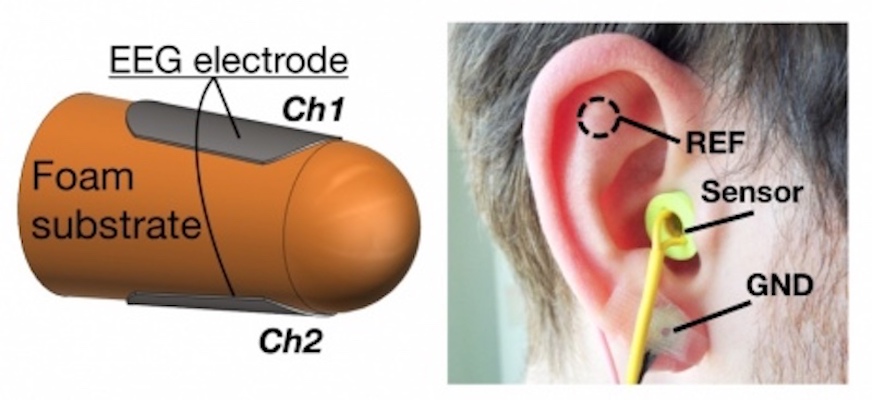
Small, foam hearable captures heart data

In a small study, Danilo Mandic from Imperial College London has shown that his hearable can be used to capture heart data. The device detected heart pulse by sensing the dilation and constriction of tiny blood vessels in the ear canal, using the mechanical part of the electro-mechanical sensor. The hearable is made of foam and molds to the shape of the ear. The goal is a comfortable and discreet continuous monitor that will enable physicians to receive extensive data. In addition to the device’s mechanical sensors, Mandic, a signal processing experter, claims that electrical sensors detect brain activity that could  monitor sleep, epilepsy, and drug delivery, and be used in personal authentication and cyber security.

Join ApplySci at Wearable Tech + Digital Health + Neurotech Silicon Valley on February 26-27, 2018 at Stanford University. Speakers include:  Vinod Khosla – Justin Sanchez – Brian Otis – Bryan Johnson – Zhenan Bao – Nathan Intrator – Carla Pugh – Jamshid Ghajar – Mark Kendall – Robert Greenberg – Darin Okuda – Jason Heikenfeld – Bob Knight – Phillip Alvelda – Paul Nuyujukian –  Peter Fischer – Tony Chahine – Shahin Farshchi – Ambar Bhattacharyya – Adam D’Augelli

Registration rates increase November 24th, 2017


Categories
Brain

Closed-loop control of drug delivery across the blood brain barrier

Tao Sun, Nathan McDannold, Eric Miller and Brigham & Women’s and Tufts colleagues have developed a controller that offers a finer degree of control in penetrating the blood brain barrier for drug delivery.  The technology, only tested in rats, could improve safety in humans if found effective.

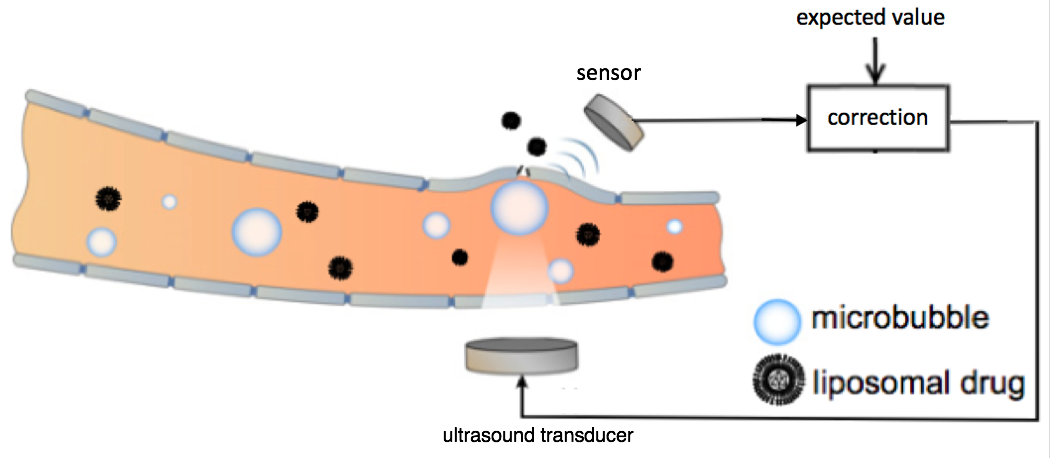
Using focused ultrasound and microbubbles as before, the team is now able to listen to echoes for instantaneous feedback on microbubble oscillation stability, providing fast, real-time control and analysis.

Microbubbles can help temporarily open the blood-brain barrier without incision or radiation, but can destabilize and collapse, damaging the brain’s critical vasculature.

The team used a rat model to develop a closed-loop controller. Sensors were placed on the outside of the brain, as microphones, enabling researchers to listen to ultrasound echoes bouncing off the microbubbles, to determine stability. They then tuned and adjusted the ultrasound input, instantly, to stabilize the bubbles, excite them to open the barrier, and deliver a drug of a predefined dose, while maintaining safe ultrasound exposure.

The approach was tested in healthy rats as well as an animal model of glioma brain cancer. Further research is needed to adapt the technique for humans. Clinical trials  are now underway in Canada.


Join ApplySci at Wearable Tech + Digital Health + Neurotech Silicon Valley on February 26-27, 2018 at Stanford University. Speakers include:  Vinod Khosla – Justin Sanchez – Brian Otis – Bryan Johnson – Zhenan Bao – Nathan Intrator – Carla Pugh – Jamshid Ghajar – Mark Kendall – Robert Greenberg – Darin Okuda – Jason Heikenfeld – Bob Knight – Phillip Alvelda – Paul Nuyujukian –  Peter Fischer – Tony Chahine – Shahin Farshchi – Ambar Bhattacharyya – Adam D’Augelli

Registration rates increase November 24th, 2017

Categories
AI

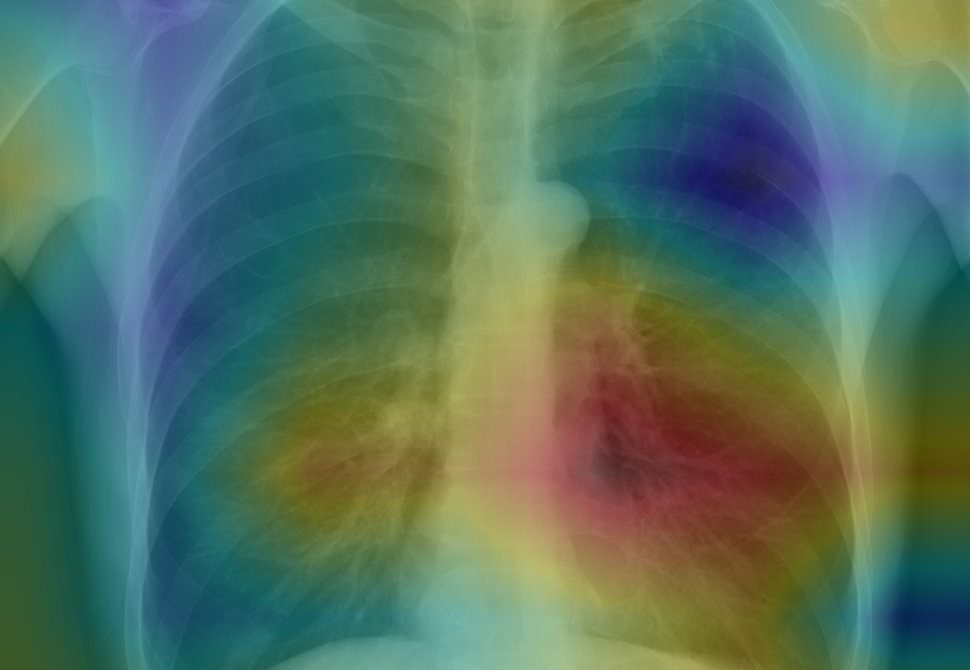
AI detects pneumonia from chest X-rays

Andrew Ng and Stanford colleagues used AI to detect pneumonia from x-rays with similar accuracy to trained radiologists.  The CheXNet model analyzed 112,200 frontal-view X-ray images of 30,805 unique patients released by the NIH (ChestX-ray14.)

Deep Learning algorithms also detected14 diseases including fibrosis, hernias, and cell masses, with fewer false positives and negatives than NIH benchmark research.


Join ApplySci at Wearable Tech + Digital Health + Neurotech Silicon Valley on February 26-27, 2018 at Stanford University. Speakers include:  Vinod Khosla – Justin Sanchez – Brian Otis – Bryan Johnson – Zhenan Bao – Nathan Intrator – Carla Pugh – Jamshid Ghajar – Mark Kendall – Robert Greenberg – Darin Okuda – Jason Heikenfeld – Bob Knight – Phillip Alvelda – Paul Nuyujukian –  Peter Fischer – Tony Chahine – Shahin Farshchi – Ambar Bhattacharyya – Adam D’Augelli

Registration rates increase today, November 17th, 2017

Categories
Brain

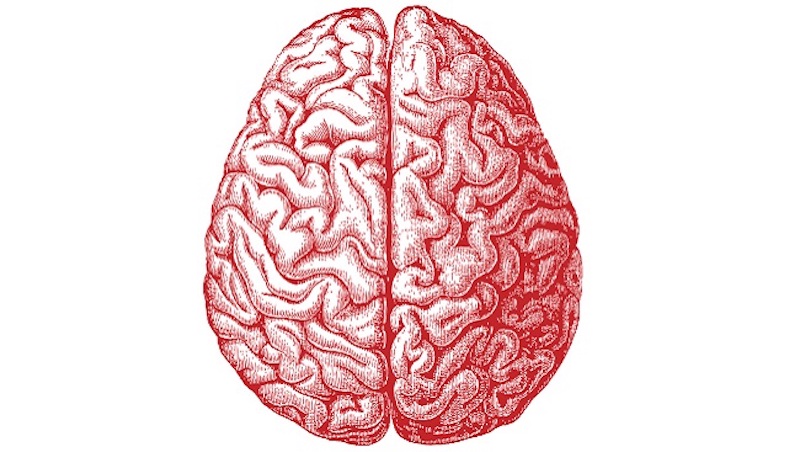
Researchers claim to improve human memory with implanted electrodes

In a small study, USC’s Dong Song demonstrated the efficacy of an implantable “memory prosthesis.”   Dr. Song presented his work at the Society for Neuroscience conference in Washington this week.

20 volunteers had the device implanted at the same time as electrodes for epilepsy treatment, a procedure which they had already planned.

The “prosthesis” collected brain activity data during tests designed to stimulate  short-term memory or working memory. The researchers then determined and used optimal memory performance patterns to stimulate the brain during later tests.

They claimed that the procedure improved short-term memory by  approximately 15 percent, and working memory by 25 percent. When the brain was stimulated randomly, performance worsened.


Join ApplySci at Wearable Tech + Digital Health + Neurotech Silicon Valley on February 26-27, 2018 at Stanford University. Speakers include:  Vinod Khosla – Justin Sanchez – Brian Otis – Bryan Johnson – Zhenan Bao – Nathan Intrator – Carla Pugh – Jamshid Ghajar – Mark Kendall – Robert Greenberg – Darin Okuda – Jason Heikenfeld – Bob Knight – Phillip Alvelda – Paul Nuyujukian –  Peter Fischer – Tony Chahine – Shahin Farshchi – Ambar Bhattacharyya – Adam D’Augelli

Registration rates increase November 17th, 2017

Categories
Brain

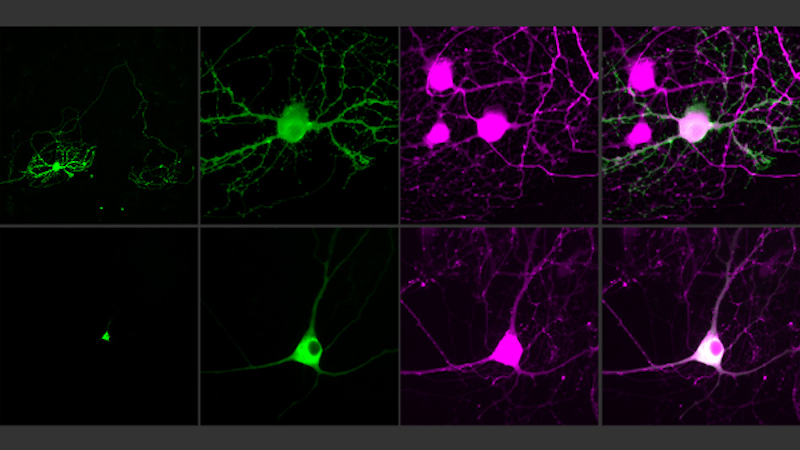
Optogenetic technique controls single neurons

MIT’s Ed Boyden and Paris Descartes University’s Valentina Emiliani have developed a new optogenetic technique, combined with new opsins, that stimulates individual cells with precise control over both the timing and location of the activation.

This will allow the study of how individual cells, and connections among those cells, generate specific behaviors such as initiating a movement or learning a new skill.

The study‘s lead authors are Or Shemesh from MIT and Dimitrii Tanese and Valeria Zampini from CNRS.


Join ApplySci at Wearable Tech + Digital Health + Neurotech Silicon Valley on February 26-27, 2018 at Stanford University. Speakers include:  Vinod Khosla – Justin Sanchez – Brian Otis – Bryan Johnson – Zhenan Bao – Nathan Intrator – Carla Pugh – Jamshid Ghajar – Mark Kendall – Robert Greenberg – Darin Okuda – Jason Heikenfeld – Bob Knight – Phillip Alvelda – Paul Nuyujukian –  Peter Fischer – Tony Chahine – Shahin Farshchi

Registration rates increase – November 17th, 2017


Categories
Sensors

Video: John Rogers on soft electronics for the human body

Recorded at ApplySci’s Wearable Tech + Digital Health + Neurotech Boston conference on September 19th at the MIT Media Lab.


Join ApplySci at Wearable Tech + Digital Health + Neurotech Silicon Valley on February 26-27, 2018 at Stanford University. Speakers include:  Vinod Khosla – Justin Sanchez – Brian Otis – Bryan Johnson – Zhenan Bao – Nathan Intrator – Carla Pugh – Jamshid Ghajar – Mark Kendall – Robert Greenberg – Darin Okuda – Jason Heikenfeld – Bob Knight – Phillip Alvelda – Paul Nuyujukian –  Peter Fischer – Tony Chahine

Registration rates increase today – November 10th, 2017

Categories
Brain

Silicon probes record hundreds of neurons simultaneously

Neuropixels, developed by HHMI’s Tim Harris, are electrodes that record brain activity from hundreds of neurons. Previously, it was not possible to measure the joint activity of individual neurons distributed across brain regions. Recording methods could either resolve the activity of individual neurons or monitor multiple brain regions.

UCL, Allen Institute for Brain Science, IMEC researchers collaborated on the study. The team is now developing a four-shank probe with a smaller base, for chronic recordings, and optrodes that combine recording with optical stimulation, for optogenetic experiments.


Join ApplySci at Wearable Tech + Digital Health + Neurotech Silicon Valley on February 26-27, 2018 at Stanford University. Speakers include:  Vinod Khosla – Justin Sanchez – Brian Otis – Bryan Johnson – Zhenan Bao – Nathan Intrator – Carla Pugh – Jamshid Ghajar – Mark Kendall – Robert Greenberg – Darin Okuda – Jason Heikenfeld – Bob Knight – Phillip Alvelda – Paul Nuyujukian –  Peter Fischer – Tony Chahine

Registration rates increase November 10th.

Categories
Wounds

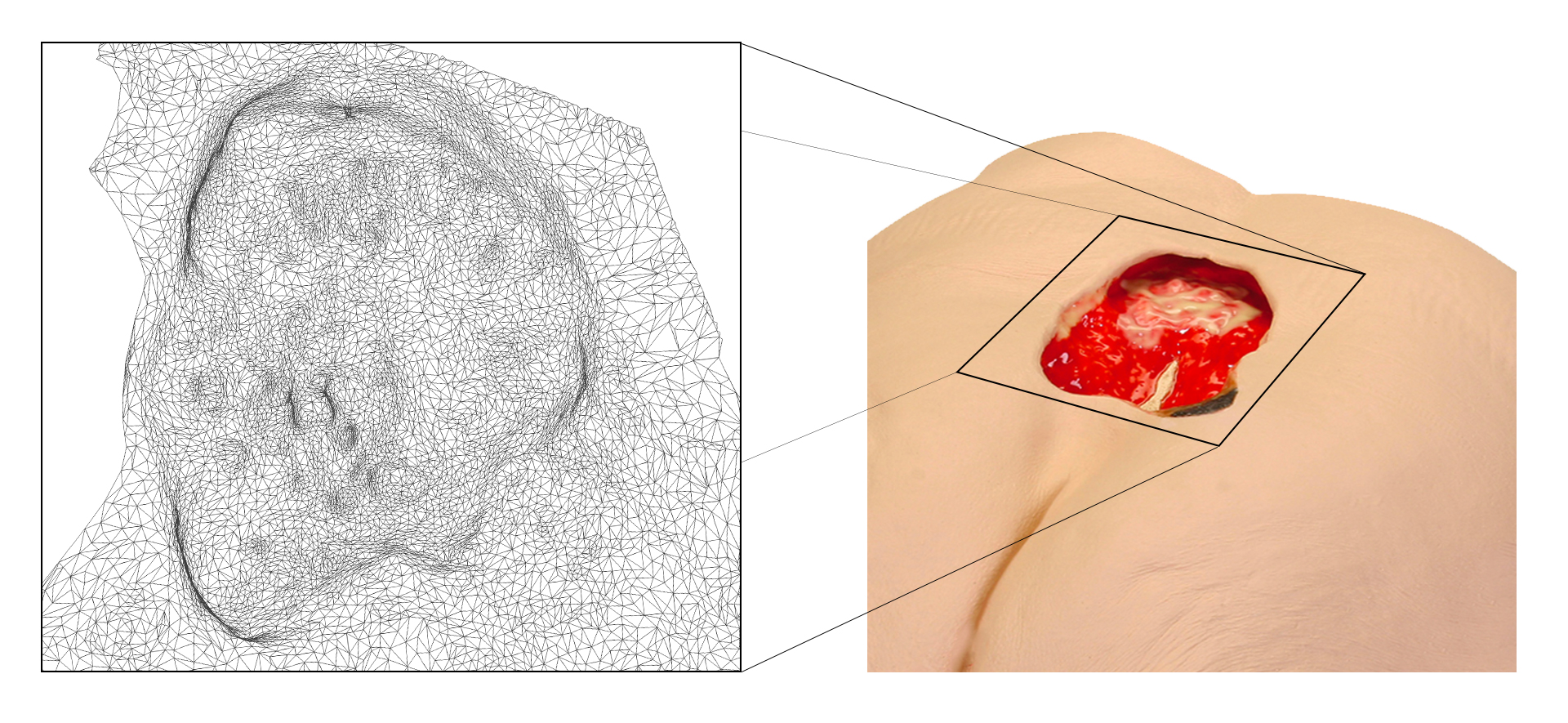
Phone camera measures wound depth, severity

AutoDepth by Swift Medical uses a phone’s camera to understand a wound’s depth and severity.  Algorithms process dynamic changes over time. Depth can indicate whether a wound is healing properly.

The system is noninvasive, and can be widely accessible to clinicians. In addition to gauging the wound healing process, it  can be used for measuring the progression of pressure ulcers, or in the analysis of moles on the skin, where volume, depth, and surface texture are considered.


Join ApplySci at Wearable Tech + Digital Health + Neurotech Silicon Valley on February 26-27, 2018 at Stanford University. Speakers include:  Vinod Khosla – Justin Sanchez – Brian Otis – Bryan Johnson – Zhenan Bao – Nathan Intrator – Carla Pugh – Jamshid Ghajar – Mark Kendall – Robert Greenberg – Darin Okuda – Jason Heikenfeld – Bob Knight – Phillip Alvelda – Paul Nuyujukian –  Peter Fischer

Registration rates increase November 10th.