
Categories
Wearables

Smart necklace tracks food intake

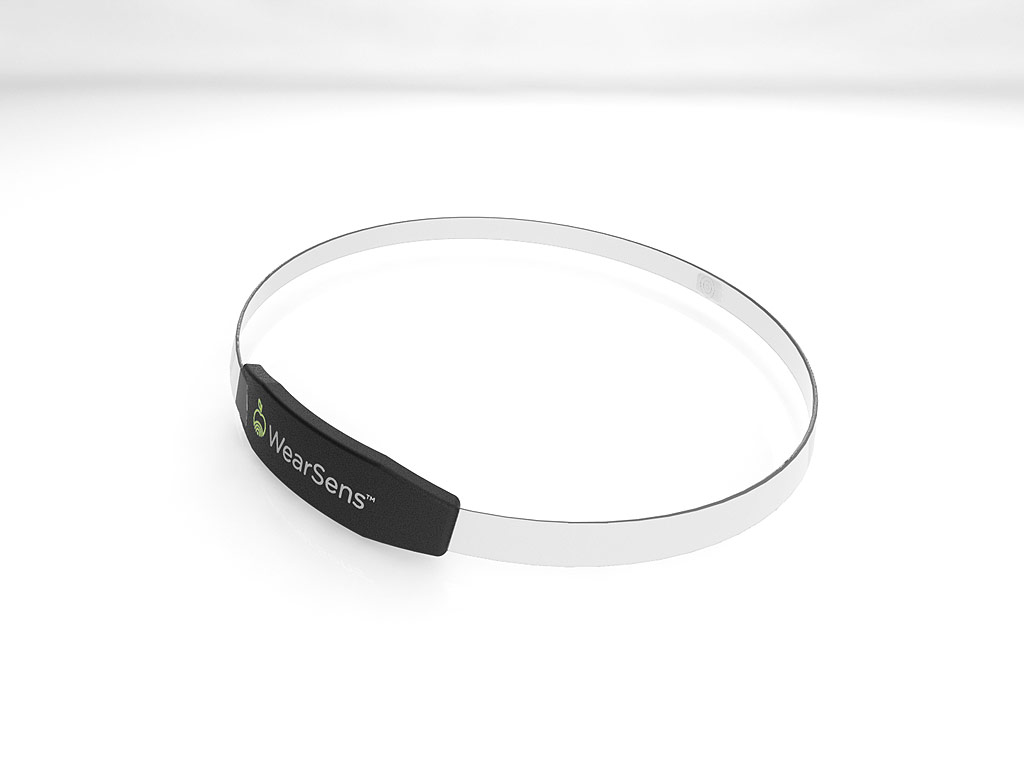
UCLA’s Majid Sarrafzadeh, Haik Kalantarian and Nabil Alshurafa are developing WearSens, a piezoelectric sensor necklace that tracks vibrations near one’s neck to determine food intake.  The wearable works with apps, such as MyFitnessPal, to monitor food eaten (as well as drinking and smoking), including calories, and make wellness recommendations.  Its creators compare it to a wearable food diary that ensures compliance, but it could also be used as a senior nutrition reminder, or to help understand food driven blood sugar fluctuations.

Wearable Tech + Digital Health NYC 2015 – June 30 @ New York Academy of Sciences
Categories
Cancer

Nanoparticle device disrupts cancer genes

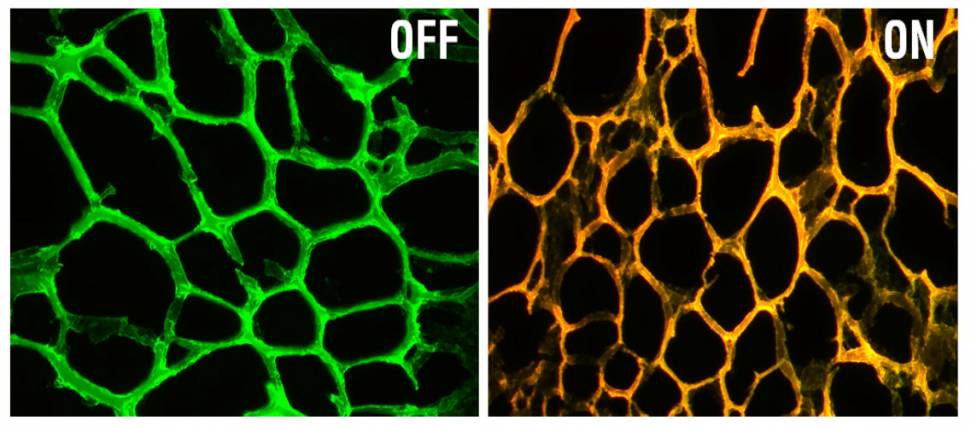
MIT researchers have developed a gold nanoparticle device embedded in a hydrogel that can be injected or implanted at a tumor site to disrupt cancer genes.

The nanodevice blocks the gene that confers drug resistance, then launches a new chemotherapy attack against the vulnerable tumor.

Nuria Oliva, Natalie Artzi, and Joao Conde tested the device in mice implanted with a  triple negative breast tumor.  It blocked the gene for multidrug resistant protein 1 and then delivered the chemotherapy drug 5-fluorouracil.  The tumors shrunk by 90 percent in two weeks.

Wearable Tech + Digital Health NYC 2015 – June 30 @ New York Academy of Sciences

Categories
Brain Eyes

Video game trains brain to combat amblyopia

Game developer Ubisoft, with Amblyotech and McGill University,  has released “Dig Rush,” a video game used to treat amblyopia.

Amblyopia is caused when the eyes and the brain aren’t working together, because one eye is stronger or the eyes are misaligned. Patching, the traditional treatment for amblyopia, attempts to force the weaker eye to work harder by covering the stronger eye.  This often fails because social stigmas and long treatment times lead to poor compliance and a high relapse rate.

The glasses and content of Dig Rush use both eyes binocularly to train the brain, to improve visual acuity, instead of training only the weak eye.

After 11 clinical trials of 200 adults and children, recommended treatment is one daily hour of game play for 4-6 weeks.

Wearable Tech + Digital Health NYC 2015 – June 30 @ New York Academy of Sciences
Categories
Wearables

Smart watch strap enables customized monitoring

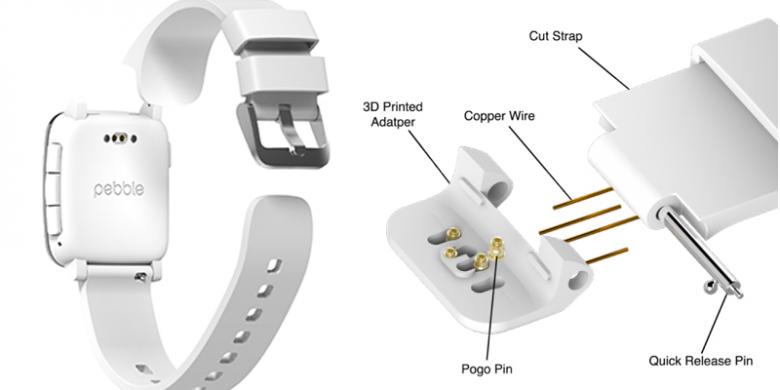
Pebble Time and Time Steel will incorporate a charging and data conductor, enabling the use of custom “smartstraps.”  This will empower the wearer to determine–and change–the type of monitoring he or she desires.

External companies will develop compatible straps with various health and fitness tracking capabilities. The Pebble could power the straps, or a second battery could be built into them.  A quick-release mechanism will allow easy changes,  and can automatically launch an app when a specific strap is attached.

Wearable Tech + Digital Health NYC 2015 – June 30 @ New York Academy of Sciences
Categories
Sensors Wearables

Bio-ink pens for “do-it-yourself” sensor monitoring

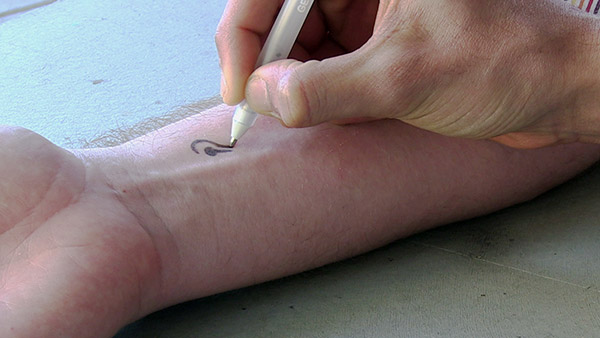
Led by Joseph Wang, creator of the non-invasive glucose monitor ApplySci described in January, UCSD engineers are developing “do it yourself” sensors, drawn directly on skin and smartphones.  The simple, cheap sensors could be used in the clinic, at home, or on the battlefield.

The bio-inks react with several chemicals, including glucose.  Biocompatible polyethylene glycol is used as a binder. Graphite powder makes the inks conductive to electric current. Chitosan ensures that the ink adheres to any surface. Xylitol stabilizes enzymes that react with chemicals the sensors are designed to monitor.

The team filled ballpoint pens with the inks, and drew sensors on the skin to measure glucose, and on leaves to measure pollution.  They could be drawn directly on smartphones for cheap, personalized health monitoring, on external building walls for monitoring of  pollutants, or on the  battlefield to detect explosives and nerve agents.

Wearable Tech + Digital Health NYC 2015 – June 30 @ New York Academy of Sciences

 

Categories
Brain

Skin biopsy could detect Alzheimer’s, Parkinson’s

University of San Luis Potosi‘s Ildefonso Rodriguez-Leyva is developing  a skin test for Parkinson’s and Alzheimer’s diseases that detects elevated levels of characteristic proteins.  Based on the hypothesis that that skin is essentially the same as brain tissue, originating from the same source during fetal development, the test might identify biomarkers to help diagnose the diseases early.

Skin samples were taken from 16 people with Parkinson’s disease, 20 with Alzheimer’s disease and 17 with other forms of dementia. Biopsies were also taken from 12 healthy subjects in the same age group.  The samples were tested for abnormal proteins and showed that Parkinson’s and Alzheimer’s sufferers had seven times more tau protein than the healthy group.  The Parkinson’s subjects also had eight times more alpha-synuclein protein than the control group.

Wearable Tech + Digital Health NYC 2015 – June 30 @ New York Academy of Sciences
Categories
Cancer

Graphene neutralizes cancer stem cells, leaves healthy cells unharmed

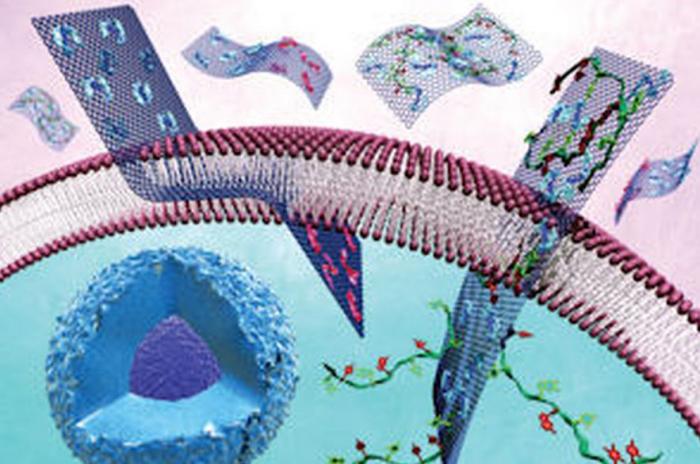
University of Manchester‘s Michael Lisanti, Aravind Vijayaraghavan  and Federica Sotgia have shown that graphene oxide acts as an anti-cancer agent that selectively targets cancer stem cells.  The researchers believe that this could lead to tumor shrinkage and preventing the spread and recurrence of cancer when combined with existing treatments.

The team tested a variety of graphene oxide formulations against breast, pancreatic, lung, brain, ovarian and prostate cancer. The flakes inhibited tumor sphere formation in all six types.  This suggests that graphene oxide can be effective across a large number of different cancers,  blocking processes which take place at the surface of the cells.

According to Sotgia: “These findings show that graphene oxide could possibly be applied as a lavage or rinse during surgery to clear CSCs or as a drug targeted at CSCs.  Our results also show that graphene oxide is not toxic to healthy cells, which suggests that this treatment is likely to have fewer side effects if used as an anti cancer therapy.”

Wearable Tech + Digital Health NYC 2015 – June 30 @ New York Academy of Sciences
Categories
Conference Infectious Disease mHealth Nanoparticles

Paper test detects Ebola in 10 minutes

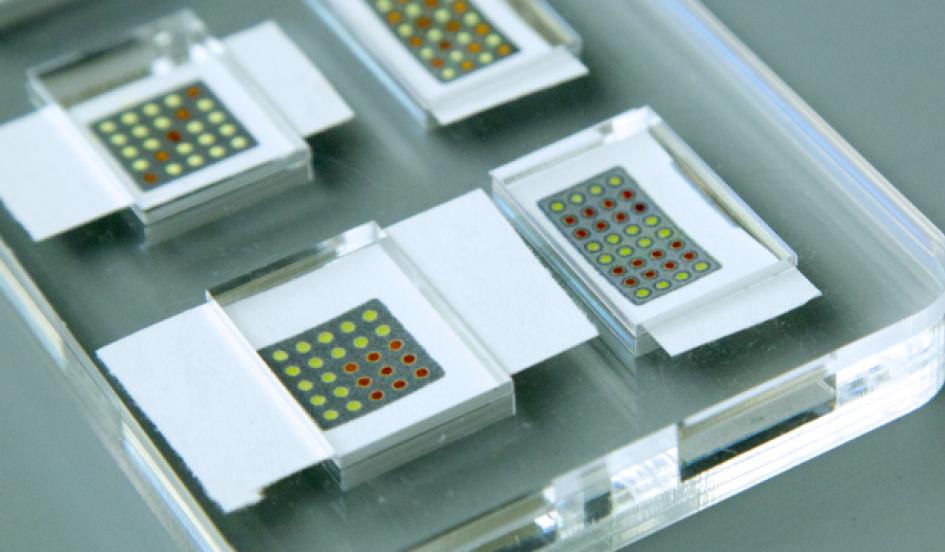
MIT‘s Hamad-Schifferli Group and Lee Gehrke have developed a paper strip test that can detect Ebola, Yellow Fever, and Dengue Fever in 10  minutes.  The strips are color coded, using triangular silver nanoparticles, to distinguish among diseases.

The test relies on lateral flow technology,  used in pregnancy tests and for diagnosing strep throat and bacterial infections.  As blood serum flows along the strip, viral proteins that match the antibodies painted on the strips will get caught, becoming visible.  This can be seen by the naked eye or with a mobile phone’s camera.

This is the first time that a multiplexing approach, using multicolored nanoparticles to screen for multiple pathogens, has been done.

Wearable Tech + Digital Health NYC 2015 – June 30 @ New York Academy of Sciences

Categories
Sensors Wearables

Cheap, self powered, wireless, disposable health tracker

The University of Tokyo‘s Hiroshi Fuketa has created a flexible, wireless, self-powered, cheap, disposable continuous vital sign monitor.  The armband’s temperature sensor measure body heat under the arm, piezoelectric speaker provides audible feedback, and amorphous silicon solar cells provide  power.  Its organic ink circuits are printed onto a plastic film.  Other sensors could be incorporated to monitor heart rate, blood pressure, or moisture.  A flexible battery could be included to store solar cells to enable the band to work in darkness.

The team claims that the armband is the first with an organic circuit able to produce sound and the ability to incorporate an organic power supply circuit.

Wearable Tech + Digital Health NYC 2015 – June 30 @ New York Academy of Sciences
Categories
Cancer Sensors Wearables

Patch detects breast cancer temperature patterns

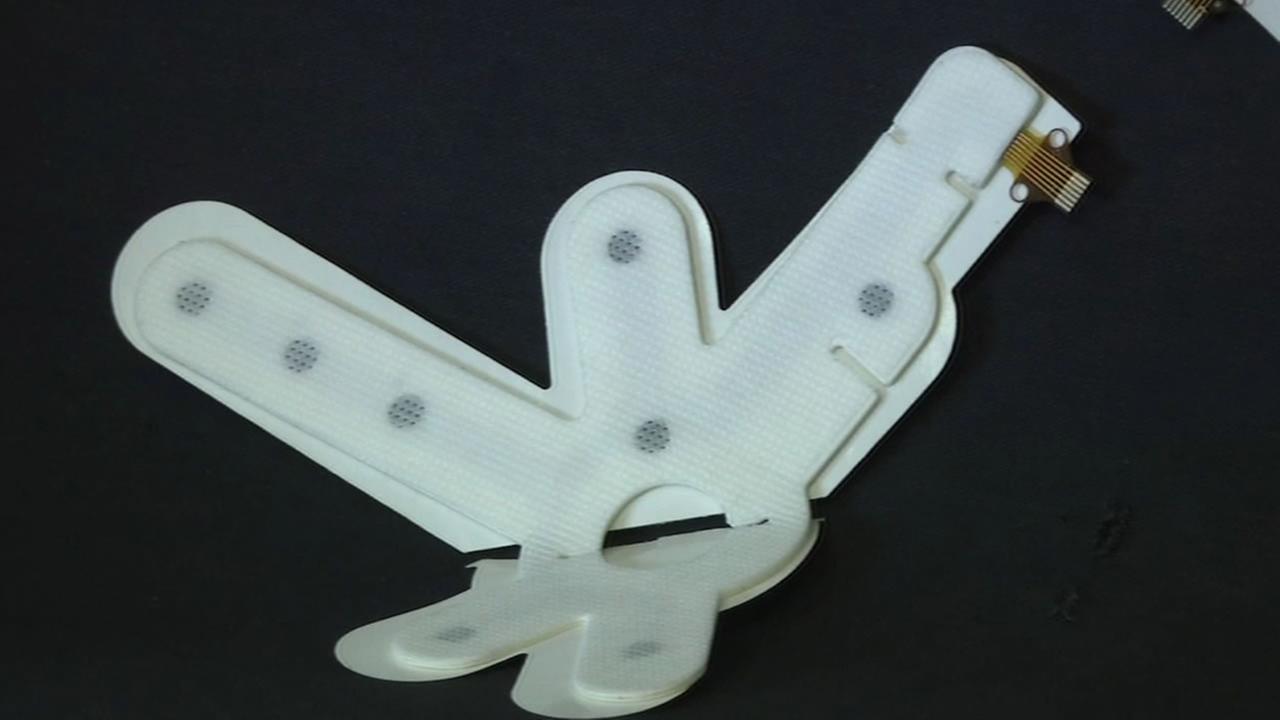
Cyrcadia Health‘s iTBra contains patches that detect circadian temperature changes within breast cells.  The data is sent to a lab via smartphone, and analyzed with Nanyang Technical University developed algorithms.   Abnormal temperature and cellular signaling patterns are immediately sent to one’s doctor.

The technology detects normal circadian cellular baselines, as well as abnormal patterns associated with cancer.  The company claims that the device’s accuracy is similar to that of mammography, and particularly benefits those with dense breast tissue.

A clinical trial will soon begin, studying women wearing the device for different lengths of time.

Wearable Tech + Digital Health NYC 2015 – June 30 @ New York Academy of Sciences
Categories
Wearables

Apple Watch issues put wearable accuracy in spotlight

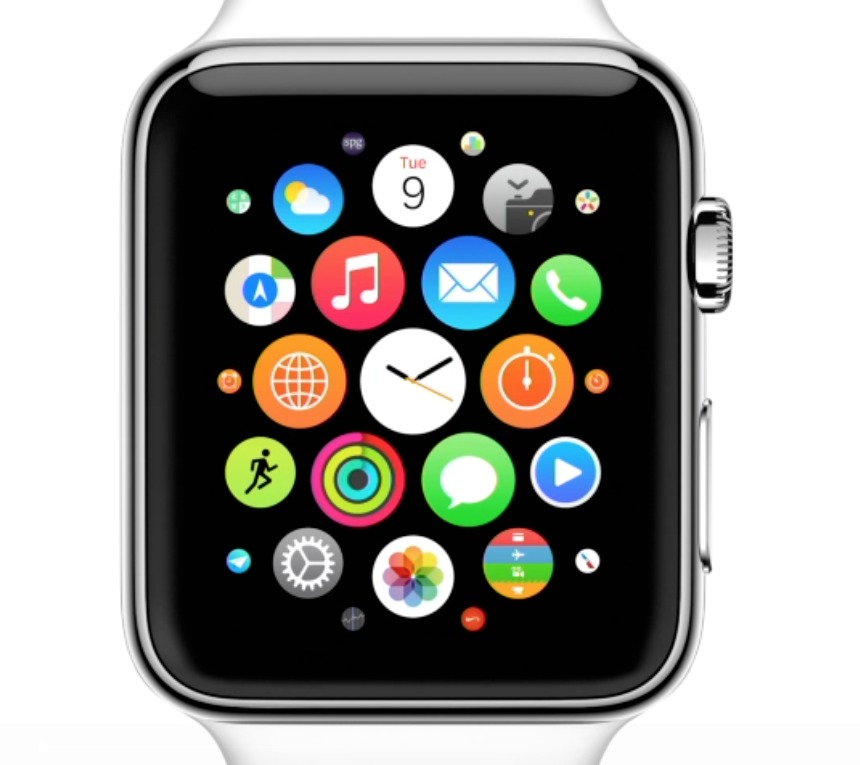
This week the Wall Street Journal reported Apple’s announcement about its highly anticipated watch not featuring planned health monitoring features.  It is unclear if the glucose tracker ApplySci detailed this month will still be included.

Apple Watch was envisioned as a device  full of sensors that could measure heart rate, stress levels, blood pressure and more.  After testing, many of these sensors performed erratically.  The skin conductivity feature did not work on dry skin or hairy arms, and results varied depending on how tight the watch was worn on the wrist.

This is, actually, great news.  There are many “health” monitors on the market, making claims of accuracy that may or may not be substantiated.  Crowdfunding sites are filled with toys and gadgets that promise the world, and occasionally deliver.  May Apple’s decision not to release its health monitoring features prematurely lead to a world of reliable wearables that can improve or save lives.

Wearable Tech + Digital Health NYC 2015 – June 30 @ New York Academy of Sciences
Categories
BCI Brain Conference

Implant could direct images to visual cortex, restore sight

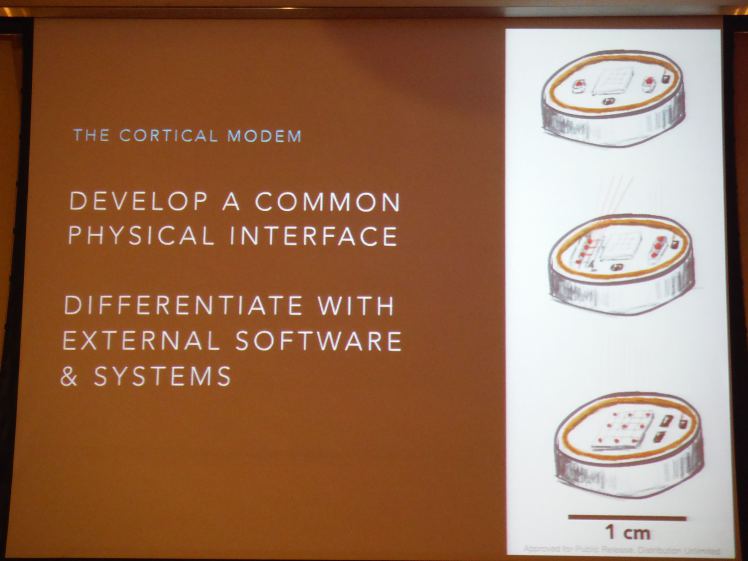
DARPA is in the early stages of developing a “cortical modem” which would enable a simple visual display via a direct interface to the visual cortex.  Its projected cost is 10 US Dollars.

The project lead is Dr Phillip Alvelda.  It was built on Karl Deisseroth‘s optogenetics research — studying and controlling specified cells within living tissue by shining light on them.

While exciting, the realization of the technology is far off, having only been tested on animals.

Wearable Tech + Digital Health NYC 2015 – June 30 @ New York Academy of Sciences