Categories
Brain

Tooth stem cells become brain-like cells; potential stroke treatment

University of Adelaide researchers have grown brain-resembling cells from stem cells taken from teeth, potentially impacting stroke therapies.

According to Kylie Ellis, lead author of the study, “What we developed wasn’t identical to normal neurons, but the new cells shared very similar properties to neurons. They also formed complex networks and communicated through simple electrical activity, like you might see between cells in the developing brain.”

The stem cells expressed neuronal cytoplasmic proteins, neurotransmitter-specific markers, and functional voltage-gated L-type Ca2+ channels, but not spontaneous action potentials.
Categories
Robotics Seniors Sensors

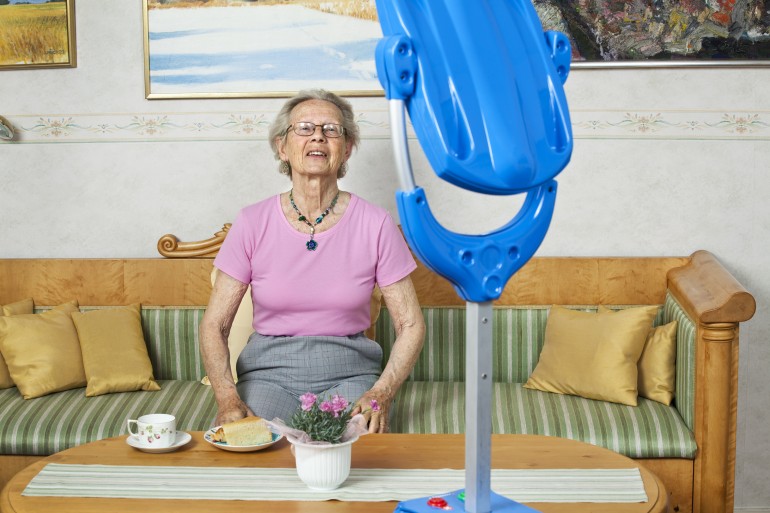
Robot and sensor system for seniors

GiraffPlus is an integrated sensor and robot system aimed at keeping seniors healthy and independent in their own homes.  It is being developed by a consortium of European universities.

The robot uses a Skype-like interface to allow caregivers to virtually visit seniors.

Sensors on the ceiling, doors, and under the mattress help the system understand where the person is inside the house, whether he/she has fallen, and how much time is spent sleeping.  Glucometers, blood pressure cuffs, and other medical devices can interface with GiraffPlus for seamless data relay to a doctor. The physician can then communicate with the patient through the robot.

Caregivers of seniors already employ many of these tools.  This comprehensive system makes the process much more efficient, personalized, and perhaps effective.

Categories
BCI Brain Prosthetics

“Brain modeled” chip with prosthetic potential

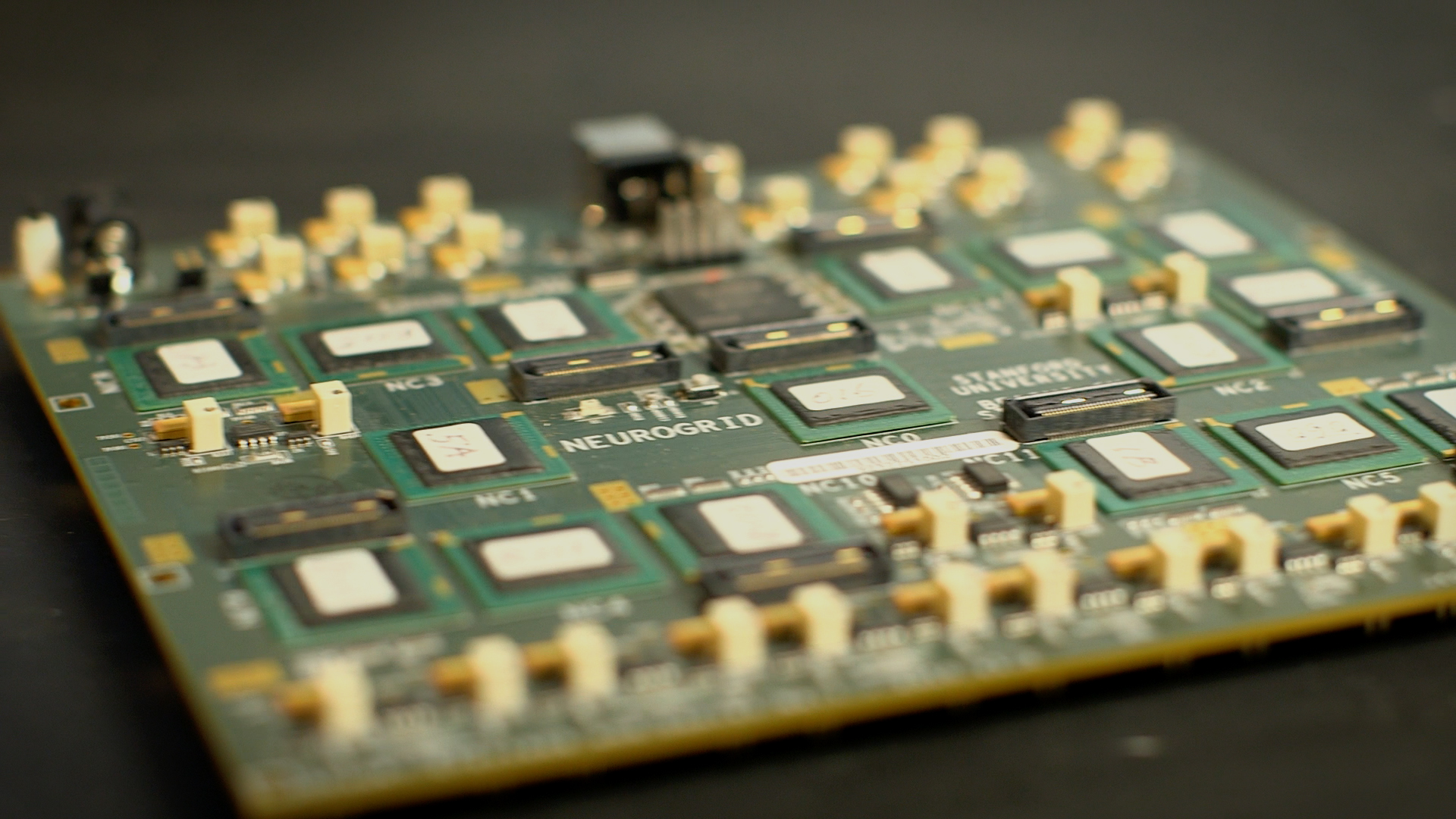
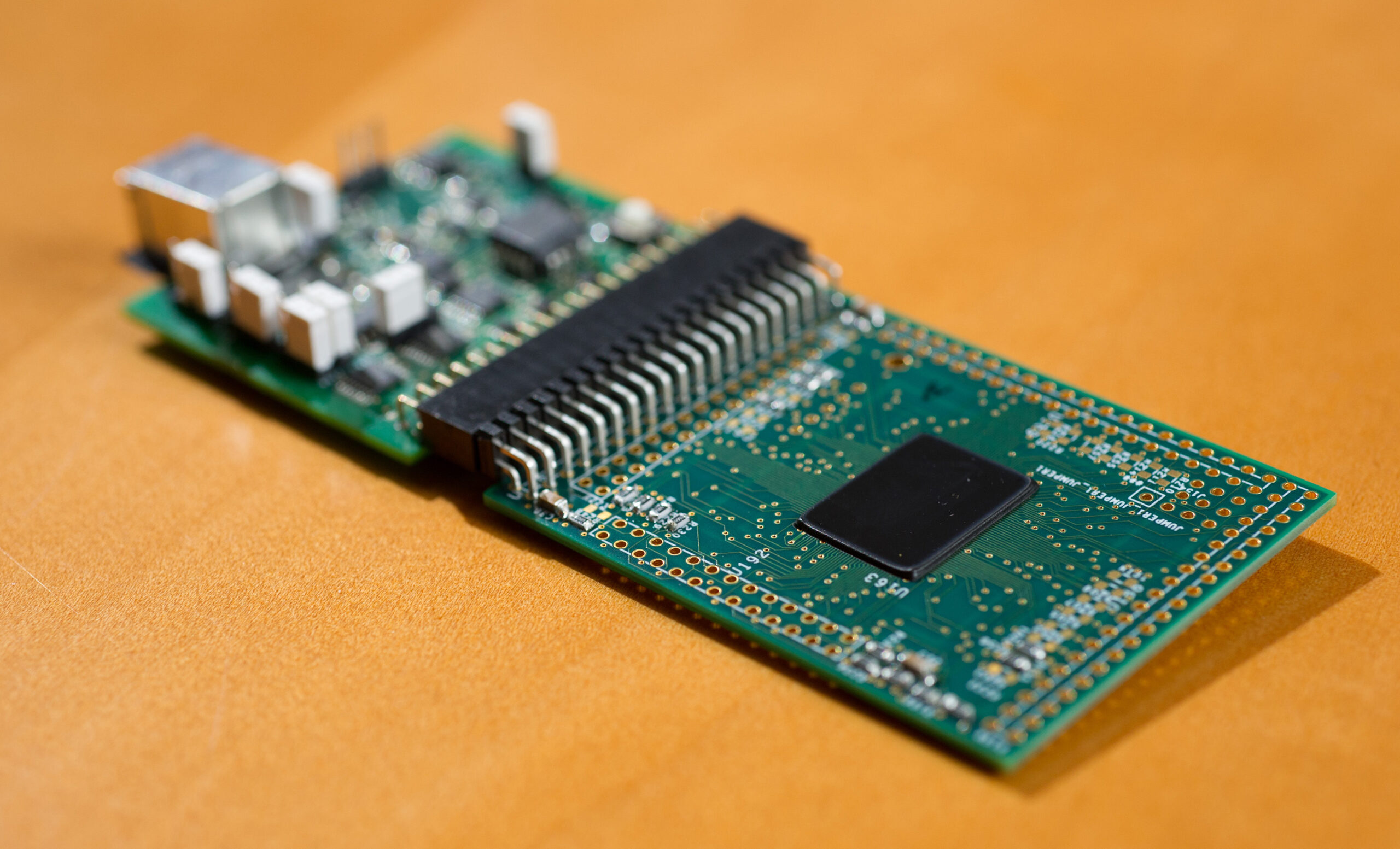
Neurogrid is a “human brain based” microchip that is 9,000 times faster than and requires 1/40,000 the power of a typical pc.  It is being developed by Professor Kwabena Boahen at Stanford University.

The circuit board consists of 16 custom-designed “Neurocore” chips which can simulate 1 million neurons and billions of synaptic connections. Certain synapses were enabled to share hardware circuits, saving power.

Its speed and low power character could impact the development of prosthetic limbs that are controlled by a similar chip and not tethered to a power source.  Such a limb could have “the speed and complexity of our own actions” according to Professor Boahen.

Categories
Brain Sensors

Game controller measures heart rate, respiration, temperature, perspiration

Stanford Professor Gregory Kovacs and researcher Corey McCall claim that they are able to “read the brain” by measuring heart rate, respiration rate, temperature, perspiration and other body processes.  Their goal is to sense emotions.

The back of an Xbox 360 controller was replaced with a 3-D printed plastic module packed with sensors. Small metal pads on the controller’s surface measure the user’s heart rate, blood flow, and both the rate of breath and how deeply the user is breathing. Another light-operated sensor gives a second heart rate measurement, and accelerometers measure how frantically the person is shaking the controller.

Software gauges the intensity of the game.  The researchers then compared this data to generate an overall picture of the player’s level of mental engagement.

While such non-invasive measurements of health are important, and can be effective for the gaming applications of Stanford’s focus, the only way to view brainwaves is through EEG.   Scientists are developing less obtrusive EEG methods, with promising results aimed at diagnosing and treating brain diseases.

Categories
Children fitness Monitoring Wearables

Gamified wearable activity monitor for kids

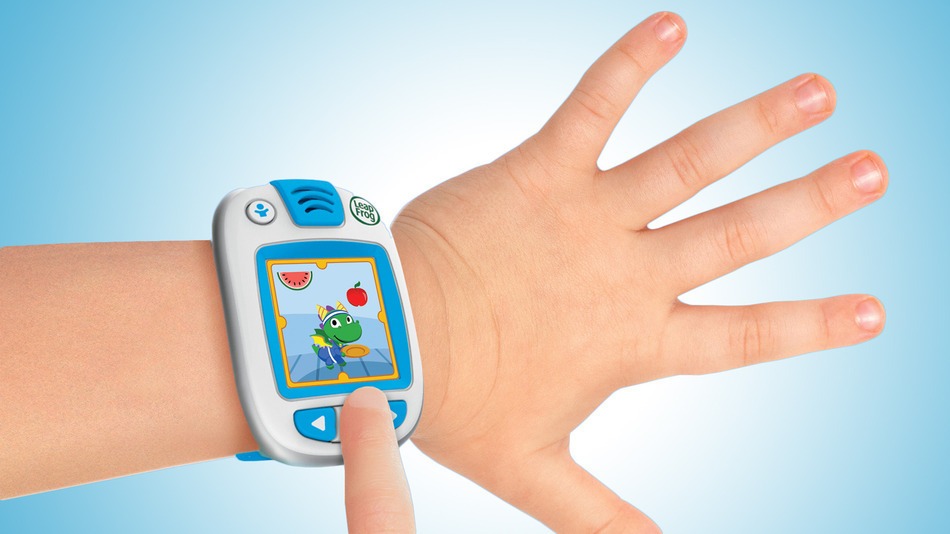
LeapFrog has embraced the wearables trend with a gamified fitness band for children aged 4-7.

The Leapband screen displays a personalized virtual pet  which guides a child through a series of activity challenges and games. The more active they are, the more points they win, and the more games they are able to unlock of the 50 offered.  Parents can monitor daily activity,  exporting the information via a companion app.

Categories
Crowdfunding Sensors

Crowdfunded handheld molecular sensor

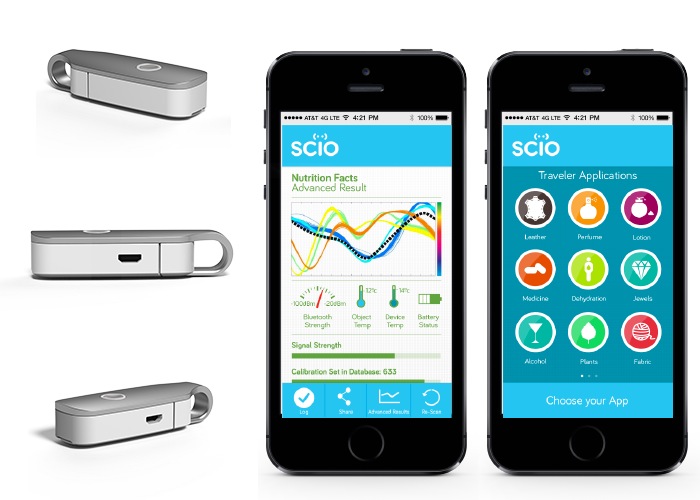
SCiO is miniature spectrometer that sends chemical make-up information about food, medicine and plants to one’s smartphone.  It is being crowdfunded on Kickstarter.

The device shines near-infrared light on a sample, exciting the molecules and making them vibrate.  Each object has its own optical signature.  The spectrometer determines what an object is, based on the infrared light that reflects back to the scanner. The app takes the data and compares it to a cloud-based database of objects.  It sends a match to the user’s smartphone.

The food app shows calories, fats, carbohydrates, and proteins.  It can gauge produce quality, ripeness, and spoilage in cheeses, fruits, vegetables, sauces, salad dressings, and cooking oils.  Fitness apps can show how many calories one is burning.

Categories
Ears Wearables

iPhone controlled hearing aids

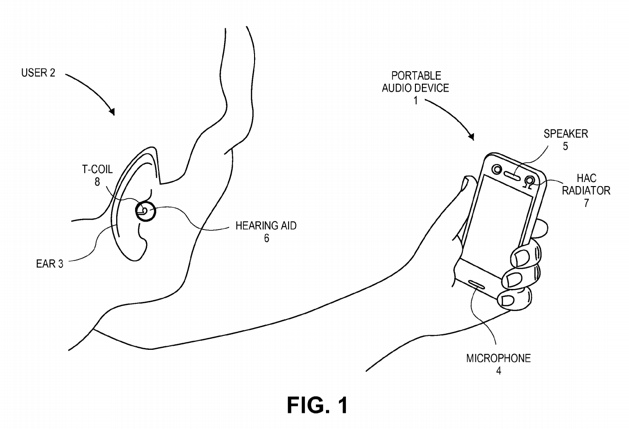
ReSound LiNX,  Beltone First and the Starkey Halo are hearing aids that work directly with iPhones.  Audio is sent to the device as it would a Bluetooth earpiece.  It can also act as a remote control.

One’s phone can be a hearing aid’s microphone,  record information about when and where it is adjusted, and track how often it’s used.  An audiologist can use this information to manage the device’s settings.  Lost hearing aids can be located via GPS.

Categories
Eyes Ultrasound

Ultrasound improves virtual “touch”

Ultrahaptics uses ultrasound waves to make one feel as if he/she is  touching virtual objects and surfaces with bare hands.

It’s creator, a University of Bristol graduate student, claims that it improves upon touch-free interfaces such as Kinect and Leap Motion by reflecting air pressure waves off the hand to create different sensations for each fingertip.

Applications could include interacting with moving objects in virtual reality games, or improving navigation for the visually impaired by projecting the sensation of Braille letters onto fingers in midair.

Categories
Eyes

Adaptive optics detect diabetes eye damage early

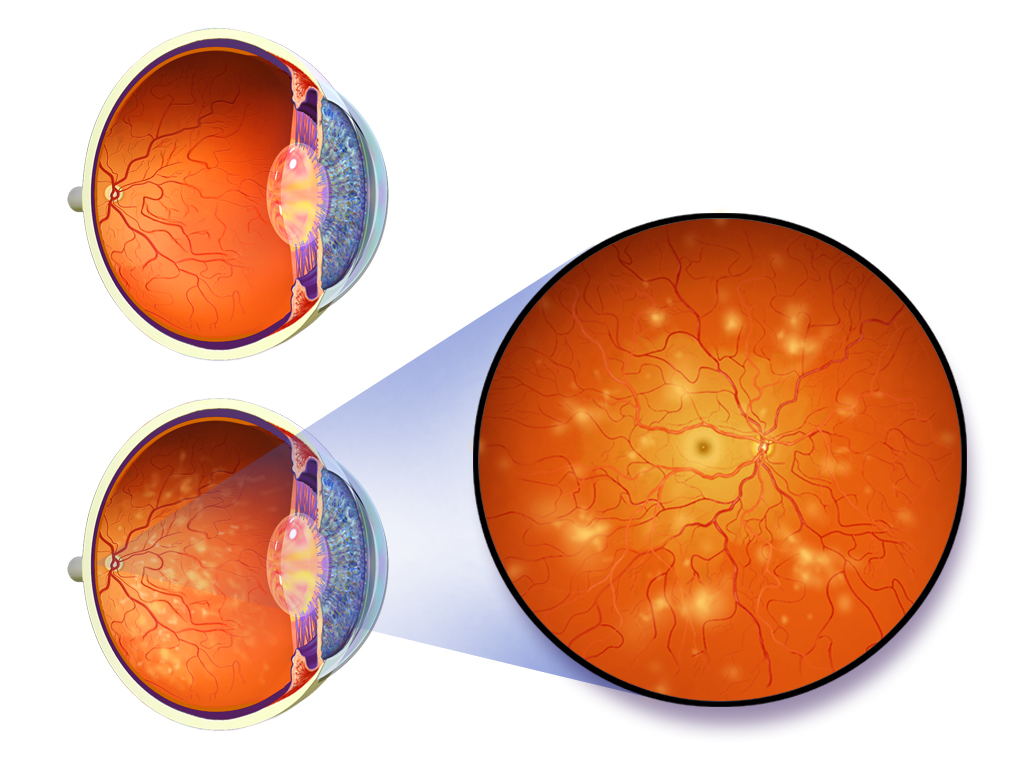
Indiana University professors Ann Elsner and Stephen Burns have developed an optic imaging method to detect the earliest stages of diabetic retinopathy.

The device uses small mirrors to reflect light into the eye to overcome optical imperfections.  It detected damage spread widely across the retina in early disease states, including changes to blood vessels not thought to occur until the disease advances.  Researchers were able to observe a magnified version of eye capillaries in in video format, enabling them to watch blood cells moving through blood vessels. 

Categories
Brain Ears Parkinson's

Cochlear implant pulses deliver DNA for gene therapy

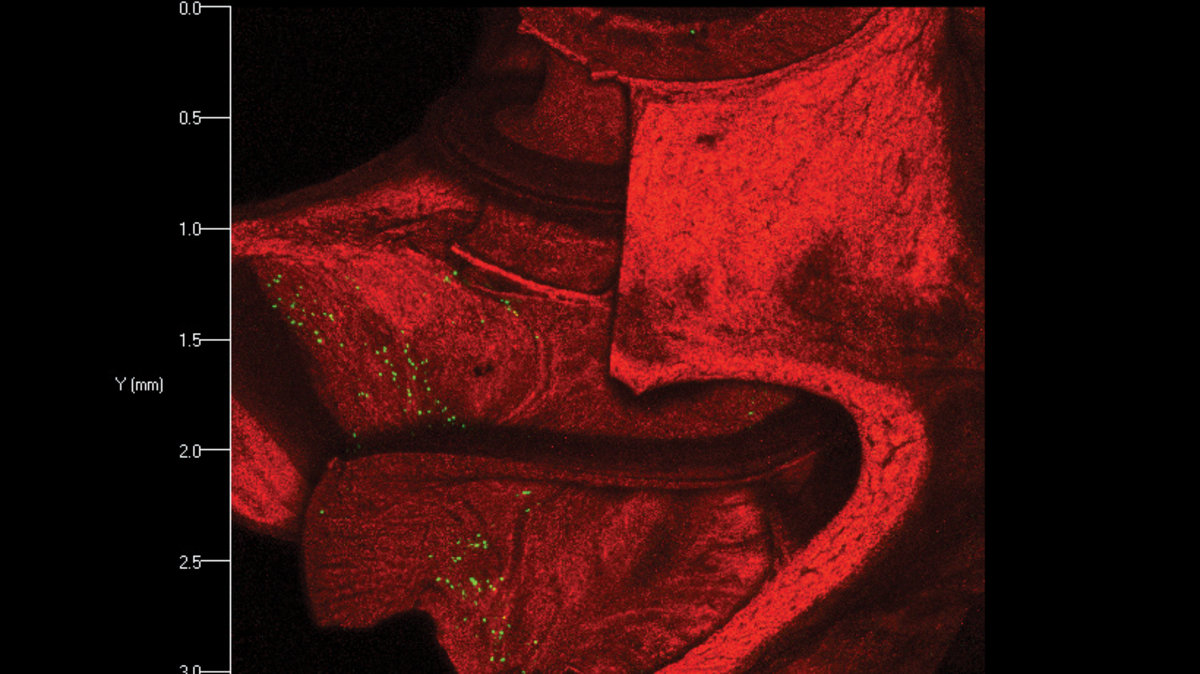
UNSW Professor Gary Housley used electrical pulses from a cochlear implant to deliver gene therapy, successfully regrowing auditory nerves.  Until now, the “bionic ear” has been largely constrained by the neural interface.

In the study, Professor Housley and colleagues used the cochlear implant electrode array for novel “close-field” electroporation to transduce mesenchymal cells lining the cochlear perilymphatic canals with a naked complementary DNA gene construct driving expression of brain-derived neurotrophic factor and a green fluorescent protein reporter. The focusing of electric fields by particular cochlear implant electrode configurations led to surprisingly efficient gene delivery to adjacent mesenchymal cells. The resulting BDNF expression stimulated regeneration of spiral ganglion neurites, which had atrophied 2 weeks after ototoxic treatment, in a bilateral sensorineural deafness model..

Integration of this technology into other “bionic” devices, such as electrode arrays used in deep brain stimulation, could create opportunities for safe, directed gene therapy of complex neurological disorders.

Categories
Brain

Transparent neuron imaging clarifies connections

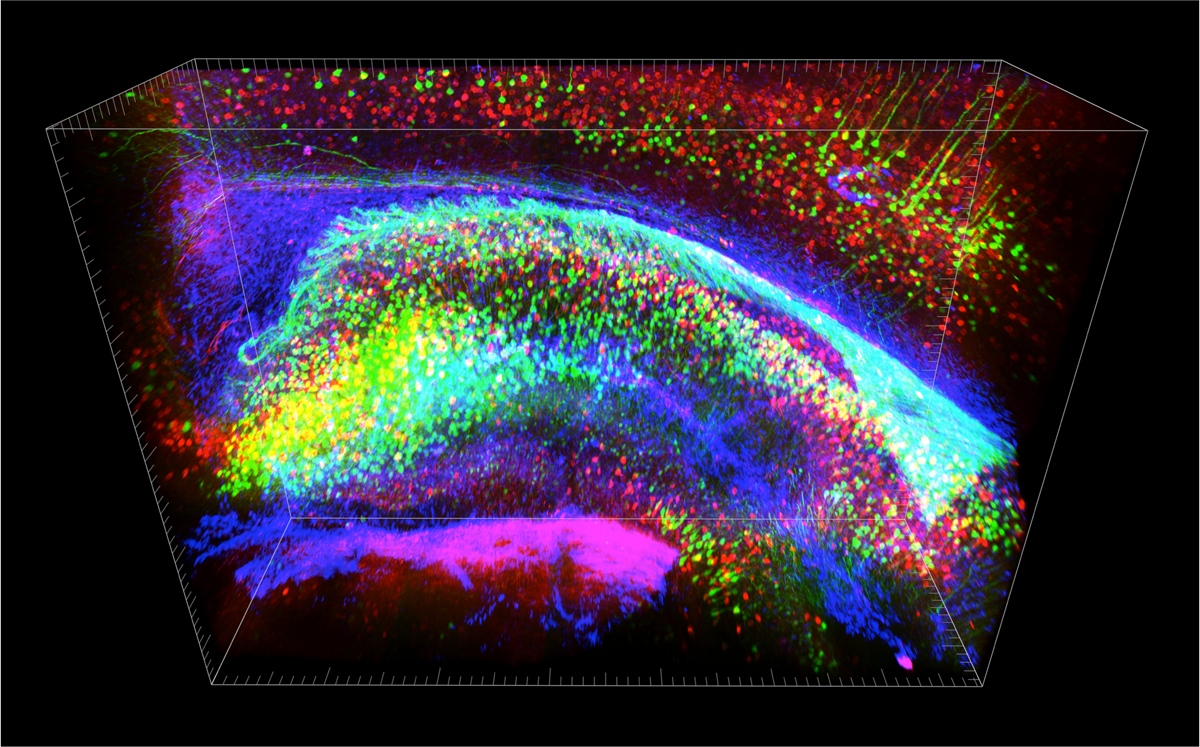
MIT‘s Kwanghun Chung and Stanford‘s Karl Deisseroth‘s CLARITY allows researchers to see directly into optically transparent whole brains or thick blocks of mouse brain tissue.

 Such studies in living people are impossible, because most neuron-tracing methods require genetic engineering or injection of dye in living animals.

The hope is that this will one day lead to a way to help people with severe mental illness or brain diseases.

Applying CLARITY to whole mouse brains, the researchers viewed fluorescently labeled neurons in areas ranging from outer layers of the cortex to deep structures such as the thalamus. They also traced individual nerve fibers through 0.5-millimetre-thick slabs of formalin-preserved autopsied human brain — orders of magnitude thicker than slices currently imaged.

Categories
Brain

Analog path to neuromorphic computing

In her roadmap, Georgia Tech professor Jennifer Hasler emphasizes analog processing’s key role in neuromorphic systems, specifically field programmable analog arrays.  She claims Georgia Tech’s FGAAs “award the programmability and capability of the Anadigm components” by housing “hundreds of thousands of programmable parameters, enabling them to be used for system level computing, not just analog glue logic.“

Hasler believes the path to desktop neuromorphic systems will require analog system-on-chip approaches to achieve the low power devices necessary to emulate billions of brain-like neurons connected by trillions of learning synapses.  She predicts that desktop neuromorphic systems that rival the compactness of the human brain will require a 100 million times reduction in power over the digital supercomputers simulating them today.