Categories
fitness Sensors

Crowdfunded insole monitors fitness

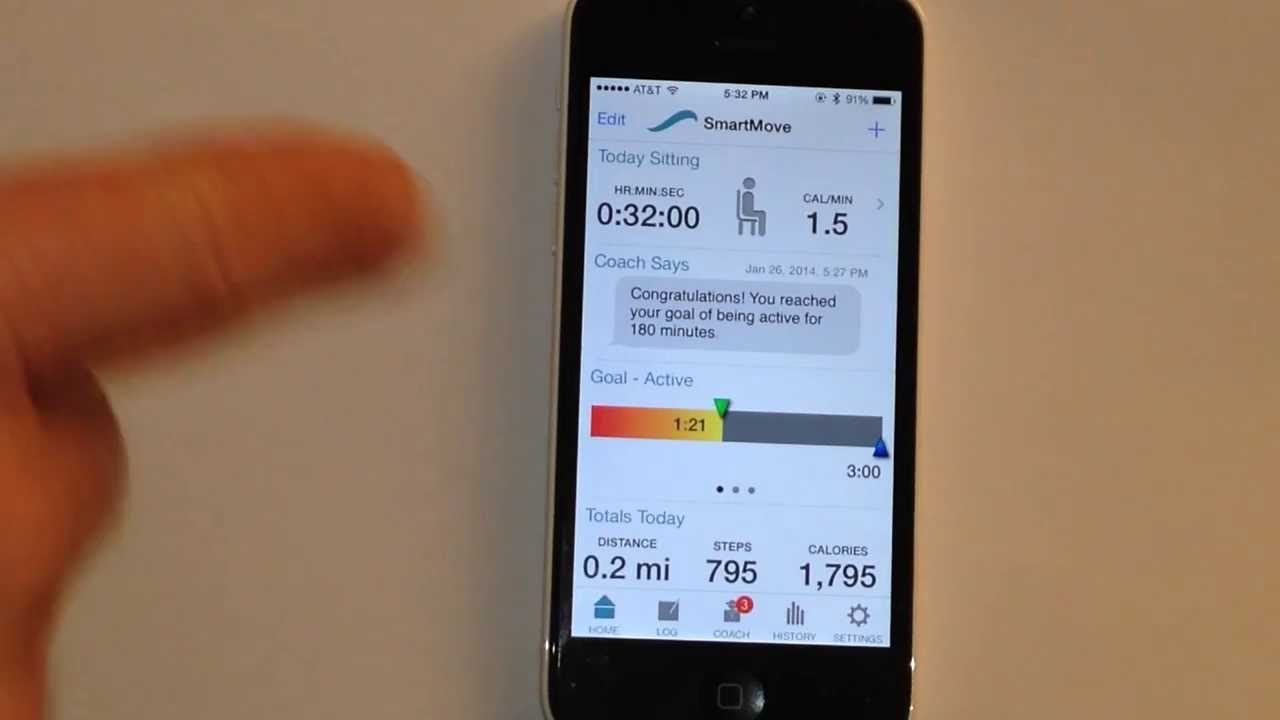
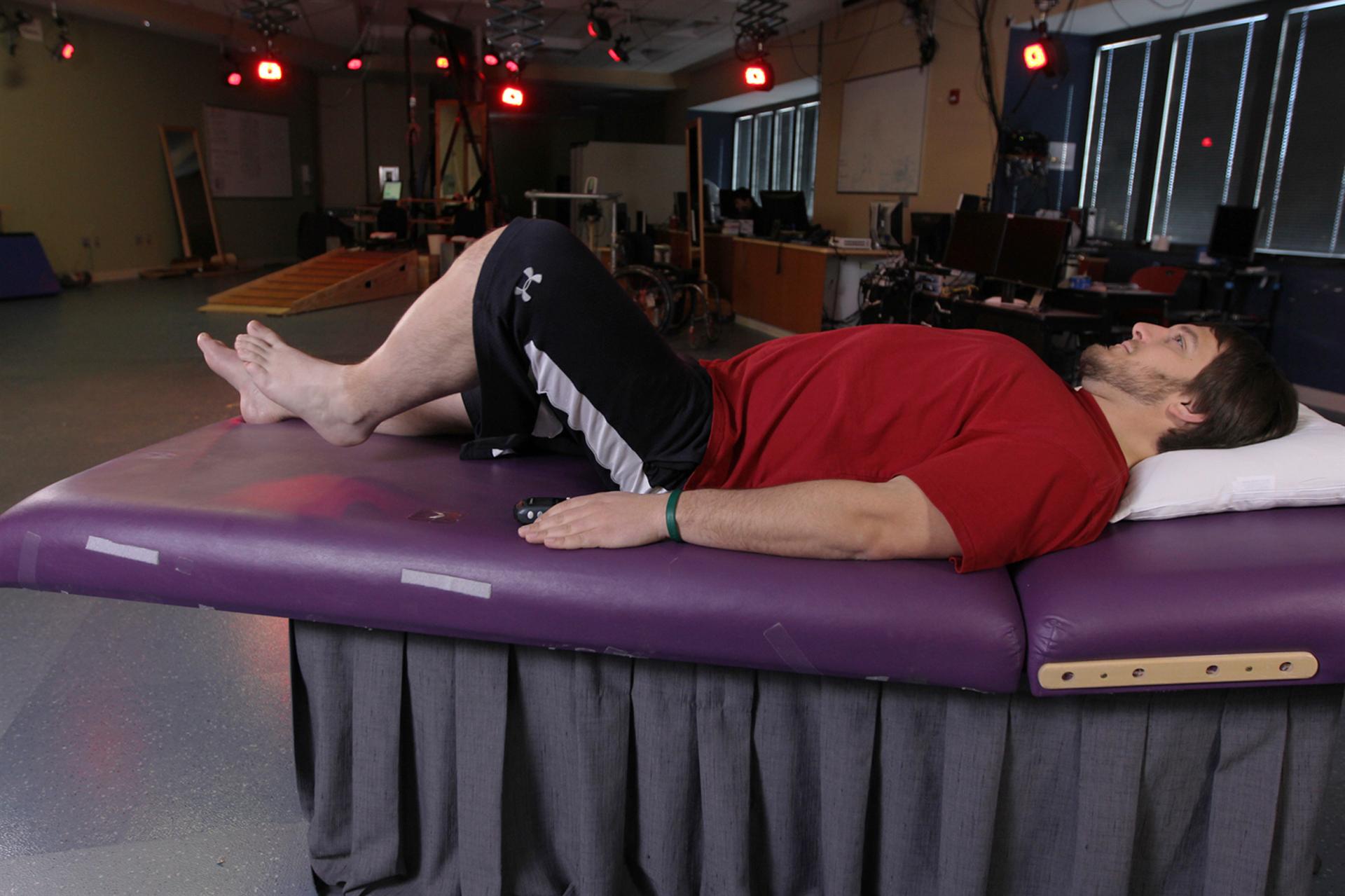
SmartMove is an insole that tracks sitting time, standing, walking, running, and cycling.  It is based research that analyzed the gait of stroke patients at University of Colorado Denver, Colorado State University, and Clarkson University.  Sensors track one’s movement and wirelessly send activity and calorie burn information to a smartphone.   The accompanying app provides real-time feedback and personalized coaching throughout the day to help users adopt healthy activity habits.  The product is being crowdfunded on Kickstarter.

Categories
Eyes Sensors

Sensors in phones, canes, assist blind with mobility

Sensor based products can assist the visually impaired with mobility, and continue to be released in various forms and at different price points.

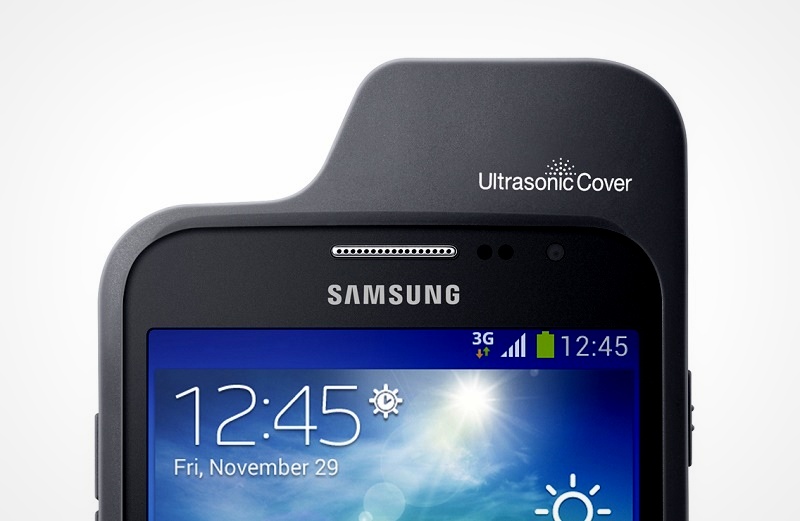
Samsung’s ultrasonic cover for the Galaxy smartphone sends alerts through a vibration or TTS feedback.  The user holds the cover in front of him/herself, and it senses the presence of a person or object up to 2 meters away.

Indian Institute of Technology researchers have created an affordable, ultrasonic SmartCane.  The device detects objects in its path, up to 3 meters away, and generates vibrations that differ according to the distance of the object.

Companies such as I-Cane have added navigation systems to sensor based walking aids.

Categories
BCI Brain

Epidural stimulation enables paraplegic voluntary movement

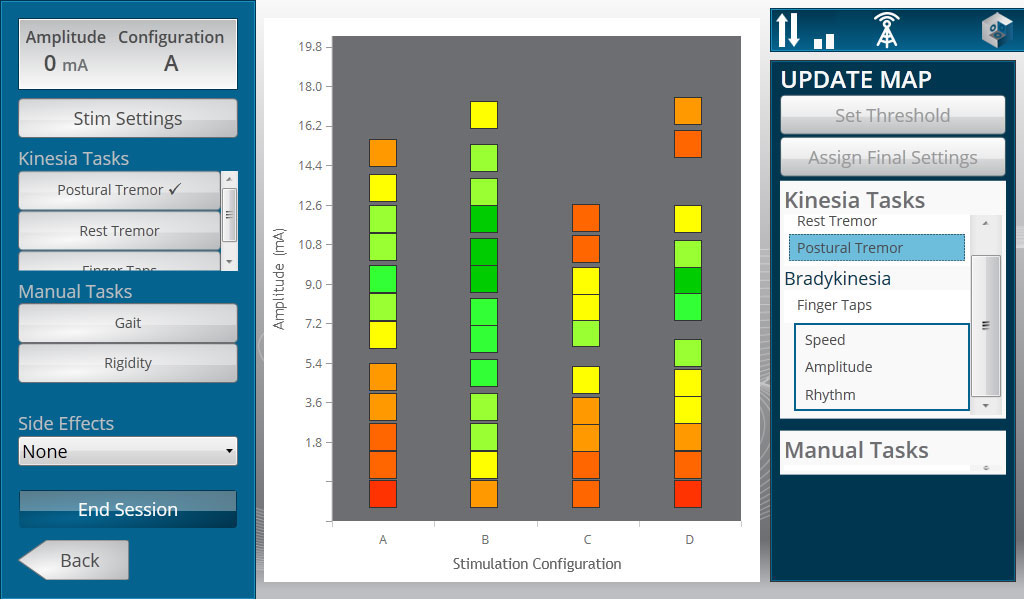
University of Louisville researcher Claudia Angeli‘s  recent paper details the process of electrical stimulation of the spinal cord enabling paralyzed patients to intentionally move their knees, ankles, and toes.

The stimulation therapy involves implanting a 16-electrode array in the epidural space next to the outermost protective layer of the spinal cord. The array is connected to a pulse generator resembling a pacemaker that’s implanted nearby. The pulse generator is controlled wirelessly by a programming device outside the body.

The array delivers electrical pulses to the spinal cord below the site of the injury, awakening the connections of that circuitry and getting it to function again. With the stimulation turned on, the four paralyzed men in the study were able to make voluntary leg, ankle, and toe movements on command.

Categories
Brain

Neurofeedback app for Google Glass

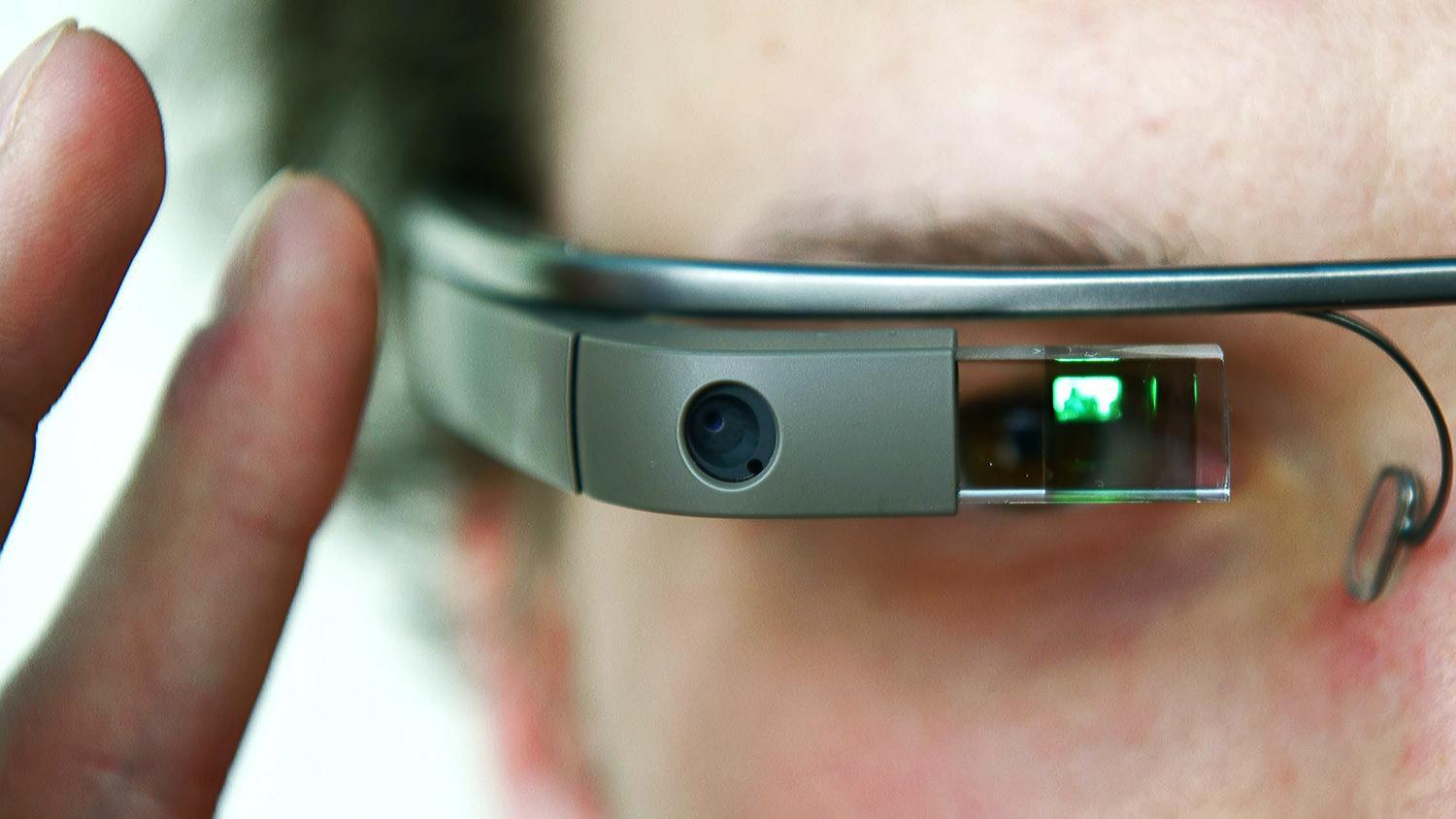
Personal Neuro, creators of a guided meditation app, are testing Introspect: the PND Wearable.  It is a head-mounted, voice-activated neuroimaging app designed to work with Google Glass.  We anticipate similar Glass apps in the near future, and are encouraged by its potential.

The developers claim that Introspect can be applied in the following ways:

  • Passively monitor brain activity throughout the day and provide this intelligence to a physician to assist with diagnosis and treatment of conditions such as depression.
  • Hyper-targeted content delivery in the blink of an eye, screened to match your specific tastes and interests with mood-sensing algorithms.
  • Immediate response to elevated stress levels, with visual prompts to take a break and use Transcend, PND’s neuro-feedback meditation app to relax.
  • Actively and remotely monitor the brain health of mission-critical, emergency response, transportation and front-line personnel in the field.
  • Facilitate adherence to long-term medication therapies by providing patients with feedback on the re-emergence of subtle neuropsychological symptoms.
  • Remotely and regularly monitor changes in the neuropsychological symptoms of participants in phase ll and lll drug trials.
  • Enable easy and mobile neuro-feedback exercises for faster return-to-play and return-to-school after brain injuries, as well as maintenance of healthy brain function for older adults.
Categories
Autism Brain

Brain blueprint links autism to early brain development

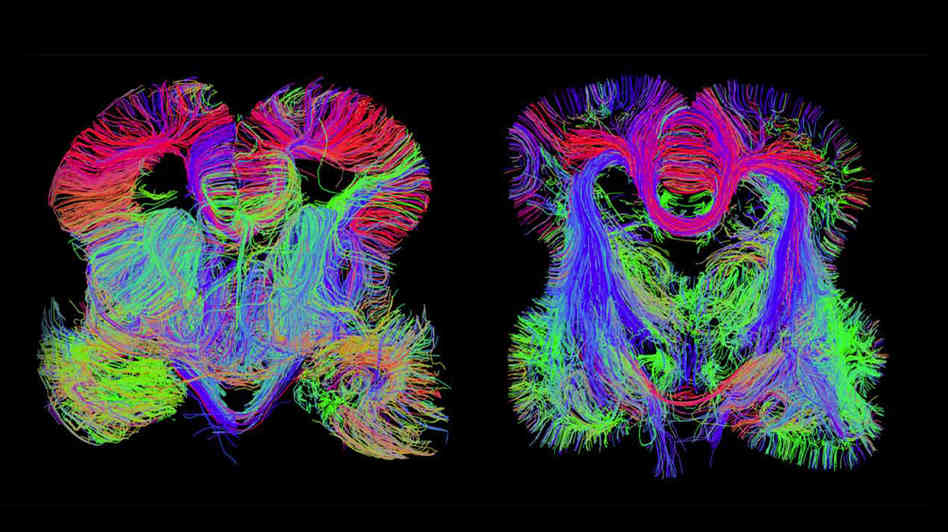
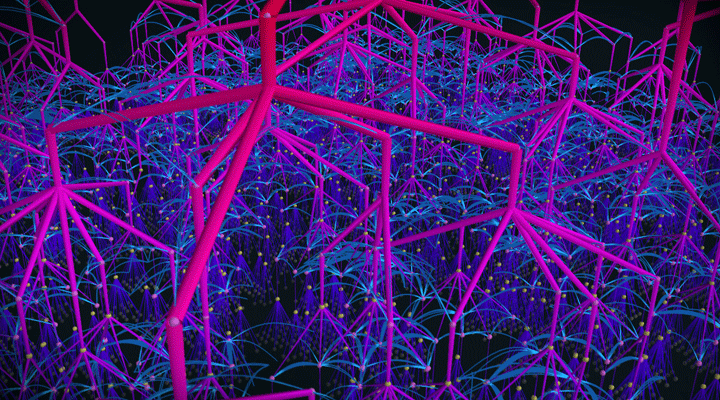
As part of their BrainSpan project, the Allen Institute for Brain Science has published a paper in Nature detailing a high-resolution blueprint for how to build a human brain, with a map of where different genes are turned on and off during mid-pregnancy at unprecedented anatomical resolution.  The data provides insight into diseases like autism that are linked to early brain development.

Categories
Brain

Flight simulation system prepares brain surgeons

Surgical Theater is a surgery rehearsal program which allows physicians to prepare for and practice complicated brain surgery.  Its co-founders previously developed flight simulation systems for the Israeli Air Force, and are using similar technology.

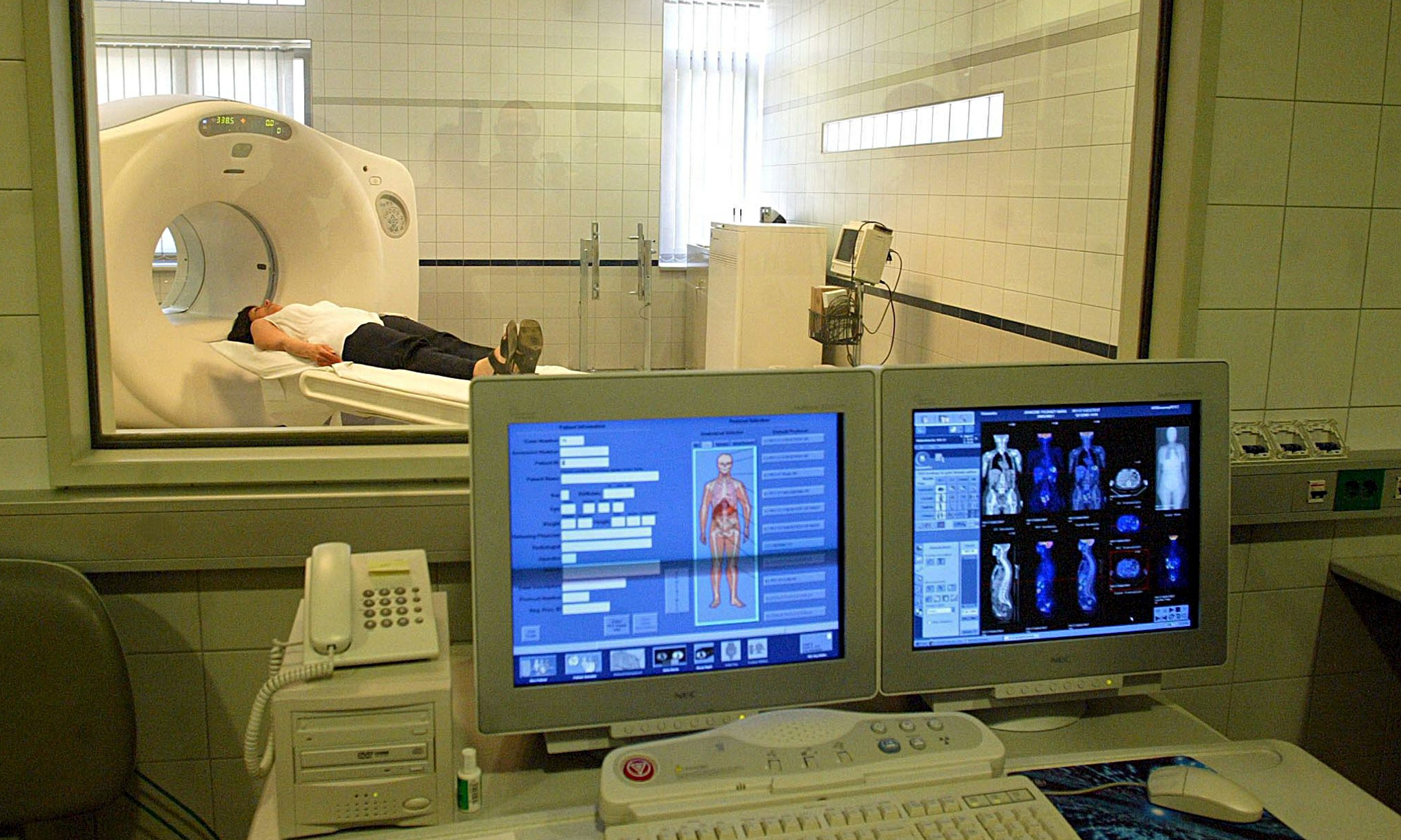
MRI and CT scans create 3D models of patients’ brains, which are explored on a computer screen.  Using two joysticks that act as surgical tools, practicing surgeons can go through the motions of the operations they will perform.

The system is designed to respond realistically to the surgeon’s instruments and inputs.  For example, if he or she pushes on a blood vessel, it will move in a highly realistic way on screen.  Users can input virtual clips or medical devices to see how they interact with brain tissues.  Like flight simulators, Surgical Theater can permit the remote connection of multiple platforms, so participants can collaborate on procedures, irrespective of their location.

Categories
mHealth Monitoring Sensors

Patch monitors muscle activity, dispenses medicine

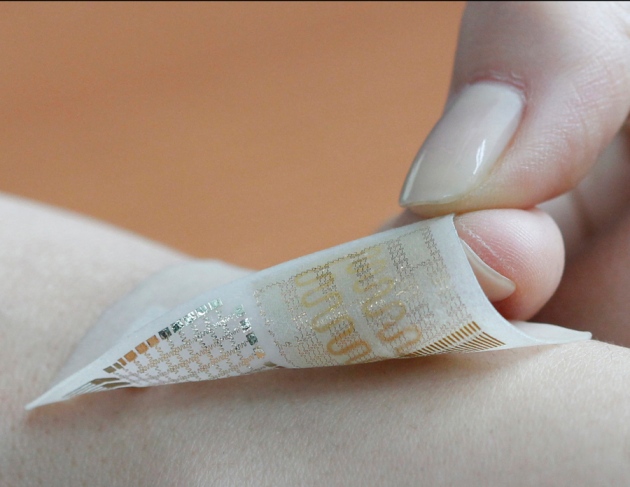
Kim Dae-Hyeong and colleagues at Seoul National University have created a dermal patch that measures and records muscle activity, dispenses medicine continuously, and stops drug delivery when appropriate.  The study was published in Nature Nanotechnology today.

The system is ideal for Parkinson’s patients, as tremors that accompany the movement disorder are not constant.  The patch senses tremors early and immediately releases a small amount of the drug it contains.

Silicon nano membranes were used in the motion sensors, gold nanoparticles in the non-volatile memory and silica nanoparticles loaded with drugs in a thermal actuator. All were integrated in a patch capable of resisting stretch and bend forces, suitable for skin.  Wireless components will be incorporated in the future to make the device fully mobile.

Categories
BCI Prosthetics

BCI and robotic prosthetic paralympic competition

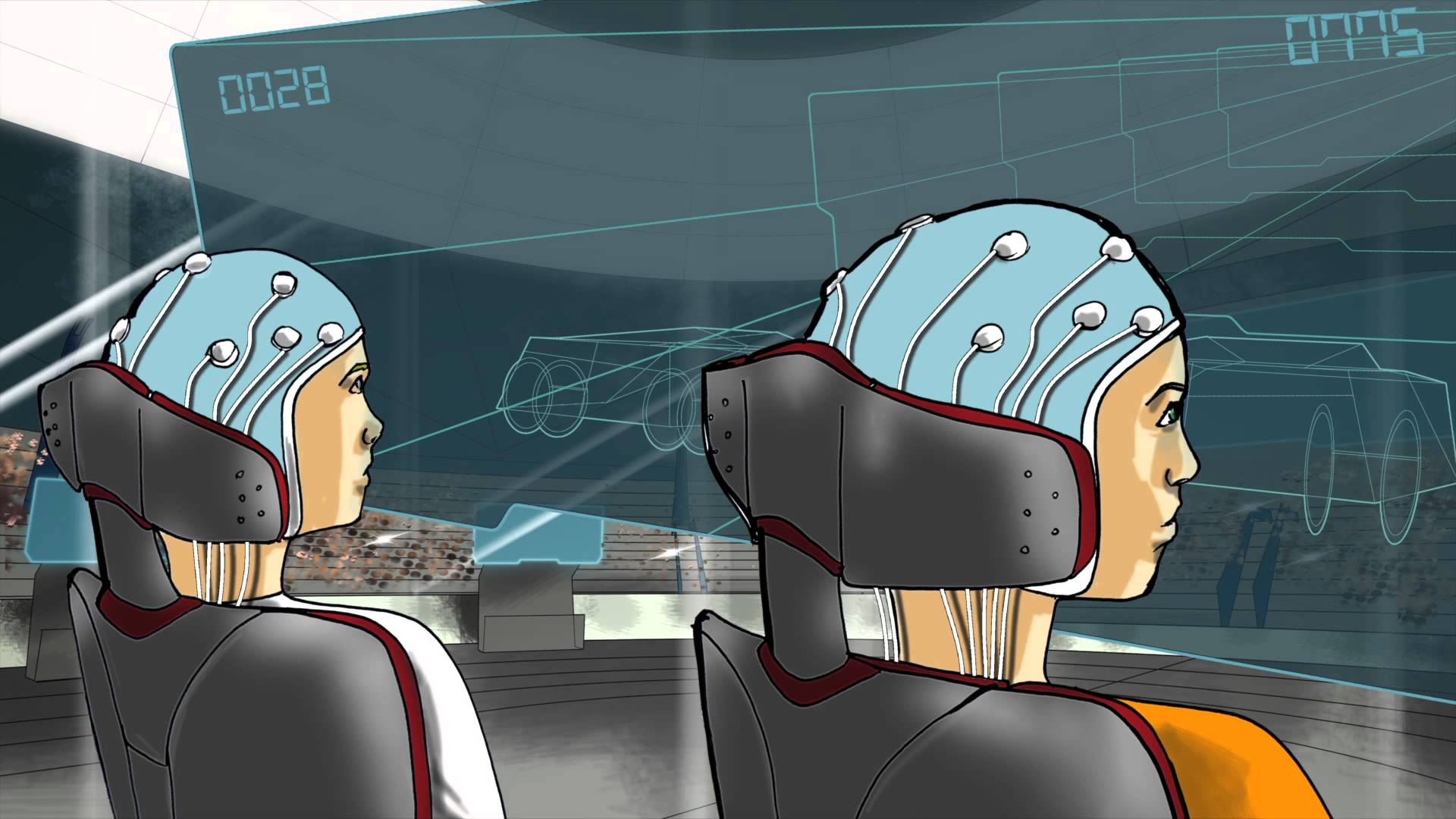
Switzerland will host the world’s first Cybathlon, an Olympic-style competition for parathletes using robotic assistive devices and brain computer interfaces.

It will include six events: a bike race, leg race, wheelchair race, exoskeleton race, arm prosthetic race (including electrical muscle stimulation), and a Brain Computer Interface race for competitors with full paralysis.

Unlike the Olympics, where athletes can use prosthetics to make themselves only as good as able-bodied athletes, Cybathlon competitors are encouraged to use the best technology. Prizes will be awarded both to the athlete and to the company that created the prosthetic, device or software.  The assistive devices can include commercially available products provided by companies and prototypes developed by research labs.

Categories
AI Brain

Brain based machine learning software

Vicarious FPC claims to be “building software that thinks and learns like a human.”  Their goal is to replicate the neocortex, the part of the brain that sees, controls the body, understands language and does math.

Its first project is a visual perception system that interprets contents of photographs and videos.  The next milestone is to create a computer that can understand the textures associated with shapes and objects.

Co-founder Scott Phoenix hopes that Vicarious’s computers will learn to how to cure diseases, create cheap, renewable energy, and perform the jobs that employ most human beings.    While these goals are ambitious and long-term, the recent backing of Elon Musk, Mark Zuckerberg and Ashton Kutcher will, hopefully, help the company benefit humanity through artificial intelligence.

Categories
Babies Monitoring Sensors

Smart pacifier monitors baby’s health and location

BlueMaestro’s Pacifi monitors a baby’s temperature and transmits the data to a parent’s phone or tablet.  Its app plots the data in a graph.  Parents can record when medication was administered, set-up alerts, and share the information with nannies and doctors.

Pacifi features a built in proximity sensor that allows parents to monitor the pacifier’s location and be alerted if their toddler wanders off.  Parents can set the distance, to a range of 150 feet, for the alarm to be triggered.

Categories
Crowdfunding Seniors Sensors

Sensor shoe detects balance, attempts to improve gait

B-Shoe  utilizes sensors and an embedded motion device to detect when a wearer loses balance. Using algorithms and a microprocessor, the motion device gently rolls the shoe backward until the person regains balance. The sensors ensure that the corrective action is taken only when needed.  The projected was crowdfunded on Indiegogo.

It is based on the bio-mechanics of the human body, its center of gravity and base of support, a study of balance maintenance and disorders, and the backward step which healthy and younger people take to regain balance.  Older people often do not take this step because of slowed reflexes.

As seniors fall on average once per year, we anticipate the many sensor based wearable technologies to provide balance monitoring and alerts, and attempt to improve gait.

Categories
AI

Facebook’s DeepFace achieves near human-level face verification

Following its acquisition of Tel Aviv University Professor Lior Wolf‘s face.com, Facebook is developing DeepFace, with near-human level face recognition capabilities.

The technology processes images of faces in two steps. First it corrects the angle of a face so that the person in the picture faces forward, using a 3-D model of an “average” forward-looking face. Then a simulated neural network determines a numerical description of the reoriented face. If DeepFace comes up with similar enough descriptions from two different images, it decides they must show the same face.