Categories
BCI Brain EEG

Brainflight project for BCI enabled flying

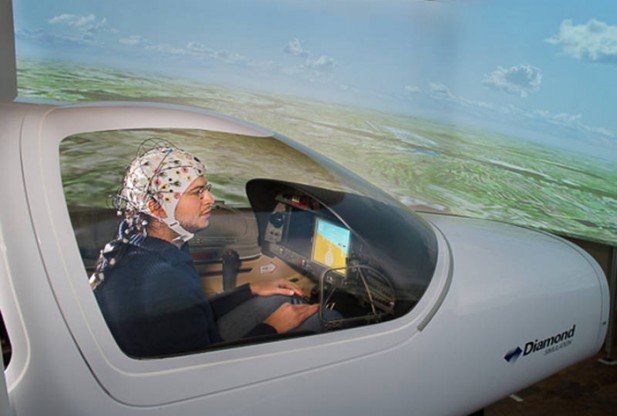
Professor Florian Holzapfel and colleagues at the Institute of Flight System Dynamics of the Technische Universität München have demonstrated the feasibility of flying via brain control.

Brainwaves of the pilots are measured with EEG electrodes connected to a cap.  An algorithm developed by Team PhyPa at the Berlin Institute of Technology deciphers electrical potentials and converts them into control commands.  Only very clearly defined electrical brain impulses required for  are recognized by the brain-computer interface.

Called Brainflight, the EU-funded project aims to prove that brain-controlled flight is possible and that pilots with little or no experience can use a BCI to fly.  Some of the pilots were able to land the plane, in a simulator, under conditions of poor visibility using their thoughts.
Categories
Monitoring Sensors Wearables

Sensor “band-aid” assesses physical and cognitive performance

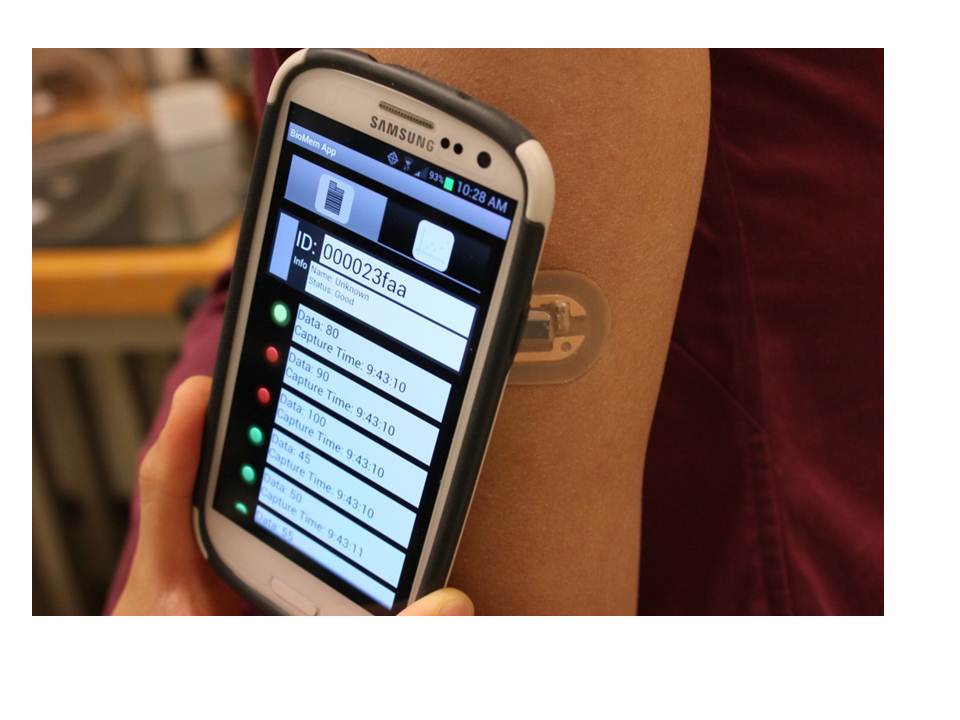
Airmen at the Wright-Patterson Air Force Base are testing bandage-like sensors that analyze sweat to assess physical and cognitive performance.  This is based on a study by Dr. Josh Hagen of the Air Force Research Lab.  The sensors notify users when stress, dehydration, and other health issues are detected.

“Our vision is that every Airman at the beginning of their week, will be able to put on an electronic band aid that will quantify everything about them,” said Hagen. “It would measure the typical things a doctor would measure in a checkup.”

Some  Air Force Marathoners wore the sensor patch while running this year.  While typical performance monitoring is done by measuring heart rate, skin temperature and blood pressure, biological chemical/molecular data is obtained from fluids.  These include blood, urine, saliva and – in the case of the biosensor patch – sweat.

Categories
Heart Monitoring Sensors

Arrhythmia monitoring patch

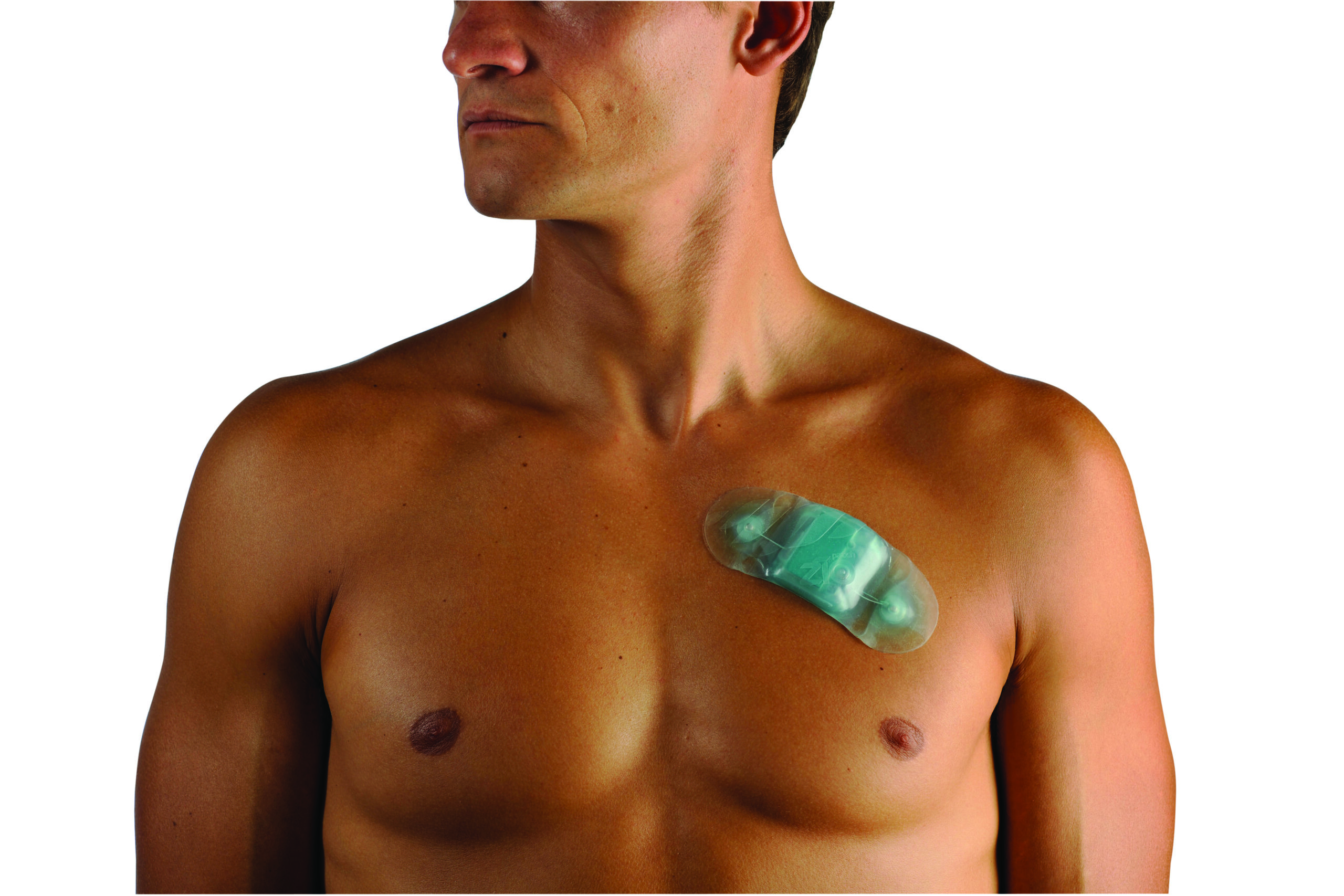
The iRythm Zio patch is a wearable sensor used to monitor arrhythmias in cardiac patients for up to two weeks. While it is a continuous monitor, the device also has a large button on top for patients to capture symptomatic events. This is an alternative to the 24 hour Holter monitor. The FDA approved device does not wirelessly transmit data to a mobile device. Readings are stored in the patch itself, which is then mailedto iRhythm at the end of the monitoring period.  iRythm analyzes the data and produces a report for the physician.

Categories
fitness Wearables

Smart glasses track fatigue

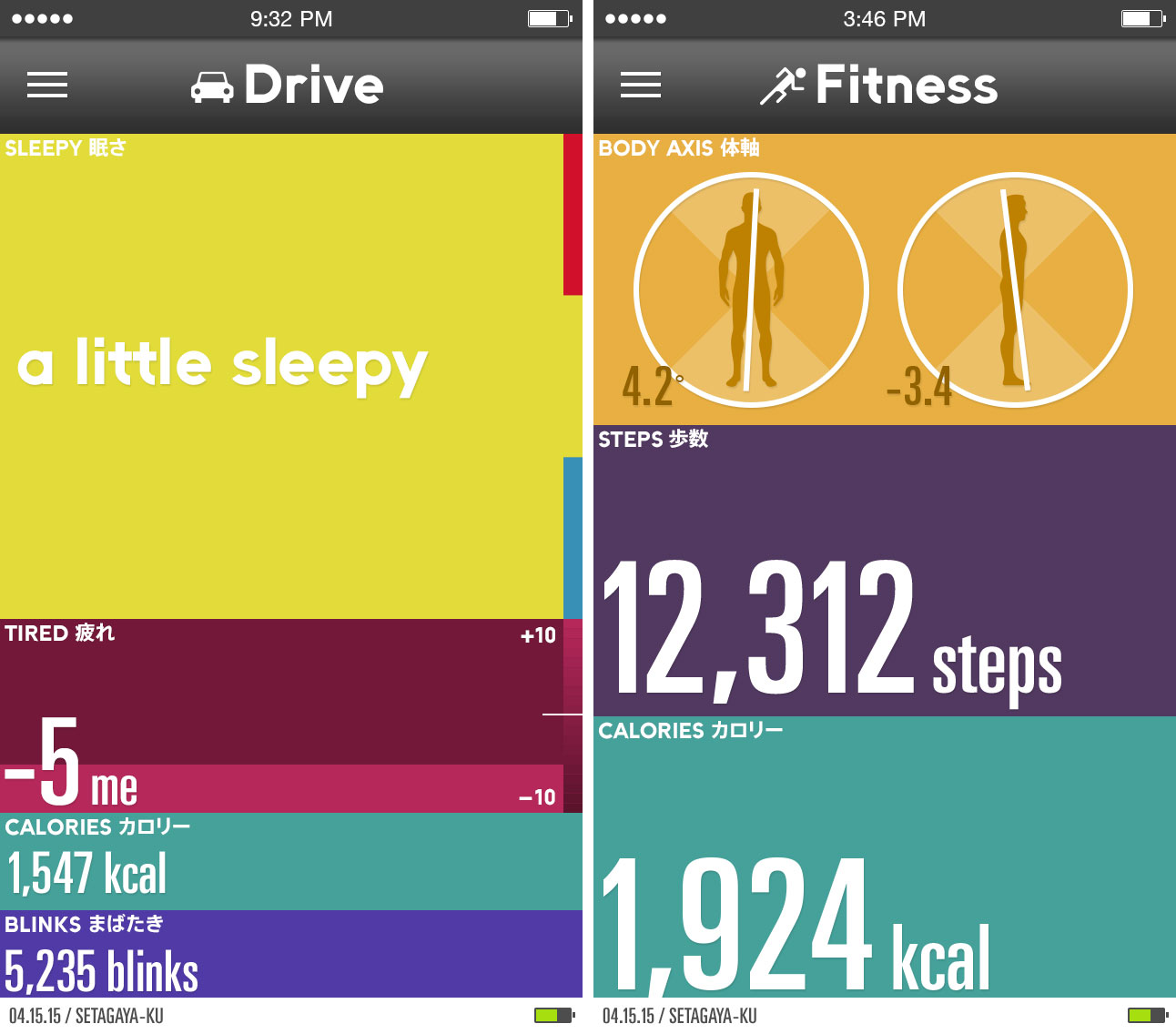
JINS MEME glasses track the correlation between eye strain and fatigue, and send mental and physical tiredness data to a user’s smartphone. 

The glasses monitor a user’s eye movements and gaze. They contain small metallic electrooculography sensors in the parts of the frame that touch the bridge of the nose and ears, determining the electrical potential of the eye movement.  Voltage change data is measured for alertness or fatigue.  It also has a motion tracking sensor that calculates body movements, posture and balance and can provide information about calories burned or exercise speed.

Categories
Children Pregnancy Respiratory

Phone pulse oximeter detects preeclampsia, pneumonia

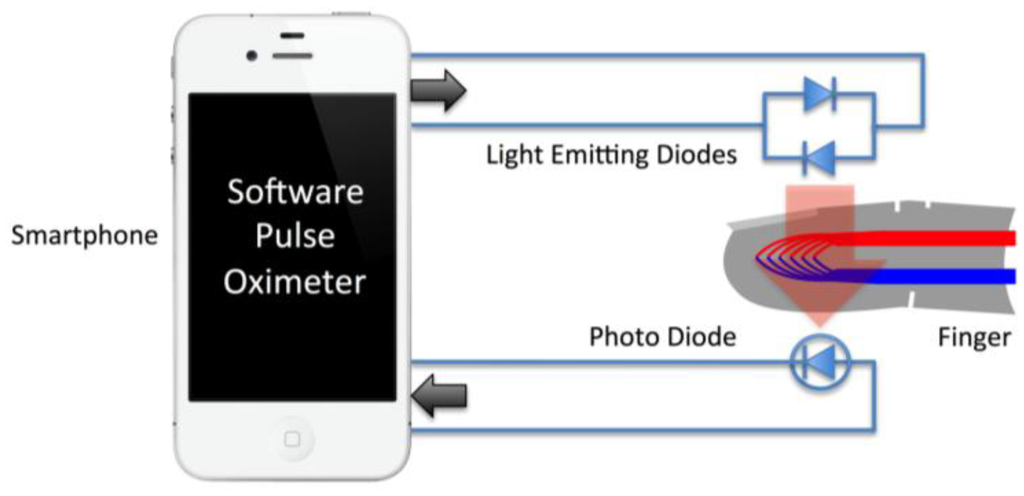
Christian Petersen and colleagues at the University of British Columbia have developed a low cost smartphone pulse oximeter.  Its light sensor attaches to a user’s fingertip to measure blood oxygen levels. Software analyzes and simply displays the data on a phone, tablet or computer.

The phone oximeter can measure heart and respiration rates, and be used in conjunction with other monitoring equipment, including blood pressure cuffs.

As it has been designed primarily to measure blood oxygen levels, researchers claim that the device and software could detect early signs of pre-eclampsia in pregnant women and diagnose pneumonia in young children.

Categories
AI Heart Pregnancy Respiratory

Human body simulation for health research

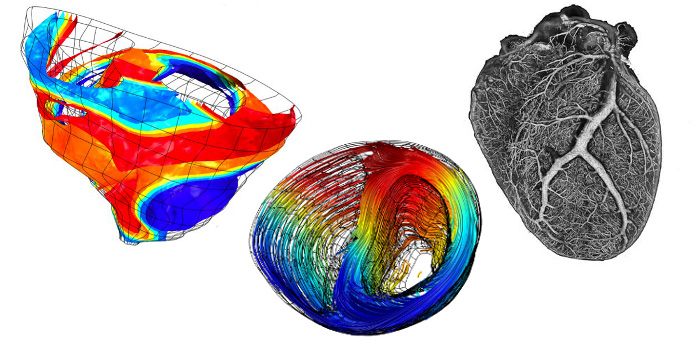
The Virtual Physiological Human project is a computer simulated replica of the human body that is being created to test drugs and treatments.  It will allow physicians to model the mechanical, physical and biochemical functions of the body as a single complex system rather than as a collection of organs.  The goal is to offer personalized treatment of disease.

The University of Sheffield is significantly contributing to the project:

Dr Paul Morris is creating personalized “virtual arteries” using images of a patient’s heart, which can accurately predict how effective an operation, such as the introduction of a stent, might be.

Professor Jim Wild believes that computer models of a patient’s lungs could allow doctors to detect signs of lung diseases such as emphysema much earlier.

Dr Xinshan Li  is researching the impact of pregnancy on women’s pelvic floor muscles.   “It’s positioned as a predictive tool,” she said. “The idea is to get the geometry of your pelvic floor either during pregnancy or before you become pregnant, and then run simulations of the birth process and see how likely it is that the muscle will be damaged. If the risk is high, then there are certain interventions we can do during the birth process to mitigate the risk.”

Categories
mHealth Monitoring Sensors

Measuring body chemistry at home

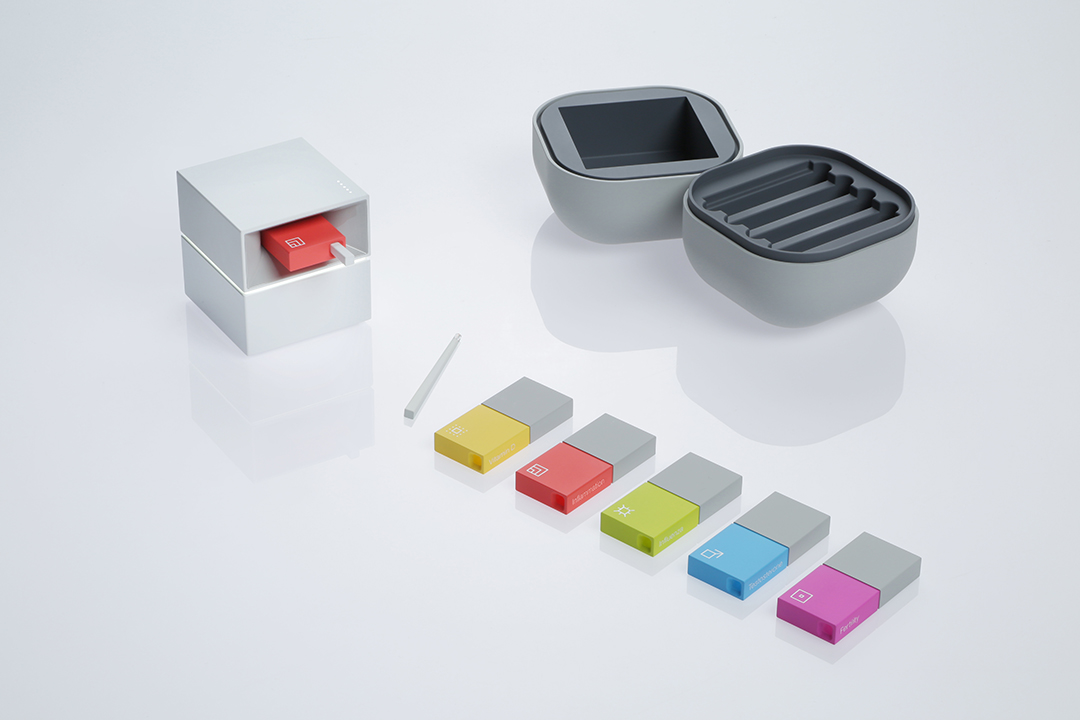
Cue is a health tracker that measures inflammation, vitamin D levels, fertility, influenza, and testosterone.  Its creators claim to bring tests that were previously only available in the lab into the home.  The system sends customized alerts with suggestions on how to improve one’s health.
.

A droplet of saliva, blood, or a nasal swab is added to a cartridge. and paced inside Cue, which sends the analysis to a smartphone or tablet via bluetooth.

Categories
Brain Seniors

Study: Antidepressant may slow Alzheimer’s progression

In a potential breakthrough, a study published yesterday in Science Translational Medicine shows the SSRI Celexa driving down beta amyloid production in both mice and humans.  The lead author is Professor Yvette Sheline from Washington University in St. Louis.

Citalopram was found to reduce the concentration of beta-amyloid in the cerebrospinal fluid in non-Alzheimer’s patients by 38%. Researchers see that as a clear sign that beta-amyloid protein in the brain also declines in those taking the antidepressant.

Studies tracking the progression of Alzheimer’s disease have suggested that years and even decades before symptoms appear, beta-amyloid proteins become more plentiful in the brain (and spill into cerebrospinal fluid where they are more easily measured). The proteins first aggregate in a soluble form, and over time turn into insoluble, hard plaques. Both can disrupt signals among brain cells, but as plaques proliferate, normal communication among neurons is completely broken, and dementia takes hold.

Categories
Eyes

Kinect/Android system guides the visually impaired

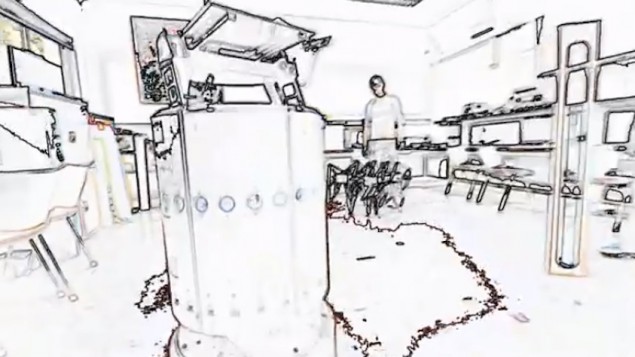
Students at the Technion – Israel Institute of Technology have created a system for the visually impaired that detects  obstacles and uses audio messages and signals to alert users before a collision.The “seeing app,” developed by Tzahi Simkin, Gal Dalal and Danny Zilber, uses a Kinect 3D camera, a computer and an Android phone for audio interaction.  They adapted the Kinect to feed its images into a mini-PC, where the images are analyzed. The system determines if there are objects or obstacles in the path of the camera, how close they are,  and how far to the left or right the user must move to avoid them. That data is analyzed and a sound interface directs an Android device, using voice commands or a series of beeps to guide the user around obstacles.


Categories
fitness Wearables

Wearable data integration quantifies self and dog

As more wearable devices integrate data, Jawbone and Whistle have partnered to combine self fitness tracking with a dog’s activity. The results are presented together in one graph.  

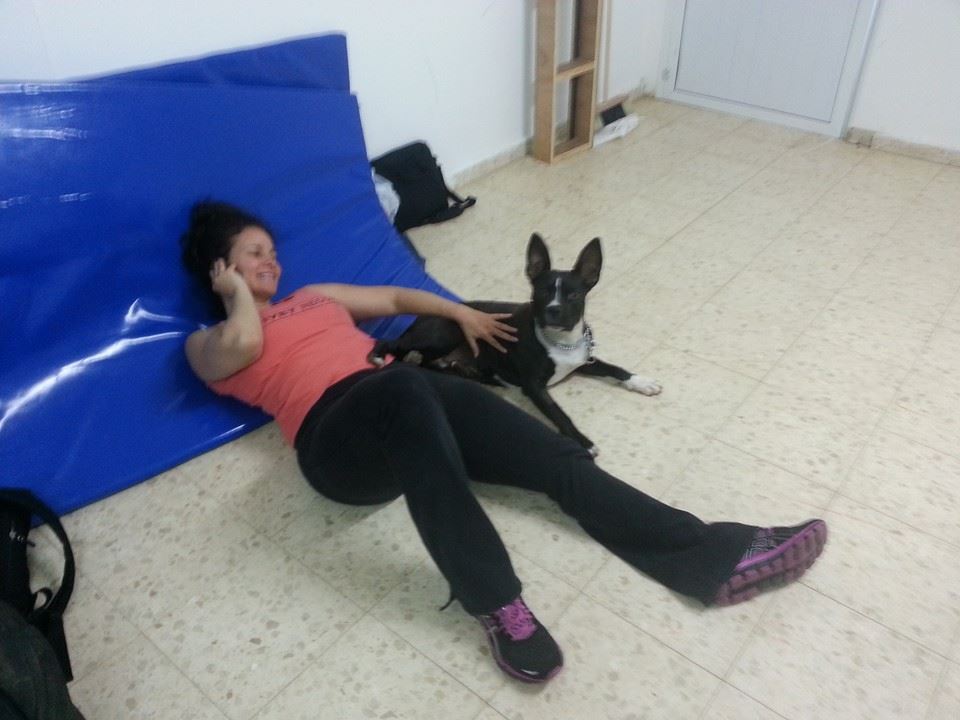
Through the Jawbone UP app, users can see resting, walking, playing, running, or swimming time with their dogs on their activity stream.

Whistle uses a three-axis accelerometer to track daily exercise and rest cycles.  Wi-Fi and Bluetooth connect the tag to your phone and the cloud. Daily benchmarks and activity graphs are presented on its app, which  generates events in a dog’s timeline.  Users can comment on, customize and share the data.

Categories
Prosthetics Robotics

Prosthetic arm moves after muscle contraction detected

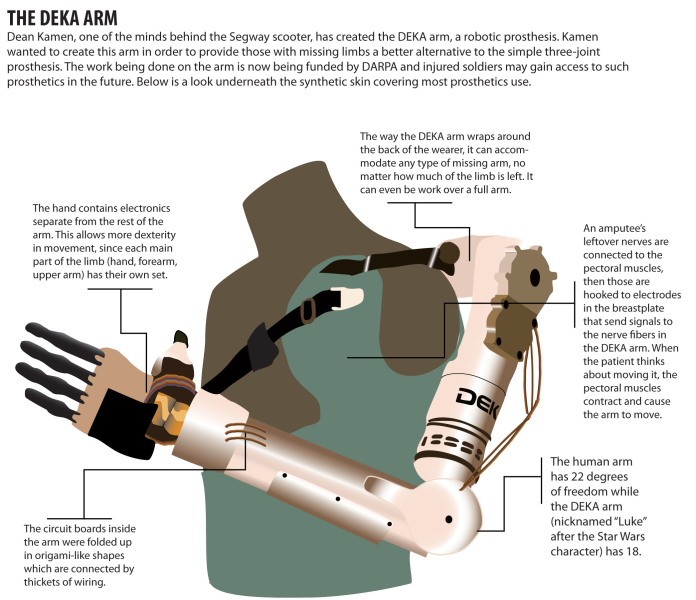
DEKA is a robotic, prosthetic arm that will allow amputees to perform complex movements and tasks. It has just received FDA approval.

Electrodes attached to the arm detect muscle contractions close to the prosthesis, and a computer translates them into movement.  Six “grip patterns” allow wearers to drink a cup of water, hold a cordless drill or pick up a credit card or a grape, among other functions.

DARPA‘s Justin Sanchez believes that DEKA “provides almost natural control of upper extremities for people who have required amputations.”  He claims that “this arm system has the same size, weight, shape and grip strength as an adult’s arm would be able to produce.”

Categories
fitness Sleep Wearables

Wearables become beautiful (just in time for Mother’s Day)

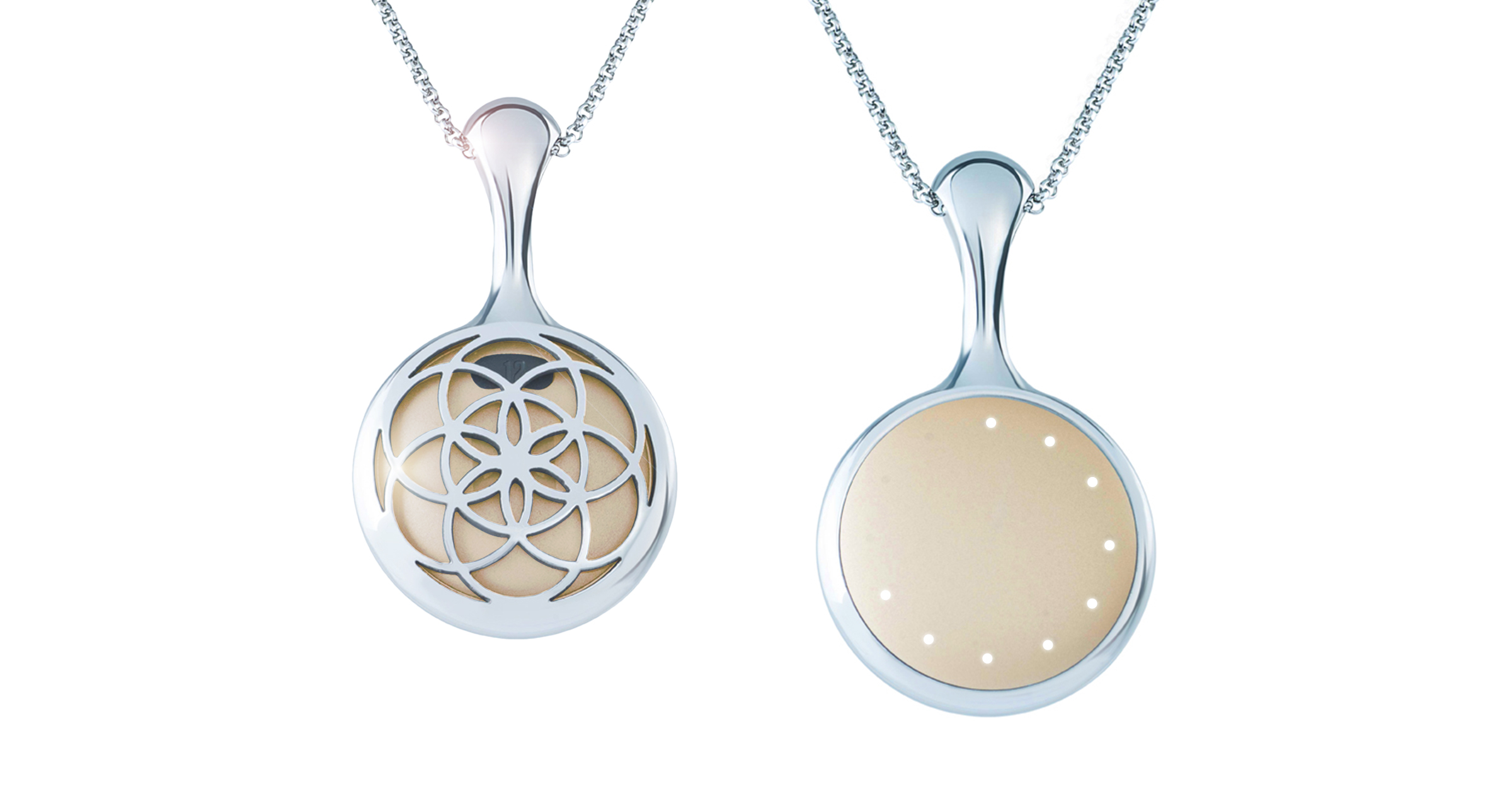
The Misfit Bloom is a stylish pendant with the same health sensing technology as a fitness band.

A Shine sensor, originally crowdfunded on Indiegogo, is seamlessly integrated into the necklace, providing continuous monitoring of a user’s steps, calories and sleep.

As health monitoring becomes ubiquitous, ApplySci believes that the number of fashion forward wearable devices will steadily increase.