Categories
Brain Seniors

Electric stimulation headband tested for Alzheimer’s and MCI

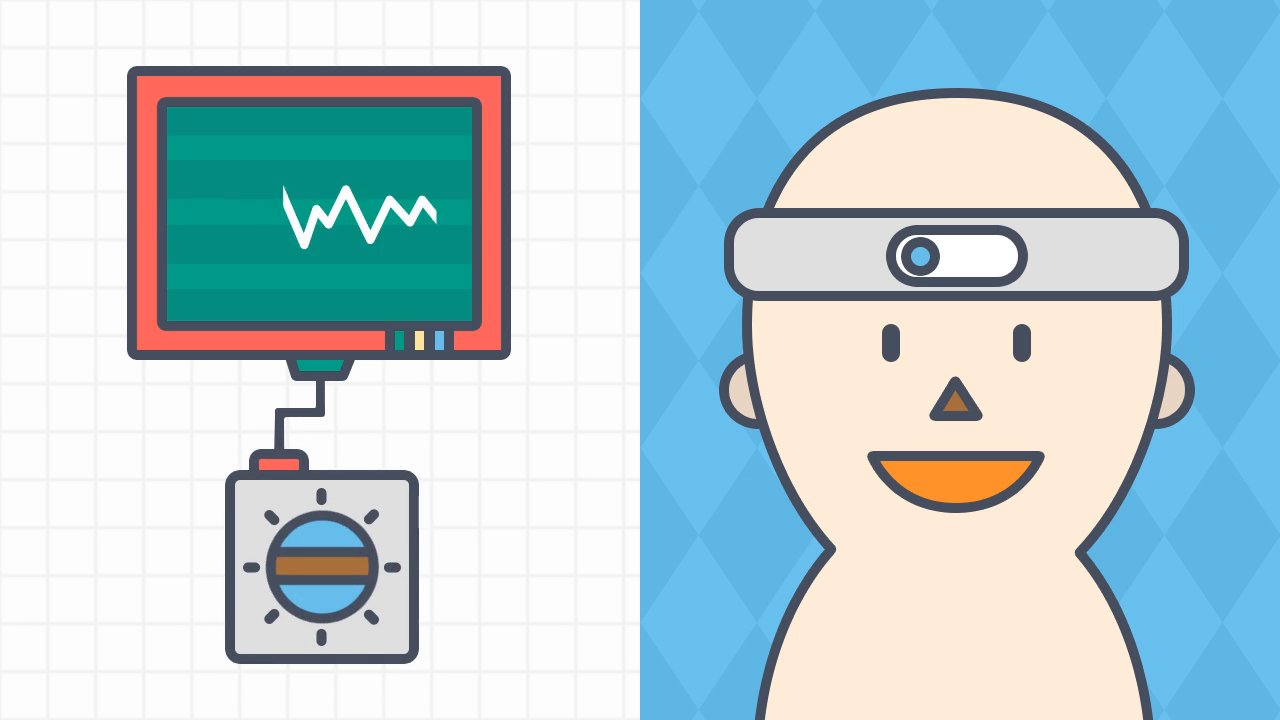
Ybrain is a wearable device that targets brain regions with electrical signals.  Two sensors are embedded in the front of a headband, providing stimulation for 30 minutes per day, 5 days per week, at home.  It is intended for both Alzheimer’s and Mild Cognitive Impairment patients.  The company has built a prototype and will begin clinical trials in Korea in July, 2014.  The target launch date is early 2015.

Soterix Medical  and Halo Neuroscience are developing similar transcranial direct stimulation/neuromodulation devices.

Categories
Brain Stroke

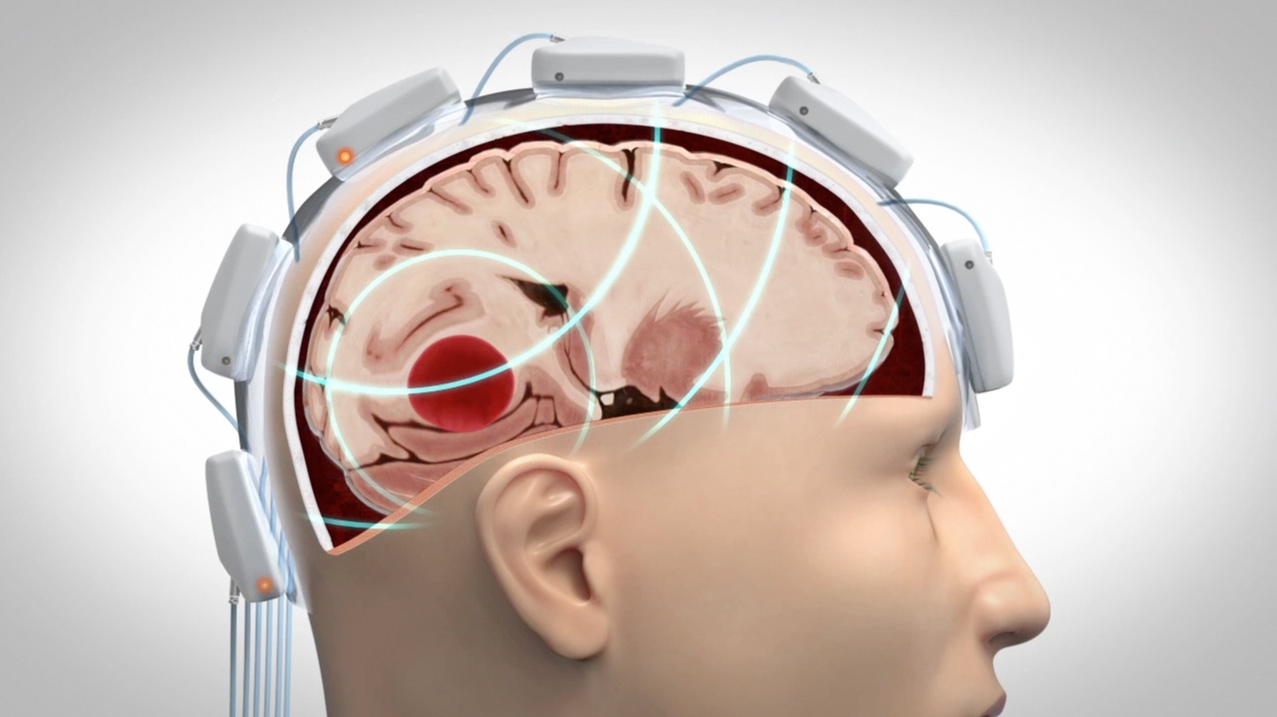
Microwave helmet for early stroke diagnosis, treatment

Medfield Diagnostics and  Chalmers University have developed “Strokefinder,” a  microwave helmet that quickly determines whether a person has had a stroke, enabling early and appropriate treatment.  It has been tested on 45 patients.

The helmet uses microwave typography to determine whether a stroke is caused by a clot or bleeding.   Strokes caused by clots require a drug to dissolve the clot within 4.5 hours.    Less than 10% of patients diagnosed by CT or MRI get anti-clotting drugs on time, as too much time often elapses between a patient’s hospital arrival and a diagnostic scan. Strokes caused by bleeding require different treatment.

An early prototype involved a modified bike helmet and was able to differentiate between the two types of stroke accurately some of the time. The team has since refined the device, building a custom helmet that better adapts to different skulls. The plan is to carry out a large scale study in order to improve the predictive power of the algorithms.

Categories
BCI Brain Robotics

“Neurotic Robots” mimic human brain function

UC Irvine professor Jeff Krichmar and colleagues are experimenting with robotic awareness and trying to teach mechanical brains to behave more like human and animal brains by programming traits that mimic obsessive-compulsive disorder or a fear of open spaces.

Professor Krichmar presented his research this week at the IEEE International Conference on Robotics and Automation in Hong Kong.

The team studied the actions of serotonin and dopamine in mice as they solved a maze or reacted to an unfamiliar environment.   The scientists then mimicked the actions of the brain chemicals by translating them into equations in the robots’ cognitive software.

Teaching a robot to feel fear or anxiousness could contribute to its ability to adapt to changing conditions and instill in it a sense of self-preservation.  For example, a search-and-rescue robot could analyze weather conditions before attempting a mission.

Krichmar has already developed a robot named Carl’s Junior  that responds to verbal commands and other external signals. It is used as a therapeutic tool for children on the autism spectrum who are less comfortable interacting with humans than they are with inanimate,  but responsive, objects.

Categories
Brain

First 3D synapse model

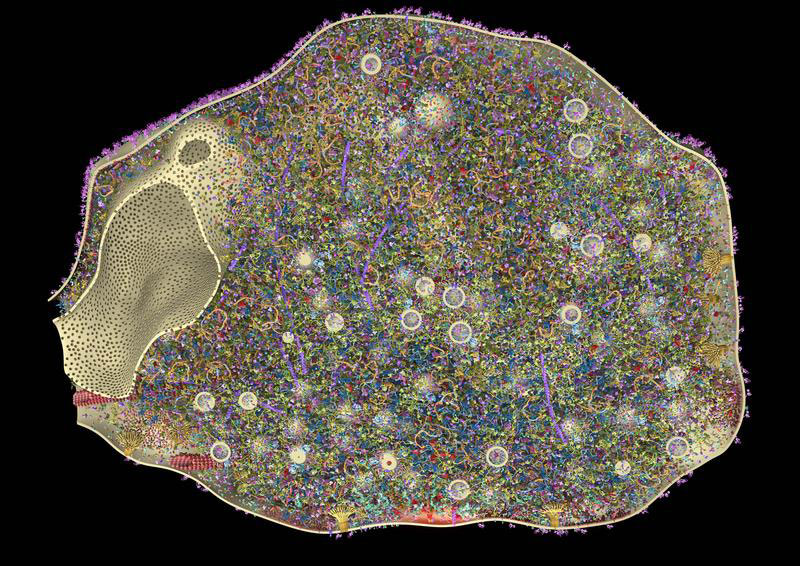
Benjamin Wilhelm and colleagues the University of Göttingen Medical Center have developed a detailed 3D model of a synapse.  Millions of nerve terminals from rat brains were isolated.  A combination of electron microscopymass spectrometry, antibody staining, and super-resolution fluorescence microscopy determined the abundance and distribution of 62 proteins crucial for the synaptic vesicle cycle.

“Our model shows that the proteins involved in neurotransmitter release can be enormously abundant, with up to 27,000 copies per synapse,” said Professor Silvio Rizzoli, “whereas proteins involved in recycling are present in only 1,000-4,000 copies.”

The numbers of proteins involved in recycling are much lower than expected. They give the terminal the capacity to recycle 10% of its entire vesicle pool.  Recycling takes place slowly, in the seconds following vesicle fusion, therefore does not contribute when multiple vesicles fuse in quick succession.  As Rizzoli describes the advantage, “the cell does not need to produce huge numbers of recycling proteins, which saves energy.”

The model also shows that the proteins involved in the same steps of the vesicle cycle are present in roughly equal amounts within the terminal, raising the question of how their synthesis is regulated so that each set of proteins is present at the right concentration.

The researchers hope are to generate a similar model of an entire neuron within the next five years.

Categories
BCI Brain EEG

Brainflight project for BCI enabled flying

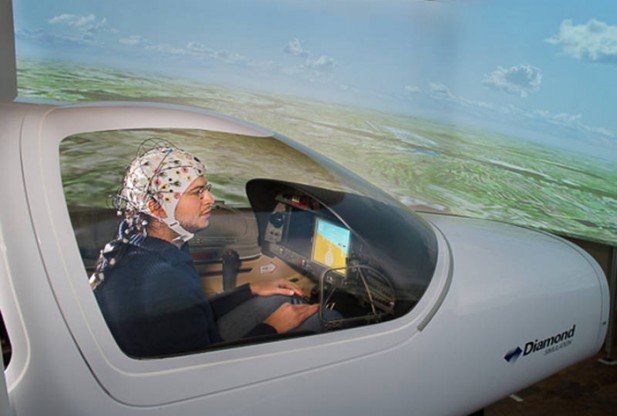
Professor Florian Holzapfel and colleagues at the Institute of Flight System Dynamics of the Technische Universität München have demonstrated the feasibility of flying via brain control.

Brainwaves of the pilots are measured with EEG electrodes connected to a cap.  An algorithm developed by Team PhyPa at the Berlin Institute of Technology deciphers electrical potentials and converts them into control commands.  Only very clearly defined electrical brain impulses required for  are recognized by the brain-computer interface.

Called Brainflight, the EU-funded project aims to prove that brain-controlled flight is possible and that pilots with little or no experience can use a BCI to fly.  Some of the pilots were able to land the plane, in a simulator, under conditions of poor visibility using their thoughts.

Categories
Brain Seniors

Study: Antidepressant may slow Alzheimer’s progression

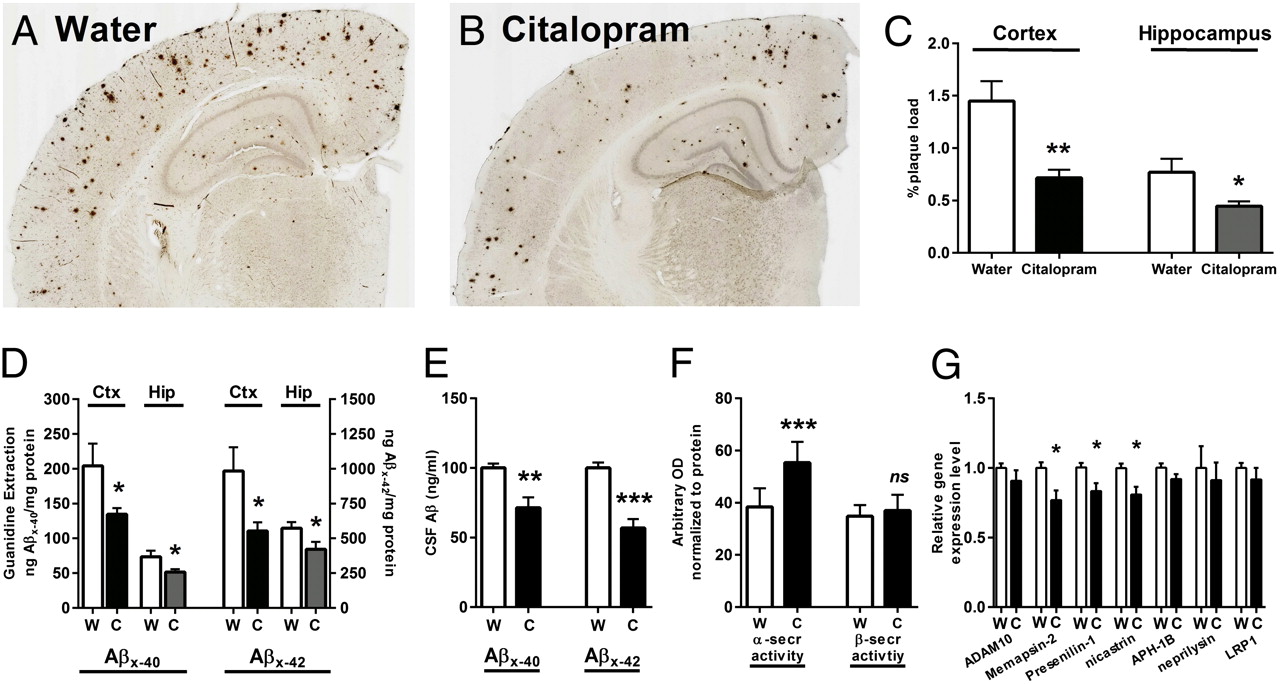
In a potential breakthrough, a study published yesterday in Science Translational Medicine shows the SSRI Celexa driving down beta amyloid production in both mice and humans.  The lead author is Professor Yvette Sheline from Washington University in St. Louis.

Citalopram was found to reduce the concentration of beta-amyloid in the cerebrospinal fluid in non-Alzheimer’s patients by 38%. Researchers see that as a clear sign that beta-amyloid protein in the brain also declines in those taking the antidepressant.

Studies tracking the progression of Alzheimer’s disease have suggested that years and even decades before symptoms appear, beta-amyloid proteins become more plentiful in the brain (and spill into cerebrospinal fluid where they are more easily measured). The proteins first aggregate in a soluble form, and over time turn into insoluble, hard plaques. Both can disrupt signals among brain cells, but as plaques proliferate, normal communication among neurons is completely broken, and dementia takes hold.

Categories
Brain

Tooth stem cells become brain-like cells; potential stroke treatment

University of Adelaide researchers have grown brain-resembling cells from stem cells taken from teeth, potentially impacting stroke therapies.

According to Kylie Ellis, lead author of the study, “What we developed wasn’t identical to normal neurons, but the new cells shared very similar properties to neurons. They also formed complex networks and communicated through simple electrical activity, like you might see between cells in the developing brain.”

The stem cells expressed neuronal cytoplasmic proteins, neurotransmitter-specific markers, and functional voltage-gated L-type Ca2+ channels, but not spontaneous action potentials.

Categories
BCI Brain Prosthetics

“Brain modeled” chip with prosthetic potential

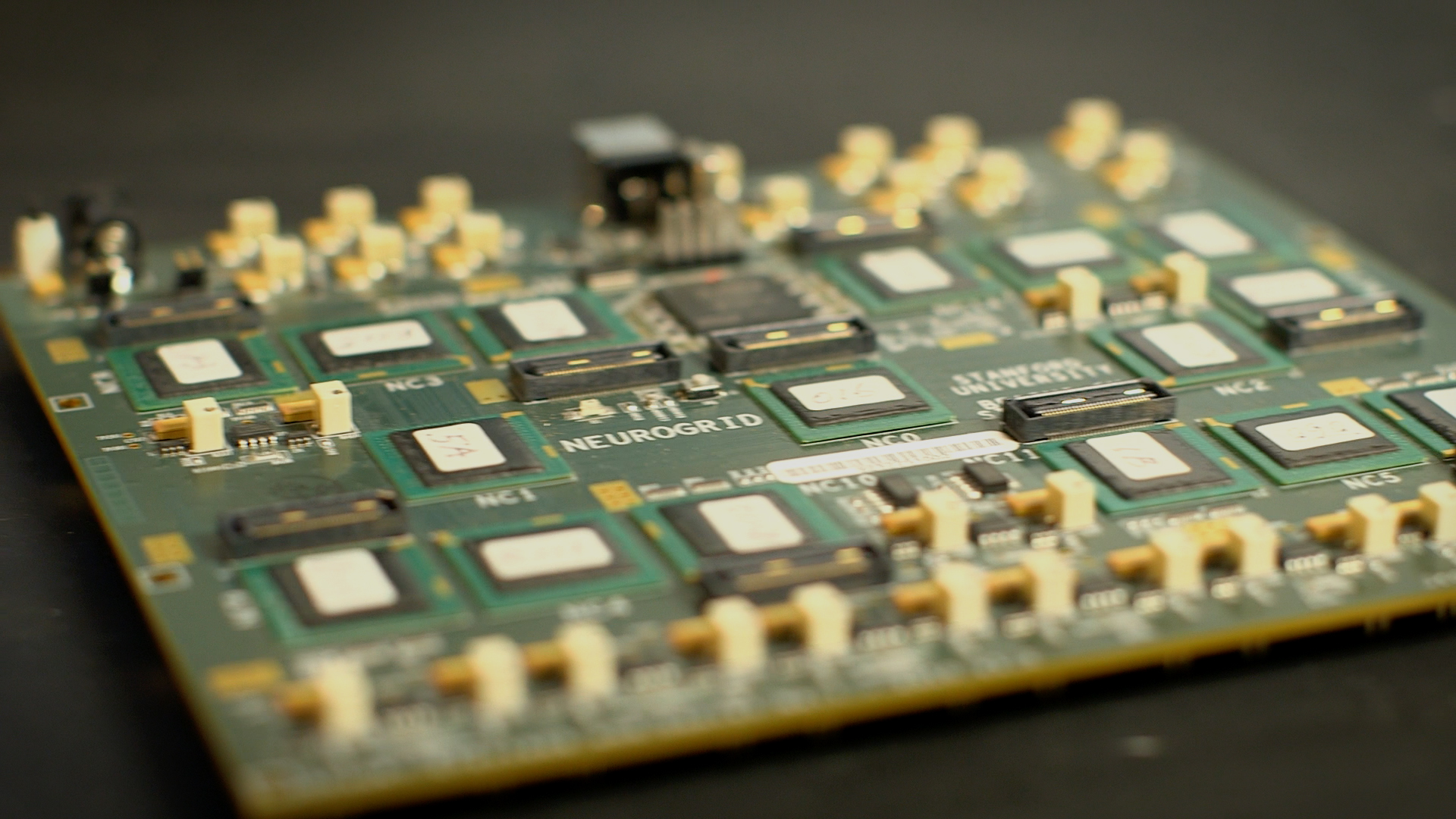
Neurogrid is a “human brain based” microchip that is 9,000 times faster than and requires 1/40,000 the power of a typical pc.  It is being developed by Professor Kwabena Boahen at Stanford University.

The circuit board consists of 16 custom-designed “Neurocore” chips which can simulate 1 million neurons and billions of synaptic connections. Certain synapses were enabled to share hardware circuits, saving power.

Its speed and low power character could impact the development of prosthetic limbs that are controlled by a similar chip and not tethered to a power source.  Such a limb could have “the speed and complexity of our own actions” according to Professor Boahen.

Categories
Brain Sensors

Game controller measures heart rate, respiration, temperature, perspiration

Stanford Professor Gregory Kovacs and researcher Corey McCall claim that they are able to “read the brain” by measuring heart rate, respiration rate, temperature, perspiration and other body processes.  Their goal is to sense emotions.

The back of an Xbox 360 controller was replaced with a 3-D printed plastic module packed with sensors. Small metal pads on the controller’s surface measure the user’s heart rate, blood flow, and both the rate of breath and how deeply the user is breathing. Another light-operated sensor gives a second heart rate measurement, and accelerometers measure how frantically the person is shaking the controller.

Software gauges the intensity of the game.  The researchers then compared this data to generate an overall picture of the player’s level of mental engagement.

While such non-invasive measurements of health are important, and can be effective for the gaming applications of Stanford’s focus, the only way to view brainwaves is through EEG.   Scientists are developing less obtrusive EEG methods, with promising results aimed at diagnosing and treating brain diseases.

Categories
Brain Ears Parkinson's

Cochlear implant pulses deliver DNA for gene therapy

UNSW Professor Gary Housley used electrical pulses from a cochlear implant to deliver gene therapy, successfully regrowing auditory nerves.  Until now, the “bionic ear” has been largely constrained by the neural interface.

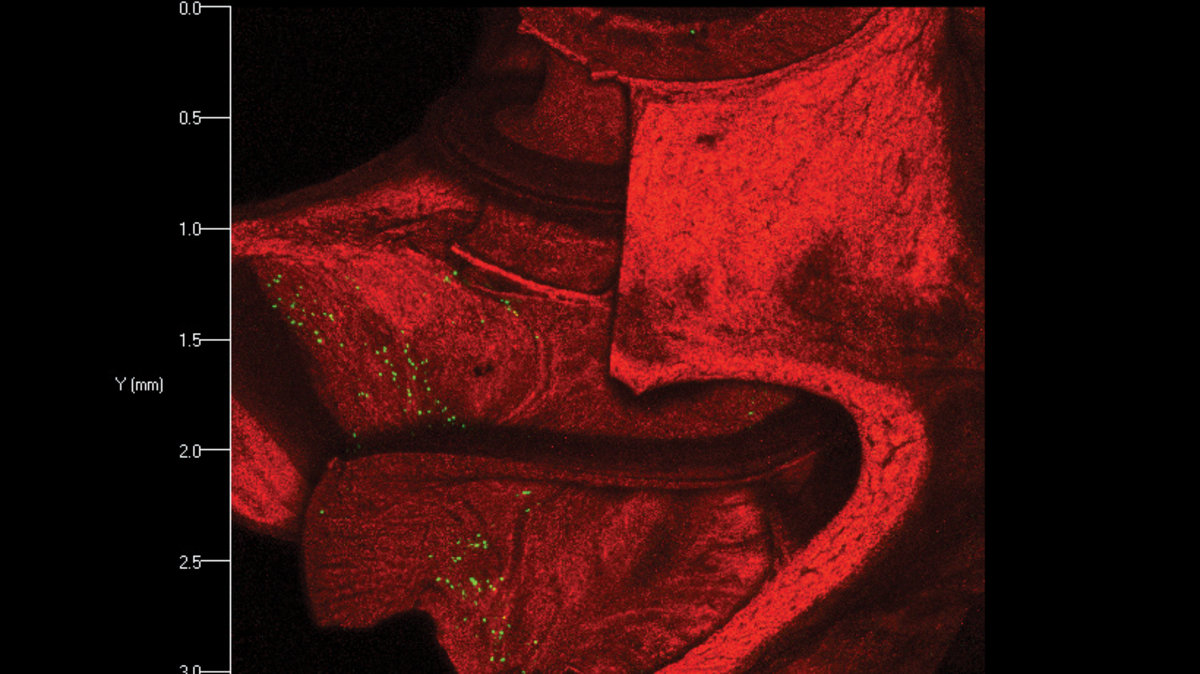
In the study, Professor Housley and colleagues used the cochlear implant electrode array for novel “close-field” electroporation to transduce mesenchymal cells lining the cochlear perilymphatic canals with a naked complementary DNA gene construct driving expression of brain-derived neurotrophic factor and a green fluorescent protein reporter. The focusing of electric fields by particular cochlear implant electrode configurations led to surprisingly efficient gene delivery to adjacent mesenchymal cells. The resulting BDNF expression stimulated regeneration of spiral ganglion neurites, which had atrophied 2 weeks after ototoxic treatment, in a bilateral sensorineural deafness model..

Integration of this technology into other “bionic” devices, such as electrode arrays used in deep brain stimulation, could create opportunities for safe, directed gene therapy of complex neurological disorders.

Categories
Brain

Transparent neuron imaging clarifies connections

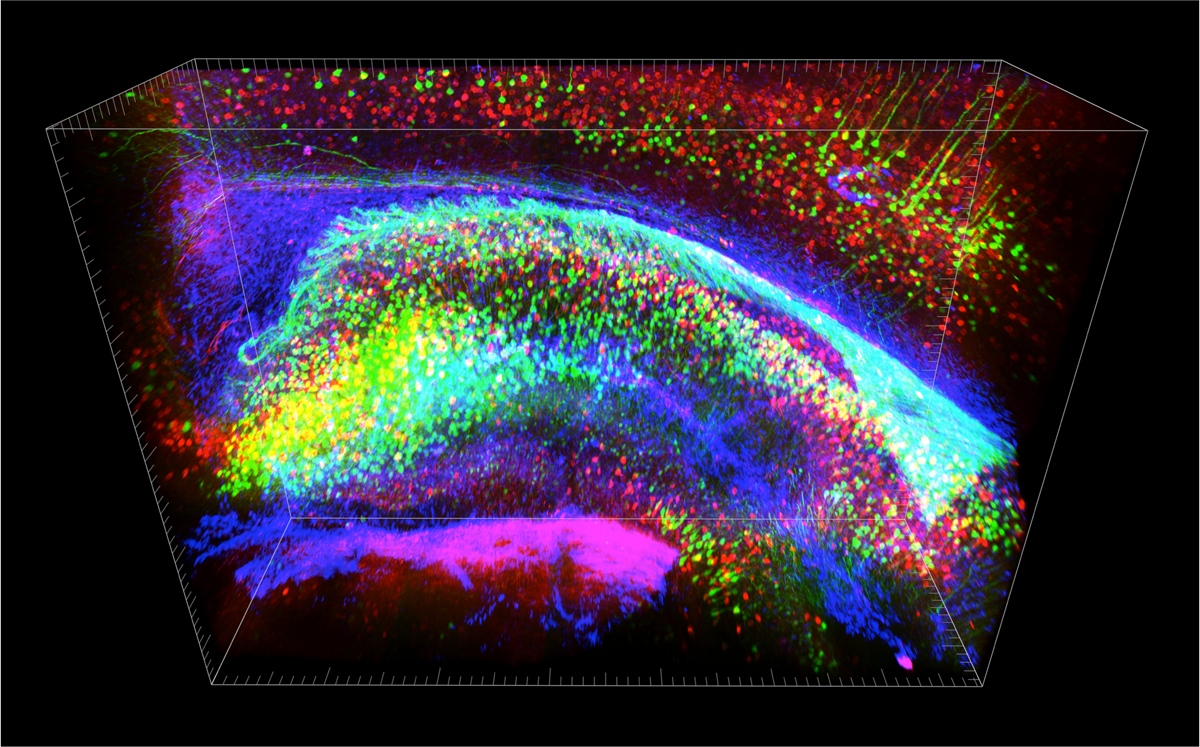
MIT‘s Kwanghun Chung and Stanford‘s Karl Deisseroth‘s CLARITY allows researchers to see directly into optically transparent whole brains or thick blocks of mouse brain tissue.

 Such studies in living people are impossible, because most neuron-tracing methods require genetic engineering or injection of dye in living animals.

The hope is that this will one day lead to a way to help people with severe mental illness or brain diseases.

Applying CLARITY to whole mouse brains, the researchers viewed fluorescently labeled neurons in areas ranging from outer layers of the cortex to deep structures such as the thalamus. They also traced individual nerve fibers through 0.5-millimetre-thick slabs of formalin-preserved autopsied human brain — orders of magnitude thicker than slices currently imaged.

Categories
Brain

Analog path to neuromorphic computing

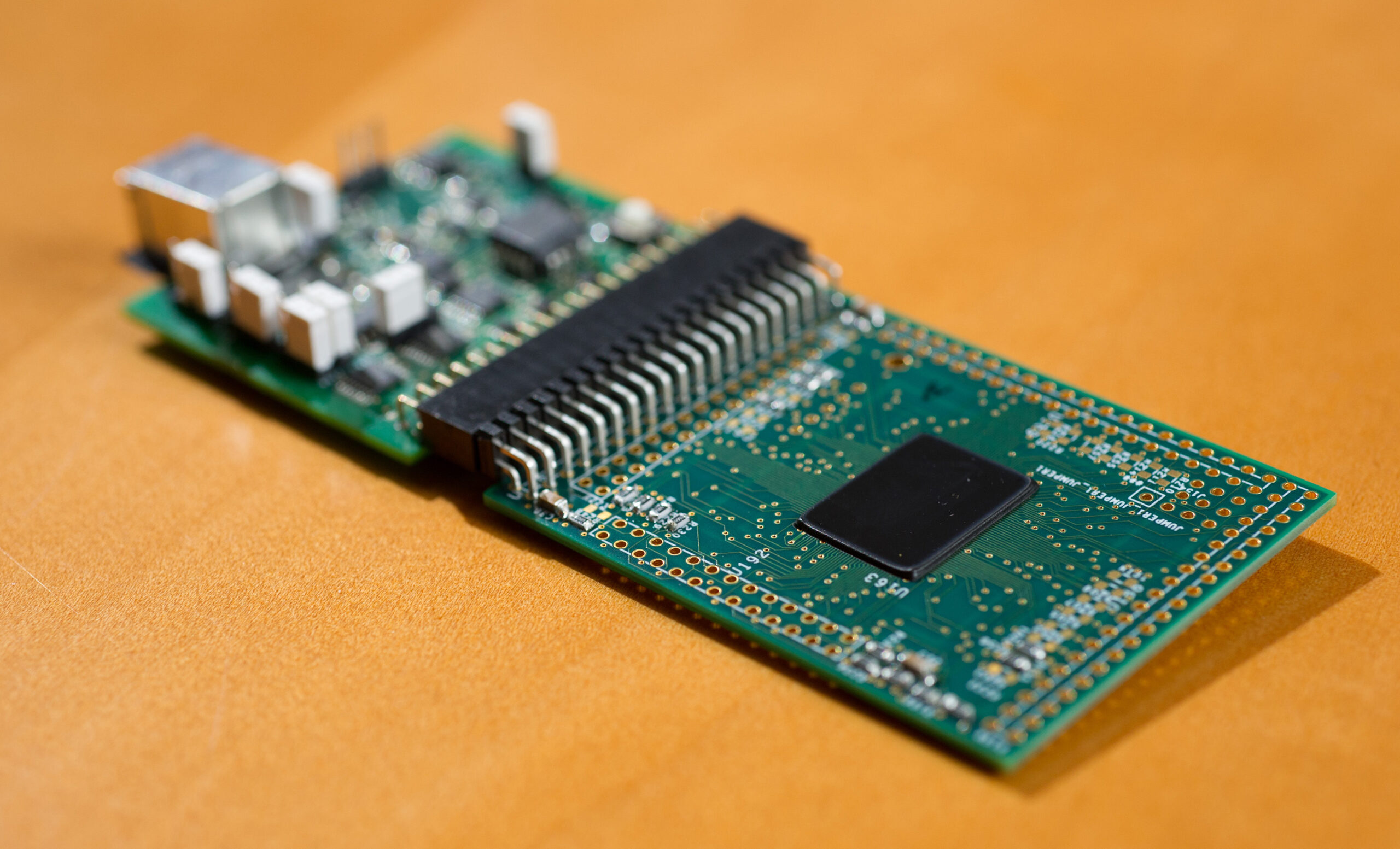
In her roadmap, Georgia Tech professor Jennifer Hasler emphasizes analog processing’s key role in neuromorphic systems, specifically field programmable analog arrays.  She claims Georgia Tech’s FGAAs “award the programmability and capability of the Anadigm components” by housing “hundreds of thousands of programmable parameters, enabling them to be used for system level computing, not just analog glue logic.

Hasler believes the path to desktop neuromorphic systems will require analog system-on-chip approaches to achieve the low power devices necessary to emulate billions of brain-like neurons connected by trillions of learning synapses.  She predicts that desktop neuromorphic systems that rival the compactness of the human brain will require a 100 million times reduction in power over the digital supercomputers simulating them today.