Categories
Brain Epilepsy Parkinson's

Transparent brain implant could improve neuromodulation

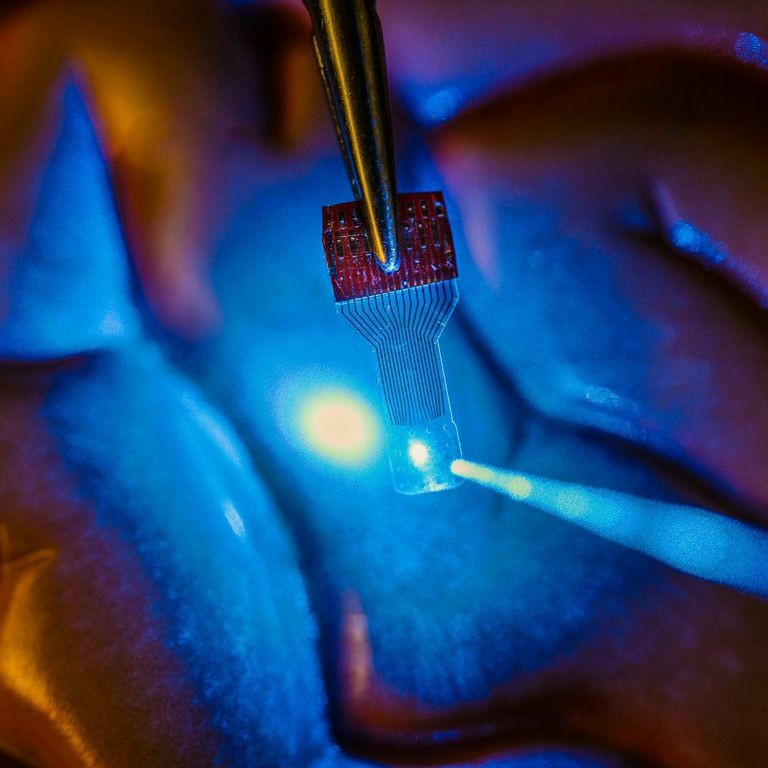
University of Wisconsin professor Justin Williams and colleagues have developed a graphene based, transparent sensor implant to help researchers better view the brain.  Unlike existing devices, the sensor’s micro electrode arrays work in tandem with imaging technologies.  This could improve neuromodulation therapies used to control symptoms, restore function, and relieve pain in patients with hypertension, epilepsy, or Parkinson’s.  Researchers have been limited in their ability to directly observe how the body generates electrical signals, or how it reacts to externally generated electrical signals.  According to Williams, “Clear electrodes in combination with recent technological advances in optogenetics and optical voltage probes will enable researchers to isolate those biological mechanisms. This fundamental knowledge could be catalytic in dramatically improving existing neuromodulation therapies and identifying new therapies.”
 

Categories
Brain

2014 Nobel Prize for discovery of brain’s “inner GPS” system

The 2014 Nobel Prize for Physiology or Medicine was awarded to professors John O’Keefe, May-Britt Moser, and Edvard Moser for “a paradigm shift in our understanding of how ensembles of specialized cells work together to execute higher cognitive functions”  — specifically their discovery of the brain’s “inner GPS” system.

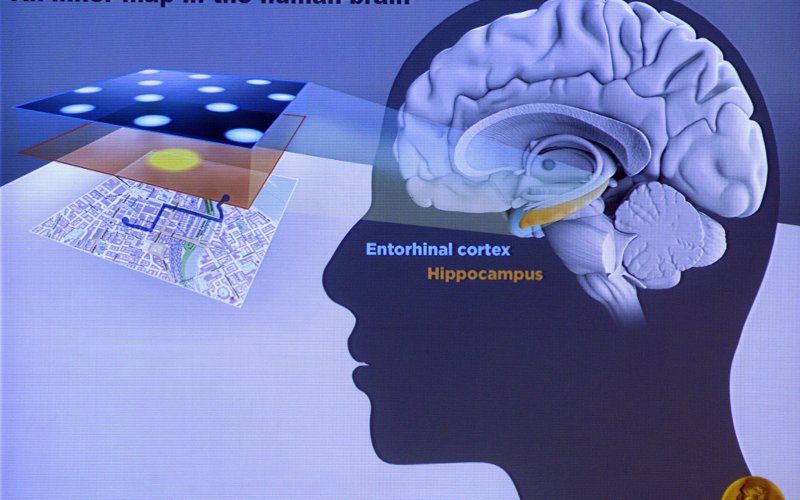
Place cells and grid cells — neurons in the hippocampus and entorhinal cortex of animals appear to create a cognitive map of every room or space that we’ve ever explored. As one moves around a room or space, a very specific place cell fires — and when one visits the same place in the future, the same place cell fires every time.

The  findings may eventually lead to an understanding of the spatial losses that occur in Alzheimer’s and other neurological diseases. The hippocampus and entorhinal cortex are often damaged in early stages of Alzheimer’s, with affected individuals getting lost and failing to recognize the environment.

Categories
Brain fMRI

Brain network map may improve non-invasive stimulation

Brain stimulation treatments can alter neural circuits electrically instead of chemically.  However, understanding what brain regions should be targeted, by condition, remains a challenge, particularly in non-invasive rTMS.  A Beth Israel Deaconess study suggests that brain networks – the interconnected pathways that link brain circuits to one another– can help guide site selection for brain stimulation therapies.

According to author Michael Fox, “Although different types of brain stimulation are currently applied in different locations, we found that the targets used to treat the same disease are nodes in the same connected brain network.”

Brain stimulation treatment data for 14 conditions, including addiction, Alzheimer’s, depression, dystonia, epilepsy, essential tremor, Huntington’s, and Parkinson’s were studied. The researchers listed the stimulation sites, deep in the brain and near the surface, thought to be effective for the treatment of each disease.

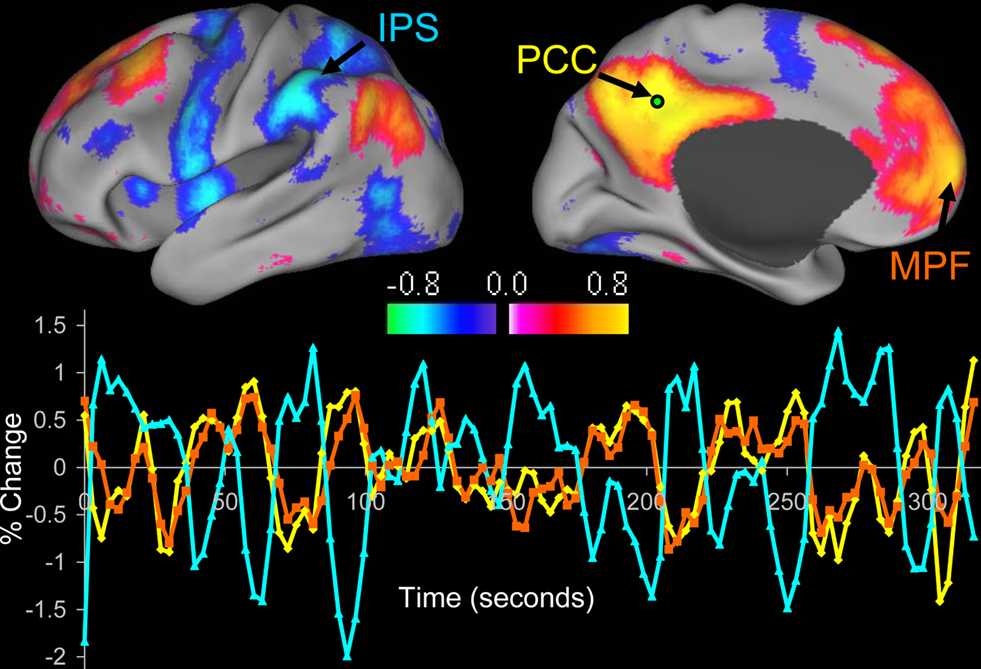
Through a data set of fMRI images of people’s brains at rest, the team  found correlated fluctuations in spontaneous brain activity, illustrating which sites were functionally connected.  A map of connections from deep brain stimulation sites to the surface of the brain was created. When the research team compared the map to sites on the brain surface that work for noninvasive brain stimulation, the two matched.

Categories
Autism Brain Children EEG

EEG could lead to earlier autism diagnosis

Albert Einstein College of Medicine professor Sophie Molholm has published a paper describing the way that autistic children process sensory information, as determined by EEG.  She believes that this could lead to earlier diagnosis (before symptoms of social and developmental delays emerge), hence earlier treatment, which might reduce the condition’s symptoms.

EEG readings were taken from 40 children, ages 6-17, who were diagnosed with autism,  and compared to those of unaffected children of similar age.  All were given either a flash cue, a beep cue or a combination, and asked to press a button when these stimuli occurred.  A 70 electrode cap measured brain responses every two milliseconds, including those that recorded how the brain first processed the information.

The children with autism showed a distinctly different brain wave signature from those without the condition.  There were differences in the speed in which the sights or sounds were processed, and in how the sensory neurons recruited neurons in other areas of the brain to register and understand the information. The more different this multi-processing was, the more severe the child’s autistic symptoms.

Professor Molholm acknowledges that the sample was too small to use the profile for diagnosing autism, but it could lead to such a test if the results are confirmed and repeated.

Categories
AI Apps Brain Sensors

Smartphone sensors power mental health app

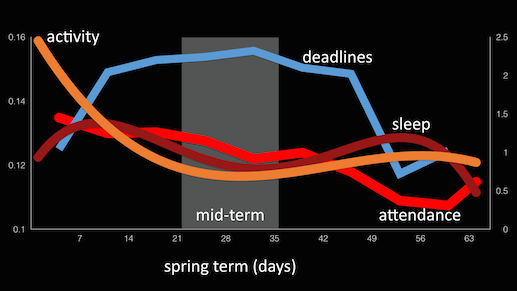
Dartmouth professor Andrew Campbell has developed a mental health monitoring app based on automatic smartphone sensing. StudentLife compares students’ happiness, stress, depression and loneliness to their academic performance

In a recent study, passive sensors continuously collected data on location, conversations, mobility, and sleep patterns of 48 participants over 10 weeks.  The students were also prompted with questions about their mood and stress several times per day.

The researchers administered (self reported) mental health and behavioral surveys at the start and end of the term, evaluating participants on depression, loneliness and stress.  Academic records, including GPAs, were also measured.

Campbell’s team found strong correlations between the self-reported data and the automatic sensing data.  They believe that, based solely on the automatic data, the app could effectively predict certain mental health issues and academic performance levels in students.

Categories
BCI Brain Heart Wearables

Brain-Computer Interface generated music

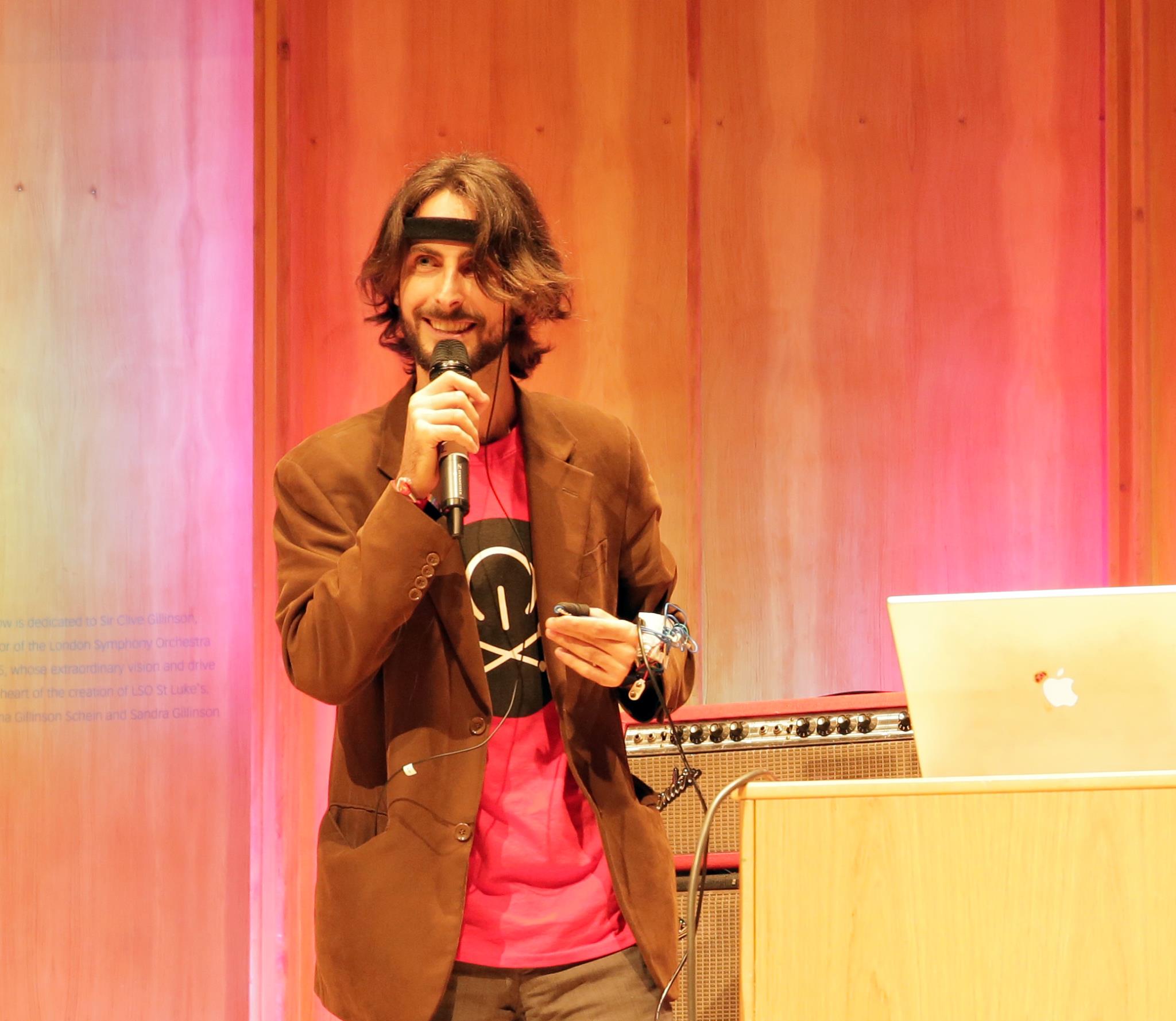
At Music Tech Fest in London, multidisciplinary artist Ma Tan won the wearables prize by generating music from his thoughts and heart.  He used a 2 electrode EEG headband developed by Tel Aviv and Brown University professor Nathan Intrator to sense his emotions, and a heart monitor to sense his cardiac activity.

Categories
BCI Brain Epilepsy

DARPA neuromodulation tech for physical and mental health

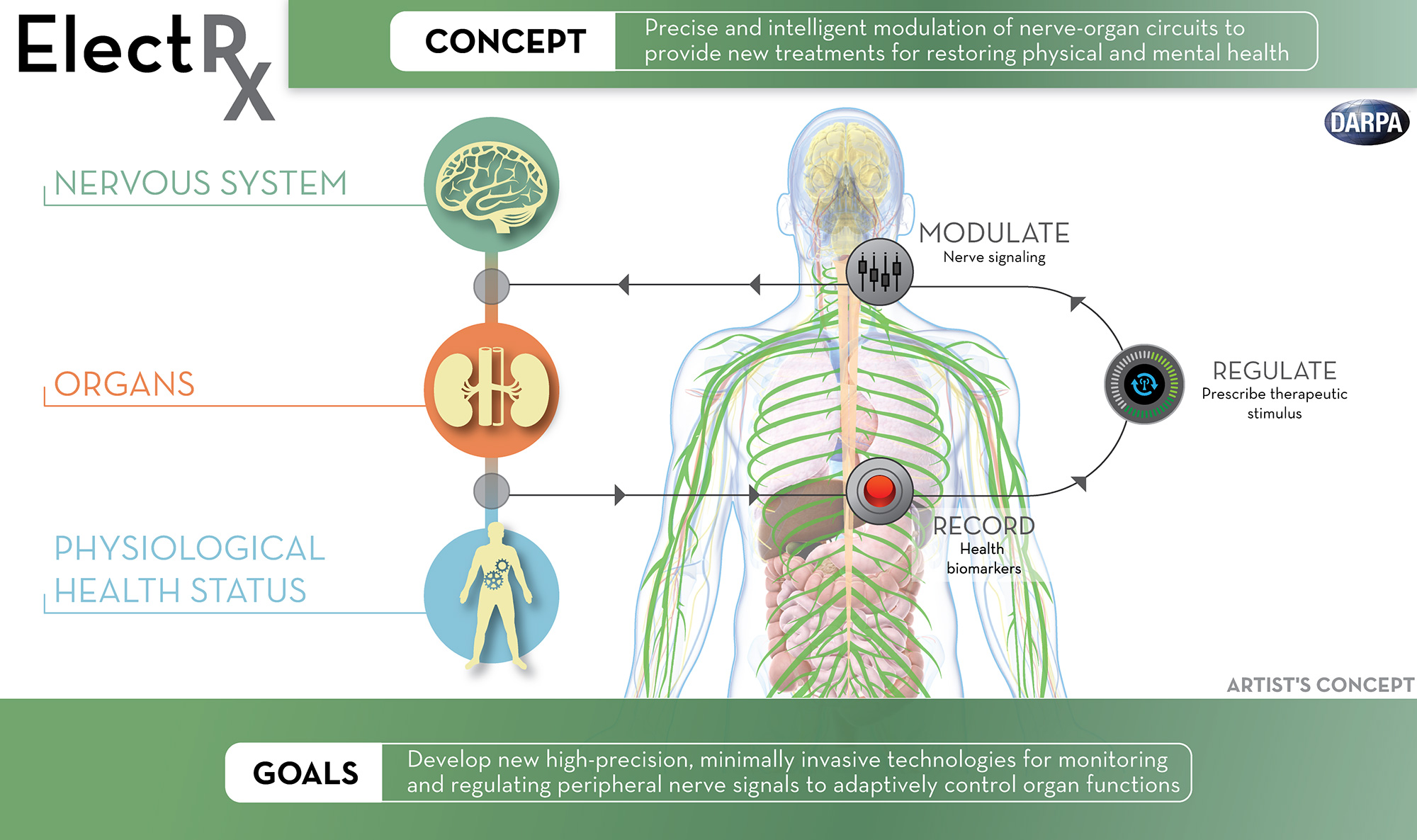
DARPA‘s ElectRx research program aims to develop high precision, minimally-invasive neuromodulation technologies to treat diseases including rheumatoid arthritis, epilepsy and PTSD.

Implanted ultraminiaturized devices would modulate the peripheral nervous system’s response to infections, injuries or other imbalances.

Project manager Doug Weber claims that ElectRX technologies “would continually assess conditions and provide stimulus patterns tailored to help maintain healthy organ function, helping patients get healthy and stay healthy using their body’s own systems.”


Categories
BCI Brain EEG Wearables

EEG enables ALS patients to control devices, communicate

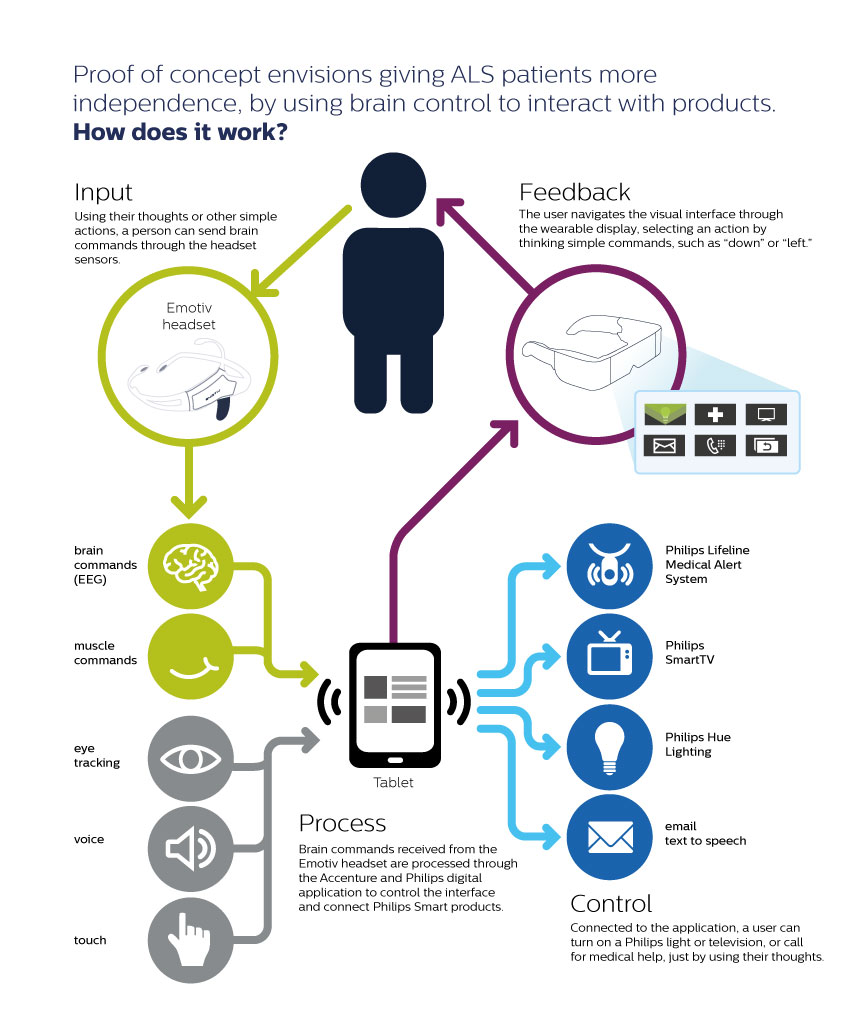
Philips and Accenture are using EEG brainwaves to help ALS patients command electronic devices via a wearable display, a tablet and software. The system can access a medical alert service, a smart TV and wireless lighting, and communicate via pre-configured messages. The wearable display provides visual feedback that allows the user to navigate the application menu.


Categories
Brain

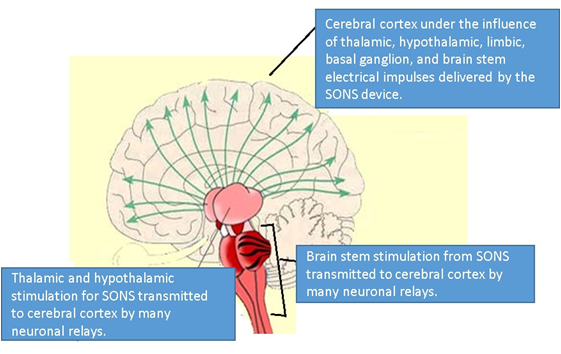
Less invasive Alzheimer’s neurostimulation

A less invasive neurostimulation device for Alzheimer’s patients is being reviewed by the FDA.  SONS —  Sphenoid and Olfactory Nerve Stimulation System — is a nose catheter that targets nerve trunks and stimulate brain structures that control memory and cognition.   Requiring an outpatient procedure,  small, adjustable and targeted electrical impulses will be delivered through the nasal cavity to access up to 32 nerve trunks that stimulate the brain.

Deep Brain Stimulation has been commercialized as an effective treatment option for some neurological diseases, especially Parkinson’s.   The implanted devices, however,  require complicated and risky brain surgery. SONS might be an interesting alternative.

Categories
Brain

Transparent mouse technique impacts brain, cancer research

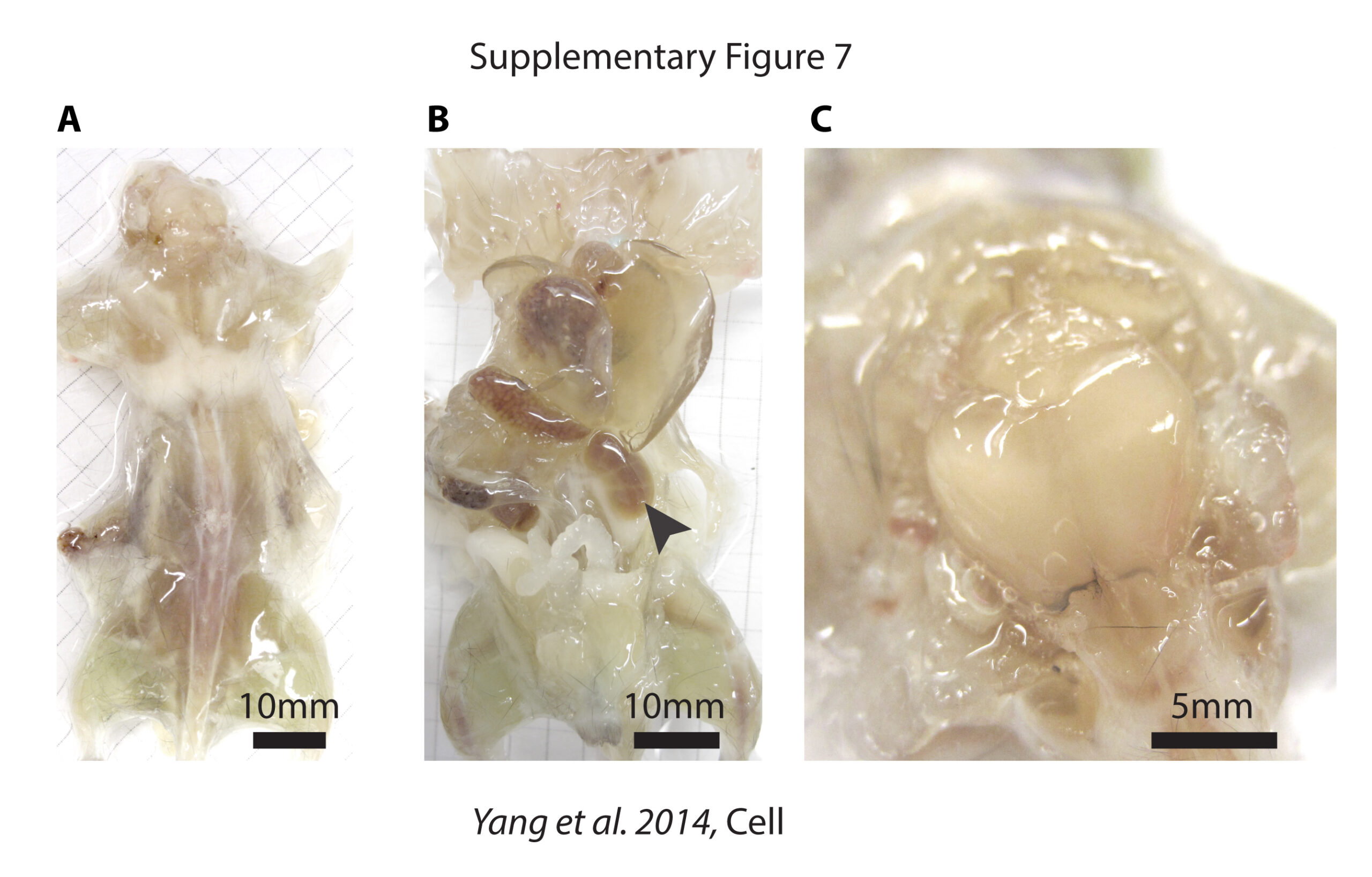
CalTech researchers, led by professor  Viviana Gradinaru, have developed a chemical treatment that makes an entire organism (in this case, a mouse) transparent.  The goal is to help scientists study organs and tissues in the lab, which could help diagnose illnesses in humans.

Professor Gradinaru believes the most significant application will be in neuroscience, as researchers could see high-resolution tissue imaging without slicing.

The study shows that by pumping a detergent and gel through an animal’s circulatory system, one can  quickly make an entire body transparent and ready for research. In mice, most organs were cleared in two days, with the entire body clear in two weeks.

 Labs have begun using the lipid-clearing technique on tissue from human biopsies. According to Gradinaru, using the technique to detect cancerous cells is next.


Categories
BCI Brain

Brain controlled car steers, accelerates, brakes

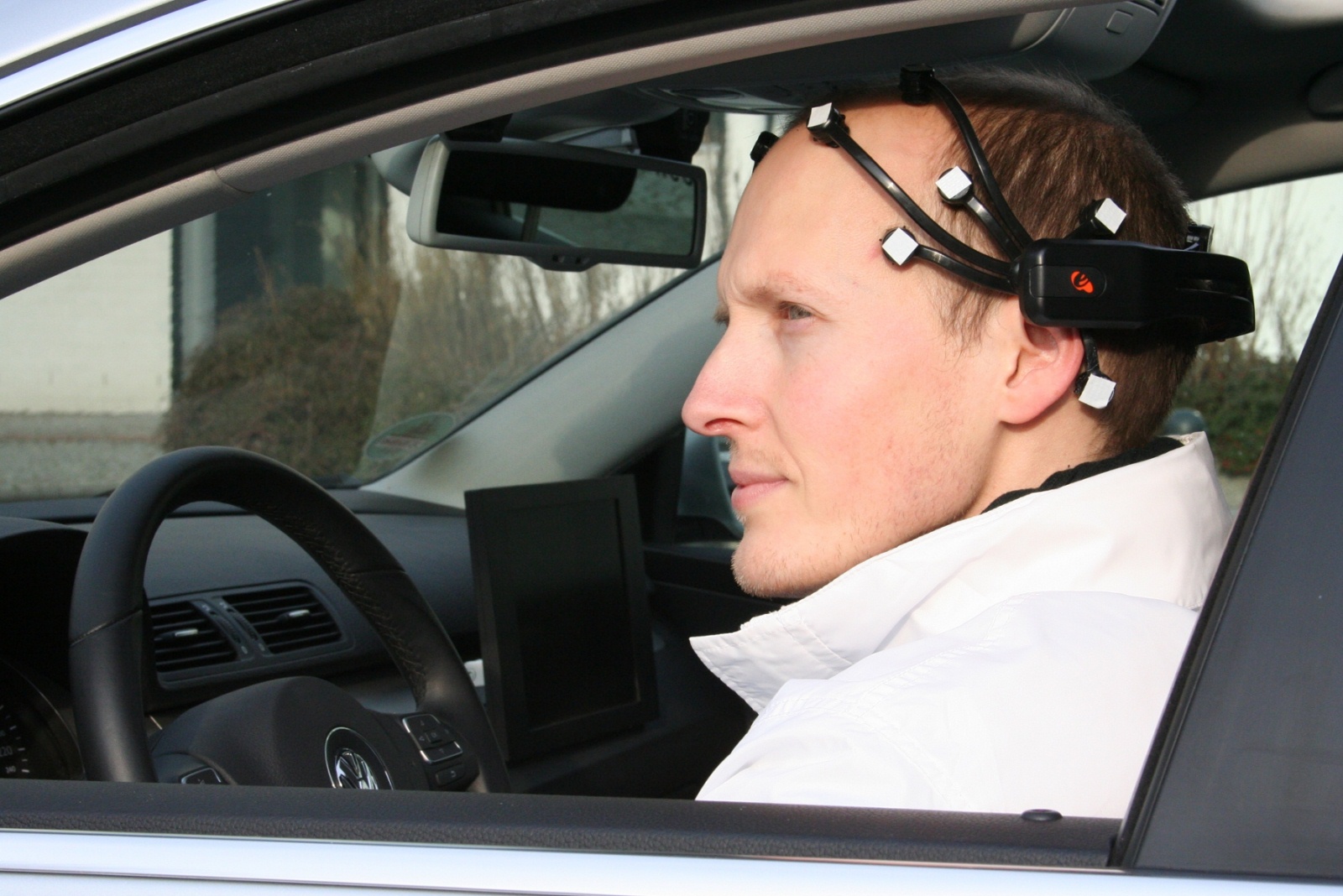
AutoNOMOS and the Freie Universität Berlin  are developing BrainDriver, the first car that steers, accelerates, and brakes based on its driver’s thoughts. In a recent experiment, Henrik Matzke drove a car at speeds up to 31 mph.

Neuro-signals are acquired with a commercial EEG tool. After training with virtual objects in the software toolkit, bioelectric signals measured by the wireless headset are interpreted as patterns associated with directions. Once a pattern can be linked with a command, a software interface sends these to the Drive-By-Wire System of the car ,which converts messages into actions.

Categories
Assistive Technologies BCI Brain

Quadriplegic moves hand with thoughts

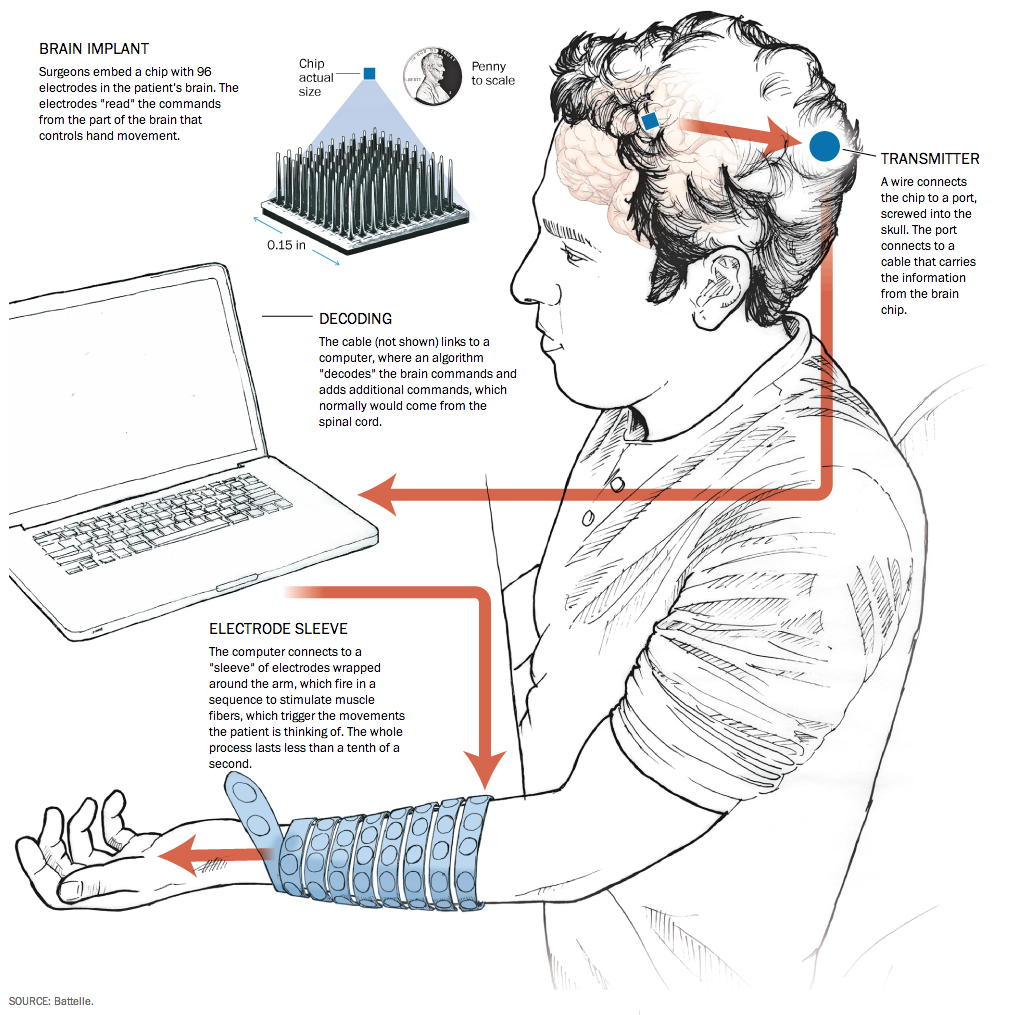
Neurobridge, developed by Ohio State University and Battelle, enabled a paralyzed man to move his hand and fingers with his thoughts.

The  device is an electronic neural bypass for spinal cord injuries that reconnects the brain directly to muscles, allowing voluntary and functional control of a paralyzed limb.

The experiment used a chip, implanted in the patient’s brain, that created algorithms to map the signals sent when he concentrated on moving his hand.

When the chip was connected to a computer, the signals were translated into messages sent to a sleeve loaded with electrodes placed around his arm. This stimulated his muscles, allowing him to move his hand by focusing on it.