Categories
Brain Cancer Diabetes

Single blood drop to detect dozens of diseases

HealthTell is another single blood drop home diagnosis device.  ApplySci described Dr. Eugene Chan‘s Nokia X prize winning similar system  last month.

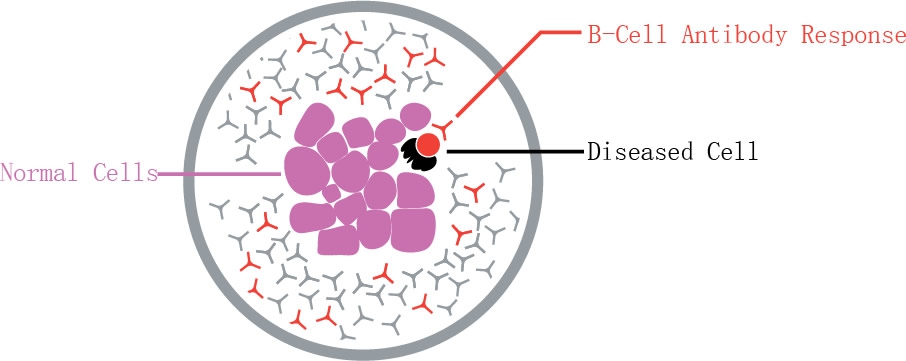
HealthTell claims to detect disease by monitoring the body’s immune response.  Infection antibodies are detected with a peptide built semiconductor wafer. When a few drops of blood hit the surface, antibodies stick to the peptides in patterns that can show characteristics of specific diseases (after analysis). Human and mice studies have shown that the technology might detect lupus, valley fever, Alzheimer’s disease, brain cancer, pancreatic cancer, and Type 2 diabetes.

Theranos, another promising, single blood drop, self diagnosis system, tests for antigens for certain cancers, hepatitides, cholesterol, and dozens of diseases. It has been embraced by investors, raising $400 million to date.  Little has been published about the Theranos system in scientific journals, while HealthTell has published 20 peer reviewed articles.
Categories
Apps Brain Sensors Wearables

Light tracking wearable to prevent seasonal depression

As the shortest day of the year approaches, we all risk the impact of a lack of sun on our personal wellness.

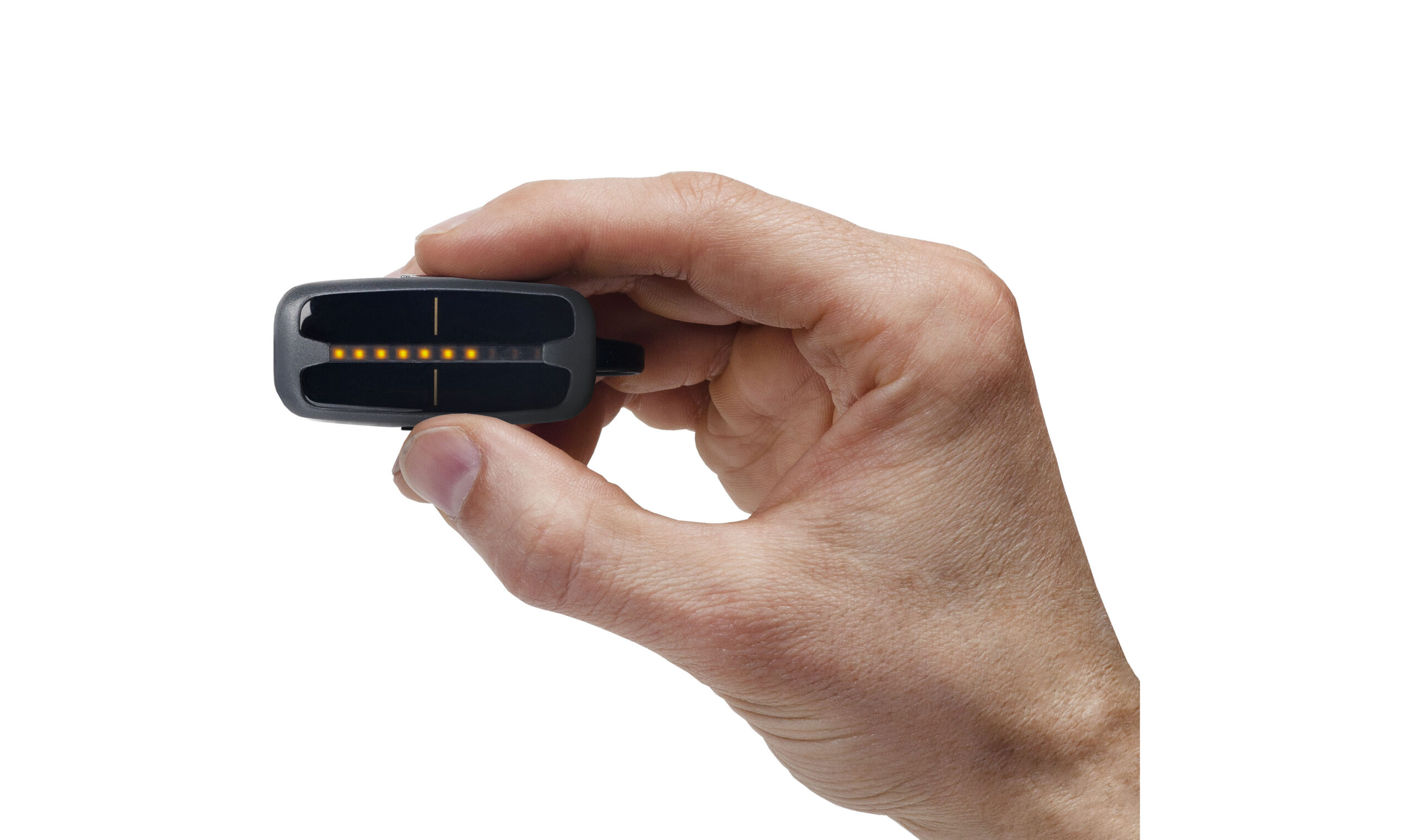
Bright light exposure has myriad mental health benefits, including improved mood, and enhanced digestion, energy and sleep.   Studies show that light therapy is as effective as antidepressant medication, with additional benefits and no side effects.  SunSprite is a wearable that empowers users to prevent seasonal depression (and other light-associated problems) by quantifying their own exposure to daily bright light.  Light affects hormone levels, key to many aspects of health, which ApplySci believes will be one of the key measurables in the next generation of wearables.

Bright light is absorbed through the eyes, travels through receptor cells on the retina, and then onto the brain, which controls hormonal cycles.  It is not absorbed through the skin, as is commonly thought.  SunSprite is solar powered and has dual sensors that measure visible and UV light.  It contains 10 LED lights, each representing 10% of a person’s daily goal.  A button is pushed to view progress and sync with a mobile phone via Bluetooth.  Users receive instant sun exposure feedback via the device’s display, and deeper analysis from the mobile app.  Personalized coaching is offered,  goals are set, and trends are tracked.

The company  is run by Ed Likovich and a team of Harvard scientists.  The device is compatible with iPhone, will soon be compatible with Android, and can also provide light feedback with out the mobile app.

Categories
BCI Brain Prosthetics Robotics

BCI enabled 10-D prosthetic arm control

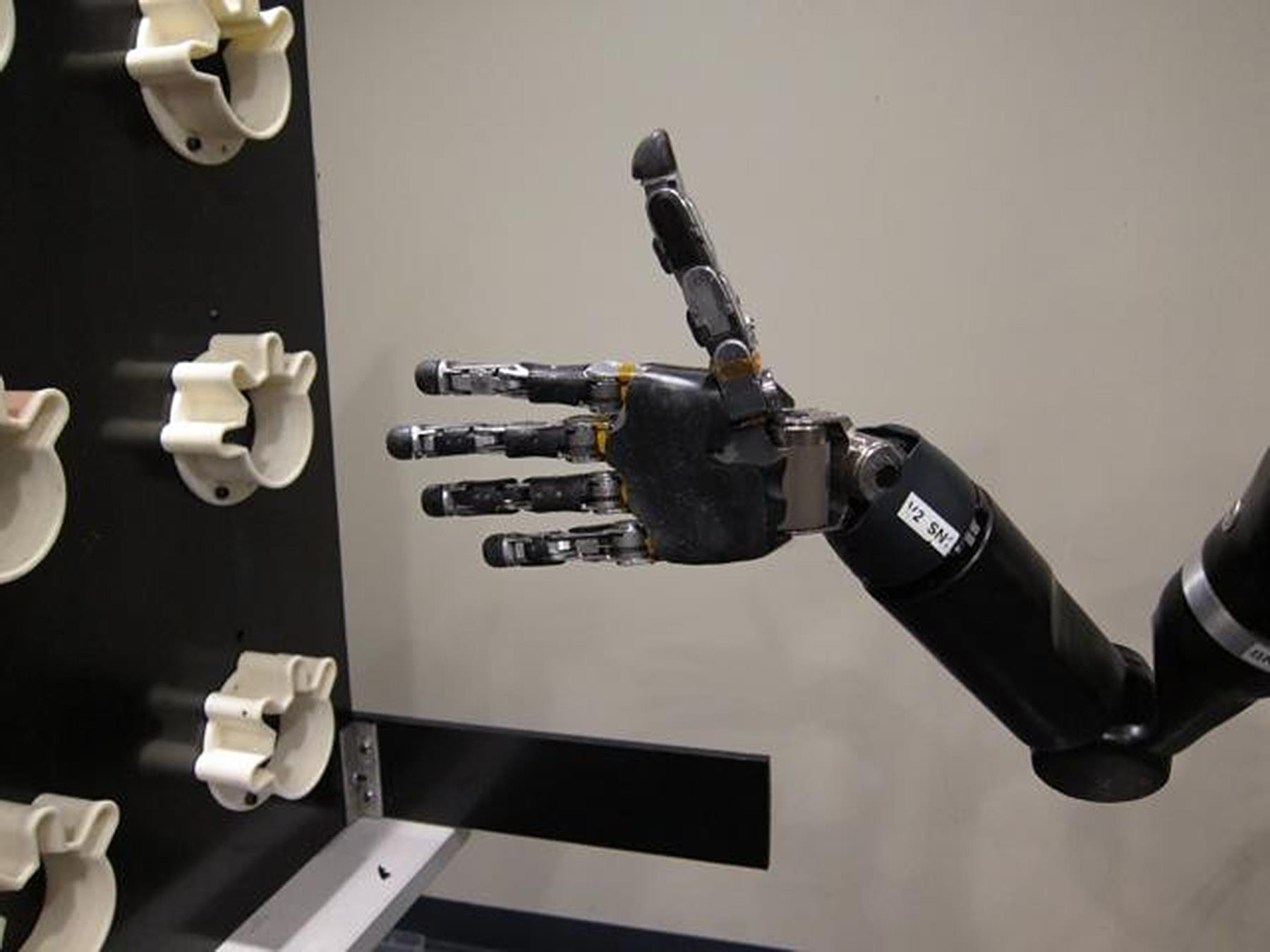
Jennifer Collinger and University of Pittsburgh colleagues have enabled a prosthetic arm wearer to reach, grasp, and place a variety of objects with 10-D control for the first time.

The trial participant had electrode grids with 96 contact points surgically implanted in her brain in 2012.  This allowed 3-D control of her arm. Each electrode point picked up signals from an individual neuron, which were relayed to a computer to identify the firing patterns associated with observed or imagined movements, such as raising or lowering the arm, or turning the wrist. This was used to direct the movements of a prosthetic arm developed by Johns Hopkins Applied Physics Laboratory.  Three months later, she also could flex the wrist back and forth, move it from side to side and rotate it clockwise and counter-clockwise, as well as grip objects, adding up to 7-D control.

The new study, published yesterday, allowed the participant 10-D control — the ability to move the robot hand into different positions while also controlling the arm and wrist.

To bring the total of arm and hand movements to 10, the pincer grip was replaced by four hand shapes: finger abduction, in which the fingers are spread out; scoop, in which the last fingers curl in; thumb opposition, in which the thumb moves outward from the palm; and a pinch of the thumb, index and middle fingers. As before, the participant watched animations and imagined the movements while the team recorded her brain signals. They used this to read her thoughts so that she could move the hand into various positions.

Categories
Brain

Optic technology to diagnose, monitor brain damage

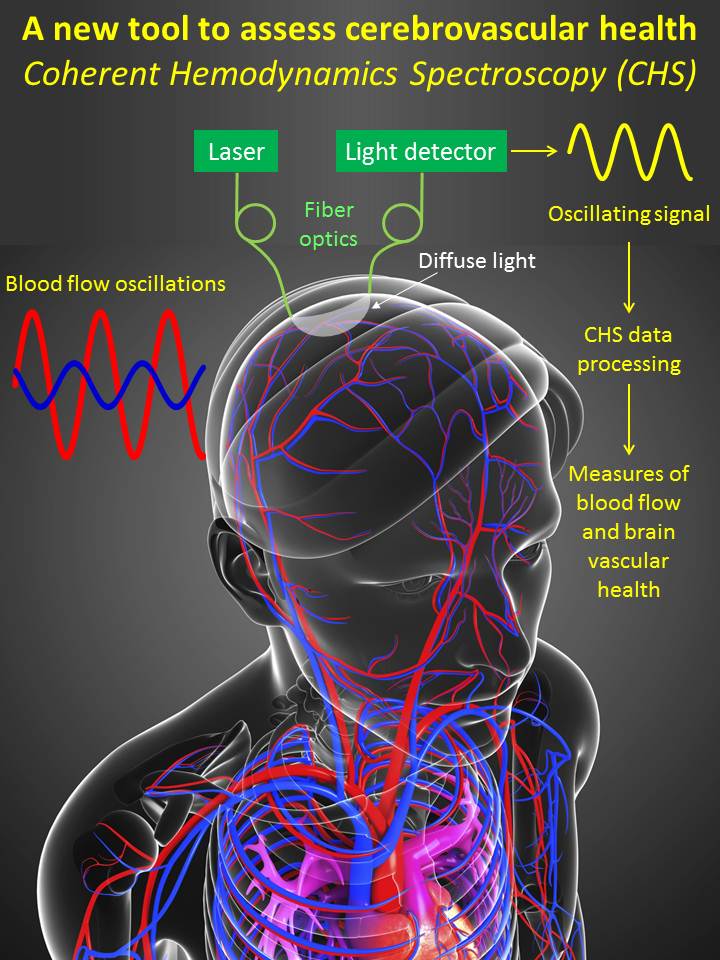
Coherent hemodynamics spectroscopy (CHS), developed by Tufts professor Sergio Fantini, measures blood flow, blood volume, and oxygen consumption in the brain. The goal is to pinpoint and monitor, real time and non invasively, brain damage from stroke, traumatic injury, or vascular dementia. It can also be used to study how blood flow is regulated in the healthy brain.

CHS uses noninvasive laser diodes that emit near infrared light, delivered to the scalp by fiber optics. Light waves are absorbed by blood vessels in the brain. Remaining light is reflected back to sensors, resulting in optical signals that oscillate with time as a result of the heartbeat, respiration, or other sources of blood pressure variation.  Algorithms analyze the light signals, enabling the model to evaluate blood flow and the way the brain regulates it.


Categories
Brain

3D holograms can be seen and felt

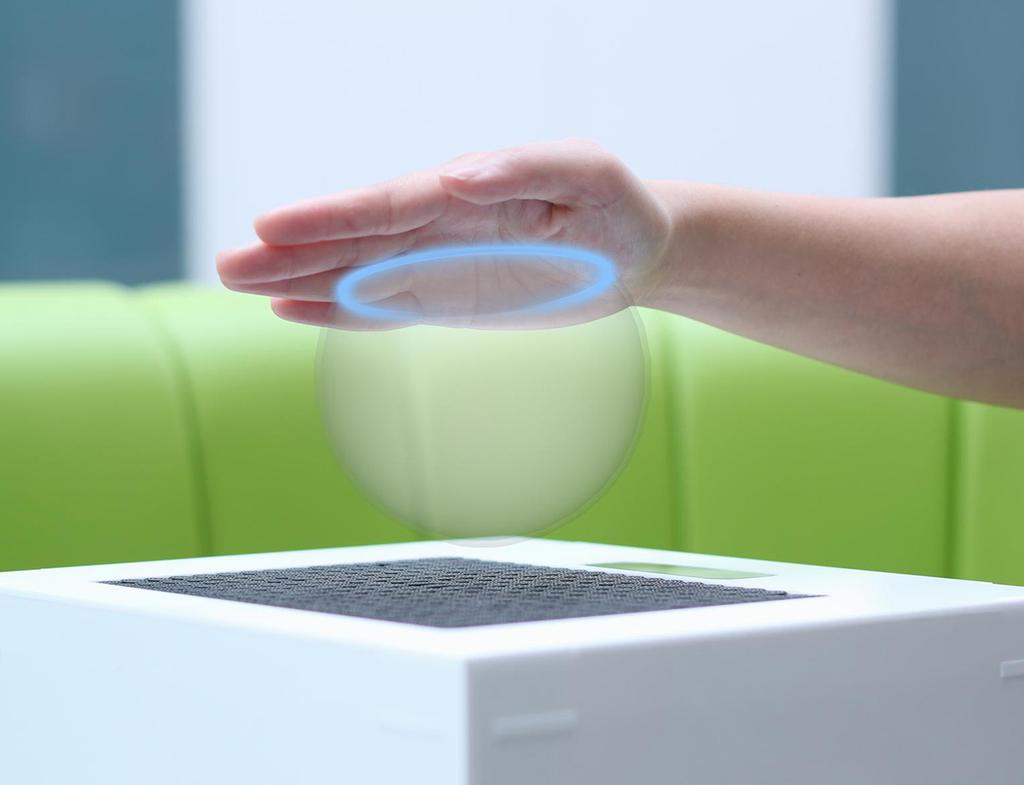
Benjamin Long and colleagues at the University of Bristol have developed invisible 3D object holograms that can be felt and seen in mid-air using ultrasound. Potential uses include helping surgeons “feel” the differences between materials in a CT scan to diagnose disease, or, combined with a VR headset, to rehearse surgeries.

High-frequency sound waves  are pulsed from miniature speakers that exert pressure on one’s hand to create the feel of haptic holograms. A Leap Motion sensor tracks hand positions to decide where in the air to create the object. Sound waves are projected onto a layer of oil, and shape depressions and movements can be seen on the surface.

Categories
Brain Heart Sensors Wearables

Electrode/patch system monitors physical & mental health of soldiers

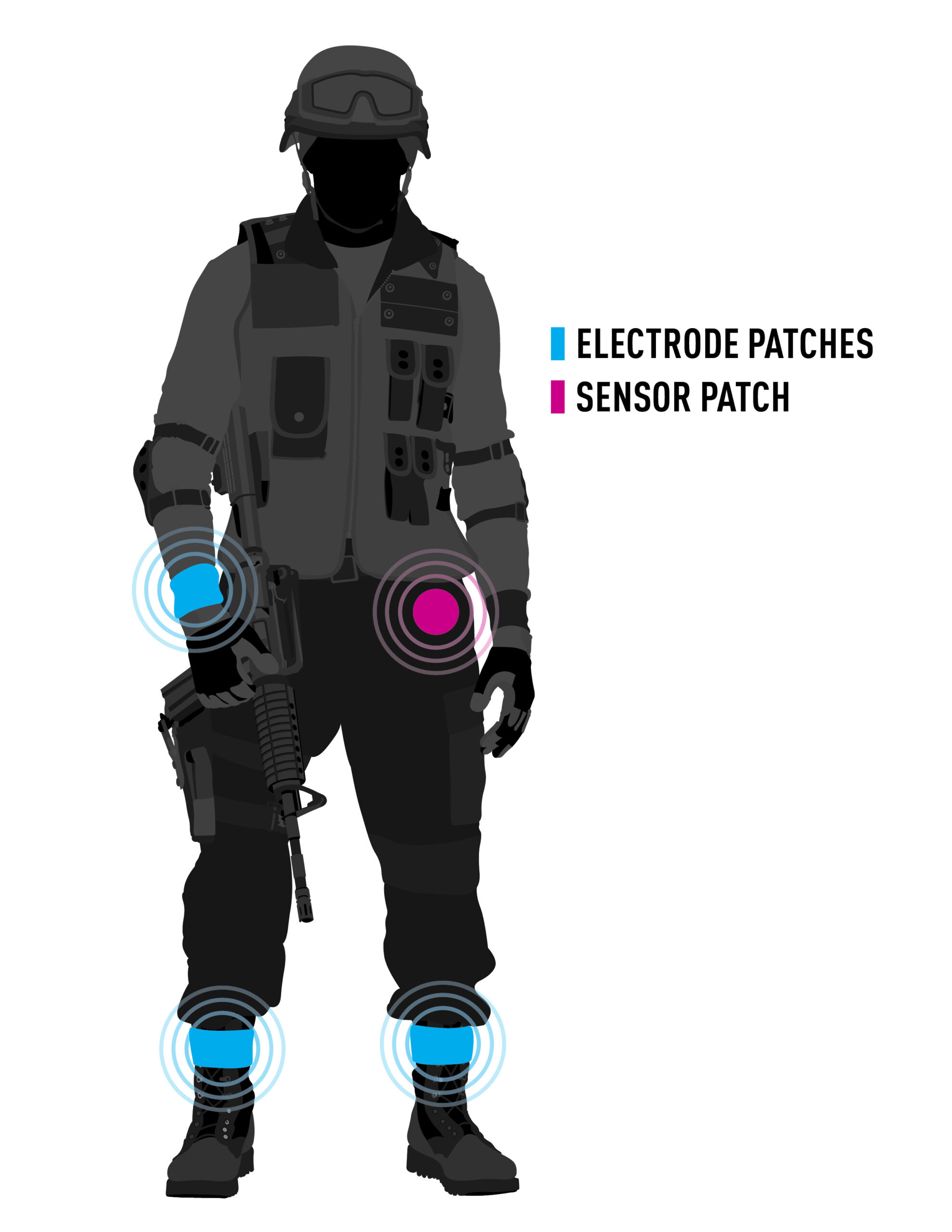
University at Buffalo professor Albert H. Titus, Sentient Science, and ONR are developing technology to monitor physical and psychological stress levels of soldiers, and send alerts when distress is detected.

The wireless system includes electrodes that measure heart rate, brain activity and other vital signs, and are attached to the skin adhesively or sewn into clothing.  The electrodes relay information to a sensor patch worn on the skin.  The patch sends the data to a computer, where algorithms consider terrain, weather, environmental information, and the soldier’s activity level. Health alerts are sent to soldiers and emergency medical facilities in the field.

Categories
Brain Cancer Wearables

Wearable creates electric fields on scalp to treat brain tumors

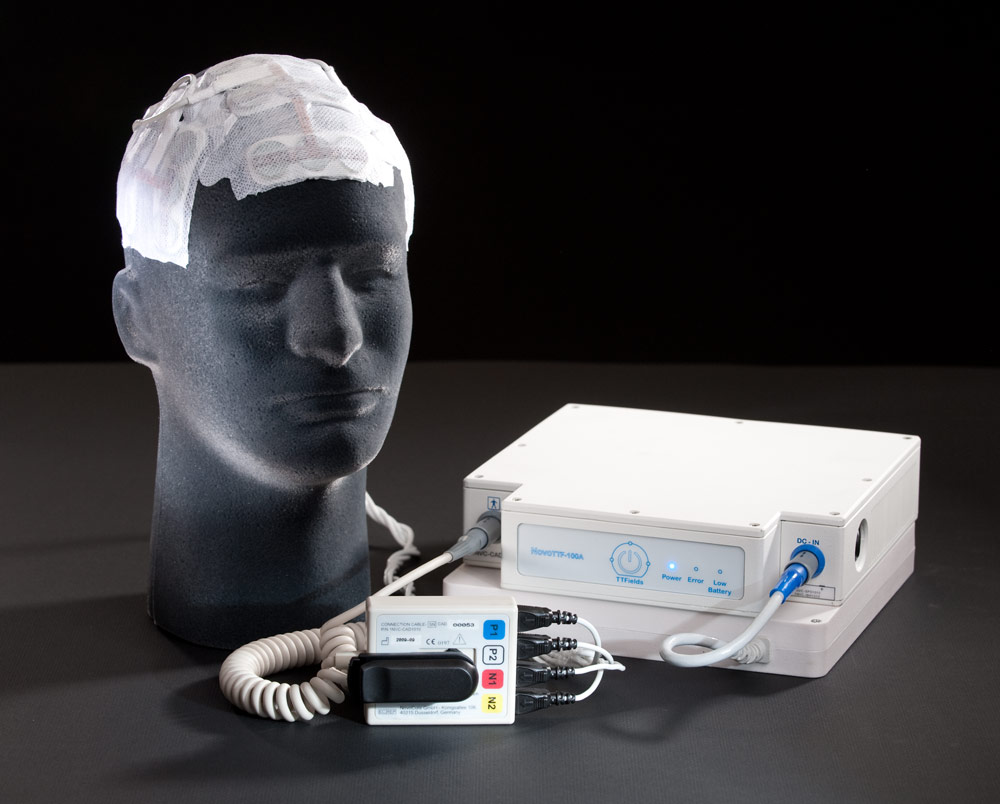
Novocure, founded by Technion professor Yoram Palti, has developed a device worn on the head that creates alternating electric fields to treat brain tumors.   The company announced that in a phase III clinical trial, its technology, in combination with standard chemotherapy, extended the lives of patients.  Novocure claims that it “slows and reverses tumor growth by inhibiting mitosis, the process by which cells divide and replicate” and that  it “creates a low intensity, alternating electric field within a tumor that exerts physical forces on electrically charged cellular components, preventing the normal mitotic process and causing cancer cell death.”

Survival improved from 16.6 months to 19.6 months in the study, and the percentage of patients surviving two years increased from 29% to 43%.

Categories
Brain

Mapping mental illness origins for targeted treatment

Stanford‘s NeuroCircuit initiative, led by Amit Etkin and Stephen Baccus,  attempts to locate brain circuits responsible for mental illness and develop better, noninvasive TMS and ultrasound treatment techniques.  Their stated challenge:  “A major hurdle that has prevented our understanding of cause and effect in the brain is the inability to directly manipulate brain activity and connections in a precise and flexible manner throughout the brain.”

In their lab, TMS is used to stimulate one part of the brain while researchers look for reactions elsewhere. The hope is to map the relationship between brain circuits and identify the circuits that underlie mental health conditions.

Etkin is trying to improve TMS so that it can reach deeper brain structures and be more targeted.   He believes that this is required to effectively treat depression, anxiety and PTSD.

Baccus  and colleagues are developing a way to use ultrasound for brain stimulation.  They are trying to direct it deep within the brain at a frequency that can stimulate nerves without harming them. If the team is successful, ultrasound could be a more targeted and focused tool than TMS for remotely stimulating circuits that generate mental illness.

Categories
Apps Brain Machine Learning

Speech app detects bipolar mood swings early

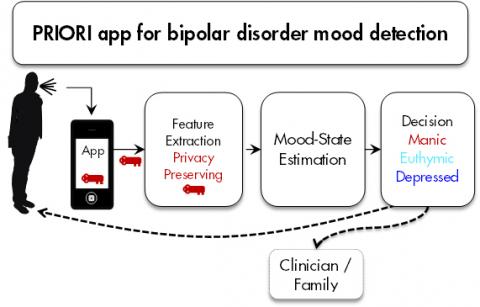
PRIORI is an android app that monitors subtle voice changes to detect bipolar mood swings.  It was developed by Zahi Karam, Emily Mower Provost and Melvin McInnis at the University of Michigan.  The hope is to anticipate swings before they happen, and intervene.  PRIORI was inspired by the families of bipolar patients, who often were first to detect an imminent mood swing during conversations.

Doctors routinely look for speech characteristics to assess mood in bipolar patients. Those heading toward a manic episode may speak louder or faster than usual, and may jump from topic to topic. A recent study showed depressed patients having longer speech pause times. The pauses often shorten as patients are treated with antidepressants.  Another study showed differences in pitch and jitter in different mood states among bipolar patients. PRIORI identifies these signals and notifies the patient or doctor.

The app monitors voice patterns during calls made, and during weekly conversations with a member of the care team.  Characteristics of the sounds  and silences of each conversation are analyzed. Only the patient’s side of calls is recorded.  The recordings are encrypted and not available to the research team. They see the results of the analysis, which are stored in secure servers to ensure privacy.  Standardized weekly mood assessments with a clinician provide a mood benchmark, and are used to correlate the acoustic features of speech with a patient’s mood state.

As other conditions also cause voice changes, the same technology is being tested for schizophrenia, PTSD and Parkinson’s patients.

Categories
AI Brain

AI system mimics human short term memory

Google’s DeepMind has unveiled a prototype computer that attempts to mimic properties of the human brain’s short-term memory. It is a neural network that works with an external memory, resulting in a computer that learns as it stores memories and can later retrieve them to perform logical tasks beyond those it has been trained to do.

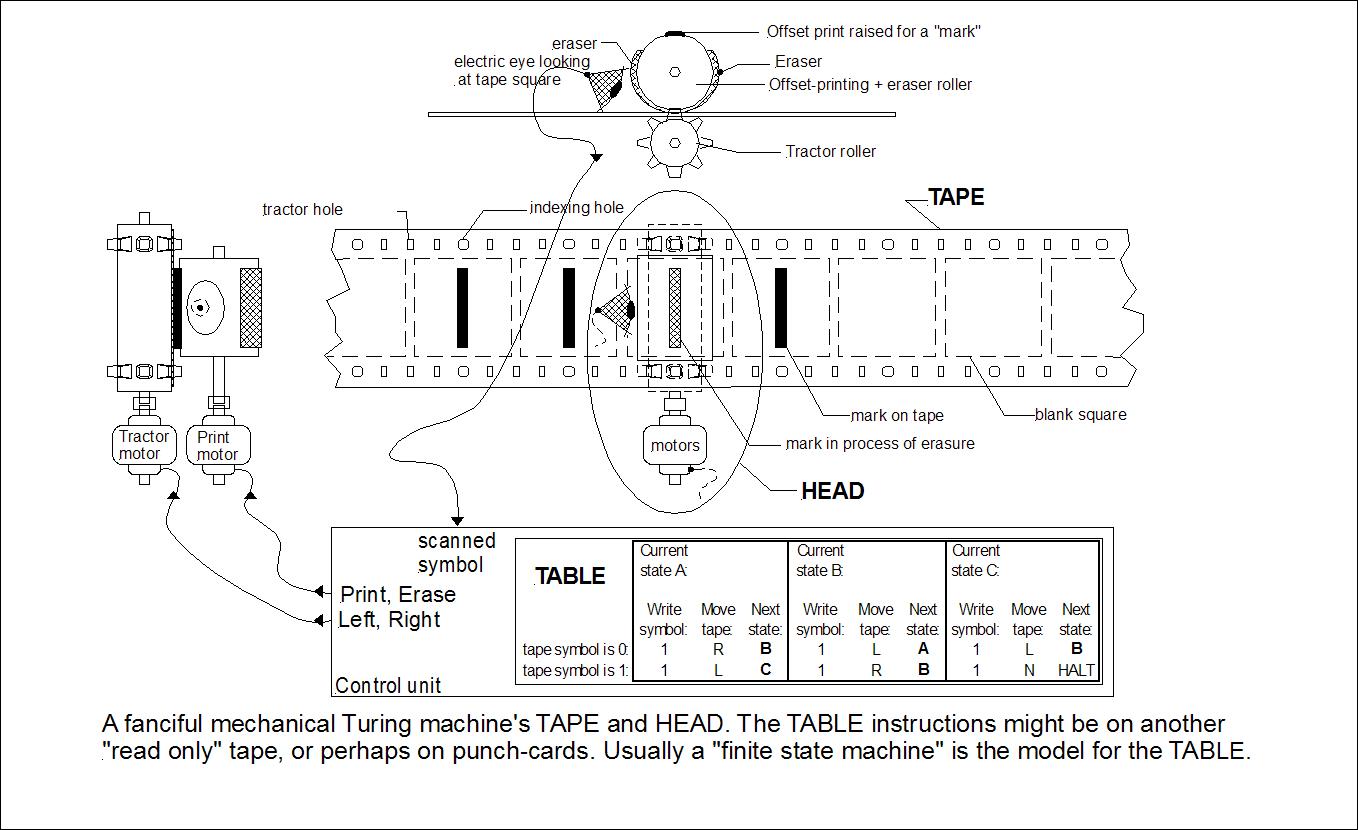
A traditional computer neural network consists of interconnected processors that can change the strength of their connection based on external input. This models the plasticity and learning ability of a brain. DeepMind has added a new component based on Turing’s model of computation, in which memory acts as a tickertape that can pass back and forth through a computer, sorting variables for later processing. The component allows DeepMind’s  “Neural Turing Machine” to understand new data as chunks.  The external memory is used to keep the chunks active so it can use them at different points in a calculation.

Categories
Brain Eyes Wearables

More realistic virtual reality — Google hopes

Little is known about MagicLeap, recently backed by Google, representing an assumed commitment to the gaming space, with potential BCI applications.  Patent applications suggest that the company provides display technology that can trick the human visual system better than existing virtual reality displays.

Reports discuss an improved virtual reality user interface that lets one’s eyes focus on depth as in the real world, rather than remaining focused on the screen in front of them. The company claims to be able to create the same kind of 3-D patterns of light rays, known as “light fields,” that eyes take in from real objects. Other descriptions mention infrared sensors and eye-tracking cameras to help the device react to the external environment.

Categories
Brain

Quadriplegic walks, with support, after nose cell transplant

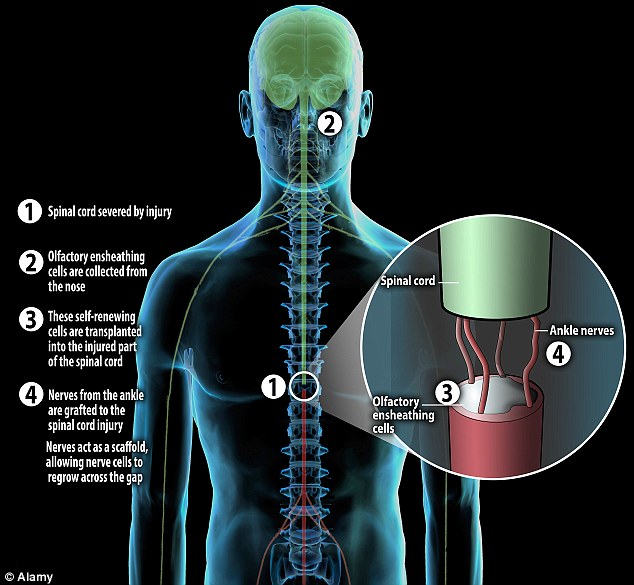
University College London professor Geoffrey Raisman transplanted cells from a quadriplegic man’s nose into his spinal cord, enabling him to walk (with assistance) for the first time in 4 years.  The paper describing the transplant was published in Cell Transplantation this week.

In 1969, Professor Raisman discovered that damaged nerve cells can form new connections.  In 1985, he identified a type of nose cell, called an olfactory ensheathing cell, that allows nerve fibers to regenerate into the brain.

In the first of two operations, the surgeons removed one of the patient’s olfactory bulbs from high in his nose, and grew the OECs in culture.  Two weeks later, using 100 micro-injections on each side of the site, they transplanted the cultured OECs into his severed spinal cord, using a strip of nerves from his ankle to bridge the gap.

The OECs were used to spur the spinal nerve fibers to regrow across the gap, using the ankle nerve grafts as a bridge.