
Categories
Brain

Skin biopsy could detect Alzheimer’s, Parkinson’s

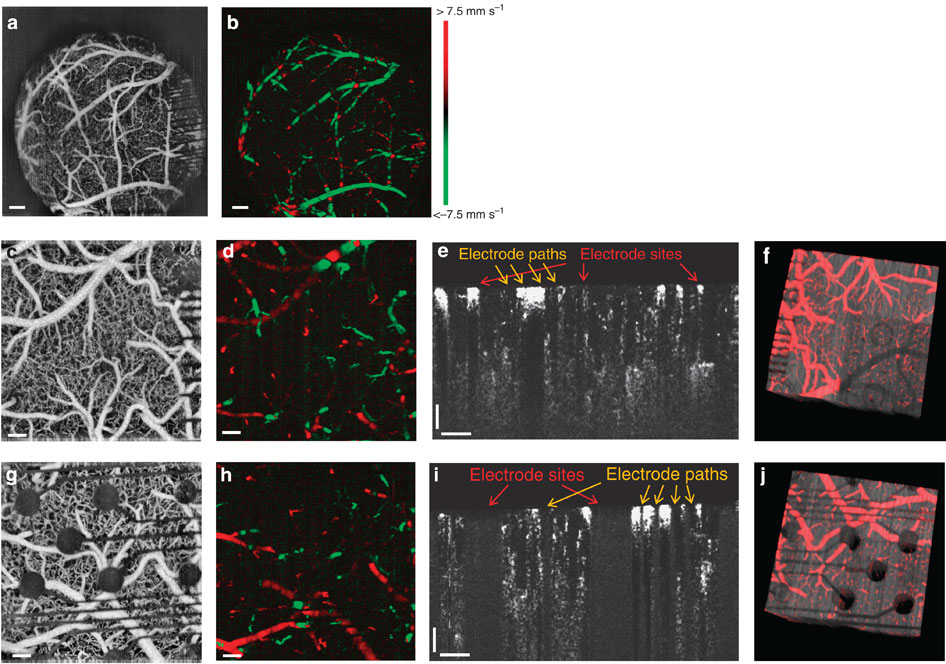
University of San Luis Potosi‘s Ildefonso Rodriguez-Leyva is developing  a skin test for Parkinson’s and Alzheimer’s diseases that detects elevated levels of characteristic proteins.  Based on the hypothesis that that skin is essentially the same as brain tissue, originating from the same source during fetal development, the test might identify biomarkers to help diagnose the diseases early.

Skin samples were taken from 16 people with Parkinson’s disease, 20 with Alzheimer’s disease and 17 with other forms of dementia. Biopsies were also taken from 12 healthy subjects in the same age group.  The samples were tested for abnormal proteins and showed that Parkinson’s and Alzheimer’s sufferers had seven times more tau protein than the healthy group.  The Parkinson’s subjects also had eight times more alpha-synuclein protein than the control group.

Wearable Tech + Digital Health NYC 2015 – June 30 @ New York Academy of Sciences
Categories
BCI Brain Conference

Implant could direct images to visual cortex, restore sight

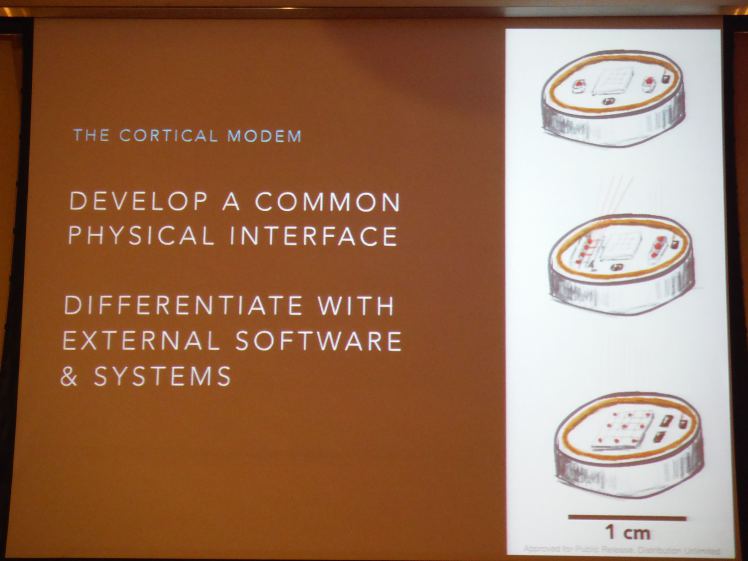
DARPA is in the early stages of developing a “cortical modem” which would enable a simple visual display via a direct interface to the visual cortex.  Its projected cost is 10 US Dollars.

The project lead is Dr Phillip Alvelda.  It was built on Karl Deisseroth‘s optogenetics research — studying and controlling specified cells within living tissue by shining light on them.

While exciting, the realization of the technology is far off, having only been tested on animals.

Wearable Tech + Digital Health NYC 2015 – June 30 @ New York Academy of Sciences
Categories
Brain mHealth Monitoring Parkinson's

Smartphone tests detect Parkinson’s

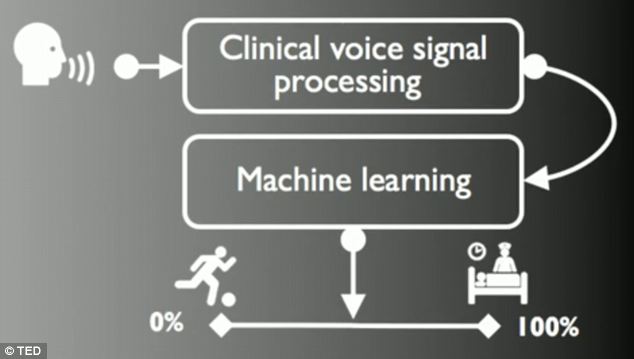
In a recent study,  MIT Media Lab‘s  Max Little used machine learning tools to indicate early Parkinson’s Disease in a group of smartphone users.  Phones were given to Parkinson’s patients and a healthy control group. The built in accelerometer enabled Little to distinguish between those with and with out the disease with  99% accuracy.  The detection method relied on subtle differences in a patient’s movement, including rigidity and impaired balance.

In another Parkinson’s Voice Initiative study, 50 people were asked to say “ahh” into the phone for a few weeks. The audio recordings allowed Little  to estimate disease progression using the Unified Parkinson’s Disease Rating Scale.

Wearable Tech + Digital Health NYC 2015 – June 30 @ New York Academy of Sciences
Categories
Brain

Eye tracking measures brain injury severity

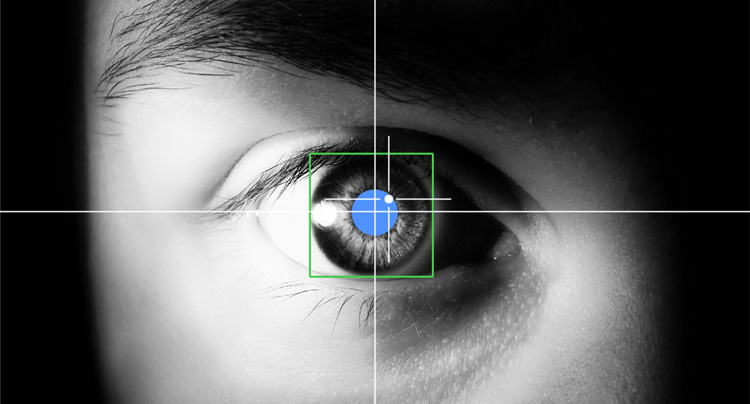
NYU‘s Uzma Samadan has developed an eye tracking device that measures the severity of concussion or brain injury.  This simple, inexpensive technology could improve the speed and accuracy of TBI diagnosis.

Researchers compared 64 healthy control subjects to 75 trauma patients at Bellevue Hospital. Pupil movement was tracked for 200 seconds while patients watched a music video.

The study showed that 13 patients who had hit their heads and had CT scans showing new brain damage, and 39 patients who had hit their heads and had normal CT scans, had significantly less ability to coordinate their eye movements than uninjured control subjects. 23 subjects who had bodily injuries but did not require head CT scans had a similar ability to coordinate eye movements as uninjured controls.

Wearable Tech + Digital Health NYC 2015 – June 30 @ New York Academy of Sciences
Categories
Brain EEG fMRI

Brain scans for customized treatment

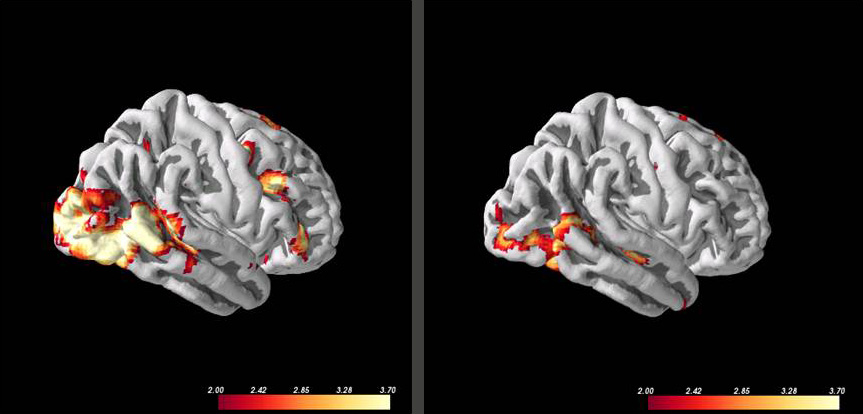
MIT‘s John Gabrieli is investigating the use of neuroimaging to predict future behavior to customize brain health treatments.

Professor Gabrieli believes that neuromarkers, determined by fMRI,  can be used to develop personalized interventions to improve education, health, addiction, criminal behavior and to analyze responses to drug or behavioral treatments.

According to Gabrieli, “Presently, we often wait for failure, in school or in mental health, to prompt attempts to help, but by then a lot of harm has occurred.  If we can use neuroimaging to identify individuals at high risk for future failure, we may be able to help those individuals avoid such failure altogether.”

The cost of fMRI could pose a challenge for implementation.  Cheaper, quicker, mobile EEG solutions could complement this research, and help bring  imaging to the forefront of  treatment.

Join ApplySci at Wearable Tech + Digital Health NYC 2015 – June 30 @ New York Academy of Sciences.

Categories
Autism Brain Parkinson's

Video game eye movement to diagnose brain disorders

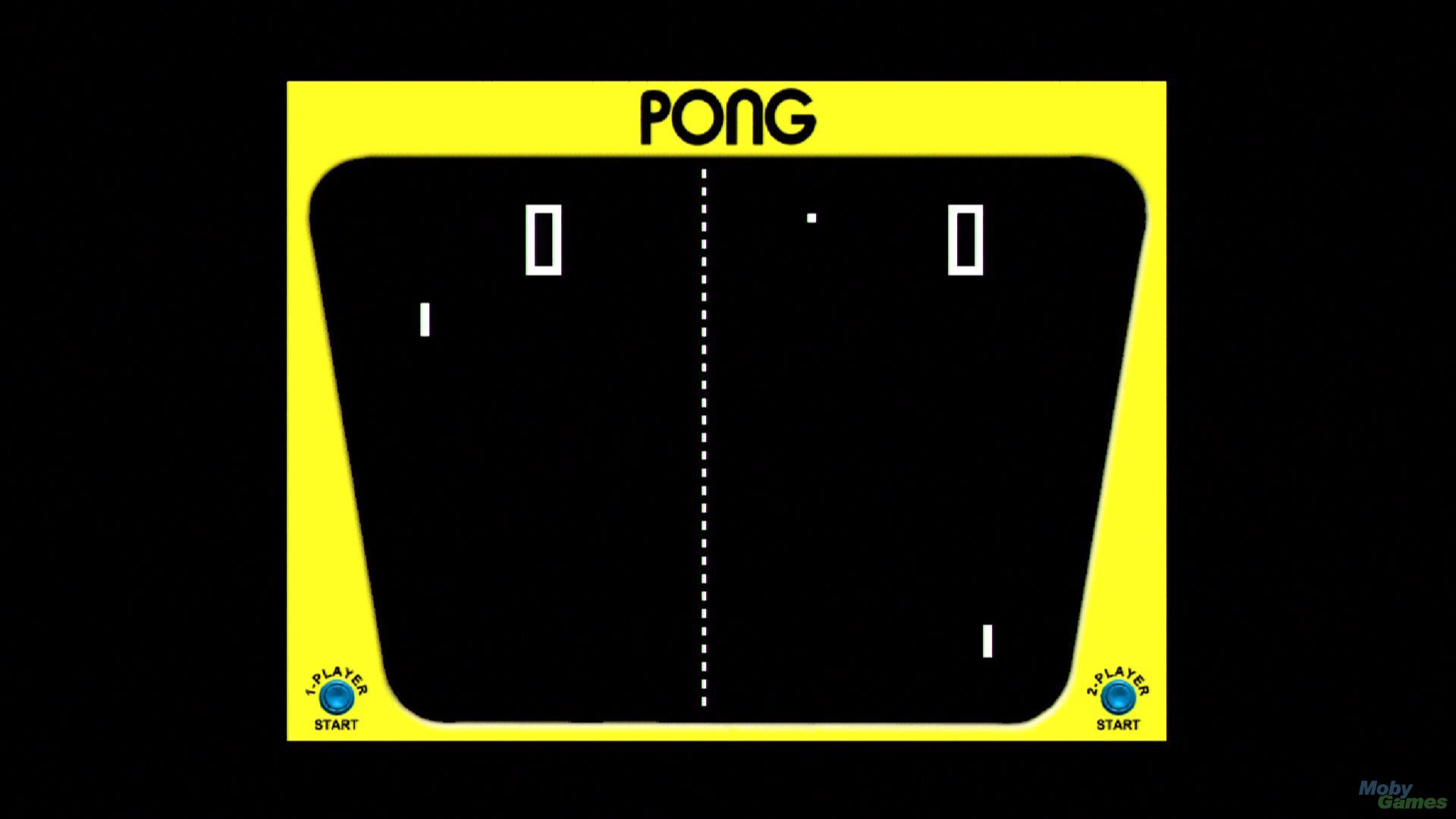
University of Chicago professor Leslie Osborne believes that the classic Atari game “Pong” is ideal for tracking eye movement, therefore helping  diagnose Parkinson’s, TBI or autism

Osborne’s lab focuses on eye movement behavior, known as smooth pursuit, that allows eyes to track moving targets.  At the recent Brain Research Foundation conference,  her paper showed that “when motion becomes predictable, gaze behavior is no longer captured by the same decision rule.  Researchers hope to apply this information to quantify the interaction between target, gaze, and time.  In a clinical context, researchers hope that it will expand the toolkit for diagnosing brain disorders which affect gaze behavior.”

This is classic video game maker Atari’s second newsworthy development in recent weeks.  In December ApplySci described Atari’s digital health partnership with Walgreen’s.

Wearable Tech + Digital Health NYC 2015 – June 30 @ New York Academy of Sciences
Categories
BCI Brain EEG Stroke

Stroke detecting headset prototype

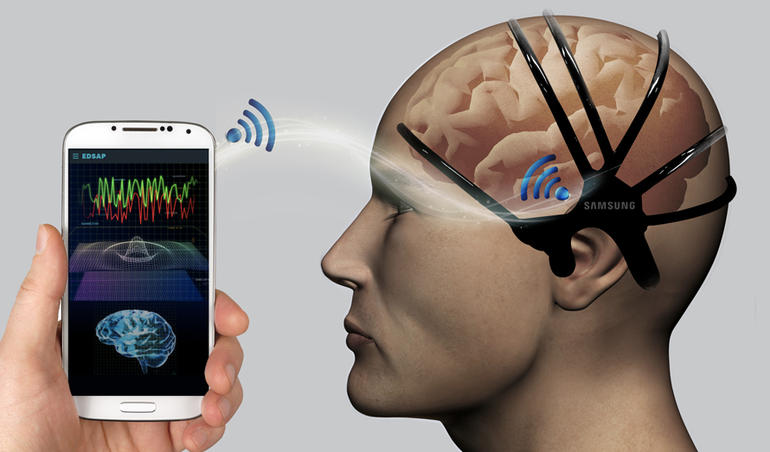
Samsung’s Early Detection Sensor & Algorithm Package (EDSAP), developed by  Se-hoon Lim, is meant to detect early signs of stroke.

A multiple sensor headset records electrical impulses in the brain, algorithms determine the likelihood of a stroke in one minute, and results are presented in a mobile app.  EDSAP can also analyze stress and sleep patterns, and potentially be used to monitor heart activity.  The company believes that the system can one day be built into one’s own glasses.

Wearable Tech + Digital Health NYC 2015 – June 30 @ New York Academy of Sciences
Categories
Autism Brain Children fMRI

Brain imaging technique identifies autism

Virginia Tech Carilion Research Institute professor P. Read Montague has developed a brain imaging technique that may be able to identify autism in children.  Current diagnosis is a long an unquantifiable process based on clinical judgment.

The study demonstrates that a perspective tracking response can be used to determine whether someone has autism spectrum disorder.  It investigates how the middle cingulate cortex response differs in individuals at different developmental levels.

Children were shown 15 images of themselves and 15 images of a child matched for age and gender for four seconds per image in a random order. The control children had a high response in the middle cingulate cortex when viewing their own pictures. Children with autism spectrum disorder had a significantly diminished response.

According to Montague, “the single-stimulus functional MRI could also open the door to developing MRI-based applications for screening of other cognitive disorders.”  Scientists can link the function of mental disorders to the disrupted mechanisms of neural tissue through mathematical approaches, such as brain scans.  Doctors then can use measurable data for earlier diagnosis and treatment.

Wearable Tech + Digital Health NYC 2015 – June 30 @ New York Academy of Sciences

Categories
Brain

Vagal blocking implant to treat obesity

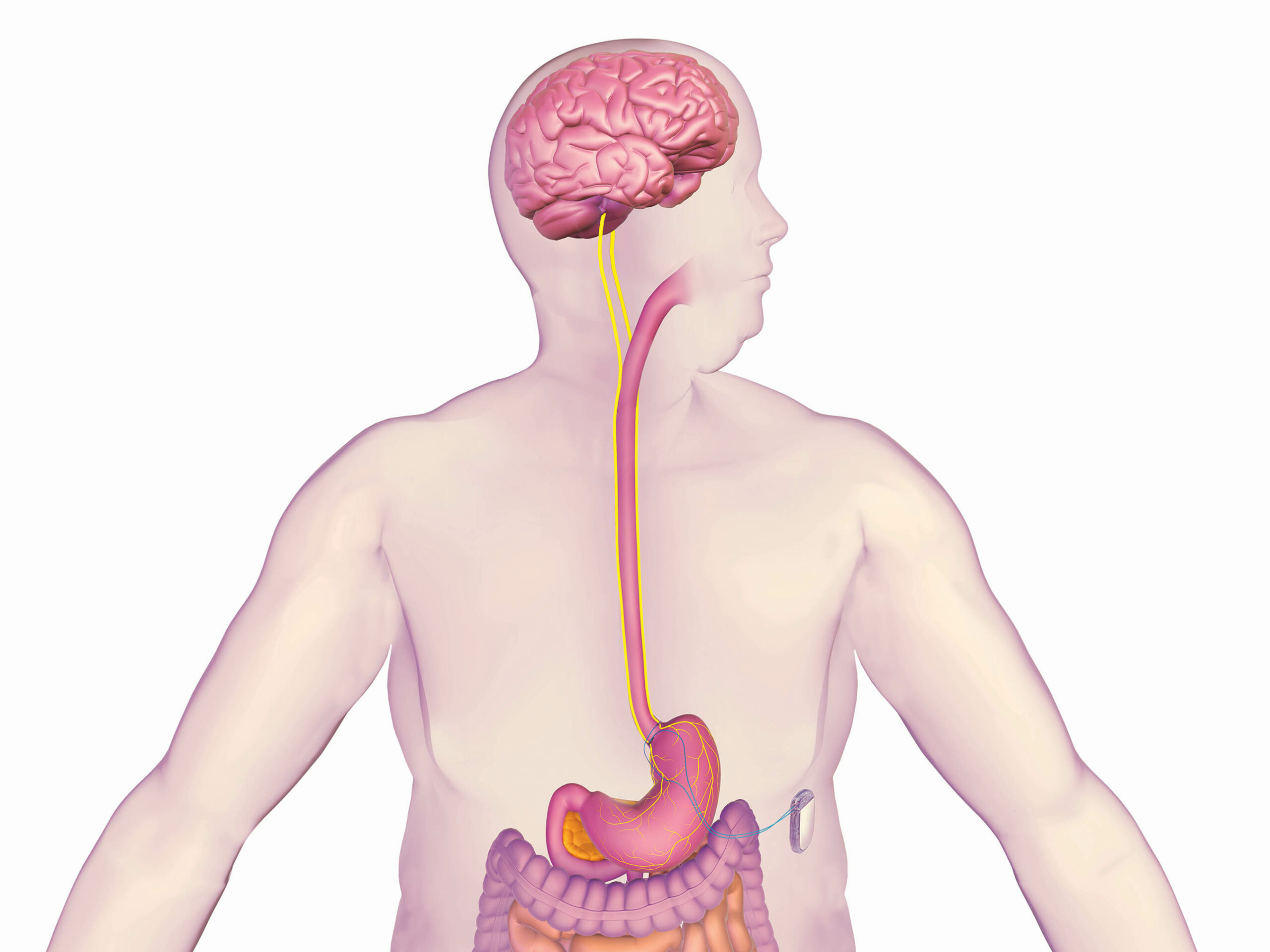
Maestro by EnteroMedics is an implanted vagus nerve blocking sensor that could suppress  appetite to treat obesity.  The rechargeable neuroregulator device is implanted into the lateral chest wall with flexible leads placed laparoscopically around the vagus nerve.    The vagus nerve is stimulated,  sending signals to the brain that the stomach is empty or full.  Patients and doctors can adjust the device settings using external controllers.

The company said that the two electrodes are implanted via a minimally invasive surgical procedure, which could make the system a less invasive alternative to other weight loss surgeries. The external battery needs to be recharged weekly.  EnteroMedics compares it to a pacemaker.

Sensors that affect the vagus nerve/brain have the potential to be used to treat many conditions.  We look forward to seeing how this technology develops.

Wearable Tech + Digital Health NYC 2015 – June 30 @ New York Academy of Sciences
Categories
Brain EEG fMRI

Transparent, implantable sensor improves brain monitoring

On October 23rd, ApplySci described Justin Williams‘s  graphene based, transparent sensor brain implant.

The Nature paper is now available online.  This will redefine neural implants as it will enable better  fMRI monitoring of the activity around the implant, while getting detailed activity from the area. Together with noninvasive EEG, this can help fine tune very detailed EEG features.

Categories
Apps Brain mHealth

App helps diagnose TBI in soldiers; can identify depression, PTSD

The US Army and AnthroTronix have developed an app that provides data to help diagnose and measure brain injuries in soldiers.

The “DANA”  includes 5, 20,  and 45 minute neurocognitive tests and psychological survey questions.  The data will help doctors diagnose traumatic brain injury and identify depression, post-traumatic stress, and other neurocognitive issues.  The game-like test includes exercises that score a soldier’s speed and accuracy.  A (potentially in-theater) doctor analyzes the post-injury test, and compares it to pre-deployment baseline tests.

The FDA approved tool was reliable in when studied in harsh combat environments.  Johns Hopkins researchers found  its results correlated highly with the mini-mental state examination. It will supplement, not replace, the current hand written Military Acute Concussion Evaluation as an in-theater assessment, and the Automated Neuropsychological Assessment Metric used for a pre-deployment baselines.

Categories
Autism Brain Wearables

Glass apps help autistic kids communicate

Brain Power‘s Google Glass apps and hardware help autistic kids develop social and communication skills, and provide feedback to parents.

The device’s accelerometer tracks children’s head gestures when they look or don’t look at parents, as well as repetitive movements.  “Social engagement module monitors” assess the child’s engagement, specifically if they are looking at a parent’s face and eyes.  Software helps the wearer interpret expressions through games and exercises.  The goal is to help them understand facial emotions  when they aren’t wearing Glass.

To develop language skills, objects are identified through machine vision, and their names are displayed and spoken through the speaker or earbud.  Children will eventually receive personalized language and conversation coaching.  Software will also use the accelerometer to predict over-excitement and provide calming suggestions.