Categories
Brain Virtual Reality

Virtual Reality in neurosurgery planning

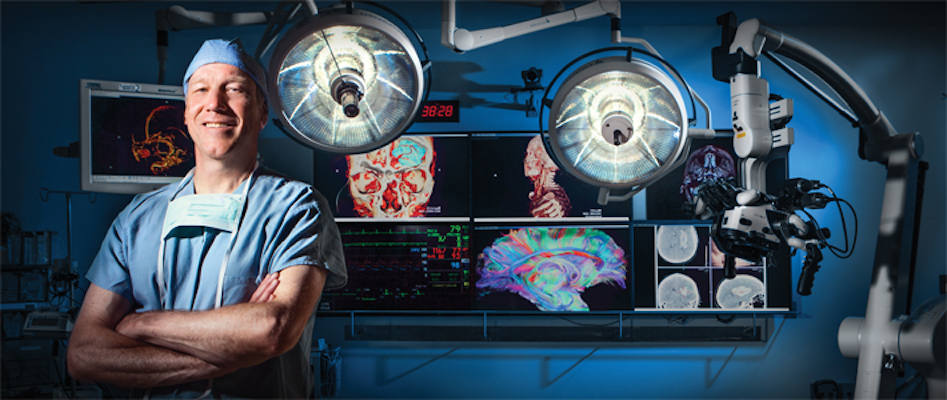
UCLA Neurosurgery, led by Neil Martin,  is using VR in surgery planning, integrating the Oculus Rift with Surgical Theater’s 3D “SNAP” surgery navigation device.  (See ApplySci’s April, 2014 description of Surgical Theater’s technology.) The hope is to be able improve precision and outcomes, and decrease surgical time.

The VR scene is based on patient CT and MRI scans, allowing the surgeon to enter the virtual brain, examine the tumor or aneurysm, and plan surgical strategy and operative steps.  By preparing with this visual representation of the brain, surgeons might be better able to protect and preserve areas that control motor and language function during procedures.

WEARABLE TECH + DIGITAL HEALTH NYC 2015 – JUNE 30 @ NEW YORK ACADEMY OF SCIENCES.  REGISTER HERE.

Categories
BCI Brain EEG

Discreet EEG sticker monitors brain activity

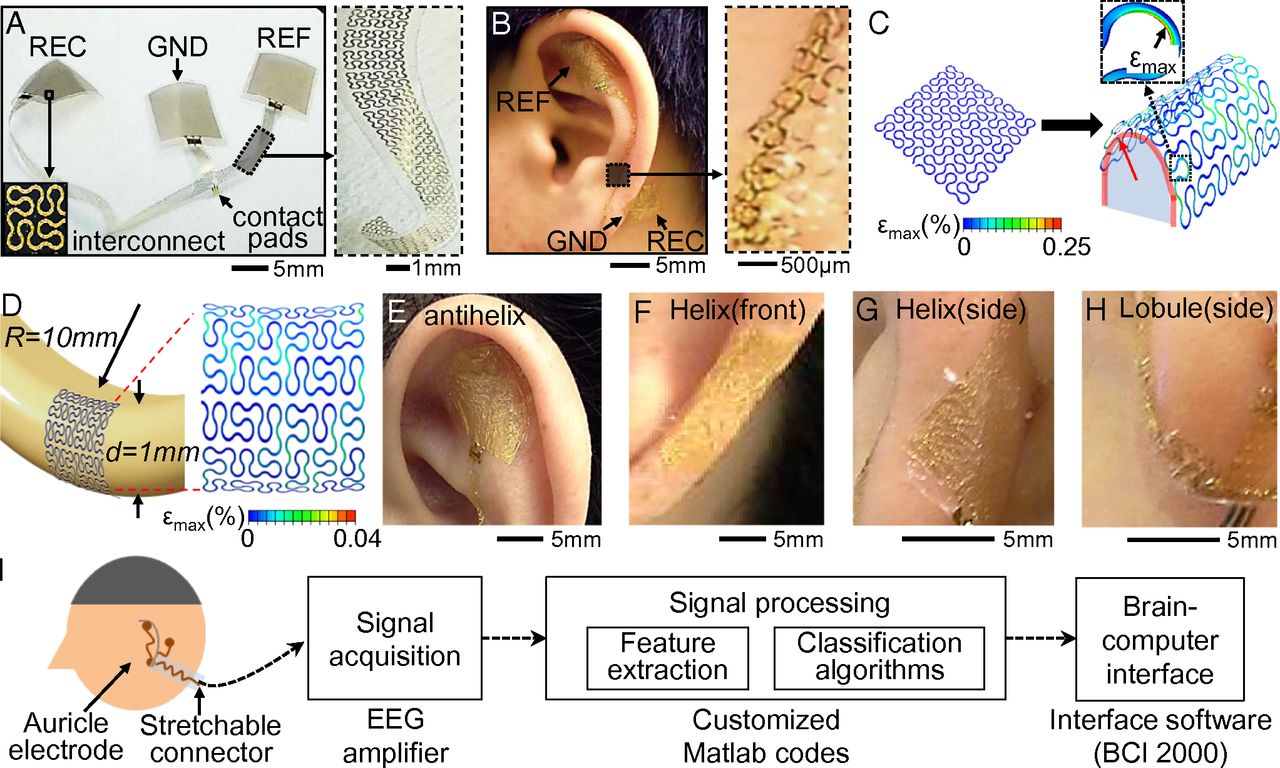
University of Illinois professor John Rogers has made another breakthrough in flexible medical electronics. His team has created an EEG system that sticks to the skin behind one’s ear to monitor brain activity. The miniature, lightweight, gold electrode device sticks to the skin without adhesive, and can be worn continuously for 2 weeks.

While not yet precise or fast enough to replace traditional EEG, study participants were able to spell the word “computer” on a screen using their brain’s electrical activity.

Rogers is now concentrating on refining the device for medical applications, and making it wireless.  In a related Neuron paper, he describes advances in soft electronic interface technologies for neuroscience research.

Wearable Tech + Digital Health NYC 2015 – June 30 @ the New York Academy of Sciences, features Professor Rogers’ MC10 colleague, Roozbeh Ghaffari, as a keynote speaker.

EARLY REGISTRATION RATE ENDS TODAY, 4/24

Categories
Brain

Alpha wave oscillation stimulation studied for depression

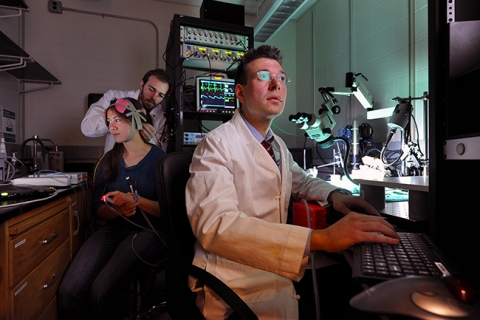
UNC‘s Flavio Frohlich used low doses of electric current  to boost creativity by enhancing alpha wave oscillations.  His  goal is to to help people with neurological and psychiatric illnesses, as some depression patients have impaired alpha oscillations.

His Cortex paper showed EEG observed alpha wave oscillation enhancement using a 10-Hertz current run through electrodes attached to the scalp.

Frohlich and David Rubinow are using this type of brain stimulation in clinical trials for major depressive disorder and premenstrual dysphoric disorder.

Wearable Tech + Digital Health NYC 2015 – June 30 @ New York Academy of Sciences.  Early registration rate ends April 24th.

Categories
Brain Parkinson's

Study: DBS reshapes neural circuits

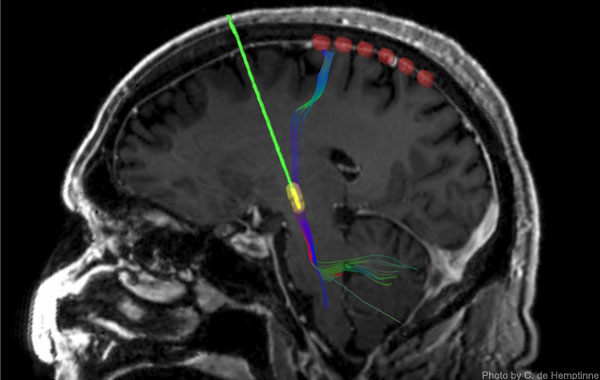
UCSF professor Philip Starr published a paper suggesting that Deep Brain Stimulation works by reducing overly synchronized motor cortex activity. He believes that this explains why surgically implanted electrodes improve movement, tremor, and rigidity in Parkinson’s patients.

Little is known about why and how DBS works.   This has held back efforts to improve the therapy. Customizing the stimulation delivered to maximally reduce symptoms is challenging.  A better understanding of the effect of DBS on brain circuits could make it more effective.

ApplySci hopes that this research will also lead to equally effective, non-invasive, future treatments.

Wearable Tech + Digital Health NYC 2015 – June 30 @ New York Academy of Sciences.  Early registration rate available until April 24th.

Categories
Brain Cancer Nanoparticles

Nanoparticle treatment targets brain tumors

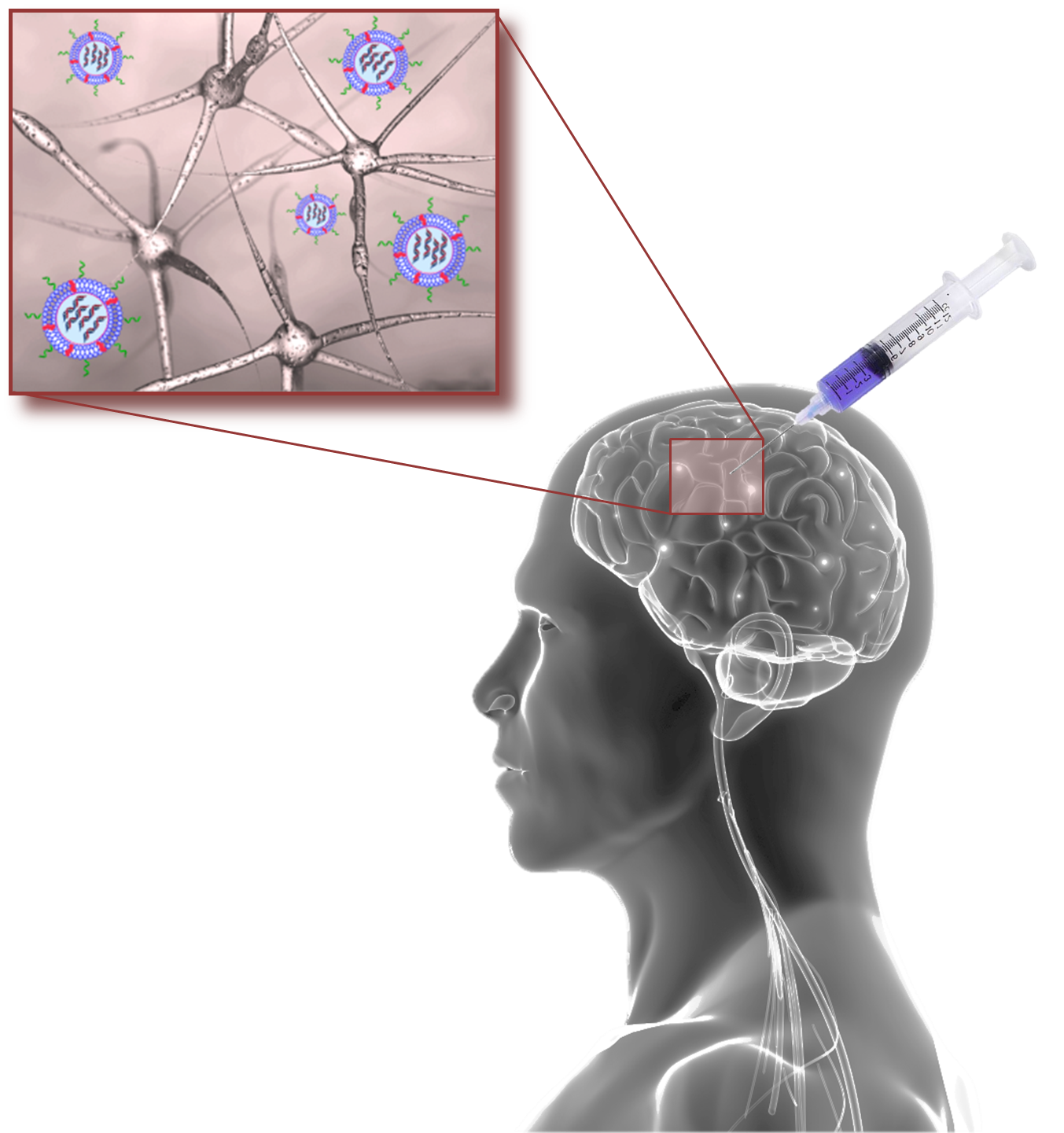
Tel Aviv University Professor Dan Peer is developing a nanoparticle-based process to target glioblastoma cells, previously considered untreatable.

Nanoparticles were injected into tumors, acting as the drug delivery system. Nucleic acid, with interference RNAs, attached to receptors  expressed specifically on glioma cells, and stopped the activity of a key protein that regulates the rapid reproduction of the cancer cells.

The therapy was tested in mouse models affected with gliomas and control groups treated with standard chemotherapy. The results were, according to the researchers, “astonishing.”

Wearable Tech + Digital Health NYC 2015 – June 30 @ New York Academy of Sciences

Categories
Brain

Light therapy could improve brain function in TBI, PTSD

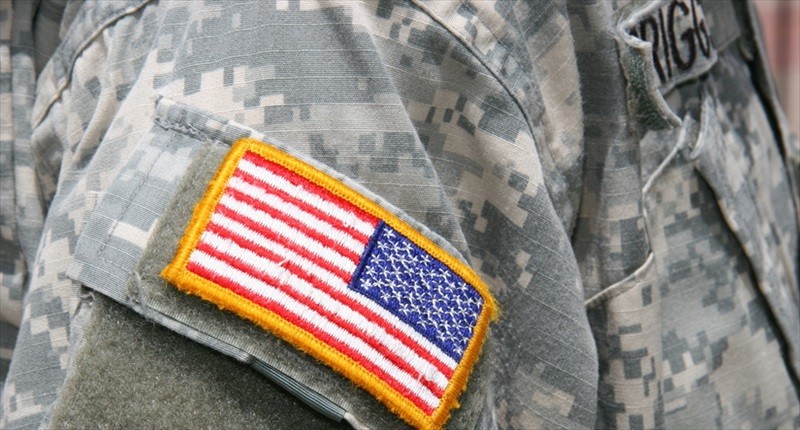
Boston University and VA Boston Healthcare System‘s Margaret Naeser  is testing the effects of light therapy on brain function in Veterans with Gulf War Illness.

Veterans in a recent study wore helmets lined with light-emitting diodes that apply red and near-infrared light to the scalp. Diodes were also placed nostrils, to deliver photons to the deeper parts of the brain. The light from the diodes  boosted nitric oxide output near the LEDs, which improved blood flow in that location. The treatment is painless,  generates no heat, and takes 30 minutes.

Brain damage caused by explosions, or exposure to pesticides or other neurotoxins could impair the mitochondria in cells.  Mitochondria was shown to be affected by light therapy in this study.   Nasser hopes this can be a valuable adjunct to standard cognitive rehabilitation.

Related forthcoming trials  include:

  • BU’s Jeffrey Knight is leading a trial for Veterans age 18 to 55 who have both traumatic brain injury and posttraumatic stress disorder.
  • Yelena Bogdanova will lead a  trial looking at the impact of LED therapy on sleep and cognition in Veterans with blast TBI.
  • Naeser is collaborating with Carole Palumbo on a study testing LED therapy, delivered via  helmets and nose diodes, for active-duty soldiers with blast TBI. The study will also test the feasibility and effectiveness of using only the nasal LED devices at home, as a self-administered treatment.

Wearable Tech + Digital Health NYC 2015 – June 30 @ New York Academy of Sciences.  Register now and save $300.

Categories
Brain Parkinson's

Keystroke patterns to detect early Parkinson’s

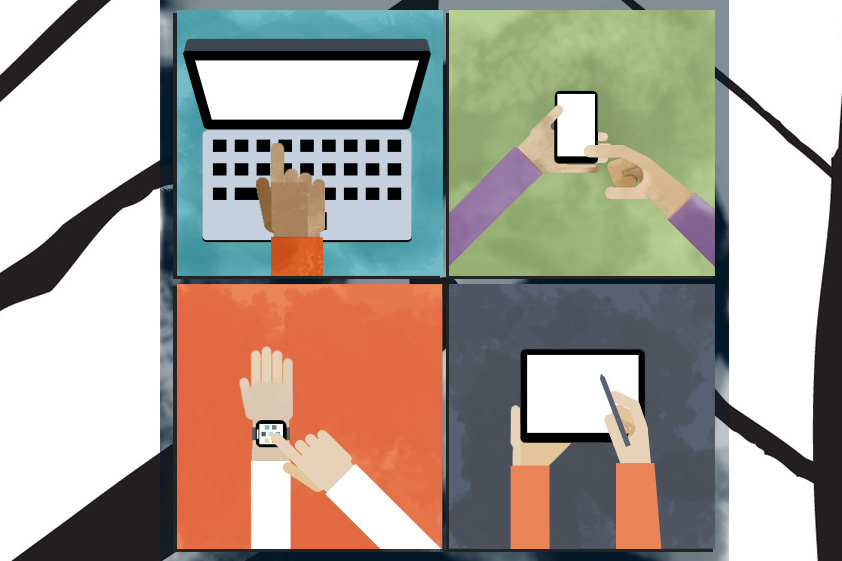
Madrid-MIT M+Vision Consortium researchers used keystroke patterns to diagnose motor function impairing conditions, such as Parkinson’s disease.  In a Scientific Reports paper, they described their algorithm’s ability to distinguish keystroke patterns of sleep deprived typers, and rested typers.   A study of 24 Parkinson’s patients suggested that the keystroke algorithm can also distinguish people who have the disease from those who don’t.  A larger study of Parkinson’s patients is now being planned.

Keystroke patterns have been used as a biometric signature for security purposes, but this is the first time that diagnostic information has been extracted from typing. The primary feature analyzed was “key hold time” — how long a key is pressed before being released.

According to study lead Luca Giancardo, people are usually diagnosed five to 10 years after the beginning of the disease, after much damage has been done.   He hopes that this research could  lead to earlier Parkinson’s diagnosis and better treatments.  Giancardo believes that keystroke patterns could also be used to screen for other diseases, such as rheumatoid arthritis.

Wearable Tech + Digital Health NYC 2015 – June 30 @ New York Academy of Sciences.  Register now and save $300.

Categories
Brain Eyes

Gold nanoparticles enable optogenetics with out genetic manipulation

University of Chicago‘s Francisco Bezanilla has published a study detailing the use of targeted gold nanoparticles to allow light to activate neurons.  He describes it as optogenetics with out genetic manipulation.

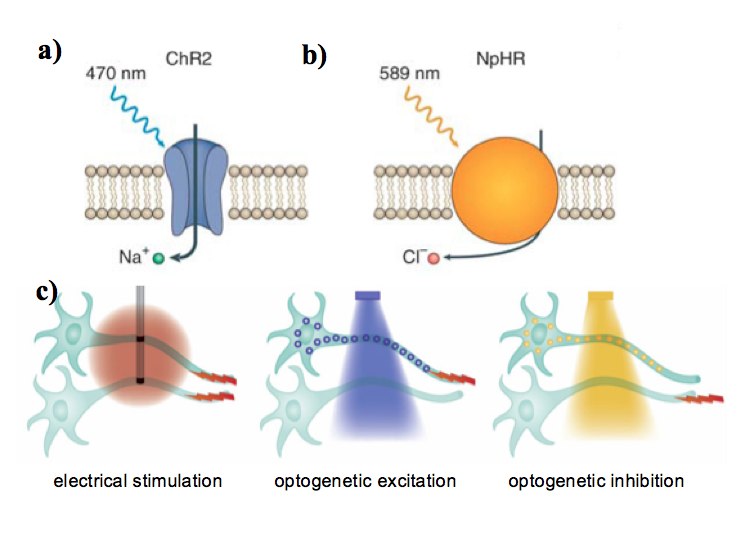
Optogenetics has  relied on genetic modification, limiting its use to few model organisms. Bezanilla previously demonstrated that normal, non-genetically modified neurons can be activated by heat generated by IR pulses. This method lacks specificity and can damage cells. To improve the technique, he used 20-nm gold particles that, when stimulated with green light, absorb and convert light energy into heat.

Two kinds of nanoparticles were tested : ones coupled with a synthetic molecule based on Ts1,  and ones coupled with antibodies that bind to ion channels.  Nanoparticle treated neurons were readily activated by photothermal stimulation. Untreated neurons were unresponsive.  Targeted neurons could be stimulated repeatedly with out cell damage. Some individual neurons produced more than 3,000 action potentials over 30 minutes with no reduction in efficacy.

Nanoparticles were  also tested on complex brain tissue using thin slices of mouse hippocampus.  Groups of neurons  were activated and their activity patterns observed. Treated neurons could still be stimulated after being continuously washed for 30 minutes, indicating that the nanoparticles were tightly bound to the cell surface. Excess nanoparticles wash away, minimizing potentially harmful elevated temperatures.

The ability of nanoparticles to be coupled to different antibodies and retain efficacy suggests flexibility for future applications, including human therapeutic development.

This could, one day, improve the treatment of retinal diseases, such as age-related macular degeneration, where photoreceptor cells that absorb light signals are damaged or dead. The retinal nerve cells that carry visual information to the brain often remain intact and healthy. Nanoparticles targeted to these cells could potentially absorb light and directly stimulate the neurons, bypassing defective photoreceptors.

Although no harmful effects were observed, the researchers said that toxicity is possible, and are now testing the technique in animal models to further evaluate its therapeutic potential.

Wearable Tech + Digital Health NYC 2015 – June 30 @ New York Academy of Sciences.  Early registration rate ends today, March 27th.

Categories
Brain

Small study shows Alzheimer’s drug significantly slows cognitive decline

A small study of an experimental Alzheimer’s  drug from Biogen Idec significantly slowed cognitive decline and reduced what is believed to be brain destroying plaque in early and mid stage patients.

The drug, Aducanumab, or BIIB037, was tested on 166 people, divided into five groups  Each of four groups received a different dose.  The fifth  received a placebo.  The Biogen treatment led to reductions in brain amyloid, according to interim data presented at a conference in Nice last week. The plaque reduction was more pronounced over time, and as the dose of the drug increased.

According to Biogen’s Chief Medical Officer, Alfred Sandrock:  “It marks the first time an experimental drug demonstrated a statistically significant reduction in amyloid plaque as well as a slowing of clinical impairment in patients with mild disease.  It’s a bigger treatment effect than we had hoped for.”

While promising, the drug has only been tested on 166 people and requires much larger and longer trials.  The personal, family, and societal devastation of Alzheimer’s disease is enormous,  and the promise of effective drugs and research has disappointed many.  ApplySci hopes that this study truly indicates a breakthrough.

Biogen will  soon begin enrolling patients in a large Phase III trial, the results of which could be used to seek approval of its drug.

Wearable Tech + Digital Health NYC 2015 – June 30 @ New York Academy of Sciences.  Early registration rate available until March 27th.

Categories
Brain Ears Seniors

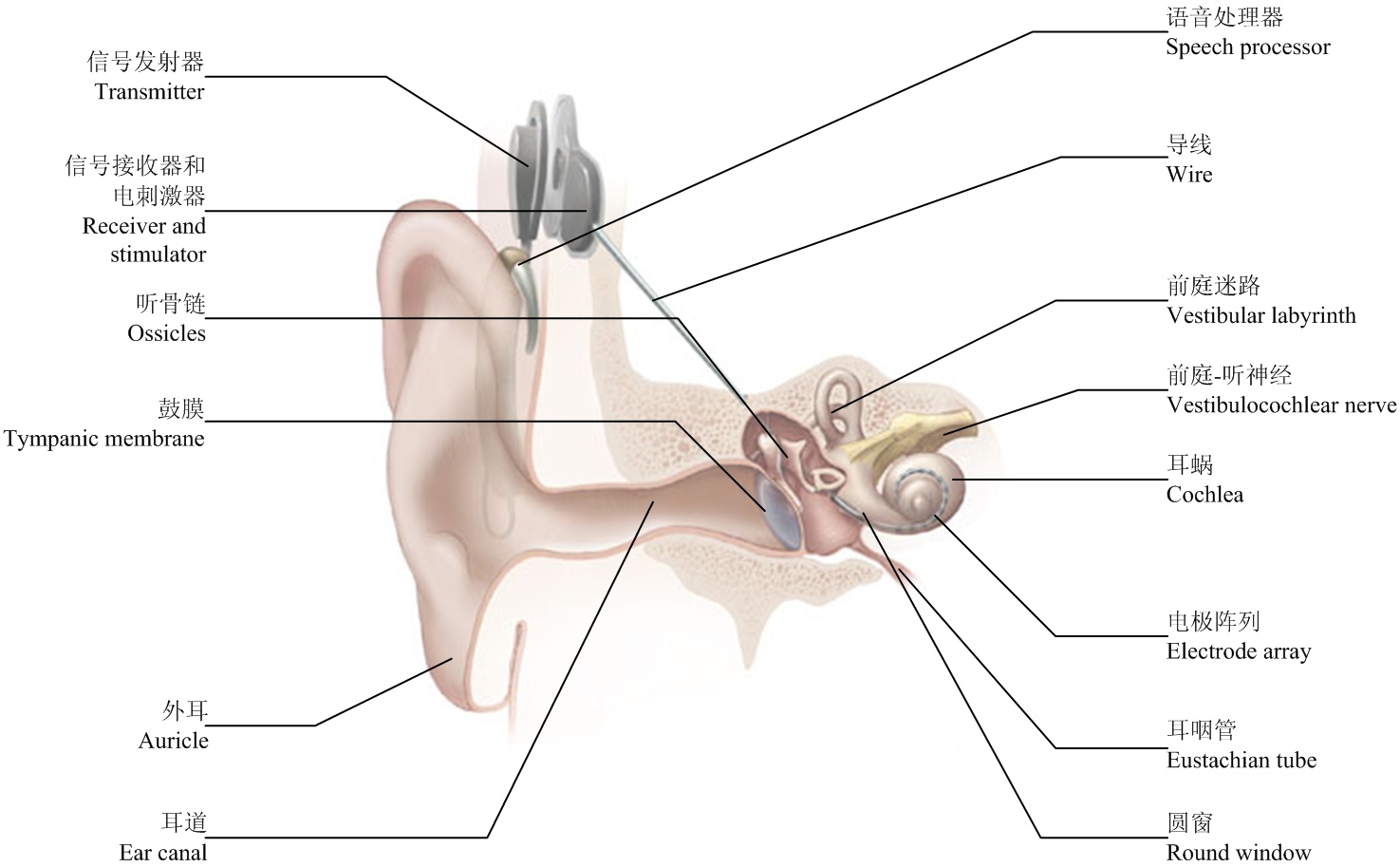
Cochlear implant could improve senior cognition, mood

Pitie-Salpetriere Hospital researchers examined 94 cochlear implant patients 3 times — before they received the device, 6 months after implantation, and 1 year after implantation.

A year after the implant, (65 – 85 year old) subjects heard words more clearly, and most had improved cognition and fewer depression symptoms.  Dr. Isabelle Mosnier and colleagues detailed the study in a recent JAMA paper.

Mayo Clinic‘s Colin Driscoll said that it is known that hearing aids improve the  mood of seniors who need them, implying that the cochlear implant itself may not be the cause.

Wearable Tech + Digital Health NYC 2015 – June 30 @ New York Academy of Sciences.  Early registration rate until March 27.

Categories
Assistive Technologies Brain

Eye controlled communication device for locked-in patients

A communication device for locked-in patients was unveiled at the BrainTech Israel conference today.

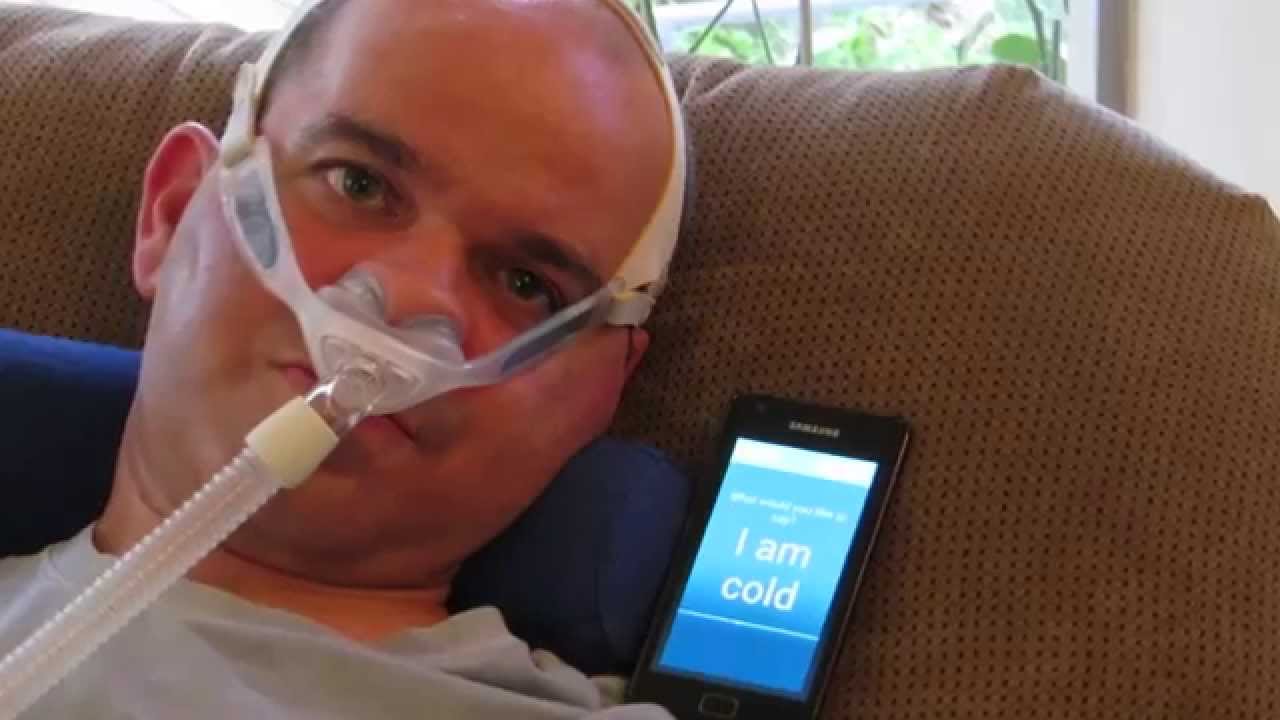
Shay Rishoni is the CEO of Prize4Life, the Israel based ALS research group.  He has suffered from ALS for 5 years, and is now unable to communicate.

Today, on the conference stage, Shay used Hello World‘s EyeControl,  a blink driven, inexpensive, automatically calibrated,  mobile communication tool.

An infrared camera connects to glasses that identify blinks and pupil movement.  The camera communicates with a small Odroid-like computer. Eye movement is translated into commands that output sound to earphones and a speaker, and transmit it to a smartphone via bluetooth.  An app enables the patient to communicate. An algorithm automatically calibrates the device so that the patient will not require assistance.

EyeControl can provide an alert to call for assistance; choose from predefined sentences; or compose sentences using alphabet boards.

Wearable Tech + Digital Health NYC 2015 – June 30 @ New York Academy of Sciences.  Early registration rate until March 27.

Categories
Brain Eyes

Video game trains brain to combat amblyopia

Game developer Ubisoft, with Amblyotech and McGill University,  has released “Dig Rush,” a video game used to treat amblyopia.

Amblyopia is caused when the eyes and the brain aren’t working together, because one eye is stronger or the eyes are misaligned. Patching, the traditional treatment for amblyopia, attempts to force the weaker eye to work harder by covering the stronger eye.  This often fails because social stigmas and long treatment times lead to poor compliance and a high relapse rate.

The glasses and content of Dig Rush use both eyes binocularly to train the brain, to improve visual acuity, instead of training only the weak eye.

After 11 clinical trials of 200 adults and children, recommended treatment is one daily hour of game play for 4-6 weeks.

Wearable Tech + Digital Health NYC 2015 – June 30 @ New York Academy of Sciences