Categories
Brain fMRI

PET and fMRI predict brain injury recovery

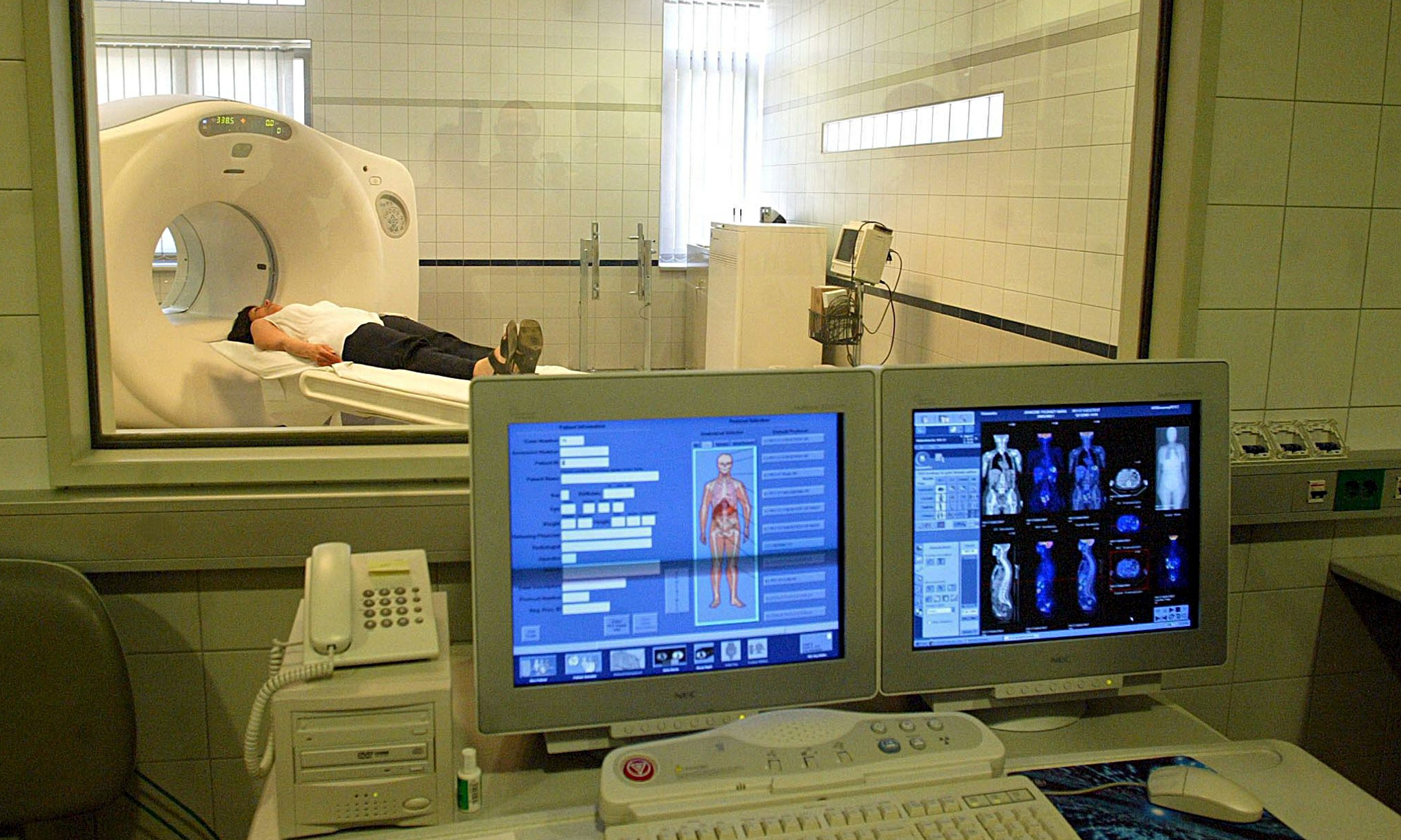
University of Liège professor Steven Laureys‘ recent study shows that PET scans fMRI were more reliable predictors of brain injury recovery than standardized bedside assessments by doctors.

Of 126 patients in the trial, 41 were in a persistent vegetative state, 81 were in a minimally conscious state and 4 had locked-in syndrome. PET correctly predicted the extent of recovery in the following year in 74% of patients, and fMRI in 56% of patients.

A third of the patients had been previously misdiagnosed. Of 41 patients whose doctors had diagnosed a vegetative state, 13 were found by a PET scan to have some level of consciousness. Of the 13, 9 regained consciousness within the year, 3 died of other causes,  and only one was still in a vegetative state.

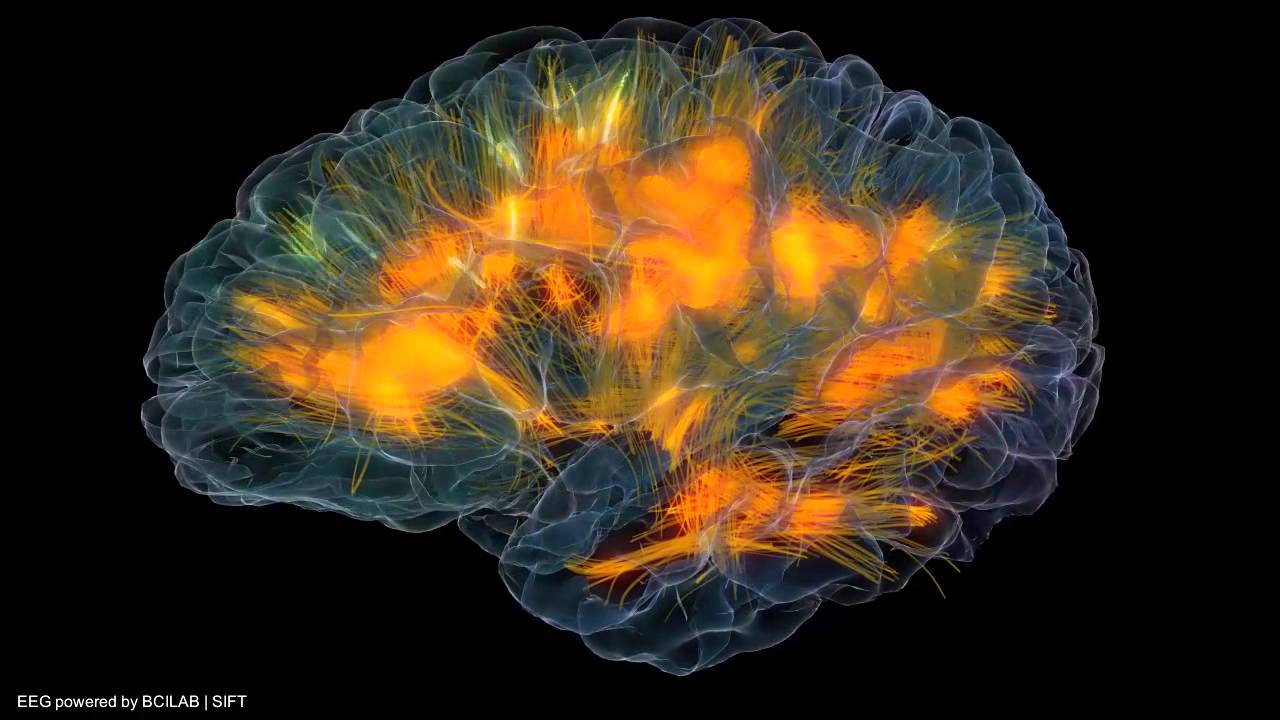
It is not yet possible to detect hidden levels of consciousness with EEG.   If developed, this  would be an inexpensive way to continuously monitor patients.  Because of their size and cost, fMRI and PET scans cannot provide continuous monitoring.
Categories
BCI Brain

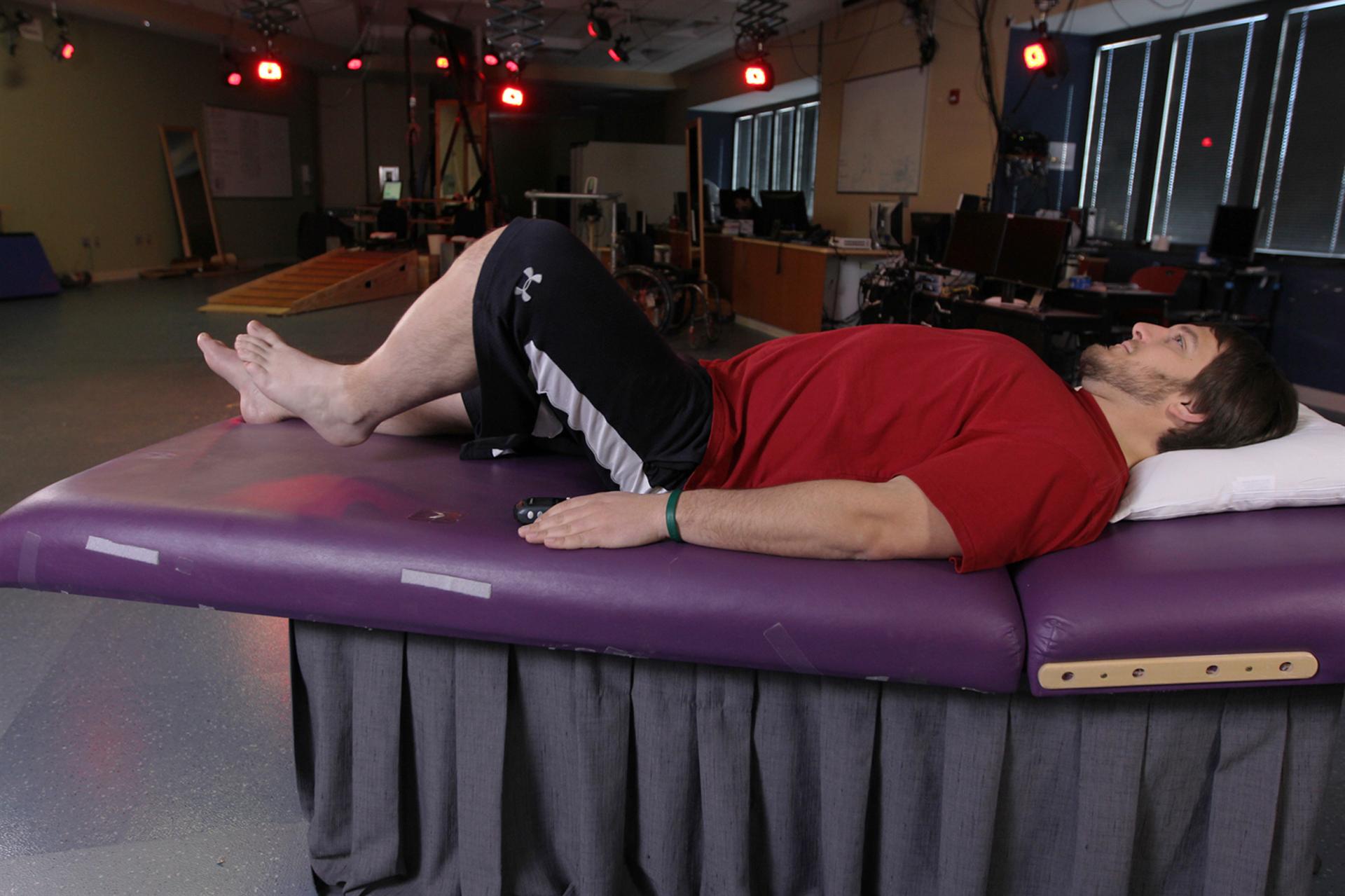
Epidural stimulation enables paraplegic voluntary movement

University of Louisville researcher Claudia Angeli‘s  recent paper details the process of electrical stimulation of the spinal cord enabling paralyzed patients to intentionally move their knees, ankles, and toes.

The stimulation therapy involves implanting a 16-electrode array in the epidural space next to the outermost protective layer of the spinal cord. The array is connected to a pulse generator resembling a pacemaker that’s implanted nearby. The pulse generator is controlled wirelessly by a programming device outside the body.

The array delivers electrical pulses to the spinal cord below the site of the injury, awakening the connections of that circuitry and getting it to function again. With the stimulation turned on, the four paralyzed men in the study were able to make voluntary leg, ankle, and toe movements on command.

Categories
Brain

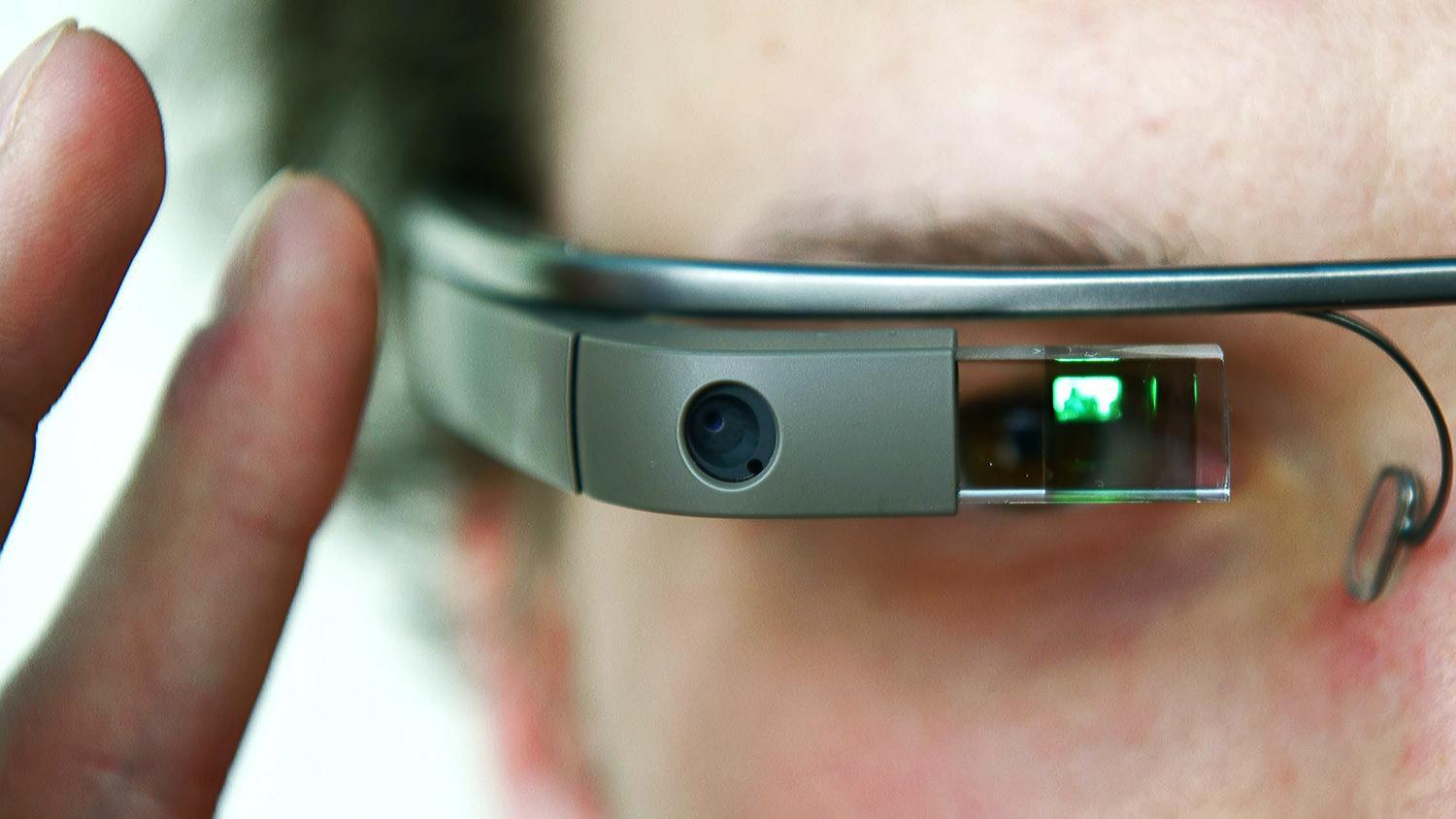
Neurofeedback app for Google Glass

Personal Neuro, creators of a guided meditation app, are testing Introspect: the PND Wearable.  It is a head-mounted, voice-activated neuroimaging app designed to work with Google Glass.  We anticipate similar Glass apps in the near future, and are encouraged by its potential.

The developers claim that Introspect can be applied in the following ways:

  • Passively monitor brain activity throughout the day and provide this intelligence to a physician to assist with diagnosis and treatment of conditions such as depression.
  • Hyper-targeted content delivery in the blink of an eye, screened to match your specific tastes and interests with mood-sensing algorithms.
  • Immediate response to elevated stress levels, with visual prompts to take a break and use Transcend, PND’s neuro-feedback meditation app to relax.
  • Actively and remotely monitor the brain health of mission-critical, emergency response, transportation and front-line personnel in the field.
  • Facilitate adherence to long-term medication therapies by providing patients with feedback on the re-emergence of subtle neuropsychological symptoms.
  • Remotely and regularly monitor changes in the neuropsychological symptoms of participants in phase ll and lll drug trials.
  • Enable easy and mobile neuro-feedback exercises for faster return-to-play and return-to-school after brain injuries, as well as maintenance of healthy brain function for older adults.
Categories
Autism Brain

Brain blueprint links autism to early brain development

As part of their BrainSpan project, the Allen Institute for Brain Science has published a paper in Nature detailing a high-resolution blueprint for how to build a human brain, with a map of where different genes are turned on and off during mid-pregnancy at unprecedented anatomical resolution.  The data provides insight into diseases like autism that are linked to early brain development.

Categories
Brain

Flight simulation system prepares brain surgeons

Surgical Theater is a surgery rehearsal program which allows physicians to prepare for and practice complicated brain surgery.  Its co-founders previously developed flight simulation systems for the Israeli Air Force, and are using similar technology.

MRI and CT scans create 3D models of patients’ brains, which are explored on a computer screen.  Using two joysticks that act as surgical tools, practicing surgeons can go through the motions of the operations they will perform.

The system is designed to respond realistically to the surgeon’s instruments and inputs.  For example, if he or she pushes on a blood vessel, it will move in a highly realistic way on screen.  Users can input virtual clips or medical devices to see how they interact with brain tissues.  Like flight simulators, Surgical Theater can permit the remote connection of multiple platforms, so participants can collaborate on procedures, irrespective of their location.

Categories
AI Brain

Brain based machine learning software

Vicarious FPC claims to be “building software that thinks and learns like a human.”  Their goal is to replicate the neocortex, the part of the brain that sees, controls the body, understands language and does math.

Its first project is a visual perception system that interprets contents of photographs and videos.  The next milestone is to create a computer that can understand the textures associated with shapes and objects.

Co-founder Scott Phoenix hopes that Vicarious’s computers will learn to how to cure diseases, create cheap, renewable energy, and perform the jobs that employ most human beings.    While these goals are ambitious and long-term, the recent backing of Elon Musk, Mark Zuckerberg and Ashton Kutcher will, hopefully, help the company benefit humanity through artificial intelligence.

Categories
Brain Wearables

Electronic headband may prevent migraines

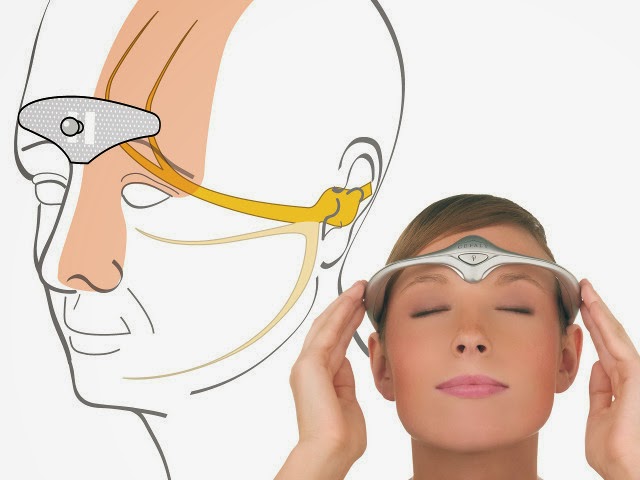
Cefaly

The Cefaly headband is a battery powered device that may prevent migraine headaches.  It works by pressing a self adhesive electrode, positioned at the center of person’s forehead, which sends an electrical signal through the skin to the trigeminal nerve.  By stimulating the nerve, the device was shown to help prevent the migraine headaches in a study of 67 people.  This week the FDA approved it for marketing.

Cefaly is only meant to be used once a day for 20 minutes, and should only be used by people 18 and older.

ApplySci cautions that the long term effect of brain stimulation is unknown, and the size of this study was limited.  Therefore devices like this must be used  carefully, and immediately stopped if  side effects are experienced.

Categories
Brain Crowdfunding Seniors

Crowdfunded virtual reality game engages dementia patients

Pozible campaign

Alzheimer’s Australia Vic‘s Microsoft Kinect sensor app places dementia patients inside a “virtual forest” where breezes blow, snow falls and butterflies fly in a peaceful but interactive environment.  The organization previously developed a virtual dementia simulator for teaching carers about the reality of living with dementia.  They believes that using game technology and sensory therapy will “give back to people with dementia their ability to engage more fully with life.”  The developers claim that this will break new ground in the use of virtual sensory therapies to create feelings of safety, novelty and stimulation.

Categories
Brain

Biomarkers predict dementia

Nature paper | Georgetown release

Georgetown professor Howard Federoff and colleagues have developed a blood test they claim has the potential to predict whether a person will develop symptoms of dementia within two or three years.

The test was identified in a preliminary study involving 525 people over 70.  The subjects’ cognitive skills, memory skills, and blood were tested annually for five years.  Mass spectrometry  was used to analyze the blood plasma of 53 participants with mild cognitive impairment or Alzheimer’s disease, including 18 who developed symptoms during the study, and 53 who remained cognitively healthy. The researchers found ten phospholipids that were present at consistently lower levels in the blood of most people who had, or went on to develop, cognitive impairment. The team validated the results in a set of 41 further participants.

Categories
Assistive Technologies Brain Eyes

Visual cortex activated by audio stimuli

Current BiologyWired

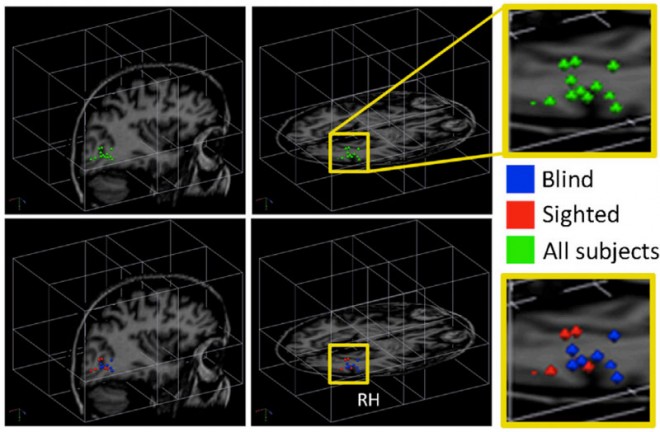
Hebrew University professor Amir Amedi has used an augmented reality device to  allow the blind to “see” by converting images to complex sounds.   The user is able to form a mental image of objects, including people, in front of them.

The cerebral cortex is activated when sighted people see an outline of the human body. The extrastriate area responds more strongly to human body images than it does to other objects.  Blindness stops the usual flow of information from the eyes to this part of the brain, and people who’ve been blind since birth have never seen a human form. Their brains must change as they they learn to perceive body shapes using sound.

Ella Striem-Amit and Amir Amedi scanned the brains of seven congenitally blind people who’d trained for an average of 73 hours on the augmented reality system.  The surprising result was that the visual cortex was activated by the auditory stimuli. Participants classified three different types of objects: people, everyday objects, and textured patterns.

Professor Amedi’s lab does groundbreaking research on perception and multisensory relation, sensory substitution approaches and dynamics of brain processes.  Among other innovations, they are now experimenting with an ultrasound stick that measures distances from objects, providing auditory indications.

Categories
Brain

UCSF creates immersive, virtual reality lab to study the brain

Neuroscape Lab

UCSF professor Adam Gazzaley has created Neuroscape Lab, where scientists use various technologies to make functional recordings of research participants as they move around and interact inside 3-D environments.  His goal is to “study novel neuro-diagnostic and therapeutic approaches, with the primary goal of driving rapid translation of neuroscience to real-world solutions.”

This is an admirable attempt to understand  how complex neurological and psychiatric diseases work, create breakthrough technologies,  and also help doctors repurpose technologies built for fitness or fun into targeted therapies for their patients.

The lab will be available to all UCSF researchers who study the brain, with a focus on Alzheimer’s Disease, PTSD, ADHD, schizophrenia, autism, depression and multiple sclerosis.

Categories
Brain

Researchers generate neurons in brains, spinal cords

UT Southwestern release | Nature paper

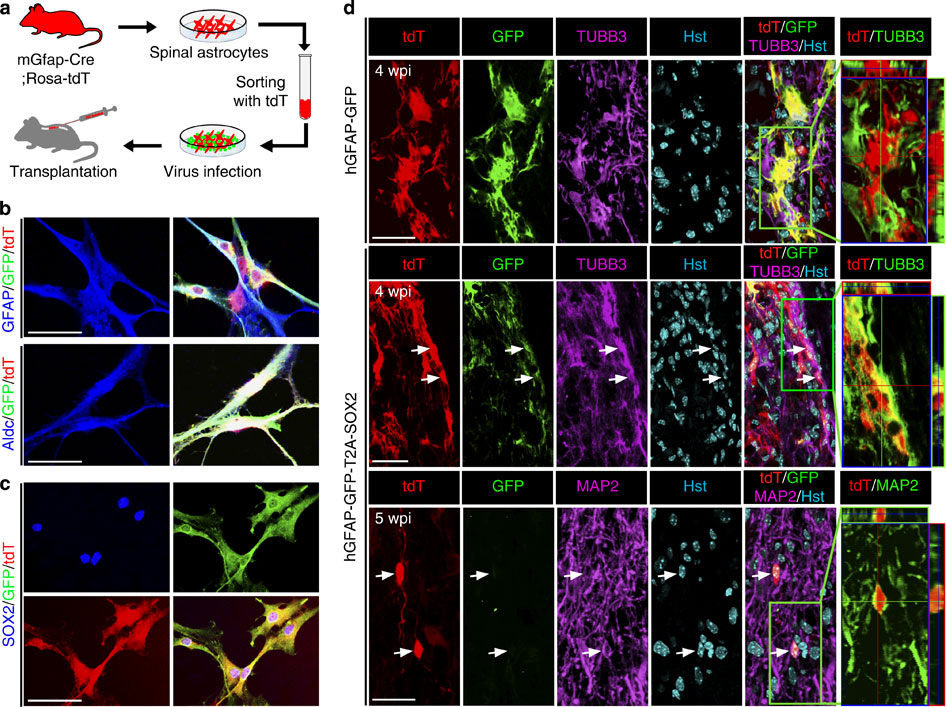
UT Southwestern Medical Center researchers created nerve cells in the brains and spinal cords of living mammals without the need for stem cell transplants to replenish lost cells.  Their goal is to regenerate neurons from the body’s own cells to repair traumatic brain injury or spinal cord damage, and to treat brain diseases.  While promising, it has not yet been proven that the neurons created in these studies resulted in functional improvements. Scientists hope that regenerating cells can repair damage, but adult spinal cords have limited ability to produce new neurons.

The team first turned astrocytes into neurons that formed networks in mice. They have now turned scar-forming astrocytes in the spinal cords of adult mice into neurons.

The two-step approach first introduces a biological substance that regulates the expression of genes into areas of the brain or spinal cord where that factor is not highly expressed in adult mice. Of 12 transcription factors tested, only SOX2 switched fully differentiated, adult astrocytes to an earlier neuronal precursor, or neuroblast, stage of development.

In the second step, the researchers gave the mice a drug called valproic acid that encouraged the survival of the neuroblasts and their maturation into neurons. VPA has been used to treat epilepsy, bipolar disorder and migraine headaches.

The study reports neurogenesis occurred in the spinal cords of adult and aged mice of both sexes, although the response was much weaker in the aged mice. Researchers now are attempting to boost the number and speed of neuron creation.