Categories
fitness Wearables

50 Cent’s biometric, battery free earbuds

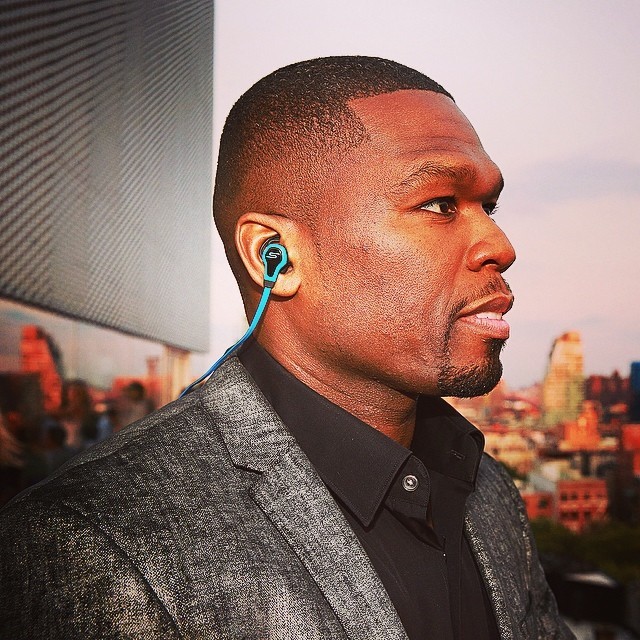
A fun highlight of CES was rapper 50 Cent‘s demonstration of his new wearable, BioSport In-Ear.

Infrared and accelerometer sensor data will be sent to one’s smartphone via the audio jack, and processed by software that monitors heart rate and steps taken.  Wearers can play music in accordance with those metrics to help sustain a target heart rate. The Intel powered, biometric, SMS Audio earbuds will charge wirelessly, eliminating the need for batteries.

Categories
fitness Heart Sensors Wearables

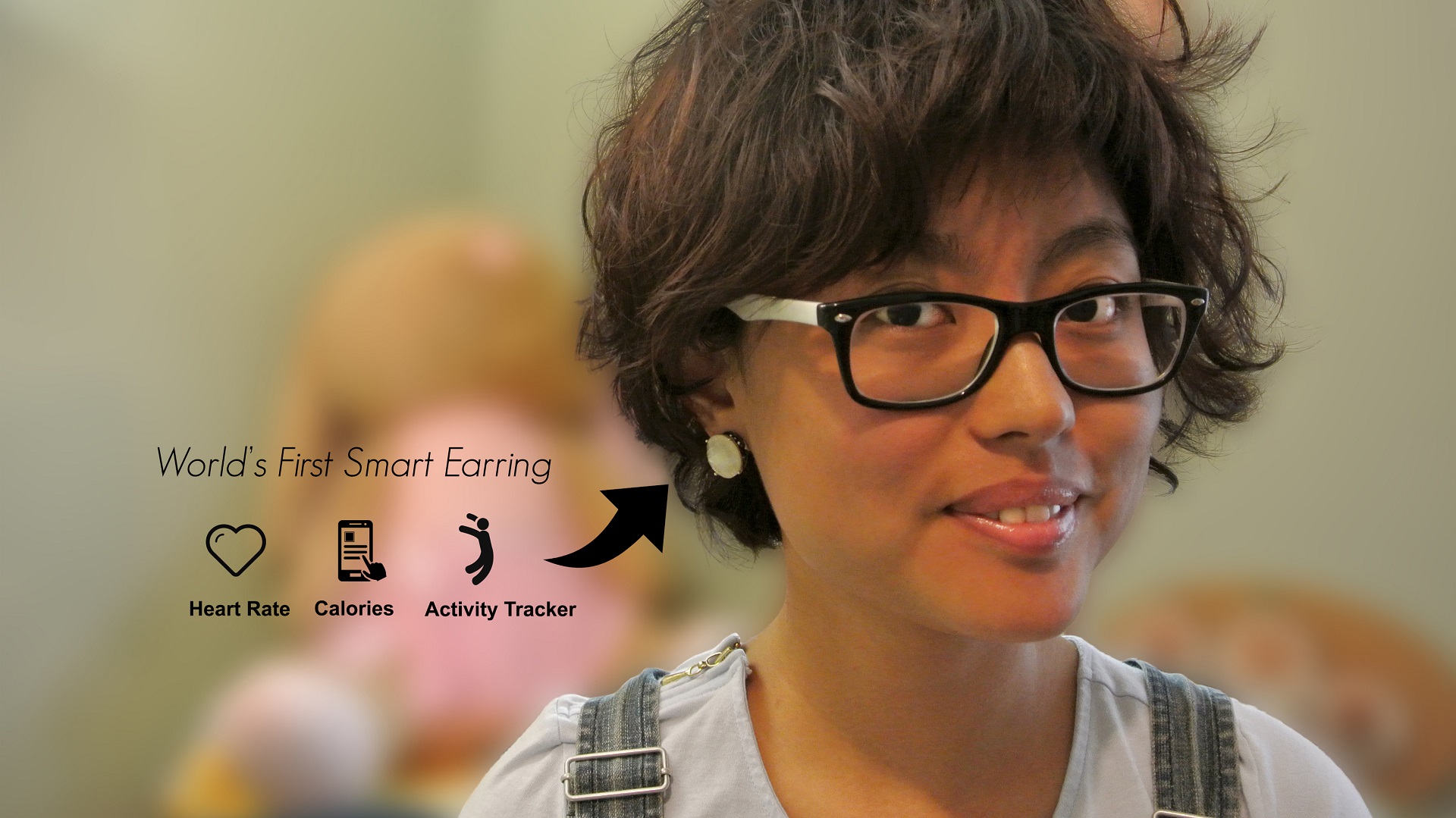
Smart earring monitors heart rate, calories, activity

Ear-o-smart is a crowdfunded smart earring that monitors heart rate, calories, and activity level.   Its sensor is combined with a changeable earring.  Its app, via voice instruction, tells wearers to speed up or slow down based on heart rate data.

The tiny  wearable was created by minimizing PPG Technology and Bluetooth data transfer.  PPG Technology gauges heart rate through infrared light that blood reflects if present under the skin.  The sensor works better if worn on the earlobe than on the wrist, as the many blood vessels in the  ear make PPG more effective.

Categories
fitness Heart Sensors Wearables

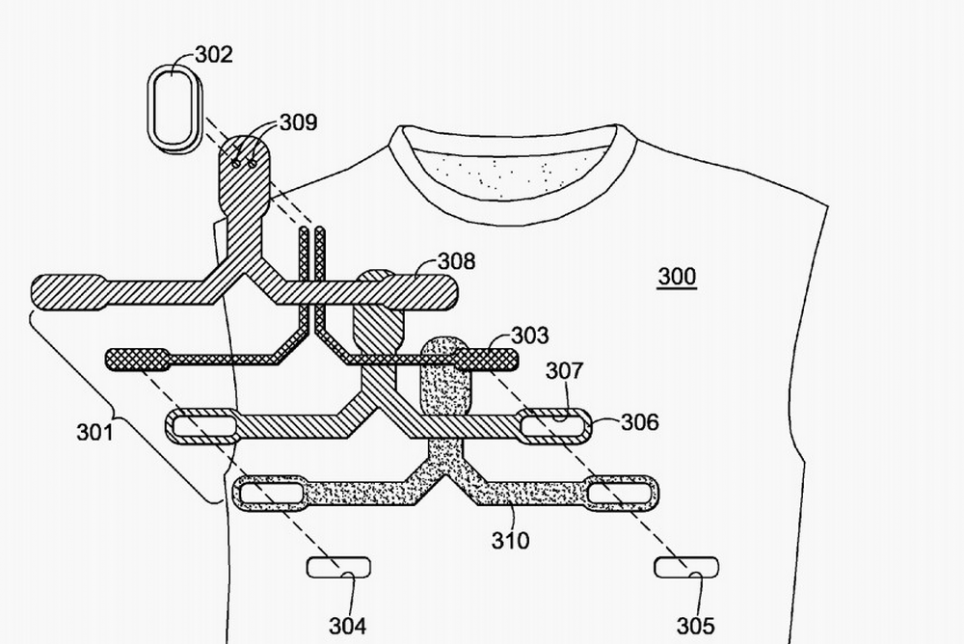
Multiple measurements, including blood pressure, from shirt sensor insert

Nike was recently awarded a patent for a skin-touching sensor system that can be inserted into a shirt.  It can measure heart rate, blood pressure, hydration, and skin temperature, and transmit the data over radio frequencies, Bluetooth and WiFi.

If it works, the ability measure blood pressure from shirt sensors, combined with other vital signs, is new and promising.

A Quartz article quoted Loyola sports medicine doctor James Winger describing the potential impact on cardiac rehabilitation. He said that this could be a substitute for bulky EKG and other sensors patients use at the gym in the first stages of rehab.  He is also optimistic about use in professional sports, although he believes that  skin temperature and hydration levels, as monitored by this system, wouldn’t  correlate to internal temperatures indicating serious health issue on the field.

Categories
Apps fitness Wearables

Gamified fitness with Atari classics

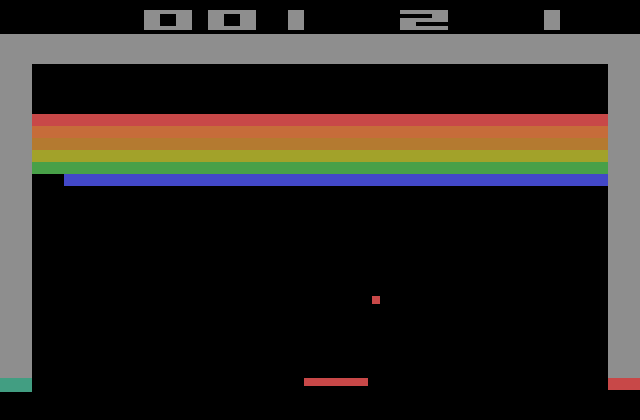
Atari is entering the digital health space, using classic games like Pong, Breakout & Centipede to incentivize users to participate in fitness challenges.  The gamified app is called Atari Fit and includes circuit workouts and running programs. Users exercise individually or with friends while earning points to unlock Atari games.  The app includes ranked leaderboards where skills are compared and shared socially.  Walgreens‘ digital health platform  will provide rewards for participating in challenges that log steps taken.

Atari Fit will be compatible with  popular wearables including Fitbit and RunKeeper.  It will also aggregate data from other platforms to allow users to comprehensively track activity.

Categories
fitness Sensors Wearables

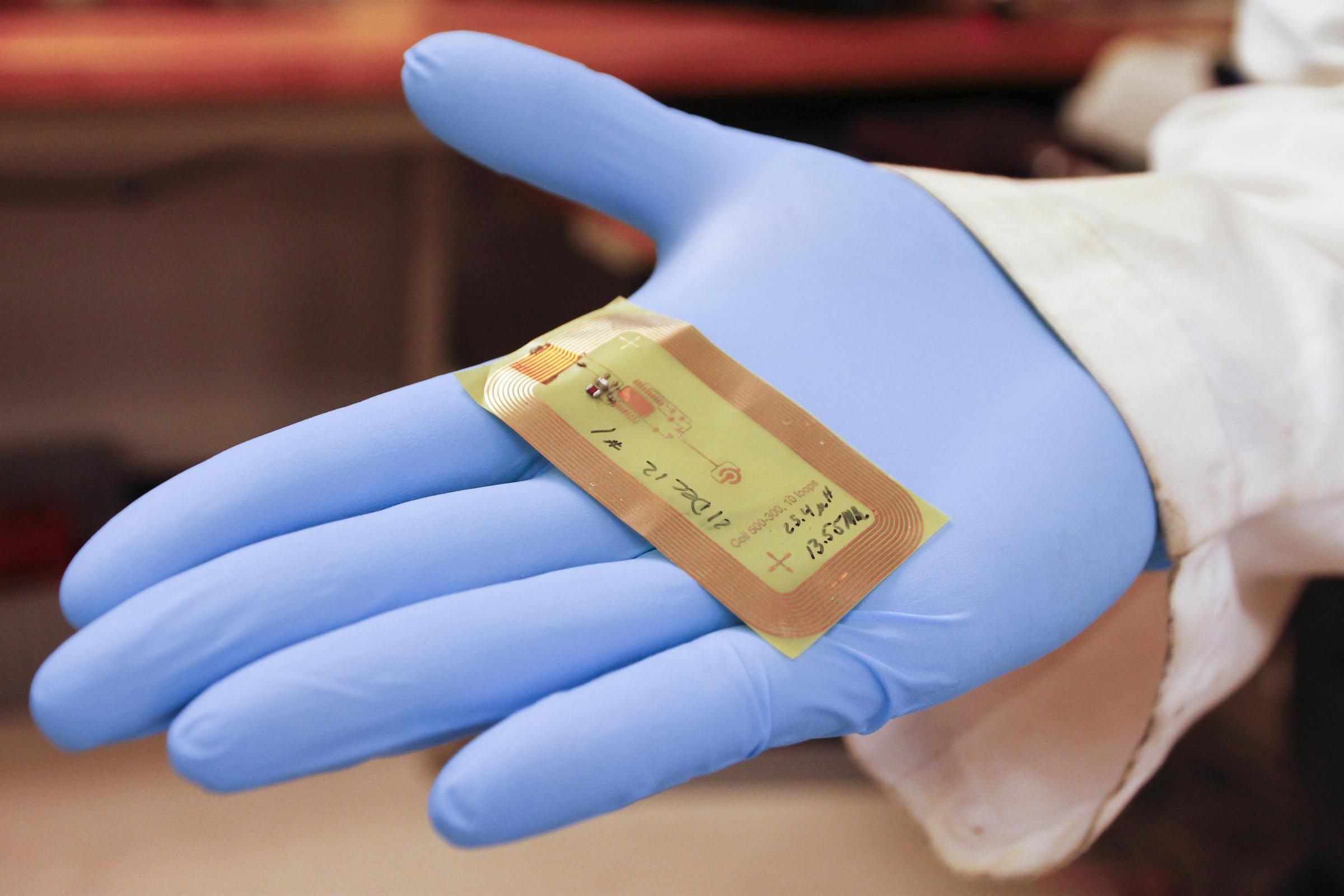
Flexible, wearable, disposable pulse oximeter

Conventional pulse oximeters use LEDs to send red and infrared light through one’s fingertip or earlobe. Bright, oxygen-rich blood absorbs more infrared light, and darker, oxygen-poor blood absorbs more red light. The ratio of the two wavelengths, determined by sensors, reveals how much oxygen is in the blood.

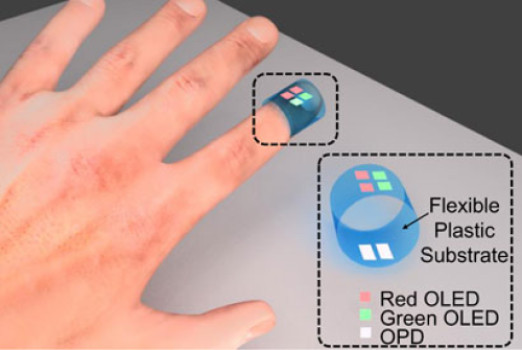
Berkeley professor Ana Clauda Arias has built pulse oximeter functions into flexible carbon-based materials, instead of rigid chips fabricated with silicon. She used red and green light, which yield comparable differences to red and infrared when distinguishing high and low levels of oxygen in the blood.  Arias compares the “organic electronics” to band-aids,  as they are disposable, cheap and flexible. Her study was published in Nature Communications this week.

The organic LEDs were printed on flexible plastic,with a spin coating that uses centrifugal force to deposit a solution with the material in a thin, uniform film. An organic photodiode converted the light received through the tissue into a current, enabling it to be configured into flexible forms.

Minimal, flexible pulse oximetry can be incorporated into the next generation of fitness wearables, enhancing performance metrics.

Categories
fitness Sensors Wearables

Smart sports equipment provides real-time feedback

Sports equipment with embedded sensors enable virtual coaching by analyzing performance and providing real-time feedback and training programs.  A few examples follow:

  • The Babolat Play Pure Drive tennis raquet calculates power, impact location, and type and number of strokes with a Piezo sensor in its handle. The sensor measures frame vibration and a microprocessor with an accelerometer and gyroscope rest on top of it.  Algorithms keep track of the strokes, racket motion is analyzed and vibration feedback indicates where on the string bed contact is made.  Real-time analysis is sent to users.
  • The 94Fifty basketball measures spin and acceleration and provides immediate feedback on each shot and dribble.  Apps help users improve shooting arc, dribble intensity and speed, shot release speed, and shot backspin.  The company’s SmartNet tracks shot accuracy when used with its ball.
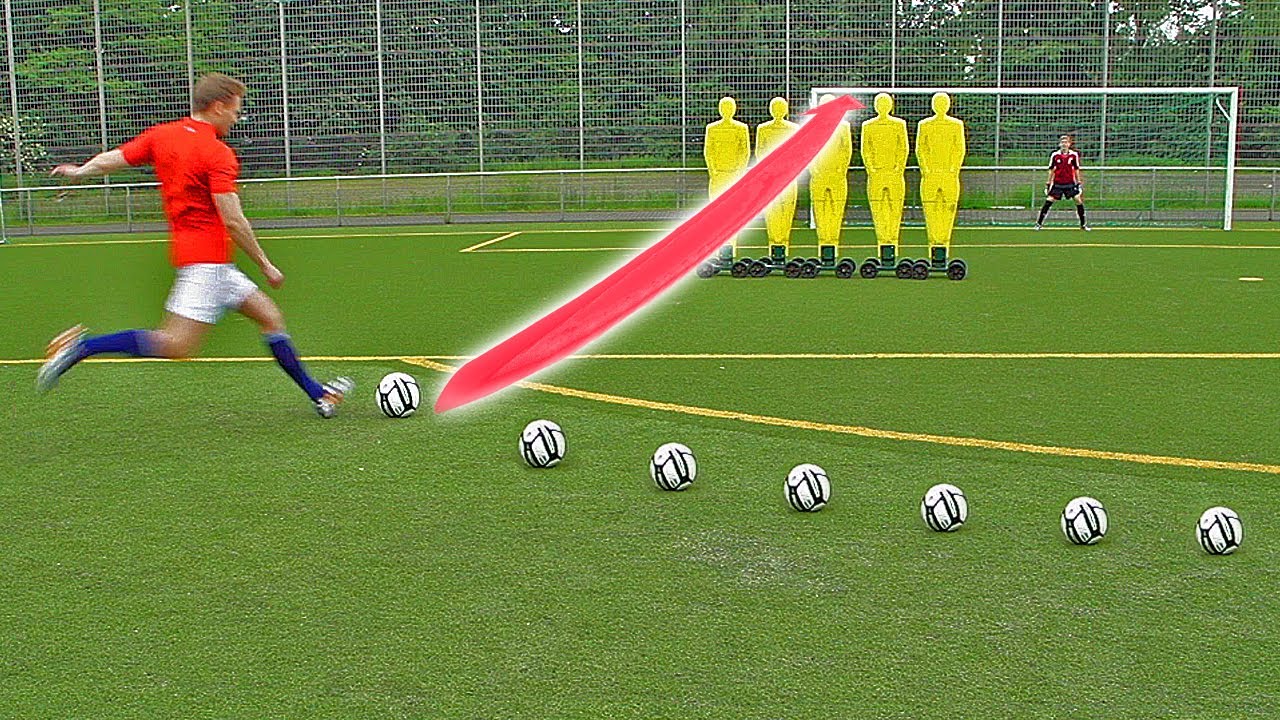
  • The Adidas mi Coach Smart Ball tracks speed, spin, strike and trajectory for soccer players. Pros provide tips on techniques for power, bend and knuckle ball kicks.
  • Gamegolf is a wearable device and swing tracker tag that records clubs used, distance covered and swing trajectory.
  • The Quattriuum FWD Powershot 2 is a hockey stick sensor that analyzes power, speed, flexibility and angle while shooting.
Categories
fitness Sensors

Smart bike tracks health

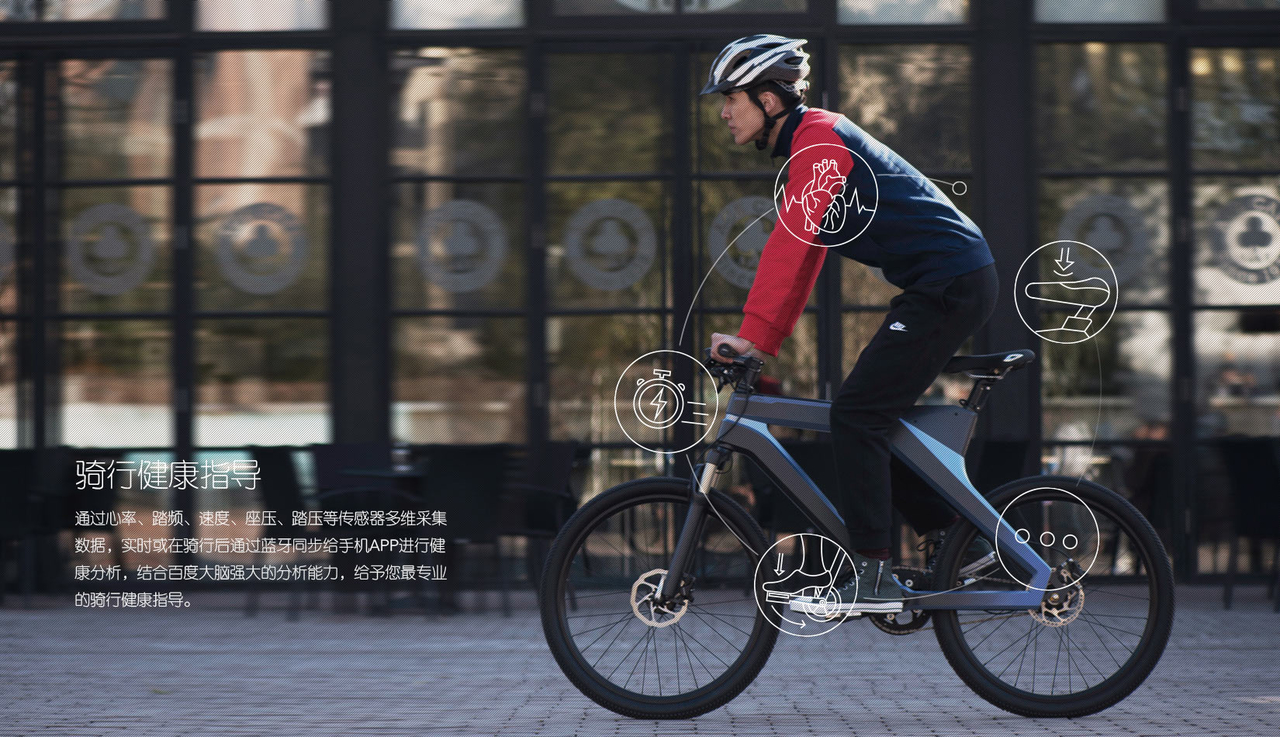
Baidu‘s DuBike is equipped with multiple health tracking sensors.  It collects information on pedaling frequency, foot pressure, heart rate, velocity and seating pressure. The data is synced with a mobile app and analyzed to provide suggestions to riders.  Bike routes and meeting points can be shared socially.  A handlebar guidance system tells riders when to turn, and brake lights and real-time location tracking are included for security. Kinetic energy is transformed to electricity to charge the bike’s electronics while riding.

Categories
fitness Heart Sleep Wearables

UP3 – fitness tracker or medical monitor?

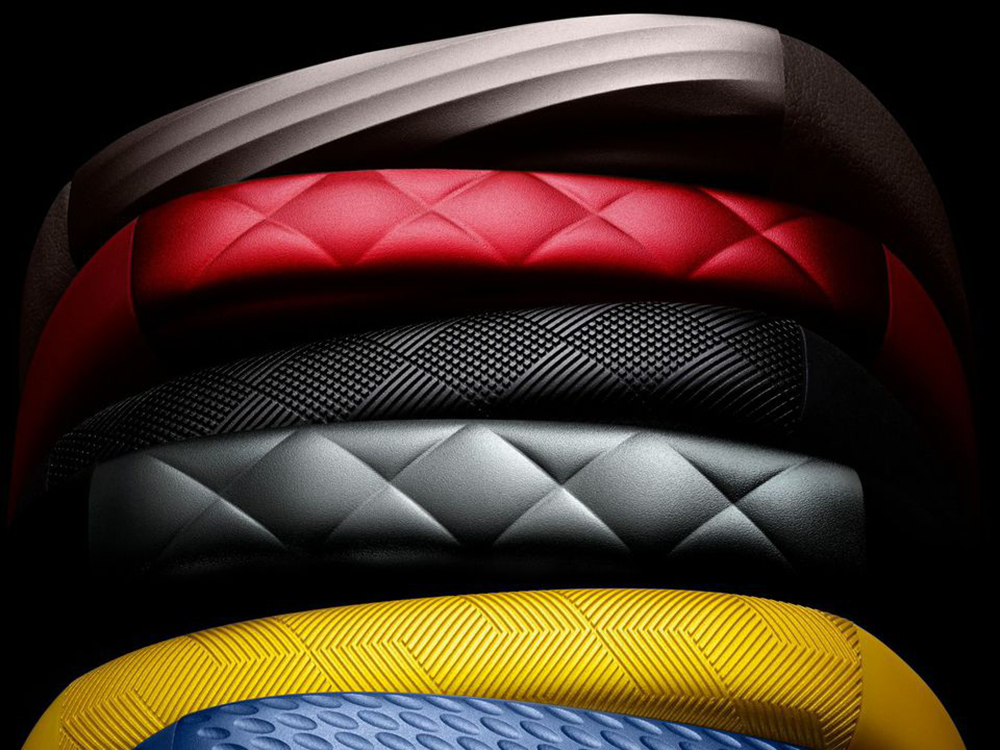
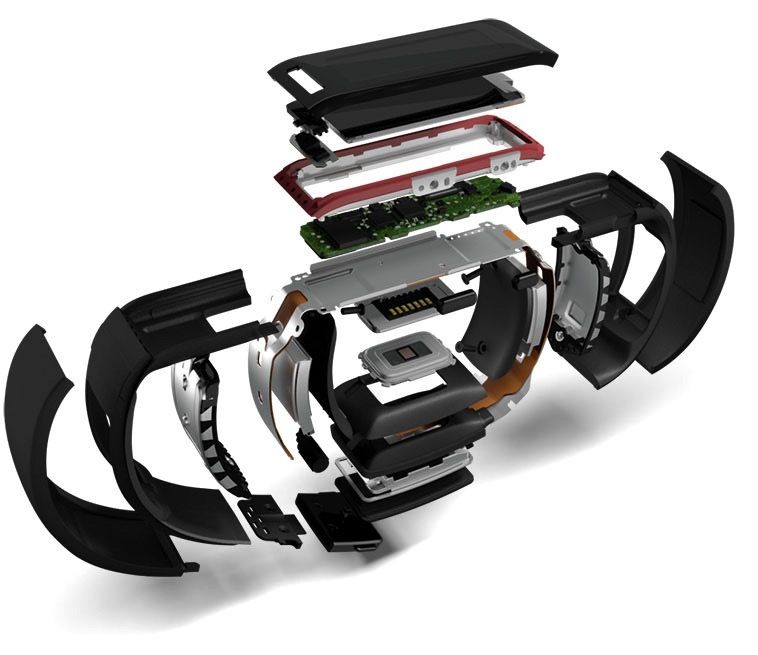
 As fitness tracker features become increasingly similar to those of medical devices, Jawbone will release a powerful, fashionable, sensor based wristband.  The UP3 will  be stylish, with its Chanel-like quilt pattern and slim form.  It will also include multiple temperature and motion sensors,  and four electrodes that send electrical signals into wrist tissue. Using bioimpedance analysis, the device measures the resistance of body tissue to electric current, enabling  several physiological signals, including heart rate, to be captured.

The band will measure steps taken, calories burned, and resting heart rate, as others do.  Sleep will be monitored with a level of precision that differentiates between deep and REM sleep.  Future features might include hydration, respiration, stress and fatigue sensing.

Accompanying software will pool data into a program called Smart Coach,  which will, for the first time, offer workout and diet tips based on one’s daily activity and sleep analysis.

Categories
fitness Wearables

Microsoft aims to “unify & democratize” health data

Microsoft Band tracks heart rate, steps, calorie burn, and sleep quality.   The company’s ambitious goal, according to Yusuf Mehdi, is “to unify all that (collected health) data and democratize it, and then add some real value on top.”

The cross-platform cloud service, by Microsoft’s Health Group, stores and accesses all the data a device or phone collects. Health apps are being built for iOS, Android, and Windows Phone.  The platform manages data on the back end for existing and new apps.  Health will work with Android Wear watches, Android phones, and the iPhone 6’s motion processor, automatically collecting data.  Microsoft has  also been working with Jawbone, MapMyFitness, My Fitness Pal, and Runkeeper to import data, and plans to add many more partners.

Categories
fitness Sensors Wearables

Sweat sensor patch tracks health

University of Cincinnati professor Jason Heikenfeld and US Air Force Research Laboratory’s Joshua Hagen are developing a perspiration sensor patch to monitor electrolytes, metabolites and other biomarkers.

The patch currently  includes a sodium sensor, a voltage meter, a communications antenna,  microfluidics, and a controller chip that’s externally powered by a smartphone. It is printed onto a flexible substrate and  coated with a sweat-porous adhesive so that it could stick to the skin. In tests, this patch performed as well as the benchtop electrolyte-sensing systems used by doctors to test for cystic fibrosis.

Digital signal processing and algorithms to analyze the raw electrical measurements of biomarkers in sweat must still be improved. But a physical-exertion sensor patch is a near reality, about to be tested on hundreds of people.

Categories
fitness Sensors Wearables

Crowdfunded kinematic wearable assesses joint health

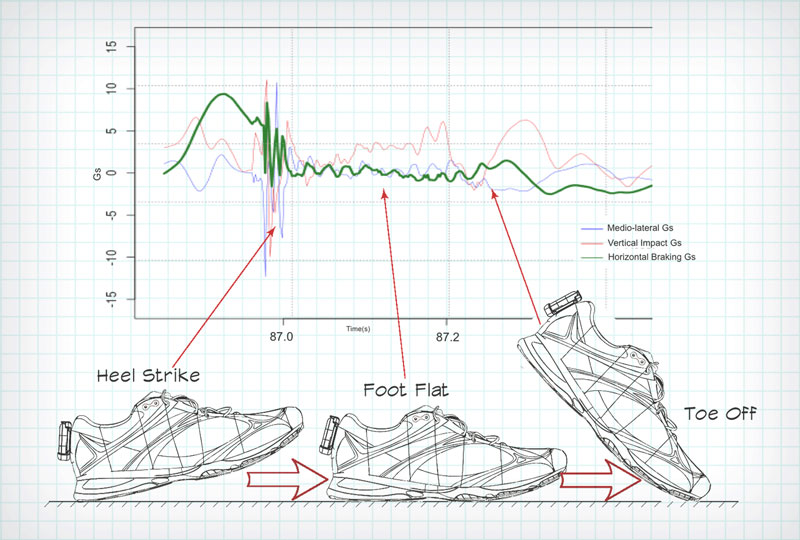
runScribe, a wearable being crowdfunded on Kickstarter, has a 9-axis kinematic sensor, capturing 3D images of a runner’s gait.  It assesses foot strike type, stride length and contact time.  Upgraded versions access 13 kinematic metrics, including degrees of pronation and accelerometer data.

The company claims that casual through ultra-runners can benefit from the device.  They are also creating a crowdsourced, global kinematic running database.

creation of the world’s first crowdsourced kinematic running database.

Categories
fitness Wearables

Foot sensor for health, fitness, immersive gaming

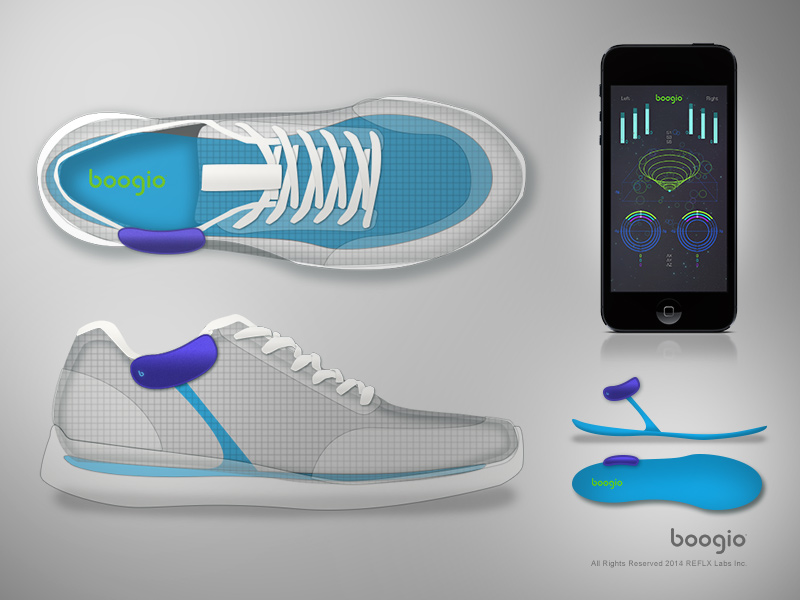
Boogio detects up to 65,000 points of pressure via  sensor layers that clip into shoes, plus and accelerometer and Bluetooth LE radio to communicate with a user’s phone.  It detects body weight, gravitational force exerted, balance, and pressure along the feet to determine if a user is leaning.  

Applications include monitoring injury recovery, the gamification of fitness, and immersive gaming.  Boogio can pair with the Oculus Rift to detect movement in 3D space and translate it into a virtual world, and also be used with Google Glass and Pebble.