Categories
Cancer Parkinson's Wearables

Google files patent for cancer targeting wearable

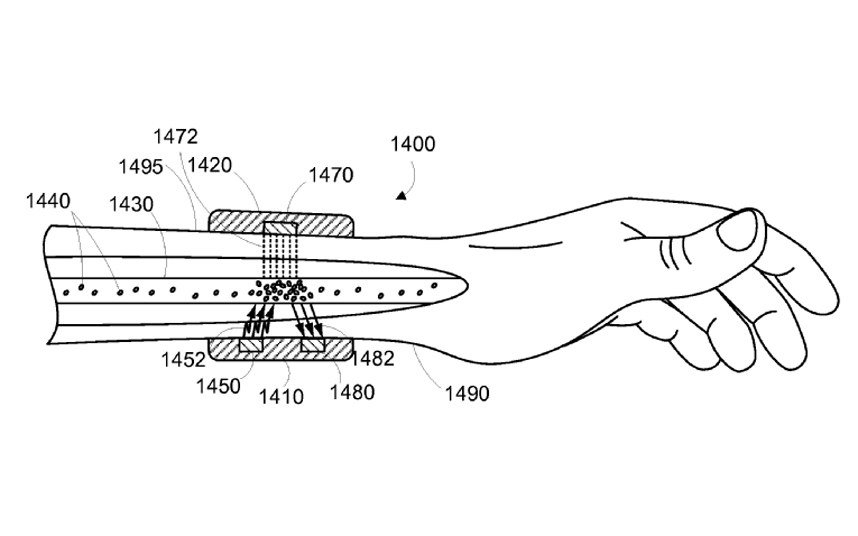
Following its patent application for a pill that “paints” cancer cells for scanner detection, Google has filed a new patent for a wearable to detect and destroy the painted cells.  It describes a Calico developed device that “can automatically modify or destroy one or more targets in the blood that have an adverse health effect”.  These could include proteins, enzymes, cells, hormones, or other molecules that may affect health when present in blood.

The wearable  can modify or destroy the cells by transmitting energy into blood vessels. This could be by radio frequency pulse, time-varying magnetic field, acoustic pulse, or infrared or visible light signal.  The energy provokes a physical or chemical change in the targets to fight illnesses, including cancer.

Google believes that the device could also help Parkinson’s patients, as certain proteins have been noted as a partial cause of the disease. If the wearable could destroy these proteins, disease progression might be slowed.

Wearable Tech + Digital Health NYC 2015 – June 30 @ New York Academy of Sciences.  Early registration rate available until March 27th.
Categories
Disease mHealth Sensors Wearables

Suit, patch allow doctors to safely treat Ebola patients

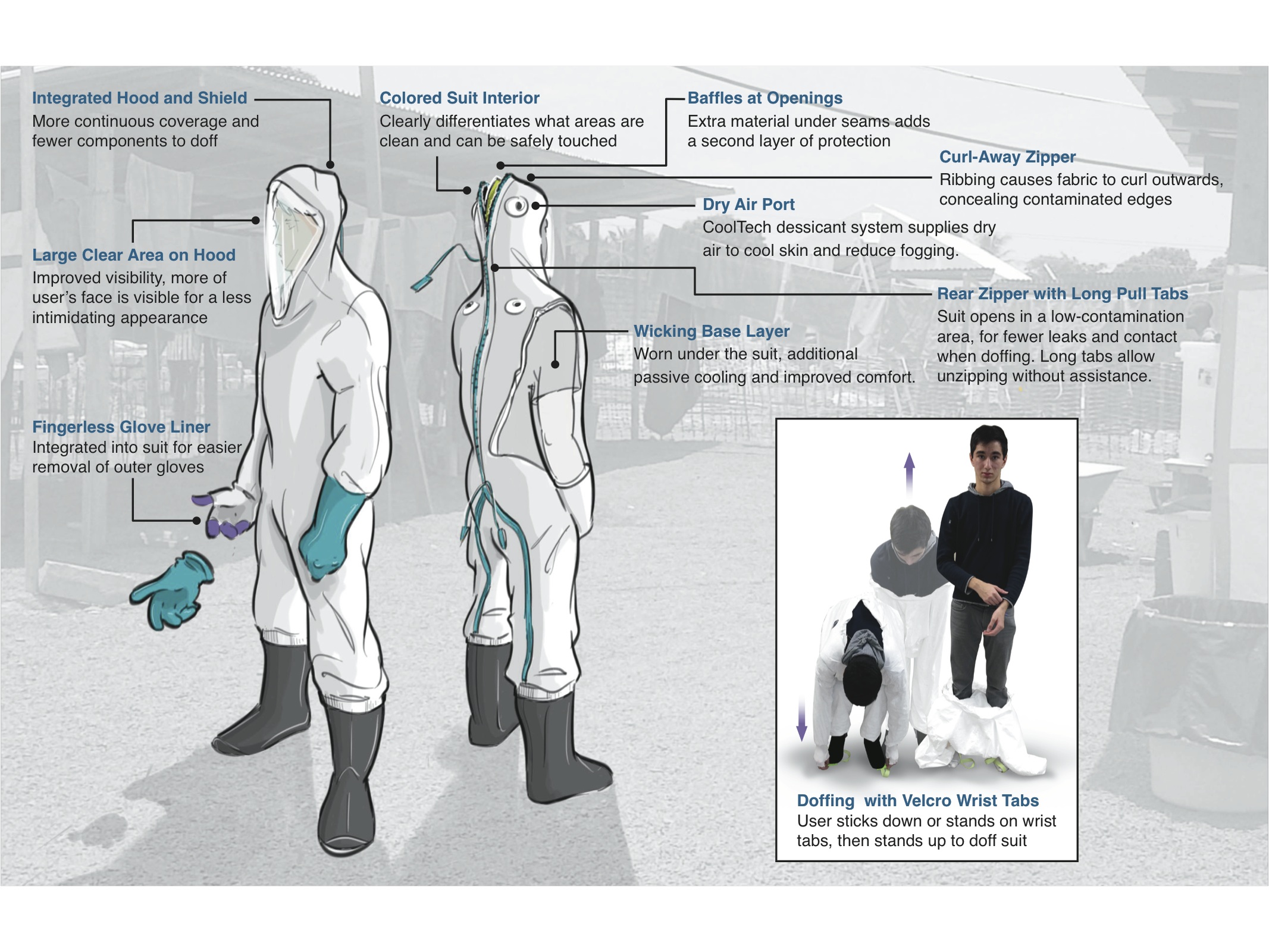
At SXSW this week, USAID unveiled a biomedical suit and a wearable sensor patch to protect doctors while treating Ebola patients.

The John’s Hopkins developed suit takes two minutes to put on.  It has anti-fogging capabilities and will contain a cooling system, allowing doctors to wear it for longer periods.  Past protective suits took 30 minutes to put on, were hot and uncomfortable, and could only be worn for 45 minutes.

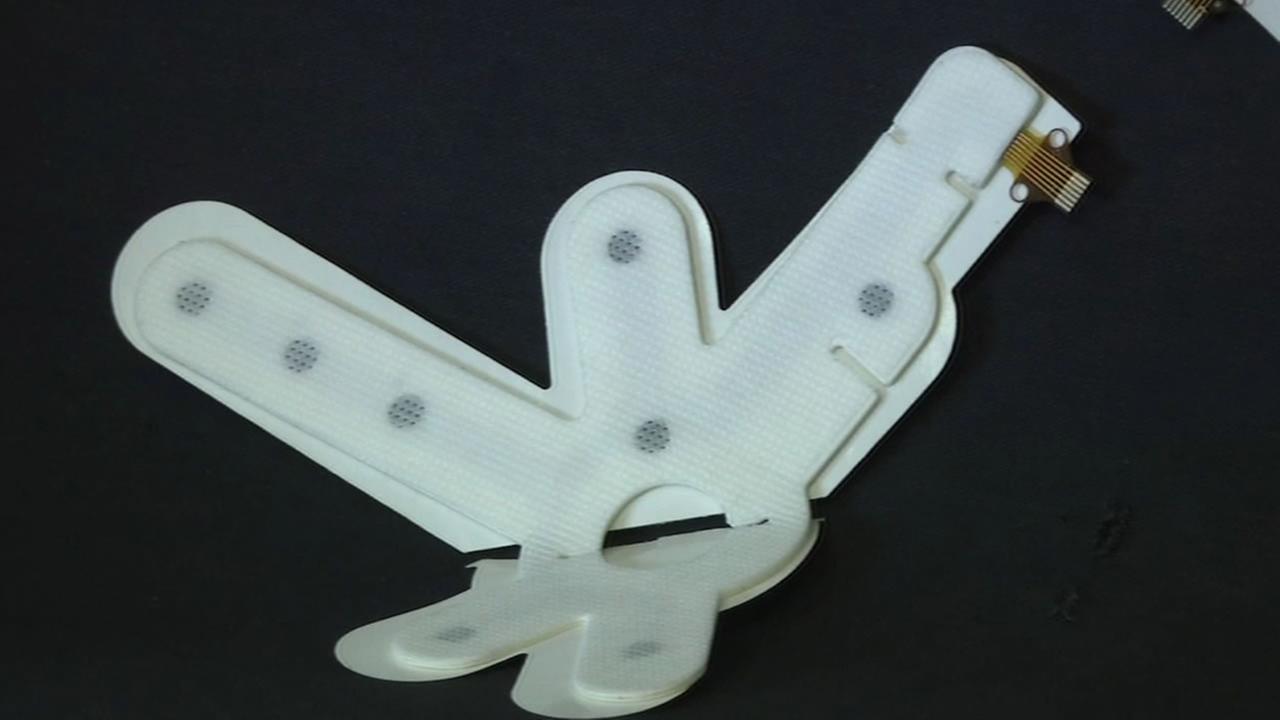
The MultiSense Memory patch described at the conference will enable doctors to remotely monitor patients.  It is flexible , has multiple sensors, and attaches to a patient’s sternum with adhesive.  The device takes baseline heart rate, temp and oxygen saturation readings, and measures all changes.  The prototype uses a USB cable to transmit data, but the patch will use Bluetooth.   It will cost $100 and will have 7 to 10 days of battery life. The average Ebola case runs its course in five days.

Results of USAID’s Grand Challenge to Fight Ebola also include:

  • Aquarius GEP LLC and Innovative BioDefense
    Antiseptic that, when applied to skin, provides up to six hours of pathogen protection and serves as an anti-microbial barrier to viral transmission for health care workers
  • SPR Advanced Technologies, Inc.
    Long-lasting, spray-on barrier that kills and repels microbes with electro-static fields to prevent surface contamination and allow for more breathable PPE materials

Wearable Tech + Digital Healthy NYC 2015 – June 30 @ New York Academy of Sciences.  Early registration rate available until March 27.

Categories
Diabetes Sensors Wearables

Biosensor patch to manage obesity, diabetes

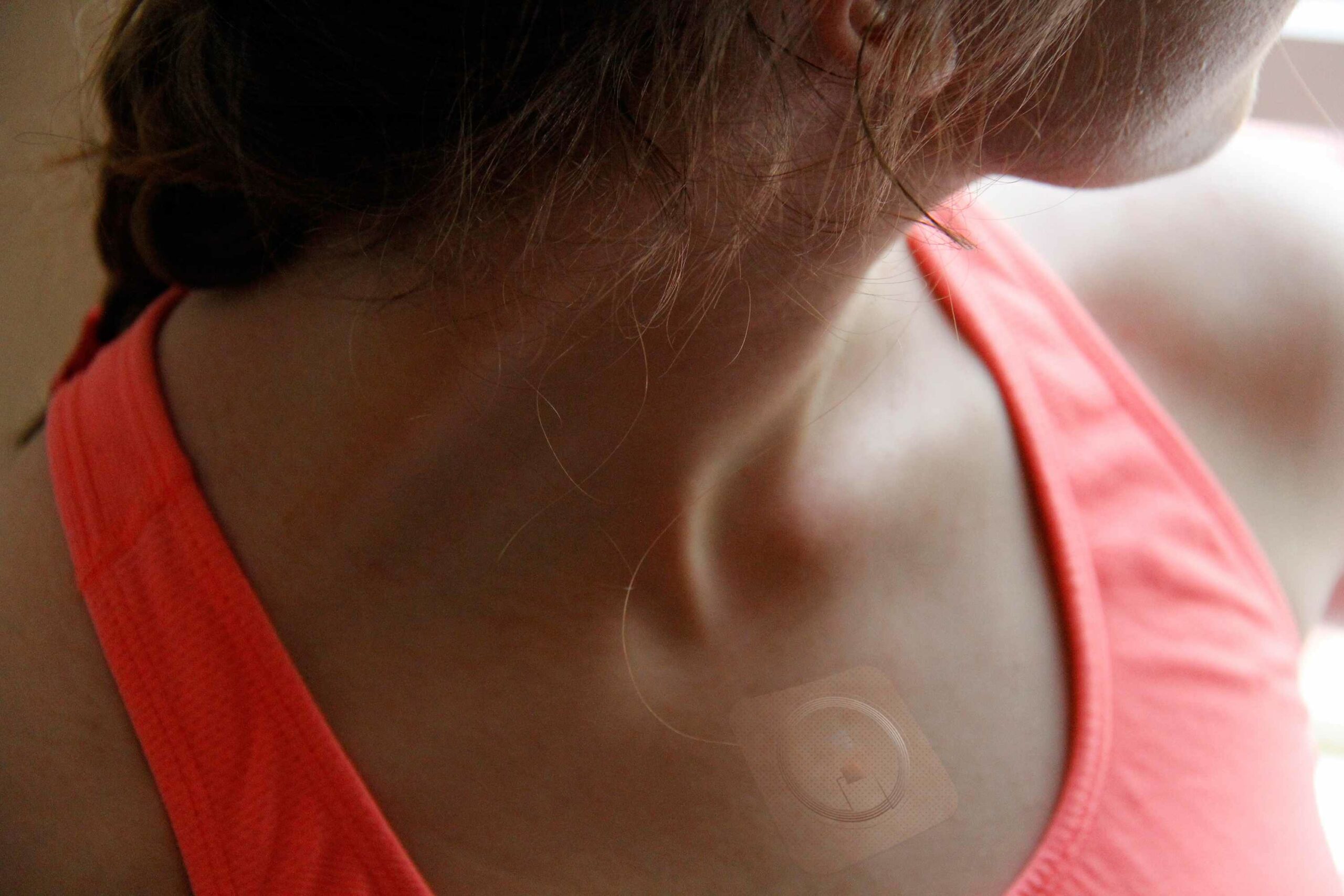
Mayo Clinic and Gentag have announced the joint development of wireless, disposable patch sensors to monitor and manage obesity and diabetes.  The wearables will communicate with smartphones via a closed-loop diabetes management system.   Other indicators monitored by Gentag patches include heart rate, temperature, hydration, sweat, blood sugar, lactic acid, electrolytes and other biomarkers.  It is unclear how many of these will be included in the Mayo/Gentag patch.  Gentag currently monitors glucose with patches that work with tiny, battery-free sensors implanted under the skin.

Wearable Tech + Digital Health NYC 2015 – June 30 @ New York Academy of Sciences.  Early registration rate available until March 27th.
Categories
Seniors Sensors Wearables

Home + wearable sensors detect motor function issues

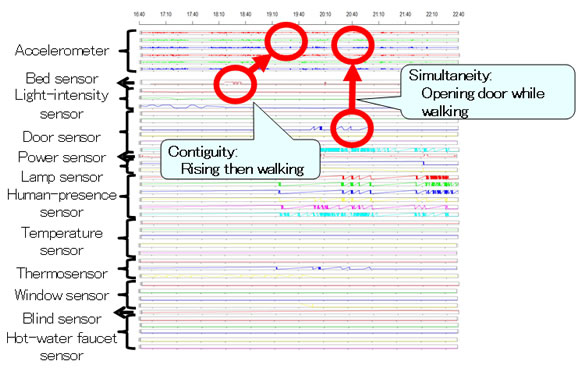
Fujitsu Laboratories,  CASALA, and Insight@UCD  have developed technology that detects abnormal motor function early using wearable and home embedded sensors.

110 ambient sensors were installed in a home which, combined with wearable sensors,  collected extensive daily routine data.   Researchers discovered abnormalities that often go unnoticed by doctors by extracting “opened door” or “walked” events that match an individual’s way of walking from sensing data.  They then observed whether the events happened simultaneously or sequentially, identifying behavior changes that might indicate a decline in health.

The sensor system can be used support seniors aging in place.  Fujitsu plans to test the technology outside of smart houses in an effort to develop medical applications.

Wearable Tech + Digital Health NYC 2015 – June 30 @ New York Academy of Sciences.  Early registration rate available until March 27.

Categories
Wearables

Smart necklace tracks food intake

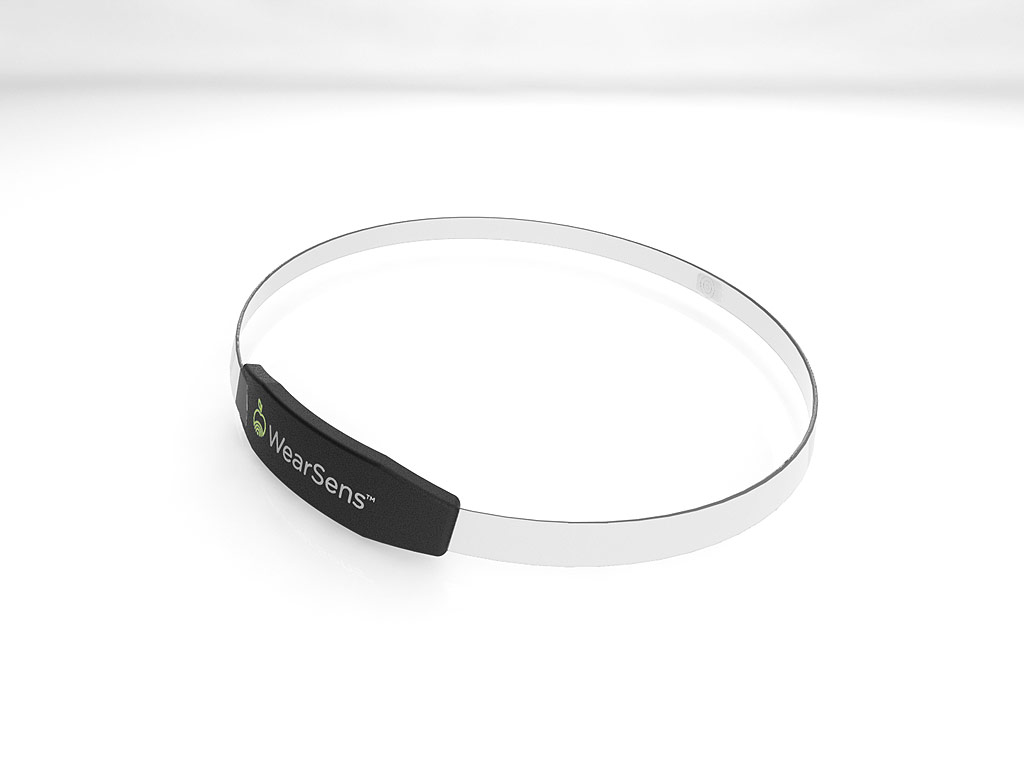
UCLA’s Majid Sarrafzadeh, Haik Kalantarian and Nabil Alshurafa are developing WearSens, a piezoelectric sensor necklace that tracks vibrations near one’s neck to determine food intake.  The wearable works with apps, such as MyFitnessPal, to monitor food eaten (as well as drinking and smoking), including calories, and make wellness recommendations.  Its creators compare it to a wearable food diary that ensures compliance, but it could also be used as a senior nutrition reminder, or to help understand food driven blood sugar fluctuations.

Wearable Tech + Digital Health NYC 2015 – June 30 @ New York Academy of Sciences

Categories
Wearables

Smart watch strap enables customized monitoring

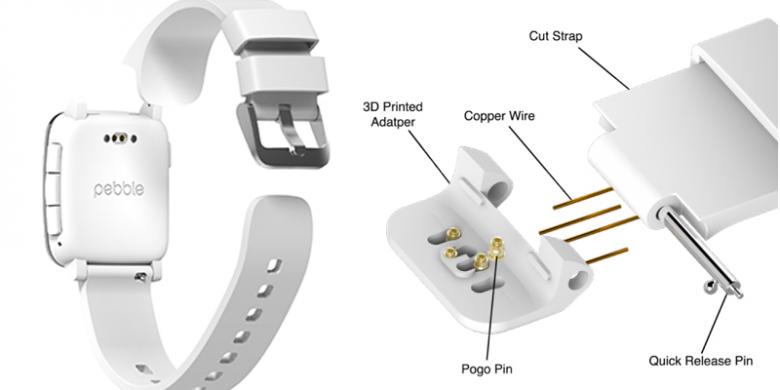
Pebble Time and Time Steel will incorporate a charging and data conductor, enabling the use of custom “smartstraps.”  This will empower the wearer to determine–and change–the type of monitoring he or she desires.

External companies will develop compatible straps with various health and fitness tracking capabilities. The Pebble could power the straps, or a second battery could be built into them.  A quick-release mechanism will allow easy changes,  and can automatically launch an app when a specific strap is attached.

Wearable Tech + Digital Health NYC 2015 – June 30 @ New York Academy of Sciences

Categories
Sensors Wearables

Bio-ink pens for “do-it-yourself” sensor monitoring

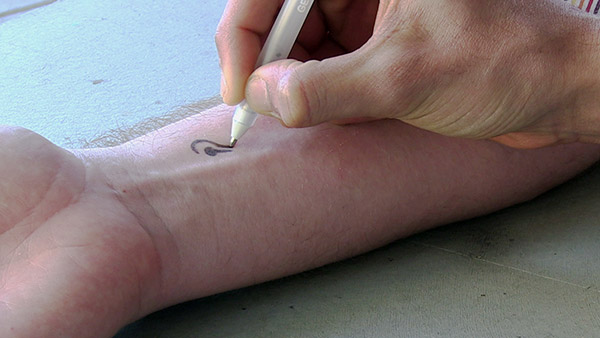
Led by Joseph Wang, creator of the non-invasive glucose monitor ApplySci described in January, UCSD engineers are developing “do it yourself” sensors, drawn directly on skin and smartphones.  The simple, cheap sensors could be used in the clinic, at home, or on the battlefield.

The bio-inks react with several chemicals, including glucose.  Biocompatible polyethylene glycol is used as a binder. Graphite powder makes the inks conductive to electric current. Chitosan ensures that the ink adheres to any surface. Xylitol stabilizes enzymes that react with chemicals the sensors are designed to monitor.

The team filled ballpoint pens with the inks, and drew sensors on the skin to measure glucose, and on leaves to measure pollution.  They could be drawn directly on smartphones for cheap, personalized health monitoring, on external building walls for monitoring of  pollutants, or on the  battlefield to detect explosives and nerve agents.

Wearable Tech + Digital Health NYC 2015 – June 30 @ New York Academy of Sciences


Categories
Sensors Wearables

Cheap, self powered, wireless, disposable health tracker

The University of Tokyo‘s Hiroshi Fuketa has created a flexible, wireless, self-powered, cheap, disposable continuous vital sign monitor.  The armband’s temperature sensor measure body heat under the arm, piezoelectric speaker provides audible feedback, and amorphous silicon solar cells provide  power.  Its organic ink circuits are printed onto a plastic film.  Other sensors could be incorporated to monitor heart rate, blood pressure, or moisture.  A flexible battery could be included to store solar cells to enable the band to work in darkness.

The team claims that the armband is the first with an organic circuit able to produce sound and the ability to incorporate an organic power supply circuit.

Wearable Tech + Digital Health NYC 2015 – June 30 @ New York Academy of Sciences

Categories
Cancer Sensors Wearables

Patch detects breast cancer temperature patterns

Cyrcadia Health‘s iTBra contains patches that detect circadian temperature changes within breast cells.  The data is sent to a lab via smartphone, and analyzed with Nanyang Technical University developed algorithms.   Abnormal temperature and cellular signaling patterns are immediately sent to one’s doctor.

The technology detects normal circadian cellular baselines, as well as abnormal patterns associated with cancer.  The company claims that the device’s accuracy is similar to that of mammography, and particularly benefits those with dense breast tissue.

A clinical trial will soon begin, studying women wearing the device for different lengths of time.

Wearable Tech + Digital Health NYC 2015 – June 30 @ New York Academy of Sciences

Categories
Wearables

Apple Watch issues put wearable accuracy in spotlight

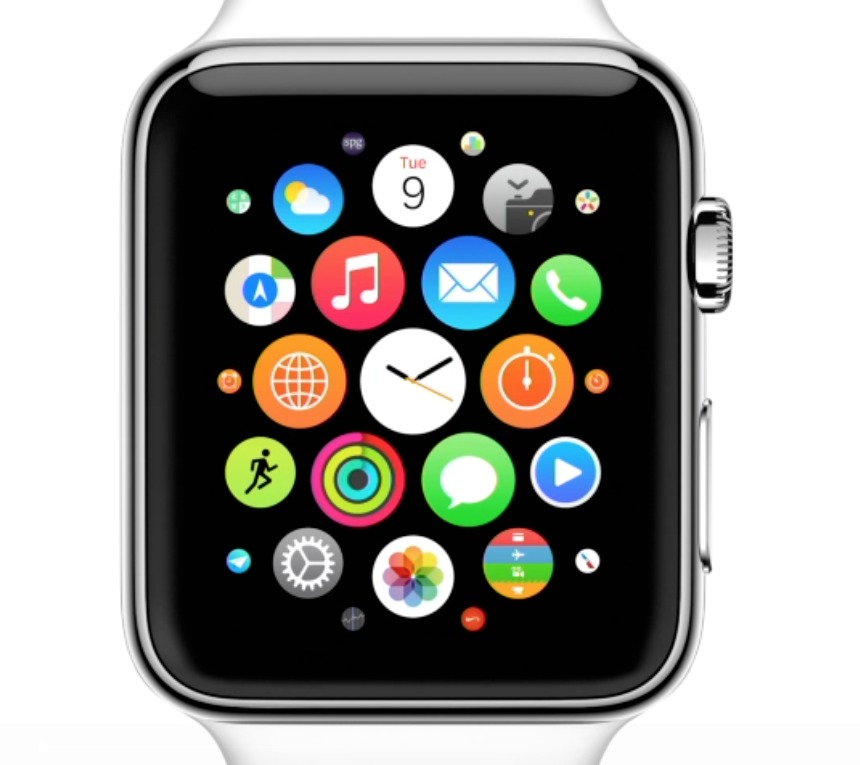
This week the Wall Street Journal reported Apple’s announcement about its highly anticipated watch not featuring planned health monitoring features.  It is unclear if the glucose tracker ApplySci detailed this month will still be included.

Apple Watch was envisioned as a device  full of sensors that could measure heart rate, stress levels, blood pressure and more.  After testing, many of these sensors performed erratically.  The skin conductivity feature did not work on dry skin or hairy arms, and results varied depending on how tight the watch was worn on the wrist.

This is, actually, great news.  There are many “health” monitors on the market, making claims of accuracy that may or may not be substantiated.  Crowdfunding sites are filled with toys and gadgets that promise the world, and occasionally deliver.  May Apple’s decision not to release its health monitoring features prematurely lead to a world of reliable wearables that can improve or save lives.

Wearable Tech + Digital Health NYC 2015 – June 30 @ New York Academy of Sciences

Categories
Diabetes Sensors Wearables

Smart bandage continuously measures pH and oxygen

Harvard professor Ali Khademhosseini, a doctor at Brigham and Women’s Hospital, is developing a smart bandage that determines a wound’s healing progress and distributes medicine accordingly.

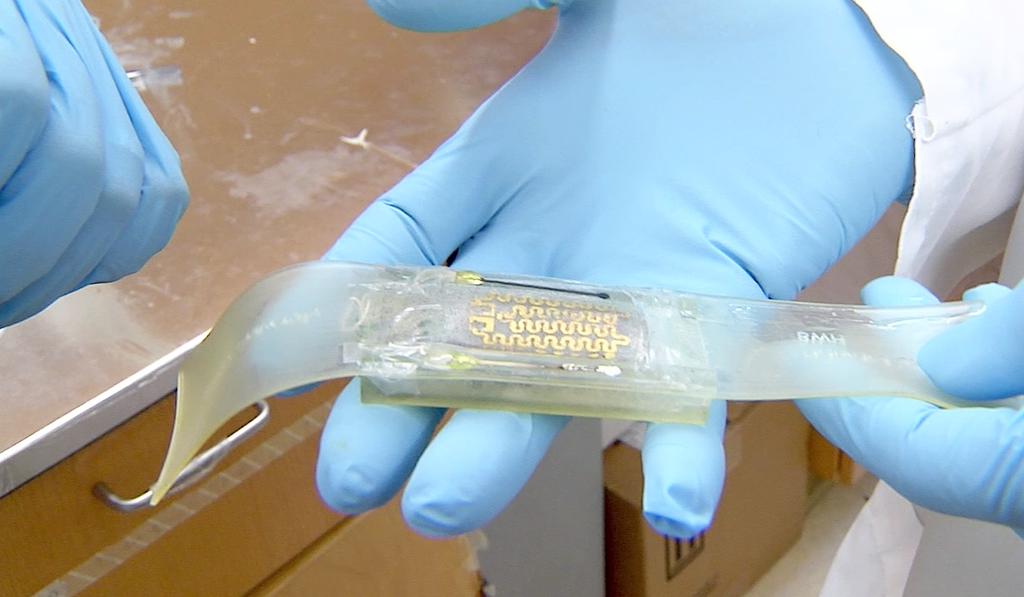
The prototype bandage looks like rubber, and has visible sensors tracking pH balance (for bacterial infection), and oxygen, automatically delivering oxygen or antibiotics topically.  Diabetic foot ulcers might be better treated this way.

ApplySci described a related, oxygen measuring, transparent liquid bandage in October 2014.

Wearable Tech + Digital Health NYC 2015 – June 30 @ New York Academy of Sciences

Categories
Apps Data Diabetes Wearables

Apple watch will track glucose

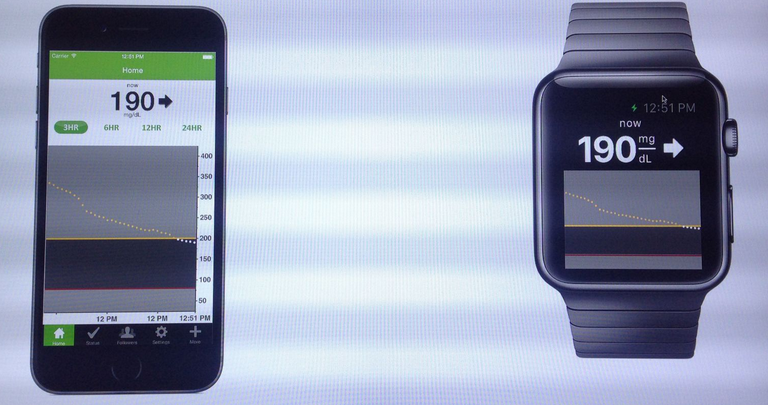
The forthcoming Apple Watch will include the DexCom glucose tracking app.  To use it, a tiny sensor must be placed under the skin to measure glucose levels every five minutes.  Results will be displayed on the watch with a simple graph.

While DexCom has FDA approval, due to recent a recent FDA clarification on wearable devices, other health apps can be included, and this will remain a “Low Risk” device, not requiring prior marketing approval.  This is great news for both device makers and consumers, as it will inspire a proliferation of health apps.  ApplySci hopes that the competition will ensure that the most accurate health trackers become the most popular, and will continue to curate this movement with that goal.

Wearable Tech + Digital Health NYC 2015 – June 30 @ New York Academy of Sciences.