Categories
Heart IoT Wearables

Phone ECG detects irregular heartbeat

USC‘s Leslie Saxon has released a study showing that smartphone ECG sensors can detect atrial fibrillation in the general population.

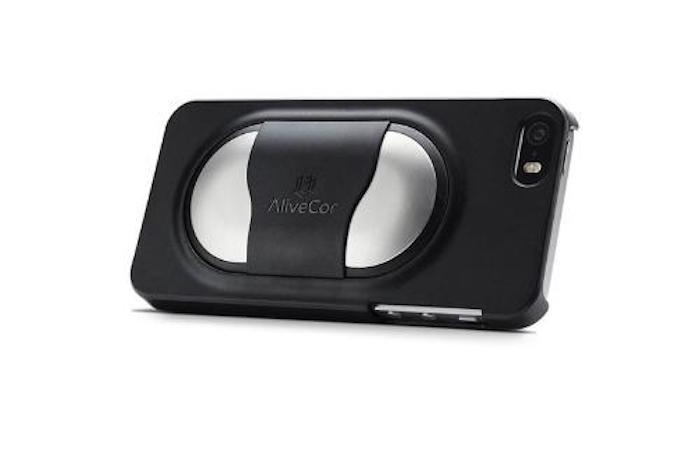
865 participants were given AliveCor enabled smartphone ECG sensors.  57,703 thirty-second ECGs were recorded and wirelessly transmitted to the cloud via an acquisition and interpretation app.  AF was detected in 185 recordings from 93 participants.

After 30 days, 73% of participants said that they were more aware of their heart rate and behavior.  According to Saxon, “Having an ECG device on smartphones is quite incredible because it makes tracking heart health and behavior accessible to almost anyone.”

WEARABLE TECH + DIGITAL HEALTH NYC 2015 – JUNE 30 @ NEW YORK ACADEMY OF SCIENCES.  REGISTER HERE.
Categories
Smart Fabric Wearables

Google’s conductive fabric for everyday wear

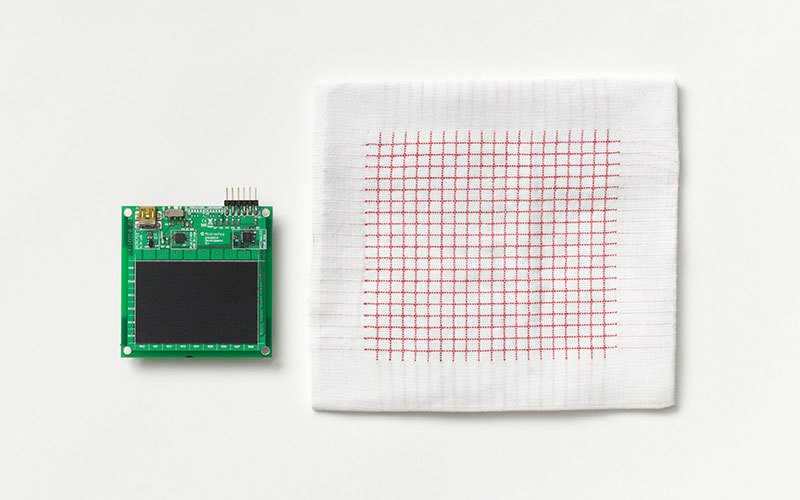
Google’s Project Jacquard creates conductive fabrics that can be woven into every day clothes.  The yarn is tough enough for industrial weaving, and can connect to chips that react to gestures, and monitor heart rate or body temperature.

This seamless integration of sensors into clothing can make health monitoring ubiquitous.

In a demo at the company’s I/O conference, the fabric turned on lights, controlled a media player, and powered two touch-tracking to visualize the interaction. Low-power wifi  was used to communicate with devices.

WEARABLE TECH + DIGITAL HEALTH NYC 2015 – JUNE 30, 2015 @ NEW YORK ACADEMY OF SCIENCES.  REGISTER HERE.  PREFERRED RATE ENDS TOMORROW.

Categories
Eyes fitness Wearables

Optical frame integrated health tracker

VSP Global‘s Project Genesis integrates health tracking technology into optical frames.  Steps, calories burned, activity time and distance traveled are calculated by sensors at the part of the frame that touches one’s temple.

Building wearable technology into stylish glasses, worn every day to improve vision, increases the potential for mass adoption.

The prototype is now being tested on 26 of the company’s own employees.

WEARABLE TECH + DIGITAL HEALTH NYC 2015 – JUNE 30 @ NEW YORK ACADEMY OF SCIENCES.  REGISTER HERE.

Categories
Cancer Wearables

Wearable tracks breast cancer side effects, sleep, mood, activity

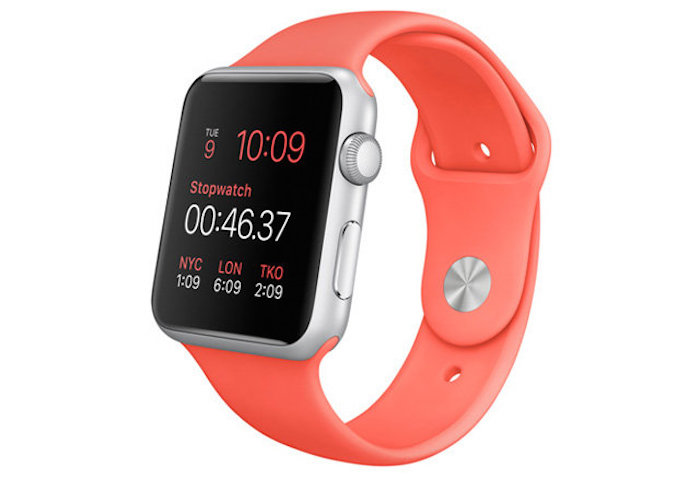
A pilot study exploring  the use of wearables in breast cancer is underway.  Polaris Health Directions and  the MD Anderson Cancer Center are using the Apple Watch to  track multiple factors, increase engagement, and provide immediate feedback and interventions.

Side effects, sleep, activity levels and mood will be monitored, and combined with electronic health records and population data.

According to Polaris,  “the patient  will learn through self-discovery  how to modify  behavior, and if she finds herself in a high stress situation, our on-demand support mechanisms can provide instant assistance.”

WEARABLE TECH + DIGITAL HEALTH NYC 2015 – JUNE 30 @ NEW YORK ACADEMY OF SCIENCES.  REGISTER HERE.

Categories
Seniors Sensors Smart Fabric Wearables

Sensor sweater guides senior rehabilitation

Vigour, by Pauline van Dongen,  is a sensor sweater developed for geriatric rehabilitation.  The knitted cardigan, with integrated stretch sensors, discreetly and continuously monitors upper body movement.  Two sensors monitor  lower back movement, and one under each arm monitors shoulder and arm movement. Data is transferred to the user, caregiver, or physician.  It can be worn all day, during normal activity, rest, and exercise.  Its app provides visual and auditory feedback, in real time, to inform and motivate the user.

WEARABLE TECH + DIGITAL HEALTH NYC 2015 – JUNE 30 @ NEW YORK ACADEMY OF SCIENCES.  FINAL REGISTRATION DISCOUNT ENDS 6/2.

Categories
Diabetes Heart Wearables

Heart rate as diabetes marker

Wearables can effectively monitor heart rate.  A recent study shows a new use for this data – predicting diabetes.

Penn State‘s Xiang Gao observed an association between faster heart rates and an increased risk of developing diabetes in 73,357 Chinese adults. In the same population, faster heart rates were also associated with impaired fasting glucose levels and a conversion from impaired fasting glucose levels to diabetes.

According to Gao, “Each additional 10 beats per minute was associated with a 23 percent increased risk of diabetes, similar to the effects of a 3 kilogram per meter square increase in body mass index. We further combined our results with those of 7 previously published studies, including 97,653 subjects, and found a similar association — individuals with a fast heart rate had a 59 percent increased risk of diabetes.”

WEARABLE TECH + DIGITAL HEALTH NYC 2015 – JUNE 30 @ NEW YORK ACADEMY OF SCIENCES.  FINAL REGISTRATION DISCOUNT ENDS TUESDAY, 6/2.

Categories
Pain Sensors Wearables

Pain relieving wearable, app

Cur is a wearable pain relief system, similar to Quell, (see ApplySci, 1/13/15) for people who respond to TENS.  It uses uses electrical stimulation to stop pain at its source.  The bandaid-like device sticks directly to skin, and all the modulation of electrical signals is automatically controlled by built in sensors.  Users can also adjust the amount of stimulation with a smartphone app.

The company claims that “within five seconds it measures muscle vibrations, and uses those vibrations to adjust the amplitude—the strength of the treatment.”

The wearable must  receive FDA approval for a low-risk wellness device.  If effective, non-drug pain relievers, like Pur and Quell, could help sufferers avoid the addiction and debilitating side effects associated with narcotic pain medicine.

WEARABLE TECH + DIGITAL HEALTH NYC 2015 – JUNE 30 @ NEW YORK ACADEMY OF SCIENCES.  REGISTER BEFORE FRIDAY,  MAY 15 TO RECEIVE THE PREFERRED RATE.

Categories
IoT Seniors Sensors Wearables

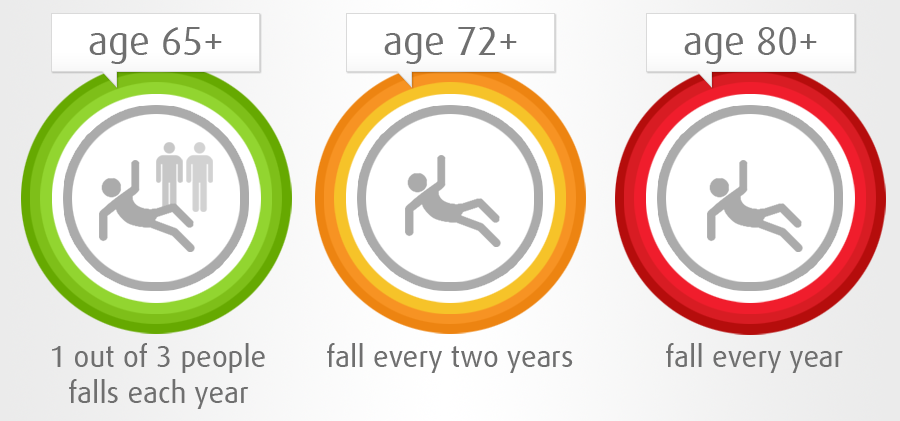
Stamp sized wearable detects falls

As part of its IoT Ubiquitousware platform, Fujitsu has developed a stamp sized sensor tag that detects falls, position, posture, and temperature changes.

The tags contain accelerometers, barometers, gyroscopes and microphones. They can also include heart rate sensors and GPS modules. Data is transmitted via Bluetooth Low Energy. Algorithms analyze the data and automatically send alerts to caregivers.

The sensors can be worn as wristbands, on lapels or pockets, or be attached to shopping carts and walkers.  Obvious potential users include seniors and  hospital patients.

WEARABLE TECH + DIGITAL HEALTH NYC 2015 – JUNE 30  @ THE NEW YORK ACADEMY OF SCIENCES.  REGISTER BEFORE FRIDAY, MAY 15th TO RECEIVE THE PREFERRED RATE.

Categories
Conference Data Wearables

Big Data, AI and personalized healthcare

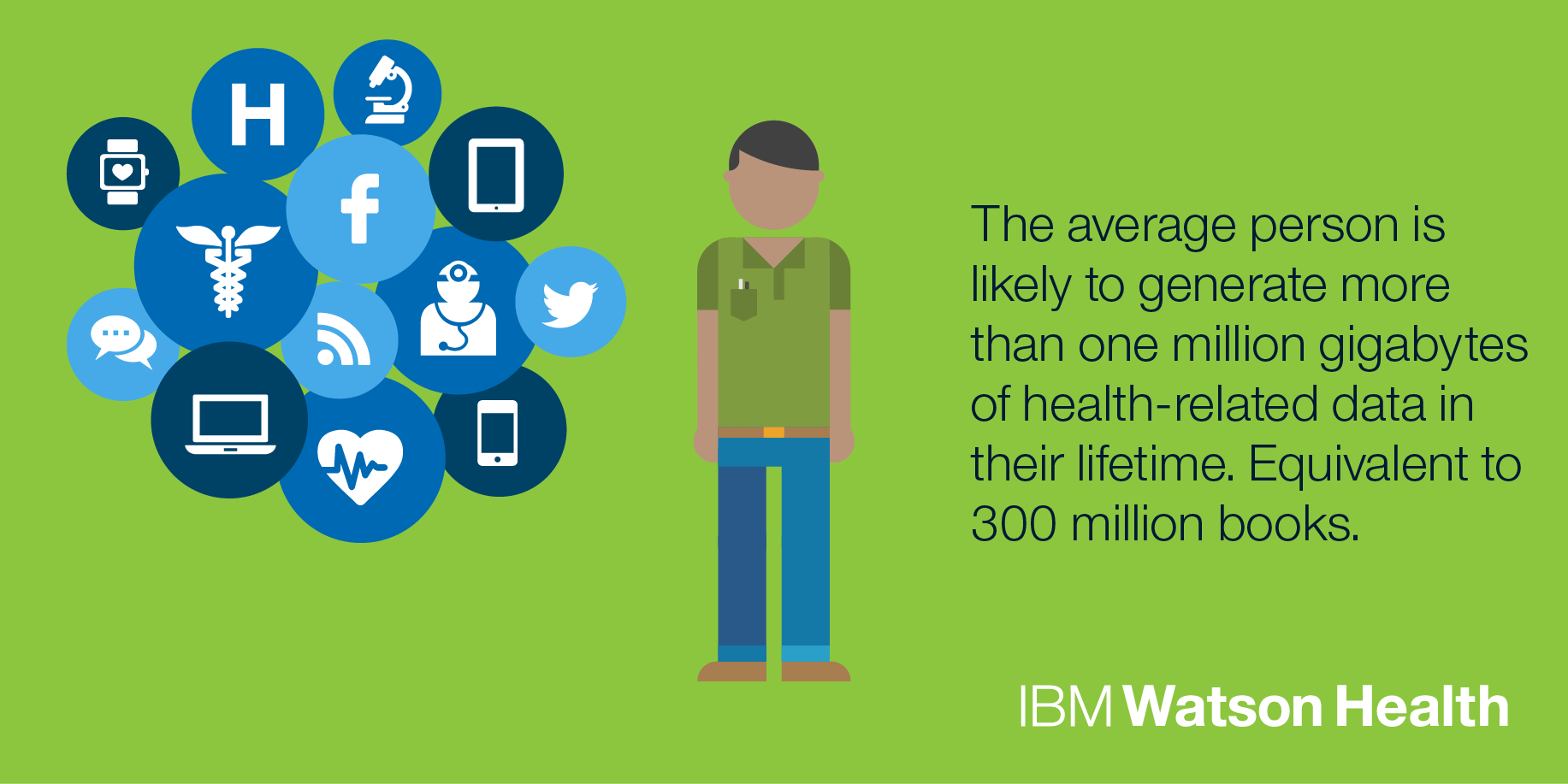
With the goal of personalizing healthcare, improving outcomes and cutting costs, IBM’s Watson Health will aggregate massive amounts of disparate patient data.  The company has struck deals with Apple, Johnson & Johnson and Medtronic to collect and use more information from devices.

To address privacy concerns, IBM is offering ways to strip personal information from wearables and plug that information into Watson to look for aggregate trends. Its health cloud will  be able to de-anonymize information when needed for doctors to see how to apply a patient’s specific health information to their care.

Wearable Tech + Digital Health NYC 2015 – June 30 @ The New York Academy of Sciences


Categories
Diabetes Monitoring Sensors Wearables

Closed-loop glucose monitoring system

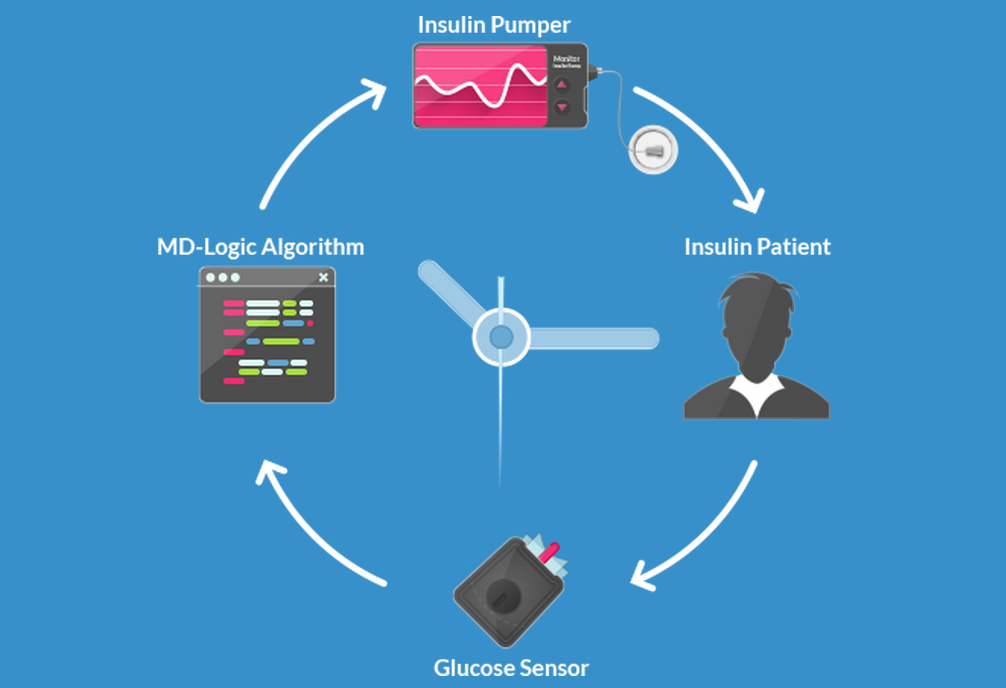
GlucoSitter by DreaMed Diabetes is an automated, closed loop, artificial pancreas system for controlling glucose levels. It links the glucose sensor with the insulin pump through control algorithms. Glucose sensor data is analyzed and the pump is directed to deliver the correct dose of insulin.

GlucoSitter has been tested  on 220 patients with 15,000 hours of day and night use.  Medtronic will now  incorporate the DreaMed  algorithm in its insulin pumps.

Wearable Tech + Digital Health NYC 2015 – June 30 @ New York Academy of Sciences.  Register now and save $300.

Categories
Asthma mHealth Sensors Wearables

Wearable detects asthma triggers

North Carolina State University‘s Veena Misra is developing a wearable that detects asthma triggers.

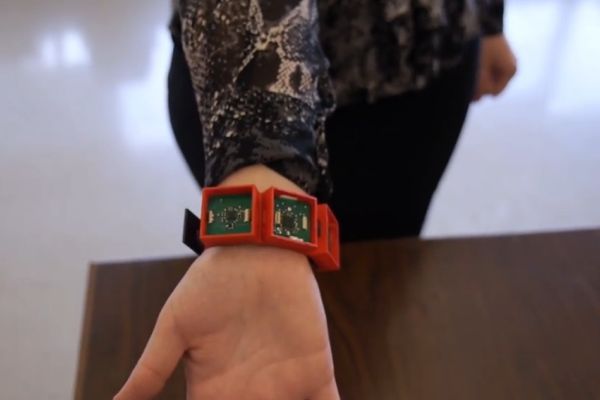
The device monitors environmental factors, such as ozone, carbon monoxide and nitrogen dioxide levels, as well as vital signs including heart rate and hydration. Sensor data is transmitted wirelessly to a phone or physician’s office.  The intention is to guide people away from environmental conditions that exacerbate asthma and related respiratory issues.

Wearable Tech + Digital Health NYC 2015 – June 30 @ New York Academy of Sciences.  Register before April 24 and save $300.

Categories
Sensors Wearables

Strong, elastic artificial “skin” mimics collagen structure

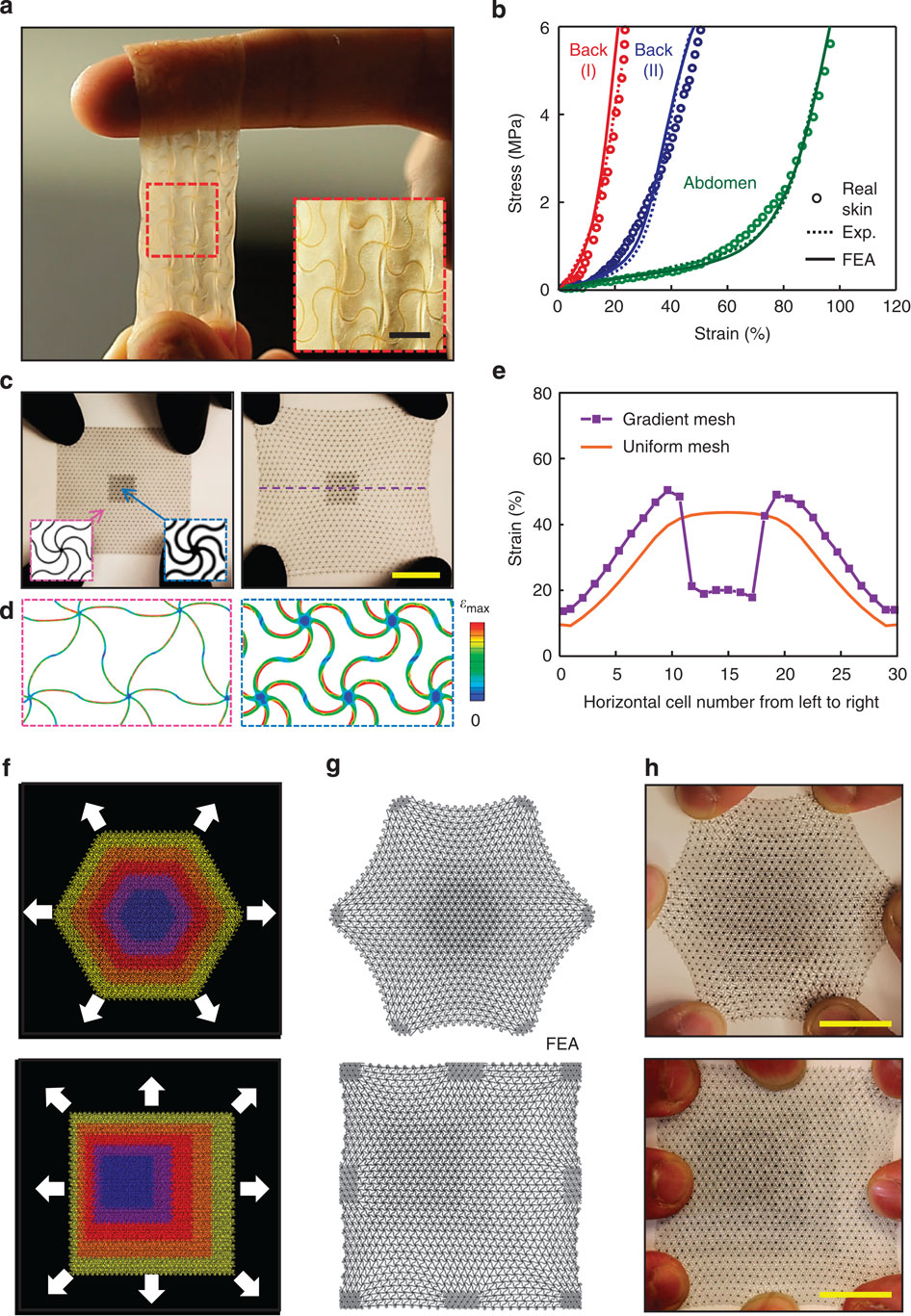
Jang Kyung-in, of the Rogers Research Group at the University of Illinois,  has developed artificial skin, intended for health monitoring,  that mimics the structure of collagen.  The strong and elastic platform is well suited for silicone-based electronic sensing systems.  It will attach to real skin like a band-aid.  Users can apply  and remove it multiple times without damage.

Jang  believes that the new “skin” also creates opportunities for tissue engineering and biomedical devices.   ApplySci described a related development in December.  Roozbeh Ghaffari’s pressure, moisture, heat and cold detecting artificial skin can revolutionize prosthetics, allowing a bionic hand’s fingers to stretch and move as real fingers would.

Wearable Tech + Digital Health NYC 2015 – June 30 @ New York Academy of Sciences.  Early registration rate available until March 275h.