Categories
Pregnancy Sensors

BP cuff + accelerometer detect early preeclampsia

Purdue’s Craig Goergen has developed a sensor-based supine pressor test to detect preeclampsia.

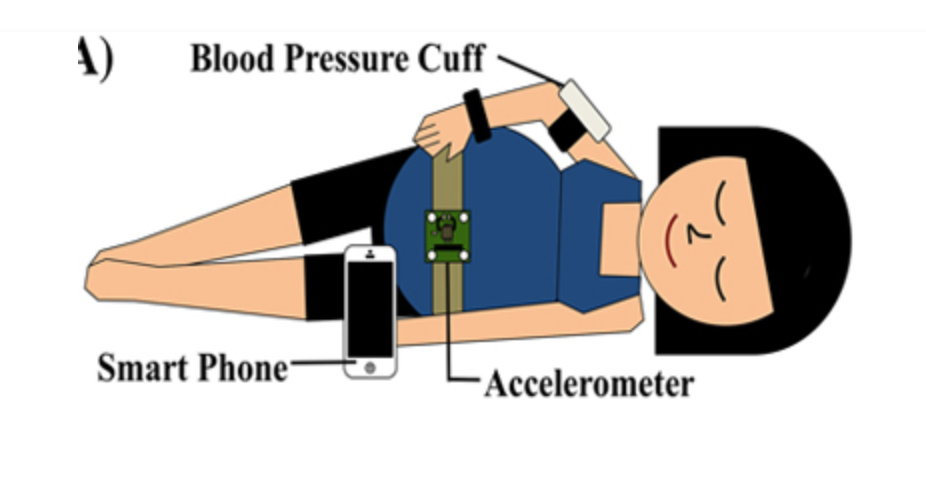
The technology measures and notes the difference between a pregnant woman’s diastolic blood pressure while in two different positions, using a BP wrist cuff and accelerometer on the stomach.

The two devices are connected to an app which guides the wearer, and ensures that the readings are taken in correct positions. Diastolic pressure differences are the definitive way to detect preecamplsia, which according to the researchers, can be seen and treated earlier with the simple system.

Click to view Purdue video


Join ApplySci at the 9th Wearable Tech + Digital Health + Neurotech Boston conference on September 24, 2018 at the MIT Media Lab.  Speakers include:  George ChurchRoz PicardNathan IntratorKeith JohnsonJuan EnriquezJohn MattisonRoozbeh GhaffariPoppy Crum

Categories
Brain

EEG determines SSRI effectiveness in depression

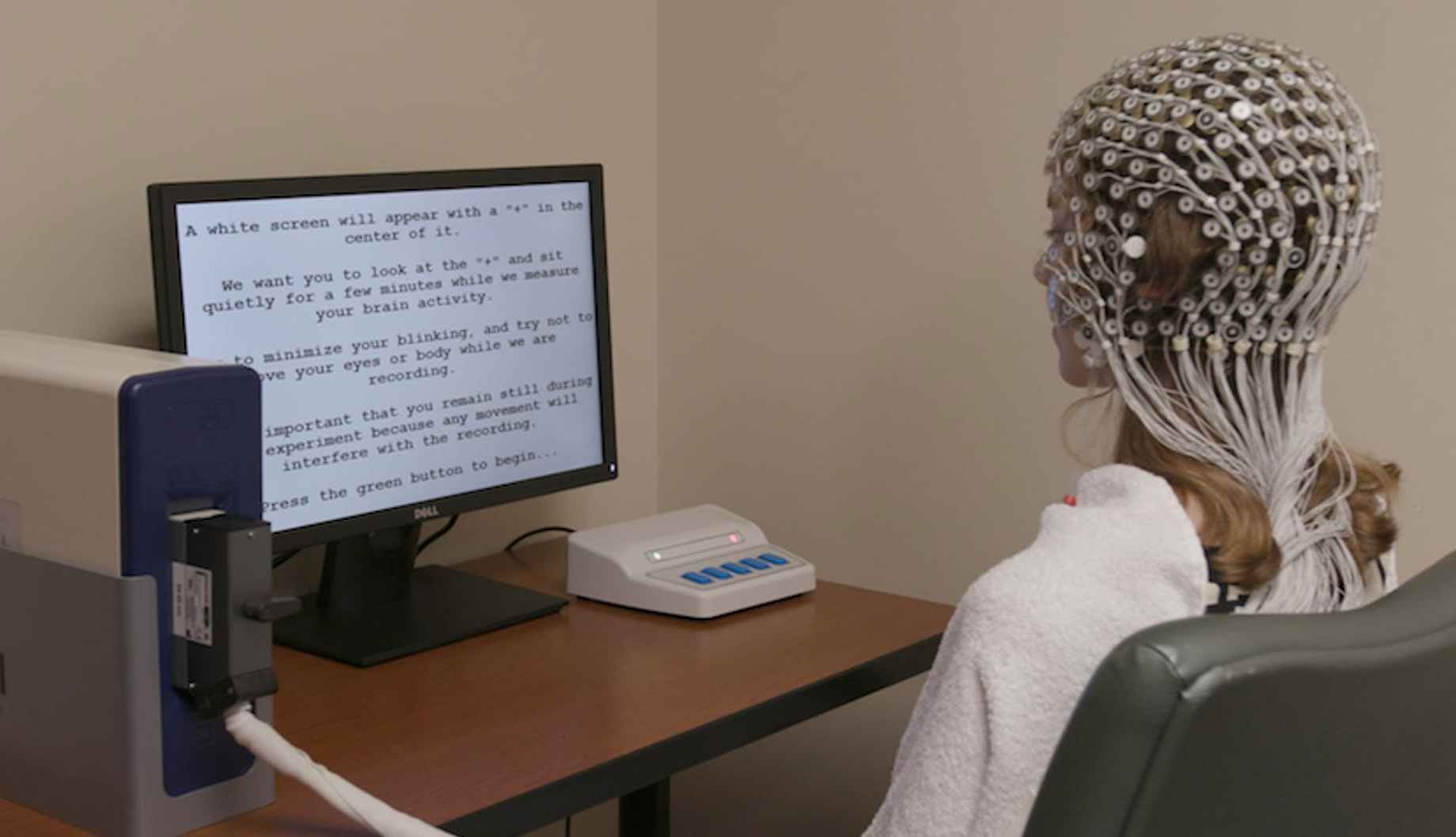
UT Southwestern researchers are using EEG to determine whether an SSRI would effectively treat a person’s depression.

Part of the EMBARC project, the study tracked 300 depressed patients who were given an 8 week course of an SSRI or a placebo. EEG recordings were taken before and after the trial. Higher rACC theta activity before treatment corresponded with greater treatment response to the antidepressant.

 EMBARC director Madhukar Trivedi hopes that the EEG test, combined with his previous blood-biomarker guided drug choice work will dramatically improve accuracy in predicting whether common antidepressants will work for a patient.


Join ApplySci at the 9th Wearable Tech + Digital Health + Neurotech Boston conference on September 24, 2018 at the MIT Media Lab.  Speakers include Roz Picard – George Church – Poppy Crum – Nathan Intrator – Roozbeh Ghaffari – John Mattison

Categories
AR Brain Virtual Reality

Walter Greenleaf on medical applications of VR and AR | ApplySci @ Stanford

Walter Greenleaf discussed medical applications of VR and AR technology at ApplySci’s Wearable Tech + Digital Health + Neurotech Silcon Valley conference at Stanford University on February 26-27, 2018:


Join ApplySci at the 9th Wearable Tech + Digital Heath + Neurotech Boston conference on September 24, 2018 at the MIT Media Lab

Categories
Brain Sensors

Gait sensor could detect Alzheimer’s, identify fall risk

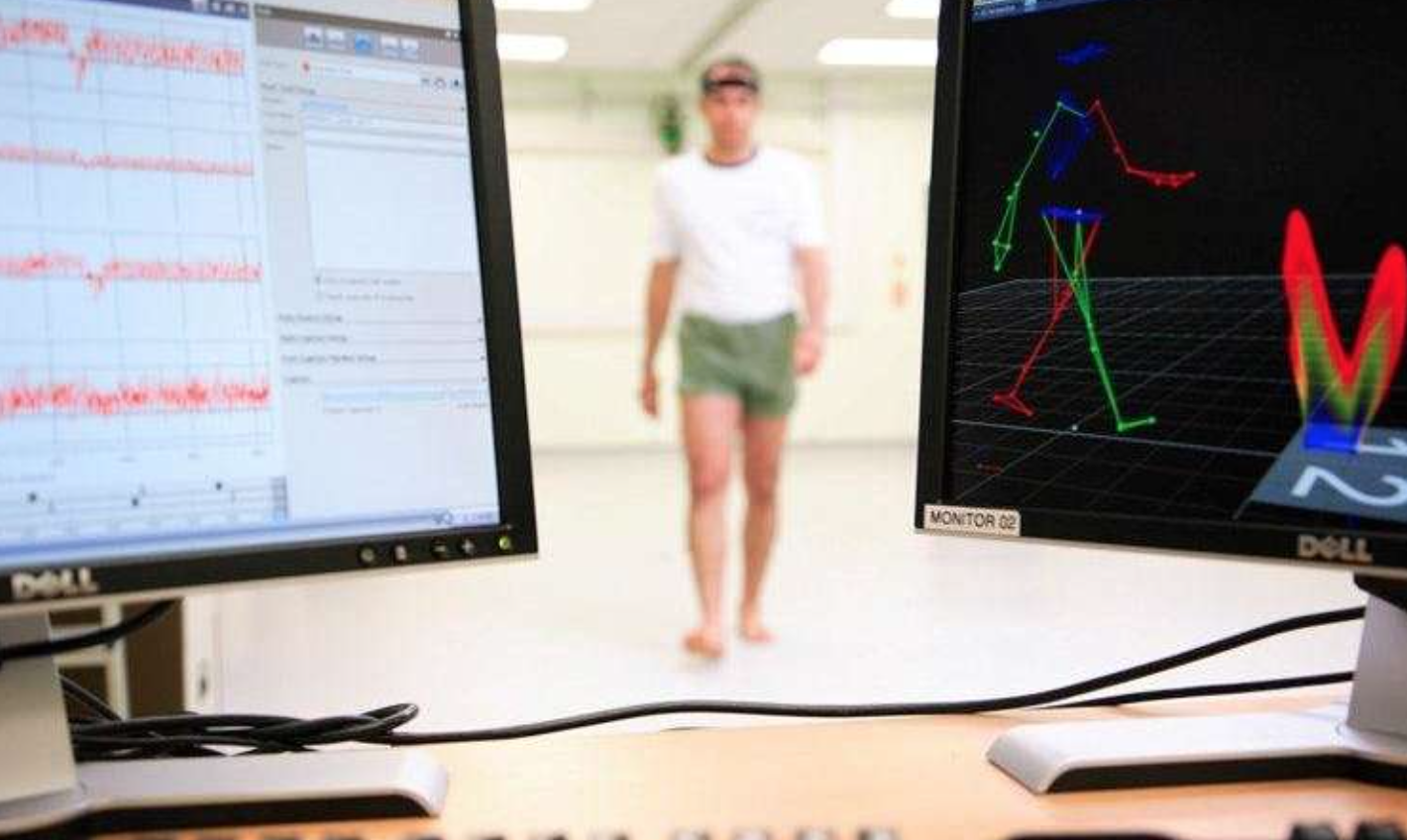
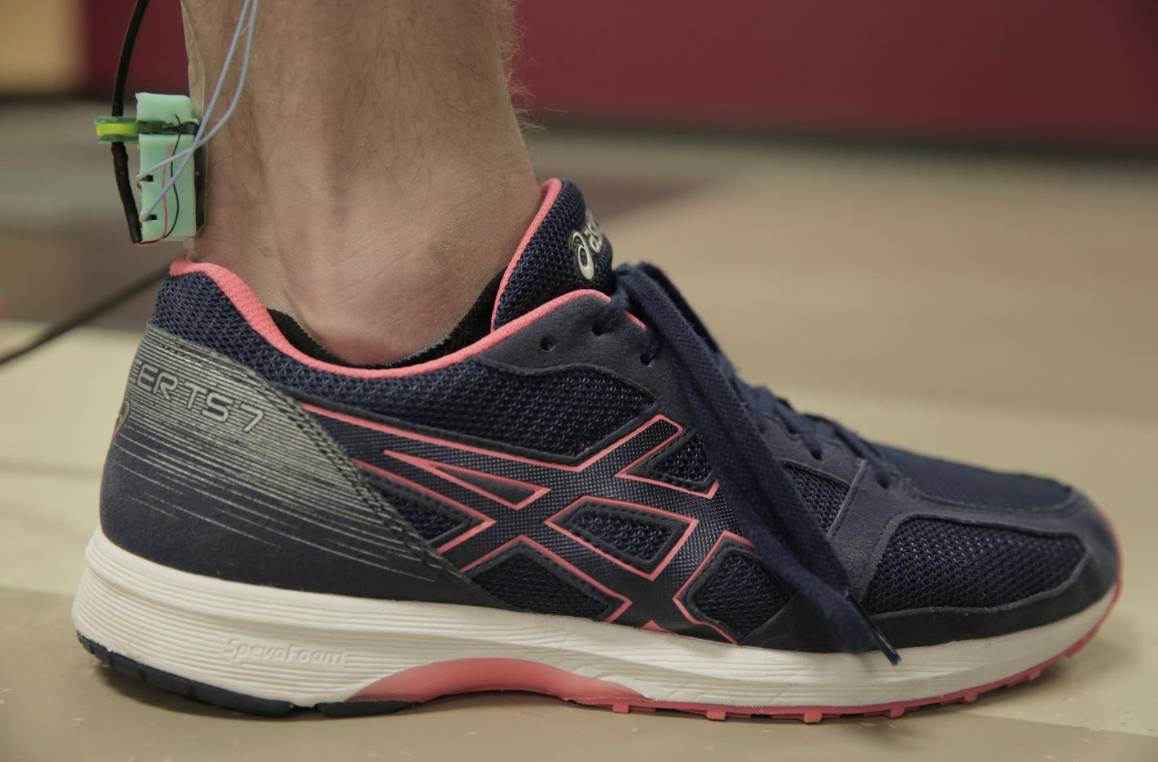
Newcastle University’s Lynn Rochester has studied the use of wearable sensors to identify walking characteristics as clinical biomarkers for Alzheimer’s Disease.  The same sensors can detect gait changes that require intervention to prevent falls and prolong independence.

According to Rochester, “free-living gait analysis at home is particularly useful as it allows objective observation of an individual’s day-to-day activity. It also has the benefit of providing continuous data over a prolonged time that may be more sensitive than one-off assessments.”

She believes that continuous walking sensors could make clinical trials more efficient, and support clinician decisions.


Join ApplySci at the 9th Wearable Tech + Digital Health + Neurotech Boston conference on September 24 2018 at the MIT Media Lab

Categories
Sensors

Saliva-monitoring chip to track bone loss, diabetes, inflammatory markers

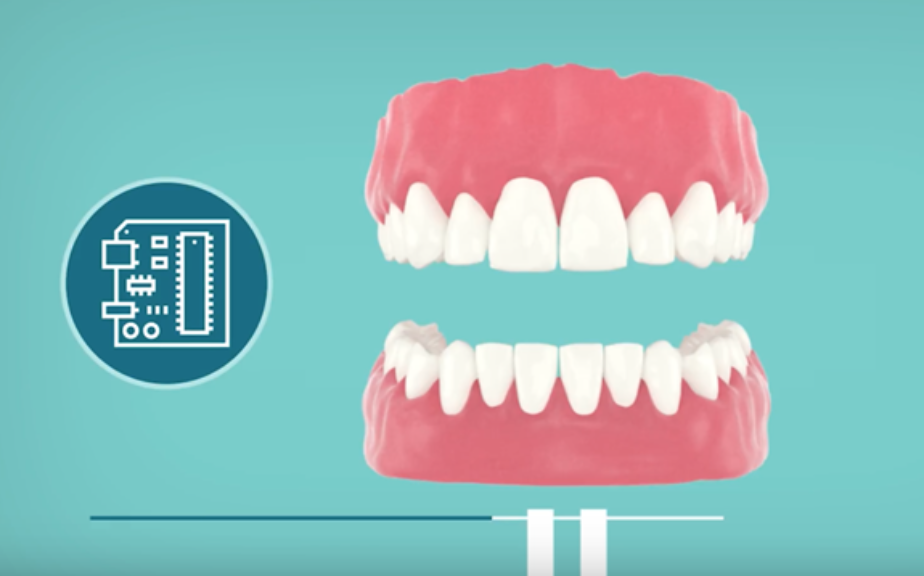
Washington University’s Erica Lynn Scheller and Shantanu Chakrabartty are developing a gum or dental device-worn sensor to detect early signs of  disease by analyzing saliva or gingival crevicular fluid.

The sensor plus electronic chip is a few millimeters-cube in volume and measures disease-specific peptides.  A wireless ultrasound device reads the peptide levels and connects to the cloud.

The first use will be monitoring  bone breakdown during periodontitis. The goal is to track multiple inflammatory and stress markers and to monitor diabetes.

Click to view Washington University video


Join ApplySci at the 9th Wearable Tech + Digital Health + Neurotech Boston conference on September 24 2018 at the MIT Media Lab

Categories
BCI Brain

Ed Boyden on tools for mapping, repairing brain circuitry | ApplySci @ Stanford

Ed Boyden discussed tools for mapping and repairing brain surgery at ApplySci’s Wearable Tech + Digital Health + Neurotech Silicon Valley conference. Recorded on February 26-27, 2018 at  Stanford University


Join ApplySci at the 9th Wearable Tech + Digital Health + Neurotech Boston conference on September 24, 2018 at the MIT Media Lab

Categories
Orthopedics Sensors

Muscle-force measuring wearable

University of Wisconsin’s Darryl Thelen and Jack Martin have developed a noninvasive approach to measuring tendon tension while a person is active.

Current wearables can measure movement, but not muscle force.

The technology provides insight into motor control and human movement mechanics, and can be applied in orthopedics, rehabilitation, ergonomics, and sports.

The device is mounted on skin over a tendon, lightly tapping it 50 times per second. Each tap initiates a wave in the tendon, and two miniature accelerometers determine how quickly it travels. This assesses  force via vibrational characteristics of the tendon change during loading.  Tensile stress is then measured.

It has been used to measure forces on the Achilles tendon, patellar and hamstring tendons. Changes were observed when  gait was modified, which can enable clinicians to optimize the treatment of musculoskeletal disease and injuries. It may also be useful to determine when a repaired tendon is  healed.


Join ApplySci at the 9th Wearable Tech + Digital Health + Neurotech Boston conference on September 24, 2018 at the MIT Media Lab

Categories
AI Stroke

AI CT analysis speeds stroke identification, treatment

Viz.ai‘s algorithms analyze brain scans and immediately transfer data to ensure rapid stroke treatment. The system connects to a hospital CT and sends alerts when a suspected LVO stroke has been identified.  Radiological images are sent to a doctor’s phone.  The company claims that the median time from picture to notification is less than 6 minutes, which can be life-saving, as they also claim that standard stroke workflow is now 66 minutes. Patient transfer to  interventional centers is initiated through messaging and call capabilities connected with emergency and transportation services.


Join ApplySci at the 9th Wearable Tech + Digital Health + Neurotech Boston conference on September 24, 2018 at the MIT Media Lab

Categories
AI BCI Brain Prosthetics Sensors

DARPA’s Justin Sanchez on driving and reshaping biotechnology | ApplySci @ Stanford

DARPA Biological Technologies Office Director Dr. Justin Sanchez on driving and reshaping biotechnology.  Recorded at ApplySci’s Wearable Tech + Digital Health + Neurotech Silicon Valley conference on February 26-27, 2018 at Stanford University.


Join ApplySci at the 9th Wearable Tech + Digital Health + Neurotech Boston conference on September 25, 2018 at the MIT Media Lab

Categories
Brain

Brain sensor monitors cytokines

Macquarie University’s Kaixin Zhang and Ewa Goldys have developed a sensor that detects cytokines in the living brain.

The signaling molecules, secreted by glia cells, affect mood, cognition and behavior.

The optical fiber sensor’s surface is treated with a capture protein that monitors the release of cytokine molecules in discrete and targeted parts of the brain.  The goal is to understand cytokine secretion, neural circuits, and how they work together in brain health and disease.


Join ApplySci at the 9th Wearable Tech + Digital Health + Neurotech Boston conference on September 25, 2018 at the MIT Media Lab

Categories
Cancer

Urine test for cancer biomarkers

Minoru Sakairi and Hitachi scientists have developed a urine test for early cancer detection.

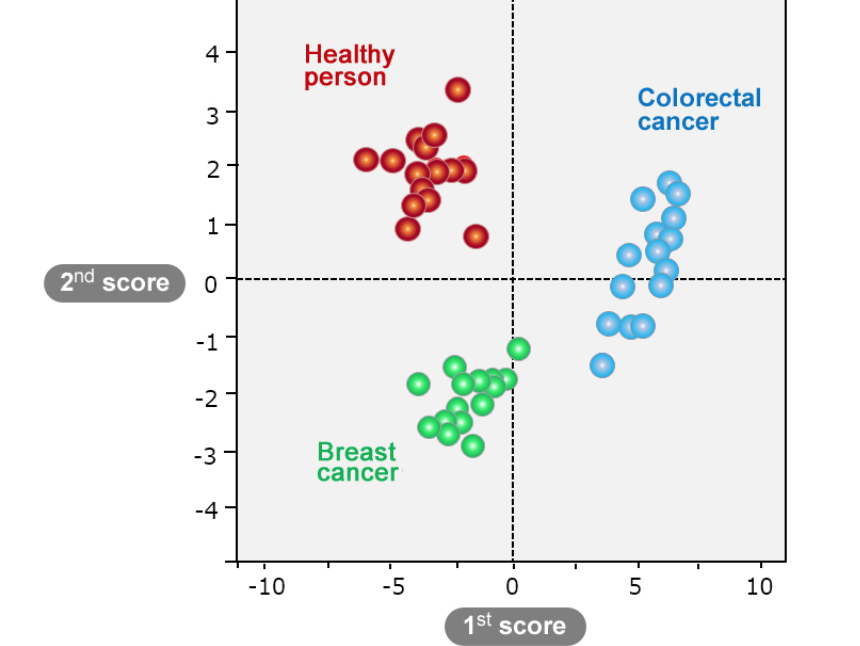
5,000 types of metabolites can be analyzed for cancer biomarkers in urine.  The team began a study three years ago, resulting in the identification of 30 metabolites that can be used to discriminate between healthy people and cancer patients.  Further validation studies will begin in September at Nagoya University.

According to Sakairi:  “For the comprehensive analysis of urine metabolites, we used a liquid chromatograph/mass spectrometer (LC/MS). Taking measurements with an LC/MS, and focusing on differences in the water-and fat-solubility of metabolites so as to optimize measurement conditions, we were able to detect over 1,300 metabolites in the urine samples. Using 30 biomarkers from among these, a look at their measured values for 15 cases each of breast cancer patients, colorectal cancer patients, and healthy subjects showed that we had made a breakthrough in being able to discriminate the difference between cancer and not cancer.”


Join ApplySci at the 9th Wearable Tech + Digital Health + Neurotech Boston conference – September 25, 2018 a the MIT media Lab

Categories
AI

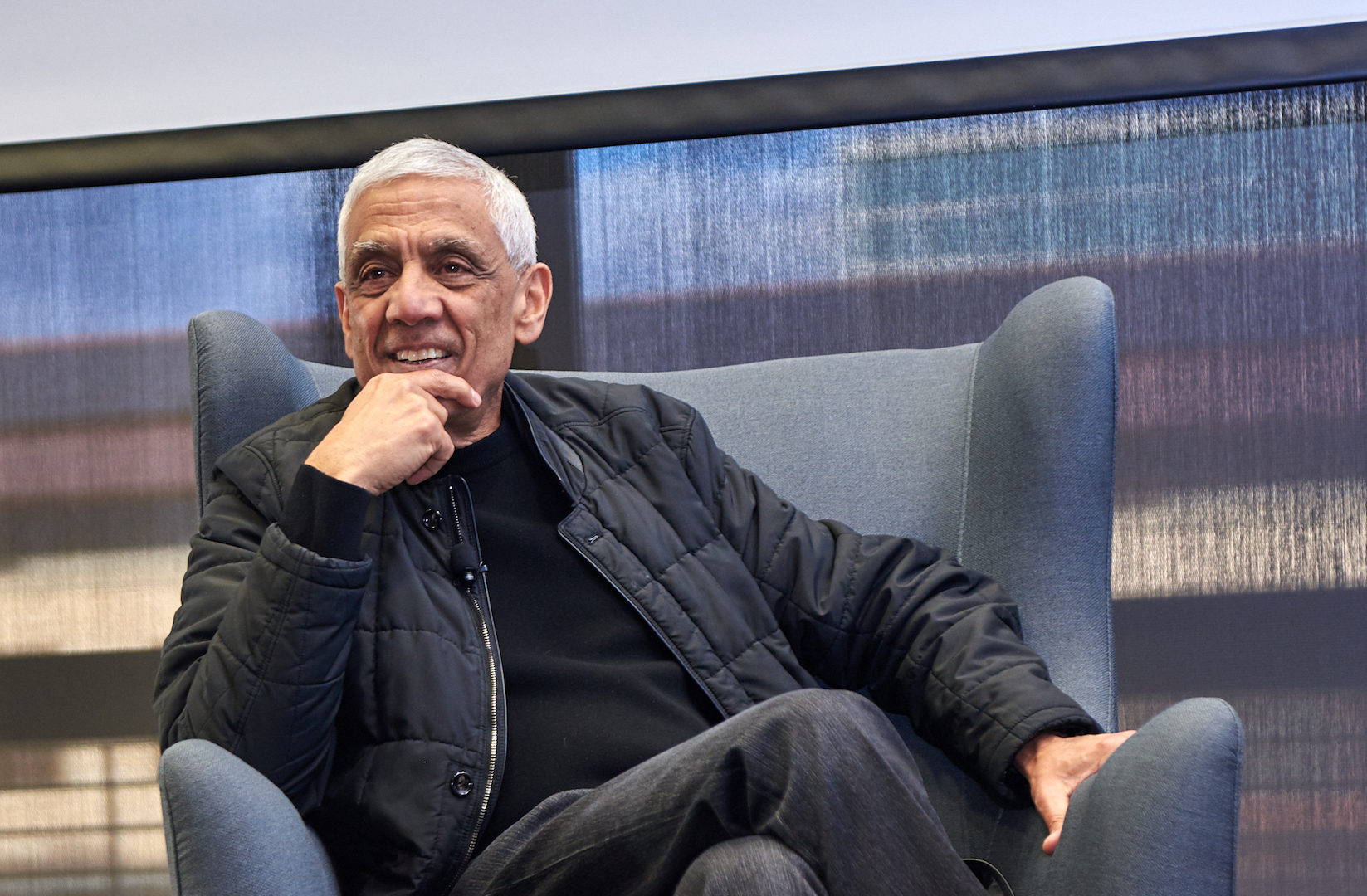
Vinod Khosla + Lisa Weiner Intrator on AI in healthcare | ApplySci @ Stanford

Vinod Khosla + Lisa Weiner Intrator discuss AI in healthcare at ApplySci’s Wearable Tech + Digital Health + Neurotech Silicon Valley conference – February 26-27, 2018 at Stanford University


Join ApplySci at the 9th Wearable Tech + Digital Health + Neurotech Boston conference on September 25, 2018 at the MIT Media Lab