Categories
Arthritis

Implant stimulates vagus nerve, relieves arthritis pain

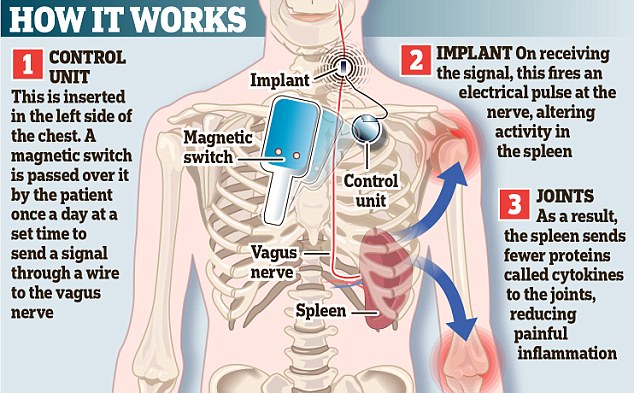
Academic Medical Center scientists have implanted tiny pacemaker-like devices in the necks of 20 patients with severe rheumatoid arthritis,  reducing joint pain with out drugs.  The trial was led by Professor Paul-Peter Tak.

The implant stimulates the vagus nerve, which connects the brain to major organs, and is responsible for automatic body functions. Spleen activity was reduced after impulses were fired for three minutes a day.  In less than a week, participant’s spleens produced fewer chemicals and other immune cells that cause abnormal joint inflammation in rheumatoid arthritis.

GlaxoSmithKline, a partner in the study, hopes that the same technique could, in the future, reverse other chronic conditions, including asthma, obesity and diabetes.
Categories
Sensors Wearables

Samsung moves from fitness tracking to health monitoring

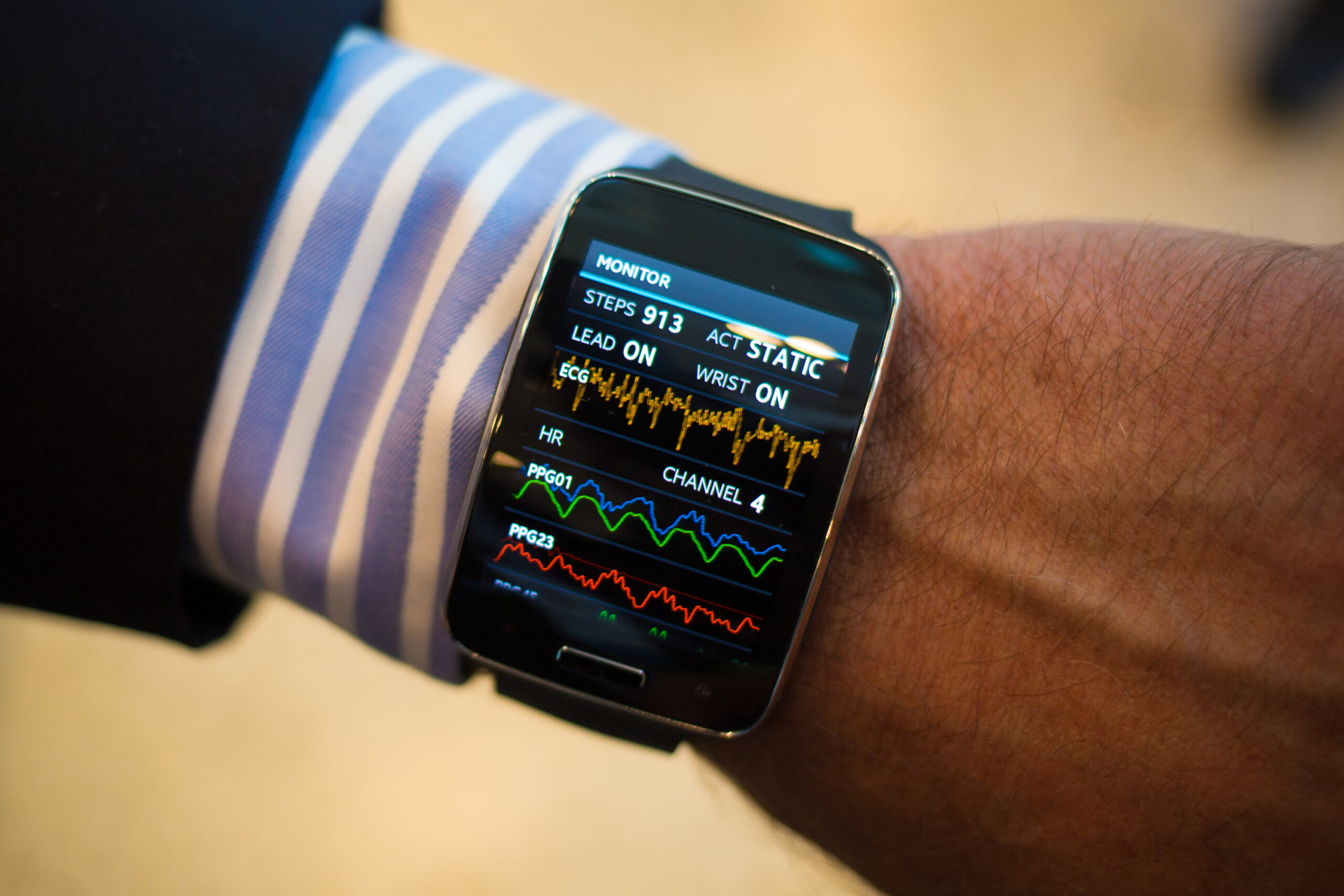
Samsung’s Simband represents the company’s shift from fitness tracking to health monitoring, allowing medical startups and researchers to develop sensor applications.

Simband is equipped with six sensors: electrocardiogram, photoplethysmogram, galvanic skin response, accelerometer, and thermometer.  Developers can also add proprietary sensors.

The wearable’s three main functions are called “trends,” “monitor,” and “spot check.” Trends displays one’s data over time, monitor is a real-time, all sensor tracking mode, and spot check quickly checks heart rate and blood pressure.


Categories
Cancer

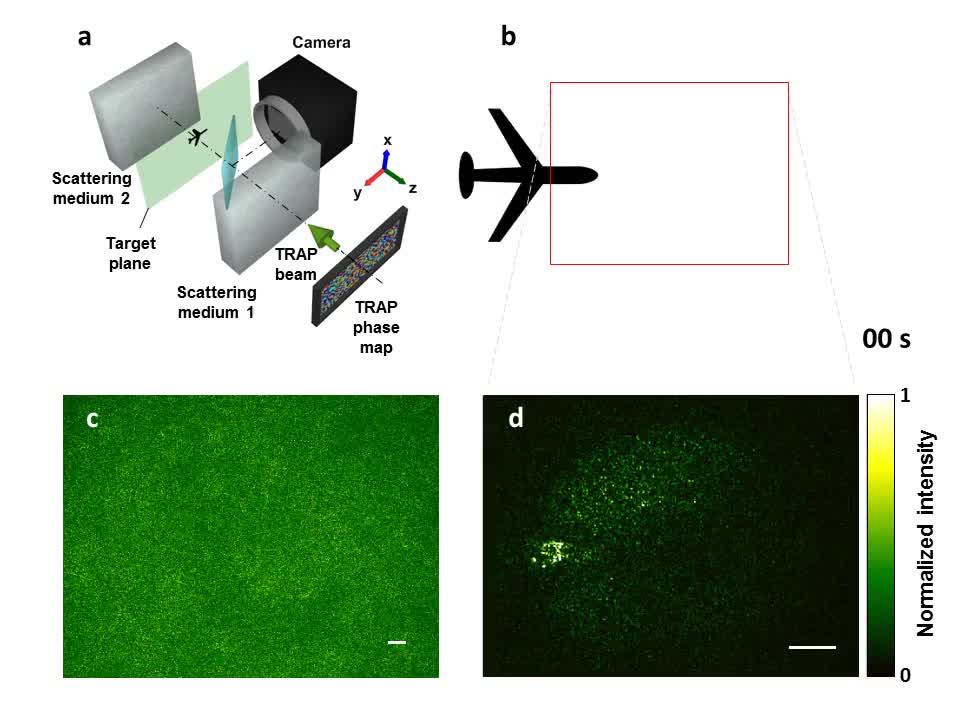
Reversing time improves cancer tissue imaging

Washington University professor Lihong Wang has developed a time-reversal technology that allows researchers to better focus light in tissue.  The photo acoustic imaging combines light with acoustic waves to form a sharper image, several centimeters into the skin.  Current high-resolution optical imaging technology allows researchers to see only 1 millimeter deep.

The time-reversed adapted-perturbation (TRAP) optical focusing  sends guiding light into tissue to seek movement. The light that has traversed stationary tissue appears differently than light that has moved through something moving, such as blood. By taking two successive images, they can subtract the light through stationary tissue, retaining only the scattered light due to motion. The light is then sent back to its original source via a time-reversal process, which improves its focus.

Categories
Sensors Sleep

Contactless sleep and fatigue sensor

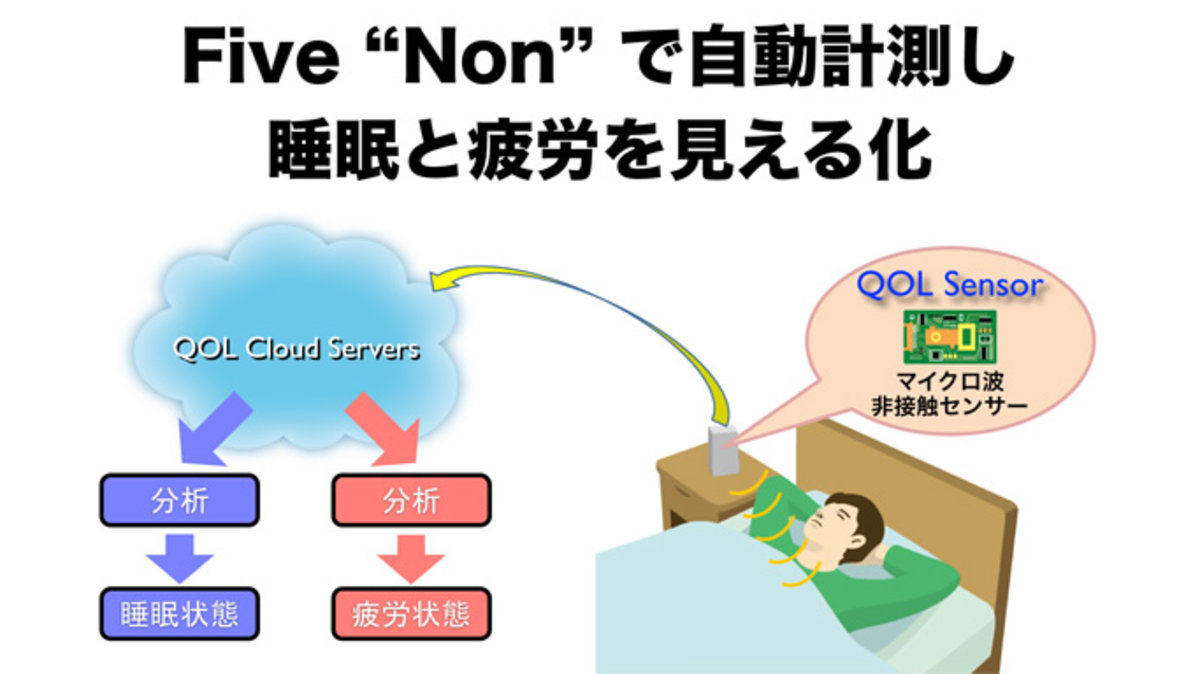
Entering the digital health market, Nintendo is developing a contactless device to track a user’s sleep and monitor fatigue.  It is based on a non-contact radio frequency sensor which measures breathing, heartbeat and body movement.

The company describes the system as five “Non” Sensing elements:

 1.  “Non-wearable.” Nothing is attached to the body.

2.  “Non-contact.” The product will not have any physical contact with the body.

 3.  “Non-operating.” Not requiring the user to operate the device.

4.  “Non-waiting.” Eliminating the wait for measurement results to be produced.

5.  “Non-installation efforts.” Not requiring users to install the product to start.

The nightstand based “QOL sensor” receives the data and  sends it to Nintendo’s cloud servers.  It is analyzed and sent to the user’s smartphone, tablet, Nintendo gaming system or other device. The software advises the user on ways to reduce fatigue.

Categories
Brain fMRI

Brain network map may improve non-invasive stimulation

Brain stimulation treatments can alter neural circuits electrically instead of chemically.  However, understanding what brain regions should be targeted, by condition, remains a challenge, particularly in non-invasive rTMS.  A Beth Israel Deaconess study suggests that brain networks – the interconnected pathways that link brain circuits to one another– can help guide site selection for brain stimulation therapies.

According to author Michael Fox, “Although different types of brain stimulation are currently applied in different locations, we found that the targets used to treat the same disease are nodes in the same connected brain network.”

Brain stimulation treatment data for 14 conditions, including addiction, Alzheimer’s, depression, dystonia, epilepsy, essential tremor, Huntington’s, and Parkinson’s were studied. The researchers listed the stimulation sites, deep in the brain and near the surface, thought to be effective for the treatment of each disease.

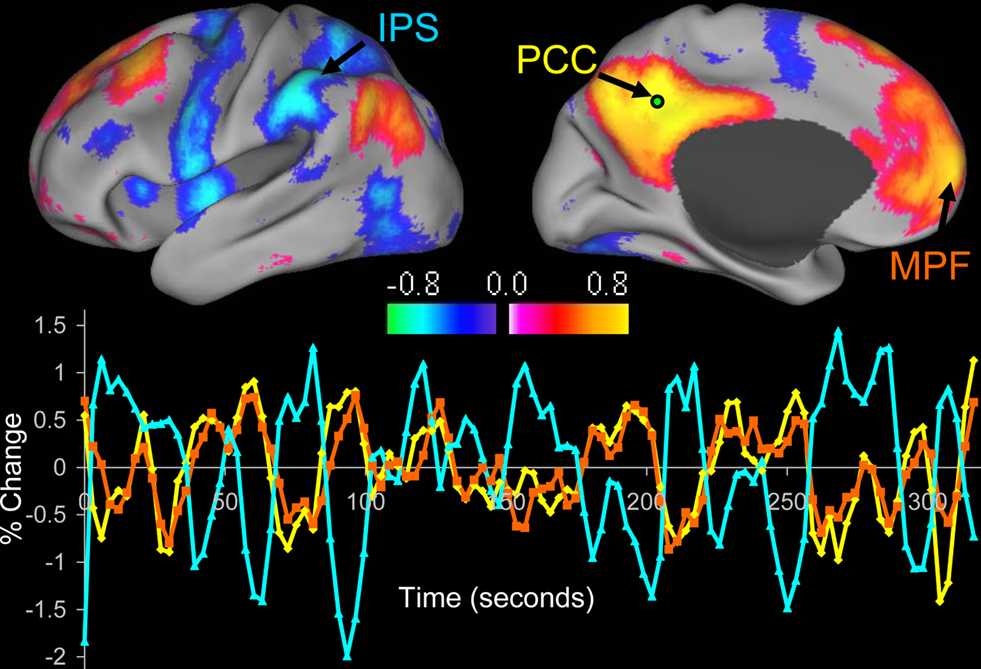
Through a data set of fMRI images of people’s brains at rest, the team  found correlated fluctuations in spontaneous brain activity, illustrating which sites were functionally connected.  A map of connections from deep brain stimulation sites to the surface of the brain was created. When the research team compared the map to sites on the brain surface that work for noninvasive brain stimulation, the two matched.

Categories
Autism Brain Children EEG

EEG could lead to earlier autism diagnosis

Albert Einstein College of Medicine professor Sophie Molholm has published a paper describing the way that autistic children process sensory information, as determined by EEG.  She believes that this could lead to earlier diagnosis (before symptoms of social and developmental delays emerge), hence earlier treatment, which might reduce the condition’s symptoms.

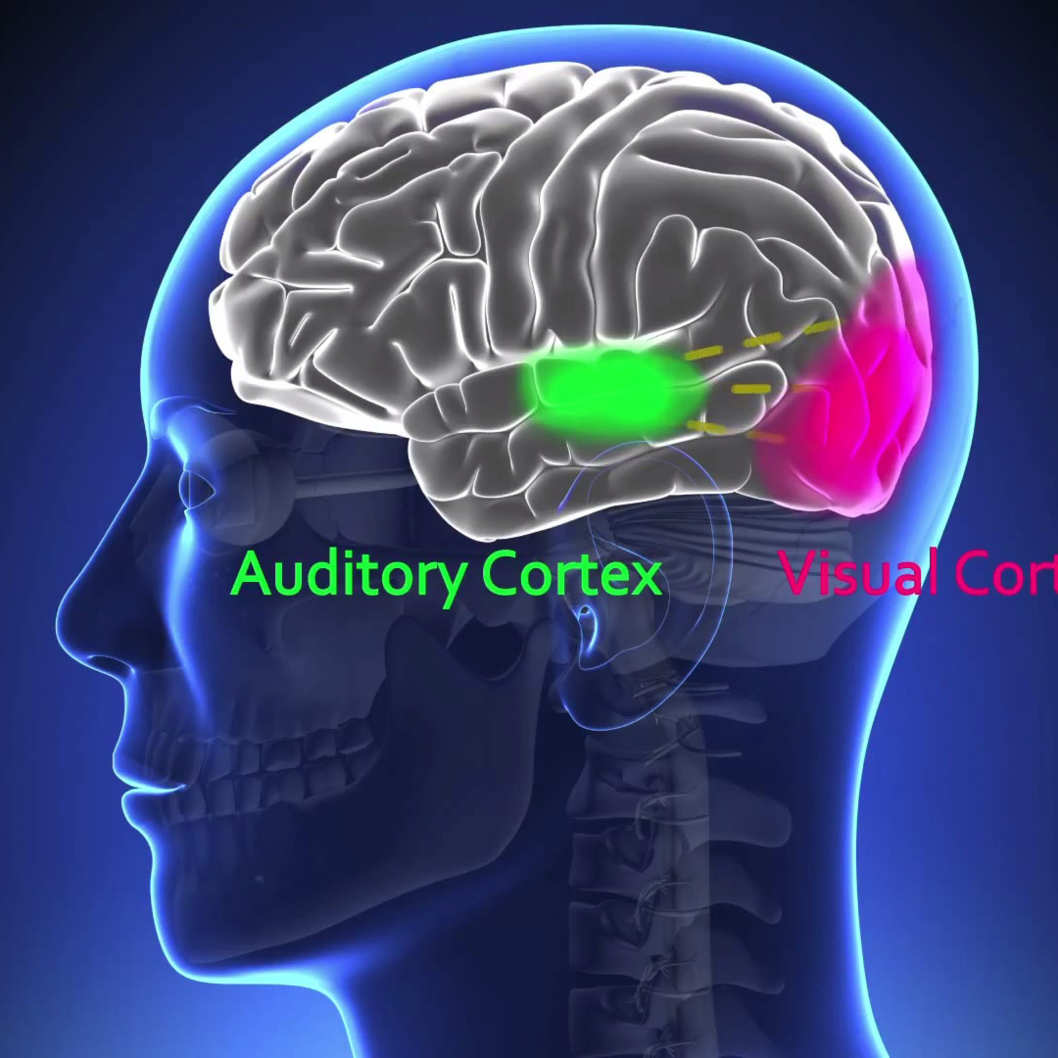
EEG readings were taken from 40 children, ages 6-17, who were diagnosed with autism,  and compared to those of unaffected children of similar age.  All were given either a flash cue, a beep cue or a combination, and asked to press a button when these stimuli occurred.  A 70 electrode cap measured brain responses every two milliseconds, including those that recorded how the brain first processed the information.

The children with autism showed a distinctly different brain wave signature from those without the condition.  There were differences in the speed in which the sights or sounds were processed, and in how the sensory neurons recruited neurons in other areas of the brain to register and understand the information. The more different this multi-processing was, the more severe the child’s autistic symptoms.

Professor Molholm acknowledges that the sample was too small to use the profile for diagnosing autism, but it could lead to such a test if the results are confirmed and repeated.

Categories
Conference fitness Sensors

Google Fit platform aggregates health data

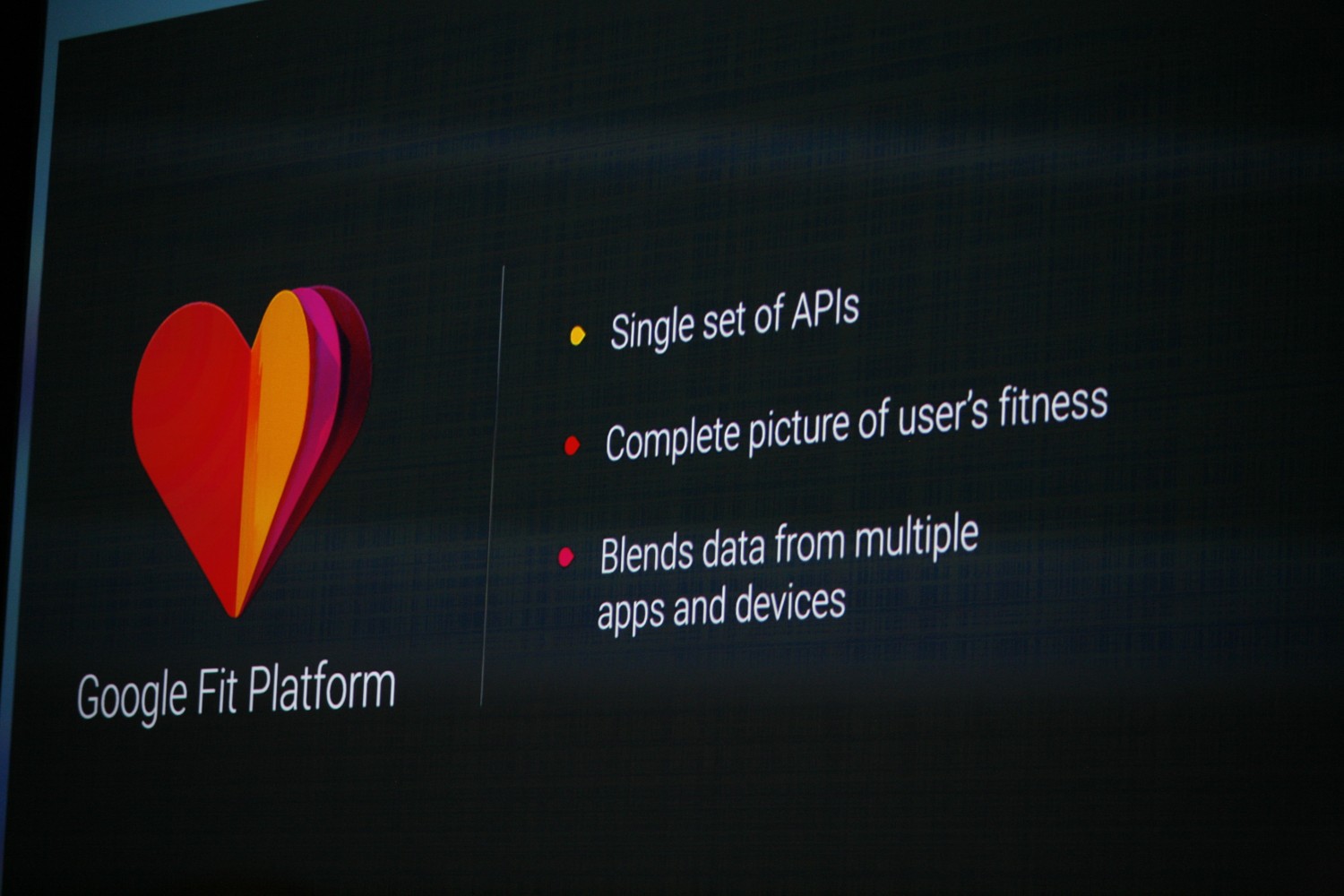
Using a single set of APIs, Google Fit collects and aggregates data from fitness apps and sensors to manage a user’s fitness stream.

The platform will work with wearables and other peripherals.  To protect privacy, permission is required and data can be deleted.  Initally, Adidas,  Nike , Intel, LG and Motorola will participate.  Nike will add its Fuel number to the Fit stream for other apps to utilize.

Apple announced a similar fitness data aggregation platform, Healthkit,  earlier this month. (See ApplySci, June 5 2014.)  Both platforms are expected to go live this fall.

Categories
fitness Wearables

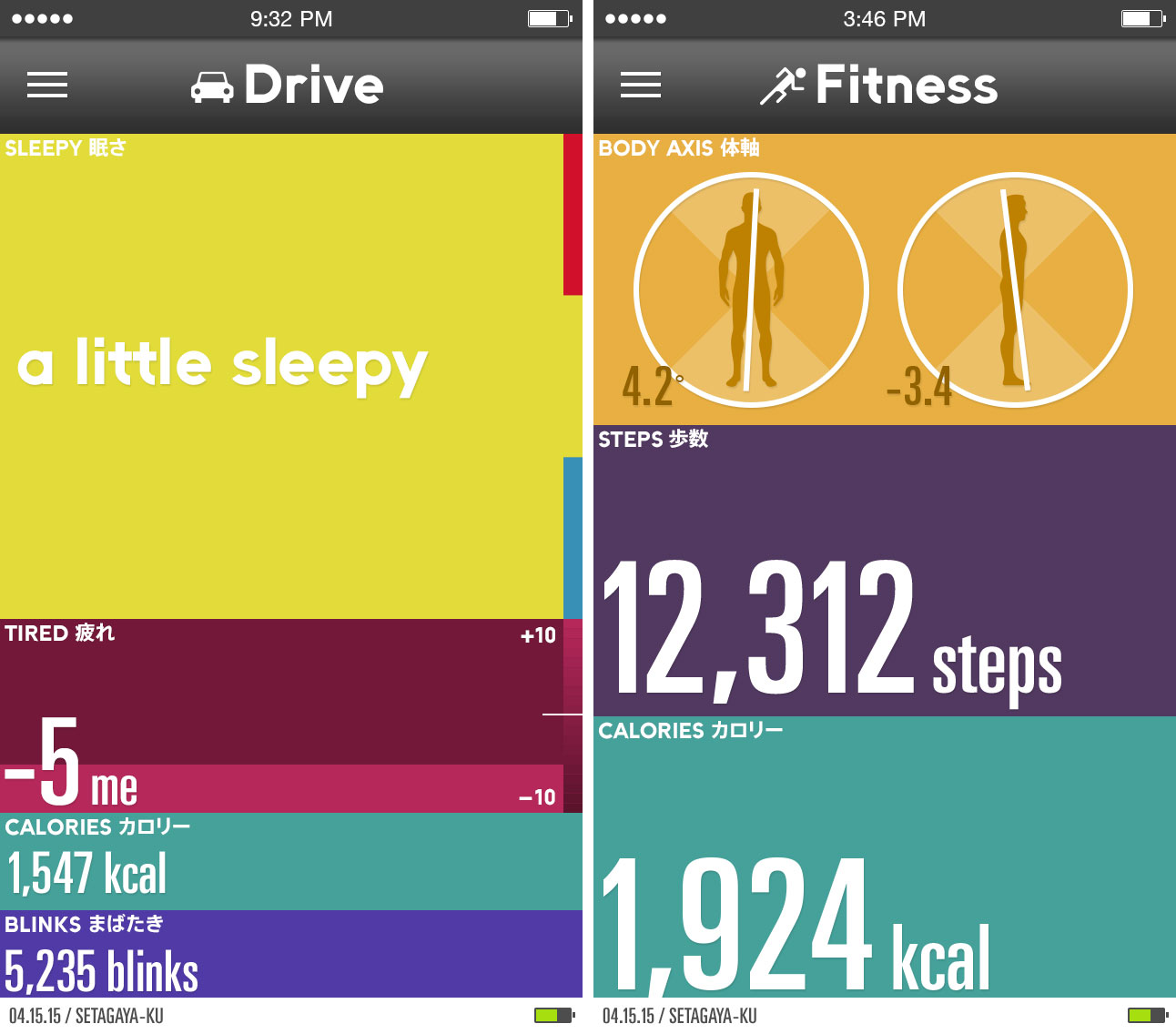
Smart glasses track fatigue

JINS MEME glasses track the correlation between eye strain and fatigue, and send mental and physical tiredness data to a user’s smartphone. 

The glasses monitor a user’s eye movements and gaze. They contain small metallic electrooculography sensors in the parts of the frame that touch the bridge of the nose and ears, determining the electrical potential of the eye movement.  Voltage change data is measured for alertness or fatigue.  It also has a motion tracking sensor that calculates body movements, posture and balance and can provide information about calories burned or exercise speed.

Categories
Prosthetics Robotics

Prosthetic arm moves after muscle contraction detected

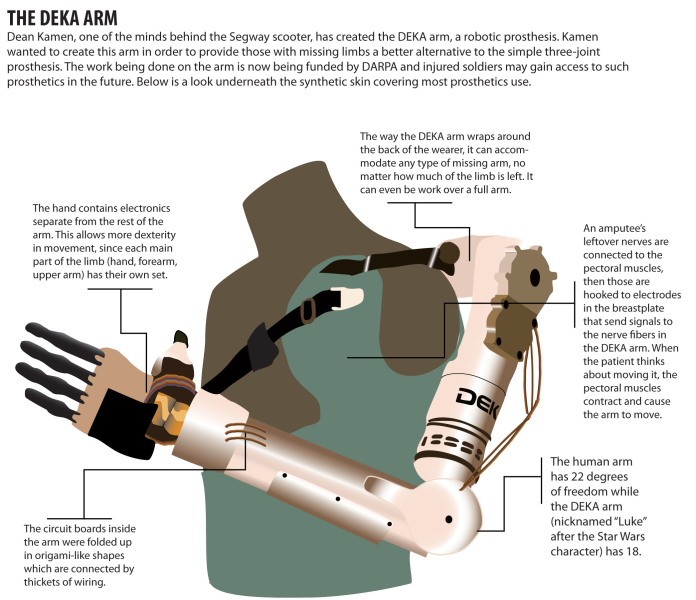
DEKA is a robotic, prosthetic arm that will allow amputees to perform complex movements and tasks. It has just received FDA approval.

Electrodes attached to the arm detect muscle contractions close to the prosthesis, and a computer translates them into movement.  Six “grip patterns” allow wearers to drink a cup of water, hold a cordless drill or pick up a credit card or a grape, among other functions.

DARPA‘s Justin Sanchez believes that DEKA “provides almost natural control of upper extremities for people who have required amputations.”  He claims that “this arm system has the same size, weight, shape and grip strength as an adult’s arm would be able to produce.”