Categories
Brain Seniors

Robot assesses, assists dementia patients

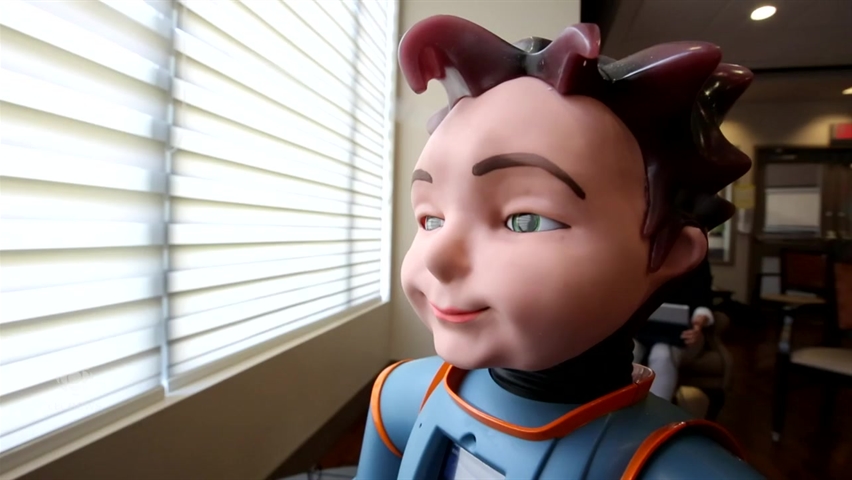
Ludwig is a University of Toronto – built robot meant to assist seniors with cognitive issues.

“He” stands in front of a person, displays a picture on a screen, and asks the viewer to describe what he or she sees. Ludwig then interprets a user’s condition, including engagement, happiness or anxiety, and behavior changes over time.

With in-ear microphones, in-eye cameras, and feet embedded sensors, he tracks one’s stare, body movement, intonation and choice of words.  Based on these factors, speech recognition technology provides an analysis of cognitive health.

The second generation robot was originally built to guide seniors around their own homes, but was not interactive.

The new system will be piloted in a senior living facility in Canada next month.  Ludwig will be placed  in a common room so that residents can approach him casually.  If successful, a robot like this could help seniors age in place, or assist those with brain injuries and diseases in managing the activities of daily living.


Join ApplySci at Wearable Tech + Digital Health + NeuroTech Silicon Valley – February 7-8, 2017 @Stanford University
Categories
Brain

Keith Black on tumor treatment innovation, early Alzheimer’s detection, predictive medicine

Keith Black, MD, Chairman and Professor, Department of Neurosurgery at Cedars-Sinai, was a keynote speaker at ApplySci’s recent NeuroTech San Francisco conference.

Click to view his interview with StartUp Health’s Unity Stoakes at the event, where he discussed brain tumor treatment innovation, early Alzheimer’s diagnosis, wearables, and predictive medicine.  Dr. Black’s brilliance is equaled only by his compassion for patients — and ApplySci was truly honored to include him in the conference.


Join ApplySci at Wearable Tech + Digital Health + NeuroTech Silicon Valley – February 7 – 8, 2017 @ Stanford University

Categories
Brain

MRI, fMRI, task-based MRI, diffusion imaging combined for highly precise brain map

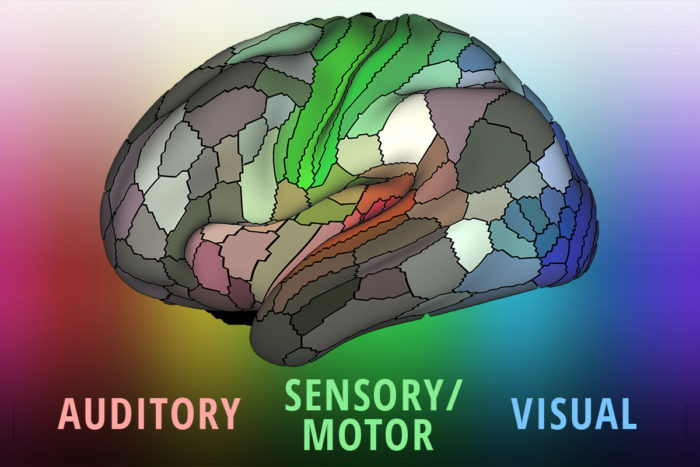
A brain map that includes more than doubled the number of distinct areas known in the human cortex, from 83 to 180, has been published. It combines data from four imaging technologies to  bring high-definition to brain scanning. Washington University’s Matthew Glasser and David Van Essen led the global research team.

1200 young adult brains were scanned using MRI, which reveals the structure of the brain; fMRI, which registers brain activity while resting; task-based fMRI, which registers activity while engaged in mental exercises; and diffusion imaging, which reveals the paths of neurons.

By aligning the brain areas using the combined scanning protocol, an extraordinary degree of precision was achieved.

Potential applications include identifying biological markers for  neurological diseases and mental illnesses, and the ability for neurosurgeons to better define tissue.

Click to view Nature video


Join ApplySci on February 7-8 at Stanford University for Digital Health + NeuroTech Silicon Valley 2017

Categories
Sensors

Implanted thread provides real-time diagnostic data

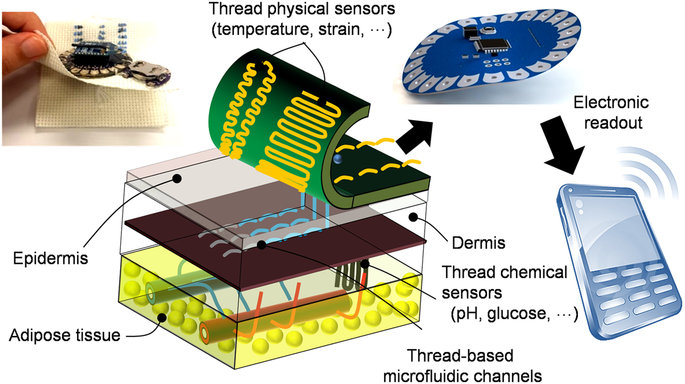
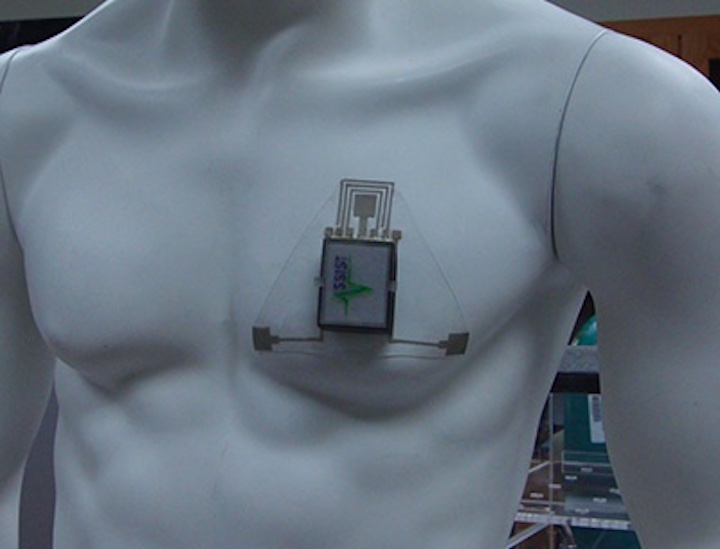
Tufts University researchers have created  a thread-based diagnostic platform to provide real-time health data for implanted devices and wearables.

Thread-integrated nano-scale sensors, electronics and microfluidics can be sutured through multiple layers of tissue . Measures of tissue health (pressure, stress, strain and temperature), pH and glucose levels are collected.  Results are transmitted wirelessly.

The system can be used to determine how a wound is healing, whether infection is emerging, or whether the body’s chemistry is out of balance.

The three-dimensional platform can conform to  organs, wounds or orthopedic implants. Previously, substrate structures for implantable devices have  been two-dimensional, limiting their use to flat tissue, such as skin.


Join ApplySci at Digital Health + NeuroTech Silicon Valley 2017 – February 7-8 @ Stanford University

Categories
Brain Machine Learning

Algorithm detects depression in speech

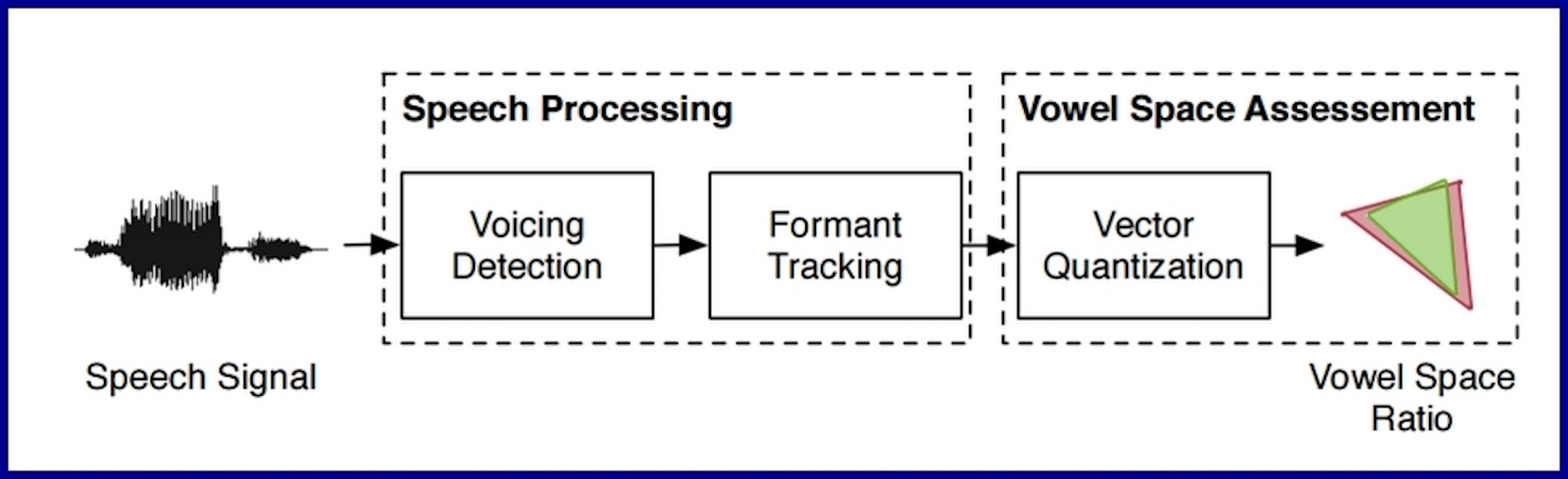
USC researchers are using machine learning to diagnose depression, based on speech patterns. During interviews, SimSensei detected reductions in vowel expression that might be missed by human interviewers.

The depression-associated speech variations have been documented in past studies.  Depressed patient speech can be flat, with reduced variability, and monotonicity. Reduced speech, reduced articulation rate, increased pause duration, and varied switching pause duration were also observed.

253 adults used the method to be  tested for “vowel space,” which was significantly reduced in subjects that reported symptoms of depression and PTSD.  The researchers believe that vowel space reduction could also be linked to schizophrenia and Parkinson’s disease, which they are investigating.


Join us at ApplySci’s 6th WEARABLE TECH + DIGITAL HEALTH + NEUROTECH conference – February 7-8, 2017 @ Stanford University

Categories
Data

Andreas Weigend on Data for the People

Of all the data we create and share, perhaps none is more important — or more sensitive —  than data about our health.  The wearable tech revolution has given us, as patients and individuals, control – but we also must think about what we, and others, do with the data that we collect.

Andreas Weigend, author of Data for the People, Professor at Stanford and Berkeley, Director of the Social Data Lab, and former Chief Scientist at Amazon,  keynoted the recent NeuroTech San Francisco conference.   Following is a link to his interview with Unity Stoakes of StartUp Health, where he discusses the reality of social data, including his 5 rules:

  • The right to access (one’s data)
  • The right to amend
  • The right to blur
  • The right to play
  • The right to port

Click to view Dr. Andreas Weigend’s interview on StartUp Health NOW, recorded on April 6th, 2016 at Wearable Tech + Digital Health + NeuroTech San Francisco


Join ApplySci at the 6th Wearable Tech + Digital Tech + NeuroTech Silicon Valley conference – February 7-8, 2017 @ Stanford University

Categories
Pregnancy Robotics

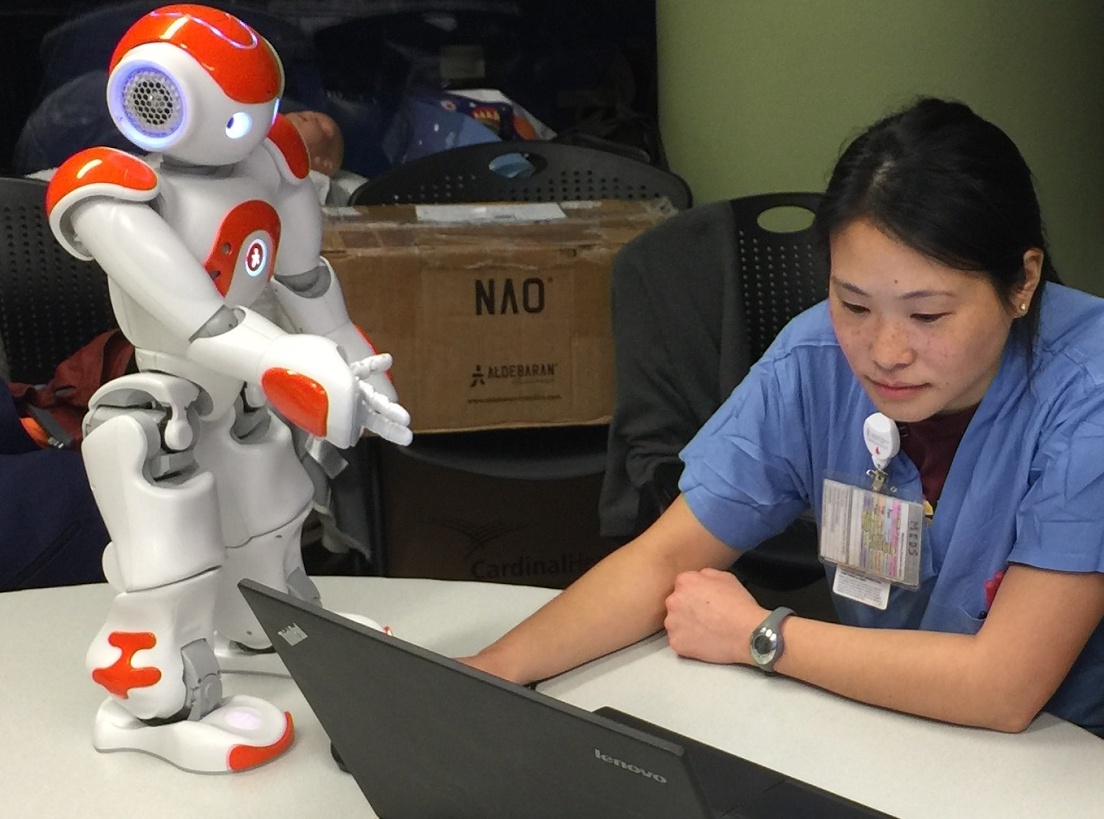
AI robot learns ward procedures, advises nurses

Julie Shah and MIT CSAIL  colleagues have developed a robot to assist labor nurses.  The AI driven assistant learns how the unit works from people, and is then able to make care recommendations, including scheduling and patient movement.

Labor nurses attempt to predict the arrival and length of labor, and which patients will require a C-section.  A smart robot, who has observed thousands of these decisions, could be a useful resource.  Whether a machine can replace human judgment in stressful situations must still be proven.

Click to view CSAIL video

Categories
Brain Children

Immersive media system reduces pre-surgery anxiety

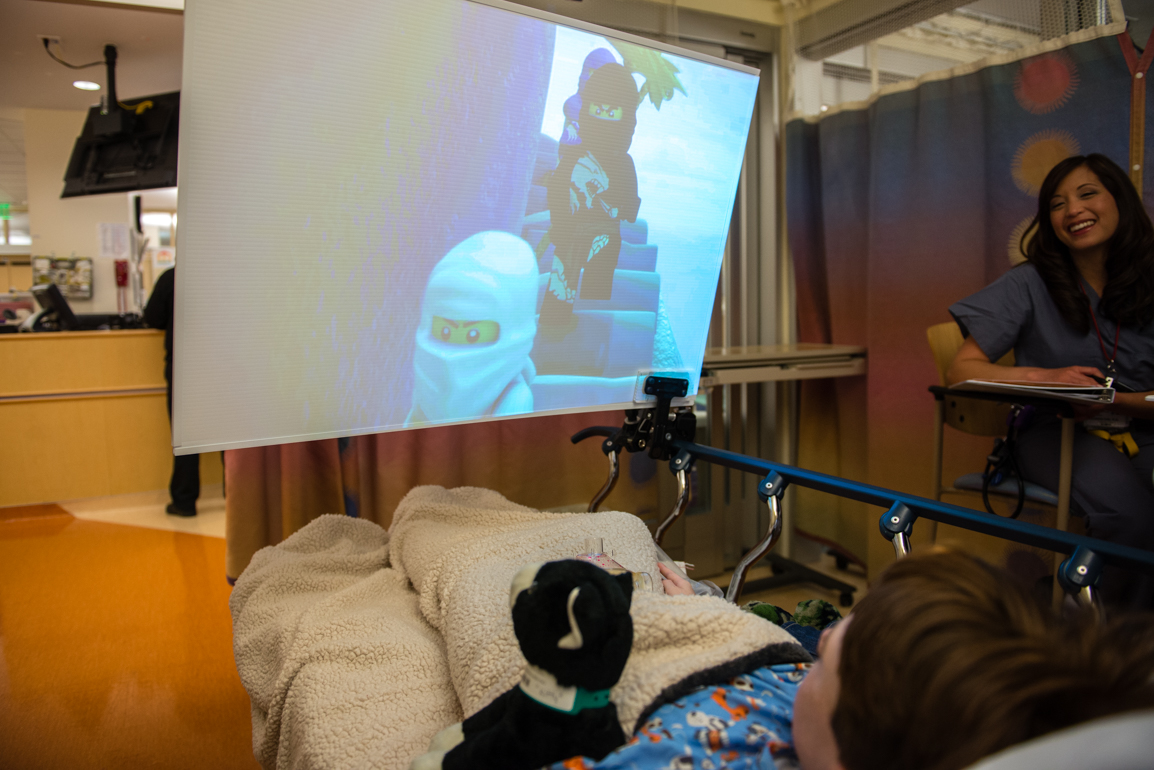
BERT (Bedside Entertainment Theater) is a non-medical technique used at Lucille Packard Children’s Hospital to reduce stress before surgery.  It is meant to be a safer,  entertaining alternative to anti-anxiety drugs, which are often given pre-anesthesia, and could affect the recovery process, or impact developing brains.

BERT is an immersive media experience, consisting of a mobile projector and large plastic screen, which attach to a bed. Patients can choose from a menu of entertainment options, from TV shows to movies to music videos.

The technology is not revolutionary.  However, the drug-free approach is.  ApplySci hopes that the philosophy spreads rapidly.

Click to listen to an NPR interview, with Stanford Hospital’s Jenny Gold, about BERT.

Categories
Sensors

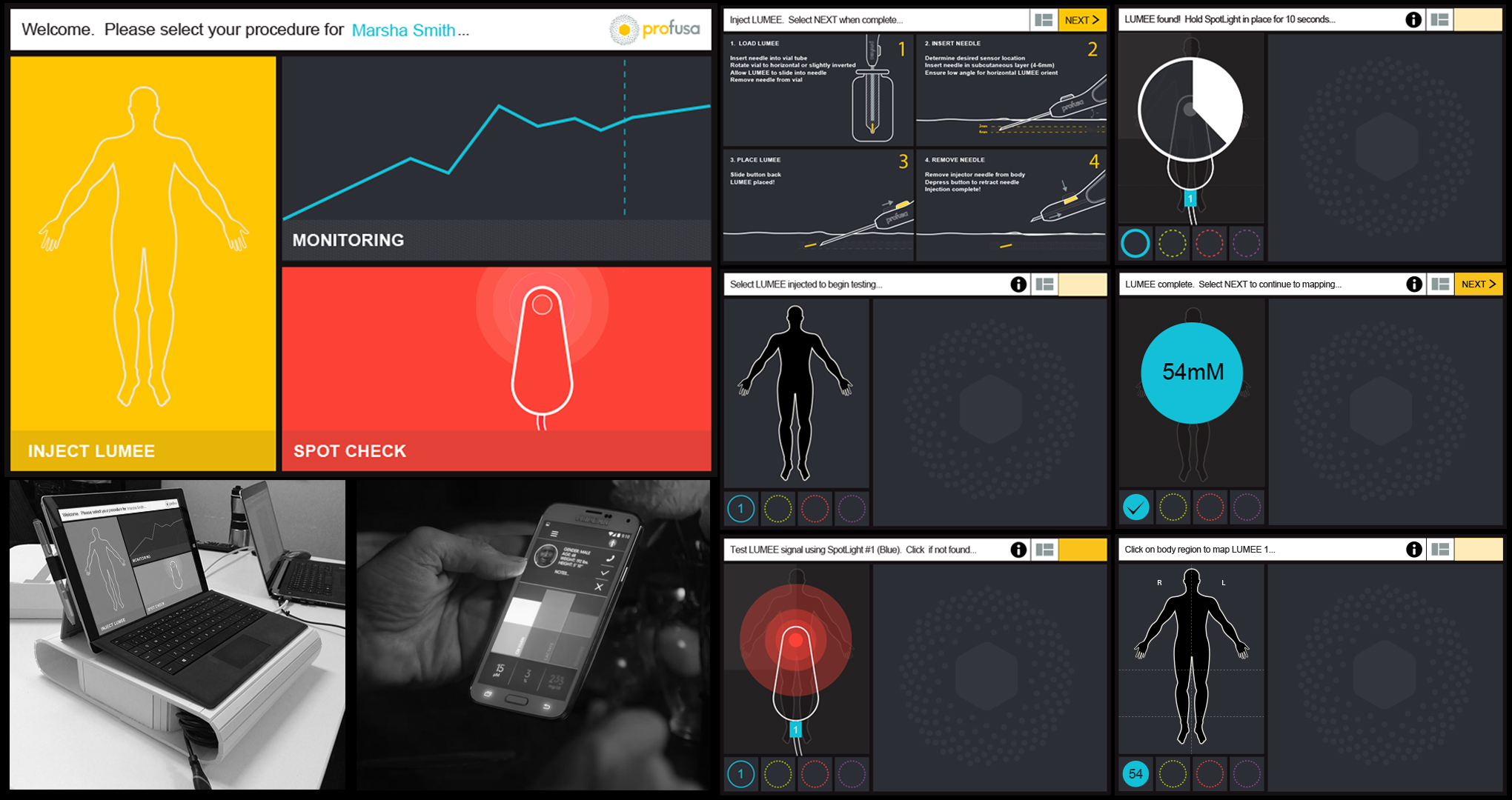
Injectable sensor continuously monitors multiple body chemistries

Profusa injectable sensors are  designed for the simultaneous, continuous monitoring of multiple body chemistries including metabolic and dehydration status, ion panels, blood gases, and other  biomarkers.  The company will initially provide real-time monitoring of soldier’s health, but its sensors can be used to manage peripheral artery disease, diabetes or COPD, or enhance sport performance.

The small, flexible, fiber sensor is based on a “smart hydrogel” and is designed to be integrated into the body’s tissue to overcome the foreign body response for more than 1 year.

Click to view Profusa video

Categories
Asthma

Chest/wrist wearable system predicts, aims to prevent, asthma attacks

North Carolina State researchers are developing a multi-sensor wearable monitoring system meant to predict and prevent asthma attacks. A chest-worn patch  track one’s respiratory rate, skin impedance and wheezing in the lungs. A wristband monitors volatile organic compounds and ozone in the air, ambient humidity, and temperature, as well as a a wearer’s movements, heart rate and blood oxygen level. Users must also breathe into a spirometer several times per day to measure lung function.

An algorithm  identifies which environmental and physiological variables are effective at predicting asthma attacks. Wearers receive notifications suggesting a change in environment or activity to prevent an attack.

Categories
Diabetes

“Artificial pancreas” uses sensor + app monitoring system

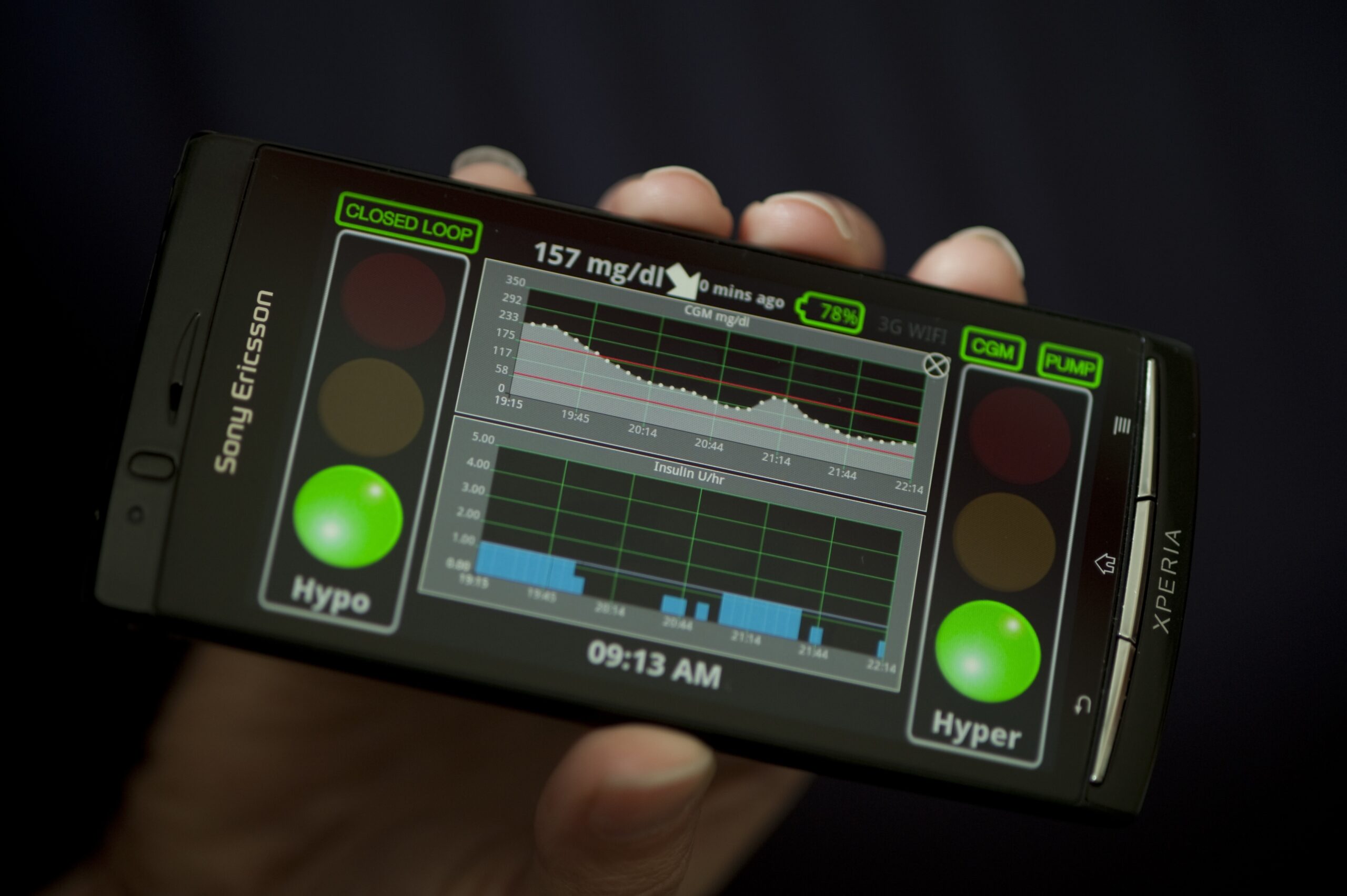
University Hospital of Montpellier researchers, led by Eric Renard, are developing a sensor/app “artificial pancreas” system for diabetics.

The sensor continuously monitors glucose.  The data is sent to a phone, where an algorithm calculates insulin needed, and to a pump, which then delivers the correct amount of insulin.

So far, the system has only been tested on 21 patients for 1 month, where the results were promising.  Obviously, much more research is needed. The next stage will involve 240 child and adult patients, who will use the device for 6 months.

Categories
Heart

Electronic scaffold replaces damaged tissue, stimulates heart

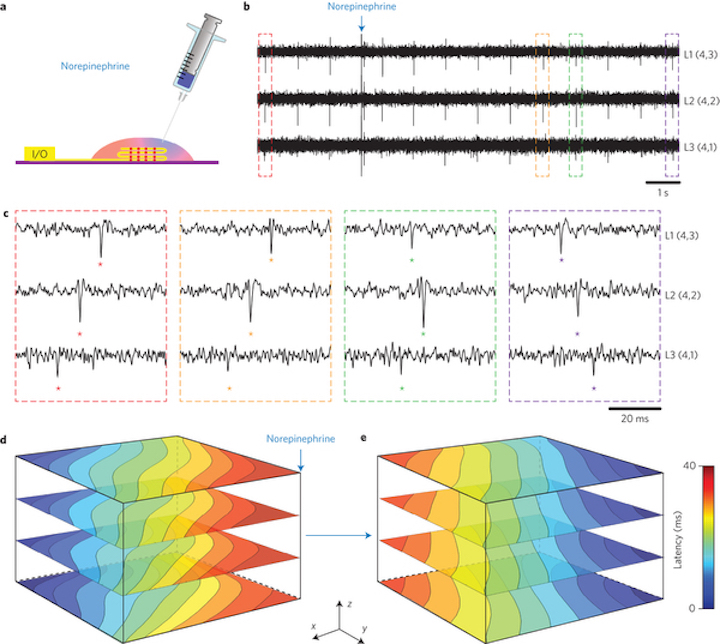
Charles Lieber and Harvard colleagues have designed nanoscale electronic scaffolds, seeded with cardiac cells to produce a “bionic” patch to replace damaged cardiac tissue.  The flexible electronics can also electrically stimulate the heart, and change the frequency and direction of signal propagation, as tissue feedback is continuously monitored.

Instead of being located on the skin’s surface, electronic components are integrated throughout the tissue, allowing the detection of  early-stage cardiac instabilities and faster intervention. The device operates at  lower, safer voltages than a traditional pacemaker.

The patch could also be used to monitor responses to cardiac drugs, or to help  determine the effectiveness of drugs under development.